Last updated 2026-07-26
TL;DR
There's no universal 'free rental inspection report' service. Some cities provide a free self-inspection checklist or a first inspection included in your license fee. Others charge $50 to $300+ per visit. The real free option is downloading your city's official checklist and doing a walk-through yourself before the inspector shows up.
Is there really a free rental inspection report available?
Sort of, but not the way most people searching for this expect. A handful of cities bundle the first rental inspection into your annual or biennial license fee, so there's no separate charge for the visit itself. Other cities, like Minneapolis, publish free self-inspection checklists landlords can use before the official inspection to catch problems early [1]. What almost nobody offers is a truly free, no-strings, professional inspection report from a third party. If someone is trying to sell you one, ask what license or credential the inspector holds and whether the report actually satisfies your city's code requirements. A generic property condition report and a municipal rental inspection are not the same document. The honest path: check your city's rental licensing or code enforcement page first. Many post the exact checklist their inspectors use, free to download, so you know precisely what will get flagged before anyone shows up with a clipboard. That's the closest thing to a 'free rental inspection report' that actually exists and holds up.
What can a landlord look at during an inspection?
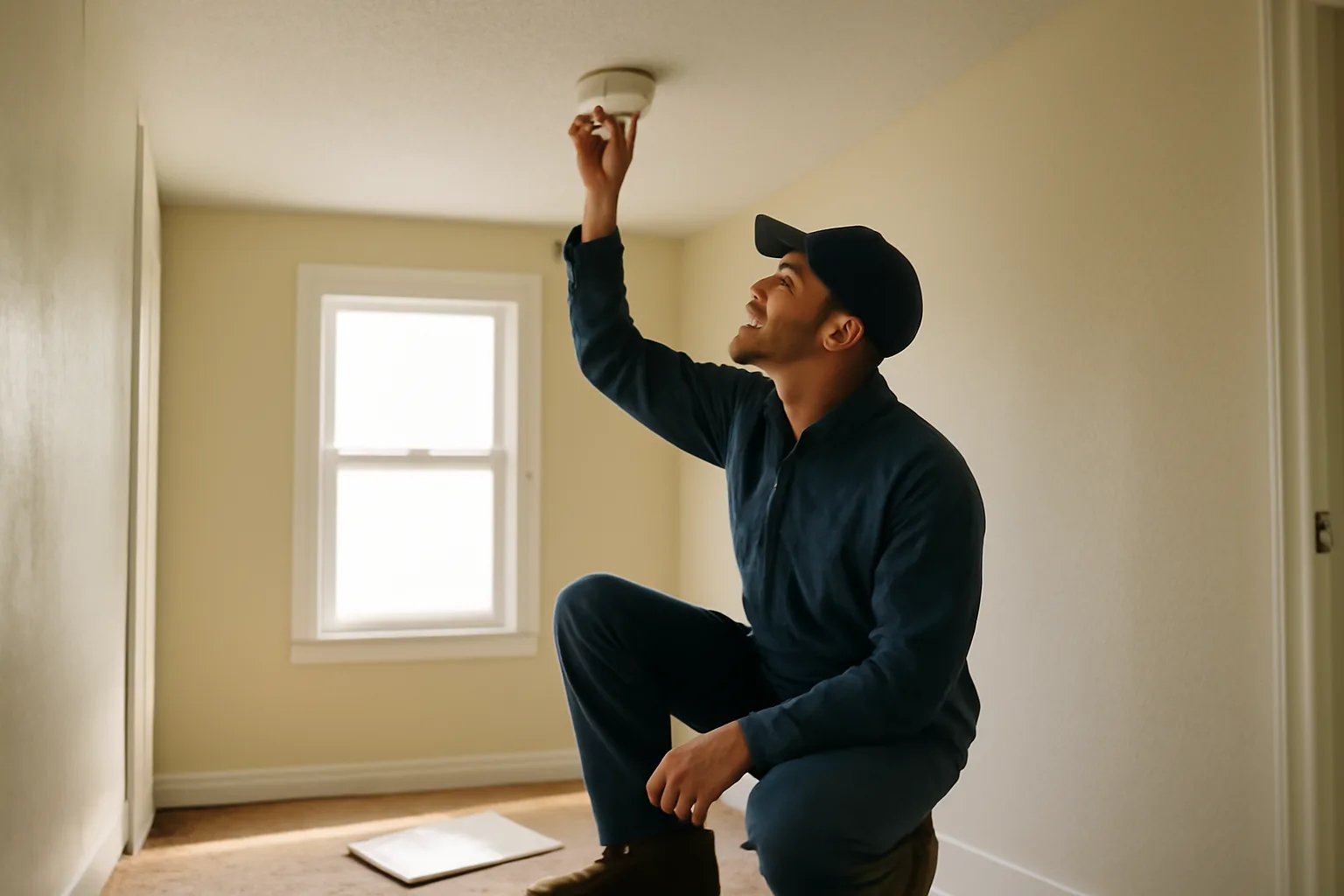
A city rental inspector checks health and safety items tied to the local housing or property maintenance code, not your tenant's belongings or how tidy they keep the place. Typical items include working smoke and carbon monoxide detectors, functioning heat, hot water, secure locks on exterior doors and windows, no exposed wiring, no active leaks or mold growth, adequate egress from bedrooms (a window or door big enough to escape through in a fire), and pest-free conditions. Inspectors generally look at: - Smoke alarms and CO detectors (placement and working batteries or hardwired power)
- Electrical panels and outlets, GFCI outlets near water sources
- Plumbing: functioning fixtures, no active leaks, adequate hot water
- Heating system function and venting
- Structural issues: sagging floors, damaged stairs, missing handrails
- Window and door locks, screens, and glazing
- Exterior: peeling paint (especially pre-1978 buildings, tied to lead paint rules), roof condition, gutters, unsafe decks or porches
- Interior common areas in multi-unit buildings: lighting, exit signage, fire extinguishers where required Many city codes explicitly limit the scope to health, safety, and structural items. This matters because a landlord doing a private walk-through inspection (not the city's) has fewer restrictions but still can't use the visit as a pretext to harass a tenant or search for unrelated things. If your unit is a rental subject to a mandatory licensing program, your city's inspection checklist (often a PDF on the housing department's site) is the single best free resource for knowing exactly what will be checked.
Who is responsible for a rental property walk-through inspection in California?
In California, the landlord is generally responsible for arranging move-in and move-out walk-through inspections, and state law actually requires an initial inspection option for the tenant before they move out. Under California Civil Code Section 1950.5(f), a landlord must, if the tenant requests it, conduct an initial inspection no earlier than two weeks before the end of the tenancy and give the tenant an itemized statement of anticipated deductions, so the tenant has a chance to fix issues before losing part of the security deposit [2]. The landlord (or their agent) schedules and conducts the inspection, but must give at least 48 hours' written notice of the date and time, and the tenant has the right to be present [2]. This is separate from any city-mandated rental licensing inspection, which is done by a municipal code enforcement officer, not the landlord. Several California cities, including Los Angeles, run their own periodic rental inspection programs under names like the Systematic Code Enforcement Program, where city staff, not the landlord, conduct the inspection and the landlord's main job is to schedule access and fix violations found.
How much notice does a landlord have to give before an inspection?
This depends entirely on state law and, separately, on your local rental licensing ordinance, so there's no single national number. For routine, non-emergency entry to inspect the unit, many states set 24 hours as the standard, but not all, and the required form (written vs. verbal, and acceptable delivery method) varies too. California requires "reasonable notice," which the same Civil Code section defines as presumptively 24 hours for most routine entries, and 48 hours specifically for the pre-move-out inspection described above [2]. Some states use 24 hours as the general standard for entry to inspect or show a unit; others don't set a specific number in statute at all and instead use a "reasonable notice" standard, so you have to look at your specific state's landlord-tenant statute. Because of this variation, before you schedule anything, confirm your state's statute number and your city's rental inspection notice requirement (often 48 hours or more, and often required to be in writing) with your city's rental licensing office. Ordinance requirements for licensing inspections can be stricter than the state's general entry notice rule.
What a landlord cannot do in Ohio
Ohio's landlord-tenant law is Ohio Revised Code Chapter 5321. A few things landlords in Ohio cannot legally do: they cannot enter the rental unit without giving reasonable notice, generally interpreted as 24 hours, and cannot enter at unreasonable times of day [3]. They cannot shut off utilities, remove doors or windows, or otherwise force a tenant out without going through the eviction process in court. This is sometimes called a "self-help eviction," and it's illegal almost everywhere, more than Ohio [3]. Ohio landlords also cannot retaliate against a tenant for reporting a code violation or joining a tenant organization, and cannot refuse to maintain the unit in a fit and habitable condition. Ohio Revised Code 5321.04 requires landlords to keep the premises in compliance with building, housing, and health codes, make repairs, and keep common areas safe [4]. If you're an Ohio landlord getting ready for a rental inspection tied to a city licensing program, remember that the city ordinance and the state landlord-tenant statute are two separate layers of rules, and you need to satisfy both. Several Ohio cities run their own registration and inspection ordinances on top of the state statute.
What rights do tenants have without a lease?
A tenant without a written lease, often called a tenant-at-will or month-to-month tenant, still has real legal protections under state law. They're entitled to a habitable unit, protection from illegal lockouts and utility shutoffs, and the same notice-before-entry rules that apply to leased tenants [3]. What changes without a written lease is mainly the notice period for ending the tenancy: month-to-month tenancies typically require 30 days' written notice from either party to terminate, though this varies by state and by how long the tenant has lived there. A verbal or implied agreement to pay rent in exchange for occupying a unit still creates a landlord-tenant relationship under the law, meaning the tenant has tenant rights that exist independent of any signed document. Landlords sometimes assume no lease means no obligations, which is wrong and can get you in real trouble in front of a judge or a code enforcement hearing officer. If you're renting out a unit informally, it's worth reading up on tenants rights in your state before your next tenant walk-through, because the inspection standards and notice rules apply whether or not paper was signed.
Why do landlords require renters insurance?
Landlords require renters insurance mainly to shift liability and reduce their own losses when something goes wrong that isn't the building's fault: the tenant's dog bites a guest, a candle starts a small fire, a bathtub overflow damages the unit below. A landlord's own property insurance covers the structure and the landlord's belongings, but it generally doesn't cover a tenant's personal property or liability for incidents the tenant caused. Requiring renters insurance (commonly $15 to $30 a month in premium for a basic policy, though this varies a lot by market and coverage amount) is legal in most states as a lease condition, as long as it's applied consistently to all tenants and disclosed before signing. It also gives landlords a documented paper trail if a dispute over damage ends up in small claims court. Some cities and some HUD-subsidized programs restrict how landlords can require or verify this, so if you're in a program with a housing authority contract, check the program rules before adding a renters insurance clause.
How to become a landlord
Becoming a landlord legally involves more steps than just buying a property and finding a tenant, especially if your city or county requires rental registration or licensing. The basic path: confirm the property is zoned for rental use, register the unit with your city if required, pass an initial inspection if your city mandates one, get landlord liability insurance, and understand your state's landlord-tenant statute for security deposits, notice periods, and habitability duties. Many cities under mandatory rental licensing programs require registration before you can legally collect rent. Many first-time landlords skip the local registration step because they don't know it exists, and only find out when a code enforcement notice or a fine shows up in the mail. That's the single most common and most avoidable mistake in this business. Before you list the unit, search "[your city] rental registration" or "rental license" and check with your city's rental licensing or code enforcement office directly, since requirements, fees, and inspection cycles differ by city and change over time.
How to be a landlord day to day (what the job actually involves)
Being a landlord day to day means handling four ongoing responsibilities: collecting rent and tracking it, responding to and completing maintenance requests within a reasonable time, handling tenant turnover, and staying current on any local licensing renewal. Many states set specific timeframes for urgent repairs like no heat or no water. License renewal usually happens annually or every two years and often triggers a re-inspection. Most landlords with 1 to 10 units underestimate the paperwork side. License renewal notices, inspection scheduling letters, violation notices with correction deadlines, and proof-of-repair documentation all pile up fast, especially if you own units in more than one city with different systems. Keeping a simple file (physical or digital) per property, with your registration number, inspection dates, and violation history, saves real time when renewal season hits or when you're selling the property and a buyer's lender wants proof the unit is currently licensed.
What is landlording, and what is a landlord?
A landlord is the owner (or the owner's authorized agent) who rents residential or commercial property to a tenant in exchange for rent, under either a written lease or an oral/implied agreement. "Landlording" is the informal term for the ongoing work of managing that relationship: maintaining the property, handling rent collection, following notice and entry rules, keeping the unit compliant with local housing codes, and managing the legal side of tenant turnover. The word carries more regulatory weight than people expect. Once you rent out a unit, most states impose statutory duties on you regardless of what your lease says, things like the implied warranty of habitability, which requires the unit to meet basic health and safety standards for the full length of the tenancy, more than at move-in. If your city also runs a mandatory rental licensing or inspection program, "landlording" legally includes registering the unit, paying the required fee, and passing periodic inspections, on top of the private landlord-tenant relationship. Ignoring the licensing side because you consider yourself a small or "accidental" landlord doesn't exempt you. Cities enforce these ordinances against one-unit landlords just as often as against larger operators, sometimes more often, because small landlords are less likely to know the rule exists in the first place.
How to prep for a rental inspection without paying for a report you don't need
Before you pay anyone for an inspection report, walk the unit yourself with your city's actual checklist in hand, if one is published. Test every smoke and CO detector, check under every sink for slow leaks, make sure every window opens and locks, and photograph anything you fix so you have a dated record if a dispute comes up later. Most violations that show up in first-time inspections are small and cheap to fix: dead detector batteries, a missing handrail on three or fewer steps, a torn window screen, peeling exterior paint. These rarely cost more than $200 total to correct if you catch them before the inspector does. If you own units in a city with a mandatory licensing program and you want the full picture of required forms, fee schedules, and correction deadlines organized in one place before you call the inspection office, the $79 City Rental License & Inspection Prep Packet walks through what most city programs ask for so you're not guessing at requirements the week before your inspection window opens. It's not a substitute for your city's official checklist, but it's built to help you organize for it.
What happens after the inspection, and what if you get a violation notice?
If the inspector finds a violation, you'll get a written notice listing the specific code section violated, a description of the problem, and a correction deadline, typically somewhere between 10 and 30 days depending on the city and the severity of the issue. Life-safety issues (no working smoke detector, exposed wiring, no heat in winter) usually get much shorter deadlines, sometimes 24 to 72 hours. Most cities allow a reinspection, sometimes for an added fee (commonly in the $25 to $150 range, confirm with your city's rental licensing office for the exact number), to confirm the fix before they'll issue or renew your license. Missing the correction deadline is what typically triggers escalating fines, not the original violation itself. So the single most valuable thing you can do after any inspection is calendar the correction deadline the same day you receive the notice and get proof of the fix (photo, receipt, contractor invoice) before the reinspection.
Frequently asked questions
Is a free rental inspection report the same as a city rental license inspection?
No. A city rental license inspection is conducted by a code enforcement officer and is tied to your legal ability to rent the unit. A 'free rental inspection report' from a private company or app is typically a general property condition report and doesn't satisfy licensing requirements unless your city specifically accepts third-party reports, which is uncommon.
How to become a landlord if my city requires rental licensing?
Register your rental unit with your city's rental licensing or code enforcement office, pay the required fee, and schedule the initial inspection if one is mandated. Requirements and fees vary widely by city, so confirm the exact process and cost with your local rental licensing office before listing the unit for rent.
Who is responsible for a rental property walk-through inspection in California?
The landlord schedules and conducts move-in and move-out walk-through inspections. California Civil Code Section 1950.5(f) requires landlords to offer an initial move-out inspection if the tenant requests it, with at least 48 hours' written notice, giving the tenant a chance to fix issues before losing deposit money.
What is landlording?
Landlording is the ongoing work of owning and managing a rental property: collecting rent, maintaining the unit, following notice and entry laws, keeping the property compliant with local housing codes, and handling tenant turnover including security deposit accounting and move-out inspections.
What is a landlord legally?
A landlord is the property owner, or their authorized agent, who rents residential or commercial space to a tenant under a lease or an oral/implied rental agreement. State law imposes duties on landlords, like habitability requirements, regardless of what's written in the lease.
What rights do tenants have without a lease?
A tenant without a written lease still has the right to a habitable unit, protection from illegal lockouts and utility shutoffs, and required notice before the landlord enters. Ending a month-to-month tenancy without a lease typically requires 30 days' written notice from either party, though the exact period varies by state.
How to be a landlord without missing licensing deadlines?
Keep a simple file per property tracking your registration number, license expiration date, and inspection history. Set a calendar reminder 60 to 90 days before your license renewal date, since many cities require a reinspection before renewal and scheduling can take several weeks.
Why do landlords require renters insurance?
Renters insurance covers the tenant's personal belongings and liability for incidents they cause, which a landlord's own property insurance typically doesn't cover. Requiring it, usually costing a tenant $15 to $30 a month, protects the landlord from disputes over tenant-caused damage or injury.
How much notice does a landlord have to give before an inspection?
It depends on your state's landlord-tenant statute and your city's rental inspection ordinance. Many states use 24 hours as a standard for routine entry; California specifically requires 48 hours' written notice for the move-out inspection. Always confirm your state's exact statute and your city's inspection notice rule.
What can a landlord look at during an inspection?
A city rental inspector checks health and safety items: smoke and CO detectors, electrical and plumbing systems, heating function, window and door locks, structural safety, and pest conditions. Inspections generally do not cover tenant belongings, cleanliness preferences, or personal items.
What a landlord cannot do in Ohio
Under Ohio Revised Code Chapter 5321, landlords cannot enter without reasonable notice (generally 24 hours), cannot force a tenant out through self-help eviction like shutting off utilities or removing doors, and cannot retaliate against a tenant for reporting a code violation.
Do I have to pay for a rental inspection?
It depends on your city. Some cities include the first inspection in the annual or biennial license fee; others charge a separate inspection fee, commonly ranging from $50 to over $200 depending on the city and unit count. Confirm the exact fee with your city's rental licensing office.
What happens if I fail my rental inspection?
You'll get a written notice listing the specific violations and a correction deadline, often 10 to 30 days for standard issues and much shorter for life-safety problems. Most cities allow a reinspection, sometimes for an added fee, before issuing or renewing your rental license.
Sources
- City of Minneapolis, Rental Licensing program page: Some cities publish free self-inspection checklists for landlords to use before the official inspection
- California Civil Code Section 1950.5: California requires landlords to offer an initial move-out inspection with 48 hours' written notice if requested by the tenant
- Ohio Revised Code Chapter 5321: Ohio landlord-tenant law sets rules on notice before entry, habitability duties, and prohibits self-help eviction and retaliation
- Ohio Revised Code Section 5321.04: Ohio landlords must keep rental premises in compliance with building, housing, and health codes and make repairs
- Ohio Revised Code Section 5321.05: Ohio tenant obligations and related protections under the state landlord-tenant statute