Last updated 2026-07-26
TL;DR
Becoming a landlord means more than buying a property and finding a tenant. Most cities require rental registration or licensing, many require a walk-through inspection before or during tenancy, and every state sets rules on notice periods and tenant rights. Check your city rental licensing office before you list a unit.
what is landlording, and what does a landlord actually do?
Landlording is the business of owning residential property and renting it to tenants in exchange for regular payment, usually monthly rent. A landlord is the legal owner (or authorized manager) of a rental unit who holds specific obligations under state and local law: keeping the unit habitable, handling repairs, returning security deposits on time, and following eviction procedures if things go wrong. It's not passive income in the way people imagine it on social media. You're running a small business with a government-regulated product (housing) and a government-regulated customer relationship (a lease). That means paperwork, deadlines, and in a growing number of cities, mandatory registration or licensing before you can legally collect rent at all. The U.S. Census Bureau's Rental Housing Finance Survey found that individual investors, meaning people who own between one and a handful of rental properties, own a majority of rental housing in the country rather than large corporate landlords [1]. If you're a first-time landlord with one or two units, you're the median case, not an outlier. Many cities now require these individual landlords to register their rental units with a city office, pay an annual or biennial fee, and in some cases pass a habitability inspection before a certificate of occupancy or rental license is issued. Requirements and fees vary widely by city, so confirm with your city rental licensing office before you rent out a unit.
how do you become a landlord, step by step?
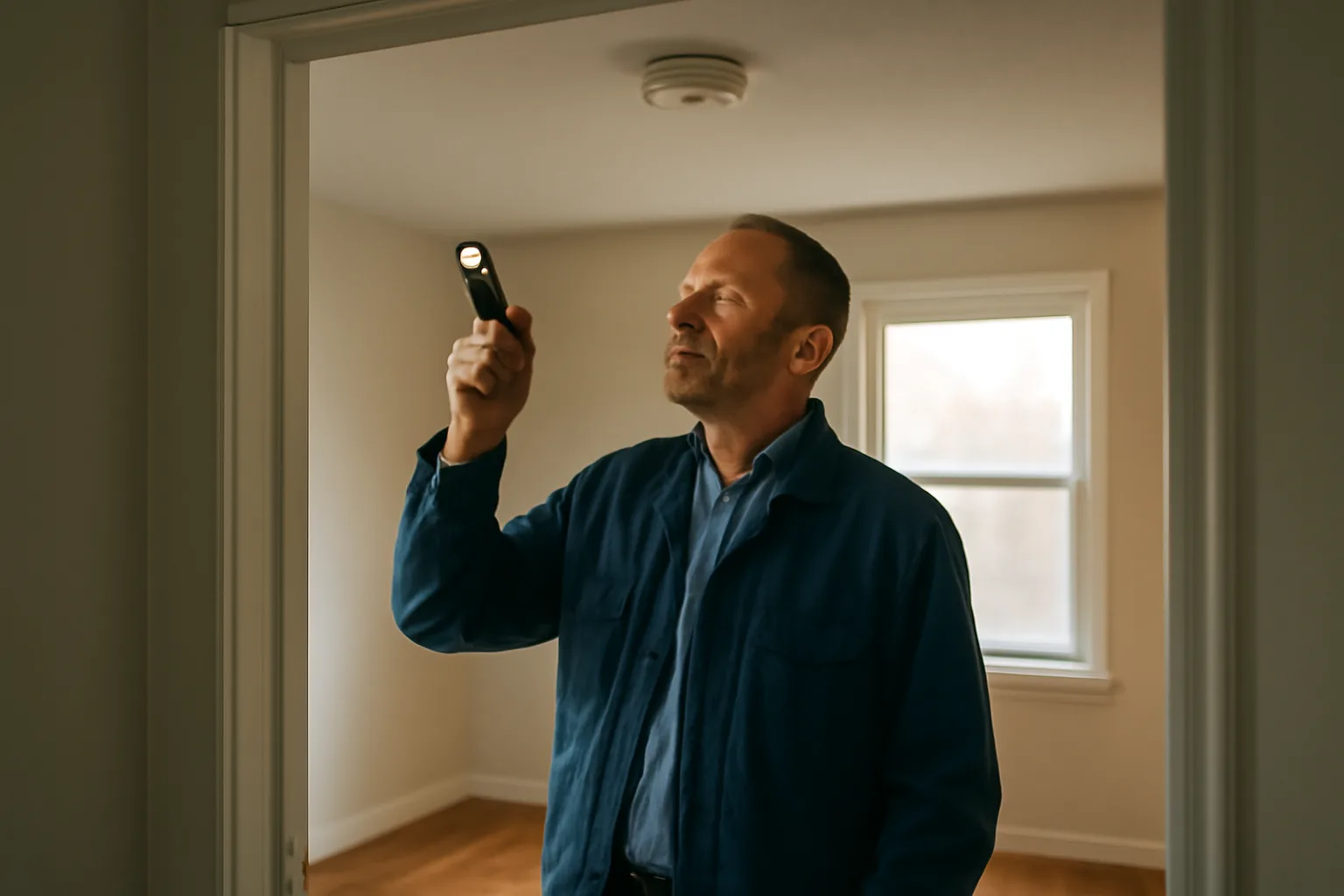
Becoming a landlord involves five practical steps that come before you ever hand over keys: securing the property (purchase or inherited ownership), checking local licensing requirements, preparing the unit to meet habitability and safety codes, screening tenants legally, and signing a compliant lease. 1. Confirm the property is zoned and permitted for rental use. Some cities restrict short-term or even long-term rentals in certain zones, or cap the number of rental units per building. 2. Check whether your city requires rental registration or licensing. A growing number of municipalities, especially in California, the Northeast, and the Midwest, require landlords to register every rental unit annually and sometimes pass an inspection. Skipping this step is the single most common way new landlords end up with a violation notice in their first year. 3. Get the unit inspection-ready. Working smoke and carbon monoxide detectors, functioning heat, no exposed wiring, proper egress from bedrooms, and no active pest infestations are baseline requirements almost everywhere, licensing city or not. 4. Screen tenants using the same criteria for every applicant, applying the Fair Housing Act's protections against discrimination based on race, color, national origin, religion, sex, familial status, or disability [2]. 5. Use a written lease that meets your state's landlord-tenant statute, covering rent amount, due date, security deposit terms, and maintenance responsibilities. If your city has a licensing program, expect a checklist and an inspection window. Building a packet of your registration confirmation, inspection prep checklist, and required safety documentation ahead of your first inspection date saves real time. That's the exact gap a City Rental License & Inspection Prep Packet is built to fill: a one-time $79 packet that organizes what most cities ask for before their inspection date, rather than you piecing it together from a dozen city PDF forms.
what rights do tenants have without a lease?
Tenants without a written lease are not without rights. In every state, a tenant paying rent regularly, even with no signed lease, is legally a tenant-at-will (or month-to-month tenant), and the landlord must still follow state notice and eviction procedures to end the tenancy. An oral agreement to pay rent in exchange for occupancy is generally enforceable as a month-to-month tenancy under state landlord-tenant law. That means the landlord can't simply change the locks, remove belongings, or shut off utilities to force someone out, doing so is illegal self-help eviction in nearly every state, and tenants can sue for damages. Without a lease, tenants still generally have the right to: a habitable unit, advance notice before entry (except emergencies), advance written notice before rent increases or termination (typically 30 days for month-to-month tenancies, though some jurisdictions with rent stabilization require 60 or 90 days for longer tenancies), and return of any security deposit collected, following the state's deposit rules. What tenants lose without a lease is certainty. Terms about who pays for what repair, whether pets are allowed, and how much notice applies to changes in rent can all default to state statute rather than a negotiated agreement, and that default is often less favorable to both sides because it's generic. If you're renting to a family member or friend informally, put terms in writing anyway. It protects you and them.
who is responsible for a rental property walk-through inspection in california?
In California, the landlord is legally responsible for offering a pre-move-out inspection when a tenant is vacating, and for conducting a habitability inspection to identify needed repairs, but the tenant has the right to be present. Under California Civil Code Section 1950.5(f), a landlord must, upon request from the tenant or on the landlord's own initiative, notify the tenant in writing of their right to an initial inspection before the tenant moves out, conducted no earlier than two weeks before the end of the tenancy [3]. The purpose is to give the tenant a chance to fix deficiencies themselves and avoid deductions from the security deposit. The landlord must give at least 48 hours' written notice before this inspection (or the tenant can waive that notice), and following the inspection, must provide an itemized statement of any repairs or cleaning that would justify deposit deductions if not addressed [3]. The tenant, or anyone the tenant designates, has the right to be present for the inspection. Separately, many California cities with rental inspection programs (Los Angeles' Systematic Code Enforcement Program is one well-known example, administered by the Los Angeles Housing Department) send city inspectors, more than the landlord, to check habitability and code compliance on a periodic basis [4]. In those cases, the landlord is responsible for scheduling access and fixing violations, but the inspection itself is conducted by a city code enforcement officer, not the landlord.
what can a landlord look at during an inspection?
A landlord conducting a routine or move-out inspection can generally check for property damage beyond normal wear and tear, safety hazards, unauthorized alterations, cleanliness affecting habitability, and lease violations like unauthorized occupants or pets. What a landlord cannot do is rummage through personal belongings, search for evidence unrelated to the property's condition, or use the inspection as pretext for harassment. Typical inspection checklist items include: smoke and carbon monoxide detector function, plumbing leaks, HVAC operation, window and door seals, electrical outlets and panel condition, signs of pest infestation, mold or moisture damage, and structural issues like cracked foundations or damaged flooring. City code inspectors, when a rental licensing program requires their visit, typically check the same physical items but against a specific local housing code: required exits, minimum ceiling heights, working sanitation, adequate heat source, and sometimes smoke detector placement per a specific code section. A city inspector generally will not evaluate lease compliance (like unauthorized pets) because that's a private contract matter, not a code matter. In all cases, notice matters. Most states require at least 24 hours' advance written notice before a landlord or their agent enters an occupied unit for a non-emergency inspection, though the exact figure varies (California requires 24 hours under Civil Code Section 1954, and many other states use a similar 24-to-48-hour standard) [5]. Barging in unannounced, even to check a fixed problem, can expose a landlord to a tenant lawsuit for violation of quiet enjoyment.
how much notice does a landlord have to give before entering or ending a tenancy?
Notice requirements split into two different categories that landlords often confuse: notice to enter the unit, and notice to end or change a tenancy. Both vary by state, and neither should be assumed uniform. For entry: California requires 24 hours' written notice for routine inspections and repairs, treating 24 hours as reasonable notice under normal circumstances [5]. Other states set similar windows, often 24 or 48 hours, though a handful default to a vaguer "reasonable notice" standard without a specific hour count, which functionally means whatever a court later decides was reasonable given the circumstances. For ending or changing a month-to-month tenancy: 30 days' written notice is the most common default nationally for tenancies under one year, but that number climbs in some jurisdictions. California requires 60 days' notice to terminate a tenancy of one year or more, and some cities with rent stabilization ordinances require even longer for certain terminations or add just-cause requirements on top of notice [6]. Emergency entry (fire, flood, gas leak) is the one broad exception where no advance notice is legally required, because the health and safety risk overrides the tenant's right to advance warning. Outside genuine emergencies, skipping notice is one of the fastest ways a landlord ends up on the losing side of a tenant complaint or small claims case.
why do landlords require renters insurance?
Landlords require renters insurance mainly to shift liability for tenant belongings and certain damage away from the landlord's own policy, and to reduce disputes over who pays when something goes wrong that isn't the building's fault. A landlord's own property insurance policy typically covers the structure and the landlord's own equipment and appliances. It does not cover a tenant's furniture, electronics, or clothing if there's a fire, burst pipe, or theft. Without renters insurance, a tenant who loses belongings in a covered event has no policy to file a claim against, and often looks to the landlord to cover the loss informally or through a lawsuit, even when the landlord's policy was never meant to cover tenant property. Renters insurance also typically includes liability coverage, meaning if a tenant's guest is injured in the unit, or the tenant accidentally causes damage to a neighboring unit (a bathtub overflow into the unit below is the classic example), the tenant's policy responds first instead of the landlord's liability coverage taking the hit. The average cost of a renters insurance policy nationally runs roughly $15 to $30 a month depending on coverage limits, location, and deductible, according to insurance industry rate surveys, making it a low-cost requirement for landlords to add to a lease [7]. Requiring it is legal in every state; a landlord simply adds it as a lease condition, and many require proof of an active policy naming the landlord as an interested party before move-in.
what can't a landlord do in ohio?
Ohio landlords cannot enter a rental unit without reasonable notice, cannot shut off utilities or change locks to force a tenant out, cannot retaliate against a tenant for exercising a legal right, and cannot discriminate against applicants based on any protected class under state and federal fair housing law. Under Ohio Revised Code Section 5321.04, a landlord must maintain the premises in a fit and habitable condition, comply with building and housing codes, keep common areas safe, and maintain all electrical, plumbing, and heating systems in good working order . Failing to do so, then retaliating against a tenant who complains to a code enforcement agency, is separately prohibited retaliation under Ohio law. Ohio Revised Code Section 5321.05 gives tenants the right to reasonable notice of a landlord's intent to enter, generally interpreted by Ohio courts as 24 hours in most non-emergency circumstances, and prohibits landlords from abusing the right of access to harass a tenant . Ohio also prohibits landlords from using illegal "self-help" eviction methods (changing locks, removing doors, shutting off utilities) to remove a tenant without a court order, no matter how much rent is owed or how clear the lease violation. A landlord who wants a tenant out has to file for eviction (called a forcible entry and detainer action in Ohio) and get a court order, even when the tenant is squarely in the wrong.
why do cities require rental registration or licensing at all?
Cities require rental registration and licensing mainly to track who owns and manages rental housing, so code enforcement has a contact for complaints, and to catch habitability problems before they become emergencies (fires, carbon monoxide deaths, lead exposure) rather than after. Without a registry, a code enforcement officer responding to a tenant complaint about no heat in January often can't even identify who owns the building quickly, let alone whether it's been inspected recently. Registration solves the identification problem. Licensing programs that add a mandatory inspection go a step further, catching code violations proactively rather than waiting for a complaint or a disaster. Fees, inspection frequency, and penalties for non-compliance vary enormously by city, some charge a flat annual fee per unit in the tens of dollars, others charge per building with inspection fees layered on top, and fines for operating an unregistered rental can run into the hundreds or low thousands of dollars per violation depending on the city ordinance. Because this varies so much, confirm the actual fee schedule, inspection cadence, and penalty structure with your specific city rental licensing office rather than assuming your neighbor city's rules apply. If you own units in more than one city, this is where new landlords get tripped up most often: each city's registration deadline, renewal cycle, and inspection checklist is independent, so a compliance calendar tracking each property separately is worth building early rather than reconstructing it after a violation notice arrives.
what happens if you skip licensing or miss an inspection deadline?
Skipping rental licensing or missing an inspection deadline typically triggers an escalating sequence: a notice of violation, a compliance deadline, then a civil fine if you miss that deadline, and in repeat or severe cases, an order restricting you from collecting rent or renting the unit at all until you come into compliance. The exact fine amount and escalation path is set entirely by the individual city ordinance, so there's no honest national number to quote here. Some cities start with a warning and a 30-day cure period before any fine attaches. Others fine per unit per month of non-compliance starting immediately. A minority of cities go further and allow tenants to withhold rent, or bar the landlord from pursuing an eviction for nonpayment, while the property is unlicensed, which is a much bigger financial risk than the registration fee itself. The practical fix is almost always the same regardless of city: register or renew before the deadline, not after a notice arrives. If you've already gotten a notice, respond to the specific compliance items listed rather than re-registering and hoping the notice resolves itself, most city rental licensing offices want documented proof the specific violation was fixed, more than a renewed license fee payment.
how does this connect to broader tenant and landlord rights?
Rental licensing sits inside a bigger web of tenant and landlord rights that both sides need to understand before signing anything. A license or registration certificate from the city is not the same thing as a lease, and it doesn't override the specific rights either party has under state landlord-tenant law. For landlords learning the basics of the relationship, it helps to read up on general landlord responsibilities and how landlord landlords obligations differ across ownership structures (individual owner versus LLC versus property manager, for instance), since licensing paperwork sometimes asks for different information depending on which one applies to you. For tenants (and landlords who want to understand what they're negotiating against), general primers on tenants rights, tenant rights, and renters rights cover the other half of this relationship: what a tenant can insist on regardless of what the lease says, and where state law sets a floor that no lease clause can go below. Understanding both sides isn't just fairness. A landlord who knows tenant rights in detail is less likely to accidentally violate them (illegal entry, improper deposit handling, retaliation) and end up facing a fine or lawsuit that dwarfs whatever the rental license fee would have cost.
Frequently asked questions
how to become a landlord with no experience?
Start by checking your city's rental registration or licensing requirements before buying or listing a unit, since some cities cap rental density or require pre-rental inspections. Then get the unit up to code, screen tenants under Fair Housing Act rules, and use a written lease matching your state's landlord-tenant statute. Many first-timers underestimate the licensing step and get a violation notice within the first year.
what is landlording as a business?
Landlording is owning and managing residential rental property for income, including maintaining habitability, collecting rent, screening tenants, and following state eviction procedures. It's regulated at the state level (landlord-tenant law) and increasingly at the city level (rental licensing and inspection ordinances), so it carries more compliance obligation than passive investing typically implies.
what is a landlord legally?
A landlord is the property owner, or an authorized agent acting for the owner, who rents residential or commercial space to a tenant in exchange for rent. Legally, a landlord holds specific duties under state statute, generally including maintaining habitability, honoring lease terms, and following required notice periods before entry or termination.
what rights do tenants have without a lease?
A tenant paying rent regularly without a written lease is generally a month-to-month tenant under state law, with the right to a habitable unit, advance notice before entry, and advance written notice (commonly 30 days) before rent changes or termination. Landlords still can't force them out without following legal eviction procedure, lease or no lease.
who is responsible for a rental property walk-through inspection in california?
The landlord is responsible for offering a pre-move-out inspection under California Civil Code Section 1950.5(f), giving at least 48 hours' notice, and the tenant has the right to be present. Separately, city code inspectors (not the landlord) handle periodic habitability inspections in cities with rental licensing programs like Los Angeles' Systematic Code Enforcement Program.
what can a landlord look at during an inspection?
A landlord can check for damage beyond normal wear and tear, safety hazards, unauthorized occupants or pets, and general habitability (smoke detectors, plumbing, HVAC, pest issues). A landlord cannot search personal belongings or use the inspection as a pretext to harass a tenant, and must give required advance notice except in true emergencies.
how much notice does a landlord have to give before entering?
Most states require 24 to 48 hours' written notice before a landlord enters an occupied unit for non-emergency purposes; California specifically sets 24 hours under Civil Code Section 1954. Emergencies (fire, flood, gas leak) are the exception where no advance notice is legally required.
why do landlords require renters insurance?
Landlords require renters insurance because their own property policy doesn't cover a tenant's belongings, and renters insurance liability coverage protects the landlord if a tenant causes accidental damage or a guest is injured. It typically costs $15 to $30 a month, making it a low-cost lease requirement.
what can't a landlord do in ohio?
Under Ohio Revised Code Section 5321.04 and 5321.05, an Ohio landlord can't enter without reasonable notice, can't shut off utilities or change locks to force a tenant out, can't retaliate against a tenant who reports code violations, and can't skip a court eviction order no matter how clear the lease violation is.
does every city require a rental license?
No. Rental licensing and registration requirements are set city by city (and sometimes county by county), not nationally. Some cities have no requirement at all, others require simple registration, and others require registration plus a mandatory habitability inspection. Confirm directly with your city rental licensing office since there's no universal rule.
what happens if I never register my rental property?
Consequences vary by city ordinance, but commonly include an escalating notice, a compliance deadline, then civil fines, and in some cities a bar on collecting rent or evicting a tenant for nonpayment until the property is licensed. Registering before a complaint or inspection catches you is far cheaper than fixing it after a violation notice.
is a rental license the same thing as a lease?
No. A rental license or registration certificate is issued by the city and confirms the property meets local code and registration requirements. A lease is a private contract between landlord and tenant covering rent, term, and responsibilities. You need both; neither substitutes for the other.
Sources
- U.S. Census Bureau, Rental Housing Finance Survey: Individual investors own a majority of U.S. rental housing rather than large corporate landlords
- U.S. Department of Housing and Urban Development, Fair Housing Act overview: Fair Housing Act protected classes landlords must not discriminate against
- California Legislative Information, Civil Code Section 1950.5: California landlord must offer a pre-move-out inspection with at least 48 hours' notice and provide itemized deduction statement
- California Legislative Information, Civil Code Section 1954: California requires 24 hours' notice before landlord entry for non-emergency purposes
- California Legislative Information, Civil Code Section 1946.1: California requires 60 days' notice to terminate a tenancy of one year or more
- Ohio Legislature, Ohio Revised Code Section 5321.04: Ohio landlord duties to maintain habitable premises and comply with housing codes
- Ohio Legislature, Ohio Revised Code Section 5321.05: Ohio tenant right to reasonable notice before landlord entry