Last updated 2026-07-26
TL;DR
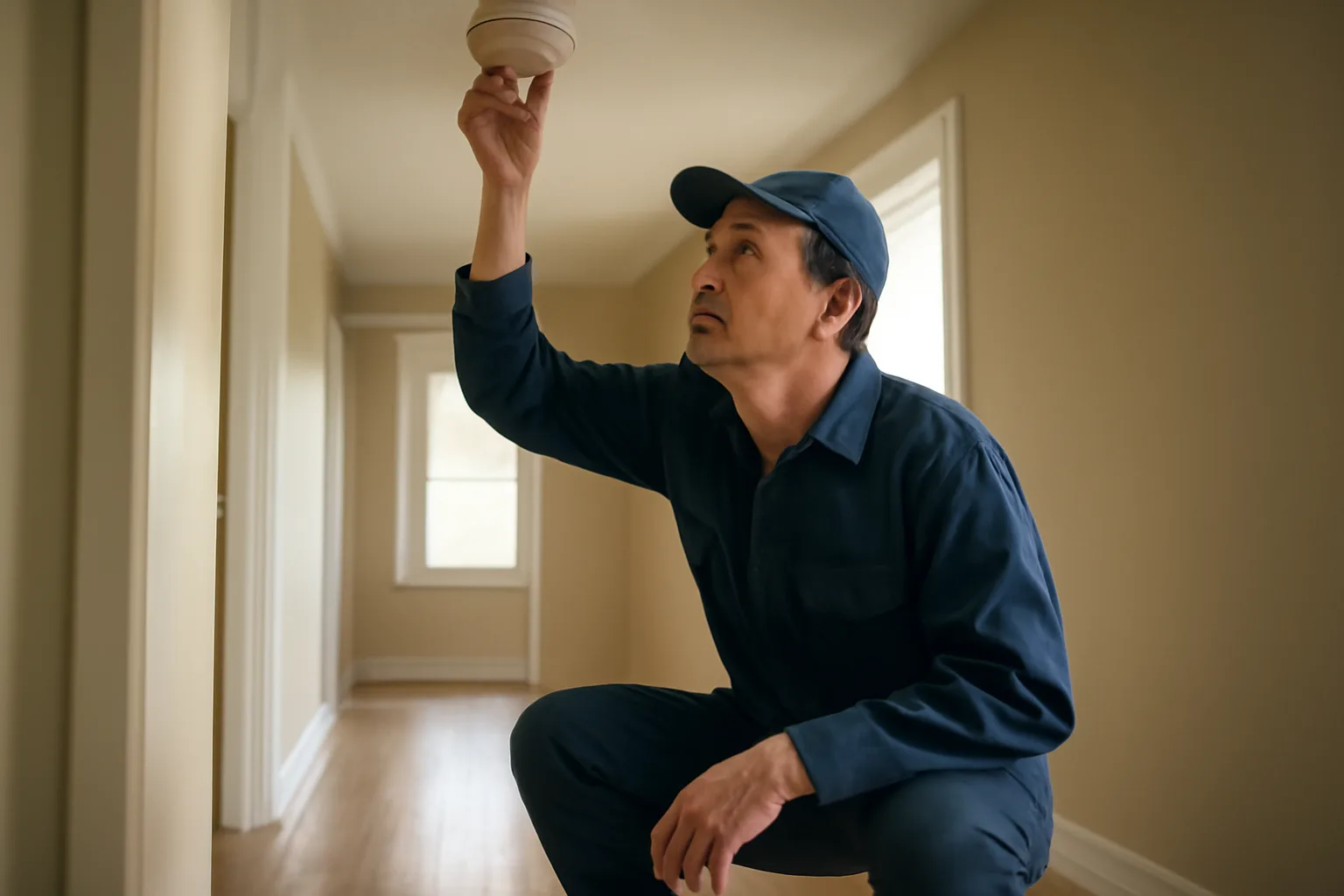
A rental house inspection consists of a walkthrough checking smoke and CO alarms, egress windows in bedrooms, safe electrical and plumbing systems, heating, structural soundness, and pest or mold problems. Most cities use a checklist tied to their housing or property maintenance code, and inspectors flag anything that threatens habitability or safety, not cosmetic wear.
what does a rental house inspection consist of, overall
A rental house inspection is a walkthrough by a city inspector, or sometimes a licensed private inspector under contract with the city, checking whether the property meets the minimum standards in the local housing code. It's not a home appraisal and it's not a full code compliance audit like new construction gets. It's narrower: does this unit have working smoke detectors, safe exits, functioning plumbing and heat, and no obvious hazards. Most cities that run mandatory rental licensing programs base their inspection on some version of the International Property Maintenance Code (IPMC), sometimes with local amendments. The IPMC lays out minimum requirements for structure, plumbing, mechanical and electrical systems, and general sanitation in a specific way: "Every structure and premises... shall be maintained in a clean, safe, and sanitary condition," as the standard framing goes in adopted versions of the code (many cities adopt this language directly; check your city's specific chapter for wording). What the inspector actually walks through, room by room, includes exterior condition (roof, siding, foundation, steps, railings), every habitable room (windows, outlets, flooring, ceiling condition), kitchen and bath (plumbing fixtures, ventilation, GFCI outlets near water), the mechanical room or utility closet (furnace, water heater, electrical panel), and common areas if it's a multi-unit building (hallway lighting, fire doors, exit signage). Inspections typically take 20 to 60 minutes for a single-family rental or small unit, longer for larger multi-unit buildings. Some cities schedule them with 24 to 48 hours notice; others give a window of a week or more. If you're prepping for a first-time license inspection, walking the unit yourself with the local checklist in hand a week ahead catches most of the easy fixes before the inspector does. A rental packet builder tool that assembles your city's specific checklist and required documents in one place can save you the scramble of hunting down forms from three different city department pages, which is the actual bottleneck for most landlords doing this the first time.
what can a landlord look at during an inspection
During a routine landlord inspection (as opposed to a city compliance inspection), a landlord can generally look at general condition and cleanliness, whether smoke and carbon monoxide detectors are present and working, signs of unauthorized pets, unreported water damage or leaks, mold, pest activity, and whether the unit is being used as advertised (no unauthorized subletting, no illegal business operation). What a landlord typically cannot do, in most states, is search through closed drawers, closets, or personal belongings, show up unannounced without proper notice except in a genuine emergency, or use the inspection as a pretext for harassment or retaliation. The specific notice period and allowable reasons for entry vary heavily by state, so check your state's landlord-tenant statute for the exact language. City code compliance inspectors, by contrast, are checking the physical structure and systems, not your tenant's housekeeping. They're not going to open your tenant's closet to check if it's tidy. They care about egress windows, electrical panel labeling, water heater temperature and pressure relief valve, smoke alarm placement (typically required in each bedroom, outside each sleeping area, and on every level, per National Fire Protection Association guidance reflected in most adopted fire codes) [1], and whether the unit has two working means of egress. If you're the landlord scheduling your own periodic inspection (separate from the city's), most states require you to give written notice, usually 24 to 48 hours, state the purpose, and enter at a reasonable time. California, for example, requires "reasonable notice in writing," with 24 hours presumed reasonable absent evidence otherwise, under Civil Code Section 1954 [2].
who is responsible for the rental property walk-through inspection in california
In California, the landlord is responsible for scheduling and conducting the move-in and move-out walk-through inspections, but the tenant has a legal right to be present for the move-out version. Under California Civil Code Section 1950.5(f), the landlord must give the tenant a written notice of their right to request an initial move-out inspection, conducted at least two weeks before the tenancy ends, so the tenant has a chance to fix deficiencies before losing part of the security deposit [3]. That statute states: "the landlord shall notify the tenant in writing of his or her option to request an initial inspection... and of the tenant's right to be present at the inspection" [3]. If the tenant requests it, the landlord conducts the inspection and gives the tenant an itemized statement of what needs to be fixed or cleaned to avoid deductions. For city rental inspection programs layered on top of this (many California cities, including parts of Los Angeles County under its Rent Escrow Account Program, run separate habitability inspections), the city's code enforcement or housing department is responsible for that inspection, not the landlord. The landlord is responsible for showing up, providing access, and fixing anything cited. So there are really two separate "walk-throughs" a California landlord deals with: the security-deposit-related move-in/move-out inspection under Civil Code 1950.5, which is the landlord's job to schedule, and the municipal rental housing inspection, which the city schedules and conducts.
how to become a landlord
Becoming a landlord, mechanically, means buying or converting a property into a rental, meeting your city and state's legal requirements to rent it out, and setting up the systems to manage tenants, rent collection, and maintenance. The practical steps: buy or convert the property, check zoning to confirm rental use is allowed, register the property with your city if it requires rental licensing or registration (this is the step landlords miss most often, and it's usually why they get a violation notice a year or two into owning), get the unit inspected if your city requires it before a license issues, get landlord liability insurance (a standard homeowner's policy usually doesn't cover a tenant-occupied property; you need a landlord or dwelling policy), and screen tenants consistently under the Fair Housing Act, which prohibits discrimination based on race, color, national origin, religion, sex, familial status, or disability [4]. Most first-time landlords underestimate the compliance side. The U.S. Census Bureau's Rental Housing Finance Survey found that a large share of rental properties are owned by individual investors rather than institutions, meaning most landlords are running this as a side operation, not a full-time business with dedicated compliance staff [5]. That's exactly why registration deadlines and inspection notices catch people off guard: nobody's checking city council meeting minutes for ordinance changes as a hobby. If your city requires a rental license, that process typically layers on top of everything above: an application, a fee (commonly in the range of $50 to a few hundred dollars per unit depending on the city; confirm with your city rental licensing office), and a scheduled inspection before or shortly after the license issues.
what is landlording, and what is a landlord
A landlord is the owner (or an owner's authorized agent) of real property who rents that property to another person, the tenant, in exchange for rent. "Landlording" is the informal term for the ongoing work of managing that relationship: collecting rent, handling repairs, keeping the property compliant with local codes, and dealing with tenant turnover. Legally, a landlord has a set of duties that come from state law and, often, city ordinance. The core one across nearly every state is the implied warranty of habitability, meaning the landlord has to keep the unit livable (working plumbing, heat, structural safety, weatherproofing) regardless of what the lease says. Many states, like California, codify this directly; California Civil Code Section 1941.1 lists specific conditions a unit must meet, including "effective waterproofing and weather protection," "plumbing facilities... maintained in good working order,” and heating facilities that conform to code [6]. Being a landlord is also, unavoidably, a small compliance business. You're managing money (security deposits, often held in specific ways required by state law), managing a legal relationship (the lease), and managing a physical asset that a government agency has an interest in keeping safe. Landlords who treat it purely as passive income tend to be the ones who get blindsided by a $150 fine notice for an expired rental registration they forgot to renew.
how to be a landlord day to day
Day to day, being a landlord means responding to maintenance requests promptly, keeping records of rent payments and repairs, renewing any required city rental license or registration on schedule, and staying current on the state and local rules that govern notice periods, security deposit handling, and habitability. A few things separate landlords who stay out of trouble from ones who end up with violation notices: they track renewal dates for licenses and registrations in a calendar, not in memory; they respond to repair requests within the timeframe their state or city sets (many states use a "reasonable time" standard, but some set explicit windows, like requiring urgent habitability issues be fixed within a matter of days); and they document everything, because in a dispute, the landlord with dated photos and written notices wins and the one without them doesn't. Most mandatory rental licensing cities require landlords to renew their license annually or every two to three years, and to schedule a reinspection on that same cycle. Missing a renewal deadline is one of the single most common ways landlords rack up fines, not because the property is unsafe, but because a form didn't get filed. If you're managing this across multiple cities or multiple units, a checklist system, whether it's your own spreadsheet or a packaged service, is the difference between calm renewals and scrambling the week an inspection notice shows up.
why do landlords require renters insurance
Landlords require renters insurance mainly to shift liability for a tenant's personal property loss and personal liability away from the landlord's own policy. If a tenant's laptop gets stolen or their cooking accident damages a neighbor's unit, the landlord's dwelling policy generally doesn't cover the tenant's belongings or the tenant's liability to third parties, so requiring renters insurance closes that gap. It also protects the landlord indirectly. If a tenant causes a fire and has no insurance, the landlord's own insurer may have to pay out for damage and then pursue the tenant for reimbursement, which is often a dead end if the tenant has no assets. Requiring proof of renters insurance (typically $100,000 to $300,000 in liability coverage, a common range landlords set as a lease requirement) means there's a real policy standing behind that risk. Some states and cities explicitly allow landlords to require renters insurance as a lease condition, and a growing number of large multifamily operators build it into the lease as mandatory, sometimes offering a master policy tenants can opt into for a monthly fee instead of buying their own. There's no federal law requiring it, so whether you can mandate it and how comes down to your state's landlord-tenant law and your lease language, not a national standard.
what rights do tenants have without a lease
A tenant without a written lease, often called a month-to-month or at-will tenant depending on the state, still has nearly all the same legal protections as a tenant with a signed lease. The absence of a written lease does not waive the tenant's right to habitability, protection from illegal discrimination, or the required notice period before the landlord can end the tenancy. What changes without a lease is mainly the term and the notice period for ending things. Month-to-month tenancies typically require 30 days' written notice to terminate in most states, though some states require more (California, for instance, requires 60 days' notice if the tenant has lived there a year or longer, under Civil Code Section 1946.1) [7]. Without a written lease, rent amount, due date, and other terms are often governed by the oral agreement or by default state law rules if there's a dispute about terms. Even without a lease, a landlord still can't shut off utilities, change the locks, or remove a tenant's belongings to force them out, a practice generally called "self-help eviction" and illegal in essentially every state. The tenant still has to go through the state's formal eviction process. If you want a fuller breakdown on tenant protections generally, see tenants rights and tenant rights.
how much notice does a landlord have to give
The notice a landlord has to give before entering a rental unit ranges from 24 hours to 48 hours in most states, though the exact requirement, and what counts as a valid reason for entry, is set state by state. There is no single federal standard. California requires "reasonable notice in writing," and the statute specifies that 24 hours is presumed reasonable in the absence of evidence to the contrary, under Civil Code Section 1954 [2]. Other states set their own explicit windows: for example, some require 24 hours for routine inspections and allow immediate entry only for genuine emergencies (a fire, a burst pipe, a gas leak). For terminating a tenancy, notice periods are usually longer and depend on tenancy length and reason. Many states require 30 days' notice to end a month-to-month tenancy without cause, though it's common to require 60 days if the tenant has lived there a year or more (again, California's Civil Code Section 1946.1 sets that exact structure) [7]. For a rental license inspection specifically, cities often send notice anywhere from a few days to a few weeks ahead, and some allow the landlord to reschedule once if the date doesn't work. Because these rules genuinely differ by state and even by city ordinance on top of state law, the safest move is to check your specific state's landlord-tenant statute before setting your notice policy in a lease. Don't copy a notice clause from a template written for a different state.
what a landlord cannot do in ohio
In Ohio, a landlord cannot shut off utilities, change the locks, or remove a tenant's belongings to force them out, even if the tenant is behind on rent; Ohio law requires landlords to go through the formal eviction process in court. Ohio Revised Code Chapter 5321 lays out landlord obligations and tenant remedies specifically [8]. Ohio Revised Code Section 5321.04 requires landlords to keep the premises in a "fit and habitable condition," comply with applicable building and housing codes, keep common areas safe, and maintain electrical, plumbing, and heating systems in good working order [9]. A landlord who fails to do this can face a tenant's claim for rent escrow (where the tenant pays rent into a court-held account instead of to the landlord until repairs are made) under Ohio law. Ohio also restricts what a landlord can charge or withhold. Ohio Revised Code Section 5321.16 governs security deposit handling and requires landlords to return the deposit, with an itemized list of any deductions, within 30 days of the tenancy ending [10]. A landlord who wrongfully withholds a deposit in bad faith can be liable for double the amount wrongfully withheld, plus reasonable attorney's fees, under that same section. Ohio landlords also cannot retaliate against a tenant for exercising a legal right, like reporting a code violation or joining a tenant organization; Ohio Revised Code Section 5321.02 specifically prohibits retaliatory conduct such as raising rent, decreasing services, or threatening eviction in response to a tenant's legally protected complaint [11]. If you're researching city-specific renter protections beyond state law, see renters rights.
how rental house inspections differ from a landlord's own walk-through
| Smoke/CO detectors present and working | Yes, required | Often yes, good practice | |
|---|---|---|---|
| Egress windows in bedrooms | Yes, required | Not typically checked | |
| Electrical panel labeling and condition | Yes, required | Not typically checked | |
| Water heater pressure relief valve | Yes, required | Not typically checked | |
| Cleanliness / housekeeping | Not usually a focus | Yes | |
| Unauthorized pets | Not checked | Yes | |
| Damage beyond normal wear | Not usually a focus | Yes, for deposit purposes | |
| Mold or pest activity | Yes, if visible/reported | Yes | Knowing which inspection you're prepping for changes what you should focus on. If it's the city inspection, spend your prep time on hard safety items: detector batteries, GFCI outlets, egress window function, exposed wiring. If it's your own tenant walk-through, focus on documenting condition with photos and dates, which matters most if a deposit dispute ends up in small claims court later. |
A city rental license inspection and a landlord's own tenant walk-through are two different things, and mixing them up is a common source of confusion for new landlords. The city inspection checks code compliance: is the structure safe, are the systems working, are the required detectors present. The landlord's own walk-through, done at move-in, move-out, or periodically during the tenancy, checks condition and lease compliance: is there damage beyond normal wear, is an unauthorized pet living there, is the unit clean. Here's a side-by-side of what each one typically covers: | Item checked | City rental license inspection | Landlord's own walk-through |
how to actually prepare for a city rental inspection
Preparing for a city rental inspection starts with getting your city's actual checklist, not a generic one, because requirements genuinely vary: some cities require hardwired smoke detectors, others allow battery-only; some require a specific number of egress windows per bedroom size, others just check that windows open and aren't painted shut. A reasonable prep sequence: pull the checklist from your city's rental licensing or housing department page, walk the property yourself a week or two ahead using that exact list, fix anything obvious (dead detector batteries, missing outlet covers, a leaking faucet, a broken handrail), and take photos of everything you fixed with a timestamp, in case there's a dispute about what was done before the inspection date. The most common failure points across cities tend to be the boring stuff: missing or expired smoke detectors, blocked or painted-shut egress windows, exposed or amateur wiring in a DIY-renovated basement, water heater temperature set too high or missing a pressure relief valve discharge pipe, and peeling paint in pre-1978 housing (which can trigger separate federal lead paint disclosure requirements under 40 CFR Part 745) [12]. This is genuinely where a lot of landlords lose time: hunting down which specific form their city wants, what the fee is this year, and what the reinspection process looks like if something fails. That's the exact gap our $79 one-time City Rental License & Inspection Prep Packet is built to close: a packet that pulls together the checklist, the common failure points, and the paperwork structure for your specific city, so you're not piecing it together from four different municipal PDFs the week before your inspection date.
what happens if a rental inspection fails
If a rental inspection fails, the city typically issues a written notice of violation listing every item that didn't pass, along with a deadline to fix them, commonly 30 days for standard violations though it varies by city and by severity. Serious life-safety issues (no smoke detectors, blocked egress, gas leaks) usually get a much shorter deadline, sometimes immediate. After you fix the cited items, you request a reinspection, which many cities charge a separate fee for (confirm with your city rental licensing office; reinspection fees commonly run in the range of $25 to $150 depending on the city and how many times you've needed one). If you miss the deadline without requesting an extension or showing progress, the city can escalate to fines, which in some cities accrue daily until fixed, or in rare cases refer the property for further code enforcement action. The good news is that failing an inspection isn't usually catastrophic if you respond fast. Most cited items are cheap, quick fixes: a $10 smoke detector, a $15 GFCI outlet, a $50 handrail bracket. The expensive failures are structural or electrical, things like knob-and-tube wiring that needs a licensed electrician or a roof that's actively leaking into the structure. Those take real time and real money, so if you're buying an older property with the intent to rent it, get a private inspection before you close, not after the city's inspector finds the problem for you.
Frequently asked questions
What does a rental house inspection consist of exactly?
It's a room-by-room check for safety and code compliance: working smoke and CO detectors, functioning egress windows in bedrooms, safe wiring and outlets, working plumbing and heat, a properly installed water heater, and no structural hazards like a leaking roof or unstable stairs. Most cities base it on the International Property Maintenance Code with local amendments, so the exact checklist varies by city.
How to become a landlord if I've never rented a property before?
Buy or convert a property, confirm zoning allows rental use, register with your city if it requires rental licensing, pass any required inspection, get landlord (not homeowner) insurance, and set up a lease that follows your state's landlord-tenant law and Fair Housing Act requirements. Most first-time landlords underestimate the registration and licensing step, which is where most early violations come from.
Who is responsible for the rental property walk-through inspection in California?
The landlord schedules and conducts move-in and move-out walk-throughs, and must offer the tenant a written option to request an initial move-out inspection at least two weeks before the tenancy ends, per California Civil Code Section 1950.5(f). Separate city rental housing inspections, where required, are scheduled and conducted by the city's code enforcement or housing department, not the landlord.
What is landlording, in plain terms?
Landlording is the ongoing work of owning and managing a rental property: collecting rent, handling repairs, keeping the unit habitable under state law, and staying current on any local licensing or registration requirements. It's part property management and part small compliance business, even for someone with just one rental unit.
What is a landlord legally required to provide?
A landlord is legally required to provide a habitable unit, meaning safe structure, working plumbing and heat, weatherproofing, and compliance with local building and housing codes. California Civil Code Section 1941.1 spells this out explicitly, and most states have a comparable implied warranty of habitability even without identical statutory language.
What rights do tenants have without a lease?
Tenants without a written lease still have the same core protections: the right to a habitable unit, protection from illegal discrimination, and a required notice period before the tenancy can end (commonly 30 days, though some states require more). The landlord still cannot change locks or remove belongings to force them out; a formal eviction process is still required.
Why do landlords require renters insurance?
Landlords require it to cover the gap their own dwelling policy doesn't: the tenant's personal belongings and the tenant's personal liability if they cause damage or injury. It shifts financial risk away from the landlord's insurer and reduces the odds of an uncollectible loss if a tenant with no insurance causes a fire or flood.
How much notice does a landlord have to give before entering?
Most states require 24 to 48 hours written notice for a non-emergency entry, though the exact rule is state-specific. California presumes 24 hours is reasonable under Civil Code Section 1954. For ending a tenancy, notice periods are longer, commonly 30 to 60 days depending on how long the tenant has lived there and the state.
What can a landlord look at during an inspection?
A landlord can look at general condition, working smoke and CO detectors, signs of water damage, mold, pest activity, and unauthorized pets or occupants. A landlord generally cannot search closed drawers or personal belongings, and any inspection has to follow the state's required notice period and stated purpose, not be used as a pretext for harassment.
What can a landlord not do in Ohio?
An Ohio landlord cannot shut off utilities, change locks, or remove belongings to force a tenant out; formal eviction through the courts is required. Ohio landlords also cannot retaliate against a tenant for reporting a code violation, under Ohio Revised Code Section 5321.02, and must return security deposits with an itemized statement within 30 days under Section 5321.16.
How long does a rental inspection usually take?
A single-family rental or small unit inspection typically takes 20 to 60 minutes. Larger multi-unit buildings take longer since the inspector checks common areas, exits, and shared mechanical systems in addition to each individual unit.
What happens if my rental property fails inspection?
You'll get a written notice listing the failed items and a deadline to fix them, often 30 days for standard issues and much shorter for serious safety hazards. After fixing the items, you request a reinspection, which many cities charge a separate fee for. Missing the deadline without an extension can lead to escalating fines.
Do I need a rental license if I only have one rental unit?
In most mandatory rental-licensing cities, yes. Licensing requirements are typically based on the property being a rental at all, not on how many units you own. Check your specific city's rental licensing office, since some cities exempt owner-occupied duplexes or units rented to family members.
Sources
- National Fire Protection Association, NFPA 72 smoke alarm placement guidance: Smoke alarms are required in each bedroom, outside each sleeping area, and on every level of the home
- California Legislative Information, Civil Code Section 1954: Landlords must give reasonable written notice before entry, with 24 hours presumed reasonable
- California Legislative Information, Civil Code Section 1950.5: Landlords must notify tenants in writing of their right to request an initial move-out inspection at least two weeks before tenancy ends
- U.S. Department of Housing and Urban Development, Fair Housing Act overview: The Fair Housing Act prohibits discrimination based on race, color, national origin, religion, sex, familial status, or disability
- U.S. Census Bureau, Rental Housing Finance Survey: A large share of rental properties are owned by individual investors rather than institutions
- California Legislative Information, Civil Code Section 1941.1: Habitability requirements include effective weatherproofing, working plumbing, and code-compliant heating facilities
- California Legislative Information, Civil Code Section 1946.1: Landlords must give 60 days' notice to end a tenancy where the tenant has lived there a year or longer
- Ohio Laws and Rules, Revised Code Chapter 5321: Ohio Revised Code Chapter 5321 governs landlord and tenant obligations in residential rentals
- Ohio Laws and Rules, Revised Code Section 5321.04: Ohio landlords must keep the premises fit and habitable and maintain electrical, plumbing, and heating systems
- Ohio Laws and Rules, Revised Code Section 5321.16: Ohio landlords must return security deposits with an itemized statement within 30 days, or face double damages for bad faith withholding
- Ohio Laws and Rules, Revised Code Section 5321.02: Ohio landlords cannot retaliate against tenants for exercising legally protected rights like reporting code violations
- U.S. Environmental Protection Agency, 40 CFR Part 745 lead disclosure rule: Pre-1978 housing triggers federal lead paint disclosure requirements