Last updated 2026-07-25
TL;DR
A tenant house inspection lets a landlord check the condition of a rental unit, usually for lease compliance, maintenance, or a city rental inspection program. Most states require advance written notice, commonly 24 to 48 hours, entry at reasonable times, and a legitimate purpose. Landlords can inspect for damage, safety hazards, and unauthorized occupants or pets, but can't search personal belongings or use inspections to harass a tenant.
What is a tenant house inspection?
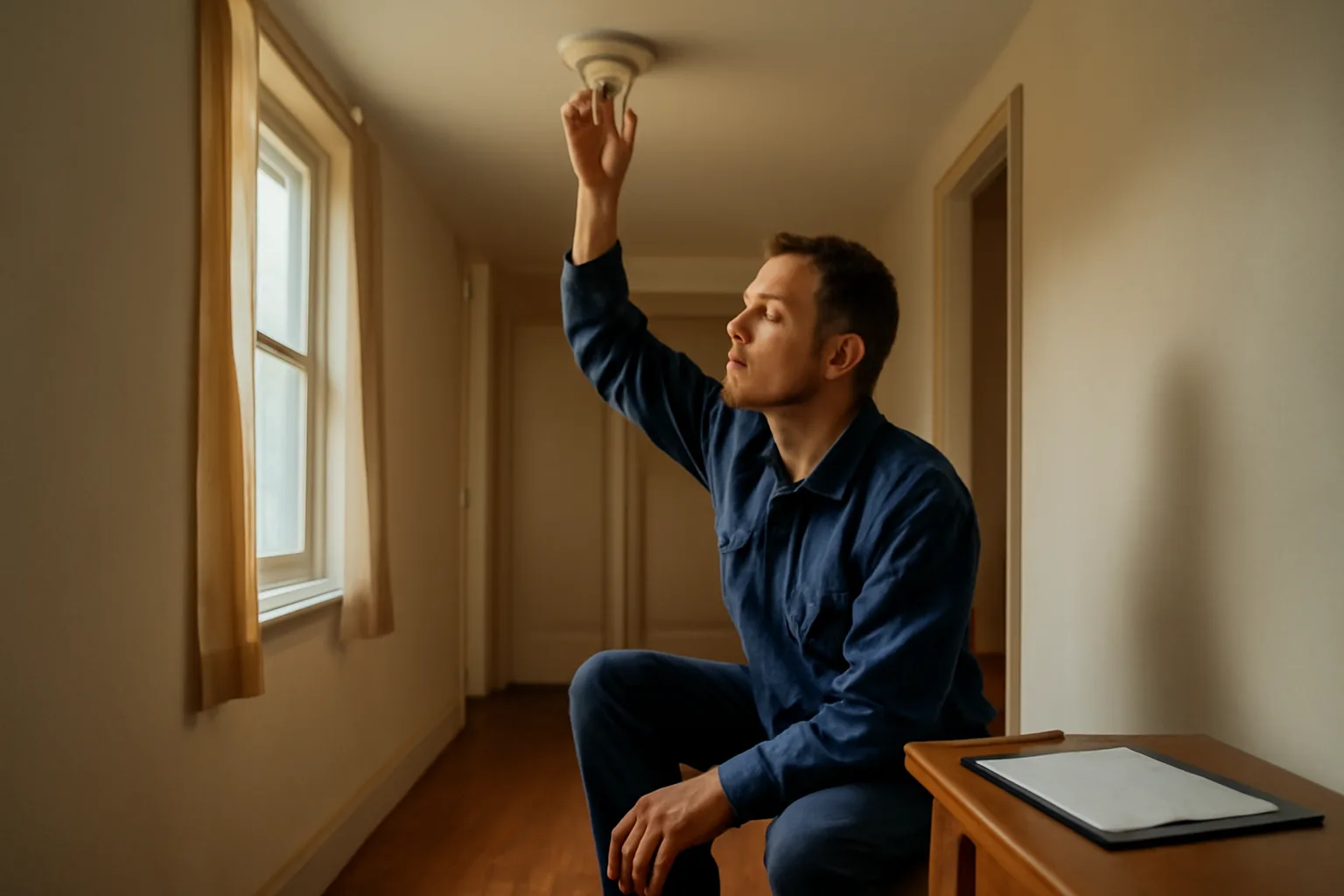
A tenant house inspection is any visit by a landlord (or a city inspector) to look at the condition of an occupied rental unit. It's different from a pre-move-in walkthrough because the tenant is already living there with an active lease. The point is usually one of three things: routine maintenance check, a specific repair request, or a mandatory city rental inspection tied to a rental license or registration program. Don't confuse this with a criminal search. A landlord doing a house inspection is checking for things like water damage, working smoke detectors, HVAC filters, and whether the unit still matches what was rented out (same number of occupants, no unauthorized pets, no illegal subletting). A city inspector doing a rental licensing inspection is checking code compliance: egress windows, electrical panels, handrails, working plumbing, and other items tied to the local housing or property maintenance code. If you're a landlord in a city with mandatory rental licensing, you may face both kinds. Your own periodic inspection is optional and up to your lease terms. The city's inspection is not optional if your municipality requires it as a condition of holding a rental license. Confirm with your city rental licensing office which inspection cycle applies to your property, since cycles range from every year to every three or four years depending on the jurisdiction.
How much notice does a landlord have to give before an inspection?
| California | 24 hours presumed reasonable | Civil Code 1954 [1] | |
|---|---|---|---|
| Florida | 12 hours presumed reasonable | Fla. Stat. 83.53 [2] | |
| Arizona | 48 hours | Ariz. Rev. Stat. 33-1343 [3] | |
| Texas | No statewide statute; check lease and local rules | -- | If your city also runs a rental inspection program, the inspection notice rules from the housing code may be separate from, and sometimes stricter than, your state's landlord-tenant entry statute. Read both before you schedule anything. |
Most states require landlords to give tenants advance written notice before entering an occupied unit for a non-emergency inspection, and 24 hours is the most common standard, though some states specify 48 hours or 'reasonable notice' without a fixed number. California law requires landlords to give tenants 'reasonable notice in writing,' and the statute states that 24 hours is presumed to be reasonable notice absent evidence to the contrary [1]. Florida's landlord-tenant statute similarly says a landlord may enter the unit 'at any reasonable time, after reasonable notice to the tenant,' and specifies that at least 12 hours' notice is presumed reasonable to make repairs [2]. Some states, like Arizona, set the bar at 48 hours' notice for entry into a dwelling unit [3]. Emergencies are the exception everywhere. If there's a fire, a burst pipe, a gas leak, or another situation threatening health or safety, a landlord (or emergency responders) can enter without any advance notice. Outside of emergencies, entering without proper notice, even to check on something reasonable, can expose a landlord to a claim of unlawful entry or breach of the tenant's quiet enjoyment of the property. Here's a rough comparison of notice rules by state. Always check your specific state statute, because these change and cities sometimes layer additional rules on top. | State | Notice required for non-emergency entry | Statute |
What can a landlord look at during an inspection?
A landlord doing a lawful inspection can look at anything reasonably connected to the condition of the property and compliance with the lease. That includes checking smoke and carbon monoxide detectors, looking for water stains or mold, testing that windows and doors lock and open properly, inspecting the HVAC system and filters, checking for pest activity, and confirming the number of occupants and pets matches what's on the lease. A landlord can also visually check for obvious lease violations: an unauthorized pet, signs of unauthorized subletting, or property damage beyond normal wear and tear. In a city rental licensing inspection, the inspector is typically working off a checklist tied to the local property maintenance code, often based on or similar to the International Property Maintenance Code, covering things like working smoke alarms, adequate egress from bedrooms, functioning plumbing fixtures, and safe electrical wiring [4]. What a landlord (or inspector) generally cannot do is open drawers, closets, or personal storage looking for something unrelated to the property's condition, go through mail, or use the inspection as a pretext to look through the tenant's belongings. The inspection is about the dwelling, not the tenant's possessions. If a landlord wants to verify occupancy or a pet violation, a visual walkthrough of common living spaces is usually enough; there's rarely a legitimate reason to open a tenant's dresser. Tenants are allowed to ask to see the notice, ask who's coming (landlord, contractor, city inspector), and request the visit be rescheduled to a different reasonable time if the original one doesn't work, though most states don't require the landlord to agree to a rescheduling request.
Who is responsible for a rental property walkthrough inspection in California?
In California, the landlord is responsible for both the move-in and move-out walkthrough inspections, and state law gives tenants specific rights around the move-out version. Under California Civil Code 1950.5, if a landlord is going to make deductions from the security deposit, the tenant has the right to request an initial inspection before move-out, and the landlord must give at least 48 hours' written notice of that inspection [5]. The law also requires the landlord to provide the tenant an itemized statement of proposed repairs or cleaning after that initial move-out inspection, giving the tenant a chance to fix issues themselves before the final deposit deduction happens [5]. This is specific to the move-out (pre-move-out) inspection, not routine mid-tenancy inspections, which fall under California's general entry notice rules in Civil Code 1954 [1]. So to be precise: routine inspections during the tenancy are governed by the 24-hour notice standard under Civil Code 1954. The move-out deposit inspection is a separate process under Civil Code 1950.5, with its own 48-hour notice requirement and its own paperwork obligations. Landlords who mix these up (using 24-hour notice for a move-out deposit walkthrough, for example) risk a dispute over the security deposit later.
What is landlording and what is a landlord, exactly?
A landlord is the owner (or authorized agent of the owner) of a residential or commercial property who rents that property to someone else, called a tenant, under a lease or rental agreement. 'Landlording' is the informal term for the whole job: finding tenants, signing leases, collecting rent, maintaining the property, handling repairs, and dealing with move-outs and turnover. It's more than collecting a check. A landlord has legal duties in nearly every state, most centrally the implied warranty of habitability, which requires the property to be fit for human habitation (working plumbing, heat, electrical, no serious pest infestations, structurally sound). This duty exists independent of what the lease says; a landlord can't waive it away with a lease clause in most states. Beyond habitability, landlording means handling security deposits according to state limits and timelines, following fair housing law in tenant selection, giving proper notice before entry or non-renewal, and, in a growing number of cities, registering or licensing the rental property with the local government and passing periodic inspections. If you own one unit or ten, you're doing the same basic job as someone with a hundred units, just at a smaller scale and usually with less help.
How to become a landlord: the practical steps
Becoming a landlord starts with the property, not the tenant. You need a legal right to rent the unit out (you own it, or you're an authorized property manager), and depending on your city, you may need to register the property as a rental or get a rental license before you can legally advertise it. Here's the rough order most first-time landlords follow: 1. Confirm the property is legally rentable. Check zoning, HOA rules if applicable, and whether your city requires rental registration or licensing before you rent it out. This step gets skipped constantly and causes fines later. 2. Get the unit inspection-ready. Working smoke and CO detectors, no obvious code violations, functioning heat and plumbing. If your city does pre-rental or periodic inspections, get ahead of the checklist. 3. Set a legal, fair rent and security deposit amount. Many states cap security deposits (often at one or two months' rent) and set rules for how deposits must be held. 4. Screen tenants consistently and in compliance with fair housing law. The federal Fair Housing Act prohibits discrimination based on race, color, national origin, religion, sex, familial status, or disability [6]. 5. Use a written lease. Even in states that allow oral leases for month-to-month tenancies, a written lease protects both sides and spells out rules on pets, guests, and entry notice. 6. Get landlord insurance (sometimes called a dwelling fire or DP-3 policy) separate from a standard homeowner's policy, since most homeowner policies exclude rented property. 7. Set up rent collection, a maintenance response process, and a record-keeping system before your first tenant moves in, not after. If you're renting in a city with a licensing requirement, budget for the license fee and inspection prep as a real line-item cost, not an afterthought. That's the exact gap our $79 City Rental License & Inspection Prep Packet is built to close: a straightforward way to get your paperwork and inspection checklist organized before the city notice deadline hits, instead of scrambling.
How to be a landlord day to day: what the job actually involves
Day to day, being a landlord means responding to maintenance requests promptly (many states require 'reasonable time,' and some define it specifically, like 24 hours for no-heat emergencies in cold climates), collecting rent on a consistent schedule, keeping records of every repair and communication, and handling lease renewals or non-renewals with proper notice. It also means staying current on your local rules. A city can change its rental registration fee, its inspection cycle, or its notice requirements, and if you're not checking your city's rental licensing office page or subscribing to its landlord notices, you can miss a deadline and get hit with a late fee or a lapsed-license violation. A lot of first-time landlords underestimate the paperwork side. Security deposit itemizations, entry notices, lease addenda, inspection checklists: these all need to exist in writing, dated, and kept somewhere you can find them fast if a tenant disputes something or a city inspector asks for documentation. If you're managing this on top of a full-time job, that's the part that eats the most unplanned time, not the actual repairs.
Why do landlords require renters insurance?
Landlords require renters insurance mainly to shift liability and property-damage risk off the landlord's own policy and onto the tenant's. A standard landlord (dwelling) insurance policy covers the building itself, but it generally does not cover a tenant's personal belongings, and it may not fully cover damage the tenant causes through negligence, like an overflowing bathtub or an unattended candle fire. Renters insurance typically covers the tenant's personal property, provides liability coverage if the tenant accidentally damages the unit or injures a guest, and often covers additional living expenses if the tenant has to relocate temporarily after a covered loss. Requiring it means if a tenant's negligence causes a fire or water damage, there's an insurance policy (the tenant's liability coverage) that can help cover the landlord's repair costs, instead of the landlord's own policy absorbing the full loss and premium increase alone. It's a smart, low-cost requirement. Renters insurance is generally inexpensive, commonly a small monthly amount depending on coverage level and location, and requiring it in the lease is legal in most states as long as it doesn't run afoul of any local rent-control or lease-term restrictions. Some cities and states have weighed in on caps or specific rules for renters insurance requirements, so it's worth checking your local landlord-tenant statute before adding the clause, though we're not drafting lease language here.
What rights do tenants have without a lease?
A tenant without a written lease still has real legal rights; verbal or 'month-to-month' arrangements are still tenancies under state law, and the tenant is entitled to the same basic habitability, privacy, and notice protections as someone with a signed lease. Without a written lease, the tenancy typically defaults to a month-to-month arrangement under state law, meaning either party can usually end it with proper notice (commonly 30 days, though this varies by state and sometimes by how long the tenant has lived there). The tenant still gets the implied warranty of habitability, protection from illegal lockouts or utility shutoffs (self-help eviction is illegal almost everywhere), the same entry-notice rules that apply to leased tenants, and fair housing protections. What a no-lease tenant does not automatically get is a fixed rent amount or fixed term; without a written lease, a landlord generally can raise the rent or end the tenancy with the state's standard notice period, since there's no lease term locking in the current arrangement. That's exactly why oral or handshake rentals cause disputes: neither side has a clear paper record of what was agreed on rent, deposit amount, or move-out condition expectations. If you're currently in an unwritten rental arrangement and want to understand your protections better, see our related guides on tenant rights and tenants rights for state-specific detail.
What can't a landlord do in Ohio?
Ohio law spells out specific landlord obligations and prohibitions under the Ohio Landlord-Tenant Act, Ohio Revised Code Chapter 5321. A landlord in Ohio cannot enter the rental unit without giving the tenant 'reasonable notice' and cannot enter except at reasonable times, with the statute specifically stating a landlord may enter to inspect, make repairs, or show the unit 'only at reasonable times after reasonable notice to the tenant' [7]. Ohio Revised Code 5321.15 also bars landlords from using 'self-help' evictions: a landlord cannot remove a tenant, lock them out, remove the tenant's belongings, or shut off utilities like water, electricity, or gas as a way to force a tenant out, except through the proper court eviction process [8]. This is one of the most commonly violated rules by inexperienced landlords who think changing the locks solves a rent problem faster than court does. It doesn't; it exposes the landlord to real damages under Ohio law. Ohio law also requires landlords to maintain the property in a fit and habitable condition, keep common areas safe, maintain electrical, plumbing, and heating systems, and comply with local building and housing codes, under Ohio Revised Code 5321.04 [7]. A landlord who fails to do this can face a tenant lawsuit for damages or a rent escrow action, where the tenant deposits rent with the court instead of paying the landlord directly until repairs are made.
How does a mandatory city rental inspection differ from a landlord's own inspection?
A mandatory city rental inspection is a government requirement tied to your rental license or registration, run by a city housing or code enforcement department, and checks the property against the local property maintenance code. A landlord's own inspection is a private, optional check tied to the lease, checking for lease compliance and maintenance needs. City inspections usually happen on a set cycle (commonly annually, biennially, or every three to four years depending on the city) and often require the landlord to schedule an appointment, be present, and pay a fee. Confirm with your city rental licensing office for the exact cycle, fee, and reinspection process that applies to your address, since these details vary block by block in some cities depending on zoning and building type. Failing a city inspection typically triggers a re-inspection deadline (commonly 30 to 60 days to fix cited violations) and, if not corrected, can lead to fines or a suspended rental license. This is different from a lease violation found during a private landlord inspection, which is handled through the lease (a warning notice, a cure period, or in serious cases, eviction proceedings), not through city code enforcement. If you're prepping for a city rental inspection for the first time, walking your unit against a copy of your city's actual checklist beforehand catches the easy, cheap fixes (a $10 smoke detector battery, a missing GFCI outlet cover) before an inspector documents them as a formal violation with a reinspection fee attached.
Frequently asked questions
How much notice does a landlord have to give before an inspection?
It depends on your state. California presumes 24 hours' written notice is reasonable [1]. Florida presumes 12 hours' notice is reasonable for repair-related entry [2]. Arizona requires 48 hours [3]. Check your specific state's landlord-tenant statute, since some states use a 'reasonable notice' standard without a fixed number of hours.
What can a landlord look at during an inspection?
A landlord can check smoke and CO detectors, plumbing, HVAC, signs of damage or pests, and whether occupancy or pets match the lease. A landlord generally cannot search personal belongings, open drawers or closets unrelated to property condition, or go through mail. The inspection covers the dwelling, not the tenant's possessions.
Who is responsible for a rental property walkthrough inspection in California?
The landlord is responsible for scheduling both move-in and move-out walkthroughs in California. For move-out deposit inspections, California Civil Code 1950.5 gives tenants the right to request an initial inspection with at least 48 hours' written notice, plus an itemized list of proposed deductions before the final charge [5].
What is landlording and what is a landlord?
A landlord is the owner (or authorized agent) of a property who rents it to a tenant under a lease. Landlording is the full job: screening tenants, collecting rent, maintaining the property, handling repairs and deposits, following fair housing law, and, in many cities, keeping the property registered or licensed with the local government.
What rights do tenants have without a lease?
A tenant without a written lease is usually treated as a month-to-month tenant under state law and keeps the same habitability, privacy, and entry-notice rights as a leased tenant. What they lack is a fixed rent or term, since the landlord can typically change terms or end the tenancy with the state's standard notice period.
How do I become a landlord?
Confirm the property can legally be rented (zoning, HOA, city rental registration or license), get it inspection-ready, set a legal rent and deposit, screen tenants under fair housing law, use a written lease, and get landlord insurance. If your city requires rental licensing, budget for the fee and inspection prep before you advertise the unit.
Why do landlords require renters insurance?
Renters insurance covers the tenant's belongings and adds liability coverage if the tenant's negligence causes damage or injury, which a landlord's own dwelling policy usually doesn't cover. Requiring it shifts risk off the landlord's policy and gives the landlord a source of recovery if the tenant causes a loss.
What can't a landlord do in Ohio?
Under Ohio Revised Code 5321.04 and 5321.15, an Ohio landlord can't enter without reasonable notice and reasonable timing, can't shut off utilities or change locks to force a tenant out (self-help eviction is illegal), and must keep the unit fit and habitable, including working plumbing, heat, and electrical systems [7][8][9].
Can a landlord inspect a rental without notice?
Only in a genuine emergency, like a fire, gas leak, or burst pipe threatening the property. For any non-emergency inspection, nearly every state requires advance notice, commonly 24 to 48 hours in writing, before the landlord or their agent enters an occupied unit.
Can a tenant refuse a landlord's inspection?
A tenant generally can't refuse a lawful inspection done with proper notice for a legitimate purpose (repairs, safety checks, a required city inspection). A tenant can push back on unreasonable timing, excessive frequency used as harassment, or entry without any notice, which may violate the state's entry statute.
What happens if a rental property fails a city inspection?
The city typically issues a list of cited violations and a reinspection deadline, commonly 30 to 60 days, though this varies by city. If violations aren't fixed by the deadline, the landlord can face fines or a suspended rental license. Confirm the exact reinspection timeline and fee with your city rental licensing office.
How often do cities require rental property inspections?
Cycles vary widely: some cities inspect licensed rentals annually, others every two, three, or four years, and some only inspect on a complaint or tenant-turnover basis. There's no single national standard, so confirm the specific cycle with your city rental licensing office.
Sources
- California Legislature, Civil Code Section 1954: California landlords must give reasonable notice, presumed to be 24 hours, before entering an occupied rental unit
- Online Sunshine (Florida Legislature), Statute 83.53: Florida landlords may enter at reasonable times after reasonable notice, with 12 hours presumed reasonable for repairs
- Arizona Legislature, Revised Statutes 33-1343: Arizona landlords must give at least 48 hours' notice before entering a dwelling unit
- International Code Council, International Property Maintenance Code: Many city rental inspection checklists are based on property maintenance code standards covering smoke alarms, egress, plumbing, and electrical safety
- California Legislature, Civil Code Section 1950.5: California tenants can request an initial move-out inspection with at least 48 hours' notice and an itemized statement of proposed deductions
- U.S. Department of Housing and Urban Development, Fair Housing Act overview: Federal fair housing law prohibits discrimination in rental housing based on race, color, national origin, religion, sex, familial status, or disability
- Ohio Laws, Revised Code Section 5321.04: Ohio landlords may enter a rental unit only at reasonable times after reasonable notice, and must maintain the unit in a fit and habitable condition
- Ohio Laws, Revised Code Section 5321.15: Ohio law prohibits landlords from using self-help measures like lockouts or utility shutoffs to remove a tenant