Last updated 2026-07-25
TL;DR
A landlord home inspection covers safety systems (smoke detectors, electrical, plumbing, heat), general condition, and code compliance. Most states require 24-48 hours notice for entry. Inspectors can't rummage through personal belongings or show up unannounced except in emergencies. Rules vary heavily by city and state, so always confirm specifics with your local rental licensing office before scheduling.
what happens during a landlord home inspection
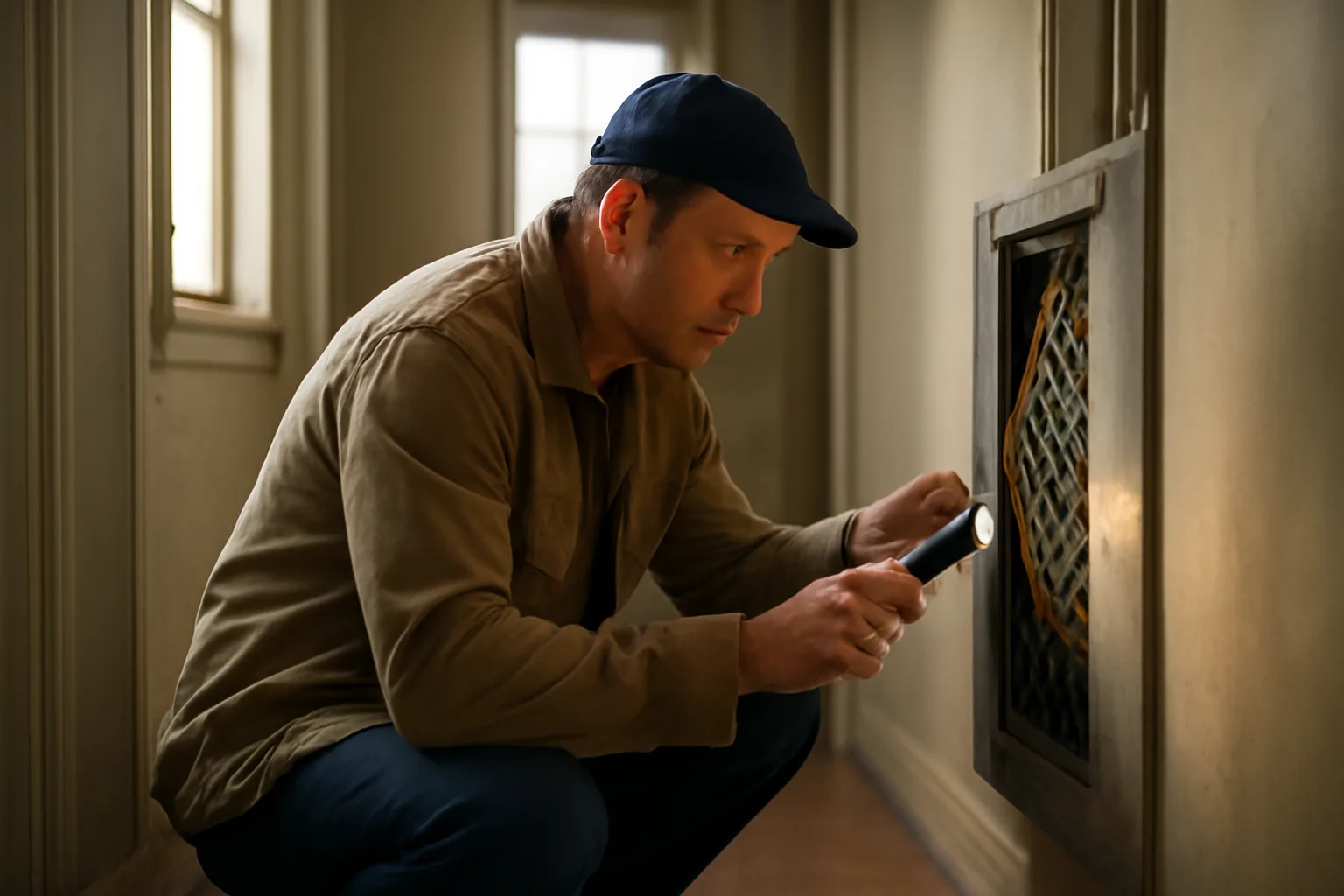
A landlord home inspection is a walkthrough of a rental unit to check safety systems and general condition. It can be done by the landlord directly, a city-hired inspector for licensing compliance, or a third party the landlord pays. The scope depends on who's doing it and why. City rental inspection programs typically check smoke and carbon monoxide detectors, electrical outlets and panels, plumbing for leaks, heating system function, window and door locks, handrails and stairs, and signs of pest infestation or mold. Many cities also check for a valid certificate of occupancy or rental license posted or on file. Some programs, like Minneapolis's rental licensing inspections, specifically look at exterior conditions too: peeling paint, broken steps, unsecured trash areas [1]. A private landlord walkthrough (not tied to a city program) is usually less formal. Landlords do these to check tenant care of the unit, catch maintenance problems early, or document condition before a lease renewal. These aren't governed by the same detailed checklists a city inspector uses, but they're still subject to the same entry notice rules under state law. Don't confuse a routine landlord inspection with a code enforcement inspection triggered by a complaint. Complaint-based inspections can happen with less notice in some jurisdictions if there's an alleged emergency or safety hazard, though most states still require some notice even then. Check your tenants rights resources for how your state or city handles complaint-driven visits differently from routine ones.
what can a landlord look at during an inspection
A landlord or inspector can generally look at anything related to the condition, safety, and code compliance of the unit itself. That means walls, ceilings, floors, windows, doors, electrical outlets, plumbing fixtures, the HVAC system, smoke and CO detectors, and any structural or fire-safety features. What they generally cannot do is open drawers, closets, cabinets, or personal storage containers just to look through your things. The inspection is about the property, not an excuse to search personal belongings. If a landlord needs to check something like a furnace closet or under-sink plumbing, that's fair game because it's part of the unit's systems, not personal property. Most state landlord-tenant statutes limit entry purposes to specific reasons: making repairs, showing the unit to prospective tenants or buyers, or verifying lease compliance. California Civil Code Section 1954, for example, lists acceptable reasons for landlord entry including to make necessary or agreed repairs, to show the unit to prospective tenants or purchasers, and in case of emergency [2]. Tenants can typically ask that entry happen at a reasonable time and can request to be present. If a landlord or inspector asks to search personal items, luggage, or anything not connected to a fixture or system, a tenant can refuse. That's not part of a legitimate housing inspection anywhere we know of.
how much notice does a landlord have to give before an inspection
Most states require 24 to 48 hours advance written notice before a landlord can enter a rental unit for a non-emergency inspection or repair. The exact number and format (written vs. verbal, posted notice vs. mailed) varies a lot by state. California requires "reasonable notice," which state law presumes to be 24 hours unless circumstances make that unreasonable, under Civil Code Section 1954 [2]. Some states, like Arizona, require at least two days notice under the Arizona Residential Landlord and Tenant Act [3]. Emergencies are the standard exception. If there's a fire, flood, gas leak, or similar hazard, landlords can enter without advance notice in essentially every state. Outside emergencies, entering without proper notice can expose a landlord to a claim for violating the tenant's right to quiet enjoyment, even if the landlord owns the property. City-run rental licensing inspections often have their own notice rules layered on top of state landlord-tenant law. Some cities mail a scheduled inspection date weeks in advance and let tenants request a reschedule; others coordinate directly with the landlord who then must notify the tenant per state law. If you're prepping for a city inspection, confirm the specific notice requirement with your city rental licensing office, since the number can differ from your state's general landlord-tenant statute.
who is responsible for a rental property walkthrough inspection in california
In California, the landlord is responsible for arranging entry for inspections, and must give tenants proper notice under Civil Code Section 1954, generally presumed to be 24 hours [2]. For city-mandated rental inspections tied to a local licensing or Rent Stabilization Ordinance program, the responsibility to schedule and coordinate the inspection sits with the property owner, even though a city or contracted inspector actually performs it. Some California cities, including Los Angeles under its Systematic Code Enforcement Program (SCEP), inspect rental units on a cycle (roughly every four years for many properties) and bill an annual per-unit fee to fund it [4]. The property owner is on the hook for scheduling access, paying the fee, and fixing anything flagged. Tenants aren't required to let anyone in without proper notice, and they can't be forced to be present, but landlords may ask them to make themselves available or provide a way in (like leaving a key with a manager) if the tenant can't attend. If a tenant repeatedly refuses reasonable access for a legally noticed inspection, that can become a lease violation matter, though the details of what a landlord can do about it depend on local eviction and lease rules that a lawyer or your city's tenant-landlord office can walk you through. Because California mixes statewide landlord-tenant law with city-specific rental inspection ordinances, always confirm the actual inspection cycle, fee, and appeals process with your specific city's rental housing or code enforcement department. Requirements in Los Angeles, Oakland, and Santa Monica are not identical.
what a landlord cannot do in ohio
Ohio landlord-tenant law, codified in Ohio Revised Code Chapter 5321, sets baseline tenant protections that landlords cannot violate regardless of what's in a lease. Ohio law states that a landlord "shall not abuse the right of access" and, absent emergency, must give reasonable notice and enter at reasonable times, per ORC 5321.04 [5]. Ohio landlords cannot shut off utilities, change locks, or remove a tenant's belongings to force them out. This kind of "self-help eviction" is illegal; a landlord has to go through the formal eviction process in court. ORC 5321.05 covers tenant obligations, and ORC 5321.04 covers landlord obligations including maintaining fit and habitable premises, keeping common areas safe, and maintaining electrical, plumbing, and heating systems in good working order [5]. Ohio landlords also can't retaliate against tenants for legitimate complaints, like reporting a code violation to a city inspector or joining a tenant organization. Retaliatory eviction or lease non-renewal for these reasons is restricted under Ohio law. City-level rules add another layer. Cities like Columbus and Cincinnati have their own rental registration or point-of-sale inspection rules layered on top of state law, so what's required locally can be stricter than the state minimum. Confirm specifics with your city's rental licensing or code enforcement office before assuming state law is the whole picture.
what rights do tenants have without a lease
Tenants without a written lease, often called month-to-month or at-will tenants, still have the same basic legal protections as tenants with a signed lease. State landlord-tenant law, not the lease document, is what creates most tenant rights: habitability, notice for entry, notice for rent increases, and protection from illegal lockouts or utility shutoffs all apply whether or not there's a signed agreement. Without a written lease, the tenancy is generally treated as month-to-month under most state laws, meaning either party can end it with proper notice, commonly 30 days, though some states and cities require more (especially in jurisdictions with just-cause eviction rules). A landlord still has to give proper notice before entering for an inspection or repair, no lease required. Habitability standards (working plumbing, heat, safe electrical, no serious pest infestations) still apply because these come from state health and safety codes and landlord-tenant statutes, not from what's written in a lease. What tenants may lose without a written lease is clarity: no fixed rent amount in writing, no documented move-in condition, no agreed rules about pets or subletting. That ambiguity can create disputes even when the underlying legal protections are intact. Tenants in this position should ask for a written lease if possible, and should document unit condition and communications carefully. See tenant rights and renters rights for more on what protections exist regardless of paperwork.
why do landlords require renters insurance
Landlords require renters insurance mainly to shift liability risk. If a tenant's negligence causes damage (a kitchen fire, an overflowing tub that floods the unit below), renters insurance covers the tenant's liability and often the cost of temporary housing for other affected tenants, rather than that cost falling entirely on the landlord's own property insurance or out of pocket. Renters insurance typically covers the tenant's personal belongings, liability for accidental damage to the building, and additional living expenses if the unit becomes temporarily uninhabitable. A landlord's own property insurance covers the building structure, but generally does not cover a tenant's possessions or a tenant-caused liability claim in the way renters insurance does. Requiring renters insurance is legal in most states as a lease condition, though it can't be used as a pretext for discrimination and can't override other tenant protections. Some cities and states cap what a landlord can require as coverage minimums, so check local rules if you're setting a policy. For a small landlord with 1 to 10 units, requiring renters insurance is one of the cheapest risk-management moves available. Typical renters insurance policies run affordably, often well under $200 a year depending on coverage and location, though we don't have a single authoritative national figure to cite here and costs vary by state, coverage limits, and insurer.
how to become a landlord
Becoming a landlord means acquiring rental property (by purchase, inheritance, or converting a personal residence into a rental) and then meeting the legal, financial, and administrative requirements to rent it out lawfully. There's no license required to "become" a landlord in the way there is for, say, a real estate agent, but many cities require registering as a rental property owner and obtaining a rental license or permit before you can legally lease the unit. The practical steps: buy or convert the property, check your city's rental registration or licensing requirements (many mandatory-licensing cities require this before the first tenant moves in), get a habitability and safety inspection if your city requires one, secure landlord insurance (different from a standard homeowner's policy), and prepare a lease that complies with your state's landlord-tenant statute. Financially, you need reserves for vacancy periods, maintenance, and unexpected repairs. Most experienced landlords budget 1% to a bit more of the property's value per year for maintenance and capital repairs, though this rule of thumb varies widely by property age and condition and isn't a formal standard from any government source. Legally, you're responsible for habitability standards (heat, plumbing, electrical, structural safety) under your state's landlord-tenant code no matter how small your operation is. A single-unit landlord in a mandatory-licensing city has the same registration duty as a ten-unit operation; size doesn't exempt you in most of these ordinances. If you're just starting out, read through landlord landlords resources for city-specific registration steps before you sign your first lease.
what is landlording and what is a landlord
A landlord is a person or entity that owns residential or commercial property and rents it to tenants in exchange for regular payment. "Landlording" is the ongoing work of managing that relationship and the property: collecting rent, handling maintenance requests, complying with local housing codes, and managing lease terms and renewals. Being a landlord is a legal role with defined obligations, more than a financial arrangement. Under most state landlord-tenant statutes, a landlord has a duty to maintain the property in habitable condition, meaning working plumbing, heat, electrical, and structural safety, and to follow specific rules for how and when they can enter the unit, increase rent, and end a tenancy. Small landlords (1 to 10 units) often handle landlording themselves rather than hiring a property manager. That means personally handling repair calls, showing units, screening tenants, filing any required city rental registration paperwork, and keeping up with inspection schedules. It's more hands-on than people expect going in, and the legal side (notice periods, habitability rules, fair housing compliance) trips up more first-time landlords than the maintenance side does. The term applies regardless of scale. Whether you own one converted single-family home or a ten-unit building, if you're leasing residential property to tenants for money, you're a landlord and you're landlording, with the same core legal duties either way.
how to be a landlord (day to day practicalities)
Being a landlord day to day means staying on top of four things: rent collection, maintenance response, legal compliance, and documentation. None of these are optional, and neglecting any one of them is how small landlords end up with fines, lawsuits, or bad tenants who won't leave. Rent collection should be systemized (even a simple monthly invoice and bank transfer routine) so you have a paper trail if a dispute ever comes up. Maintenance response needs to be prompt, both because habitability law requires it and because slow repairs are the single biggest driver of tenant complaints and code violations. Legal compliance includes knowing your state's entry notice rules, security deposit handling and return deadlines (many states cap the deposit amount and set strict return deadlines, often 14 to 30 days after move-out depending on the state), and your city's rental registration or licensing renewal schedule if one applies. Documentation matters more than most new landlords expect. Photos of unit condition at move-in and move-out, written notices for entry and repairs, and records of any inspection results protect you if a tenant disputes a deposit deduction or a code violation citation. If your city requires a rental license or periodic inspection, a $79 City Rental License & Inspection Prep Packet can help you organize the paperwork and pre-inspection checklist for your specific city, though you'll still need to confirm your city's exact fee schedule and inspection cycle with its rental licensing office since these details change and vary block by block in some metro areas.
how landlord inspections differ from city rental license inspections
A private landlord inspection and a city rental license inspection are not the same thing, even though people often use "inspection" for both. A landlord's own walkthrough is discretionary (within the entry rules of state law) and focuses on whatever the landlord cares about: tenant care of the unit, minor maintenance issues, lease compliance. A city rental license inspection is a regulatory requirement tied to a municipal ordinance. Cities with mandatory rental licensing (examples include Minneapolis, MN and many municipalities in New Jersey under state-enabled local housing codes) require landlords to register the unit, pay a fee, and pass a code compliance inspection before renting it out, and often on a renewal cycle after that [1][6]. Failing a city inspection typically triggers a re-inspection deadline and a list of required repairs, not an automatic fine, though repeated failures or ignoring the deadline can lead to citations or license revocation depending on the city's ordinance. Fee amounts, inspection cycles (annual, biennial, every 3-4 years), and penalty structures vary enormously by city, so there's no single national number to quote here; always confirm the specifics with your own city's rental licensing office. Both inspection types still have to respect state entry-notice law. A city inspector coordinating through your local rental licensing office doesn't get to skip your state's notice requirements just because it's a government inspection; the landlord typically has to provide the tenant notice per state law even when the visit is government-mandated.
Frequently asked questions
How to become a landlord if I've never rented out property before?
Check your city's rental registration or licensing requirements first, since many mandatory-licensing cities require registering before your first tenant moves in. Then get landlord insurance, prepare a lease compliant with your state's landlord-tenant statute, and budget for maintenance reserves. No license is required to simply own rental property, but local registration and inspection requirements often are.
Who is responsible for a rental property walkthrough inspection in California?
The property owner (landlord) is responsible for scheduling and coordinating the inspection, whether it's a routine landlord walkthrough or a city-mandated inspection under a program like L.A.'s SCEP. Landlords must give proper notice under California Civil Code 1954, generally presumed to be 24 hours [2].
What is landlording?
Landlording is the ongoing work of owning and managing rental property: collecting rent, responding to maintenance requests, complying with local housing and safety codes, and managing lease terms. It applies to anyone renting residential property for money, from a single-unit owner to a ten-unit portfolio.
What is a landlord?
A landlord is a person or entity that owns residential or commercial property and rents it to tenants for payment. Landlords have legal duties under state landlord-tenant law, including maintaining habitability (heat, plumbing, electrical, structural safety) and following specific rules for entry notice, rent increases, and ending a tenancy.
What rights do tenants have without a lease?
Tenants without a written lease still have the same core legal protections as those with one: habitability standards, entry notice requirements, and protection from illegal lockouts or utility shutoffs. Without a written lease, the tenancy is usually treated as month-to-month under state law, requiring standard notice (often 30 days) to end it.
Why do landlords require renters insurance?
Landlords require renters insurance mainly to shift liability risk for tenant-caused damage (fires, water leaks) and to cover a tenant's belongings, which the landlord's own property insurance typically doesn't cover. It's legal in most states as a lease condition, though some cities cap what coverage minimums a landlord can require.
How much notice does a landlord have to give before entering for an inspection?
Most states require 24 to 48 hours advance notice for non-emergency entry. California presumes 24 hours reasonable under Civil Code 1954 [2]; Arizona requires at least two days under its Residential Landlord and Tenant Act [3]. Emergencies (fire, flood, gas leak) are an exception allowing entry without advance notice.
What can a landlord look at during an inspection?
A landlord or inspector can check anything tied to the property's condition and safety: walls, plumbing, electrical, HVAC, smoke and CO detectors, and structural features. They generally cannot search personal belongings, drawers, or closets unless checking a fixture located there, since that's outside the legitimate purpose of a housing inspection.
What can a landlord not do in Ohio?
Under Ohio Revised Code 5321.04, a landlord cannot abuse the right of entry, must give reasonable notice absent an emergency, and cannot shut off utilities, change locks, or remove belongings to force a tenant out (illegal self-help eviction) [5]. Retaliating against tenants for code complaints is also restricted.
Can a landlord inspection happen without any notice at all?
Only in a genuine emergency, like a fire, gas leak, or major flood, can a landlord enter without advance notice in nearly every state. For routine inspections or repairs, state law requires advance notice, commonly 24 to 48 hours, and skipping that can expose the landlord to a quiet enjoyment violation claim.
Does a city rental inspection follow different notice rules than a landlord's own inspection?
Cities often layer their own notice and scheduling process on top of state landlord-tenant law, but the underlying state notice requirement (commonly 24-48 hours) still applies even for a government-mandated inspection. Confirm your specific city's process with its rental licensing office, since scheduling and rescheduling procedures vary.
What happens if a rental unit fails a city licensing inspection?
Most cities issue a list of required repairs and a re-inspection deadline rather than an immediate fine. Repeated failures, missed deadlines, or ignoring the notice can lead to citations, escalating fines, or license suspension depending on the specific city ordinance, so confirm the penalty structure with your city's code enforcement office.
Do small landlords with only one or two units still need a rental license?
In most mandatory-licensing cities, yes. Ordinances like Minneapolis's rental licensing program generally apply based on the property being a rental unit, not the number of units the owner has [1]. Confirm your specific city's threshold, since a few jurisdictions do exempt owner-occupied duplexes or very small buildings.
Sources
- City of Minneapolis, Rental Licenses: Minneapolis rental licensing inspections check exterior conditions like peeling paint and unsecured trash areas alongside interior safety systems
- California Legislative Information, Civil Code Section 1954: California landlords must give reasonable notice, presumed 24 hours, before entry, and entry is limited to specific purposes like repairs and showings
- Arizona State Legislature, Arizona Residential Landlord and Tenant Act, ARS 33-1343: Arizona requires at least two days notice before landlord entry for non-emergency purposes
- Los Angeles Housing Department, Systematic Code Enforcement Program (SCEP), Los Angeles Municipal Code Section 162.00: Los Angeles inspects rental units on a cycle under SCEP and charges an annual per-unit fee to fund the program
- Ohio Revised Code, Section 5321.04: Ohio landlords must not abuse the right of access, must give reasonable notice absent emergency, and must maintain habitability including electrical, plumbing, and heating systems
- New Jersey Statutes, Hotel and Multiple Dwelling Law, N.J.S.A. 55:13A-1 et seq.: New Jersey enables local rental inspection and licensing requirements for municipalities under state housing code authority