Last updated 2026-07-25
TL;DR
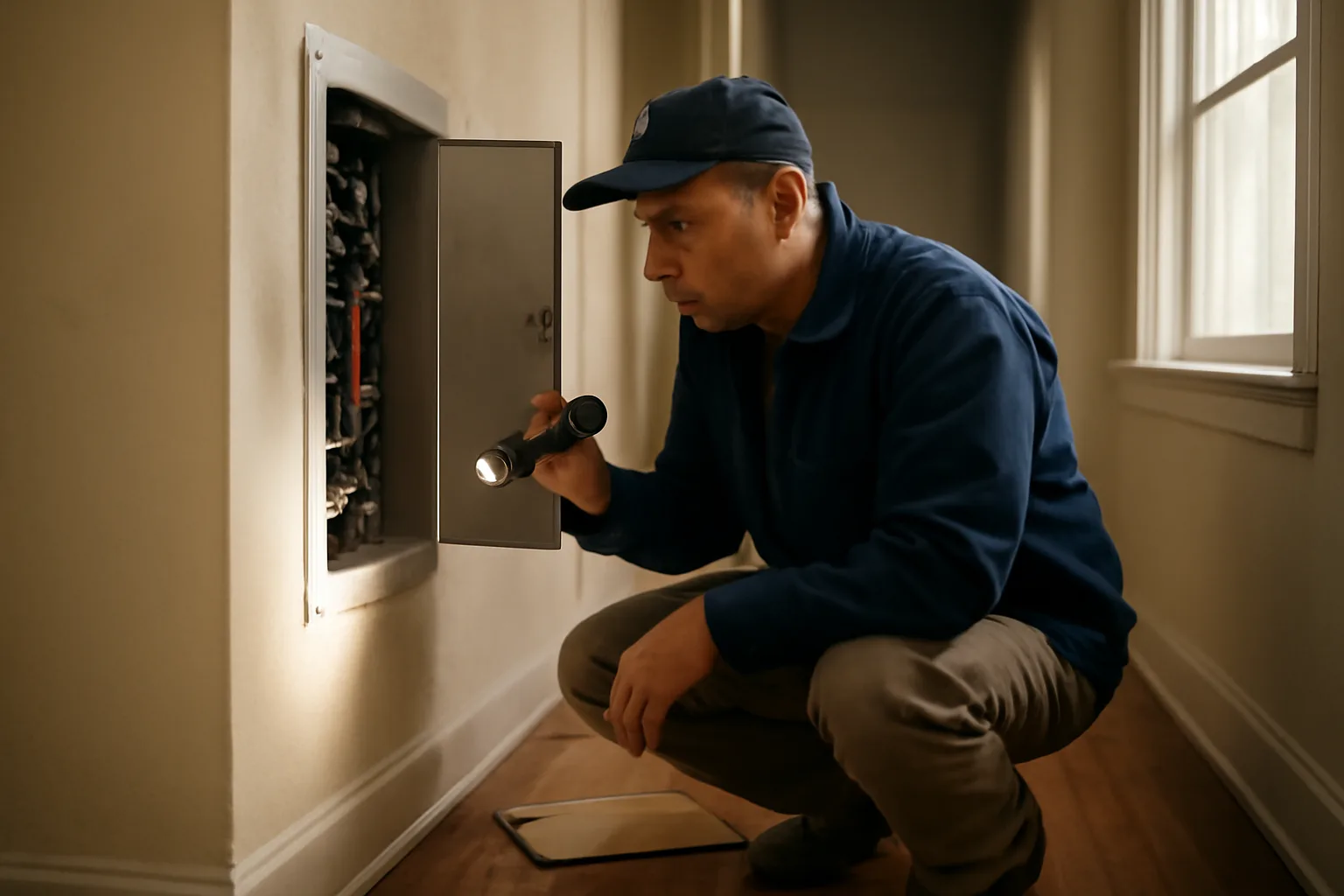
A solid property inspection checklist covers structural safety, electrical, plumbing, smoke and CO detectors, exits, and pest issues, room by room, with a condition rating and photo for each item. Use separate versions for move-in/move-out documentation and for city rental license inspections, since cities check code compliance, more than cosmetic condition.
What should a property inspection checklist actually include?
A usable checklist has three parts: a room-by-room item list, a condition scale (like good/fair/poor/not present), and space for photos and notes. Skip any of those three and the checklist stops being useful in a dispute. For a rental unit, the core categories are structural (foundation, walls, ceilings, floors), electrical (outlets, switches, panel, GFCI in wet areas), plumbing (fixtures, water heater, visible leaks, water pressure), safety systems (smoke alarms, carbon monoxide detectors, fire extinguishers where required, egress windows), HVAC (furnace, AC, filters, thermostat), exterior (roof, gutters, siding, steps, railings), and pest/moisture signs (mold, rot, evidence of rodents or insects). Many cities that require rental licensing publish their own inspection checklist, and it's usually stricter and more specific than a generic template. If your city has one, that document should be your primary checklist, not a general-purpose one you found online. Confirm with your city rental licensing office whether a published checklist or inspection form exists before you build your own from scratch. A move-in/move-out checklist and a city compliance checklist are not the same document, even though they overlap. The move-in version protects the security deposit conversation. The city version protects your license. Building both, separately, saves a lot of confusion later.
What can a landlord look at during an inspection?
A landlord doing a routine or lease-required inspection can generally look at the general condition and function of the unit: appliances, fixtures, smoke detectors, signs of damage, unauthorized pets or occupants, and safety hazards. What a landlord cannot do is search through a tenant's personal belongings, closets full of personal items, or private papers under the pretense of a maintenance check. Most state landlord-tenant statutes frame the right to enter around a legitimate purpose. California's Civil Code, for example, lists the reasons a landlord may enter as including to make necessary or agreed repairs, show the unit to prospective tenants or buyers, or in case of emergency [1]. Ohio's landlord-tenant law similarly ties entry to "reasonable purposes" like inspection, repairs, or showing the unit, and requires the landlord to enter at reasonable times [2]. In practice, that means during a routine inspection you can visually check condition, take photos of what's visible, note maintenance issues, and confirm smoke/CO detectors work. You should not open drawers, go through boxes, or photograph a tenant's personal documents or belongings unless there's a specific safety reason (like confirming there's no active gas leak near stored items). If the inspection is tied to a city rental license or a code enforcement visit, the inspector is checking compliance items, not the tenant's housekeeping. That distinction matters when a tenant asks what's being looked at and why.
Who is responsible for a rental property walk-through inspection in California?
In California, the landlord is responsible for arranging the walk-through, but the law gives the tenant specific rights around the process, especially for the move-out inspection. California Civil Code Section 1950.5 requires that if a landlord intends to deduct from the security deposit, the landlord must, upon the tenant's request, give the tenant an initial inspection opportunity before the tenancy ends, so the tenant can fix issues themselves [1]. The statute requires the landlord to give at least 48 hours' written notice of the date and time of that initial inspection unless the tenant waives the notice, and afterward, provide an itemized statement of any needed repairs or cleaning [1]. The tenant has the right to be present during this inspection. Some California cities layer their own rental inspection programs on top of this. Los Angeles' Systematic Code Enforcement Program (SCEP) requires periodic inspections of registered rental units, separate from the security deposit walk-through, and those are administered through the city's Housing Department under the Rent Stabilization Ordinance framework, more than between landlord and tenant directly [3]. Confirm with your city rental licensing office (or in LA's case, the Housing Department) whether a separate mandatory inspection cycle applies to your property in addition to your own move-out walk-through.
How much notice does a landlord have to give before an inspection?
| California | 24 hours presumed reasonable | Civ. Code § 1954 [4] | |
|---|---|---|---|
| Ohio | "Reasonable notice," reasonable time | R.C. 5321.04 [2] | |
| California (move-out deposit inspection) | At least 48 hours written notice | Civ. Code § 1950.5 [1] | For a city rental license inspection, notice practice is different again. Some cities require the inspector to schedule with the owner or tenant directly, others allow the inspection to piggyback on a complaint response with less lead time. Confirm with your city rental licensing office how much notice their inspectors give and whether the tenant, owner, or both need to be present. |
Notice requirements vary by state, and this is one of the most common areas where landlords get it wrong. There's no single national rule; you have to check your state's statute. California requires "reasonable notice," which the Civil Code defines as 24 hours in writing as presumptively reasonable, though actual reasonableness depends on circumstances [4]. Ohio's landlord-tenant statute, R.C. 5321.04, requires the landlord to give the tenant "reasonable notice" of intent to enter and to enter only at reasonable times, without pinning it to a specific hour count in the statute itself [2]. | State example | Notice standard | Statute |
What can't a landlord do in Ohio during an inspection or entry?
Ohio Revised Code 5321.04 lays out landlord obligations, and 5321.05 lays out tenant obligations, and together they frame what a landlord can't do around entry. A landlord in Ohio can't enter without reasonable notice and can't enter at unreasonable times, except in genuine emergencies [2]. A landlord also can't use entry as a pretext for harassment; Ohio law recognizes repeated unreasonable demands for entry as a form of landlord misconduct that can support a tenant claim. Ohio law also restricts self-help remedies. A landlord in Ohio can't shut off utilities, change the locks, or remove a tenant's belongings to force them out, even if rent is unpaid; eviction has to go through the court process (forcible entry and detainer action) [2]. This matters for inspections too: a landlord can't use an inspection visit as cover to remove property or lock a tenant out. During the inspection itself, a landlord can't go through personal belongings unrelated to habitability or safety, can't bring people along without a legitimate reason (a contractor for a quote is fine, a friend who wants to see the place is not), and can't retaliate against a tenant for reporting a code violation that triggered a city inspection in the first place. Ohio's landlord-tenant act includes anti-retaliation language tied to health and safety complaints [2].
How do I build a property inspection checklist template step by step?
Start with the four zones of any inspection: exterior, interior common areas, each individual room, and mechanical systems. Then decide what condition scale you'll use. A simple 4-point scale (good, fair, poor, N/A) is enough for most landlords; you don't need anything more elaborate. Room-by-room, the fields that matter are: walls and ceiling condition, flooring condition, windows and locks, doors and locks, outlets and switches, light fixtures, and any room-specific items (kitchen: appliances, cabinets, countertops, sink and disposal; bathroom: toilet, tub/shower, ventilation fan, caulking; bedrooms: closet doors, window egress if it's a basement bedroom). For the whole-unit systems section, list: water heater (age, leaks, temperature setting), furnace/AC (filter date, thermostat function), electrical panel (labeled breakers, no signs of scorching), smoke alarms (one per bedroom plus common areas, per most state fire codes, tested and dated), carbon monoxide detectors (required in many states if there's a fuel-burning appliance or attached garage), and water shutoff location. Add a photo requirement to every line item that shows a deficiency. Photos with a timestamp are your best evidence if a dispute ever goes to small claims court over a deposit deduction or if a city inspector flags a violation you believe was already fixed. A one-page checklist without photos is much weaker evidence than a checklist with them. If you're prepping specifically for a mandatory city rental license inspection rather than a routine landlord walk-through, the checklist needs to mirror that city's actual inspection form, not a generic template. That's the gap our $79 City Rental License & Inspection Prep Packet is built to close: it walks you through the categories cities commonly check (smoke/CO detectors, egress, electrical, exterior, pest evidence) organized the way an inspector will actually walk the property, so you're not guessing at what a generic checklist would have missed.
Move-in vs. move-out vs. city license inspection: what's the difference?
These are three different documents serving three different purposes, and conflating them causes most of the mess landlords run into. A move-in checklist documents baseline condition before the tenant takes possession. Its purpose is protecting both parties: the landlord from false damage claims later, the tenant from being blamed for pre-existing wear. Both parties should sign and date it, and the tenant should get a copy. A move-out checklist compares current condition against the move-in baseline to determine what's normal wear and tear versus tenant-caused damage, which drives security deposit deductions. California's Civil Code 1950.5 requires the landlord to provide an itemized statement of deductions along with receipts for repairs within 21 days of the tenant vacating [1]. Check your own state's statute for the equivalent deadline and dollar threshold, since these vary widely. A city rental license inspection checks code compliance, not tenant-caused wear. Inspectors are looking for things like working smoke detectors, proper egress, no illegal electrical work, adequate heat, and no pest infestations that violate the local housing code. This inspection isn't about the tenant's housekeeping at all; a spotless apartment can still fail if the smoke detector is missing or the furnace vents incorrectly. Keep these three checklists physically separate, even if some line items repeat across them. A shared template invites you to skip city-specific items because they weren't relevant at move-in, and that's exactly the kind of gap that turns into a violation notice.
What is landlording, and what is a landlord responsible for?
Landlording is the ongoing work of owning and managing rental property: screening tenants, collecting rent, handling maintenance requests, keeping the unit compliant with local code, and managing the relationship day to day. It's a mix of property management and legal compliance, and most first-time landlords underestimate the compliance half. A landlord, legally, is the party who owns or controls a rental property and leases it to a tenant in exchange for rent, taking on obligations around habitability, repairs, and following state and local landlord-tenant law. Every state has some version of an implied warranty of habitability, meaning the landlord has to keep the unit safe and livable regardless of what the lease says. Ohio's version of this obligation is spelled out in R.C. 5321.04, which requires landlords to comply with building and housing codes materially affecting health and safety, keep the premises in a fit and habitable condition, and keep common areas safe and clean [2]. Practically, landlording responsibilities break into four buckets: legal compliance (licensing, registration, inspections, habitability standards), financial management (rent collection, security deposits, expense tracking), maintenance (repairs, preventive upkeep, emergency response), and tenant relations (communication, notice requirements, fair housing compliance). Inspection checklists sit at the intersection of the first and third buckets: they're how you prove compliance and catch maintenance issues before they become violations.
How do you become a landlord, and what do you need to know first?
Becoming a landlord starts with acquiring a property you intend to rent out, then working through a checklist of legal and practical steps before you hand over keys: check local zoning and rental licensing requirements, get landlord insurance (different from a standard homeowner's policy), understand your state's security deposit and habitability laws, and set up a lease that complies with your state's landlord-tenant statute. The step most new landlords miss is checking whether their city requires a rental license, registration, or inspection before they can legally rent the unit at all. A growing number of cities require this, and renting without one can mean fines, an inability to collect rent through the court in an eviction case, or forced compliance orders. Confirm with your city rental licensing office whether registration or a license is required in your municipality before you list the unit. Beyond the legal setup, you need a plan for tenant screening (credit, income, rental history, background checks, all governed by the Fair Housing Act's prohibition on discrimination based on protected classes) [5], a maintenance response process, and a bookkeeping system since rental income and expenses need to be tracked for tax purposes. Most new landlords also underestimate the ongoing time cost. Even with one unit, you're on call for repairs, need a system for rent collection and late notices, and need to stay current on law changes in your state and city. If that sounds like more than you want to manage solo, that's a legitimate reason to hire a local property manager rather than a reason to skip the legal steps.
Why do landlords require renters insurance?
Landlords require renters insurance mainly to shift liability and personal property risk away from the landlord's own policy. A landlord's insurance covers the building and the landlord's liability, but it doesn't cover a tenant's personal belongings if there's a fire, burst pipe, or theft, and it may not fully cover a lawsuit if the tenant's guest is hurt due to something the tenant did (like an unauthorized space heater causing a fire). Renters insurance policies are inexpensive, commonly running somewhere in the range of $15 to $30 a month depending on coverage amount and location, though your local market may vary; there's no single national figure and rates depend heavily on state and coverage limits. Requiring it as a lease condition is legal in nearly every state, as long as it's applied consistently to all tenants (a fair housing requirement, not an insurance one). From the landlord's side, requiring renters insurance reduces the odds you get pulled into a dispute over a tenant's damaged belongings after a covered event, and it often includes liability coverage that protects you if the tenant is found responsible for damage to the unit itself (a kitchen fire from an unattended stove, for example). It's not a replacement for your own landlord policy or umbrella liability coverage; it's a supplement that narrows the gap.
What rights do tenants have without a lease?
A tenant without a written lease still has rights, because verbal or month-to-month tenancies are recognized under every state's landlord-tenant law. The absence of a written lease doesn't strip a tenant of habitability protections, notice requirements before entry, or protection from illegal eviction. Without a written lease, the tenancy is generally treated as a periodic tenancy, most commonly month-to-month, governed by the default rules in your state's statute rather than lease terms. That means the landlord still has to give proper notice to terminate (commonly 30 days for a month-to-month tenancy in many states, though some require more depending on how long the tenant has lived there), still has to follow the formal eviction process through the courts rather than self-help eviction, and still owes the tenant a habitable unit. Ohio's landlord-tenant statute doesn't distinguish between written and oral rental agreements for purposes of the landlord's basic obligations under R.C. 5321.04; those duties (compliance with building codes, safe common areas, functioning plumbing and heat) apply regardless of whether there's a signed lease [2]. Where things get murkier without a lease is proving the terms both sides agreed to: rent amount, due date, who's responsible for utilities. That ambiguity is exactly why every landlord, even one renting to family or a friend, should use a written lease. It's more than a formality; it's the document that resolves disputes before they start.
Frequently asked questions
What is a landlord, in simple terms?
A landlord is the person or entity that owns a property and rents it to someone else (the tenant) in exchange for rent payments. Legally, a landlord takes on obligations around habitability, repairs, security deposits, and following state and local landlord-tenant law, in addition to the basic right to collect rent and set lease terms.
What is landlording as a practice?
Landlording is the day-to-day work of owning and managing rental property: screening tenants, collecting rent, handling repairs, staying compliant with local rental codes and licensing, and managing the tenant relationship. It's part property management, part legal compliance, and the compliance side is where most new landlords get caught off guard.
How do I become a landlord?
Acquire a rental property, check local zoning and rental licensing requirements, get landlord insurance, set up a lease compliant with your state's landlord-tenant statute, and confirm with your city rental licensing office whether registration or an inspection is required before you can legally rent the unit. Screening and lease setup come after the legal groundwork, not before it.
Who is responsible for a rental property walk-through inspection in California?
The landlord arranges and conducts the walk-through, but California Civil Code Section 1950.5 gives tenants the right to request an initial inspection before move-out, with at least 48 hours' written notice, so they can fix issues before final deductions are made from the security deposit.
What can a landlord look at during a rental inspection?
A landlord can check general condition, appliance function, smoke and CO detectors, signs of damage, and unauthorized occupants or pets. A landlord generally cannot search personal belongings, closets, drawers, or private papers unless there's a specific safety reason tied to the inspection's stated purpose.
How much notice does a landlord have to give before entering?
It depends on the state. California treats 24 hours' written notice as presumptively reasonable for routine entry (Civ. Code § 1954), while Ohio's R.C. 5321.04 requires "reasonable notice" without a fixed hour count. Move-out deposit inspections in California require at least 48 hours' notice under Civ. Code § 1950.5.
What can't a landlord do in Ohio?
Under Ohio's landlord-tenant law (R.C. 5321), a landlord can't enter without reasonable notice or at unreasonable times except in emergencies, can't shut off utilities or change locks to force a tenant out, can't skip the court eviction process, and can't retaliate against a tenant for reporting a code or safety complaint.
What rights do tenants have without a written lease?
Tenants without a written lease still have habitability rights, protection from illegal lockout or utility shutoff, and entitlement to proper notice before termination, typically treated as a month-to-month tenancy under state default rules. These protections come from state landlord-tenant statutes, not from the lease document itself.
Why do landlords require renters insurance?
Landlords require it to shift the risk of tenant property loss and certain liability claims away from the landlord's own policy, since a landlord's insurance typically doesn't cover a tenant's belongings. Renters insurance is inexpensive, often in the range of $15 to $30 a month, and reduces disputes after fires, leaks, or theft.
What's the difference between a move-in checklist and a city rental inspection checklist?
A move-in checklist documents condition for deposit purposes, comparing baseline to move-out condition. A city rental inspection checklist checks code compliance (smoke detectors, egress, electrical, pest issues) regardless of tenant housekeeping. They serve different purposes and shouldn't be treated as one document.
Should I use a generic inspection checklist template for my city's rental license inspection?
Only as a starting point. Many cities publish their own inspection checklist or form specific to their code requirements, and that document should take priority over a generic template. Confirm with your city rental licensing office whether an official checklist exists before you rely on a general one.
How often should a landlord inspect a rental unit?
There's no single national standard; frequency depends on your lease terms, state entry-notice law, and any city rental licensing inspection cycle. Many landlords do a routine walk-through once or twice a year in addition to move-in and move-out inspections, but check your city's mandatory inspection schedule if one applies.
Do I need photos on my inspection checklist?
Yes. A checklist with photos tied to each deficiency or condition rating is far stronger evidence in a deposit dispute or code violation appeal than a checklist with only written notes. Timestamp the photos where possible and keep them with the corresponding checklist copy.
Sources
- California Legislative Information, Civil Code Section 1950.5: Security deposit itemization, initial inspection right, and 48-hour notice requirement in California
- Ohio Legislative Service Commission, Revised Code Section 5321.04: Ohio landlord obligations around entry notice, habitability, and reasonable purposes for entry
- Los Angeles Municipal Code, Chapter XVI, Article 1, Systematic Code Enforcement Program (Section 161.201 et seq.): Los Angeles requires periodic inspections of registered rental units under SCEP
- U.S. Department of Housing and Urban Development, Fair Housing Act, 42 U.S.C. 3604: Federal Fair Housing Act prohibits discrimination in tenant screening based on protected classes
- California Legislative Information, Civil Code Section 1954: 24 hours written notice presumed reasonable for landlord entry in California
- Ohio Legislative Service Commission, Revised Code Section 5321.02: Ohio prohibits landlord retaliation against tenants who report code or health and safety violations