Last updated 2026-07-26
TL;DR
There's no single national rule. Mandatory rental-licensing cities typically inspect units every 1 to 4 years, with some annual and others biennial or triennial. Beyond city-required inspections, most attorneys and property managers recommend landlords do their own walkthrough at move-in, move-out, and at least once mid-lease, roughly every 6 to 12 months.
How often does a city actually require rental inspections?
It depends entirely on your municipality's rental licensing ordinance, and the range is wide. Some cities inspect every unit annually, some every two years, some every three or four years, and a growing number use a tiered system where properties with no violation history get inspected less often. Minneapolis, for example, sets inspection cycles based on a property's compliance history: buildings with a clean record can move to a longer cycle, while those with violations get inspected more frequently, on cycles the city describes in its rental licensing rules [1]. Los Angeles runs its Systematic Code Enforcement Program (SCEP) on a roughly four-year cycle for most residential rental units, funded by an annual per-unit fee charged to owners [2]. Chicago doesn't run a universal proactive inspection program for all rentals but requires registration and inspects based on complaints, code violations, or specific triggers under its municipal code [3]. The honest answer is: you cannot guess your city's schedule from a national average, because there isn't one. You need to confirm with your city rental licensing office what cycle your property falls into, whether it's calendar-based, complaint-based, or violation-triggered. Some cities publish this in their municipal code section on rental licensing; others only tell you when your license renewal notice arrives. A few patterns hold across most mandatory-licensing cities, though. First, a change of tenant sometimes triggers a new inspection requirement, especially in cities with per-unit registration. Second, most cities pair the inspection cycle to your license renewal date, so missing a renewal deadline often means missing your inspection window too, which can turn into a fine on top of a licensing violation. Third, cities that use a complaint-driven model (a tenant calls code enforcement) can inspect at literally any time, regardless of your official cycle.
How is inspection frequency different from a landlord's own walkthrough schedule?
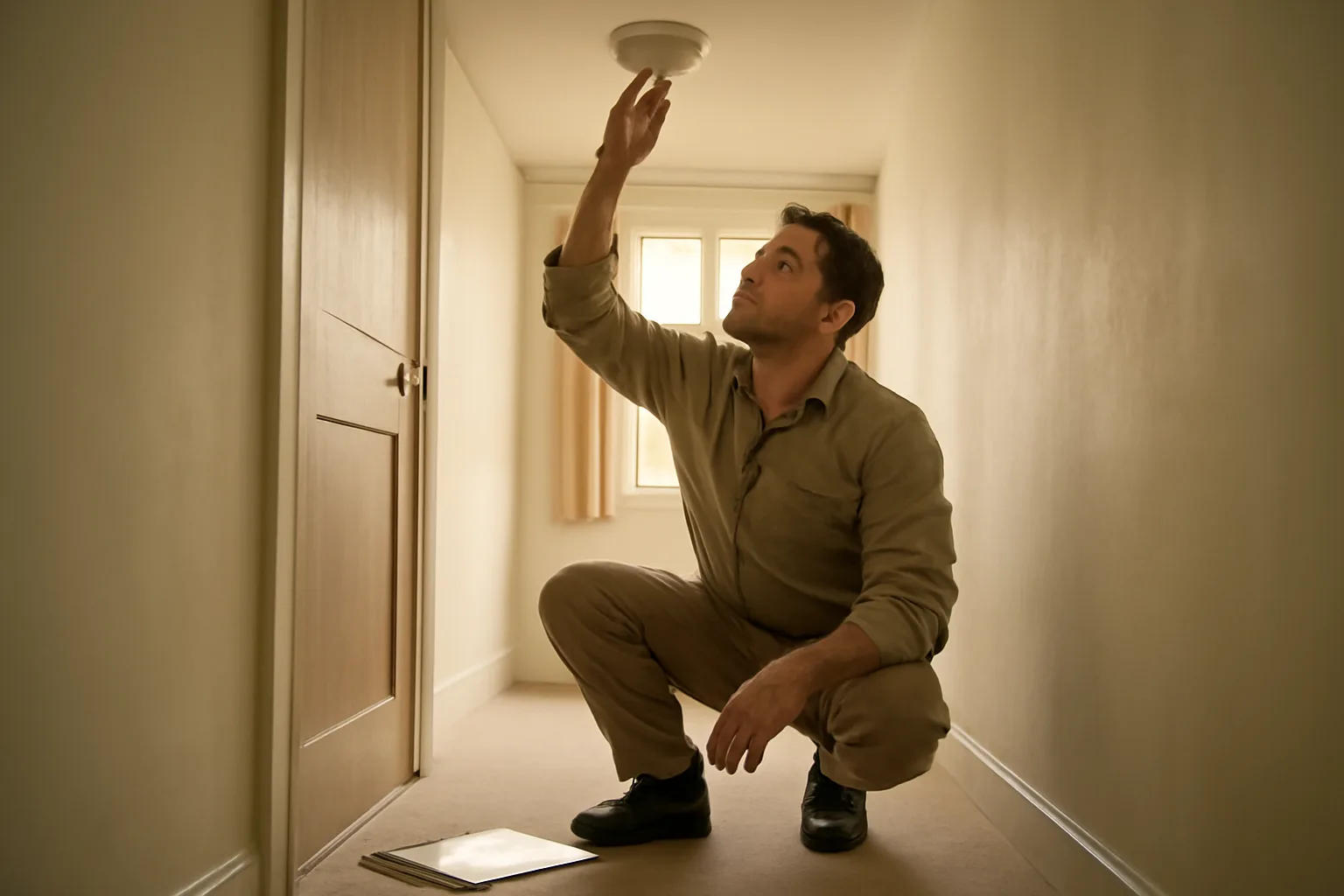
City-required inspections and your own periodic walkthroughs serve different purposes, and conflating them is a common landlord mistake. The city inspection checks code compliance: smoke detectors, egress windows, electrical panels, plumbing, pest issues, structural safety. Your own walkthrough is about protecting your investment and catching small problems before they become expensive ones. Most property management guidance and landlord-tenant attorneys suggest landlords do an interior walkthrough roughly every 6 to 12 months, separate from any city mandate, plus documented inspections at move-in and move-out. This isn't a legal requirement in most states; it's just risk management. A slow leak under a sink, a smoke detector with a dead battery, or a tenant running an unauthorized space heater are things a city inspector visiting once every four years will never catch in time. The two schedules can and should run in parallel. If your city inspects every three years, that doesn't mean you should wait three years to check on your own property. Landlords who only see their units during the mandatory city inspection are the ones who get blindsided by a $4,000 water damage repair that started as a $40 fix.
Who is responsible for a rental property walk-through inspection in California?
In California, the landlord is generally responsible for arranging and conducting the pre-move-out walkthrough (called an "initial inspection") if the tenant requests one, and California Civil Code Section 1950.5 gives tenants that right specifically tied to security deposit disputes. The statute requires landlords to notify tenants of their right to request this inspection and, if requested, to give at least 48 hours' written notice before entering to do it [3]. The purpose is narrow: it lets the tenant fix deductible issues (a hole in the wall, a stain in the carpet) before move-out so they aren't surprised by deposit deductions later. It is not the same as a city-mandated rental housing inspection. Cities like Los Angeles, Berkeley, or San Francisco with their own rental inspection or registration programs run those separately from the state's deposit-related walkthrough rules, and the requirements, notice periods, and personnel involved can differ. For routine (non-move-out) entry to inspect the unit, make repairs, or show the property, California Civil Code Section 1954 requires "reasonable notice," which the statute presumes to be 24 hours in writing, absent emergency [4]. So the pattern in California is: 24 hours' notice for ordinary entry and inspection, at least 48 hours' notice specifically for the pre-move-out inspection tied to deposit return, and separate rules again for any city code-enforcement inspection under a local rental registration or licensing program.
How much notice does a landlord have to give before an inspection?
This varies by state, and there's no single national standard, so you need to check your own state's landlord-tenant statute rather than assume a number. Many states set 24 hours as the presumed reasonable notice for routine entry, including for inspections and repairs, following language similar to California's Civil Code Section 1954 [4]. Other states use 24-48 hours, and a handful don't specify an exact number at all, just requiring "reasonable notice" without defining it in hours. City-mandated code inspections often run on separate notice rules from your state's general landlord entry statute. A city rental inspection tied to a license renewal might require the city to notify you (the owner) with a scheduled appointment window weeks in advance, while your notice obligation to the tenant living there is still governed by your state's general entry statute. Don't assume the city handles tenant notification for you; in many programs, the property owner or manager is responsible for telling the tenant the unit will be inspected on a given date. Emergencies are the main exception almost everywhere: landlords generally do not need advance notice to enter for genuine emergencies (fire, flooding, gas leak). Beyond that, giving less notice than your state requires, even for something as routine as a maintenance check, can expose you to a claim that you violated the tenant's right to quiet enjoyment of the property.
What can a landlord look at during an inspection?
A landlord's inspection, whether it's your own periodic walkthrough or accompanying a city inspector, is generally limited to checking the condition and safety of the unit, not searching the tenant's belongings. Typical items on a landlord or city inspection checklist include: - Smoke and carbon monoxide detectors (presence and function)
- Egress windows and doors (can occupants get out in an emergency)
- Electrical: exposed wiring, overloaded outlets, panel condition
- Plumbing: leaks, water damage, working fixtures, water heater condition
- HVAC function and venting
- Structural issues: cracked walls, ceiling damage, foundation concerns
- Pest evidence (rodents, insects)
- General cleanliness and maintenance tied to habitability
- Compliance with local requirements like window guards, handrails, or lead paint disclosures where applicable What a landlord or inspector should not do is open drawers, closets, or personal storage that has nothing to do with condition or safety, or use the visit to look through personal belongings. The inspection is about the property's condition, not the tenant's possessions. City rental inspectors are typically checking against a specific municipal housing code, and that code and its checklist should be public. Ask your city rental licensing office for the exact checklist their inspectors use; most jurisdictions publish this as part of their rental registration materials, and knowing it in advance lets you fix small things before the inspector shows up rather than getting written up for something a five-minute repair would have solved.
What a landlord cannot do in Ohio
Ohio's landlord-tenant law, codified largely in Ohio Revised Code Chapter 5321, sets specific limits on landlord conduct. A landlord cannot enter the rental unit without giving reasonable notice and without entering at a reasonable time, except in an emergency; Ohio courts and the statute treat this under the landlord's general duty to maintain the premises and the tenant's right to possession [5]. Ohio Revised Code 5321.04 spells out landlord obligations, including keeping the premises in a fit and habitable condition, complying with building and housing codes materially affecting health and safety, and maintaining common areas [6]. A landlord who fails these duties can be subject to tenant remedies under ORC 5321.07, including rent escrow procedures if the landlord doesn't fix a serious problem after written notice. Ohio law also prohibits retaliatory conduct: a landlord cannot terminate a tenancy, refuse to renew, or otherwise retaliate against a tenant for complaining to a government agency about code violations or for exercising rights under Chapter 5321, per ORC 5321.02 . And a landlord cannot engage in "self-help" evictions, meaning locking out a tenant, shutting off utilities, or removing belongings without going through the court eviction process; Ohio requires formal eviction (forcible entry and detainer) proceedings to remove a tenant . As with any state, specifics change and local municipal codes (Cleveland, Columbus, Cincinnati) may add rental registration or inspection rules on top of the state framework, so confirm current requirements with your city rental licensing office and, for legal questions specific to your situation, an Ohio landlord-tenant attorney.
What rights do tenants have without a lease?
A tenant without a written lease, often called a tenant-at-will or month-to-month tenant depending on the state, still has real legal rights. Nearly every state implies a lease exists even without a signed document once someone is paying rent and occupying a unit with the owner's consent, and that implied tenancy carries the same basic protections as a written one in most respects. Those rights typically include the implied warranty of habitability (the unit must be safe and livable), protection from illegal lockouts or utility shutoffs, the right to proper notice before the landlord can end the tenancy (commonly 30 days for month-to-month tenancies, though this varies by state and sometimes by how long the tenant has lived there), and protection from retaliation for reporting code violations. What a no-lease tenant usually does not have is a fixed term of guaranteed occupancy. Without a lease specifying an end date, most states treat the arrangement as month-to-month, meaning either party can end it with proper notice, not because there's no lease. The absence of a written lease also creates disputes: without a document specifying who pays for what repairs, what the rent amount is, or what the security deposit terms are, disagreements often come down to a state's default statutory rules or, in the worst case, conflicting verbal accounts in court. If you're operating without written leases at all, that's a bigger business risk than an inspection deadline; the guidance under renters rights covers common tenant protections that apply with or without a signed document.
Why do landlords require renters insurance?
Landlords require renters insurance mainly to shift liability and reduce disputes, not because it's legally mandated in most places (it isn't, at the state level; a small number of cities and many individual lease agreements require it as a lease condition, not a statute). The landlord's own property insurance covers the building itself, not the tenant's personal belongings, and it typically does not cover a tenant's liability if, say, their negligence causes a fire or a guest is injured in the unit. Requiring renters insurance means that if a tenant's actions cause damage (an overflowing bathtub, a kitchen fire, a burst hose on a washing machine) the tenant's policy, not the landlord's, is the first line of coverage and reimbursement. It also reduces the odds a landlord ends up in a drawn-out argument over who pays for a tenant's ruined furniture after a plumbing failure that wasn't the landlord's fault. This is a lease-clause decision, not a mandatory inspection or licensing requirement, so if you want to add it, that's a matter for your lease terms and applicable state law on what landlords can require, not something covered by rental registration or inspection ordinances.
What is landlording, and what is a landlord?
A landlord is the person or entity that owns residential or commercial property and rents it to someone else (a tenant) in exchange for regular payment, usually under a lease or rental agreement. Landlording is the informal, common term for the practice of managing that role: collecting rent, maintaining the property, handling tenant communication, complying with housing codes, and dealing with the legal and financial responsibilities that come with renting out real estate. Landlording covers a spectrum. On one end, it's a single owner-occupant renting out a basement unit or a duplex's second floor. On the other, it's someone who owns ten single-family rentals across a city and treats it as a full side business or primary income source. The legal obligations (habitability, notice requirements, security deposit handling, fair housing compliance) apply regardless of scale, though many mandatory rental-licensing ordinances specifically apply per-unit, meaning owning even one rental unit in a licensing city triggers registration and inspection requirements the same as owning fifty.
How do you become a landlord, step by step?
Becoming a landlord legally requires more than buying a property and finding a tenant, especially in a city with mandatory rental licensing. The general sequence looks like this: 1. Confirm the property is zoned and legally allowed to be rented (some cities restrict rentals in certain zones or cap the number of rental units on a block). 2. Check whether your city requires rental registration or licensing before you can legally rent the unit; many mandatory-licensing cities require this before the first tenant moves in, not after. 3. Get a pre-rental inspection scheduled if your city requires one for initial licensing (separate from the periodic inspection cycle described earlier in this article). 4. Secure landlord-specific insurance (a standard homeowner's policy usually doesn't cover a rental; you need a landlord or rental dwelling policy). 5. Set up separate finances for the rental, including how you'll handle security deposits, which many states require to be held in a separate account and returned within a specific window after move-out. 6. Screen tenants consistently and legally, following federal Fair Housing Act rules on protected classes and any state or local add-on protections (source of income, criminal history limits, etc.). 7. Draft or obtain a lease that complies with your state's landlord-tenant statute. 8. Register with your city as required, pay any licensing fee, and calendar your renewal and inspection dates so you don't get hit with a late fee or violation notice. Skipping step 2 or 3 is the most common expensive mistake. Renting out a unit before registering it in a mandatory-licensing city can mean fines, and in some cities it can also mean the landlord can't legally collect rent or evict for nonpayment until the property is properly licensed, which is a serious financial risk if a tenant stops paying.
What does a first-time landlord actually need to have in place before renting?
Beyond the step-by-step above, a first-time landlord needs a few concrete things ready before the first tenant signs anything: proof the unit passes basic habitability standards (working smoke detectors, functioning heat, no obvious code violations), a compliant lease, a documented move-in inspection with photos, a clear security deposit process that matches state law, and confirmation of your city's registration status. If your city requires a license, get that squared away first; retroactively registering after renting out a unit is common but it often comes with back fees or a fine for the period you operated unregistered. This is exactly the kind of paperwork problem that a one-time prep resource helps with. Our $79 City Rental License & Inspection Prep Packet walks through what most licensing cities ask for on the application and pre-inspection checklist, so you're not guessing at what the inspector will check on day one.
How often should you schedule your own inspection if your city has no requirement at all?
If you're in a city with no rental licensing or mandatory inspection program at all, the decision is entirely yours, and most experienced landlords land somewhere between twice a year and once a year for interior walkthroughs, plus a documented move-in and move-out inspection every time a tenant changes. A reasonable default: interior inspection every 6 months, exterior/curb check monthly or with every rent visit, HVAC filter and smoke detector battery check twice a year (spring and fall works well since it lines up with daylight saving time changes, a common public reminder for smoke detector battery swaps ), and a full documented walkthrough with photos at every tenant turnover. More frequent than every 6 months starts to feel intrusive to tenants and can strain the landlord-tenant relationship without much added benefit, unless you have a specific reason (a known plumbing issue you're monitoring, a tenant history of property damage, or a fix you're following up on). Less than once a year means you're relying entirely on the tenant to tell you about problems, which works fine with a good tenant and badly with one who doesn't want to deal with maintenance requests.
Frequently asked questions
How often are rental properties inspected by the city?
It depends on the city's ordinance. Some run annual inspections, others every 2 to 4 years, and some use a tiered system tied to violation history, like Minneapolis's compliance-based cycle [1] or LA's roughly four-year SCEP cycle [2]. Confirm your specific cycle with your city rental licensing office since there's no single national standard.
Who is responsible for a rental property walk-through inspection in California?
The landlord arranges it. Under California Civil Code Section 1950.5, tenants can request a pre-move-out inspection tied to security deposit deductions, and the landlord must give at least 48 hours' written notice before conducting it [4]. This is separate from any city-run rental housing inspection program.
How much notice does a landlord have to give before an inspection?
Most states use 24 hours as the presumed reasonable notice for routine entry; California's Civil Code Section 1954 sets 24 hours for general entry and 48 hours specifically for the pre-move-out deposit inspection [5]. Check your own state's landlord-tenant statute since the exact number varies and some states just require "reasonable notice" without a set figure.
What can a landlord look at during an inspection?
Smoke and CO detectors, electrical and plumbing condition, structural issues, pest evidence, HVAC function, and general habitability items tied to your local housing code. A landlord should not go through personal belongings, drawers, or closets unrelated to the unit's physical condition.
What is a landlord?
A landlord is the owner of residential or commercial property who rents it to a tenant in exchange for regular payment, usually under a lease. The landlord holds legal responsibilities including maintaining habitability, following notice requirements for entry, and complying with local housing and rental licensing codes where applicable.
What is landlording?
Landlording is the practice of owning and managing rental property: collecting rent, maintaining the unit, handling tenant relations, and complying with housing codes and licensing requirements. It ranges from a single owner renting one unit to full-time investors managing dozens of properties, though basic legal obligations apply at any scale.
How do you become a landlord?
Confirm zoning allows rental use, register or license the property with your city if required, get any pre-rental inspection done, secure landlord insurance, set up compliant lease and deposit handling, screen tenants under Fair Housing rules, and calendar your renewal and inspection dates so you don't miss a deadline.
What rights do tenants have without a lease?
A tenant without a written lease is typically treated as a month-to-month tenant with implied rights: habitability, protection from illegal lockouts, proper notice before termination (often 30 days, though this varies by state), and protection from retaliation. They generally don't have a guaranteed fixed-term occupancy without a lease specifying one.
Why do landlords require renters insurance?
Landlords require it (through the lease, not usually by state law) to shift liability for tenant-caused damage and injury away from the landlord's own policy, which typically covers only the building, not the tenant's belongings or the tenant's liability for accidents in the unit.
What can a landlord not do in Ohio?
Under Ohio Revised Code Chapter 5321, a landlord cannot enter without reasonable notice except in an emergency, cannot retaliate against a tenant for reporting code violations (ORC 5321.02), and cannot perform a self-help eviction like a lockout or utility shutoff; formal court eviction is required [6][8][9].
How often should a landlord inspect a rental property if the city doesn't require it?
A common practice is an interior walkthrough every 6 months, plus documented inspections at every move-in and move-out, and a smoke detector and HVAC filter check twice a year. More often than every 6 months can feel intrusive without a specific reason; less than annually leaves you relying entirely on the tenant to report problems.
Does a city inspection replace the need for my own walkthrough?
No. A city inspection checks code compliance on its own cycle, which might be every 1 to 4 years depending on your municipality. Your own periodic walkthrough catches maintenance issues (leaks, pests, worn fixtures) long before a multi-year city cycle would, and it protects your investment between official inspections.
What happens if I miss my city's rental inspection deadline?
Most cities issue a late fee or a violation notice, and repeated misses can lead to license suspension or an inability to legally collect rent in some jurisdictions. The exact penalty and process varies by city, so confirm with your city rental licensing office what happens after a missed deadline.
Sources
- California Civil Code Section 1950.5: California landlords must give at least 48 hours' written notice for the pre-move-out initial inspection tied to security deposits
- California Civil Code Section 1954: California presumes 24 hours' written notice is reasonable for landlord entry to inspect or make repairs
- Ohio Revised Code Section 5321.04: Ohio landlords must maintain the premises in a fit and habitable condition and comply with housing codes affecting health and safety
- Ohio Revised Code Section 5321.02: Ohio prohibits landlords from retaliating against tenants who report code violations or exercise rights under Chapter 5321
- Ohio Revised Code Chapter 1923 (Forcible Entry and Detainer): Ohio requires formal court eviction proceedings rather than self-help lockouts to remove a tenant
- U.S. Department of Housing and Urban Development, Fair Housing Act overview: Federal Fair Housing Act protections apply to tenant screening regardless of city or state