Last updated 2026-07-26
TL;DR
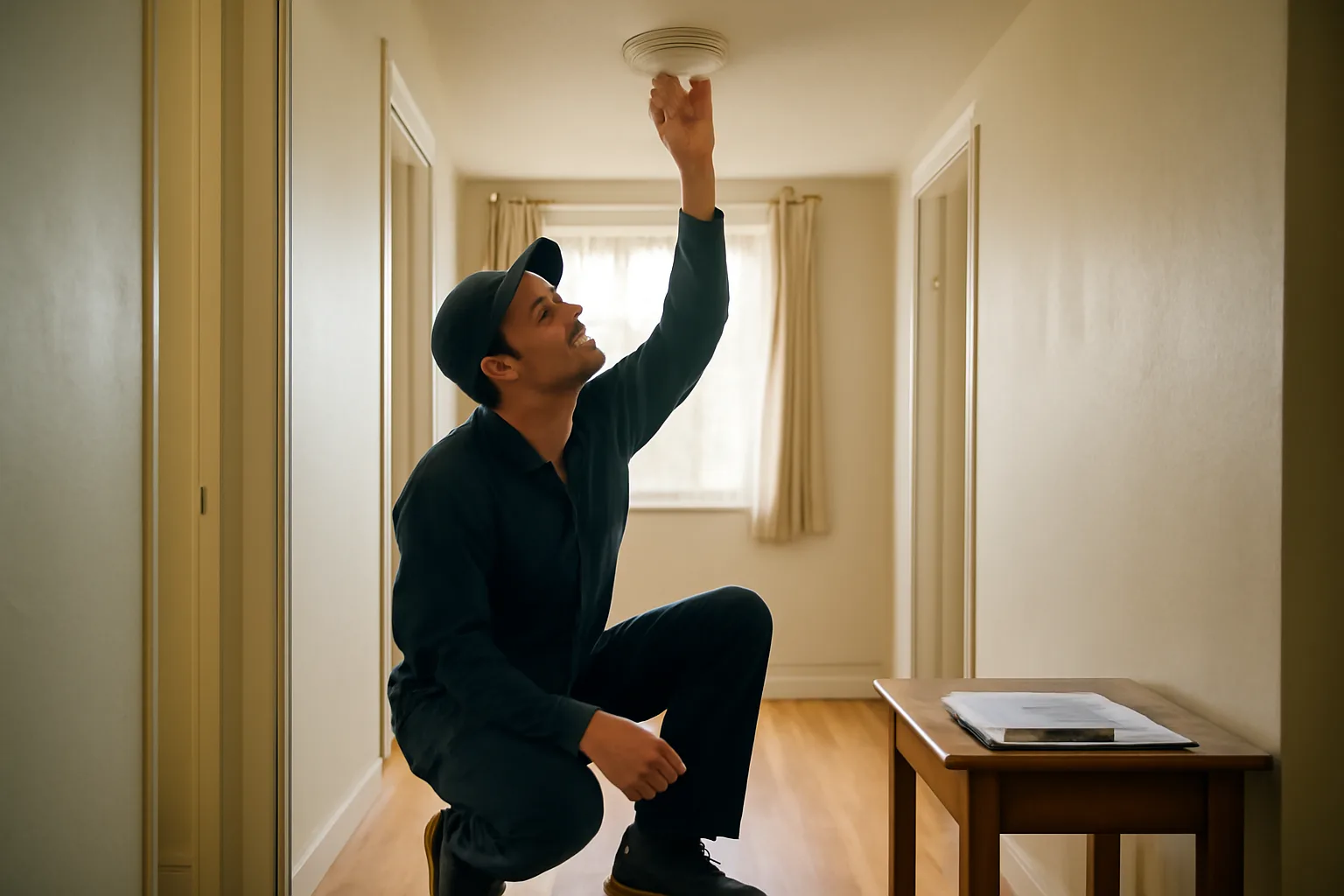
A typical rental inspection takes 20 to 60 minutes per unit, depending on square footage, how many violations the inspector finds, and whether it's a first-time or re-inspection visit. Multi-unit properties take longer overall since each unit gets checked separately. Cities with detailed checklists (electrical, smoke detectors, plumbing, egress) tend to run closer to an hour.
How long does a rental inspection actually take?
For a single unit, plan on 20 to 60 minutes. A studio or one-bedroom with no red flags might get done in 20 minutes. A three-bedroom house with an inspector checking every smoke detector, GFCI outlet, window lock, and the water heater's temperature-pressure relief valve can run closer to an hour. If you own a duplex or a small multi-unit building, the city usually inspects each unit separately, so a fourplex might take two to three hours total for one inspector working through the building. Some cities send two inspectors for larger properties to speed things up, but that's not universal. The honest range you'll see reported by cities that publish this info is 15 to 45 minutes per unit for routine, no-violation inspections, stretching to 90 minutes or more if the inspector finds problems and has to document them in detail, take photos, or write up a formal notice on-site. Chicago's rental inspection process, for example, is a walk-through of common areas and interiors that inspectors describe as usually under an hour per unit absent major issues [1]. Re-inspections are often faster. Sometimes just 10 to 20 minutes, because the inspector is only checking the specific items flagged the first time, not doing a full walk-through again.
What affects how long a rental inspection takes?
| Studio/1BR, no violations | 15-25 minutes |
|---|---|
| 2-3BR house, no violations | 30-45 minutes |
| Unit with 3+ violations found | 45-75 minutes |
| Re-inspection (few flagged items) | 10-20 minutes |
| Fourplex, full building | 2-3 hours total |
A few things move the needle more than anything else: unit size, number of violations found, and how prepared you are before the inspector arrives. Square footage matters because inspectors physically walk every room, check every window, test every smoke and CO detector, and look under sinks. A 1,200 square foot unit takes longer than a 500 square foot studio, roughly proportional to the added rooms and fixtures. Violations slow things down a lot. Every time an inspector finds something wrong, they have to stop, document it (often with a photo and a written note), and sometimes explain the code section to you on the spot. A unit with five or six issues can easily double the time of a clean unit. Access matters too. If you or your tenant aren't there to unlock closets, basements, or a locked mechanical room, the inspector either has to reschedule that portion or skip it, which sometimes means a second partial visit later. Tenant cooperation counts as well. If units are cluttered or the tenant isn't home and you don't have a lockbox arrangement, inspectors may not be able to access every room, which can force a full re-visit down the line. Here's a rough breakdown by scenario: | Scenario | Typical time |
What can a landlord look at during an inspection?
You (or your property manager) generally have the right to be present for the entire inspection and to see exactly what the inspector is checking. Most cities allow the owner or an authorized agent to walk alongside the inspector, ask what code section applies to any cited item, and take your own photos for your records. You can typically ask to see the inspector's checklist or worksheet, request a copy of the inspection report on the spot or shortly after, and ask what the deadline is to fix any cited items before a re-inspection is scheduled. What you generally cannot do is refuse the inspector entry to areas covered by your rental license agreement (this varies by whether inspection is a condition of licensure) or demand they skip a room. If you think an item was cited unfairly, most cities have an appeal or hearing process rather than an on-the-spot dispute resolution. If you're prepping for a first inspection, our rental packet builder walks through the common items inspectors check city by city so you're not guessing on inspection day. That's a $79 one-time packet, not a subscription, and it's built around confirming your specific city's checklist rather than a generic list.
Who is responsible for a rental property walk-through inspection in California?
In California, the responsibility depends on what kind of inspection you mean. For move-in and move-out condition, California Civil Code Section 1950.5 gives tenants the right to request an initial (pre-move-out) inspection so they can fix deficiencies before the final walk-through determines security deposit deductions [2]. The landlord (or their agent) conducts that inspection, and the tenant has the right to be present. For city-mandated rental housing inspections (checking code compliance, not deposit condition), the responsibility sits with the local building or housing department, not the landlord. Cities like Los Angeles run a Systematic Code Enforcement Program (SCEP) where city inspectors, not the landlord, perform the inspection, and the landlord pays an annual per-unit fee to fund it [3]. So: deposit-related walk-throughs are landlord-initiated and landlord-conducted, with tenant present if requested. Code compliance inspections are city-initiated and city-conducted, with the landlord responsible for scheduling access and paying any inspection or registration fee. Always confirm with your city rental licensing office which type applies to your situation, since program names and fee schedules differ from one California city to the next.
What can a landlord look at during an inspection versus what's off-limits?
During a routine code inspection, expect the inspector to check smoke and carbon monoxide detectors, electrical outlets (especially GFCI in kitchens and bathrooms), plumbing fixtures and visible leaks, water heater safety features, window and door locks, egress routes, heating system function, and general structural condition like stairs and railings. Inspectors typically do not go through personal belongings, open drawers, or inspect items unrelated to habitability and safety code. Their job is the building's condition, not the tenant's housekeeping or personal property, though visible clutter blocking an exit or a smoke detector can get noted. As the landlord, you can look at (and should document) the same things before the city ever shows up: test every smoke alarm, run water in every sink and tub to check for leaks, check that windows open and lock, and confirm your water heater's pressure relief valve has a discharge pipe to within 6 inches of the floor, a common citation item in many jurisdictions' plumbing codes based on the Uniform Plumbing Code standard adopted by most states.
How much notice does a landlord have to give before an inspection?
This is where things get genuinely state-specific and you should not guess. Many states require 24 hours notice for a landlord entering a unit for non-emergency purposes, including inspections. California's Civil Code Section 1954 sets 24 hours as "presumed to be reasonable notice" for entry to make repairs or show the unit, though inspections specifically may fall under similar reasonable-notice standards depending on the city ordinance layered on top [4]. Other states vary. Some set 24 hours, others require 48 hours, and a few just say "reasonable notice" without a specific number, leaving it to case law or local ordinance. For city-mandated rental inspections specifically, many municipal programs require the landlord to notify tenants of the scheduled inspection date, and the notice period is set by the local ordinance, not general landlord-tenant law. This means the notice requirement for a code inspection can be different from the notice requirement for your own routine unit-check. Because this differs by city and sometimes by inspection type, confirm the specific notice period with your city rental licensing office before you schedule or announce an inspection to tenants. Don't assume the 24-hour rule from your state's general entry statute automatically applies to the city's rental license inspection program.
What a landlord cannot do in Ohio
Ohio's landlord-tenant law (Ohio Revised Code Chapter 5321) sets out clear restrictions. A landlord cannot enter the rental unit without giving reasonable notice and entering at a reasonable time, except in an emergency [5]. Ohio courts and the statute generally treat 24 hours as a reasonable notice benchmark, though the statute itself uses the word "reasonable" rather than a fixed number. A landlord in Ohio cannot shut off utilities, change the locks, or remove a tenant's belongings to force them out. This is illegal "self-help" eviction, and Ohio requires a formal court eviction process instead [5]. A landlord also cannot retaliate against a tenant for reporting a code violation or exercising a legal right, and cannot discriminate based on protected classes under the Ohio Civil Rights Commission's fair housing rules. On the inspection side specifically, if your city has a rental registration or inspection ordinance (several Ohio cities including Cleveland and Columbus have adopted various forms of these), the city's notice and access rules apply on top of the state statute. Confirm the specific ordinance requirements with your city rental licensing office, since Ohio does not have one statewide rental licensing law. It's handled city by city.
What rights do tenants have without a lease?
A tenant without a written lease isn't unprotected. In most states, an oral or implied agreement to pay rent for a place to live creates a month-to-month tenancy, and the tenant gets essentially the same basic protections as someone with a lease: the right to a habitable unit, protection from illegal lockouts, and the right to proper notice before eviction. Without a written lease, though, terms default to state law rather than whatever specific clauses a written lease would spell out. That means things like the notice period to end the tenancy (commonly 30 days for month-to-month in many states), security deposit handling, and entry notice requirements all fall back to your state's landlord-tenant statute. This is one more reason rental inspections matter even without a formal lease. Cities that require rental licensing don't care whether you have a signed lease with your tenant, the inspection and registration requirement attaches to the property and the fact that you're renting it out, period. For more on what tenants can expect in this situation, see our guides on tenant rights and tenants rights.
Why do landlords require renters insurance?
Renters insurance covers a tenant's personal belongings and liability, things your landlord policy generally does not cover. If a pipe bursts and ruins a tenant's furniture, your landlord insurance covers the building, not their stuff, unless you were negligent. Renters insurance closes that gap. It also protects you. If a tenant's guest gets hurt in the unit, or the tenant accidentally causes a fire, a renters insurance policy's liability coverage can pay out before anyone comes after your landlord policy or your personal assets. Many landlords require proof of renters insurance (commonly $100,000 in liability coverage) as a lease condition specifically for this reason. Some cities' rental licensing ordinances even reference insurance requirements, though this is far less standardized than inspection or registration rules. Don't assume your city mandates it. Check your local ordinance.
What is landlording and what is a landlord?
A landlord is the owner (or authorized agent of the owner) of a residential property who rents that property to a tenant in exchange for rent. "Landlording" is the informal term for the ongoing work of managing that relationship: collecting rent, handling maintenance requests, following state landlord-tenant law, and, in mandatory rental-licensing cities, keeping your registration current and passing periodic inspections. Being a landlord isn't just collecting a check. It legally means you're responsible for maintaining a habitable unit under your state's implied warranty of habitability (present in some form in nearly every state), following fair housing law, and complying with any local rental registration or licensing ordinance that applies to your property. Skipping the licensing piece is one of the most common ways small landlords end up with a violation fine before they even know a program exists in their city.
How to become a landlord (and how to be a landlord day to day)
Becoming a landlord starts with the property, but the paperwork side is where most first-timers get tripped up. Here's the realistic sequence: 1. Buy or already own a property you plan to rent out. 2. Check whether your city or county requires rental registration or licensing before you can legally rent the unit. This is the step people skip, and it's the one that generates violation notices later. 3. Get the unit ready to pass whatever inspection your city requires (smoke detectors, egress, electrical, plumbing). 4. Screen tenants consistently and legally under fair housing law. 5. Set up a lease that matches your state's landlord-tenant statute requirements. 6. Set up a system for maintenance requests, rent collection, and record-keeping. Day to day, being a landlord means responding to repair requests promptly, keeping the unit safe, and renewing your local rental license or registration on schedule so you're not caught off guard by a renewal deadline or a surprise inspection letter. If your city just sent you a notice about registration or an upcoming inspection deadline, our rental packet builder is a $79 one-time packet built to help you confirm what your specific city requires and get organized before the inspector shows up, rather than scrambling the week of.
Frequently asked questions
How long does a rental inspection take for a single-family house?
Usually 30 to 60 minutes for a house with two to four bedrooms, assuming no major violations. Inspectors check every room, smoke detectors, electrical outlets, plumbing fixtures, and the exterior. Add time if the inspector finds problems that need to be documented, or if outbuildings and basements are part of the checklist.
Does a re-inspection take as long as the first inspection?
No, re-inspections are usually faster, often 10 to 20 minutes, because the inspector is only re-checking the specific items cited the first time around, not doing a full walk-through of the entire unit again.
Can I be present during my rental property's inspection?
Yes, in almost every city you or an authorized agent can be present for the full inspection, ask what code applies to any cited item, and request a copy of the report. Being present also helps you unlock any rooms the inspector needs to access.
What happens if I miss my scheduled inspection?
Most cities charge a re-inspection or missed-appointment fee and reschedule you, sometimes weeks later depending on inspector availability. Repeated no-shows can trigger a violation notice or delay your rental license renewal, so confirm the missed-inspection policy with your city rental licensing office.
How to become a landlord if I've never rented a property before?
Start by checking whether your city requires rental registration or licensing, since that determines what condition your unit needs to be in before you rent it. Then prep the unit for any required inspection, set a lease matching your state's landlord-tenant law, and screen tenants under fair housing rules.
Who is responsible for a rental property walk-through inspection in California?
For security deposit purposes, the landlord conducts the walk-through, and Civil Code Section 1950.5 gives tenants the right to request an initial inspection before move-out. For city code compliance inspections, city building or housing department inspectors do the inspection, and the landlord pays the fee and provides access.
What is landlording?
Landlording is the everyday work of owning and managing a rental property: collecting rent, handling repairs, following state landlord-tenant law, and keeping any required local rental registration or license current. It's more administrative than most first-time landlords expect.
What rights do tenants have without a lease?
A tenant paying rent without a written lease usually has an oral or implied month-to-month tenancy under state law, with the same basic protections as a written lease: habitability, protection from illegal lockouts, and required notice before eviction. Terms default to state statute rather than lease-specific clauses.
Why do landlords require renters insurance?
Renters insurance covers a tenant's personal belongings and liability, which a landlord's own property insurance doesn't cover. It also protects the landlord if a tenant or their guest causes injury or property damage, since the tenant's policy pays first.
How much notice does a landlord have to give before an inspection?
It depends on your state and, separately, your city's rental inspection ordinance. Many states presume 24 hours is reasonable notice for entry, but the notice period for a city-mandated rental license inspection can differ. Confirm the specific number with your city rental licensing office.
What can a landlord look at during an inspection?
Inspectors check safety and code items: smoke and CO detectors, electrical outlets, plumbing, egress windows and doors, heating systems, and structural condition like stairs and railings. They generally don't go through personal belongings or unrelated items.
What a landlord cannot do in Ohio
Under Ohio Revised Code Chapter 5321, a landlord cannot enter without reasonable notice except in an emergency, cannot shut off utilities or change locks to force a tenant out, and cannot retaliate against a tenant for reporting a code violation.
Sources
- City of Chicago, Department of Buildings: Chicago rental inspections cover common areas and unit interiors during a walk-through
- California Legislature, Civil Code Section 1950.5: Tenants have the right to request an initial inspection before move-out to address deficiencies before final deposit deductions
- City of Los Angeles Housing Department, Systematic Code Enforcement Program (SCEP) overview: Los Angeles runs a Systematic Code Enforcement Program where city inspectors perform code compliance inspections funded by landlord fees
- California Legislature, Civil Code Section 1954: 24 hours is presumed reasonable notice for landlord entry to make repairs or show a unit in California
- Ohio Legislature, Ohio Revised Code Chapter 5321: Ohio law requires reasonable notice for landlord entry and prohibits self-help eviction actions like shutting off utilities or changing locks