Last updated 2026-07-26
TL;DR
A rental property inspection sheet is a room-by-room checklist that documents unit condition, safety items, and code compliance at move-in, move-out, or a city-mandated inspection. Landlords use it to protect deposits, meet ordinance requirements, and create a paper trail. In most states, the landlord or their agent completes it, though California and a few cities require tenant sign-off too.
What is a rental property inspection sheet, exactly?
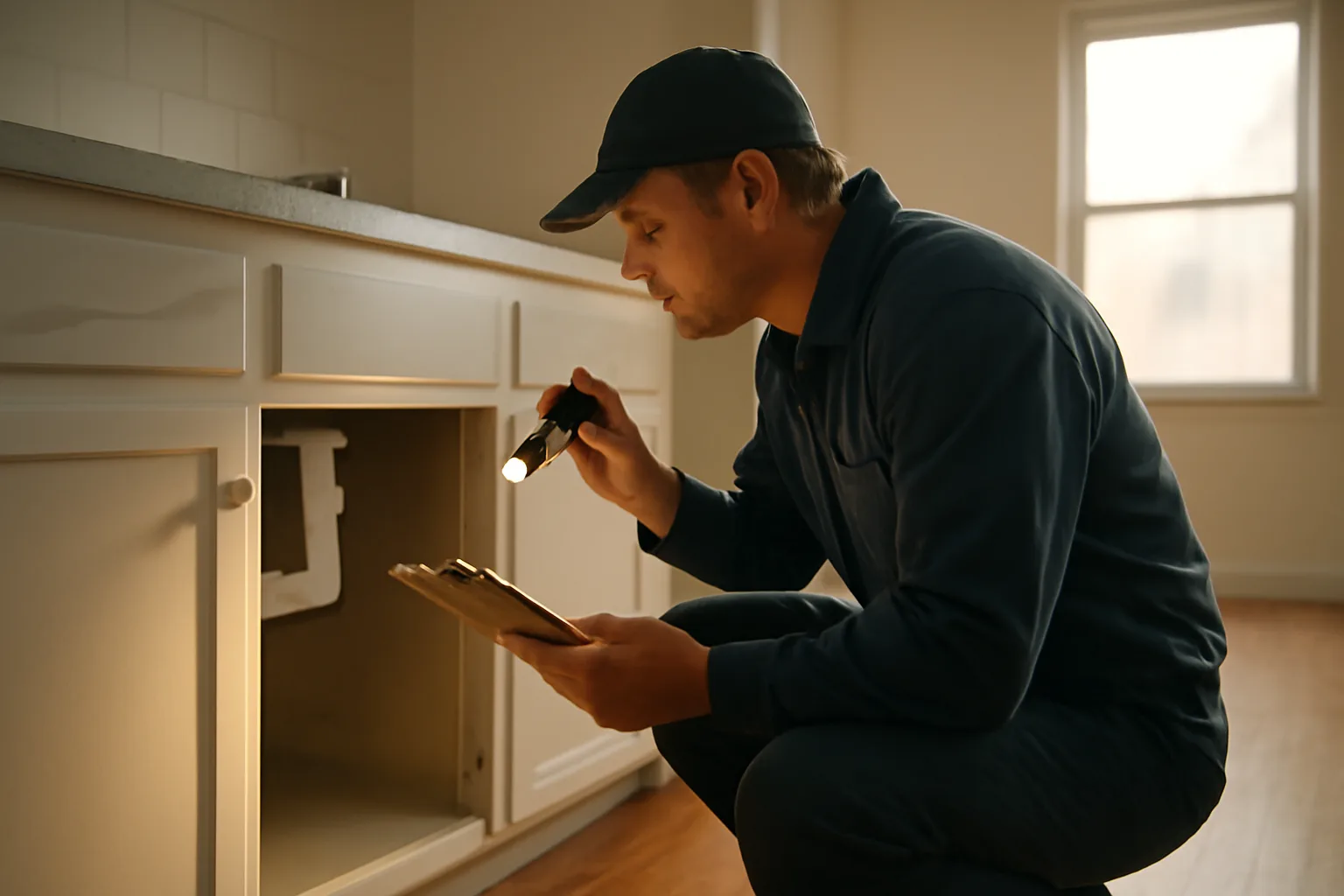
A rental property inspection sheet (sometimes called a move-in/move-out checklist, or a habitability inspection form if a city requires it) is a written record of a unit's condition, room by room, item by item. It usually lists things like walls, floors, windows, appliances, smoke detectors, plumbing fixtures, and HVAC, with a space to mark condition (good, fair, damaged) and add notes or photos. There are really three different versions of this document, and mixing them up causes problems. The first is a move-in/move-out condition report, which protects the security deposit and gives both parties a shared record of pre-existing damage. The second is a routine maintenance or welfare-check inspection, which a landlord does periodically to catch problems early. The third is a code compliance or licensing inspection, done by a city inspector (or sometimes a landlord using the city's own checklist) to confirm the unit meets local housing code before a rental license is issued or renewed. If you're in a city with mandatory rental registration or licensing, that third type is the one with real teeth. Cities like Minneapolis, Milwaukee, and dozens of others require a passed inspection tied to specific code sections before they'll issue or renew a rental license, and failing items usually come with a reinspection fee and a compliance deadline. Always confirm the exact checklist and fee schedule with your city rental licensing office, since these vary block by block sometimes, let alone city by city. For landlords building their own internal version to use before a tenant moves in, or before a city inspector shows up, the goal is the same: a document specific enough that nobody can argue about what was there and what wasn't.
How to become a landlord (and where inspections fit in)
Becoming a landlord is mostly a legal and financial process, not a licensing exam. There's no national landlord license. What you need depends entirely on your state and city. At minimum, most landlords need to: form or confirm a legal ownership structure (many use an LLC for liability separation, though this isn't required), get landlord insurance (different from a standard homeowner's policy), understand your state's landlord-tenant statute (security deposit limits, notice periods, habitability duties), and check whether your city requires rental registration or a rental license before you can legally lease the unit. That last piece catches new landlords off guard constantly. A growing number of cities require you to register your rental property, sometimes annually, sometimes with an inspection tied to it, before you can legally collect rent. Some cities also cap how many units one owner can register without a business license. Skipping this step is one of the most common (and expensive) landlord mistakes, since fines for operating an unregistered rental unit can run from a couple hundred dollars to well over a thousand depending on the city and how long you've been out of compliance. The inspection sheet fits into this process at two points: before you ever rent the unit (to document baseline condition and catch code issues before a tenant moves in) and at whatever renewal cycle your city sets, often every one to three years for licensing programs. If you're setting up your first rental and want a structured way to walk through registration, insurance, and inspection prep in the order cities actually expect them, our City Rental License & Inspection Prep Packet is built around that workflow for a one-time $79 fee. It's not legal advice, just an organized starting point.
What is landlording, and what is a landlord, really?
Landlording is the day-to-day work of owning and managing a rental property: collecting rent, handling repairs, screening tenants, keeping the unit compliant with code and lease terms, and managing the relationship with the person living there. It's a mix of light property management and light legal compliance, whether you own one unit or ten. A landlord, legally, is the party who owns (or controls, in a sublease situation) real property and rents it to a tenant under a lease or rental agreement in exchange for payment. Most state landlord-tenant statutes define the term precisely because it triggers specific legal duties: maintaining habitability, following notice rules before entry, returning deposits within a set timeframe, and following eviction procedures rather than self-help remedies like changing locks or shutting off utilities. The inspection sheet is one of the few tools that touches almost every one of those duties. It documents habitability (proving you maintained the unit), it supports deposit deductions (showing pre-existing versus tenant-caused damage), and in licensing cities it's the literal evidence you submit to prove code compliance.
Who is responsible for a rental property walk-through inspection in California?
In California, the landlord is responsible for initiating and conducting the move-out inspection, but the tenant has a legal right to participate. California Civil Code Section 1950.5(f) gives tenants the right to request an initial (pre-move-out) inspection, and if requested, the landlord must give at least 48 hours' written notice of the date and time before performing it [1]. Here's how it actually works: after the tenant gives notice they're moving, they can request this initial walk-through. The landlord conducts it (usually within two weeks of the move-out date) and must provide an itemized statement of anticipated deductions, giving the tenant a chance to fix issues themselves before the actual move-out. This is separate from the final move-out inspection, which happens after the tenant has vacated and all belongings are removed, and which the landlord uses to complete the actual deposit disposition, due within 21 calendar days of the tenant returning possession, per the same statute [1]. The tenant isn't required to attend either inspection, but if they do, courts have generally treated their presence and notes as useful evidence in deposit disputes. If you're a California landlord, keep a copy of both inspection sheets (initial and final) with photos and timestamps. Deposit disputes in small claims court often come down to whose paperwork is more complete, and California's statute rewards landlords who follow the process to the letter, not the spirit.
What can a landlord look at during an inspection?
A landlord can generally inspect anything related to the condition of the unit and the tenant's compliance with the lease, but not the tenant's personal belongings beyond what's needed to assess damage or safety. Typical inspection items include: - Structural and safety: walls, ceilings, floors, windows, doors, locks, stairs, railings
- Utilities and systems: plumbing fixtures, water heater, HVAC, electrical outlets, visible wiring
- Fire and life safety: smoke detectors, carbon monoxide detectors, fire extinguishers where required, egress windows
- Appliances: stove, refrigerator, dishwasher, washer/dryer if provided
- Pest and moisture: signs of infestation, mold, water damage
- Lease compliance: unauthorized occupants, unauthorized pets, obvious lease violations visible in common areas What a landlord generally can't do during an inspection is open closed drawers, closets, or containers just to look through personal items, search for evidence unrelated to habitability or lease compliance, or use the inspection as a pretext for harassment (showing up repeatedly with no real purpose). Many states also require the landlord to give advance written notice before entering for a non-emergency inspection, and the visit has to happen at a reasonable time. City-mandated licensing inspections work a little differently. Those inspectors are checking against a specific code checklist (egress, smoke/CO detector placement, electrical panel access, exterior conditions, sometimes interior room counts against the certificate of occupancy) and they generally have the right to inspect all habitable rooms, more than common areas, because the inspection is tied to the unit's legal right to be rented at all.
How much notice does a landlord have to give before entering or inspecting?
Notice requirements vary by state, and there's no single federal standard. Some representative examples: California requires "reasonable notice," which state law presumes to mean 24 hours in writing, per Civil Code Section 1954 [2]. Many states echo this 24-hour standard, though the exact statutory language and exceptions differ. A smaller number of states set longer or shorter windows, and some states don't specify a number of hours at all, just "reasonable notice," leaving it to case law or local custom. Because this varies so much, the honest answer for any individual landlord is: check your specific state's landlord-tenant statute, not a generic list, before scheduling a routine or move-out inspection. Notice rules typically don't apply to true emergencies (fire, flooding, gas leak), where landlords can enter immediately. City-mandated licensing inspections often have separate notice rules set by the municipal code rather than the state landlord-tenant statute, and these are usually spelled out in the notice the city itself sends when it schedules the inspection. Don't assume your state's 24-hour tenant-entry rule is the same notice period the city has to give you, or that you have to give the tenant, for a licensing inspection. Confirm with your city rental licensing office.
Why do landlords require renters insurance?
Landlords require renters insurance mainly to shift liability for the tenant's personal property and personal liability away from the landlord's own policy. A standard landlord or dwelling insurance policy covers the building structure and the landlord's own liability, but it typically does not cover a tenant's furniture, electronics, or clothing if there's a fire, burst pipe, or theft. Renters insurance also usually includes personal liability coverage, which matters if the tenant's dog bites a guest, or the tenant accidentally causes a kitchen fire that damages a neighboring unit. Without that coverage, the landlord's policy (or the landlord personally) can get pulled into the claim. According to the Insurance Information Institute, the average annual cost of a renters insurance policy nationally runs in the range of $170 to $200 a year depending on location and coverage limits, which is cheap enough that requiring it as a lease condition is a low-friction way to reduce a landlord's exposure [3]. Many landlords also require it because their own umbrella or landlord liability carrier requires or incentivizes it, or because their mortgage lender's commercial policy has a clause about it for multi-unit buildings. It's more than a nice-to-have; for landlords with any equity in the property, it's one of the cheapest liability transfers available.
What rights do tenants have without a lease?
A tenant without a written lease, sometimes called a month-to-month or at-will tenant depending on the state, still has real legal rights. The absence of a written lease doesn't mean the absence of a tenancy; it just means the terms default to whatever state law says for an unwritten or periodic tenancy. Those default rights typically include: the right to habitable premises (working plumbing, heat, no serious code violations), the right to advance written notice before the landlord enters (same as a written-lease tenant, governed by state statute), the right to proper notice before the tenancy is terminated (commonly 30 days for month-to-month tenancies, though some states require more for longer tenancies), and the right to a formal eviction process rather than a landlord changing locks or removing belongings. Many states also treat a tenant who has paid rent and been accepted as a tenant, verbally or by conduct, as having an implied lease with all the same statutory protections as someone with a signed document. Landlords sometimes assume no lease means no obligations. That's backwards. No written lease just means the state's default tenancy rules govern everything, and those defaults tend to favor tenant protections, not landlord flexibility. If you're renting without paperwork right now, that's the first gap to close, and reviewing tenant rights and tenants rights basics for your state is a reasonable next step before your next tenant interaction.
What a landlord cannot do in Ohio
Ohio's Landlord-Tenant Act, codified at Ohio Revised Code Chapter 5321, spells out a list of landlord obligations and prohibited actions. Ohio law states that a landlord "shall not recover or take possession of the residential premises other than by an action for possession" [4], meaning self-help evictions like changing locks, removing doors, or shutting off utilities to force a tenant out are prohibited even if the tenant is behind on rent. Ohio landlords also cannot retaliate against a tenant for exercising legal rights (like reporting a code violation to a health department or joining a tenants' union) under ORC 5321.02 [5], cannot enter the unit without reasonable notice except in an emergency, and cannot fail to maintain the unit in a habitable condition once notified of a defect, per ORC 5321.04's list of landlord duties [6]. That statute requires landlords to keep the premises in a fit and habitable condition, comply with building and housing codes materially affecting health and safety, and maintain electrical, plumbing, and heating systems in good working order. Violating these rules doesn't just expose a landlord to a tenant lawsuit; some Ohio municipalities layer city housing code enforcement on top of the state statute, meaning a habitability failure can trigger both a tenant remedy under ORC 5321 and a separate city code violation with its own fine schedule. If you own in Ohio, treat the state statute as the floor, not the ceiling, and check your specific city's housing code for anything stricter.
How do city rental licensing inspections differ from a landlord's own checklist?
| Who conducts it | Landlord or property manager | City inspector or licensed third party | |
|---|---|---|---|
| Legal consequence of failing | None (internal record only) | License denial/revocation until corrected | |
| Frequency | Move-in, move-out, or as needed | Set by city ordinance, often 1-3 years | |
| Typical items checked | Cosmetic condition, appliances, cleanliness | Code compliance: egress, detectors, electrical, structural | |
| Tenant notice required | Per state landlord-tenant statute | Per city ordinance, often separate from state rule | Because these are legally distinct documents serving distinct purposes, landlords in licensing cities generally need both: an internal move-in/move-out sheet for deposit protection, and full familiarity with the city's specific code checklist so nothing on the licensing inspection is a surprise. |
A city licensing inspection is a legal gatekeeping event: pass it, and your rental license is issued or renewed; fail it, and you can't legally rent the unit until you fix the flagged items and pass a reinspection. A landlord's own move-in/move-out checklist has no licensing consequence; it's a private record used for deposit disputes and maintenance tracking. The practical differences show up in three places. First, scope: city inspectors check against a fixed code checklist (egress window dimensions, smoke/CO detector placement per local fire code, electrical panel labeling, exterior conditions like peeling paint or handrail stability) while a landlord's own checklist is usually more about cosmetic and functional condition. Second, consequence: failing a city inspection typically triggers a reinspection fee (commonly in the range of confirm with your city rental licensing office, since these fees vary widely) and a compliance deadline, sometimes 30 to 60 days. Third, frequency: licensing inspections happen on a fixed cycle set by ordinance, often annually, biennially, or triennially, while a landlord's own inspection can happen whenever the lease and state notice rules allow. | Feature | Landlord's own checklist | City licensing inspection |
How do you build your own rental inspection sheet?
A usable inspection sheet needs five things: the property address and unit number, the date and type of inspection (move-in, move-out, routine, pre-licensing), a room-by-room breakdown, a condition scale that's consistent throughout, and signature lines for whoever is present. For the room-by-room section, break it out by actual room (kitchen, each bedroom, each bathroom, living areas, exterior) rather than by item category. This matches how people actually walk through a space and makes it easier to attach photos to a specific room later. Within each room, list the fixed items: walls, ceiling, flooring, windows and screens, doors and locks, outlets and switches, and then the room-specific items (kitchen appliances, bathroom fixtures, closet doors). Use a simple three- or four-point condition scale (good, fair, damaged, needs repair, or similar) and stay consistent from page to page. Photos matter more than the written notes in almost every deposit dispute; date-stamped photos taken the same day as the inspection carry more weight than a written description alone, since a photo can't be argued with the way a subjective word like "fair" can. If you're licensing in a city with a mandatory inspection, get the city's own checklist ahead of time (most rental licensing offices publish theirs, and confirming the exact form with your city rental licensing office is worth the phone call) and walk your unit against it before the official date. Fixing an obvious egress or detector issue yourself costs a lot less than a reinspection fee, and it's the difference between a routine renewal and a stressful one.
What happens if you fail a rental inspection or skip registration entirely?
Consequences depend entirely on the city, but the pattern is fairly consistent across jurisdictions that run licensing programs. Fail an inspection, and you typically get a written notice listing every failed item with a compliance deadline, often 30 to 60 days, sometimes shorter for life-safety items like missing smoke detectors. Miss that deadline, and most cities move to a reinspection fee, then escalating fines, and eventually license denial or revocation, which can make renting the unit illegal until it's resolved. Skipping rental registration entirely, rather than failing an inspection, tends to carry its own separate fine schedule, sometimes retroactive to when you should have registered. Fines for unregistered rentals commonly range from under a hundred dollars to well over a thousand depending on the city and duration of noncompliance, and some cities also bar landlords from collecting rent or pursuing eviction for nonpayment while unregistered, which is a much bigger financial risk than the fine itself. The fastest way out of either situation is usually the same: get current with registration, schedule the inspection proactively rather than waiting for enforcement to find you, and fix flagged items before the reinspection rather than after the deadline passes. If you want a structured way to track registration status, inspection prep, and renewal deadlines across one or several units, that's exactly the gap our $79 City Rental License & Inspection Prep Packet is built to fill. It's a prep and organization tool, not a substitute for your city's official process, and it doesn't guarantee any particular inspection or licensing outcome.
Frequently asked questions
How to become a landlord with no experience?
Start by learning your state's landlord-tenant statute and checking whether your city requires rental registration or licensing. Get landlord insurance, decide on an ownership structure (many use an LLC), and build a lease and inspection checklist before advertising the unit. There's no license or exam required nationally, but skipping city registration is the most common costly mistake.
Who is responsible for a rental property walk-through inspection in California?
The landlord conducts it, but California Civil Code Section 1950.5(f) gives tenants the right to request an initial pre-move-out inspection with at least 48 hours' written notice from the landlord. The tenant isn't required to attend, but many do to document condition before the final move-out inspection determines deposit deductions.
What is landlording?
Landlording is the ongoing work of owning and managing rental property: collecting rent, handling maintenance and repairs, screening tenants, keeping the unit code-compliant, and managing the tenant relationship under the lease and state landlord-tenant law.
What is a landlord, legally speaking?
A landlord is the property owner (or controlling party in a sublease) who rents real property to a tenant under a lease or rental agreement. State statutes define the term because it triggers specific legal duties around habitability, entry notice, deposits, and eviction procedure.
What rights do tenants have without a lease?
Tenants without a written lease still have rights under their state's default tenancy rules: habitable premises, advance notice before entry, proper notice before termination (often 30 days for month-to-month), and a formal eviction process rather than self-help removal. No written lease doesn't mean no legal protections.
How to be a landlord day to day?
Respond to maintenance requests promptly, document unit condition at move-in and move-out, follow your state's entry notice rules, keep rental registration and licensing current with your city, screen tenants consistently, and keep records of every inspection, repair, and communication.
Why do landlords require renters insurance?
Renters insurance covers the tenant's personal property and personal liability, which a landlord's own dwelling policy typically doesn't cover. It shifts liability exposure (like a guest injury or tenant-caused fire) away from the landlord's policy, and typically costs a tenant only around $170 to $200 a year according to the Insurance Information Institute.
How much notice does a landlord have to give before entering?
It depends on the state. California presumes 24 hours' written notice is reasonable under Civil Code Section 1954. Many states use a similar 24-hour standard, but some don't specify hours at all. Check your specific state's landlord-tenant statute rather than assuming a national standard applies.
What can a landlord look at during an inspection?
A landlord can inspect structural and safety items, plumbing and electrical systems, smoke and CO detectors, provided appliances, and signs of pest or moisture damage. A landlord generally cannot search closed drawers or personal belongings unrelated to habitability or use inspections as a pretext for harassment.
What a landlord cannot do in Ohio?
Under Ohio Revised Code 5321.15, a landlord cannot recover possession through self-help (changing locks, removing doors, shutting off utilities) instead of a formal court eviction. Ohio landlords also cannot retaliate against tenants for reporting code violations under ORC 5321.02 and must maintain habitable conditions under ORC 5321.04.
Do landlords have to give tenants a copy of the inspection sheet?
State law varies, but it's good practice regardless. California effectively requires it for the move-out process, since the landlord must provide an itemized statement after the initial inspection. Even where not legally required, giving the tenant a signed copy reduces deposit disputes and creates a shared record both parties can rely on.
How often do cities require rental license inspections?
It varies by city ordinance, commonly every one to three years, though some cities inspect only on a complaint basis or at initial licensing only. Confirm the exact cycle, fee, and checklist with your specific city rental licensing office, since there's no national standard.
Sources
- California Legislative Information, Civil Code Section 1950.5: Tenant right to request initial move-out inspection with 48 hours notice, and 21-day deadline for deposit disposition
- California Legislative Information, Civil Code Section 1954: California presumes 24 hours written notice is reasonable for landlord entry
- Insurance Information Institute, Renters Insurance facts and statistics: Average annual cost of renters insurance is roughly $170 to $200 depending on location and coverage
- Ohio Revised Code Section 5321.15: Ohio landlords cannot recover possession except through a formal action for possession, prohibiting self-help eviction
- Ohio Revised Code Section 5321.02: Ohio landlords cannot retaliate against tenants for exercising legal rights, such as reporting code violations
- Ohio Revised Code Section 5321.04: Ohio landlord duties include maintaining habitable premises and keeping electrical, plumbing, and heating systems in good working order