Last updated 2026-07-26
TL;DR
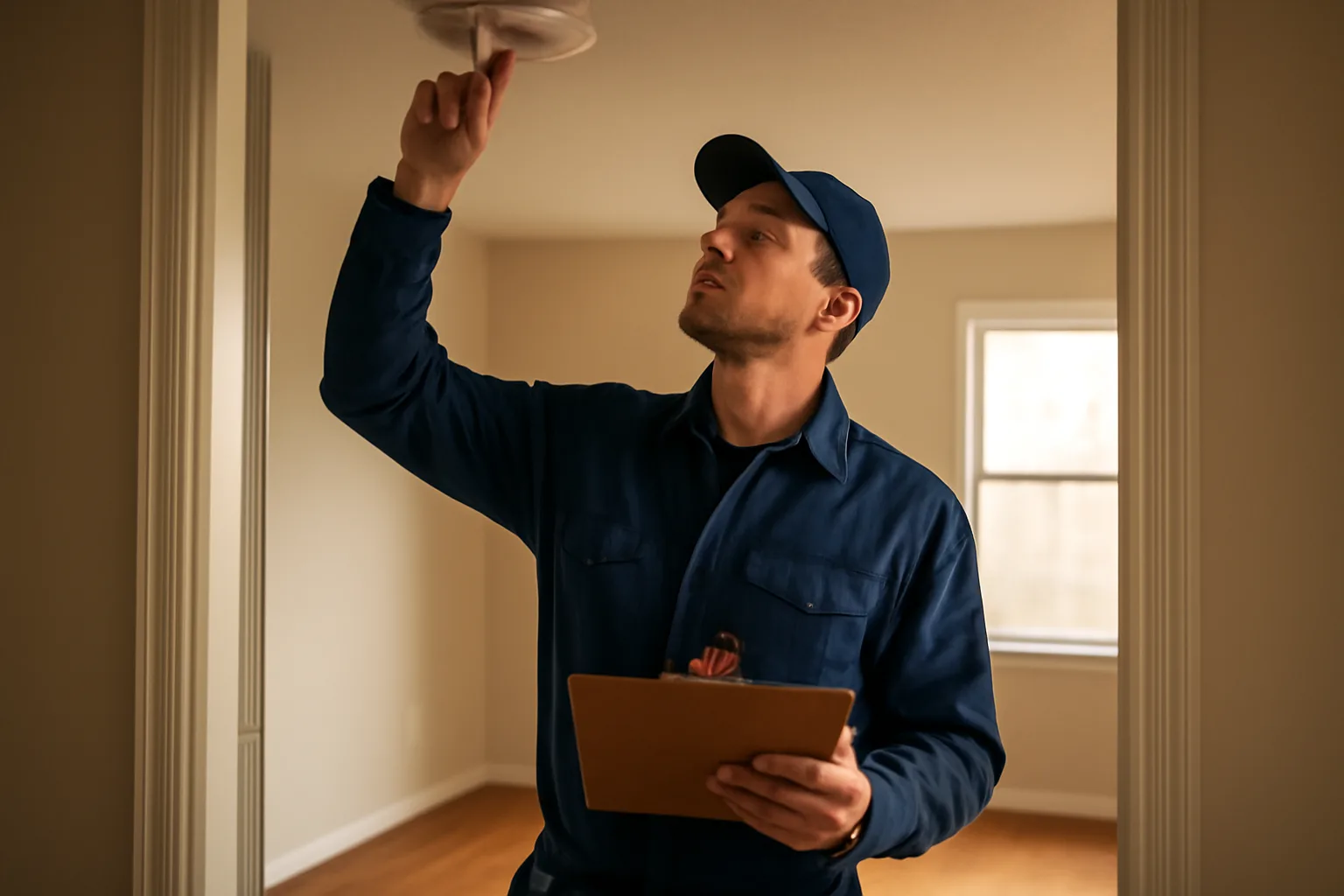
A landlord's own unit inspection is limited to habitability and lease compliance, usually with 24-48 hours notice depending on state law. A city rental license inspection is broader and checks code items like smoke alarms, egress, and electrical safety. Tenants without a lease still have rights under state landlord-tenant law, not zero protection.
What is landlording, and what does a landlord actually do day to day?
Landlording is the business of owning residential property and renting it to tenants in exchange for money. It sounds simple. It's actually a mix of property maintenance, bookkeeping, tenant screening, and compliance work that most new landlords underestimate. A landlord's core jobs break down into a few buckets: keeping the unit habitable (working plumbing, heat, electrical, no pest infestations), collecting rent and tracking income for taxes, handling repair requests within a reasonable time, following state and local notice rules before entering a unit or ending a tenancy, and in a growing number of cities, registering or licensing the rental property with the local government. That last piece surprises a lot of first-time landlords. If you own one or two units in a city like Los Angeles, Minneapolis, or Baltimore, you're more than a landlord under state law. You're also a licensee under a municipal rental housing code, which usually means periodic inspections, a registration fee, and specific paperwork on file with a city office. Chicago's Residential Landlord and Tenant Ordinance, for example, spells out both habitability duties and notice requirements that stack on top of Illinois state law. If you're brand new to this and want the plain version: landlording means you're running a small housing business, and the rules come from at least two, sometimes three, layers of government at once (state, city, and sometimes county health code).
How do you become a landlord, step by step?
Becoming a landlord legally takes more than buying a property and putting up a listing. Here's the realistic sequence most cities and states expect. First, confirm the property is zoned for rental use and, if it's in a city with mandatory rental licensing, register it before you advertise the unit. Many cities require the license or registration number to appear in the listing itself. Second, get the unit inspection-ready: working smoke and carbon monoxide alarms, secure locks, no obvious code violations like exposed wiring or blocked exits. Third, screen tenants under fair housing law, meaning consistent criteria applied to everyone, documented in writing. The federal Fair Housing Act, 42 U.S.C. § 3604, bars discrimination based on race, color, religion, sex, national origin, familial status, and disability, and many states and cities add source of income, sexual orientation, or criminal history protections on top of that. Fourth, use a written lease. Not legally mandatory everywhere for month-to-month arrangements, but it's the single best thing you can do to avoid disputes later. Fifth, set up a system for security deposits, most states cap the amount and require specific handling (separate account, interest in some states, an itemized statement within a set number of days after move-out). Sixth, and this is the one people skip, build a calendar for renewals: rental license renewal, inspection cycles, insurance renewal, and any required disclosures like lead paint notices for pre-1978 housing under the federal Residential Lead-Based Paint Hazard Reduction Act disclosure rule. If you're managing this solo across a license, an inspection prep list, and renewal dates, a packet built for your specific city's requirements (we build one at /rental-packet-builder for $79, one-time, not a subscription) saves you from rebuilding the same checklist from scratch every cycle. That's the one plug, take it or leave it, the rest of this article works the same either way.
What is a landlord, legally speaking?
A landlord is the party who owns or controls a rental property and grants a tenant the right to occupy it under a lease or rental agreement, in exchange for rent. Legally, that makes the landlord a party to a contract (the lease) and also subject to a separate layer of statutory duties that exist whether or not the lease mentions them. Most state landlord-tenant statutes define the landlord's implied duty of habitability regardless of what the lease says. California's version is at California Civil Code § 1941, which requires landlords to keep buildings and improvements fit for human habitation. You can't waive this away in the lease. That's the core legal identity of a landlord: owner-operator plus statutory duty-holder, more than a private party to a rental contract.
What can a landlord look at during an inspection?
During a landlord's own unit inspection, the scope is generally limited to habitability, safety, and lease compliance items, not a general search of the tenant's belongings. That means things like: are the smoke detectors working, is there visible water damage or mold, are there unauthorized occupants or pets, is the unit being used for something the lease prohibits, is there evidence of damage beyond normal wear. What a landlord typically cannot do during a routine inspection: open drawers, closets, or containers to look through personal property; inspect without proper notice (except in a genuine emergency); use the inspection as a pretext to harass a tenant or retaliate for a complaint; bring people along who have no reason to be there (a repair contractor for a specific job is fine, a friend is not). City rental inspections are a different animal and cover more ground. A code inspector checking for rental license compliance typically looks at: smoke and carbon monoxide alarm placement and function, electrical panel condition and visible wiring issues, plumbing leaks and water heater safety (temperature-pressure relief valve, proper venting), means of egress (windows that open, unobstructed exits), handrails and guardrails on stairs, pest evidence, and general structural safety. HUD's Housing Quality Standards, used for Section 8 inspections, is a good reference point for the kind of item-by-item checklist many city inspectors use even outside the voucher program, covering things like adequate space and security, illumination and electricity, and food preparation and refuse disposal areas. The practical difference: your own inspection is about the lease relationship. The city's inspection is about code compliance, and it doesn't care about your lease terms at all.
Who is responsible for a rental property walk-through inspection in California?
In California, the landlord is responsible for arranging move-in and move-out condition documentation, and either the landlord or their authorized agent (property manager) conducts the walk-through. California Civil Code § 1950.5 governs security deposit handling and gives tenants a specific right tied to the walk-through process. Specifically, California Civil Code § 1950.5(f) gives tenants the right to request an initial inspection before move-out, done at a reasonable time, with the landlord required to give the tenant a written itemized statement of proposed deductions if any deficiencies are found, along with a chance to fix them before the final move-out inspection. The landlord (or their agent) must give at least 48 hours' written notice before this initial inspection unless the tenant waives that notice. For routine, non-deposit-related entry (repairs, showing the unit, general inspection), California Civil Code § 1954 sets the standard notice at 24 hours, presumed reasonable, and requires the entry happen during normal business hours except in emergencies. So the short answer: the landlord holds the responsibility, but California law hands the tenant specific procedural rights (advance notice, a pre-move-out inspection option, a cure period) that make it a two-way process, not something the landlord just schedules unilaterally.
How much notice does a landlord have to give before entering or inspecting?
| California | 24 hours (routine), 48 hours (move-out inspection) | Civ. Code § 1954, § 1950.5(f) | |
|---|---|---|---|
| Florida | 24 hours (presumed reasonable) | Fla. Stat. § 83.53 | |
| Ohio | 24 hours (reasonable notice) | Ohio Rev. Code § 5321.04 | |
| Texas | No statewide minimum; lease controls | N/A, check lease terms | Emergencies are the universal exception. If there's a fire, a burst pipe, a gas leak, or another situation threatening life or property, landlords can enter without advance notice in essentially every state. Outside emergencies, entering without proper notice can expose a landlord to a claim under the state's landlord-tenant act, and in some cities, to a separate tenant harassment complaint on top of that. |
Notice requirements vary by state, and there's no single national number, but 24 hours is the most common baseline. California requires 24 hours for routine entry under Civil Code § 1954 and 48 hours for the move-out inspection. Florida requires reasonable notice, and Florida Statutes § 83.53 specifies that 24 hours' notice is presumed reasonable. Texas has no statewide statute setting a specific notice period for routine entry, which means Texas leases typically spell out the notice period themselves, so read your lease if you're a Texas landlord or tenant. Here's a comparison of a few common state approaches: | State | Standard notice for entry | Statute |
What can a landlord not do in Ohio?
Ohio law spells out landlord obligations and limits fairly directly in the Ohio Revised Code. Under Ohio Rev. Code § 5321.04, a landlord cannot enter the rental unit except at reasonable times and after reasonable notice, generally understood as 24 hours, unless there's an emergency. A landlord in Ohio also cannot retaliate against a tenant for exercising legal rights. Ohio Rev. Code § 5321.02 prohibits a landlord from increasing rent, decreasing services, or threatening eviction because a tenant complained to a government agency about a code violation, joined a tenant union, or asserted rights under the landlord-tenant chapter. Ohio landlords also cannot shut off utilities, change the locks, or remove a tenant's belongings to force them out, commonly called a "self-help eviction." Ohio requires landlords to go through the court eviction process (forcible entry and detainer action) instead. This is standard across most states, not unique to Ohio, but it's one of the most common violations that gets landlords sued and hit with statutory damages. Finally, under Ohio Rev. Code § 5321.05, Ohio landlords have their own duties (maintaining common areas, keeping the unit fit and habitable, maintaining electrical, plumbing, heating, and appliances supplied by the landlord), and failure to meet them can let a tenant terminate the lease or pursue rent escrow through the local court, so "what a landlord can't do" runs both directions here, can't retaliate, can't self-help evict, and also can't ignore the duties the statute assigns.
What rights do tenants have without a lease?
Tenants without a written lease are not unprotected. A tenant paying rent with no written agreement is generally treated as a month-to-month tenant under state law, and nearly all the same statutory protections apply: habitability rights, notice-before-entry rules, and protection from illegal lockouts or utility shutoffs. What changes without a lease is mostly about termination and predictability. Month-to-month tenancies can typically be ended by either party with statutory notice, commonly 30 days, though some states and cities (especially those with just-cause eviction ordinances, like parts of California under the Tenant Protection Act, Civil Code § 1946.2) require a specific legal reason to end even a no-lease tenancy after 12 months of occupancy. A verbal agreement to rent is still a contract in most states, and courts will enforce the terms both sides agreed to (rent amount, who pays utilities) even without a signature, though proving the details gets harder without paper. The safest read for both sides: no lease doesn't mean no rules. It means you're operating under whatever your state's default landlord-tenant statute says, month-to-month, standard notice periods, standard habitability duties.
Why do landlords require renters insurance?
Landlords require renters insurance mainly to shift liability and reduce their own claims exposure, not to protect the tenant's stuff for its own sake. A landlord's own property insurance covers the building and the landlord's belongings and typically excludes the tenant's personal property entirely. Renters insurance, usually running $15 to $30 a month depending on coverage and location according to industry rate surveys from insurers like III (Insurance Information Institute), covers a tenant's personal property against fire, theft, and certain water damage, and includes liability coverage if the tenant accidentally causes damage (a kitchen fire, an overflowed bathtub that damages the unit below). That liability piece is the real reason landlords push it. If a tenant's negligence causes a fire that damages the whole building, the landlord's insurer may pay the claim and then subrogate, meaning the landlord's insurance company sues the tenant to recover costs, unless the tenant has their own liability coverage to absorb that hit first. Requiring renters insurance as a lease condition is legal in most states as long as it's applied consistently to all tenants and doesn't conflict with any state cap on total move-in costs. It's cheap for what it protects, and most landlords who've been through one bad water-damage claim never skip requiring it again.
What does mandatory rental licensing add on top of these basic landlord rules?
Everything above (habitability, notice, tenant rights) comes from state landlord-tenant law and applies everywhere. Mandatory rental licensing is a separate, city-level layer that a growing number of municipalities have added on top, and it changes what "inspection" means in a way that catches a lot of small landlords off guard. In a licensing city, you're more than dealing with your own lease-related walk-throughs. You're also on the hook for a periodic code compliance inspection, done by a city inspector, tied to a rental license or registration that has its own renewal cycle and its own fee (confirm the specific amount and renewal timeline with your city rental licensing office, these vary widely and change often). Miss the renewal or fail the inspection and you can face fines, a hold on renting the unit at all, or in repeat cases, court referral. This is the layer where most first-time small landlords get a notice they didn't expect: a letter saying the property needs to register, or a fine for an expired license they didn't know had a deadline. If you're dealing with one of those notices right now, our rental packet builder puts together a city-specific prep packet ($79, one-time) that walks through the common inspection checklist items and registration paperwork so you're not guessing at what the inspector will actually check. It won't guarantee you pass, no one can promise that, but it gets you organized fast instead of starting from a blank page under deadline pressure. If you're trying to understand your baseline tenant obligations before you even get to the city licensing layer, it's worth reading up on tenant rights and renters rights generally, since the two layers interact, a habitability violation can trigger both a tenant complaint and a code inspection referral at the same time.
Frequently asked questions
How do you become a landlord if you've never rented out property before?
Confirm zoning allows rental use, register with your city's rental licensing office if one exists, get the unit inspection-ready (smoke alarms, secure locks, no code violations), screen tenants consistently under fair housing law, and use a written lease. Set calendar reminders for license renewals and inspection cycles so you don't get an unexpected violation notice later.
Who is responsible for a rental property walk-through inspection in California?
The landlord or their agent is responsible for scheduling it, but California Civil Code § 1950.5(f) gives tenants the right to request a pre-move-out inspection with 48 hours' notice, plus a written list of proposed deductions and a chance to fix issues before the final inspection. It's a shared process, not a one-sided one.
What is landlording as a business?
Landlording is operating residential rental property as a small business: collecting rent, maintaining habitability, following state notice and eviction procedures, and in many cities, complying with a separate rental registration or licensing code that adds its own inspection and renewal requirements.
What is a landlord under the law?
A landlord is the owner or controlling party of a rental property who grants occupancy rights to a tenant for rent, and who is bound by an implied duty of habitability under state law (for example, California Civil Code § 1941) regardless of what the lease says.
What rights do tenants have without a signed lease?
A tenant paying rent with no written lease is usually treated as a month-to-month tenant under state law, with the same habitability, entry-notice, and anti-retaliation protections as a leased tenant. The main difference is termination: either side can typically end it with standard statutory notice, often 30 days.
How do you be a good landlord day to day?
Respond to repair requests promptly, give proper notice before entry (commonly 24 hours), keep the unit meeting basic habitability standards, apply screening and rules consistently to avoid fair housing issues, and stay current on your city's rental license or registration if one applies to your property.
Why do landlords require renters insurance?
Mainly to cover liability. If a tenant's negligence causes damage (a kitchen fire, a bathtub overflow), the tenant's own liability coverage pays first instead of the landlord's insurer absorbing the loss and then pursuing subrogation against the tenant. Renters insurance typically runs $15 to $30 a month per industry estimates.
How much notice does a landlord have to give before an inspection or entry?
Most states use 24 hours as the standard for routine entry, including California (Civ. Code § 1954) and Florida (Fla. Stat. § 83.53). Ohio also treats 24 hours as reasonable notice under Rev. Code § 5321.04. Some states, like Texas, leave the specific period to the lease itself. Emergencies are always an exception.
What can a landlord look at during a routine inspection?
Habitability and safety items: smoke detectors, water damage, unauthorized occupants or pets, lease violations, and general condition. A landlord generally cannot search through drawers or personal belongings, use the inspection to harass a tenant, or enter without required notice outside an emergency.
What can a landlord not do in Ohio specifically?
Ohio landlords cannot enter without reasonable notice (Rev. Code § 5321.04), cannot retaliate against a tenant for complaints or exercising legal rights (Rev. Code § 5321.02), and cannot self-help evict by shutting off utilities or changing locks. Ohio law requires going through the court eviction process instead.
Is a city rental inspection the same as my own tenant walk-through?
No. Your own inspection checks lease compliance and habitability for your specific unit. A city rental license inspection checks code compliance items like smoke alarm placement, egress, electrical panel condition, and plumbing safety, and it applies regardless of what your lease says.
What happens if I miss my city's rental license renewal or inspection deadline?
Consequences vary by city but commonly include late fees, a hold on renting the unit until compliance, or referral to municipal court for repeat violations. Confirm the specific deadline, fee, and renewal process with your city's rental licensing office since these details change and differ by jurisdiction.
Do I need a written lease to be a legal landlord?
No, a written lease isn't required everywhere for a month-to-month arrangement to be legally valid, but it's strongly recommended. Without one, you're relying entirely on your state's default landlord-tenant statute to fill in terms like notice periods and habitability duties, which can create disputes over unwritten agreements later.
Sources
- U.S. Department of Justice, Fair Housing Act overview (42 U.S.C. § 3604): Federal fair housing protected classes for tenant screening
- EPA, Real Estate Disclosures about Potential Lead Hazards: Federal lead paint disclosure requirement for pre-1978 housing
- California Legislative Information, Civil Code § 1941: California's implied warranty of habitability applies regardless of lease terms
- California Legislative Information, Civil Code § 1950.5: California tenant's right to a pre-move-out inspection with 48 hours notice
- California Legislative Information, Civil Code § 1954: California's 24-hour notice standard for routine landlord entry
- Florida Senate, Florida Statutes § 83.53: Florida's 24-hour notice presumed reasonable for landlord entry
- Ohio Laws, Ohio Revised Code § 5321.04: Ohio landlord entry notice requirement and reasonable-time standard
- Ohio Laws, Ohio Revised Code § 5321.02: Ohio's prohibition on landlord retaliation against tenants
- Ohio Laws, Ohio Revised Code § 5321.05: Ohio landlord habitability and maintenance duties
- California Legislative Information, Civil Code § 1946.2: California just-cause eviction protection after 12 months of tenancy