Last updated 2026-07-25
TL;DR
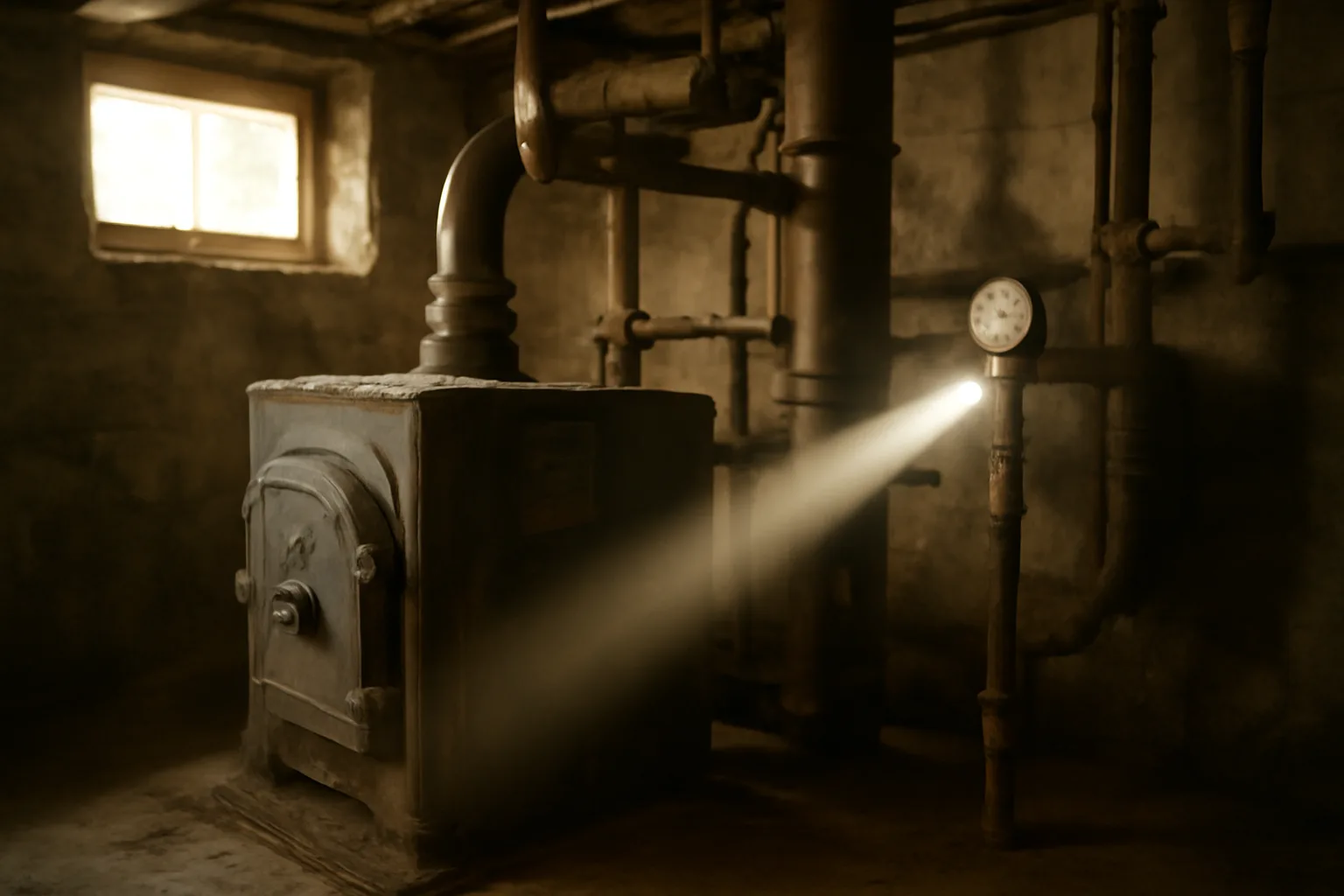
Most cities with boiler inspection rules require annual checks by a licensed inspector, tied into rental license or registration renewal. Landlords generally must give 24 to 48 hours notice for inspections (varies by state), can't skip tenant walk-throughs, and need to confirm exact rules with their city's rental licensing or building department, since fees and cycles differ block to block.
What is landlording, and what does a landlord actually do?
Landlording is the business of owning residential property and renting it out to tenants in exchange for regular payment, usually monthly rent. A landlord (sometimes called a lessor) holds title to the property, sets lease terms, collects rent, maintains the unit, and handles the legal responsibilities that come with housing another person. That's the plain definition. In practice it's part maintenance coordinator, part bookkeeper, part compliance officer. The legal core of landlording is the landlord-tenant relationship created by a lease or rental agreement. HUD's fair housing framework and most state landlord-tenant statutes define a landlord as anyone who owns or manages rental property and receives rent, whether that's one person renting a spare unit or a company managing hundreds of doors [1]. The obligations scale with the number of units and often with local licensing rules, but the basic duties (habitability, repairs, security deposit handling, notice before entry) apply whether you own one duplex or fifty. Most new landlords underestimate the maintenance side. Boilers, water heaters, roofs, and HVAC systems don't fail on a schedule that's convenient for your budget. If your city requires periodic boiler inspections as part of a rental license or registration program, that's not optional paperwork. It's usually tied directly to your ability to legally rent the unit at all.
How to become a landlord: what do you actually need to do first?
Becoming a landlord starts before you buy anything. You need financing (many lenders require 20 to 25% down on investment property, higher than owner-occupied loans), landlord insurance, and a clear read on your local rental licensing rules, because a growing number of cities require registration or a license before you can legally rent out a unit. Here's the rough sequence most people follow: 1. Buy or convert a property you plan to rent, and check zoning first. Not every residential lot allows rental use, especially for accessory units. 2. Register with your city or county if required. Many mandatory-licensing cities (think Minneapolis, Baltimore, Los Angeles, and dozens of mid-size cities) require you to register a rental before the first tenant moves in [2]. 3. Get the property inspected if your jurisdiction requires it. Some cities inspect every unit before initial licensing and then on a cycle (annual, biennial, or every three years). 4. Get landlord insurance, sometimes called a dwelling fire policy or DP-3, distinct from a standard homeowner's policy. 5. Set up a compliant lease, security deposit handling process, and a way to document the unit's condition at move-in. 6. Screen tenants consistently and legally. The Fair Housing Act prohibits discrimination based on race, color, national origin, religion, sex, familial status, or disability in any housing-related decision [3]. If your city has a boiler or mechanical inspection requirement bundled into rental licensing, get it scheduled early. Boiler inspectors in many cities are backed up weeks or months during heating season, and a failed or missed inspection can hold up your license renewal.
What is a landlord, legally speaking, and how is that different from a property manager?
A landlord is the legal owner (or a party with an ownership interest, like a life estate holder or long-term lessee subletting) who rents property to a tenant under a lease. A property manager is someone the landlord hires to handle day-to-day operations, but the manager doesn't own the property and typically isn't personally liable the way an owner is. This distinction matters for rental licensing. Most city ordinances require the license to be held by the actual owner or an authorized agent, and many require a local contact person if the owner lives out of state or out of the country. Chicago's Residential Landlord and Tenant Ordinance, for example, applies specific disclosure and registration duties to whoever qualifies as the "landlord" under the ordinance, regardless of whether they self-manage or use a property manager [4]. If you hire a management company, you're still the one on the hook for the rental license, the inspection compliance, and any fines. Read your management contract carefully. Some agreements make clear the manager will handle scheduling inspections and paying fees on your behalf, but plenty don't, and the fine still lands on the owner of record.
What can a landlord look at during an inspection, and does that include the boiler?
During a routine rental inspection, whether it's a city licensing inspection or a private walk-through, a landlord or inspector can generally check smoke and carbon monoxide detectors, electrical outlets and panels, plumbing fixtures, windows and doors, general structural condition, pest evidence, and yes, mechanical systems including the boiler or furnace. Boiler-specific inspections usually check the following, though exact scope varies by city code: - Pressure relief valve function and age
- Signs of corrosion, leaks, or rust on the tank or pipes
- Combustion venting and flue integrity (critical for carbon monoxide safety)
- Water level and low-water cutoff function
- Age of the unit and whether it's on the manufacturer's rated service life
- Whether the unit has a current certificate from a licensed boiler inspector, which many states require to be renewed annually States including Massachusetts and Ohio require periodic boiler inspections by a state-licensed or state-approved inspector for certain classes of boilers, with inspection certificates that must be posted or kept on file [5]. Massachusetts law (M.G.L. c. 146) sets specific inspection intervals depending on boiler type, generally annual for low-pressure steam and hot water heating boilers used in occupied buildings [5]. What a landlord generally cannot do during an inspection: go through personal belongings unrelated to the inspection, photograph the tenant's possessions without a maintenance reason, or use the inspection as pretext to harass a tenant into moving out. Inspections should be limited to the systems and areas actually being checked.
Who is responsible for a rental property walk-through inspection in California?
In California, the landlord is responsible for conducting and documenting the move-in and move-out inspections tied to security deposit deductions. California Civil Code Section 1950.5 requires landlords to give tenants the option of an initial move-out inspection before the tenant vacates, so the tenant can fix issues before final charges are assessed, and requires an itemized statement of deductions within 21 days after the tenant moves out [6]. The law states: "the landlord shall give the tenant reasonable notice of the tenant's right to request an initial inspection and of the tenant's right to be present at the inspection" (Cal. Civ. Code § 1950.5(f)) [6]. That notice has to happen before the actual move-out inspection, and the landlord (or their agent) has to actually show up and do the walk-through, more than skip it and deduct from the deposit later without documentation. Separately, if the rental is in a city with a mandatory inspection program (Los Angeles's Systematic Code Enforcement Program, for instance, inspects units on a roughly four-year cycle for code compliance), the landlord is responsible for scheduling access and getting the unit ready, even though a city inspector conducts that inspection, not the landlord [7]. Two different inspections, two different responsible parties, same landlord footing the bill and coordinating access either way.
How much notice does a landlord have to give before entering or inspecting a unit?
| California | 24 hours (presumed reasonable) | Cal. Civ. Code § 1954 [8] | |
|---|---|---|---|
| Florida | At least 12 hours for repairs | Fla. Stat. § 83.53 [9] | |
| Texas | No statutory minimum, but lease terms control | Tex. Prop. Code Ch. 92 | |
| Washington | Two days (48 hours) written or verbal notice | Wash. Rev. Code § 59.18.150 [10] | For city-mandated boiler or rental licensing inspections specifically, the notice rule often comes from the city ordinance rather than general landlord-tenant law, and it can be longer, sometimes 48 to 72 hours, because a city inspector needs to schedule around business hours. Always check both your state's entry notice statute and your city's specific inspection notice rule; they aren't always the same number. |
Notice requirements vary significantly by state, and there's no single national rule. California requires "reasonable notice," which the law presumes to be 24 hours unless circumstances indicate otherwise (Cal. Civ. Code § 1954) [8]. Many other states set their own specific windows. Here's a general comparison of notice periods landlords commonly encounter (confirm your specific state and city rules, since local ordinances can add stricter requirements on top of state law): | State | Standard entry notice | Statute |
What rights do tenants have without a lease?
A tenant without a written lease still has legal rights. Verbal or implied leases (sometimes called tenancy-at-will or month-to-month tenancies) are recognized in nearly every state, and the tenant retains the same basic habitability protections, the same protection from illegal lockouts, and the same right to proper notice before eviction. Without a written lease, the rental typically defaults to a month-to-month tenancy governed by state statute. That means the landlord generally has to give a set notice period (commonly 30 days, sometimes longer for tenants who've lived there a long time) before ending the tenancy or raising rent significantly. California, for example, requires 60 days' notice to terminate a month-to-month tenancy if the tenant has lived there a year or more (Cal. Civ. Code § 1946.1) . A tenant without a lease still has the right to a habitable unit, protection from retaliatory eviction, the right to proper notice before entry, and (in many states) the right to withhold rent or repair-and-deduct if the landlord fails to fix serious health or safety issues after written notice. The absence of a signed lease doesn't strip away statutory tenant protections; it just means the terms default to whatever state law says instead of what a lease would have specified.
Why do landlords require renters insurance?
Landlords require renters insurance mainly to shift liability and property-loss risk away from themselves. A landlord's own insurance policy typically covers the building structure, not the tenant's personal belongings, and it often excludes liability for incidents the tenant causes inside their own unit (a kitchen fire, a bathtub overflow that damages the unit below). Renters insurance (often costing between $15 and $30 a month nationally, per the Insurance Information Institute) covers the tenant's personal property and gives the tenant's own liability coverage a first line of defense before a claim ever touches the landlord's policy . If a tenant's grease fire damages a neighboring unit, the tenant's renters insurance liability coverage responds first, instead of the landlord's building policy taking the full hit and the landlord's premiums rising as a result. Requiring renters insurance as a lease condition is legal in most states, as long as it's applied consistently to all tenants (inconsistent application risks a fair housing complaint). Some cities with rental licensing programs are starting to reference renters insurance requirements indirectly through habitability and liability rules, though a mandatory-insurance clause itself usually comes from the lease, not the city ordinance.
What can't a landlord do in Ohio?
Ohio law (Ohio Rev. Code Chapter 5321) sets clear limits on landlord conduct. A landlord in Ohio cannot shut off utilities, change the locks, or remove a tenant's belongings to force them out, a practice generally called self-help eviction, and doing so exposes the landlord to statutory damages . Ohio Revised Code § 5321.15 states that "no landlord shall cause the interruption of any utility service" or seize the tenant's possessions to force compliance with lease terms outside of the formal eviction process . A landlord also cannot enter the rental unit without giving reasonable notice, generally interpreted as 24 hours, except in a genuine emergency (Ohio Rev. Code § 5321.04) . Ohio landlords also cannot retaliate against a tenant for reporting a code violation or joining a tenant union; retaliatory eviction protections are built into § 5321.02 . And a landlord cannot ignore a documented habitability issue, since Ohio's implied warranty of habitability requires the landlord to keep the unit in a condition fit for human habitation and comply with local housing and building codes, including whatever boiler, heating, or mechanical inspection requirements the local jurisdiction has adopted.
How do boiler inspection requirements fit into rental licensing overall?
Boiler inspection is often just one piece of a bigger rental licensing checklist, not a standalone requirement. Cities that mandate rental registration or licensing frequently bundle in mechanical system checks, especially for older multi-unit buildings that use central steam or hot water boilers instead of individual furnaces. The practical challenge for small landlords (1 to 10 units) is that boiler inspection rules often come from state boiler safety law, not the city's rental ordinance, which means you may be dealing with two separate agencies and two separate paperwork trails. A state fire marshal's office or state department of labor and industry (Minnesota's system works this way) frequently oversees boiler inspection certification, while a separate city housing or building department handles the rental license itself . You need both to stay current, and letting one lapse can hold up the other during your renewal. If you're dealing with a mandatory-licensing city and want to get organized before your renewal deadline or after an ordinance notice, our $79 rental packet builder walks through the document checklist landlords typically need city by city, boiler certificates included where applicable. It's not a substitute for calling your city's rental licensing office directly, but it saves the scramble of figuring out what to gather first. A few things worth doing regardless of your city's specific rules: keep a written maintenance log for your boiler or furnace, save every inspection certificate for at least the retention period your city or state requires, and calendar your renewal date at least 60 days out so you're not caught scheduling an inspector during peak winter demand.
What does 'flexible terms' mean when a boiler inspection company advertises it?
When a boiler inspection or mechanical contractor advertises "flexible terms," it usually means they offer payment plans, multi-property discounts, or scheduling flexibility around a landlord's tenant access constraints, rather than any change to the actual inspection standard itself. The inspection still has to meet whatever code or state boiler safety requirement applies. The flexibility is commercial, not regulatory. Be skeptical of any company implying they can adjust inspection findings or expedite a certificate without doing the actual mechanical work. State-licensed boiler inspectors operate under a licensing board (often the same board that licenses HVAC or building inspectors generally), and falsifying an inspection certificate is a real legal exposure for both the inspector and the landlord who relies on it. What's genuinely useful to look for in an inspection company: multi-unit portfolio pricing (per-unit costs often drop once you're above 3 to 5 boilers inspected in one visit), reasonable scheduling windows during shoulder seasons (spring and fall, before the pre-winter rush), and a company that will send you the actual certificate and any required city filing paperwork rather than leaving that step to you. None of that changes what's inspected. It just changes how painful the process is to book and pay for.
Frequently asked questions
How to become a landlord with no prior experience?
Start by understanding your state's landlord-tenant law and your city's rental licensing rules before you buy or convert a property. Get landlord insurance, screen tenants under Fair Housing Act rules [3], and use a written lease. Many first-time landlords also join a local landlord association for practical guidance on inspections, maintenance vendors, and paperwork specific to their city.
Who is responsible for a rental property walk-through inspection in California?
The landlord is responsible for conducting move-in and move-out inspections and must offer tenants an initial pre-move-out inspection under Cal. Civ. Code § 1950.5 [6]. For city-mandated code inspections (like Los Angeles's cyclical program), a city inspector conducts the inspection, but the landlord is responsible for scheduling access [7].
What is landlording?
Landlording is the business and legal role of owning residential property and renting it to tenants for payment. It includes setting lease terms, maintaining the property, complying with local licensing and inspection rules, and handling the legal duties created by the landlord-tenant relationship, whether you own one unit or ten.
What is a landlord?
A landlord is the legal owner, or an authorized agent of the owner, who rents residential or commercial property to a tenant under a lease or rental agreement in exchange for rent. The landlord holds the primary legal and financial responsibility for the property, even if a property manager handles daily operations.
What rights do tenants have without a lease?
Tenants without a written lease still have full statutory protections under state law, typically as a month-to-month tenancy. That includes the right to a habitable unit, protection from illegal lockouts, required notice before entry, and required notice (often 30 to 60 days) before the landlord can end the tenancy [11].
How to be a landlord day to day?
Day to day landlording means collecting rent on schedule, responding to maintenance requests promptly (habitability law requires timely repairs on health and safety issues), giving proper notice before entry, documenting everything in writing, and keeping up with any rental license, registration, or inspection renewal deadlines your city requires.
Why do landlords require renters insurance?
Landlords require renters insurance to protect against liability and property loss they'd otherwise absorb. A landlord's own policy usually doesn't cover a tenant's belongings or the tenant's liability for damage they cause, so renters insurance (roughly $15 to $30 a month per the Insurance Information Institute) shifts that risk to the tenant's carrier first [12].
How much notice does a landlord have to give before an inspection?
It depends on the state. California presumes 24 hours is reasonable notice (Cal. Civ. Code § 1954) [8], Washington requires two days [10], and Florida requires at least 12 hours for repair-related entry [9]. City-mandated licensing inspections sometimes require longer notice, so check both your state statute and your local ordinance.
What can a landlord look at during an inspection?
A landlord or licensing inspector can generally check smoke and carbon monoxide detectors, plumbing, electrical systems, structural condition, pest evidence, and mechanical systems like the boiler or furnace, including its pressure relief valve, venting, and current inspection certificate. They generally cannot search personal belongings unrelated to the inspection's purpose.
What can't a landlord do in Ohio?
Under Ohio Rev. Code Chapter 5321, an Ohio landlord cannot shut off utilities or change locks to force a tenant out, cannot enter without reasonable notice except in an emergency, and cannot retaliate against a tenant for reporting a code violation [13]. Ohio law also requires the landlord to maintain the unit in habitable condition.
How often do boilers need to be inspected in a rental building?
It depends on the state and boiler type. Massachusetts generally requires annual inspection of low-pressure steam and hot water heating boilers under M.G.L. c. 146 [5]. Many states follow a similar annual cycle for building heating boilers, but landlords should confirm the exact interval with their state's boiler inspection division or fire marshal's office.
Does a boiler inspection company's 'flexible terms' change what gets inspected?
No. Flexible terms usually refer to payment plans, multi-unit pricing, or scheduling options, not a change to the inspection standard itself. The company still has to inspect against whatever state boiler safety code or city mechanical code applies, and a valid certificate still requires an actual, documented inspection.
What happens if my rental building fails a boiler inspection?
Consequences vary by city and by how serious the defect is. Minor issues often get a correction notice with a repair deadline; serious safety hazards (like a failed pressure relief valve or venting problem) can trigger an immediate shutdown order and hold up your rental license renewal until it's fixed and reinspected.
Sources
- HUD, Fair Housing Act overview: Fair housing law applies to anyone renting out property and receiving rent, defining the landlord role broadly
- U.S. Dept. of Justice, Fair Housing Act: The Fair Housing Act prohibits discrimination based on race, color, national origin, religion, sex, familial status, or disability
- Massachusetts General Laws Chapter 146, Boiler Inspection: Massachusetts sets inspection intervals for heating boilers, generally annual for low-pressure steam and hot water boilers
- California Civil Code Section 1950.5: California landlords must offer an initial move-out inspection and provide an itemized deduction statement within 21 days
- California Civil Code Section 1954: California presumes 24 hours is reasonable notice for landlord entry
- Florida Statutes Section 83.53: Florida requires at least 12 hours notice for landlord entry for repairs
- Revised Code of Washington Section 59.18.150: Washington requires two days notice before landlord entry
- California Civil Code Section 1946.1: California requires 60 days notice to terminate a month-to-month tenancy of one year or more
- Insurance Information Institute, Renters Insurance: Renters insurance typically costs roughly $15 to $30 per month
- Ohio Revised Code Chapter 5321: Ohio law prohibits utility shutoffs, lockouts, retaliatory eviction, and requires reasonable notice before entry