Last updated 2026-07-26
TL;DR
"Registration desk rental" isn't a standard legal term. It usually means someone looking for where to register a rental property (a city registration desk or office) or basic landlord licensing steps. This guide covers how rental registration actually works, what inspections check, and the core rights and duties every new landlord needs to know.
what does "registration desk rental" actually mean
If you searched "registration desk rental," you're probably looking for one of two things: the physical or online counter where you register a rental property with a city, or general guidance on how to become a legitimate, compliant landlord. It's not a defined legal term in any housing code we could find, so treat it as shorthand for "where do I go to register my rental." Most cities that require it call this a rental registration program, a rental license, or a certificate of occupancy for rental use. The "desk" is usually a housing department office, a code enforcement division, or (increasingly) an online portal. Confirm with your city rental licensing office which term applies, because Philadelphia calls it a rental license, Los Angeles calls it registration under the Rent Stabilization Ordinance, and plenty of small cities just call it a rental permit. This article treats the search as an entry point into the bigger question new landlords actually have: how do you legally register, license, and get a rental property inspected, and what rights and duties come with the job. We'll answer the specific questions people search alongside this term, including how to become a landlord, who handles walk-through inspections in California, what landlording even means, and what Ohio law says landlords can't do.
how do you become a landlord
Becoming a landlord legally means more than buying a property and finding a tenant. In most cities with rental licensing, you need to register the unit, sometimes pass an inspection, and follow state landlord-tenant law before you can lawfully collect rent. The practical steps look roughly like this: buy or convert the property, check your city's municipal code for a rental registration or licensing requirement, register with your city's housing or code department, pay the fee (commonly somewhere between $25 and $300 per unit depending on the city, confirm with your city rental licensing office for the exact number), schedule any required inspection, get a written lease in place, and screen tenants under the Fair Housing Act, which bars discrimination based on race, color, national origin, religion, sex, familial status, or disability [1]. A lot of new landlords skip the registration step because they don't know it exists. That's how you end up with a violation notice for an unregistered rental, sometimes with fines attached retroactive to when you started renting. If you got a notice, don't panic and don't ignore it. Most cities have a grace period to register or license after the fact, though some tack on a late fee. One thing worth doing early: read your state's landlord-tenant statute once, cover to cover, before your first tenant moves in. It's dense, but it tells you the actual rules on deposits, notice periods, and entry rights that override anything your lease template says. For city-specific detail, check our landlord landlords guide and our city guides for jurisdiction breakdowns.
what is landlording, exactly
Landlording is the ongoing job of owning and managing a rental property: collecting rent, maintaining the unit, handling repairs, following notice and entry laws, and staying compliant with local registration or licensing rules. It's a mix of property management and legal compliance, more than holding a title deed. The word gets used loosely. Some people mean the business side (rent collection, bookkeeping, tenant screening). Others mean the maintenance side (fixing what breaks, keeping the property habitable). A landlord under most state laws has an implied warranty of habitability, meaning the unit has to meet basic safety and livability standards regardless of what the lease says [2]. In cities with mandatory rental licensing, landlording also includes a compliance layer: registering the unit, renewing the license on schedule (often annually or every two to three years), and passing periodic inspections. Miss a renewal deadline and you can lose your legal ability to collect rent or evict in some jurisdictions until you're back in compliance.
what is a landlord, legally speaking
A landlord is the person or entity that owns a rental property and leases it to a tenant in exchange for rent, taking on the legal duties that come with that relationship under state landlord-tenant law. That includes maintaining habitability, following proper notice procedures, and returning security deposits within the timeframe your state sets. Legally, "landlord" and "lessor" are often used interchangeably. The tenant is the "lessee." What makes someone a landlord isn't just owning property, it's entering a rental agreement, written or verbal, that creates a landlord-tenant relationship recognized by state law. That distinction matters for registration purposes too. Some cities only require rental registration once you have a tenant in place, not while the unit sits vacant or is used by family for free. Check your local ordinance's definition of "rental unit" or "dwelling unit for rent," since a unit occupied by a non-paying relative sometimes falls outside the registration requirement entirely.
who is responsible for the rental property walk-through inspection in california
In California, the landlord is responsible for conducting the move-in and move-out walk-through inspections, and state law gives the tenant the right to request an initial move-out inspection before the final one. California Civil Code Section 1950.5 requires landlords to offer tenants a reasonable opportunity to be present at an initial inspection conducted before the tenant vacates, so any needed repairs can be identified and the tenant can fix them and avoid deductions from the security deposit [3]. The landlord must give at least 48 hours' written notice of the initial inspection unless the tenant waives that notice, and afterward provide an itemized statement of what needs fixing or cleaning [3]. This is separate from any city-mandated rental housing inspection for licensing purposes (Los Angeles's Systematic Code Enforcement Program inspections, for example), which are conducted by city inspectors, not the landlord [4]. So there are really two different "walk-throughs" people mean: - The move-in/move-out condition walk-through: landlord's job, tenant has a right to participate.
- The city rental housing inspection for code/licensing compliance: a government inspector's job, landlord has to grant access and prepare the unit. Confusing the two causes real problems. Landlords sometimes think passing a city inspection substitutes for documenting unit condition at move-in, and it doesn't. Do both, every time.
what can a landlord look at during an inspection
| Smoke/CO alarms | Present, tested, correct locations | |
|---|---|---|
| Heating | Functional, vented properly | |
| Plumbing | No leaks, adequate hot water | |
| Electrical | No exposed wiring, GFCI where required | |
| Structural | Stairs, railings, windows secure | |
| Pest/sanitation | No infestation, trash properly stored | |
| Egress | Windows/doors open, no blocked exits | Inspectors generally do not have authority to search personal belongings, go through drawers or closets, or inspect areas unrelated to habitability and safety, unless there's a specific code violation complaint pointing them there. A rental inspection is about the condition of the structure and systems, not the tenant's possessions. If you're prepping for a first city inspection and don't know what your specific municipal code requires, that's exactly the gap our $79 City Rental License & Inspection Prep Packet is built to close: a one-time reference packet that walks through common inspection categories city programs use, so you're not guessing at the checklist the morning of. |
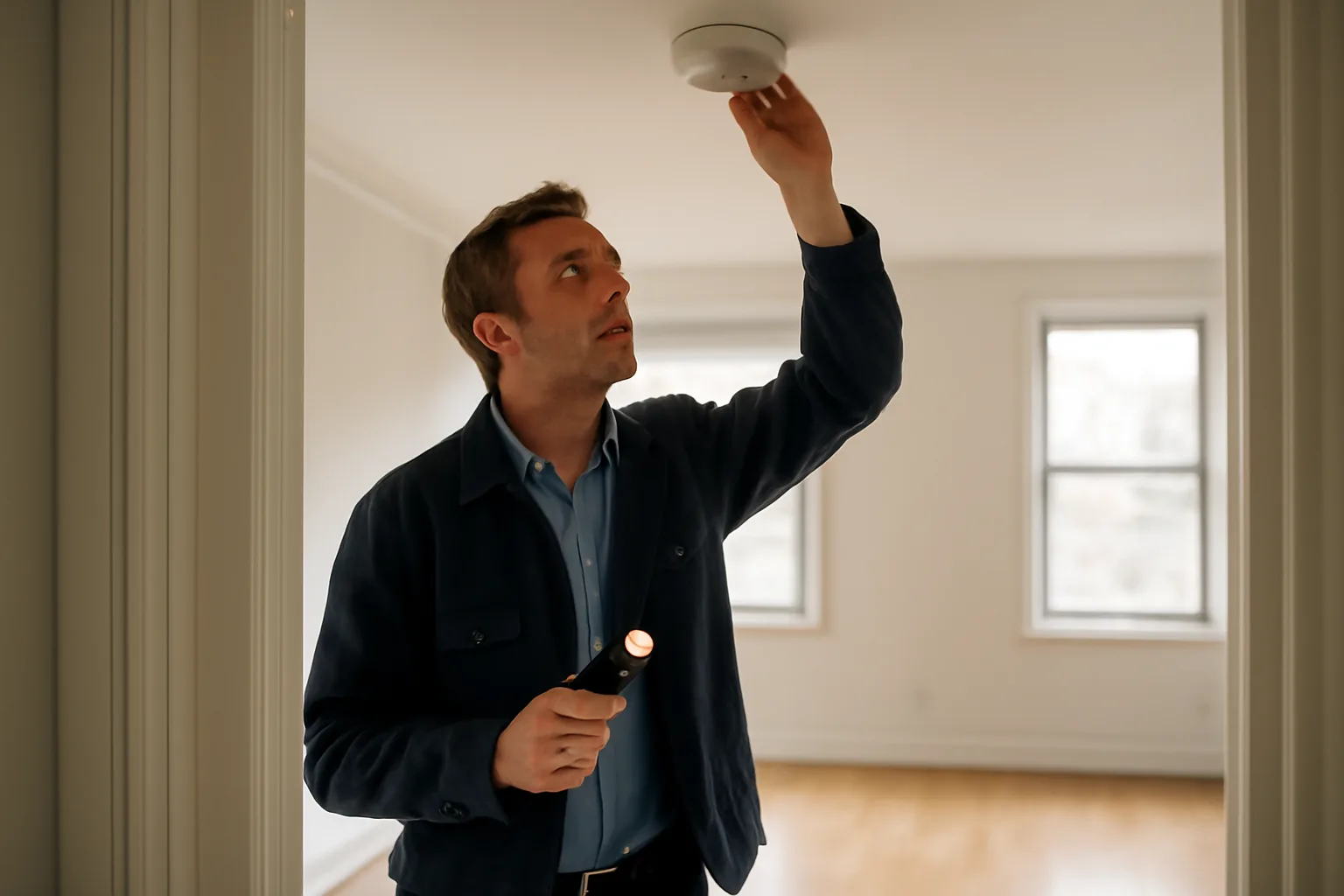
During a habitability or licensing inspection, a landlord or city inspector generally checks for working smoke and carbon monoxide detectors, functioning heat and hot water, no active leaks or pest infestations, safe electrical wiring, secure locks on doors and windows, and no structural hazards like broken stairs or exposed wiring. The exact checklist depends on your city's rental housing code. Most cities that run rental inspection programs publish a checklist in advance. Common items include: | Category | Typical check |
what rights do tenants have without a lease
A tenant without a written lease still has legal rights under state law, typically as a month-to-month tenant. That includes the right to habitable housing, protection from illegal lockouts, and the same notice requirements for rent increases or termination that apply to written leases in most states. An oral or implied rental agreement (sometimes called a tenancy-at-will) is still a legal tenancy in nearly every state. The lack of a written lease doesn't strip away the implied warranty of habitability, protection from retaliatory eviction, or the requirement that a landlord use formal eviction proceedings rather than self-help remedies like changing locks or shutting off utilities [2]. What a written lease adds is specificity: fixed terms, specific rules, and clarity on things like pet policies or subletting. Without one, courts generally treat the tenancy as month-to-month, governed by whatever your state's default statute says about notice periods, security deposits, and habitability. Tenants pushed out without proper notice or locked out without a court order can often sue for damages even with no lease in hand. For deeper detail on specific tenant protections by state or city, see our tenants rights and renters rights guides.
how much notice does a landlord have to give
Notice periods for entry, rent increases, and lease termination vary by state and by the reason for entry, typically ranging from 24 hours for routine entry to 30, 60, or 90 days for ending a tenancy or raising rent significantly. There's no single national number, so you have to check your specific state statute. For entry to make repairs or show the unit, California requires "reasonable notice," which state law presumes to be 24 hours unless circumstances make that unreasonable [5]. Other states set their own defaults: some require 24 hours, some 48 hours, and a few don't set a specific number at all, just "reasonable notice." For ending a month-to-month tenancy, many states require 30 days' notice, but some jurisdictions bump that to 60 or even 90 days if the tenant has lived there over a year, or if the increase in rent crosses a certain percentage threshold. California, for instance, requires 90 days' notice to terminate certain tenancies under state law changes tied to the Tenant Protection Act, and 60 days' notice for rent increases over 10% in a 12-month period [6]. Because these numbers shift by state and sometimes by city rent control ordinance on top of that, don't rely on a national average. Pull your specific state code section before sending any notice.
why do landlords require renters insurance
Landlords require renters insurance mainly to shift liability for a tenant's personal property damage and personal liability claims away from the landlord's own policy, and to reduce disputes over who pays when something goes wrong, like a kitchen fire or a burst pipe damaging a tenant's belongings. A standard landlord insurance policy (sometimes called a dwelling or fire policy) covers the building structure and the landlord's own liability, but it generally does not cover a tenant's furniture, electronics, or clothing. If a tenant's stuff gets destroyed in a covered event and they have no renters insurance, the landlord sometimes faces pressure (or a lawsuit) to cover the loss even when it's not actually their legal obligation. Requiring renters insurance, typically in the range of a $100,000 to $300,000 liability minimum, also protects the landlord if the tenant's negligence (an unattended stove, an overflowing tub) damages the building itself or a neighboring unit. The insurer, not the landlord, absorbs that claim first. Most states allow landlords to require renters insurance as a lease condition, though the specifics of what's enforceable vary. If you require it, put it in the lease clearly and check the requirement's enforceability under your state's landlord-tenant law before treating it as a lockout condition.
what a landlord cannot do in ohio
In Ohio, a landlord cannot shut off utilities, change locks, remove doors, or otherwise force a tenant out without going through formal eviction proceedings in court, even if the tenant is behind on rent. Ohio Revised Code Section 5321.15 specifically bars landlords from using self-help measures to recover possession or compel a tenant to leave [7]. The statute states a landlord "shall not cause, directly or indirectly, the interruption or termination of any utility service...except for such temporary interruption as may be necessary while actual repairs are in process" and cannot seize a tenant's property or lock them out without a court order [7]. Violating this can expose the landlord to actual damages, and the tenant may recover reasonable attorney's fees. Ohio law also requires landlords to maintain the property in a fit and habitable condition, comply with building and housing codes, keep common areas safe, and maintain working plumbing and heating (Ohio Revised Code 5321.04) . A landlord also can't retaliate against a tenant for complaining to a government agency about code violations or for joining a tenant organization, under Ohio Revised Code 5321.02 . So the short list: no illegal lockouts, no utility shutoffs to force a move, no self-help evictions, no retaliation for legitimate complaints, and no ignoring habitability duties. If you're renting in Ohio and unsure whether a specific action crosses a line, that statute (5321.15) is worth reading directly before you act, not after.
how does rental registration differ from rental licensing and inspection
| Registration only | Notify city, pay small fee, no inspection | Annually or one-time | |
|---|---|---|---|
| Licensing | Registration plus a fee tied to unit count | Annually or every 2-3 years | |
| Licensing with inspection | Licensing plus a scheduled property inspection | Varies, often 1-3 years | Cities like Philadelphia require a rental license before you can legally lease a unit, with a licensing fee and a requirement to file a certificate of rental suitability . Other cities only require registration, with inspections triggered by complaints rather than scheduled routine visits. Confirm with your city rental licensing office which category applies to your property, because operating an unlicensed rental where a license is required can result in fines and, in some cities, an inability to file an eviction case until you're compliant. |
Rental registration usually just means telling the city you own a rental property, often for a small fee and minimal review. Rental licensing typically adds a compliance layer, sometimes requiring an inspection before the city issues or renews the license. Not every city that requires registration also requires licensing or inspection, and the terms get used inconsistently. Here's the rough hierarchy, though your city's terminology may differ: | Requirement type | What it usually involves | Typical renewal |
what happens if you get a violation notice for an unregistered rental
If you get a violation notice for failing to register or license a rental property, the first step is to read the notice carefully for the cure deadline and the specific code section cited, then contact your city's rental licensing office directly to register and, if required, schedule an inspection before the deadline passes. Most cities give some grace period, often 15 to 30 days, to bring the property into compliance before escalating to a formal fine or citation. Fines for continued non-compliance vary enormously by city, from double-digit dollar amounts to well over a thousand dollars per unit per violation in larger cities, so there's no honest single number to quote here. Confirm with your city rental licensing office for your specific fine schedule. What you shouldn't do is ignore the notice and hope it goes away. Unregistered or unlicensed rental status in many cities also weakens your position in an eviction case: some courts will dismiss an eviction filed by a landlord who wasn't properly licensed at the time rent was due. That's a bigger financial risk than the registration fee itself. If you're staring down a notice and don't know where to start, our City Rental License & Inspection Prep Packet is a one-time $79 reference built for exactly this moment: figuring out what documentation and prep a typical city licensing office and inspection actually expect, so you can move from notice to compliance without guessing.
Frequently asked questions
What is a registration desk for rental property?
There's no single standardized "registration desk." It typically refers to the city housing or code enforcement office (in person or online) where landlords register or license a rental property. The name and process vary by city, so check your municipal code or city rental licensing office directly for the correct department name.
How to become a landlord for the first time?
Buy or convert a property, check your city's rental registration or licensing requirement, register with the local housing department, pay the required fee, pass any inspection, put a lease in place, and screen tenants under the Fair Housing Act. Confirm requirements with your city rental licensing office before advertising the unit.
Who is responsible for the rental property walk-through inspection in California?
The landlord conducts move-in and move-out condition walk-throughs, and California Civil Code 1950.5 gives tenants the right to an initial pre-move-out inspection with 48 hours' notice. Separately, city-mandated rental housing inspections for licensing are conducted by government inspectors, not the landlord.
What is landlording?
Landlording is the day-to-day work of owning and managing a rental property: collecting rent, handling repairs, maintaining habitability, following notice and entry laws, and staying current on any city registration or licensing requirements. It covers both the business side and the legal compliance side of renting out property.
What is a landlord?
A landlord is a property owner who leases a dwelling to a tenant in exchange for rent, taking on legal duties like maintaining habitability and following state notice procedures. Legally, this is the "lessor" side of a landlord-tenant relationship, whether the lease is written, verbal, or implied.
What rights do tenants have without a lease?
A tenant without a written lease is usually treated as a month-to-month tenant under state law, keeping rights like habitable housing, protection from illegal lockouts, and standard notice periods for rent changes or termination. The lack of paperwork doesn't remove these statutory protections in most states.
How much notice does a landlord have to give before entering?
It depends on the state. Many states presume 24 hours is reasonable notice for entry to make repairs or show a unit, though some require 48 hours and a few just say "reasonable notice" without a fixed number. California presumes 24 hours under state law. Always check your specific state statute.
What can a landlord look at during an inspection?
A landlord or city inspector generally checks smoke and CO alarms, heating and hot water systems, plumbing, electrical safety, structural conditions like stairs and railings, and signs of pest infestation. Inspectors typically cannot search personal belongings or closets absent a specific code violation complaint pointing there.
Why do landlords require renters insurance?
Landlords require renters insurance to shift liability for a tenant's personal property loss and personal liability claims away from the landlord's own policy. Standard landlord insurance covers the building and the landlord's liability, not the tenant's belongings, so requiring renters insurance reduces disputes over who pays after fires, leaks, or accidents.
What a landlord cannot do in Ohio?
Under Ohio Revised Code 5321.15, a landlord cannot shut off utilities, change locks, or remove a tenant's property to force them out without a court eviction order. Ohio law also bars retaliation against tenants who report code violations (ORC 5321.02) and requires landlords to keep the property fit and habitable (ORC 5321.04).
Is rental registration the same as a rental license?
Not always. Registration usually just means notifying the city you own a rental unit, often with a small fee and no inspection. Licensing typically adds a compliance requirement, sometimes including a mandatory inspection before the license is issued or renewed. Terminology varies widely by city, so confirm which applies to your property.
What happens if my rental property isn't registered and I get a violation notice?
Contact your city's rental licensing office immediately and register or license the property before the cure deadline on the notice expires. Most cities allow 15 to 30 days to comply before escalating fines. In some cities, an unregistered rental also can't be used to file an eviction case until compliance is restored.
Does passing a city rental inspection replace a move-in condition report?
No. A city licensing inspection checks code compliance (safety, habitability, structural issues) and is done by a government inspector. A move-in or move-out condition walk-through is a separate landlord responsibility documenting the unit's condition for security deposit purposes. Do both; one doesn't substitute for the other.
Sources
- U.S. Department of Housing and Urban Development, Fair Housing Act overview: Fair Housing Act protected classes for tenant screening
- California Civil Code Section 1950.5: California landlord must offer initial move-out inspection with 48 hours' written notice
- California Civil Code Section 1954: California presumes 24 hours is reasonable notice for landlord entry
- California Civil Code Section 1946.2 and 827: California Tenant Protection Act notice requirements for termination and rent increases
- Ohio Revised Code Section 5321.15: Ohio bars landlords from self-help eviction including utility shutoffs and lockouts
- Ohio Revised Code Section 5321.04: Ohio landlord obligations to maintain fit and habitable premises
- Ohio Revised Code Section 5321.02: Ohio bars retaliatory conduct against tenants who report code violations