Last updated 2026-07-26
TL;DR
Minnesota's statewide standard requires rental units to maintain at least 68°F between 8 a.m. and 10 p.m. from October 1 through May 31, per Minn. Stat. 504B.161. Many cities layer on their own heat ordinances, inspection rules, and complaint procedures, so landlords need to check both state law and their local rental licensing code.
What does Minnesota law actually require for rental heat?
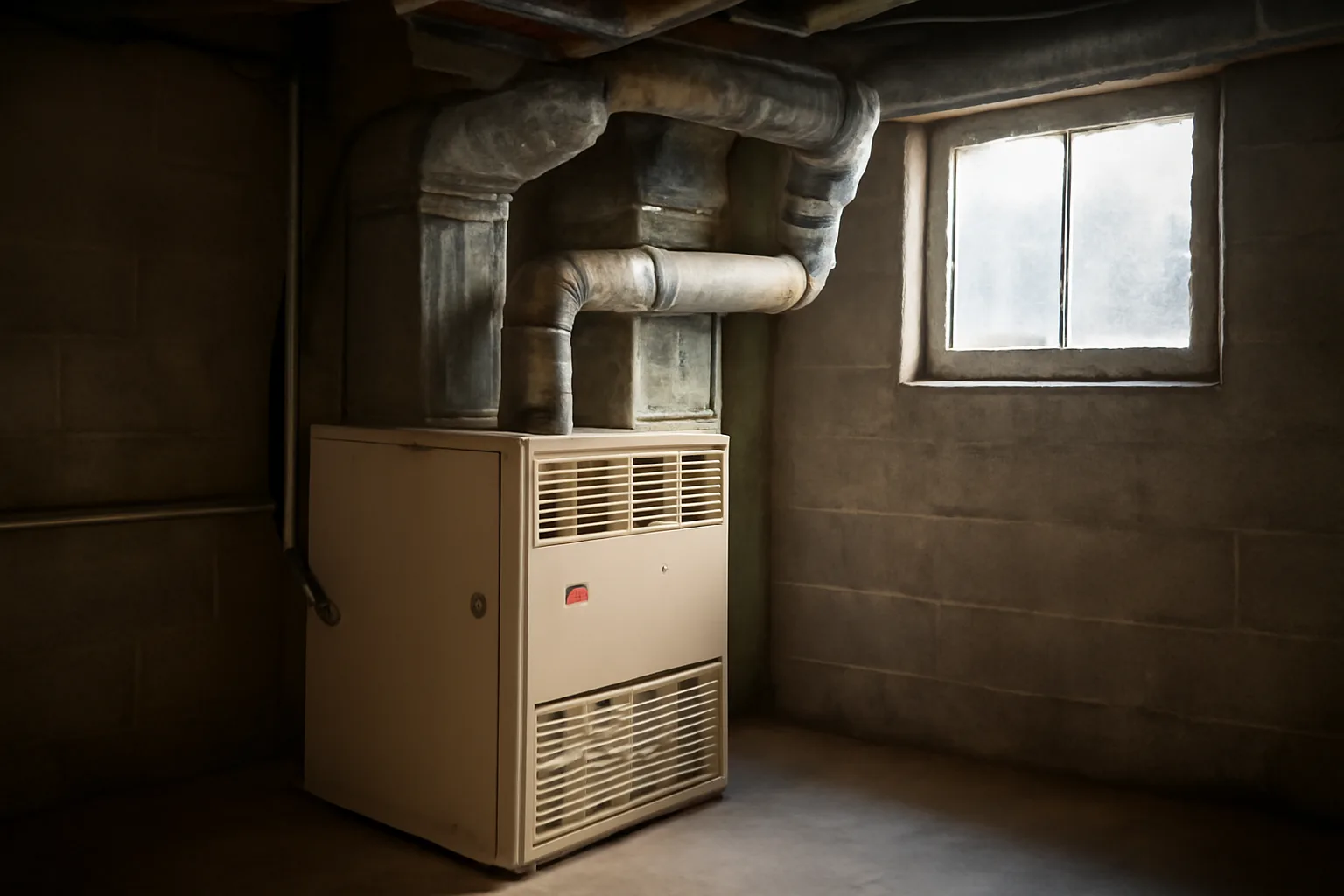
Minnesota's habitability statute, Minn. Stat. 504B.161, requires landlords to keep rental units "fit for the use intended by the parties" and to comply with local health and safety codes. Heat is addressed more specifically through a mix of state guidance and city ordinances, but the widely cited statewide benchmark is 68°F during the day from October 1 through May 31, generally applied between 8 a.m. and 10 p.m. [1] The exact wording landlords lean on comes from the statute's requirement to "maintain the premises in reasonable repair" and to comply with health and safety laws, which state and local health departments have interpreted to include minimum heat standards during cold months [1]. Minneapolis, St. Paul, Duluth, and other licensing cities have their own explicit heat ordinances that spell out the 68°F figure and the specific hours, and those local rules are usually what actually gets enforced, more than the state statute in isolation. If you own in a city that requires rental licensing or registration, assume there is a local heat ordinance sitting on top of state law. St. Paul's housing code, for example, requires heat-producing equipment capable of maintaining at least 68°F in every habitable room during the cooler months, and inspectors check this during rental license inspections [2]. Minneapolis has a similar standard built into its housing maintenance code [3]. The practical takeaway: 68°F is the number you should treat as the floor almost everywhere in Minnesota during heating season, whether it comes from the state statute, a city ordinance, or both stacked together.
What time period counts as 'heating season' in Minnesota?
| Statewide default | 68°F | Oct 1 to May 31 | State statute / DOH guidance [1] | |
|---|---|---|---|---|
| Minneapolis | 68°F | Cold months, per housing code | Municipal housing maintenance code [3] | |
| St. Paul | 68°F | Cold months, per housing code | Municipal housing code [2] | |
| Duluth | Comparable minimum | Cold months, per code | Municipal housing/property maintenance code [4] | If you manage in a smaller city with mandatory rental licensing, check your municipal code section on housing maintenance or property maintenance standards specifically, more than the general nuisance ordinance, since heat requirements often live in a separate chapter. |
Most Minnesota cities and the general statewide guidance point to October 1 through May 31 as the heating season, with the 68°F minimum applying during daytime hours, commonly 8 a.m. to 10 p.m., and often a slightly lower nighttime minimum around 65°F [1][2]. Some cities extend or shift these dates slightly, and a few adjust the overnight minimum. Duluth, for instance, has historically applied similar seasonal heat rules through its municipal code enforcement process tied to housing maintenance standards [4]. Because these details vary by ordinance and get amended, don't assume your city matches the state default exactly. Here's a comparison of how a few Minnesota cities frame heat requirements, based on published housing/ordinance language. Confirm current text with your city rental licensing office before relying on it for a specific case. | City | Minimum daytime temp | Heating season | Source type |
What happens if a rental doesn't meet the heat requirement?
A tenant whose unit falls below the required temperature has real legal options in Minnesota, and none of them are good for a landlord who ignores the problem. Under the state's tenant remedies statute, Minn. Stat. 504B.385 and related sections, tenants can pursue rent escrow actions, and under 504B.161 landlords who fail to maintain habitable conditions, including adequate heat, can face housing court action [5]. Cities with rental licensing programs also treat inadequate heat as a code violation subject to inspection findings, correction orders, and fines. In Minneapolis, unresolved housing code violations tied to a rental license can lead to license revocation or non-renewal on top of any court remedy the tenant pursues [3]. St. Paul's code enforcement process similarly ties heat violations to potential license consequences [2]. Beyond the ordinance side, a broken furnace in January is also an emergency repair situation. Minnesota law treats loss of heat as the kind of condition that can trigger expedited remedies, including tenant self-help repair-and-deduct rights in some circumstances or emergency relief through housing court, because a heat outage during a Minnesota winter is a genuine safety issue, not a comfort complaint. The honest advice here: if you get a heat complaint, treat it like a plumbing leak, not a paint chip. Get a technician out same day or next day if at all possible. Waiting a week to fix a furnace in Minnesota in January is the kind of delay that turns a routine repair into a rent escrow filing or a housing court date.
How does this connect to rental licensing and inspection in Minnesota cities?
Cities that require rental licensing generally fold heat standards into their housing code, which means your unit's heating system gets checked as part of licensing inspections, more than in response to tenant complaints. Minneapolis's rental licensing inspection process covers general housing maintenance code compliance, and heating equipment condition is part of that review [3]. St. Paul does the same through its Department of Safety and Inspections process for certificate of occupancy and rental registration [2]. If your city requires a rental license, a pre-inspection walkthrough should include: confirming the furnace or boiler is functional and recently serviced, checking that thermostats aren't broken or missing, verifying there are no rooms cut off from the heating system entirely (common in older duplexes with add-on rooms), and making sure any supplemental heat sources meet code (space heaters are not a substitute for a functioning primary heat source in almost any jurisdiction). This is one area where a little organization before your inspection date saves real money. If you're prepping for a rental license or re-inspection in a Minnesota city and want a structured way to walk through what inspectors typically check, city by city, the $79 City Rental License & Inspection Prep Packet is built around exactly this kind of pre-inspection prep, though it's not a substitute for checking your specific city's current code.
What can a landlord look at during an inspection?
During a rental licensing inspection, a code inspector typically checks life-safety and habitability items: smoke and carbon monoxide detectors, electrical panels and outlets, plumbing fixtures and water heater condition, heating equipment and its ability to maintain the required minimum temperature, window and door condition, egress from bedrooms, and general structural and sanitary conditions [3][6]. What inspectors generally are not there to do is evaluate a tenant's personal property, judge housekeeping style, or inspect areas unrelated to safety and code compliance. The inspection is about the unit and building systems, not about the tenant. A landlord doing a pre-inspection walkthrough (before the official city inspection) should look at the same categories: does every habitable room have a working heat source, are detectors present and functioning with fresh batteries, are handrails secure, are there any obvious water intrusion or mold signs, and does everything match what your city's checklist says it will check. Most licensing cities publish a checklist or inspection guide on their housing or inspections department page, and pulling that before your inspection date is one of the highest-value 20 minutes you'll spend as a landlord.
Who is responsible for a rental property walkthrough inspection?
In Minnesota's mandatory rental-licensing cities, the walkthrough inspection is typically conducted by a city housing or building inspector, not a private contractor, and it's usually scheduled as part of the licensing or license-renewal cycle. This is different from a state like California, where county or municipal inspection responsibility varies more by jurisdiction and program (some California cities use third-party inspectors under a rental inspection ordinance, others use city staff). In Minnesota, the landlord is responsible for scheduling the inspection (or responding to the city's inspection notice), being present or arranging access, and correcting any violations found within the timeline the city gives, which is commonly 30 to 60 days depending on the severity and the specific municipal code, though timelines vary by city and by violation type. Confirm the correction period with your city rental licensing office since it's set locally, not by state statute. The landlord is also responsible for giving the tenant proper notice before the inspection happens. Minnesota's entry notice statute, Minn. Stat. 504B.211, generally requires "reasonable notice" and entry at "reasonable times," and many cities and courts treat 24 hours as the practical standard, though the statute itself doesn't specify an exact hour count . Don't skip this step just because the city scheduled the inspection. You still need to notify your tenant.
How much notice does a landlord have to give before entering?
Minnesota's entry statute, Minn. Stat. 504B.211, requires landlords to give tenants "reasonable notice" and to enter at "reasonable times," language that courts and practitioners generally interpret as at least 24 hours in most non-emergency situations, though the statute itself does not spell out an exact number of hours . The statute reads that a landlord "may enter the tenant's premises to inspect, ... make repairs, alterations or improvements, ... or supply agreed services" but "shall not enter the tenant's premises... except: (1) in case of emergency; (2) to make repairs...at a reasonable time...upon reasonable notice" . That's a paraphrase of the framework, not a verbatim quote of every clause, since the exact text has multiple subsections. Emergencies (a burst pipe, a gas leak, a fire) are the exception where no advance notice is required. For a scheduled rental license inspection, notice requirements often work on two tracks: your city gives you notice of the inspection date, and separately, you (the landlord) need to give your tenant proper notice under state law before you or the inspector enters. Don't assume the city's notice to you satisfies your own notice obligation to your tenant. Send your own written notice, ideally with more than 24 hours' lead time, and keep a copy.
What is landlording, and what is a landlord under Minnesota law?
A landlord, under Minnesota's Landlord and Tenant chapter (Minn. Stat. Chapter 504B), is generally the owner or person entitled to possession of a rental unit who rents it to a tenant under a lease or rental agreement. "Landlording" isn't a defined legal term, but in practice it means the ongoing work of owning and operating rental property: collecting rent, maintaining the unit, handling repairs, managing tenant relationships, and complying with state and local landlord-tenant law, habitability codes, and (in licensing cities) rental registration and inspection requirements. If you own even one rental unit in a city with mandatory licensing, you're a landlord under both the plain meaning and Chapter 504B's legal definitions, and you're subject to the same habitability and heat rules as someone with a 200-unit portfolio. Minnesota law doesn't create a small-landlord exemption from the core habitability statute. City licensing programs sometimes have different fee tiers or inspection cycles for smaller buildings, but the underlying legal duties (safe heat, working plumbing, structural soundness) apply regardless of how many units you own. For a broader look at what the landlord role covers day to day, including licensing basics across different cities, see landlord landlords and landlord.
How do you become a landlord in Minnesota, and what should you check first?
Becoming a landlord in Minnesota starts with owning or controlling a property you intend to rent out, but the real work is compliance setup: registering the rental with your city if required, getting a rental license if your municipality mandates one, understanding your local heat and habitability code, and setting up a legally compliant lease and security deposit process under Minn. Stat. Chapter 504B. Practical steps, in rough order: 1) confirm whether your city requires rental registration or licensing (check your city's housing or inspections department page directly, since requirements and fees vary widely and change over time), 2) schedule any required initial inspection and fix known issues before the inspector arrives, 3) get your heating system serviced and confirm it can maintain 68°F, since that's one of the most commonly cited violations in Minnesota housing inspections, 4) set up a compliant lease, security deposit handling process (Minnesota caps how deposits are handled and requires specific timelines for return under Minn. Stat. 504B.178), and entry-notice procedures, 5) get landlord insurance and decide your renters insurance policy. For first-time landlords, the licensing and inspection side trips people up more than the leasing side. A lease template is easy to find online. A city-specific rental inspection checklist that matches what your local inspector actually checks is harder to find, which is part of why some landlords use a structured prep resource like the $79 City Rental License & Inspection Prep Packet instead of guessing at what the inspector wants.
Why do landlords require renters insurance?
Landlords often require renters insurance because a landlord's own property insurance policy generally covers the building and the landlord's property, not the tenant's personal belongings, and it typically doesn't cover a tenant's liability if the tenant accidentally causes damage (a kitchen fire, an overflowing tub that damages a unit below). Requiring renters insurance shifts that liability and personal-property risk to a policy the tenant controls, which is why many landlords make it a lease requirement, particularly in multi-unit buildings where one unit's negligence can damage neighboring units. This isn't a Minnesota-specific legal mandate; it's a common lease term landlords add for risk management, and courts generally allow landlords to require it as a lease condition as long as it's disclosed and applied consistently. Minnesota law doesn't require renters insurance statewide, and no state statute forces tenants to carry it, but nothing stops a landlord from making it a lease condition, and plenty of Minnesota landlords do exactly that as a standard part of move-in paperwork.
What rights do tenants have without a lease?
A tenant without a written lease in Minnesota generally still has tenant rights under Chapter 504B, including habitability protections, protection against unlawful entry, and (typically) month-to-month tenancy status if rent is paid on a periodic basis without a signed term lease. The absence of a written lease doesn't strip away statutory protections; Minnesota's landlord-tenant law applies to the tenancy relationship itself, more than to signed paperwork. For a month-to-month tenancy without a written lease, either party generally needs to give notice equal to the rental period to end the tenancy, commonly interpreted as at least one full rental period (often a month) under Minn. Stat. 504B.135, though the exact notice period depends on how rent is paid and the specifics of the tenancy . A landlord still owes the same habitability duties (working heat, safe structure, functioning plumbing) whether or not there's a signed lease, because those duties come from statute and housing code, not from the lease document. Tenants without a lease also retain protection under the entry-notice statute (Minn. Stat. 504B.211) and can pursue the same remedies for uninhabitable conditions, including rent escrow, that a tenant with a written lease could pursue. For more on tenant-side protections generally, see tenants rights and renters rights.
What can a landlord not do in Ohio, and how does that compare to Minnesota?
This question comes up often because landlord-tenant rules vary meaningfully state to state, and someone researching Minnesota heat law may also be checking Ohio rules if they own property in both states. Ohio's landlord-tenant law, primarily Ohio Rev. Code 5321, prohibits landlords from shutting off utilities to force a tenant out, from locking a tenant out without a court order, from retaliating against a tenant for reporting code violations, and from entering a rental unit without reasonable notice except in emergencies . Minnesota has parallel protections. Minn. Stat. 504B.221 prohibits a landlord from removing a tenant's property or effects, or from directly or indirectly shutting off utilities, water, or heat as a way to force a tenant out without going through eviction (unlawful detainer) court . Both states treat self-help eviction, meaning changing locks or cutting utilities instead of filing a court case, as illegal. The heat angle matters here directly: since Minnesota already requires landlords to maintain a minimum indoor temperature during cold months, deliberately reducing or shutting off heat to pressure a tenant to leave would likely violate both the habitability statute (504B.161) and the anti-lockout / utility shutoff statute (504B.221) at the same time. That's a combination that shows up in tenant lawsuits and housing court cases, and it's not a gray area landlords should test.
What should landlords do right now to stay compliant on heat?
Start with your furnace or boiler, not your paperwork. Get it serviced before the heating season starts (a fall service call is cheap insurance compared to an emergency mid-winter repair plus a possible habitability complaint). Confirm the system can actually maintain 68°F in every habitable room, including additions, converted attics, and basement units, which are the spots most likely to run cold even when the main system works fine [1][2][3]. Second, check your specific city's ordinance language directly rather than relying on the statewide default. Cities differ on exact hours, exact seasonal dates, and enforcement mechanisms, and only your city rental licensing office has the current, binding version of that code. Third, document everything. If a tenant reports a heat problem, log the date you got the complaint, the date you dispatched a repair, and the date it was fixed. That paper trail matters if the issue ever escalates to a rent escrow filing or a code enforcement case, because Minnesota housing court generally looks at how promptly a landlord responded, more than whether the problem eventually got fixed. Fourth, if your city requires a rental license, treat the license inspection as a heating-system check as much as anything else. A functioning furnace that's ten years overdue for service is a common inspection flag, and it's one of the cheapest problems to fix proactively rather than reactively.
Frequently asked questions
What temperature does Minnesota law require landlords to maintain in a rental unit?
Minnesota's widely applied standard is 68°F, generally required from October 1 through May 31, typically during daytime hours such as 8 a.m. to 10 p.m., under the state's habitability statute and local housing codes that build on it [1][2][3]. Exact hours and dates vary by city, so confirm your municipality's specific ordinance.
How to become a landlord in Minnesota?
Own or control a property, confirm whether your city requires rental registration or licensing, get any required inspection scheduled and pass it, set up a compliant lease and security deposit process under Minn. Stat. Chapter 504B, and get landlord insurance. Check your city's housing department page for local licensing steps and fees.
Who is responsible for a rental property walkthrough inspection in California?
In California, walkthrough inspections are typically handled by the city or county building/housing department under local rental inspection ordinances, and some jurisdictions use third-party inspectors under contract. The landlord is generally responsible for scheduling access and correcting violations. Minnesota's system is similar but relies on city-level housing inspectors rather than county programs.
What is landlording?
Landlording is the ongoing practice of owning and operating rental property: collecting rent, maintaining the unit, handling repairs, and complying with state landlord-tenant law and any local rental licensing or inspection rules. It's not a formal legal term, but it covers everything a landlord does beyond just holding the deed.
What is a landlord under Minnesota law?
Under Minnesota's Landlord and Tenant Act (Minn. Stat. Chapter 504B), a landlord is generally the owner or person entitled to possession of a rental unit who rents it to a tenant. This applies whether you own one unit or a hundred, and it triggers the same statutory habitability duties either way.
What rights do tenants have without a signed lease in Minnesota?
Tenants without a written lease still have statutory rights under Chapter 504B, including habitability protections, protection from unlawful entry, and typically month-to-month tenancy status. Notice to end the tenancy generally must match the rental period under Minn. Stat. 504B.135, though specifics depend on how rent is paid.
How to be a landlord day to day in a licensing city?
Respond to repair and heat complaints quickly, keep the heating system serviced before winter, give proper entry notice under Minn. Stat. 504B.211, keep your rental license and registration current, and document maintenance and complaint response in writing. Cities enforce these expectations through licensing inspections, more than tenant lawsuits.
Why do landlords require renters insurance?
Renters insurance covers a tenant's personal belongings and personal liability, which a landlord's building insurance policy typically doesn't cover. Requiring it shifts risk from tenant negligence (a kitchen fire, a bathtub overflow) away from the landlord's policy and onto a policy the tenant controls, which is why many landlords make it a lease condition.
How much notice does a landlord have to give before entering a rental unit?
Minnesota's entry statute, Minn. Stat. 504B.211, requires "reasonable notice" and entry at "reasonable times," which is commonly treated as at least 24 hours in non-emergency situations, though the statute doesn't specify an exact hour count. Emergencies like a gas leak or burst pipe don't require advance notice.
What can a landlord look at during a rental inspection?
Inspectors typically check smoke and CO detectors, electrical systems, plumbing and water heater condition, heating equipment and its ability to maintain required minimum temperatures, window and door condition, bedroom egress, and general structural and sanitary conditions. They're not there to judge a tenant's belongings or housekeeping style.
What can a landlord not do in Ohio?
Under Ohio Rev. Code 5321, a landlord cannot shut off utilities or lock out a tenant to force them out without a court order, cannot retaliate against a tenant for reporting code violations, and cannot enter without reasonable notice except in emergencies. Minnesota has similar protections under Minn. Stat. 504B.221.
Does Minnesota's heat law apply to single-family rental homes or just apartments?
Minnesota's habitability statute (Minn. Stat. 504B.161) and most city heat ordinances apply to residential rental units generally, which includes single-family rental homes, duplexes, and apartments. The obligation to maintain adequate heat isn't limited to multi-unit buildings; it applies to any rented residential dwelling.
What happens if a landlord doesn't fix a heat problem in Minnesota?
Tenants can pursue rent escrow actions or housing court relief under Minn. Stat. 504B.161 and related sections, and in licensing cities, unresolved heat violations can trigger correction orders, fines, or license revocation. Given Minnesota winters, courts and cities generally treat heat outages as urgent, not routine maintenance.
Sources
- Minnesota Legislature, Minn. Stat. 504B.161 (Covenants of Habitability): State habitability statute requiring landlords to maintain premises fit for use and comply with health/safety codes, basis for the 68°F heating-season standard
- Minnesota Legislature, Minn. Stat. 504B.385 (Rent Escrow): Tenants can pursue rent escrow actions when a landlord fails to maintain habitable conditions such as adequate heat
- Minnesota Legislature, Minn. Stat. 504B.211 (Landlord's right to enter): Landlords must give reasonable notice and enter at reasonable times, with an emergency exception
- Minnesota Legislature, Minn. Stat. 504B.135 (Termination of certain tenancies): Notice to terminate a periodic tenancy generally must match the rental period
- Ohio Revised Code, Chapter 5321 (Landlords and Tenants): Ohio law prohibits self-help eviction, retaliatory conduct, and unauthorized entry by landlords
- Minnesota Legislature, Minn. Stat. 504B.221 (Wrongful denial of utility services): Minnesota law prohibits landlords from shutting off utilities, water, or heat to force a tenant out without court process