Last updated 2026-07-25
TL;DR
The correct address is rentregistry.dcba.lacounty.gov, run by LA County's Department of Consumer and Business Affairs for rent-stabilized units in unincorporated LA County. It's a registration system, not a citywide license. This guide also covers core landlord basics: notice periods, inspection rights, and what tenants without a lease can still claim.
What is rentregistry.dcba.lacounty.gov and why did I land here?
If you typed "rentregistry.dcba.lacounty.gob" you hit a typo. The real site is rentregistry.dcba.lacounty.gov (.gov, not.gob), operated by the Los Angeles County Department of Consumer and Business Affairs (DCBA). It's the online portal where landlords of rent-stabilized rental units in unincorporated LA County register their properties under the county's Rent Stabilization and Tenant Protections ordinance. Unincorporated LA County is the key phrase. This registry does not apply to properties inside incorporated cities like Los Angeles, Long Beach, or Pasadena, each of which runs its own rent stabilization or registration program with a separate site and separate fee schedule. If your property sits inside Los Angeles city limits, you need the Los Angeles Housing Department's Rent Stabilization Ordinance (RSO) registration instead, not the county portal [1]. The county ordinance, adopted in 2019 and expanded since, covers most multifamily rental units built before a certain cutoff date in unincorporated areas, plus mobile home parks in some cases. Landlords covered by it register annually and pay a per-unit fee that funds the county's tenant protection and rent stabilization program. Confirm the current per-unit fee and registration deadline with the DCBA rent registry office directly, because the county has adjusted the fee more than once since the program launched. If you're not sure whether your property is inside unincorporated LA County or inside a city, check your parcel with the county assessor's portal or call your city clerk. That single fact determines which portal, which ordinance, and which fee schedule applies to you.
How to become a landlord: what actually has to happen first
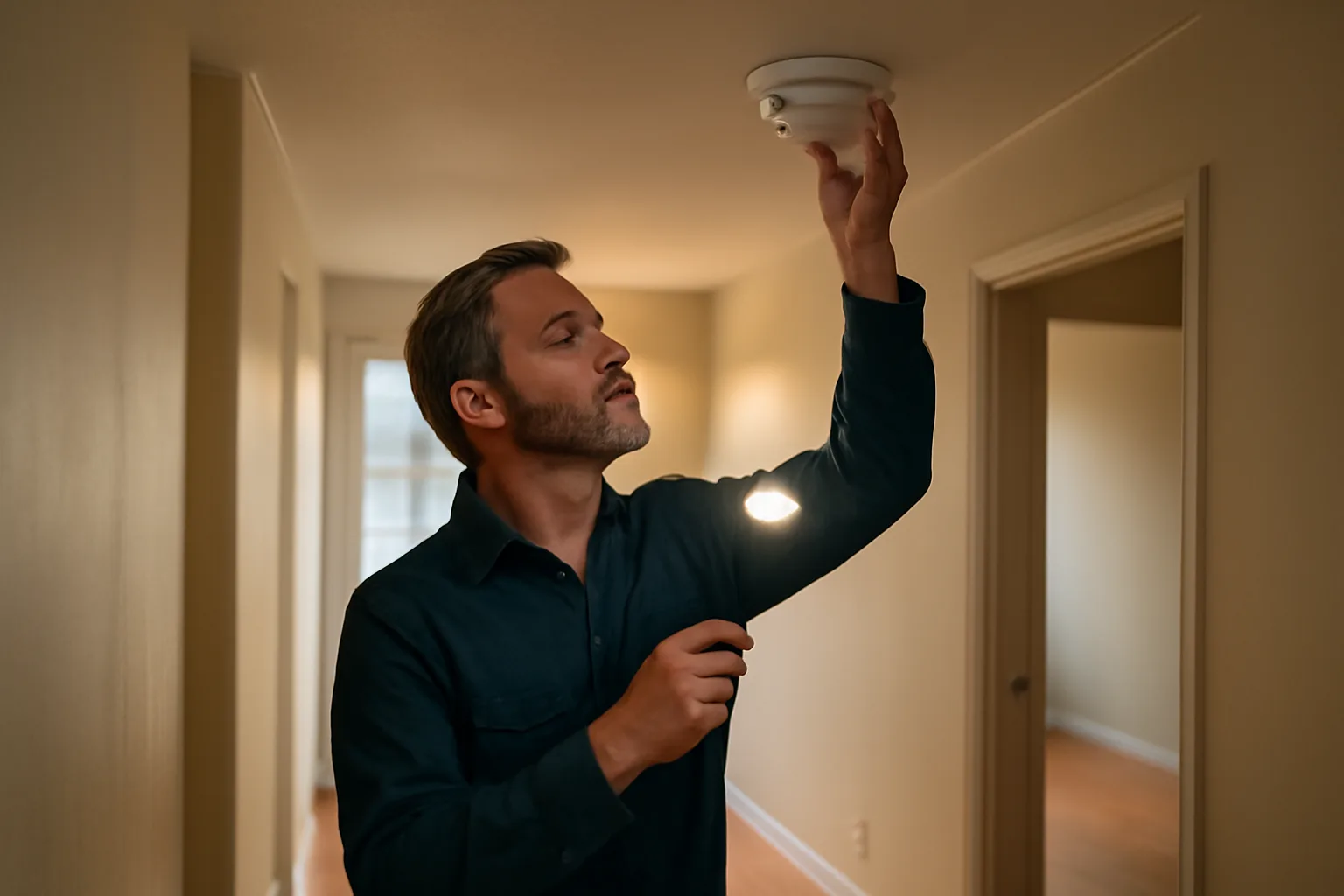
Becoming a landlord isn't just buying a property and putting up a listing. In any city with mandatory rental registration or licensing, you have paperwork obligations before you can legally collect rent. First, confirm what your local jurisdiction requires. Many cities and counties, including unincorporated LA County, require landlords to register rental units, sometimes annually, sometimes at time of first rental. Some cities go further and require an actual rental license with a habitability inspection before a certificate of occupancy for rental use is issued. These are two different regulatory tools: registration is mostly a database and fee collection mechanism; licensing usually ties into code enforcement and inspection cycles. Second, get your unit inspection-ready. Working smoke and carbon monoxide detectors, functioning locks, no exposed wiring, no active mold or pest infestation, and functioning plumbing and heat are baseline habitability items that show up in nearly every jurisdiction's checklist and in California's state habitability statute, Civil Code Section 1941.1 [2]. Third, understand your tax and business obligations. Many cities require a business license or rental business tax certificate separate from any rental registration, and rental income is reportable on your federal return regardless of local licensing status per IRS guidance on rental income [3]. Fourth, learn your state's landlord-tenant code before you sign a first lease. California's landlord-tenant statutes cover security deposits (Civil Code Section 1950.5), notice periods, and habitability duties, and ignorance of these rules is the single most common cause of costly disputes for new landlords. If you're new to this and want a structured way to track every requirement in your specific city, our City Rental License & Inspection Prep Packet walks through the registration, inspection, and fee steps most cities ask for, organized by jurisdiction.
What is landlording, and what does it actually involve day to day?
"Landlording" is the informal term for the ongoing work of owning and managing rental property, as distinct from just owning real estate. It covers everything after the lease is signed: rent collection, maintenance requests, inspections, renewals, evictions when necessary, and compliance with local registration or licensing rules. The day-to-day list is longer than most new landlords expect. You're tracking rent payments and late fees under your state's allowed limits, scheduling and documenting repairs, keeping records of every notice you serve, renewing your rental registration or license before it lapses, and staying current on ordinance changes in your city (rent caps, just-cause eviction rules, and inspection triggers change often in California). Landlording also means keeping a paper trail. If a tenant later disputes a repair, a notice, or a deposit deduction, your dated records (photos, texts, maintenance invoices) are what protect you. Landlords who skip this step are the ones who lose small claims cases they should have won.
What is a landlord? The basic legal definition
A landlord is the party that owns or controls a rental property and leases it to a tenant in exchange for rent, taking on the legal duties that come with that role: maintaining habitability, respecting the tenant's right to quiet enjoyment, following notice rules for entry and termination, and complying with local licensing and registration ordinances. Legally, a landlord doesn't have to be the property's titleholder. Property managers, master lessees who sublease, and even trustees of a family trust holding rental property can all be "the landlord" for tenant-protection purposes, meaning they hold the habitability and notice duties even if they don't personally hold title. In jurisdictions with mandatory rental registration, being a landlord also means being the responsible registrant. Unincorporated LA County's ordinance and most city licensing programs put the registration and fee-payment duty on the property owner of record, not the property manager, even when a management company handles day-to-day operations.
Who is responsible for a rental property walk-through inspection in California?
Responsibility splits depending on the type of inspection. For move-in and move-out condition inspections, California law puts the process burden mostly on the landlord: Civil Code Section 1950.5 requires landlords to offer tenants an initial move-out inspection before the tenancy ends if the landlord intends to make deductions from the security deposit, and to give the tenant an itemized statement of deductions [2]. For code compliance and licensing inspections, the local building or housing department is responsible for scheduling and conducting the inspection, but the landlord is responsible for access, preparation, and remediation. In cities with mandatory rental inspection programs, the city inspector checks the unit against the local housing code (things like working smoke detectors, no unpermitted electrical work, adequate heat, and no active leaks), and it's the landlord's job to have those items fixed before the appointment. A third category, the routine habitability walk-through some landlords do between tenants or annually, isn't mandated by state law at all. It's a landlord's own practice, and it's a good one: catching a slow leak or a failing water heater during a routine walk-through is cheaper than an emergency call at 11 p.m. Across all three categories, one rule is constant in California: landlords must give tenants proper notice before entering an occupied unit for inspection purposes, absent an emergency, under Civil Code Section 1954 [4].
How much notice does a landlord have to give before entering or inspecting?
In California, a landlord must give at least 24 hours' written notice before entering a tenant's unit for most purposes, including repairs, showings, or inspections, per Civil Code Section 1954 [4]. The notice must state the date, approximate time, and purpose of entry, and entry has to happen during normal business hours unless the tenant agrees otherwise. The 24-hour standard has exceptions. In a genuine emergency (a fire, a burst pipe, a gas leak), no notice is required at all. If the tenant has already agreed to a specific time, no separate written notice is needed for that visit. And if the tenant has abandoned the unit, different rules apply entirely. Other states vary. Some set 24 hours as the floor like California; a few states don't specify a number in statute and instead require "reasonable notice," which courts interpret case by case. If you operate in more than one state, don't assume the rule is the same everywhere; check your specific state's civil code section on landlord entry before you show up. For mandatory rental licensing inspections specifically, cities often give their own separate notice, sometimes 10 to 30 days ahead of the inspection window depending on the local ordinance, separate from the day-to-day 24-hour entry notice. Confirm your city's specific inspection notice period with your local rental licensing office, since it is not standardized statewide.
What can a landlord look at during an inspection?
During a routine or code-compliance inspection, a landlord or inspector can generally look at anything related to habitability and code compliance: smoke and carbon monoxide detectors, electrical panels and outlets, plumbing fixtures, HVAC or heating units, evidence of pest infestation or water damage, window and door locks, and any unpermitted alterations. What they generally cannot do is search the tenant's personal belongings, open closed drawers or closets to inspect contents (as opposed to checking the closet itself for mold or structural issues), or use the inspection as a pretext to harass the tenant or pressure them about an unrelated dispute. The scope of a lawful inspection is the unit's condition, not the tenant's possessions. For licensing-driven inspections done by a city housing inspector, the scope is usually defined by the local housing code checklist. That means the inspector is looking specifically at the items the ordinance lists (egress windows, GFCI outlets near water sources, water heater strapping in California per state code, functioning locks) rather than doing an open-ended walk-through. Landlords getting ready for one of these should do their own pre-inspection walk-through first. This is one of the places our packet is built for: the $79 City Rental License & Inspection Prep Packet includes a pre-inspection checklist mapped to common city housing code items, so you're not discovering a failed smoke detector for the first time when the city inspector is standing in the hallway.
What rights do tenants have without a lease?
A tenant without a signed lease, whether they're on a month-to-month verbal agreement or a lease that expired and they stayed on with the landlord's knowledge, still has nearly all the same legal protections as a tenant with a written lease. In California, this is called a tenancy at will or holdover tenancy, and it's governed by the same statutes as written leases: habitability duties under Civil Code Section 1941.1, notice-before-entry rules under Section 1954, and eviction procedure requirements under the Code of Civil Procedure [2] [4]. Without a written lease, a few things default to state law rather than a negotiated term. The notice period to end a month-to-month tenancy in California is 30 days if the tenant has lived there under a year, and 60 days if a year or longer, per Civil Code Section 1946.1 [5]. Rent amount and due date default to whatever was orally agreed or established by the pattern of payment. What a tenant without a lease does not get is protection from having no agreement at all. A true unauthorized occupant, like a guest who never paid rent and was never accepted as a tenant, doesn't have tenant rights. The line between "tenant without a written lease" and "unauthorized occupant" often comes down to whether the landlord accepted rent, which most courts treat as evidence of a landlord-tenant relationship regardless of paperwork. For landlords, the practical lesson is: verbal or informal tenancies are still full tenancies under the law. Treat them that way from day one, with the same notice and habitability standards you'd apply to a written lease.
Why do landlords require renters insurance?
Landlords require renters insurance mainly to shift liability and property-loss risk away from their own landlord policy. A standard landlord (dwelling) insurance policy covers the building structure and the landlord's own liability, but it typically does not cover a tenant's personal belongings or a tenant's personal liability for incidents inside the unit. Requiring renters insurance means that if a tenant's cooking fire, an overflowed bathtub, or a dog bite causes damage or injury, the tenant's own policy is the first line of coverage rather than the landlord's policy (or the landlord's out-of-pocket funds) absorbing the claim. It also protects the tenant: without renters insurance, a tenant whose belongings are destroyed in a fire has no coverage at all unless the landlord's policy happens to extend to them, which it usually doesn't. There's no federal or California statewide law requiring landlords to mandate renters insurance; it's a lease-term decision the landlord makes, and it's enforceable through the lease as long as it's applied consistently and doesn't violate fair housing rules. Many landlords require a minimum liability coverage amount, commonly in the $100,000 range, and require the landlord be listed as an "interested party" on the policy so they get notified if it lapses. Worth noting: requiring renters insurance doesn't replace your own landlord policy or waive your habitability duties. It's a supplemental risk transfer, not a substitute for maintaining the property.
What can't a landlord do in Ohio?
Ohio's landlord-tenant law, codified in Ohio Revised Code Chapter 5321, sets out specific things a landlord cannot do, and most of them mirror protections found in other states even though the statute numbers differ. An Ohio landlord cannot shut off utilities, change the locks, or remove a tenant's belongings to force them out without going through the formal eviction process in court, a practice generally called "self-help eviction" and prohibited under Ohio Revised Code Section 5321.15 [6]. That statute states landlords cannot recover possession of the property except through an action under Chapter 1923, meaning through the courts. An Ohio landlord also cannot retaliate against a tenant for reporting a code violation, joining a tenant union, or asserting a legal right, under the retaliation protections in Ohio Revised Code Section 5321.02 [7]. And under Section 5321.04, a landlord has affirmative habitability duties: keeping the premises in a fit and habitable condition, complying with building and housing codes, and keeping common areas safe [8]. On entry, Ohio law (Section 5321.04(A)(8)) requires landlords to give "reasonable notice" before entering, generally interpreted as 24 hours in practice though the statute doesn't specify an exact number the way California's does [8]. On security deposits, Ohio Revised Code Section 5321.16 requires landlords to return deposits within 30 days of termination of the rental agreement and to provide an itemized list of any deductions . The common thread across Ohio and California, and most other states, is this: landlords can't self-help evict, can't retaliate, can't skip habitability duties, and can't enter without proper notice except in emergencies. The specific notice periods and deposit-return windows differ by state, so if you own property in more than one state, keep the statute numbers straight rather than assuming California's rules travel with you.
How rent registries, rental licenses, and inspections fit together
| Rent registry (e.g., LA County unincorporated) | Annual registration, per-unit fee | Owning a covered rental unit | Fee, possible fines for non-registration | |
|---|---|---|---|---|
| Rental license | License application, renewal | Renting out a unit at all | License denial or revocation | |
| Mandatory inspection | Passing a habitability/code check | Calendar cycle, complaint, or turnover | Re-inspection, fines, license hold | If you own in a city you're not fully sure about (does it register, license, or inspect, or all three), that confusion is common and it's worth resolving before your first tenant moves in rather than after a violation notice arrives. |
It helps to separate three things that get lumped together in landlord conversations: registration, licensing, and inspection. Registration (like LA County's rent registry) is mostly a database. You tell the jurisdiction the unit exists, who owns it, and sometimes the rent amount, and you pay an annual fee that funds the agency's tenant protection or rent stabilization work. Registration alone usually doesn't require an inspection. Licensing is a step further. A rental license means the city has decided landlords need permission, renewed periodically, to operate a rental unit, and that permission is often tied to passing a habitability inspection on some cycle (annually, every two years, or on tenant turnover, depending on the city). Inspection is the enforcement mechanism behind licensing. Some cities inspect every licensed unit on a fixed schedule; others inspect on complaint only, or inspect a random sample each year. The city's specific inspection trigger, whether it's calendar-based, complaint-based, or turnover-based, is something you need to confirm with your local rental licensing office because it varies enormously between cities, even within the same state. | Program type | What it requires | Typical trigger | Enforcement tool |
What happens if you ignore a registration or licensing notice
Ignoring a rent registry notice, a licensing renewal, or an inspection notice tends to escalate the same way across most jurisdictions: a missed deadline, a late fee, then a formal notice of violation, and eventually restrictions on your ability to collect rent or evict a tenant until you're compliant. Some California rent stabilization ordinances, including several city programs, tie registration compliance directly to a landlord's ability to raise rent or to pursue an eviction. If your unit isn't registered, you may not be able to serve a valid rent increase notice or file an unlawful detainer, regardless of whether the tenant is otherwise in violation of the lease. This is one of the more expensive mistakes a landlord can make, because it's entirely avoidable with a calendar reminder. If you got a notice specifically about the LA County rent registry (or you're trying to figure out if rentregistry.dcba.lacounty.gov applies to your property at all), the first move is confirming whether your parcel is in unincorporated county territory or inside an incorporated city, then contacting DCBA directly or your city's housing department to confirm your specific fee and deadline rather than guessing from an old notice. For landlords managing this across multiple units or multiple cities, keeping a single tracking sheet of registration deadlines, license renewal dates, and inspection windows per property saves real money over a few years. That's the gap our City Rental License & Inspection Prep Packet is meant to close: a one-time $79 packet organized around what your specific city requires, rather than a subscription service you have to remember to log into.
Frequently asked questions
Is rentregistry.dcba.lacounty.gov a real government website?
Yes. It's operated by the Los Angeles County Department of Consumer and Business Affairs and is the registration portal for rental units covered by the county's Rent Stabilization and Tenant Protections ordinance in unincorporated LA County. If you typed ".gob" instead of ".gov," that's a typo; the real domain ends in .gov.
Does the LA County rent registry apply to properties inside the city of Los Angeles?
No. It applies only to unincorporated areas of LA County. Properties inside the city of Los Angeles fall under the LA Housing Department's Rent Stabilization Ordinance registration system instead, which is a separate portal with its own fee schedule and rules.
How to become a landlord in a city with mandatory rental registration?
Confirm your local registration or licensing requirement first, get the unit inspection-ready (smoke detectors, no code violations, functioning systems), secure any required business license, and learn your state's landlord-tenant statutes on deposits, notice periods, and habitability before you sign a lease.
What is landlording as opposed to just owning rental property?
Landlording is the ongoing management work: collecting rent, handling repairs, serving proper notices, renewing registrations or licenses, and keeping records. Owning the property is a one-time transaction; landlording is the continuous legal and operational responsibility that comes after.
What is the legal definition of a landlord?
A landlord is the party who leases property to a tenant for rent and holds the legal duties of habitability, notice, and compliance that come with that role. This can include property managers or trustees, more than the titleholder, depending on who exercises control over the rental.
Who is responsible for a rental property walk-through inspection in California?
It depends on the inspection type. Move-out deposit inspections are the landlord's responsibility under California Civil Code Section 1950.5. Code compliance inspections are conducted by the city or county but the landlord must provide access and fix issues beforehand. Routine walk-throughs are the landlord's own practice, not state-mandated.
How much notice does a landlord have to give before entering a unit in California?
At least 24 hours' written notice stating the date, approximate time, and purpose, under California Civil Code Section 1954, except in genuine emergencies where no notice is required. Some cities add separate notice periods for licensing inspections, so check your local ordinance too.
What can a landlord look at during an inspection?
A landlord or city inspector can check habitability and code items: smoke detectors, electrical panels, plumbing, heating, signs of pests or water damage, and unpermitted alterations. They cannot search the tenant's personal belongings or use the visit as a pretext to look through closed drawers or private items.
What rights does a tenant have without a signed lease?
Nearly the same rights as a tenant with a written lease. In California, a tenant without a lease is a month-to-month tenant under state law, protected by the same habitability, notice, and eviction procedure statutes, including 30 or 60 day notice requirements to end the tenancy under Civil Code Section 1946.1.
Why do landlords require renters insurance?
To shift liability for tenant belongings and tenant-caused incidents (fires, water damage, injuries) away from the landlord's own policy and onto the tenant's coverage. It's a lease requirement, not a state or federal mandate, and it protects both parties financially.
What can't a landlord do in Ohio?
An Ohio landlord cannot perform a self-help eviction (changing locks, shutting off utilities) under Ohio Revised Code Section 5321.15, cannot retaliate against a tenant for asserting legal rights under Section 5321.02, and must maintain habitability under Section 5321.04. Deposits must be returned within 30 days under Section 5321.16.
What is the difference between a rental registry and a rental license?
A registry mainly collects data and fees, like LA County's rent registry for unincorporated areas. A rental license grants formal permission to operate a rental unit, often renewed periodically and tied to passing a habitability inspection. Some cities require both.
What happens if a landlord misses a rent registry or licensing deadline?
Consequences typically escalate from late fees to formal violation notices, and in some California rent stabilization programs, an unregistered unit can block the landlord from serving a valid rent increase or filing an eviction until the property is brought into compliance.
Sources
- California Legislature, Civil Code Section 1941.1 and 1950.5: California landlords have habitability duties and must offer an initial move-out inspection before making security deposit deductions
- Internal Revenue Service, Topic no. 414 Rental income and expenses: Rental income is reportable on federal tax returns regardless of local licensing status
- California Legislature, Civil Code Section 1954: California landlords must give at least 24 hours' written notice before entering an occupied rental unit except in emergencies
- California Legislature, Civil Code Section 1946.1: California requires 30 or 60 days notice to terminate a month-to-month tenancy depending on tenancy length
- Ohio Legislature, Ohio Revised Code Section 5321.15: Ohio prohibits landlord self-help eviction methods like lockouts and utility shutoffs without a court action
- Ohio Legislature, Ohio Revised Code Section 5321.02: Ohio prohibits landlord retaliation against tenants for asserting legal rights or reporting code violations
- Ohio Legislature, Ohio Revised Code Section 5321.04: Ohio landlords have a statutory duty to maintain habitability and give reasonable notice before entry
- Ohio Legislature, Ohio Revised Code Section 5321.16: Ohio landlords must return security deposits within 30 days of termination with an itemized list of deductions