Last updated 2026-07-26
TL;DR
Becoming a landlord means more than buying a rental property. You'll likely need a business license or rental registration, must follow state notice-period and inspection rules, and can't skip habitability duties even without a written lease. Requirements vary by state and city, so always confirm local rules before renting out a unit.
what is landlording, and what is a landlord exactly?
A landlord is the person or entity that owns a rental property and leases it to someone else in exchange for rent. Landlording is the ongoing work of running that arrangement: collecting rent, keeping the unit habitable, handling repairs, following notice rules, and dealing with the legal side of the tenant relationship. It's more than a title you get when you buy a duplex. Most states legally define landlord obligations through their versions of the Uniform Residential Landlord and Tenant Act (URLTA) or their own statutes. These laws spell out duties like maintaining a habitable unit, returning security deposits on time, and giving proper notice before entering. Landlording sits somewhere between running a small business and providing housing. You're on the hook for both. If you treat it purely as passive income and skip the compliance side, you're the one most likely to get burned by a fine, a bad tenant relationship, or a lawsuit. For a broader look at rights on both sides of the lease, see tenant rights and renters rights.
how to become a landlord: what actually has to happen first
Becoming a landlord takes more paperwork than most first-timers expect, and the exact list depends heavily on your city and state. Here's the realistic sequence: 1. Confirm the property is zoned and legally allowed to be rented (some cities cap rentals per lot or require owner-occupancy for certain unit types). 2. Check whether your city requires a rental registration, rental license, or business license. Many mandatory-licensing cities (Chicago, Los Angeles, Baltimore, and dozens of smaller municipalities) require this before you can legally collect rent [1]. 3. Schedule or complete any required pre-rental inspection. 4. Get landlord liability insurance (a standard homeowners policy usually won't cover a rental; you need a dwelling fire or landlord policy). 5. Draft a compliant lease matching your state's required disclosures (lead paint for pre-1978 buildings is federally mandated under 42 U.S.C. § 4852d [2]). 6. Set up a separate account for security deposits if your state requires it, and follow that state's deposit-holding and interest rules. 7. Screen tenants under the Fair Housing Act, which bars discrimination based on race, color, national origin, religion, sex, familial status, and disability [3]. Skipping step 2 is the most common rookie mistake. Cities with mandatory rental licensing can fine you per unit, per month, for operating without a valid license, and back-fees add up fast. If your city requires this, start there before you even list the unit. Our $79 Rental Packet Builder walks through the registration and inspection prep documents most cities ask for, city by city.
how to be a landlord day to day (more than at move-in)
Being a landlord is mostly maintenance, communication, and paperwork, not glamorous property-flipping content. Day to day, that means responding to repair requests promptly (many states require 'reasonable time,' some define it as 24 to 72 hours for urgent issues like no heat or no water), depositing rent, tracking lease renewals, and documenting everything. The habit that separates landlords who stay out of court from those who don't: written records. Text messages, email confirmations of repair requests, dated photos of unit condition, and receipts for any deposit deductions. If a dispute ever goes to small claims court, the landlord with a paper trail almost always does better than the one relying on memory. You also need a system for handling notices (rent increases, lease non-renewals, entry notices) that matches your state's specific timing rules, which differ enormously state to state. That's covered in more detail below.
what rights do tenants have without a lease?
A tenant without a written lease still has real legal rights. Once someone moves in and pays rent, most states treat them as a tenant-at-will or month-to-month tenant, governed by the same basic landlord-tenant statutes as a written lease, just without lease-specific terms. Without a written lease, a tenant still generally has the right to: - A habitable unit (working plumbing, heat, no serious safety hazards)
- Proper notice before the landlord raises rent or ends the tenancy
- Protection from retaliatory or discriminatory eviction
- Return of any security deposit under the state's standard rules
- Quiet enjoyment of the unit (the landlord can't just show up and enter whenever) What a tenant without a lease usually does *not* have is a fixed term. Either side can typically end a month-to-month arrangement with proper notice, commonly 30 days, though some states require more depending on how long the tenant has lived there. California, for example, requires 60 days' notice to end a tenancy where the tenant has lived in the unit a year or more, versus 30 days for less than a year [4]. Verbal leases are legal in most states but hard to enforce for anything beyond the basics. If a dispute happens, courts fall back on state default rules, not on whatever was verbally promised. See tenants rights for more on this.
how much notice does a landlord have to give?
| Entry for repairs/inspection | 24-48 hours | California requires 24 hours' written notice for non-emergency entry [5] | |
|---|---|---|---|
| Rent increase (month-to-month) | 30-90 days | Oregon requires 90 days' notice for rent increases in most cases [6] | |
| Ending month-to-month tenancy | 30-60 days | California: 30 days if tenant there under 1 year, 60 days if over 1 year [4] | |
| Non-payment of rent notice | 3-14 days | Varies widely; many states use 3-5 day 'pay or quit' notices | There is no single national notice rule. Some states, like Oregon, are unusually landlord-friendly on entry notice (24 hours) but tenant-protective on rent increases (90 days plus a percentage cap tied to CPI) [6]. Always check your specific state statute before sending any notice; a technically wrong notice period can void the whole eviction or increase and force you to restart the clock. |
It depends on what kind of notice and which state, but here are the common categories: | Notice type | Typical range | Example |
what can a landlord look at during an inspection?
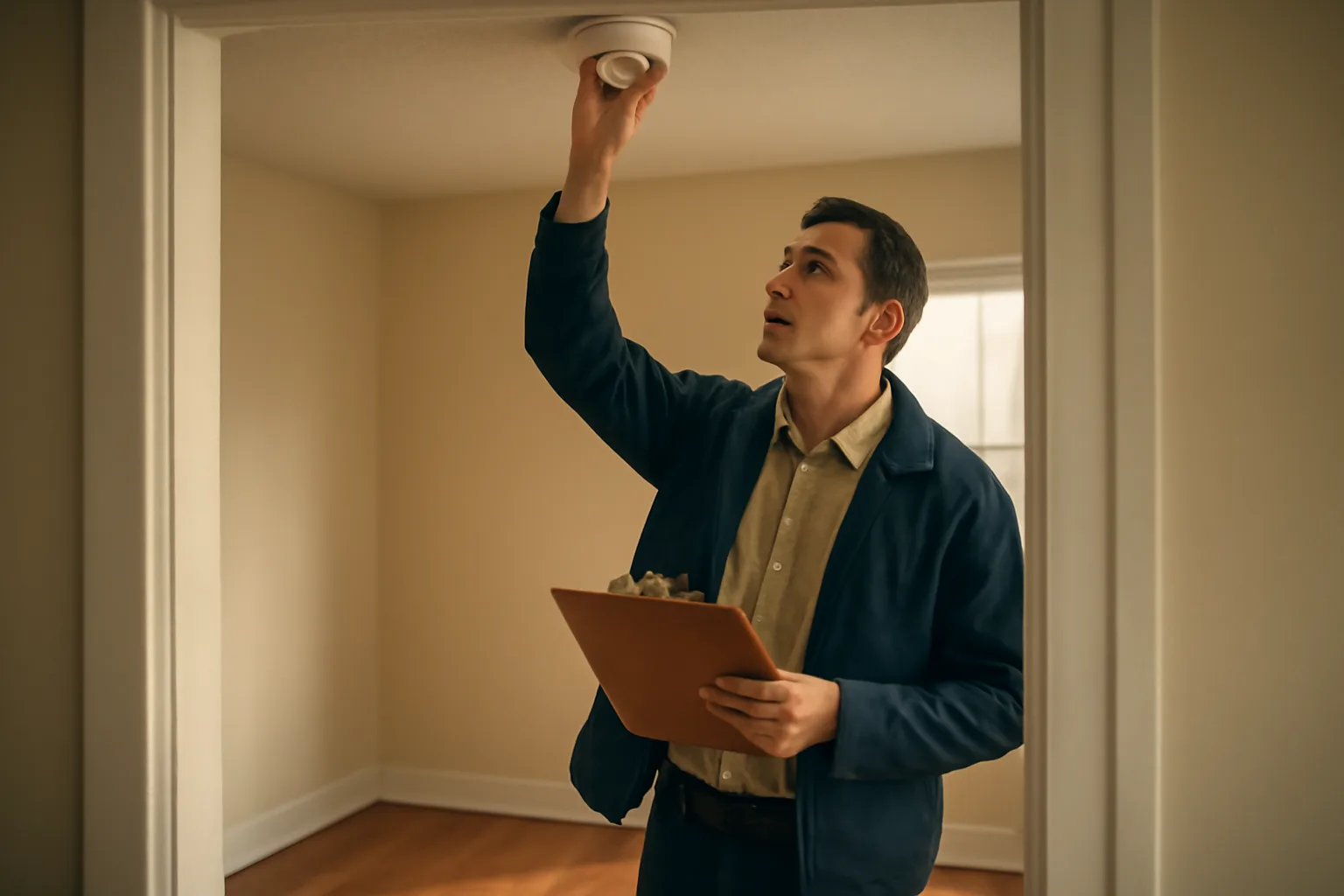
A landlord conducting a routine inspection can generally check for habitability issues, lease violations, and property damage: working smoke detectors, signs of pest infestation, unauthorized pets or occupants, unapproved alterations, hoarding conditions that create fire or health hazards, and general wear versus damage. What a landlord typically can't do is search personal belongings, go through drawers or closets, or use the inspection as a pretext to harass a tenant or retaliate for a complaint. Fair Housing Act protections still apply during inspections; a landlord can't treat units differently based on the tenant's protected class status [3]. Most states also require advance written notice before entering for a routine inspection (commonly 24 to 48 hours, as noted above), except in genuine emergencies like a fire or burst pipe. If you're in a city with mandatory rental licensing, your compliance inspection (done by a city inspector, not you) usually focuses on a narrower list: smoke and CO detectors, egress windows, electrical panel condition, water heater venting, and pest/sanitation issues. That's a separate process from your own routine tenant-relationship inspections.
who is responsible for rental property walk-through inspections in california?
In California, the landlord is responsible for offering an initial move-out inspection before the tenant leaves, if the tenant requests one or the landlord chooses to offer it. Under California Civil Code § 1950.5(f), the landlord must give the tenant reasonable opportunity to remedy any deficiencies identified in that pre-move-out walkthrough before making deposit deductions [7]. The move-in walkthrough is not separately mandated by state statute the same way, but it's standard best practice everywhere and required by some local rent-control ordinances. Document the unit's condition (photos, a signed checklist) at move-in; it's your main defense if you need to make deposit deductions later. For cities within California that also require rental licensing or inspection under local ordinance (some do, for things like habitability compliance or short-term-rental conversions), the responsibility for that separate government inspection sits with the property owner, not the tenant. Confirm with your city rental licensing office whether your municipality runs its own inspection program on top of state deposit-return rules.
why do landlords require renters insurance?
Landlords require renters insurance mainly to shift liability and personal-property risk away from themselves. A landlord's own dwelling policy covers the building structure, not the tenant's belongings, and typically doesn't cover a tenant's liability if, say, the tenant's dog bites a neighbor or the tenant accidentally starts a kitchen fire. Renters insurance (also called an HO-4 policy) usually costs between roughly $15 and $30 a month nationally, though this varies by state, coverage amount, and provider; the Insurance Information Institute has tracked average annual renters premiums in the range of $170 to $200 [8]. That's cheap enough that requiring it in the lease rarely causes pushback, and it meaningfully reduces the landlord's exposure if something goes wrong in the unit. A landlord can require renters insurance as a lease condition in most states, as long as it's disclosed in the lease and applied consistently to all tenants (inconsistent enforcement can look like discrimination). It is not, however, a legal requirement imposed by any state directly on tenants; it's a landlord-imposed lease term.
what a landlord cannot do in ohio
Ohio's landlord-tenant law (Ohio Revised Code Chapter 5321) spells out specific things a landlord cannot do, and Ohio courts take these seriously. A landlord in Ohio cannot: - Shut off utilities, change locks, or remove a tenant's belongings to force them out ("self-help eviction"); Ohio requires a formal court eviction process instead [9]
- Retaliate against a tenant for making a legitimate habitability complaint or joining a tenant union, per ORC § 5321.02 [10]
- Enter the rental unit without reasonable notice, except in an emergency; Ohio courts generally treat 24 hours as reasonable, though the statute itself uses "reasonable" rather than a fixed number [11]
- Discriminate based on race, color, religion, sex, national origin, disability, familial status, military status, or ancestry (state and federal fair housing law combined) [3]
- Keep a security deposit without an itemized, written list of deductions if the deposit exceeds $50 or one month's rent, whichever is greater, per ORC § 5321.16 Ohio Revised Code § 5321.02 states that a landlord may not "increase rent, decrease services, or bring or threaten to bring an action for possession" in retaliation for a tenant's good-faith complaint or organizing activity [10]. If you're landlording in Ohio, self-help eviction is the single most expensive mistake to make; tenants who are illegally locked out can sue for actual damages plus a statutory penalty.
state notice-period comparison at a glance
| California | 24 hours | 30 days (under 1 yr) / 60 days (over 1 yr) [4][5] | |
|---|---|---|---|
| Oregon | 24 hours | 30 days (some cases require 90 days if rent increase involved) [6] | |
| Ohio | "Reasonable" (courts often treat as 24 hrs) | 30 days is standard practice, though statute ties timing to rental period [9] | This isn't a full national list; it's meant to show how much these numbers actually move between states. Never assume your state matches a neighboring one. If you operate rentals in more than one state, keep a simple one-page reference per state; mixing up notice periods is one of the most common (and easily preventable) landlord mistakes. |
Because notice rules genuinely differ by state (there's no federal standard for residential notice periods), here's a quick side-by-side of a few commonly cited examples: | State | Entry notice (non-emergency) | Month-to-month termination notice |
do city rental licensing and inspection rules add another layer on top of state law?
Yes, and this is the part first-time landlords miss most often. State landlord-tenant law covers your relationship with the tenant (notice, deposits, habitability). A separate, local layer, city rental licensing or registration ordinances, covers your relationship with the city government. Cities like Chicago require landlords to register rental units with the city and, depending on building type, pass periodic inspections tied to that registration [1]. Other cities require a rental business license renewed annually, with per-unit fees that commonly range from under $50 to a few hundred dollars depending on the city and unit count; these numbers vary widely, so confirm with your city rental licensing office rather than assuming a flat national rate. Missing a required registration or inspection deadline can trigger fines that stack month over month, separate from anything happening on the state law side. If you've gotten a notice from your city about a missed license renewal or upcoming inspection, that's a city compliance issue, not a tenant dispute, and it needs its own paperwork trail. That's exactly the gap our $79 Rental Packet Builder is built to close: a one-time packet that organizes the registration forms, inspection prep checklist, and documentation most cities expect, so you're not reconstructing everything from scratch the week before an inspector shows up.
what does it cost to actually become a compliant landlord?
Costs stack up in layers, and it helps to see them side by side rather than guessing at one number. - Rental registration or license fee: varies enormously by city, commonly in the tens to low hundreds of dollars per unit annually; confirm with your city rental licensing office
- Lead paint disclosure compliance (pre-1978 buildings): no direct fee, but non-compliance risk under 42 U.S.C. § 4852d includes federal penalties [2]
- Landlord liability/dwelling insurance: typically several hundred to over a thousand dollars a year depending on property value and location
- Security deposit account setup: usually free, though some states require interest-bearing accounts
- Lease document prep and disclosures: free to a few hundred dollars if you hire an attorney to review The honest range for getting a single small rental fully compliant, before any repairs an inspector might flag, usually lands somewhere between $200 and $1,000 in first-year costs beyond the mortgage or purchase price, driven mostly by insurance and any local licensing fee. Repairs to pass a habitability or city inspection are the real wildcard and can run much higher depending on the property's condition.
Frequently asked questions
How do I become a landlord if I only own one rental unit?
The process is the same regardless of portfolio size: confirm zoning allows the rental, register or license the unit if your city requires it, get landlord insurance, use a compliant lease with required disclosures, and screen tenants under fair housing law. Small landlords often skip the licensing step by mistake; check with your city rental licensing office before listing the unit.
What is landlording, in plain terms?
Landlording is the ongoing job of owning and renting out property: collecting rent, keeping the unit safe and habitable, handling repairs, following notice and entry rules, and managing the legal paperwork around the tenancy. It's part small business, part regulated housing provider role, governed by state landlord-tenant statutes.
What is a landlord legally?
A landlord is the owner (or authorized agent) of a rental property who leases it to a tenant in exchange for rent, taking on legal duties like maintaining habitability, following notice rules, and returning security deposits per state law. Most states define this relationship through their landlord-tenant code.
What rights do tenants have without a lease?
A tenant without a written lease still gets a habitable unit, proper notice before rent increases or termination, protection from discrimination and retaliation, and standard security deposit return rules. They're usually treated as month-to-month tenants under state default law, just without lease-specific terms locking in a fixed period.
How much notice does a landlord have to give before entering?
Most states require 24 to 48 hours' written notice for non-emergency entry. California requires 24 hours for most routine entries. Emergencies (fire, flooding, urgent safety hazard) don't require advance notice. Always check your specific state statute, since exact wording and required notice method vary.
How much notice does a landlord have to give to end a month-to-month tenancy?
Commonly 30 days, but it depends on the state and how long the tenant has lived there. California requires 60 days' notice if the tenant has been there a year or more, and 30 days if less. Some states also tie rent-increase notice to a longer period, like Oregon's 90-day rule.
What can a landlord look at during an inspection?
A landlord can check for habitability issues, safety hazards, lease violations, and property damage, things like smoke detectors, pest signs, unauthorized occupants, or unapproved alterations. A landlord generally can't search personal belongings or use an inspection to harass or retaliate against a tenant.
Who is responsible for rental property walk-through inspections in California?
The landlord is responsible for offering the move-out walkthrough inspection under California Civil Code § 1950.5(f), giving the tenant a chance to fix any noted issues before deposit deductions happen. Move-in walkthroughs aren't separately mandated by state statute but are standard best practice for documenting condition.
Why do landlords require renters insurance?
Landlords require it to shift liability and personal-property risk off themselves, since a landlord's own dwelling policy doesn't cover a tenant's belongings or personal liability. Renters insurance is inexpensive (often $170 to $200 a year per the Insurance Information Institute) and meaningfully reduces the landlord's exposure if something goes wrong.
What can't a landlord do in Ohio?
Under Ohio Revised Code Chapter 5321, a landlord can't shut off utilities or change locks to force a tenant out, retaliate against a tenant for a good-faith complaint, enter without reasonable notice, discriminate based on protected class, or withhold a security deposit without an itemized written list of deductions.
Is a verbal lease legally binding?
In most states, yes, verbal leases are legally recognized, though they're hard to enforce beyond basic terms like rent amount and payment date. If a dispute arises, courts generally fall back on the state's default landlord-tenant statute rather than trying to interpret disputed verbal promises.
Do all cities require a rental license or registration?
No. Rental licensing and registration requirements are set at the city or county level, not universally by state, so requirements vary enormously. Cities like Chicago have mandatory registration and inspection programs; many smaller towns have none. Always confirm directly with your specific city rental licensing office.
Sources
- 42 U.S.C. § 4852d, Lead-Based Paint Disclosure: Federal law requires lead paint disclosure for pre-1978 rental housing
- U.S. Dept. of Housing and Urban Development, Fair Housing Act protections: Fair Housing Act bars discrimination based on race, color, national origin, religion, sex, familial status, and disability
- California Civil Code § 1946.1: California requires 60 days' notice to end tenancy over 1 year, 30 days for less
- California Civil Code § 1954: California requires 24 hours' written notice before non-emergency landlord entry
- Oregon Revised Statutes § 90.427: Oregon requires 90 days' notice for most rent increases on month-to-month tenancies
- California Civil Code § 1950.5(f): California landlords must offer a pre-move-out inspection and chance to remedy deficiencies before deposit deductions
- Insurance Information Institute, Facts + Statistics: Renters insurance: Average annual renters insurance premiums generally fall between roughly $170 and $200
- Ohio Revised Code § 5321.03, Self-help eviction prohibited: Ohio prohibits landlords from using self-help (utility shutoff, lockout) instead of formal eviction
- Ohio Revised Code § 5321.02, Retaliation prohibited: Ohio law bars landlords from retaliating against tenants for good-faith complaints or organizing
- Ohio Revised Code § 5321.04, Landlord obligations including entry: Ohio requires reasonable notice before landlord entry except in emergencies
- Ohio Revised Code § 5321.16, Security deposits: Ohio requires an itemized written list of deductions when withholding a security deposit above $50 or one month's rent