Last updated 2026-07-25
TL;DR
Landlording means owning and managing rental property: collecting rent, maintaining the unit, following notice rules, and handling inspections. Tenants without a lease still have rights under state law (usually treated as month-to-month). Landlords generally must give 24 to 48 hours notice before entering, and inspections can cover safety, damage, and code compliance but not personal belongings unrelated to the property.
what is landlording and what is a landlord, exactly?
A landlord is a person or entity that owns residential or commercial property and rents it to someone else (a tenant) in exchange for payment. Landlording is the ongoing work of that role: setting rent, screening tenants, maintaining the property, handling repairs, following state and local law, and managing the relationship until the tenant moves out or the lease ends. It's more than collecting a check. Every state imposes a legal duty on landlords to keep rental units livable. This is usually called the "implied warranty of habitability," and it means things like working plumbing, heat, and structural safety aren't optional extras, they're baked into the deal whether the lease mentions them or not [1]. Some people land in landlording by accident (they inherited a house, or moved and kept their old place as a rental). Others build it deliberately as a side income or full business. Either way, the legal obligations are the same size regardless of how many units you own. A landlord with one duplex answers to the same habitability and notice statutes as one with fifty units, though licensing rules in mandatory-registration cities often scale with unit count. If you're new to this and want a plain description for your own reference: a landlord is the legal owner (or their authorized agent) responsible for a rental unit's condition, for following fair housing law in tenant selection, and for handling the property in line with state landlord-tenant statutes and any local rental licensing ordinance.
how to become a landlord (the real steps, not the fantasy version)
Becoming a landlord takes more than buying a property and putting up a listing. Here's the realistic sequence. First, check zoning and any local rental licensing requirement before you list a unit. A growing number of cities require landlords to register or license a rental before the first tenant moves in, sometimes with an inspection attached. Skipping this step is the single most common way new landlords end up with a fine notice in year one. Second, get the property genuinely rent-ready: working smoke and carbon monoxide detectors, functioning locks, no obvious code violations. Many cities require these items checked as part of licensing anyway, so doing it upfront saves a second trip. Third, set up landlord insurance (different from a standard homeowner's policy) and decide how you'll handle rent collection, maintenance requests, and record-keeping. Fourth, write or buy a compliant lease for your state, since lease requirements vary widely (security deposit caps, required disclosures, notice periods). Fifth, screen tenants consistently and legally. The Fair Housing Act prohibits discrimination based on race, color, national origin, religion, sex, familial status, or disability in tenant selection, and many states and cities add categories like source of income or sexual orientation [2]. Apply the same screening criteria to every applicant and document it. Sixth, register with your city's rental licensing office if one exists, pay the fee, and schedule any required inspection. If you're managing this process for the first time, a checklist built around your specific city's requirements (fees, forms, inspection prep) saves a lot of guessing; that's the whole idea behind our $79 City Rental License & Inspection Prep Packet, which walks through what your city's office actually asks for.
who is responsible for a rental property walk-through inspection in California?
In California, the landlord is generally responsible for conducting or arranging the walk-through inspection, but state law gives the tenant a specific right tied to move-out. Under California Civil Code Section 1950.5(f), a landlord who intends to withhold any part of a security deposit for repairs or cleaning must, if the tenant requests it, do an initial inspection before the tenant moves out and give the tenant a reasonable opportunity to fix identified problems themselves [3]. The statute requires the landlord to give at least 48 hours written notice of the date and time of that initial inspection, unless the tenant waives the notice in writing. After the inspection, the landlord must give the tenant an itemized statement of anything they intend to deduct, so the tenant has time to clean or repair it before the final move-out inspection [3]. So the mechanics look like this: the tenant requests it (or the landlord offers it), the landlord schedules it with 48 hours notice, both parties (or the tenant's representative) can attend, and the landlord documents the condition. This is separate from routine mid-tenancy inspections, which fall under California's general entry-notice rule of 24 hours for non-emergency entry under Civil Code Section 1954 [4]. Many California cities layered their own rental inspection programs on top of this (particularly for older housing stock or as part of a rental registry). Those inspections are usually done by a city inspector, not the landlord, and check for code violations rather than tenant belongings. Confirm with your city rental licensing office whether a program-level inspection applies to your unit.
what rights do tenants have without a lease?
Tenants without a written lease still have real legal rights. In nearly every state, a tenant who pays rent regularly without a signed lease is treated as a month-to-month tenant, and standard landlord-tenant law still applies: habitability requirements, notice-before-entry rules, and required notice before ending the tenancy [5]. What changes without a lease is mostly the terms that a lease would otherwise lock in, like a fixed rent amount for a set period, specific move-out date, or negotiated rules about pets or subletting. Without those written terms, state default rules fill the gap, and either party can generally end a month-to-month tenancy by giving proper notice (commonly 30 days, though some states and some tenancy lengths require more, such as 60 days for tenancies over a year in California under Civil Code Section 1946.1) [6]. A tenant without a lease cannot be evicted without proper legal process, no matter what the landlord assumes their rights are. "Self-help" evictions, meaning changing the locks, shutting off utilities, or removing belongings without a court order, are illegal in every state, lease or no lease. Habitability protections don't disappear without paper either. If the heat breaks in January, the landlord still has to fix it, lease or no lease, because that duty comes from state law, not the lease document [1]. Tenants also keep protection against retaliation and discrimination regardless of lease status.
why do landlords require renters insurance?
Landlords require renters insurance mainly to cover the tenant's personal belongings and personal liability, things the landlord's own property insurance doesn't touch. A landlord's policy covers the building and the landlord's liability as owner; it does not cover a tenant's furniture, electronics, or clothing if there's a fire, burst pipe, or theft [7]. The bigger driver for many landlords is liability. If a tenant's negligence causes damage (a candle fire, an overflowing bathtub that damages a unit below), renters insurance liability coverage can pay for that damage instead of the claim falling entirely on the landlord's policy or out of the landlord's pocket. It also typically covers a tenant's legal defense costs if someone gets hurt in the unit and sues. Requiring it is legal in most states as a lease condition, though a landlord can't unilaterally add the requirement mid-lease without proper notice and, in some states, tenant consent to modify the lease. Typical renters insurance policies are inexpensive, commonly in the range of $15 to $30 a month depending on coverage and location, which is a big part of why landlords lean on requiring it rather than self-insuring for tenant losses. For the landlord, requiring proof of renters insurance at move-in and at each renewal is a low-cost, low-friction way to shift some risk off their own policy. It's one of the easier lease clauses to justify to a new tenant, since it protects the tenant's own stuff too.
how much notice does a landlord have to give before entering or ending a tenancy?
| Routine entry (non-emergency) | 24 to 48 hours | California: 24 hours (Civil Code § 1954) [4] |
|---|---|---|
| Repairs entry | 12 to 24 hours | Florida: 12 hours (Fla. Stat. § 83.53) [8] |
| End month-to-month (under 1 year) | 30 days | California: 30 days (Civil Code § 1946.1) [6] |
| End month-to-month (1+ years) | 60 days | California: 60 days (Civil Code § 1946.1) [6] |
| Emergency entry | None required | All states |
This splits into two very different questions: notice to enter the unit, and notice to end the tenancy. States vary a lot on both. For entry notice, California requires 24 hours for non-emergency entry under Civil Code Section 1954, and many other states set a similar 24 to 48 hour standard, though some states have no statutory minimum at all and simply require "reasonable" notice [4]. Florida, for example, requires landlords to give at least 12 hours notice before entering to make repairs [8]. Always confirm your specific state's statute, since "reasonable notice" without a defined number is common and gets interpreted differently. For ending a month-to-month tenancy, 30 days is the most common default notice period nationwide, but it's not universal. California requires 60 days notice from the landlord if the tenant has lived there a year or more, and only 30 days if under a year [6]. Some cities with rent control or just-cause eviction ordinances require even longer notice or a stated legal reason for non-renewal, on top of the state minimum. Emergency entry (fire, flood, gas leak) is the one exception where no advance notice is required in any state, because the safety issue overrides the normal notice rule. | Notice type | Common range | Example |
what can a landlord look at during an inspection?
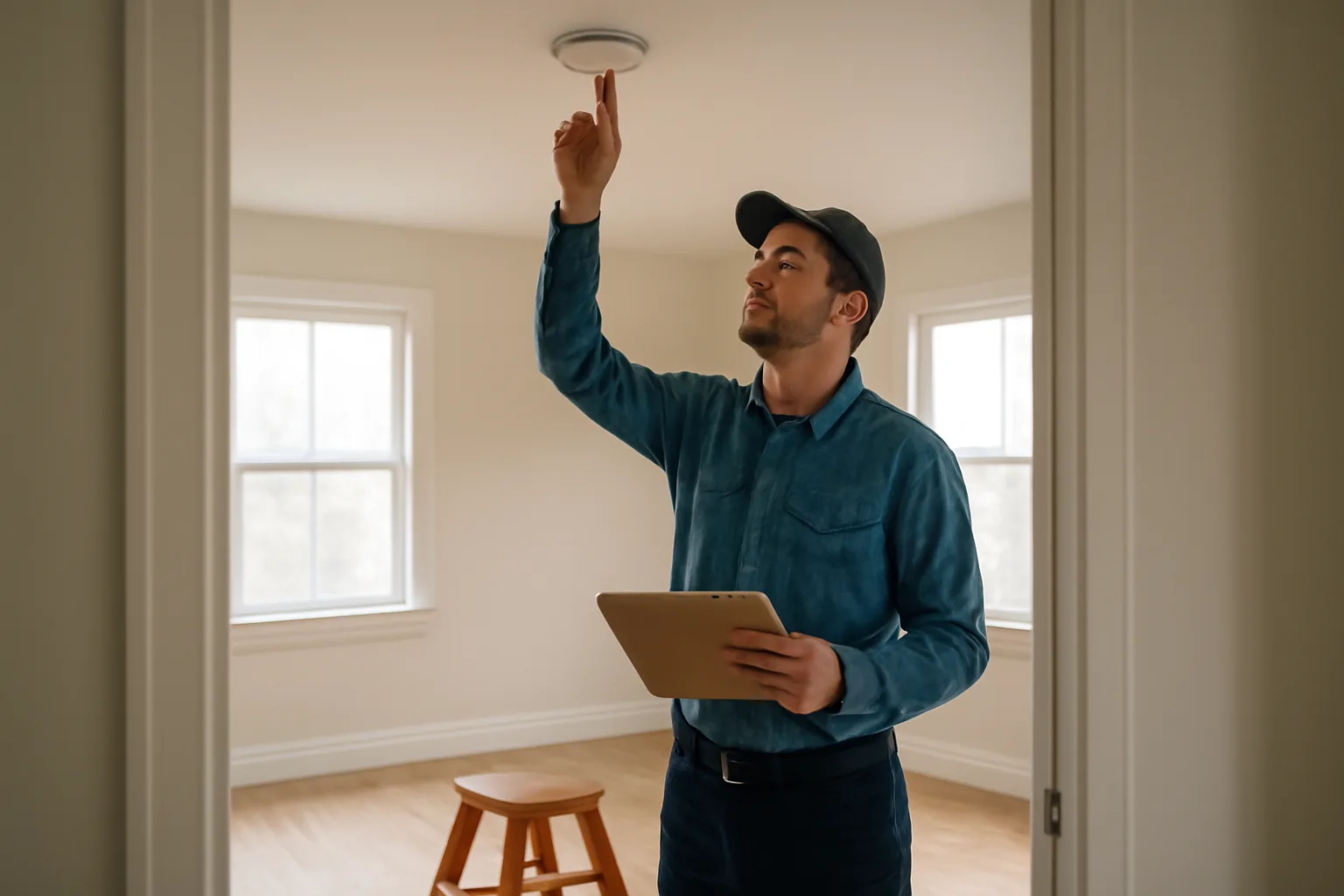
A landlord doing a routine or move-out inspection can generally look at anything related to the unit's condition: walls, floors, plumbing, appliances, windows, locks, smoke detectors, HVAC, evidence of pests, and damage beyond normal wear and tear. The purpose has to be legitimate, meaning maintenance, safety, showing the unit to prospective tenants or buyers, or a legally required inspection, more than wandering through to check on the tenant. What a landlord can't do is search through closed drawers, closets, or personal belongings unrelated to a maintenance issue, or use the inspection as a pretext to look through the tenant's personal items. If the inspection is prompted by a repair request (say, a leaking faucet), the landlord's access is reasonably limited to what's needed to assess and fix that issue, not a general walkthrough of every room. City-mandated rental inspections (common in mandatory rental-licensing municipalities) usually check code compliance items: smoke and CO detector placement, egress windows in bedrooms, electrical panel condition, water heater strapping or venting, visible mold or moisture, handrail and stair safety, and exterior conditions like peeling paint or unsafe decks. These inspectors are checking the building against a code checklist, not evaluating the tenant's housekeeping or belongings. Tenants generally have the right to be present for both routine and city inspections, and the landlord (or the inspector) has to have given proper notice beforehand unless it's a true emergency. If you're prepping for a city license inspection specifically, most municipal checklists are public documents; pulling your city's checklist ahead of time and fixing obvious items (detector batteries, exposed wiring, missing handrails) before the inspector arrives is the highest-value hour you can spend, which is exactly the gap our $79 City Rental License & Inspection Prep Packet tries to close for cities without an easy public checklist.
what can't a landlord do in Ohio?
Ohio landlord-tenant law, mainly Ohio Revised Code Chapter 5321, spells out several things a landlord cannot do. A landlord cannot enter the rental unit without giving "reasonable notice" and without entering at a reasonable time, except in an emergency; Ohio courts and the statute generally treat 24 hours as reasonable notice, though the code itself uses the word "reasonable" rather than a fixed number [9]. A landlord cannot shut off utilities, change the locks, or remove a tenant's belongings to force them out, commonly called a "self-help" eviction; Ohio requires landlords to go through the court eviction (forcible entry and detainer) process, and doing otherwise can expose the landlord to damages [9]. A landlord cannot retaliate against a tenant for exercising a legal right, such as reporting a code violation to a health or building department, joining or organizing a tenants' union, or asserting rights under the landlord-tenant statute; Ohio Revised Code Section 5321.02 specifically prohibits retaliatory conduct like raising rent, decreasing services, or threatening eviction because a tenant exercised these rights [10]. A landlord also cannot ignore the statutory duty to maintain the unit: Ohio Revised Code Section 5321.04 requires landlords to keep the premises in a fit and habitable condition, comply with building and housing codes, keep common areas safe, and maintain all electrical, plumbing, and heating systems supplied by the landlord [9]. Failing to make repairs after proper notice from the tenant can give the tenant legal remedies, including in some cases the right to make the repair and deduct the cost from rent, deposit rent with the court, or terminate the lease, depending on the specifics and dollar limits in the statute.
how do rental licensing and inspection rules interact with all of this?
Everything above (habitability duties, notice rules, tenant rights) applies regardless of whether your city runs a rental licensing program. Licensing and inspection ordinances are a separate, additional layer that some (not all) cities impose on top of state landlord-tenant law. A mandatory rental licensing city typically requires the landlord to register the property, pay an annual or biennial fee, and pass a periodic inspection covering safety and code items before renting or renewing. These programs exist at the city level, so requirements, fees, and inspection frequency vary enormously; there's no federal or even consistent state standard. Some cities inspect every unit every one to three years; others inspect only on tenant complaint or change of occupancy. Always confirm the specifics with your city rental licensing office rather than assuming your last city's rules carry over. The overlap matters practically: a city inspector checking your unit for a rental license is not the same visit as your own routine maintenance walkthrough, and it doesn't replace the entry-notice rules under state law. You (the landlord) still generally have to give your tenant advance notice before a scheduled city inspection happens inside their unit, on top of whatever notice the city itself requires you to post or send. If you own in a city that just added or expanded a licensing requirement, treat the enrollment deadline and the inspection date as two separate action items with two separate paper trails: proof of registration/payment, and proof of passed (or scheduled) inspection. Missing either one is what generates the fine notices that send most landlords looking for compliance help in the first place.
what should a first-time landlord do before their first tenant move-in?
Walk the unit like an inspector would, not like an owner who already knows where the creaky step is. Test every smoke and CO detector, check GFCI outlets in kitchens and bathrooms, confirm every window in a bedroom opens as an emergency exit, and photograph the unit's condition room by room before handing over keys. Confirm whether your city requires rental registration or a license before occupancy; a surprising number of first-time landlords learn about this only after a neighbor complaint or a routine city sweep turns into a violation notice with a fine attached. Fines for operating without a required rental license vary by city, sometimes running into hundreds of dollars per violation plus daily accrual, so it's cheaper to register upfront than to fight a notice later. Have your lease, security deposit receipt process, and renters insurance requirement locked in writing before move-in day, not verbally promised. And keep a simple file (physical or digital) with the lease, move-in inspection photos, proof of any required city registration, and your entry-notice template, so you're not reconstructing your paper trail under deadline pressure if a dispute or inspection comes up later. For readers researching the tenant side of any of this, our related guides on tenant rights and tenants rights cover the mirror-image obligations landlords need to respect, and our landlord and landlord landlords guides go deeper on day-to-day management basics beyond licensing.
Frequently asked questions
What is landlording in simple terms?
Landlording is the job of owning and managing a rental property: collecting rent, maintaining the unit so it's legally habitable, handling repairs, following state notice rules, and complying with any local rental licensing or inspection requirement. It applies the same way whether you own one unit or dozens.
What is a landlord legally?
A landlord is the property owner (or their authorized agent, like a property manager) who rents residential or commercial space to a tenant under a lease or rental agreement, and who takes on the legal duties that come with that, including habitability and fair housing compliance.
How do I become a landlord for the first time?
Check zoning and local rental licensing rules first, get the unit safety-compliant (detectors, locks, no code issues), set up landlord insurance, use a lease compliant with your state, screen tenants consistently under fair housing law, and register with your city's rental licensing office if one exists before your first tenant moves in.
Who is responsible for a rental walk-through inspection in California?
The landlord is responsible for scheduling and conducting the pre-move-out inspection if the tenant requests one, giving at least 48 hours written notice under California Civil Code Section 1950.5(f). Separate city inspection programs, where they exist, are usually run by a city inspector rather than the landlord.
Do tenants have rights if they never signed a lease?
Yes. A tenant paying rent without a written lease is generally treated as a month-to-month tenant under state law, keeping habitability protections, entry-notice rights, and protection from illegal lockouts or utility shutoffs. What's missing is only the fixed terms a written lease would otherwise specify.
Why do landlords require renters insurance?
Renters insurance covers a tenant's personal belongings and liability, which a landlord's own building policy does not cover. It also shifts risk off the landlord if a tenant's negligence causes damage, like a kitchen fire or water leak that affects other units.
How much notice does a landlord have to give before entering a unit?
Most states require 24 to 48 hours notice for non-emergency entry. California requires 24 hours under Civil Code Section 1954, and Florida requires at least 12 hours for repair entry under Florida Statute Section 83.53. Emergencies don't require advance notice in any state.
How much notice does a landlord have to give to end a tenancy?
30 days is the most common default for month-to-month tenancies. California requires 60 days if the tenant has lived there a year or more, under Civil Code Section 1946.1. Cities with just-cause eviction ordinances sometimes require longer notice or a stated legal reason on top of the state minimum.
What can a landlord look at during an inspection?
A landlord can inspect anything tied to the unit's condition and safety: appliances, plumbing, smoke and CO detectors, structural issues, and evidence of damage or pests. A landlord cannot search closed personal belongings unrelated to maintenance or use an inspection as a pretext to go through a tenant's things.
What can't a landlord do in Ohio?
Under Ohio Revised Code Chapter 5321, a landlord cannot enter without reasonable notice except in an emergency, cannot force a tenant out through lockouts or utility shutoffs instead of court eviction, cannot retaliate against a tenant for reporting code violations, and cannot ignore the statutory duty to keep the unit habitable.
Does a landlord need a rental license in every city?
No. Rental licensing and registration requirements are set city by city, not federally or in most cases statewide, so requirements vary enormously. Some cities require annual registration and inspection; many have no program at all. Confirm with your specific city's rental licensing office.
What happens if a landlord skips a required rental inspection?
Consequences vary by city, but commonly include fines, a hold on renting the unit legally, or an escalating violation notice with daily accrual until the inspection is completed and any issues fixed. Confirm your city's specific penalty schedule with its rental licensing or code enforcement office.
Can a landlord require proof of renters insurance as a lease condition?
In most states, yes, a landlord can require renters insurance as a lease condition, as long as it's disclosed in the lease or added through a proper lease amendment with tenant notice, not imposed unilaterally mid-lease without following state rules on modifying an existing agreement.
Sources
- Legal Information Institute (Cornell Law School), Implied Warranty of Habitability: Landlords have a legal duty to maintain habitable rental units regardless of lease terms
- U.S. Department of Housing and Urban Development, Fair Housing Act Overview: Federal Fair Housing Act prohibited classes for tenant screening
- California Legislative Information, Civil Code Section 1950.5: California requires 48 hours notice for a pre-move-out security deposit inspection if requested by the tenant
- California Legislative Information, Civil Code Section 1954: California requires 24 hours notice for routine landlord entry
- Legal Information Institute (Cornell Law School), Landlord-Tenant Law: Tenants without a written lease are generally treated as month-to-month tenants under state law
- California Legislative Information, Civil Code Section 1946.1: California requires 60 days notice to end a tenancy of one year or more, and 30 days for shorter tenancies
- Insurance Information Institute, Renters Insurance: Renters insurance covers tenant belongings and liability, which a landlord's own property policy does not cover
- Online Sunshine (Florida Legislature), Florida Statute Section 83.53: Florida requires at least 12 hours notice before a landlord enters to make repairs
- Ohio Laws and Rules, Ohio Revised Code Section 5321.04: Ohio landlords must maintain the unit in a fit and habitable condition and comply with entry notice rules
- Ohio Laws and Rules, Ohio Revised Code Section 5321.02: Ohio prohibits landlords from retaliating against tenants who exercise legal rights