Last updated 2026-07-26
TL;DR
Landlording means owning rental property and handling leasing, maintenance, rent collection, and legal compliance for tenants. It's a business, not a hobby, even with one unit. Landlords must give proper notice before entry, follow state inspection rules, and can't retaliate or discriminate. Tenants without a lease still have rights under state law.
what is landlording, exactly?
Landlording is the day-to-day work of owning and operating a rental property: finding tenants, signing leases, collecting rent, handling repairs, and staying compliant with local and state law. It sounds simple until you're doing it. The paperwork side (leases, notices, inspection records) is often the part new landlords underestimate most. If you own a single rental house or a duplex, you're a landlord under the law the same as someone running 200 units. The scale is different, but the legal obligations, rent collection, habitability, notice periods, aren't scaled down just because you only have one tenant. Many first-time landlords learn this the hard way when a city rental registration notice shows up, or a tenant asks a question they can't answer. Most states define the landlord-tenant relationship through a version of the Uniform Residential Landlord and Tenant Act or their own state code. Ohio's version, for example, sets out landlord duties in Ohio Revised Code 5321.04, including keeping the property in a safe and habitable condition [1]. Every state has some version of this baseline, though the specific duties and remedies differ.
what is a landlord, legally speaking?
A landlord is the party who owns or controls a rental property and grants a tenant the right to occupy it in exchange for rent, usually under a lease or rental agreement. Legally, this makes you responsible for habitability, repairs, and following state and local landlord-tenant statutes, whether you rent out one room or fifty units. The legal definition doesn't care whether you think of yourself as a "landlord" or just someone who happens to rent out a spare property. Once money changes hands for occupancy, state landlord-tenant law usually applies. That includes implied warranty of habitability in most states, meaning the unit has to be fit to live in even if the lease doesn't say so explicitly. In cities with mandatory rental licensing, being a landlord also means registering the property, sometimes passing an inspection, and renewing a license on a schedule set by the city. Skipping that step doesn't make you not a landlord. It usually just means fines once the city's code enforcement catches up with you.
how to become a landlord (the real steps, more than "buy a house")
Becoming a landlord takes more than buying a property and putting up a listing. The realistic sequence looks like this: confirm the property is zoned and legally allowed to be rented, check whether your city requires a rental license or registration, get a lease that matches your state's law, screen tenants consistently, and set up a system for rent collection, maintenance requests, and record-keeping. Step one is almost always a local compliance check. A growing number of cities require landlords to register or license rental units before they can legally lease them out, sometimes with an inspection attached. This varies enormously: some cities require nothing beyond a business license, others require an inspection every one to three years plus a per-unit fee. There's no national rule here, so confirm with your city rental licensing office before you sign a lease. Step two is money and insurance. Landlords generally carry a landlord (dwelling) insurance policy, not a standard homeowners policy, because homeowners policies typically exclude rental activity. Step three is the lease itself, which should match your state's required disclosures (lead paint disclosure is federally required for pre-1978 housing under 42 U.S.C. 4852d [2]). Step four is ongoing: rent collection, maintenance response times, and handling move-outs and security deposits correctly. A lot of new landlords treat the first year like a warm-up and figure they'll tighten things up later. That's backwards. The lease terms, security deposit handling, and inspection compliance you set up in month one are what protect you if a tenant dispute or a city violation notice shows up in month eight.
how to be a landlord day to day (more than at move-in)
Being a landlord day to day means responding to repair requests promptly, keeping the property compliant with local code, tracking lease renewals and rent increases, and documenting everything. The habits that separate landlords who avoid disputes from landlords who end up in small claims court are almost always about documentation, not luck. Respond to repair requests in writing, even if you also call. Keep a simple log of dates: when a tenant reported an issue, when you responded, when it was fixed. If your state or city has a required response window for habitability issues (many set a range around 14 to 30 days for major issues, verified by state statute), track it against your log. Renew or reassess the lease before it lapses into month-to-month by default. In states without automatic renewal rules, a lease that isn't renewed often converts to a periodic tenancy, which changes your notice requirements for ending it. Stay ahead of city licensing deadlines. If your city runs a rental registration or inspection program, missed renewal dates are one of the most common (and most avoidable) sources of landlord fines. This is exactly the kind of paperwork gap that a rental packet builder is built to catch before a city notice does, but even a simple spreadsheet with renewal dates works if you actually check it.
who is responsible for the rental property walk-through inspection in california?
In California, the landlord is responsible for arranging the move-in and move-out walk-through inspections, but California law also gives the tenant the right to request an initial move-out inspection before the final one. Under California Civil Code Section 1950.5(f), a landlord must, upon the tenant's request, give the tenant an opportunity for an initial inspection before the actual move-out, and provide an itemized statement of proposed repairs or deductions [3]. The law states landlords must give the tenant "reasonable notice of no less than 48 hours" before the initial inspection, and the tenant has the right to be present [3]. This initial inspection happens roughly two weeks before the tenant moves out. It's meant to let the tenant fix minor issues themselves rather than losing that money from the deposit later. The landlord still does the final walk-through after the tenant has fully moved out, since that's when actual damage or cleaning issues are documented for the security deposit itemization. California also requires the itemized security deposit statement, with receipts for repairs over a certain threshold, sent within 21 days of the tenant moving out [3]. This is a California-specific process; other states have different or no formal pre-move-out inspection requirement, so don't assume it applies elsewhere.
what can a landlord look at during an inspection?
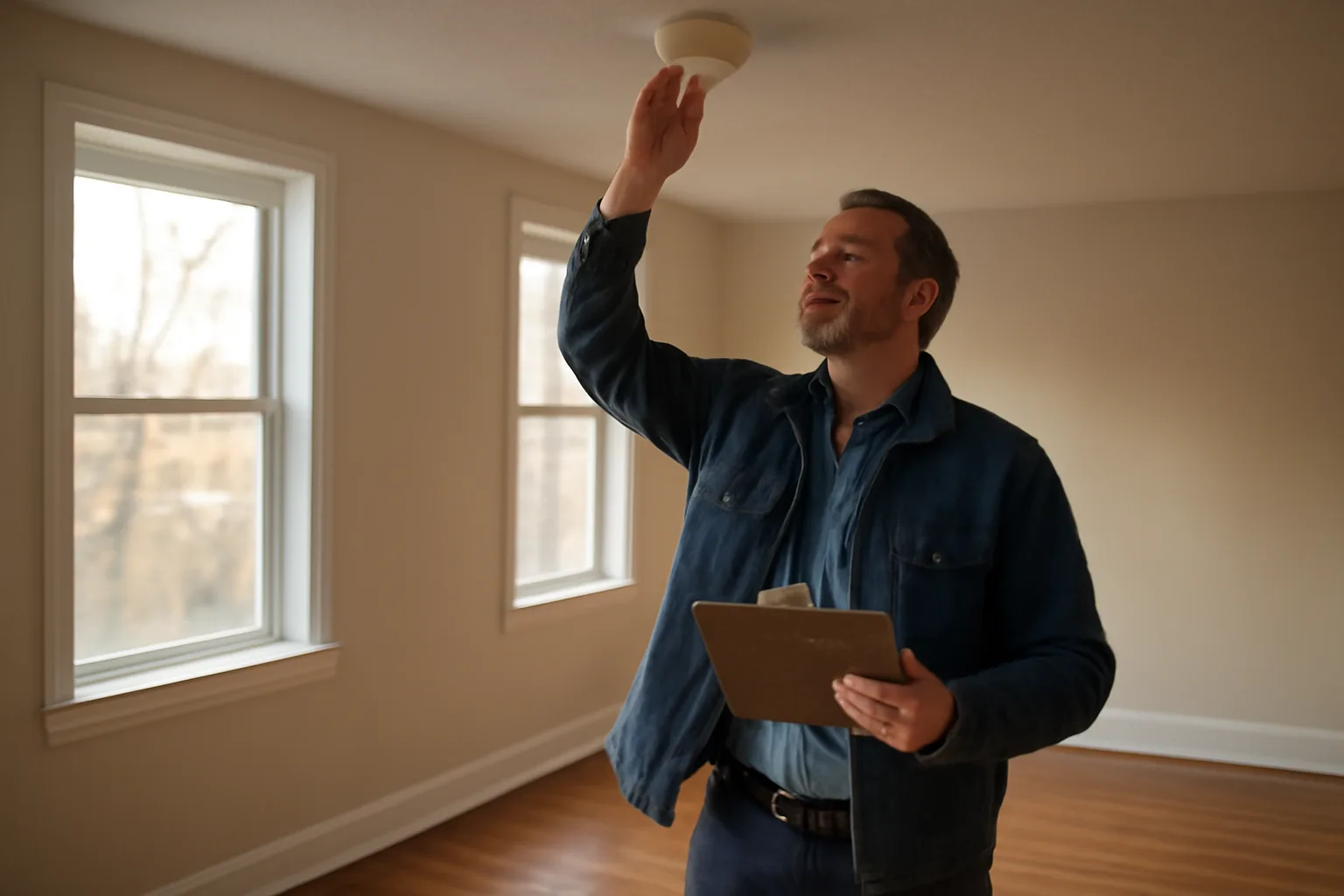
A landlord can generally inspect the physical condition of the unit: smoke detectors, plumbing, electrical systems, signs of pest infestation, structural issues, HVAC function, and whether the tenant is complying with lease terms like unauthorized occupants or unauthorized pets. A landlord generally cannot search through a tenant's personal belongings, closets, drawers, or private files as part of a routine habitability or lease-compliance inspection. The scope of a lawful inspection is usually tied to its purpose. If a city rental inspection program is checking for code compliance (working smoke and CO detectors, secure railings, no exposed wiring, functioning heat), the inspector and landlord are there to check systems and safety items, not personal property. If it's a landlord-initiated inspection to check lease compliance, the same logic applies: you're checking things visible in normal rooms, not opening drawers or personal containers. Most states require landlords to give notice before non-emergency entry, and the reasons the landlord can enter are typically listed by statute: repairs, showing the unit to prospective tenants or buyers, inspections, and emergencies. Entering for reasons outside that list, or entering without notice when notice is required, can expose a landlord to a claim for violation of quiet enjoyment or unlawful entry, depending on the state.
how much notice does a landlord have to give before entering or ending a tenancy?
Notice requirements split into two very different categories: notice to enter the unit, and notice to end or change a tenancy. They're often confused, but the rules and the numbers are different. For entry, many states set a specific notice window. California requires "reasonable notice," which the same Civil Code section presumes to be 24 hours in writing for non-emergency entry [3]. Other states use 24 or 48 hours as their default; some states don't set a specific statutory number at all and just require "reasonable" notice, which is vaguer and more dependent on local case law. For ending or changing a month-to-month tenancy, notice periods commonly run 30 days, though some states require 60 days for certain rent increases or terminations, particularly for tenants who've lived in the unit a year or more. California, for instance, generally requires 60 days' notice to terminate a month-to-month tenancy that has lasted a year or longer, and 30 days for shorter tenancies, under California Civil Code Section 1946.1 [4]. The honest answer for any specific city or state is: it depends, and the number changes based on tenancy length, reason for termination, and whether it's a rent increase versus a full termination. Always confirm the current statute number for your state before sending a notice; using the wrong notice period can invalidate an eviction filing entirely.
why do landlords require renters insurance?
Landlords require renters insurance mainly to shift liability for the tenant's personal property loss and personal liability claims (like a guest injury) away from the landlord's own policy. A landlord's dwelling insurance covers the building; it generally does not cover a tenant's furniture, electronics, or clothing if there's a fire, burst pipe, or theft. Without renters insurance, a tenant who loses possessions in a covered event (say, a kitchen fire that wasn't the landlord's fault) has no coverage, and some tenants in that position try to argue the landlord should pay for their losses anyway, even when the landlord's policy doesn't cover tenant belongings. Requiring renters insurance closes that gap before it becomes a dispute. Renters insurance also typically includes personal liability coverage, which matters if a tenant's guest is injured in the unit or the tenant accidentally causes damage (a bathtub overflow that damages the unit below, for example). That liability coverage can prevent the landlord's own liability insurer from being the only line of defense in a claim. Many landlords now write a renters insurance requirement directly into the lease, sometimes requiring proof of a policy with a minimum liability limit (commonly $100,000, though this isn't set by any single law and varies by landlord preference) before move-in and at each renewal.
what rights do tenants have without a lease?
A tenant without a written lease is not without rights. In most states, an oral or implied rental agreement still creates a legally recognized tenancy, usually treated as a month-to-month periodic tenancy, and the tenant keeps the state's baseline protections: the right to habitable housing, the right to proper notice before eviction, and protection from illegal lockouts or utility shutoffs. Without a written lease, the terms of the tenancy (rent amount, due date, who pays which utilities) get determined by whatever was actually agreed to, which can turn into a "he said, she said" problem if the landlord and tenant remember it differently. That's exactly why oral leases are risky for both sides, more than tenants. What doesn't change without a lease: the tenant still can't be evicted without proper legal notice and, in nearly every state, a court process. Self-help evictions (changing locks, shutting off power, removing belongings without a court order) are illegal in the overwhelming majority of states regardless of whether there's a written lease. The specific notice period for ending a no-lease, month-to-month tenancy is set by the same state statutes that govern notice for written leases; it's not a lesser standard just because nothing was signed.
what a landlord cannot do in ohio
Ohio landlords cannot shut off utilities, change the locks, or remove a tenant's belongings to force them out, even if rent is unpaid; Ohio law requires a formal eviction (forcible entry and detainer) action through the courts. Ohio Revised Code 5321.15 specifically prohibits a landlord from using self-help methods like lockouts or utility shutoffs to remove a tenant [5]. Ohio landlords also cannot retaliate against a tenant for exercising a legal right, like reporting a code violation or joining a tenant organization. Ohio Revised Code 5321.02 protects tenants from retaliatory eviction, rent increases, or reduced services in response to a tenant's good-faith complaint about habitability or code violations [6]. Under Ohio Revised Code 5321.04, landlords have affirmative duties: keeping the premises in a fit and habitable condition, maintaining common areas, keeping electrical, plumbing, and heating systems in good working order, and complying with local building and housing codes [1]. A landlord who ignores these duties can face a tenant claim for damages or, in some cases, a rent escrow arrangement where the tenant pays rent to the court instead of the landlord until repairs are made. Ohio also restricts security deposit handling: under Ohio Revised Code 5321.16, a landlord must return the deposit (minus any lawful deductions with an itemized list) within 30 days of the tenant vacating, or the tenant may be entitled to double the amount wrongfully withheld plus reasonable attorney's fees [7].
how license and inspection duties fit into landlording overall
For a lot of new landlords, the biggest surprise isn't the lease or the tenant, it's the city. A growing number of municipalities require rental property owners to register with a city rental licensing office, pay a per-unit or per-property fee, and sometimes pass a habitability or safety inspection before renting is legally allowed. This sits on top of, not instead of, the state landlord-tenant law duties covered above. These local programs vary block by block, honestly. Some cities only require an annual registration fee and a mailing address on file. Others send an inspector to check smoke detectors, egress windows, electrical panels, and stair railings on a set renewal cycle, often every one, two, or three years depending on the city's ordinance. Fees, deadlines, and inspection checklists are set locally, so there's no single national number to quote here. Always confirm with your city rental licensing office directly. Getting behind on a rental license renewal or missing an inspection window is one of the most common (and most preventable) ways landlords rack up fines that have nothing to do with how they treat tenants. If you're juggling one or two cities' renewal cycles, a simple checklist works fine. If you're managing units across multiple jurisdictions each with its own paperwork, that's where a packaged prep resource like the $79 City Rental License & Inspection Prep Packet can save the phone tag with city hall, since it's built specifically to walk you through what a given city's licensing office typically asks for before an inspection.
Frequently asked questions
How do I become a landlord for the first time?
Start by confirming the property can legally be rented in your zoning, check whether your city requires rental registration or licensing, get landlord/dwelling insurance, and use a lease that matches your state's landlord-tenant law. Then set up systems for rent collection, maintenance requests, and record-keeping before you sign your first tenant.
What is the legal difference between a landlord and a property manager?
A landlord owns or controls the rental property and holds the legal obligations under the lease and state law. A property manager is typically hired by the landlord to handle day-to-day operations (rent collection, maintenance, tenant communication) but doesn't own the property and doesn't carry the same legal liability the owner does.
Who is responsible for the move-out walk-through inspection in California?
The landlord arranges it, but California Civil Code Section 1950.5(f) gives tenants the right to request an initial pre-move-out inspection, with at least 48 hours' notice, so they can fix issues before the final deposit deduction inspection happens after they've fully vacated.
Can a landlord enter without notice in an emergency?
Yes, most states allow entry without advance notice for genuine emergencies like a fire, flood, or gas leak. Non-emergency entry (repairs, showings, inspections) almost always requires the state's standard notice period, commonly 24 to 48 hours depending on the state.
Do tenants without a written lease still have to give notice to move out?
Yes. A tenant without a written lease is usually treated as a month-to-month tenant under state law, and the same statutory notice period for ending a month-to-month tenancy (commonly 30 days, sometimes longer) generally applies whether or not anything was signed.
What happens if a landlord doesn't return a security deposit in Ohio?
Under Ohio Revised Code 5321.16, a landlord has 30 days after the tenant moves out to return the deposit with an itemized list of deductions. If the landlord wrongfully withholds it, the tenant may be entitled to double the wrongfully withheld amount plus attorney's fees.
Can a landlord refuse to rent to someone who doesn't have renters insurance?
Generally yes, as long as the requirement is applied consistently to all applicants and doesn't function as a pretext for discrimination against a protected class under the Fair Housing Act. Requiring proof of renters insurance as a lease condition is common and legal in most states.
What can't a landlord ask about or do during a routine inspection?
A landlord generally can't search personal belongings, drawers, or private files during a routine habitability or lease-compliance inspection. The inspection should focus on visible conditions: safety equipment, systems, signs of damage or unauthorized occupants, not the tenant's personal property.
Is landlording considered a business for tax purposes?
Rental activity is generally reported to the IRS on Schedule E as rental real estate income, even for a single unit, and is often treated as a passive activity unless you qualify as a real estate professional. Check with a tax professional for how this applies to your specific situation.
How much notice does a landlord need to give to raise the rent?
This depends on your state and the length of the tenancy. Some states tie rent increase notice to the same period required to terminate a month-to-month tenancy (often 30 or 60 days); others set a separate rule. Confirm the current statute for your state before sending a rent increase notice.
Do landlords have to allow tenants to be present during an inspection?
It depends on the state and the type of inspection. California, for example, gives tenants the right to be present at the pre-move-out initial inspection under Civil Code Section 1950.5(f). For routine maintenance inspections, state notice laws generally require advance notice but don't always guarantee the tenant's presence as a right.
What's the difference between rental registration and rental licensing?
Registration usually just means notifying the city that a property is a rental, often with a fee and contact information on file. Licensing typically goes further, sometimes requiring an inspection and a formal license or permit before the unit can legally be rented. The exact distinction varies by city, so confirm with your local rental licensing office.
Sources
- Ohio Revised Code 5321.04, Landlord obligations: Ohio landlords must keep the premises in a fit and habitable condition and maintain systems in good working order
- 42 U.S.C. 4852d, Disclosure requirements for lead-based paint hazards: Federal law requires lead paint disclosure for pre-1978 housing
- California Civil Code Section 1950.5: Tenants have the right to an initial pre-move-out inspection with 48 hours notice, and landlords must give itemized deposit deduction statements
- California Civil Code Section 1946.1: California requires 60 days notice to terminate a month-to-month tenancy of a year or longer, 30 days for shorter tenancies
- Ohio Revised Code 5321.15, Prohibited acts of the landlord: Ohio landlords cannot use self-help methods like lockouts or utility shutoffs to remove a tenant
- Ohio Revised Code 5321.02, Retaliatory conduct prohibited: Ohio landlords cannot retaliate against a tenant for reporting a code violation or exercising a legal right
- Ohio Revised Code 5321.16, Security deposits: Ohio landlords must return security deposits within 30 days with an itemized list, or face double damages for wrongful withholding