Last updated 2026-07-26
TL;DR
To be a Section 8 landlord you register with your local public housing authority (PHA), pass a Housing Quality Standards inspection, sign a HAP contract, and accept rent set partly by the tenant's voucher and partly by the PHA's payment standard. You still screen tenants and follow normal landlord-tenant law otherwise.
What is a landlord, and what does it mean to be a Section 8 landlord specifically?
A landlord is anyone who owns real property and rents it to someone else in exchange for payment, taking on the legal duties that come with that arrangement: maintaining habitability, following state and local eviction procedure, and honoring the lease. That's the baseline. It doesn't change because a tenant has a voucher. A Section 8 landlord is just a landlord who accepts payment through the Housing Choice Voucher Program, the federal rental assistance program run by the U.S. Department of Housing and Urban Development (HUD) and administered locally by public housing authorities (PHAs). Under this program, the tenant typically pays about 30% of their adjusted monthly income toward rent and utilities, and the PHA pays the rest directly to you. HUD describes the program as helping "very low-income families, the elderly, and the disabled to afford decent, safe, and sanitary housing in the private market" [1]. You're not employed by HUD and you don't sign anything with the federal government directly. Your contract is with the local PHA (sometimes called a housing authority or housing agency), and that's the entity that inspects your unit, approves your rent, and cuts the assistance check every month. If you're also dealing with a separate city rental license or registration requirement, that's a different animal entirely, run by your city's housing or building department rather than the PHA, and it doesn't automatically satisfy Section 8 inspection rules or vice versa. Check both. For general landlord licensing across cities, see landlord landlords.
How do you become a Section 8 landlord? (step-by-step)
Becoming a Section 8 landlord is mostly paperwork and one inspection, not a licensing exam. Here's the actual sequence most PHAs follow, though local names and forms vary: 1. Find a tenant with a voucher, or list your unit with your local PHA if it keeps a rental listing service. 2. Request a Request for Tenancy Approval (RFTA) packet from the PHA, which the tenant usually initiates once they've found your unit. 3. Submit your unit information, proposed rent, and owner/landlord certification forms to the PHA. 4. Schedule and pass a Housing Quality Standards (HQS) inspection, or in PHAs that have adopted alternative standards, an inspection under the UPCS-V or a jurisdiction's code-based alternative. 5. Get your proposed rent approved. The PHA compares it to comparable unassisted units and to its payment standard, which is based on HUD's Fair Market Rent for your area, generally set between 90% and 110% of FMR [2]. 6. Sign the Housing Assistance Payments (HAP) contract with the PHA and the lease with the tenant. Both documents typically start on the same date. 7. Start receiving monthly HAP payments, usually by direct deposit, on the PHA's regular payment schedule. There's no separate federal license or certification you need to hold as a person. You don't take a test. The unit has to pass inspection, and the paperwork has to be complete and accurate, that's the actual bar.
What are the eligibility and inspection requirements for a rental unit under Section 8?
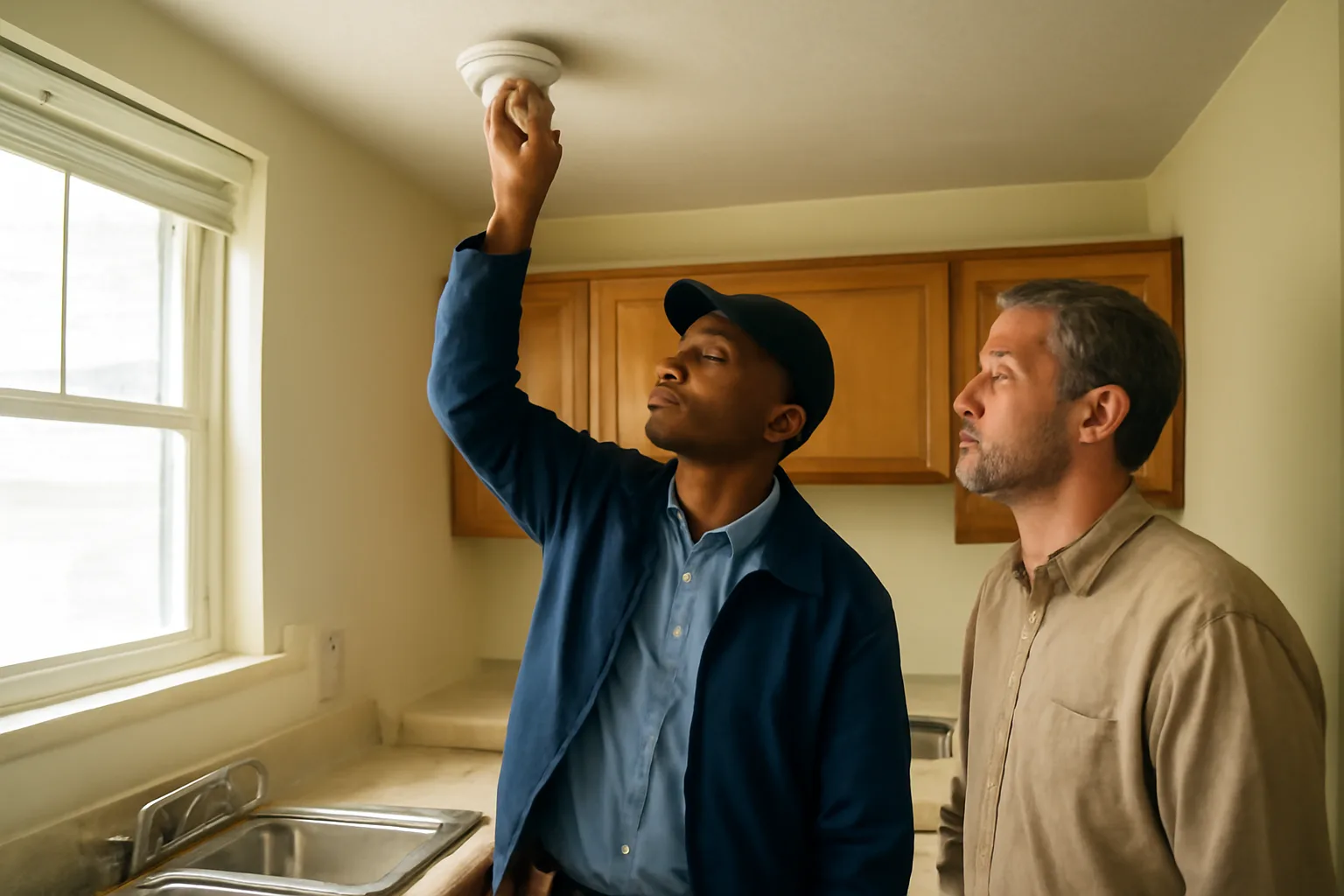
Your unit has to pass a Housing Quality Standards inspection before HUD money flows, and then again periodically, generally at least once every 24 months as long as the tenancy continues, per HUD's program requirements at 24 CFR 982.405 [3]. HQS covers structural soundness, working plumbing and heating, safe electrical systems, at least one window that opens in each room used for sleeping and living, functioning smoke alarms, no rodent or insect infestation, and adequate space for the household size. HUD's own checklist lists specific fail items: exposed wiring, missing handrails, broken hot or cold running water, blocked emergency exits, and inoperable smoke detectors are common causes of a failed initial inspection [4]. A lot of PHAs have shifted, or are shifting, from HQS to the Uniform Physical Condition Standards for Vouchers (UPCS-V), which HUD finalized as a new inspection protocol; check with your PHA on which standard applies to your area, because the item list and scoring differ somewhat [5]. If the unit fails, you typically get a specific list of deficiencies and a window, often 30 days, though this varies by PHA, to fix them and request a re-inspection. Fail twice without fixing life-threatening deficiencies (no working smoke detector, blocked exit, exposed wiring) and the PHA can refuse to execute the HAP contract at all. Rent has to be reasonable too. The PHA does a rent reasonableness comparison against similar unassisted units in the area; it can reject your proposed rent even if the unit passes inspection.
Who is responsible for the rental property walk-through inspection in California?
In California, the pre-move-in walk-through inspection responsibility depends on which inspection you mean, and there are actually two separate ones that often get confused. For the security deposit initial inspection, California Civil Code Section 1950.5(f) gives the tenant the right to request an inspection before move-out, with the landlord required to give at least 48 hours' written notice before conducting it, and the landlord (or their agent) performs the walk-through and provides an itemized statement of proposed deductions [6]. This is a state law tenant protection, unrelated to Section 8. For the Section 8 HQS or UPCS-V inspection, the local PHA's inspector performs it, not the landlord and not the tenant, though both are usually expected to be present or make the unit accessible. In California that's whichever housing authority administers vouchers in that county or city (Los Angeles County Development Authority, Housing Authority of the City of Los Angeles, San Francisco Housing Authority, and dozens of others), each of which handles its own inspection scheduling. So: PHA inspector for the voucher-related habitability inspection, landlord for the move-in/move-out deposit condition walk-through. Don't assume one substitutes for the other.
What is landlording, and what does the job actually involve day to day?
"Landlording" is the practical, ongoing work of owning and managing rental property: collecting rent, handling repairs, screening and communicating with tenants, keeping the property compliant with code, and dealing with turnover. It's a mix of property management and small-business administration, and most of it isn't glamorous. For a Section 8 landlord specifically, landlording adds a few recurring tasks beyond a typical unassisted rental: submitting to biennial HQS or UPCS-V re-inspections, keeping the unit passing those standards between inspections (more than at move-in), responding to PHA requests for updated owner information (W-9s, direct deposit forms, changes of ownership), and processing the tenant's portion of rent separately from the HAP portion, since they often arrive on different schedules from different sources. One real operational headache landlords report: if the tenant's income changes and their voucher share shifts, the total rent doesn't always change immediately, and it's on you to track what the PHA is paying versus what the tenant owes so you're not shorted. Keep a simple ledger. A spreadsheet with three columns (date, HAP payment received, tenant payment received) solves 90% of the confusion landlords have here. If you're juggling a Section 8 unit inside a city that also runs its own rental registration or licensing program, budgeting time for two separate inspection cycles (PHA and city) is worth doing up front rather than discovering the overlap during a fine notice.
What rights do tenants have without a lease?
A tenant without a written lease isn't unprotected. Most states treat an oral or unwritten rental arrangement as a month-to-month tenancy at will, governed by the same basic habitability and notice rules that apply to written leases, just without the specific terms a lease would spell out (fixed rent amount, term length, specific rules). Specific protections that generally survive lack of a written lease include: the right to a habitable unit (the implied warranty of habitability, recognized in some form in nearly every state), protection from illegal lockouts or utility shutoffs (self-help eviction is illegal almost everywhere), the right to proper written notice before eviction, and the right to the return of any security deposit under the state's deposit law. What a tenant without a lease usually loses is certainty: no fixed rent for a set term (a landlord can typically raise rent with proper notice at the start of a new month-to-month period), no specific pet or guest terms, and often less protection against non-renewal, since a month-to-month tenancy can typically be ended by either side with notice, not "just cause," unless local just-cause eviction ordinances apply. For Section 8 tenants specifically, the lease has to be in writing; HUD requires a written lease as part of the tenancy approval process, so a Section 8 tenant is never in a true "no lease" situation by design. See tenants rights and renters rights for more on this.
Why do landlords require renters insurance, and can you require it for a Section 8 tenant?
Landlords require renters insurance mainly to shift liability risk off themselves. A standard renters insurance policy covers the tenant's personal property and, more importantly for the landlord, includes liability coverage if the tenant causes damage (a kitchen fire, an overflowing tub that damages the unit below) or if a guest is injured in the unit. Without it, landlords sometimes end up disputing those costs through their own property insurance or out of pocket. You can generally require renters insurance from a Section 8 tenant just as you would any tenant, as long as the requirement is applied consistently to all tenants (Section 8 and non-Section 8 alike) and doesn't function as a way to discourage voucher holders specifically, which would risk running into source-of-income discrimination laws now on the books in a growing number of states and cities. HUD doesn't require renters insurance as a program condition, so this is a landlord-level lease term, not a federal one. Put it in the lease clearly, and confirm your state doesn't cap what you can require as a condition of tenancy before treating it as non-negotiable.
How much notice does a landlord have to give before entering, inspecting, or ending a tenancy?
Notice requirements vary by state and by purpose (entry versus ending a tenancy), and there's no single national number. California requires "reasonable notice," which state law defines as presumptively 24 hours' written notice for routine entry under Civil Code Section 1954 [7]. Other states set different defaults: many use 24 hours as their standard, some use 48 hours, and a handful don't set a statutory minimum at all, leaving "reasonable notice" undefined by statute. For Section 8 inspections specifically, PHAs typically give the landlord and tenant advance notice of a scheduled HQS or UPCS-V inspection, commonly in the range of a week or so, though HUD doesn't mandate a specific number of days in the regulation itself; it's a PHA administrative practice, so confirm the exact window with your PHA. For ending a month-to-month tenancy, notice periods commonly range from 30 days up to 60 or 90 days depending on the state and sometimes on how long the tenant has lived there (California requires 60 days' notice if the tenant has lived in the unit a year or more, and 30 days if less, under Civil Code Section 1946.1) . Local just-cause eviction ordinances in some cities add further requirements on top of state law. Because this varies so much by state and city, confirm your specific state's notice statute and your city rental licensing office's rules before sending any notice; don't rely on a number you saw for a different state.
What can a landlord look at during an inspection?
During a routine landlord inspection (not the Section 8 HQS/UPCS-V inspection), a landlord can generally check the general condition and safety of the unit: smoke detector function, visible water damage, plumbing leaks, unauthorized occupants or pets if the lease restricts them, evidence of unauthorized alterations, and general cleanliness that could create a habitability or pest problem. This has to be for a legitimate purpose stated in the entry notice, not a pretext. What a landlord generally cannot do during an inspection: search closed drawers, personal belongings, or private papers without cause; enter without proper notice except in a genuine emergency (fire, flooding, gas leak); use the inspection as cover to harass or retaliate against a tenant who filed a complaint. During the Section 8 HQS or UPCS-V inspection specifically, the PHA inspector checks the items tied to the federal standard: smoke detectors on every level and near sleeping areas, secure locks on exterior doors, no exposed wiring, working stove and refrigerator, adequate ventilation, no peeling paint in units built before 1978 (a lead-based paint concern under federal rules), and structural items like stairs, railings, and windows [4]. The inspector is checking the unit against a specific checklist tied to program compliance, not doing a general condition assessment for lease enforcement purposes.
What can't a landlord do in Ohio?
Ohio's landlord-tenant law, codified largely in Ohio Revised Code Chapter 5321, sets out specific things a landlord cannot do. A landlord cannot shut off utilities, remove doors or windows, or otherwise force a tenant out without going through the court eviction process; Ohio law prohibits this kind of "self-help" eviction, and the same restriction against retaliation against tenants who exercise legal rights (like reporting code violations) appears at ORC 5321.02 . A landlord in Ohio cannot retaliate against a tenant for making a good-faith complaint to a government agency about a building, housing, health, or safety code violation, or for joining a tenant organization, under ORC 5321.02(A). Retaliatory conduct is defined to include increasing rent, decreasing services, or bringing an eviction action within specific circumstances tied to the complaint. Ohio landlords also have to maintain the premises in a fit and habitable condition, comply with local building and housing codes, and keep common areas safe, under ORC 5321.04's landlord duty provisions . Security deposit handling has its own rules too: ORC 5321.16 requires landlords to return the deposit, with an itemized list of any deductions, within 30 days of termination of the rental agreement, and allows a tenant to recover damages plus attorney fees if a landlord retains a deposit in bad faith. Ohio does not have a statewide mandatory rental licensing program like some larger cities do (Cleveland and a few other Ohio municipalities run their own local point-of-sale or rental registration programs), so any registration or inspection requirement beyond state landlord-tenant law is a city-level rule, not a state one; confirm with your specific city's rental licensing office.
How do city rental licensing rules interact with Section 8 requirements?
City rental licensing and Section 8 program requirements run on completely separate tracks, and passing one doesn't automatically satisfy the other, even though the inspections can overlap in what they check. A growing number of cities require every rental unit, Section 8 or not, to register or hold a rental license before it can legally be rented, and many pair that with their own city inspection cycle, sometimes annual, sometimes every two or three years, depending on the ordinance. If your city has one of these programs and you're also renting to a voucher holder, you're managing two inspection calendars and potentially two sets of fees, one to the city and one indirectly through PHA compliance. This is where a lot of landlords with 1 to 10 units get caught off guard: a unit passes HQS or UPCS-V fine, then gets hit with a city violation notice for something the PHA inspection doesn't even check, like a missing rental registration number or an expired local license. The reverse happens too. If you want a structured way to track both cycles at once, our $79 one-time City Rental License & Inspection Prep Packet walks through what most cities check on their own rental inspections separately from HQS, so you're not caught prepping for only one of the two. Because every city names its office and sets its own fees differently, confirm your specific city's rental licensing office name, fee amount, and inspection interval directly rather than assuming it matches a neighboring city or a number you saw online.
Frequently asked questions
How do you become a landlord in the first place, before even considering Section 8?
You become a landlord by acquiring rental property (purchase or inheritance), then registering it as required by your state or city, obtaining any required rental license or registration, securing landlord insurance, and understanding your state's landlord-tenant statute for habitability, notice, and eviction rules before signing your first lease.
Is there a fee to become a Section 8 landlord?
HUD itself doesn't charge landlords a fee to participate in the Housing Choice Voucher Program. Some PHAs charge nothing beyond the inspection process; separately, your city may charge its own rental license or registration fee unrelated to Section 8, so confirm with your city rental licensing office and your local PHA separately.
Can a landlord refuse to rent to a Section 8 tenant?
It depends entirely on your state and city. HUD notes source-of-income protections are not federal law nationwide, but a growing number of states and cities have passed their own laws banning source-of-income discrimination, meaning refusing a voucher holder solely because of the voucher can be illegal there. Check your specific state and city law before refusing.
How often does a Section 8 rental unit get inspected?
HUD's regulation at 24 CFR 982.405 requires PHAs to inspect assisted units at least once every 24 months, on top of the initial inspection before the HAP contract starts. Some PHAs inspect more often, and complaint-driven inspections can happen anytime a tenant reports a problem.
What happens if my unit fails the Section 8 inspection?
You get a written list of deficiencies and typically a set window, often around 30 days, to fix them and request re-inspection. Life-threatening deficiencies like a missing smoke detector or exposed wiring usually have to be fixed faster, sometimes within 24 hours, or HAP payments can be withheld or the contract can be terminated.
Does Section 8 pay the landlord directly?
Yes. Under the Housing Assistance Payments (HAP) contract, the PHA pays its portion of the rent directly to the landlord, typically by direct deposit on a set monthly schedule. The tenant pays the remaining portion, generally around 30% of adjusted income, directly to the landlord as well.
What is a HAP contract?
A HAP contract (Housing Assistance Payments contract) is the agreement between the landlord and the local public housing authority that sets the rent, the amount of monthly assistance, and the landlord's obligations under the voucher program. It runs alongside, but separately from, the lease between the landlord and tenant.
Do I need a special license to be a Section 8 landlord?
No federal or state license specific to Section 8 exists for individual landlords. You do need to pass the PHA's Housing Quality Standards or UPCS-V inspection and sign the HAP contract. If your city separately requires a rental license or registration for all landlords, that's independent of Section 8 status.
What is landlording as a business, and is it profitable for 1-10 unit owners?
Landlording is the ongoing management of rental property for income: collecting rent, maintaining the unit, screening tenants, and handling turnover. Profitability for small landlords depends heavily on local rent levels, vacancy, maintenance costs, and financing terms; there's no single reliable national profit margin figure, and outcomes vary widely by market.
What rights do tenants have without a written lease?
Tenants without a written lease are typically treated as month-to-month tenants under state law, retaining habitability rights, protection from illegal lockout or utility shutoff, and the right to proper written notice before any eviction. They generally lack the specific fixed terms a written lease would provide.
Why do landlords require renters insurance?
Landlords require renters insurance mainly to cover the tenant's liability for damage they cause and to cover the tenant's own belongings, reducing disputes and out-of-pocket costs for the landlord. It's a lease condition, not a Section 8 program requirement, so it must be applied consistently to all tenants to avoid discrimination issues.
How much notice does a landlord have to give before entering a rental unit?
It depends on the state. California presumes 24 hours' written notice is reasonable under Civil Code Section 1954. Other states set 24-hour, 48-hour, or no statutory minimum at all. Section 8 inspection notice timing is set by the PHA's administrative practice, not a fixed federal rule, so confirm both separately.
What can't a landlord do in Ohio specifically?
Under Ohio Revised Code Chapter 5321, a landlord can't force a tenant out without court eviction, retaliate against a tenant for reporting code violations (ORC 5321.02), or fail to return a security deposit with an itemized statement within 30 days of tenancy termination (ORC 5321.16).
Sources
- HUD, Housing Choice Vouchers Fact Sheet: Program description and purpose of the Housing Choice Voucher Program
- HUD, Fair Market Rents overview: PHA payment standards are based on HUD Fair Market Rent, generally 90%-110% of FMR
- eCFR, 24 CFR 982.405: HUD requires PHAs to inspect assisted units at least once every 24 months
- California Legislative Information, Civil Code Section 1950.5: California security deposit pre-move-out inspection notice requirement of 48 hours
- California Legislative Information, Civil Code Section 1954: California presumes 24 hours' written notice is reasonable for landlord entry
- California Legislative Information, Civil Code Section 1946.1: California requires 60 days' notice to end tenancy of a year or more, 30 days if less
- Ohio Laws, Ohio Revised Code Chapter 5321: Ohio landlord-tenant duties, retaliation prohibition, and security deposit return requirements