Last updated 2026-07-26
TL;DR
Section 8 landlords must pass a HUD Housing Quality Standards inspection, sign a Housing Assistance Payments contract with the local public housing agency, keep rent at a reasonable market rate, and follow the same lease and habitability rules as any landlord. Many states and cities now also ban refusing tenants just for having a voucher.
What is the Section 8 program, in plain terms
Section 8, officially the Housing Choice Voucher Program, is a federal rental subsidy run through HUD and administered locally by public housing agencies (PHAs). A tenant gets approved for a voucher, finds a unit, and the PHA pays part of the rent directly to the landlord each month. The tenant pays the rest, usually around 30% of their adjusted income [1]. You're not renting to "the government." You're renting to a tenant, and a PHA is co-signing part of the rent through a contract called the Housing Assistance Payments (HAP) contract. That distinction matters because your lease obligations run to the tenant, while your subsidy payment obligations run to the PHA. HUD describes the program simply: "The housing choice voucher program is the federal government's major program for assisting very low-income families, the elderly, and the disabled to afford decent, safe, and sanitary housing in the private market" [1]. The tenant chooses any housing that meets program requirements, more than units in subsidized buildings.
What are the actual Section 8 requirements for landlords
There are four core requirements, and skipping any one of them stalls the whole process. First, the unit has to pass a Housing Quality Standards (HQS) inspection before move-in and periodically afterward, generally at least once every 24 months under HUD rules, though many PHAs inspect annually [2]. Second, you sign a HAP contract with the PHA that sets the contract rent and payment terms. Third, the rent has to be "reasonable," meaning it can't be more than what comparable unassisted units in the area rent for; the PHA does its own rent reasonableness check, more than a rubber stamp on whatever you ask [3]. Fourth, you sign a standard lease with the tenant that matches the lease terms other tenants in the building get, with a HUD-required tenancy addendum attached [4]. Beyond that, ongoing requirements include keeping the unit in HQS condition for the life of the contract, giving proper notice before entry, following your state's habitability and eviction laws, and reporting changes that affect the HAP contract (like a sale of the property) to the PHA. None of this replaces your city's separate rental license or registration rules; if your city requires a rental license or inspection independent of Section 8, you still need that too. Check with [your city's rental licensing office] before you assume Section 8 approval covers you locally.
What does the Section 8 inspection actually look at
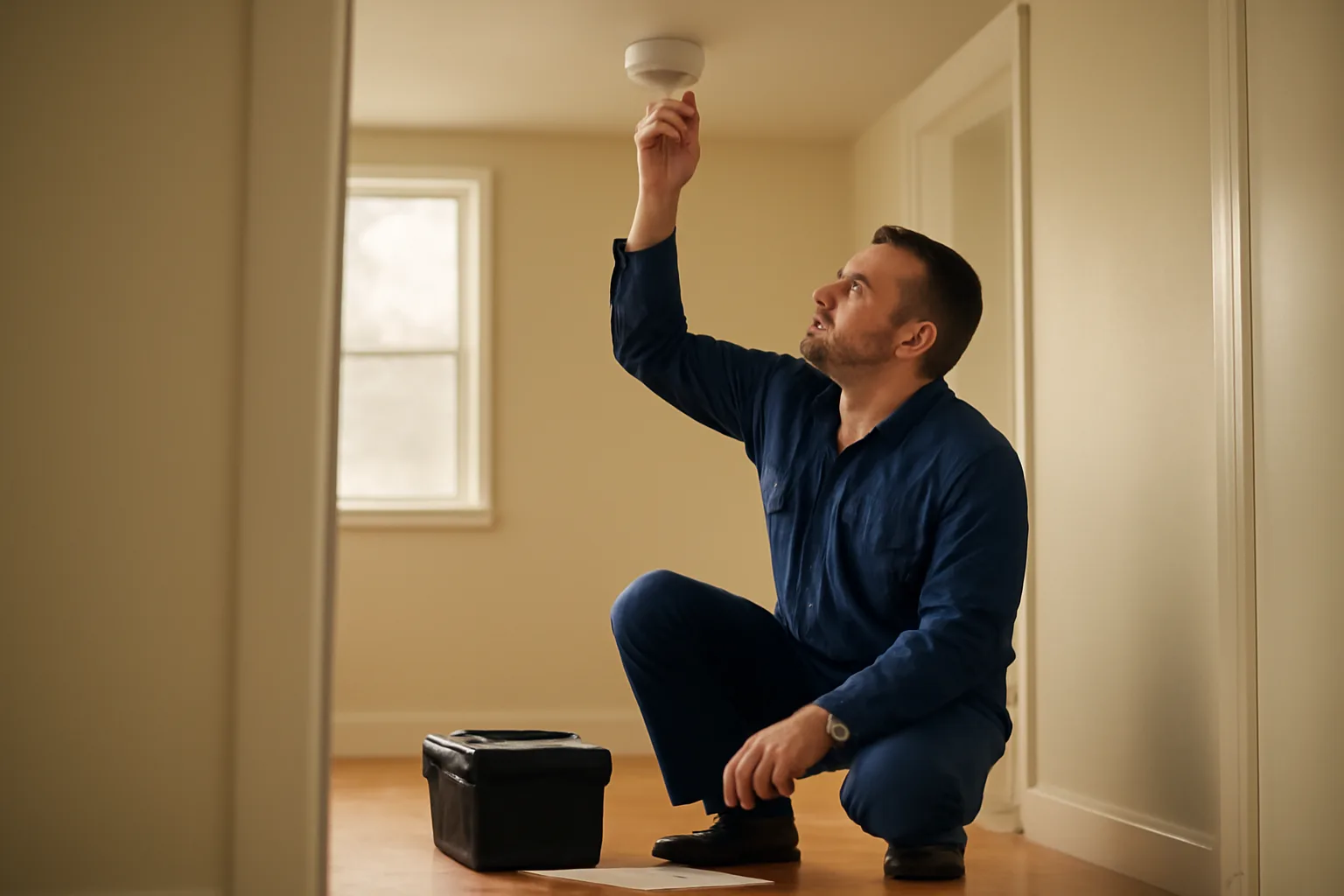
HQS inspections check basic safety and livability items, not cosmetic finishes. Inspectors look at working smoke detectors, secure locks on doors and windows, safe electrical systems, no exposed wiring, working heat, hot water, a stove and refrigerator that work, no serious pest infestations, no peeling paint in units built before 1978 (lead paint risk), and adequate space and exits for the number of occupants [2]. HUD's HQS rule lists specific performance requirements: the unit must have "a living room, kitchen area, and bathroom," working sanitary facilities, a safe water supply, and "heating equipment capable of maintaining a temperature of 68 degrees Fahrenheit" in most climates [2]. Structural items like roofs, foundations, and stairs get checked for hazards, and the inspector will flag things like a broken window lock or a missing GFCI outlet near a sink. A lot of landlords get tripped up by small stuff: a smoke detector battery, a torn window screen, a loose stair rail. These are cheap fixes. The bigger risk is deferred maintenance items you didn't know were failing, like an aging water heater or a roof leak, since those can force a re-inspection and delay your first payment by weeks.
How to become a landlord
Becoming a landlord starts before you ever list a unit. You need to check your local zoning and rental licensing rules, since many cities require you to register or license a rental property before you can legally rent it out. You need landlord insurance (different from a standard homeowner's policy), a plan for handling security deposits under your state's rules, and a lease that complies with your state's landlord-tenant statute. Most new landlords underestimate the paperwork side. You'll want a written screening process (income verification, background check, references), a compliant application that doesn't violate fair housing law, and a system for tracking maintenance requests and rent payments. If you're renting in a city with mandatory rental licensing, budget time for the inspection process too; these often take weeks to schedule, not days. If you plan to accept Section 8 tenants, add the PHA application and HQS inspection into your timeline before you sign a lease. Some states now legally require you to consider voucher holders the same as any other applicant, so factor that into your screening criteria from the start (see the section on refusing vouchers below).
What is a landlord, and what is landlording
A landlord is the owner (or that owner's authorized agent) who rents real property to a tenant in exchange for rent, under a lease or rental agreement. Landlording is the day-to-day work of running that: collecting rent, handling repairs, managing turnover, keeping the property compliant with local codes, and dealing with tenant communication. It's part property manager, part bookkeeper, part first responder for busted pipes. Landlords who self-manage 1 to 10 units usually wear all three hats personally. Landlords who own more units, or who don't want the phone calls at 11 p.m., hire a property management company, typically for a fee around 8 to 12% of monthly rent, though this varies widely by market and isn't set by any federal rule. Legally, being a landlord means you take on specific duties: maintaining habitability, following your state's notice and eviction procedures, honoring lease terms, and not discriminating against protected classes under the Fair Housing Act [5].
What rights do tenants have without a lease
A tenant without a written lease isn't unprotected. In most states, an oral or implied agreement to pay rent periodically (month to month, most commonly) creates a legal tenancy, and the tenant still gets basic rights: notice before eviction, the right to a habitable unit, and protection from illegal lockouts or utility shutoffs. The details vary heavily by state. Some states treat an unwritten agreement as a month-to-month tenancy by default, and the required notice to end it (usually 30 days, sometimes less or more) is set by state statute, not by the landlord's preference. A landlord still can't just change the locks or remove a tenant's belongings without going through the formal eviction process in court; "self-help" evictions are illegal almost everywhere, lease or no lease. If you're renting without a written lease right now, get one in place as soon as possible. It protects you as much as the tenant, especially around rent amount, due dates, and what happens at renewal.
Who is responsible for the rental property walk-through inspection in California
In California, the landlord is responsible for offering an initial walk-through inspection before the tenant moves out, and the tenant decides whether to accept it. California Civil Code Section 1950.5 requires landlords to notify tenants of their right to an initial inspection prior to the termination of the lease, so the tenant has a chance to fix issues before final move-out charges are calculated against the security deposit [6]. The landlord must give at least 48 hours' written notice before the inspection unless the tenant waives that notice [6]. After the walk-through, the landlord gives the tenant an itemized statement of any suggested repairs or cleaning needed to avoid deductions from the deposit. This is separate from any move-in inspection, which isn't mandated by that statute but is smart practice everywhere, since a documented move-in condition report is your best evidence in any deposit dispute. This California-specific rule doesn't exist in every state, so don't assume it applies elsewhere. Check your own state's civil code or landlord-tenant statute for the exact inspection and notice rules that apply to you.
How much notice does a landlord have to give before entering or ending a tenancy
There are two separate notice questions here: notice to enter the unit, and notice to end the tenancy. Both are governed by state law, and both vary a lot. For entry, many states require 24 hours' advance notice for routine, non-emergency access (repairs, inspections, showings), though the exact number and the acceptable delivery method (written, posted, verbal) differ by state. Some states specify 24 hours explicitly in statute; others use a "reasonable notice" standard without a fixed number, which leaves more gray area than landlords like. For ending a periodic tenancy, notice is commonly 30 days for month-to-month tenants under a year, though tenants who've lived somewhere longer sometimes get more notice in certain states, and eviction-for-cause notices (nonpayment, lease violation) often use a shorter statutory period, sometimes 3 to 14 days depending on the state and the reason. Because these numbers are state-specific and change through legislation, the honest answer is: pull your own state's landlord-tenant statute or your state bar's tenant rights guide before you send any notice, rather than relying on a number you saw online.
What can a landlord look at during an inspection
A landlord (or PHA inspector, for Section 8 units) can look at anything reasonably related to the condition, safety, and maintenance of the property. That includes appliances, plumbing, electrical systems, smoke and carbon monoxide detectors, signs of pest infestation, mold or water damage, structural issues, and general cleanliness that could damage the unit. What a landlord generally cannot do is treat an inspection as a general search. Most states require the inspection purpose to be legitimate (repairs, showing the unit, checking on habitability, or a required program inspection like HQS) and require advance notice except in true emergencies (a gas leak, a fire, flooding). Looking through a tenant's personal belongings, opening closed drawers unrelated to a stated maintenance issue, or bringing people along who have no reason to be there generally exceeds what's legally allowed as part of a routine inspection. For Section 8 units specifically, the HQS inspector checks the physical unit against HUD's condition standards [2], not the tenant's housekeeping habits or personal property, though visible pest infestations or safety hazards created by clutter can factor into a failed inspection.
Why do landlords require renters insurance
Landlords require renters insurance mainly to shift liability and protect against loss that a standard landlord policy doesn't cover. A landlord's own insurance covers the building structure and the landlord's own property; it typically doesn't cover a tenant's personal belongings or the tenant's liability if they cause a fire, a flood from an overflowed tub, or an injury to a guest. Requiring a renters policy, often with a modest minimum liability coverage amount like $100,000, reduces the odds that a tenant-caused loss turns into a lawsuit against the landlord alone, and it gives the tenant a way to replace their own belongings instead of expecting the landlord to cover it. It's a low-cost requirement for the tenant (renters insurance commonly runs somewhere in the range of $15 to $30 a month depending on coverage and location, though this isn't set by any government rate and varies by carrier and market) that meaningfully reduces the landlord's downside risk. Section 8 tenancies don't require renters insurance under federal HUD rules, but a landlord can still require it as a standard lease term as long as it's applied consistently to all tenants, subsidized or not.
What a landlord cannot do in Ohio
Ohio landlord-tenant law, primarily Ohio Revised Code Chapter 5321, sets specific limits. A landlord cannot shut off utilities, change the locks, or remove a tenant's possessions to force them out without going through formal eviction (forcible entry and detainer) in court; Ohio law generally requires landlords to use the court process rather than self-help remedies [7]. A landlord in Ohio also cannot retaliate against a tenant for exercising a legal right, such as filing a code complaint or joining a tenant organization; ORC 5321.02 specifically addresses retaliatory conduct, and a landlord who raises rent, decreases services, or brings an eviction action mainly because a tenant complained to a governmental authority may be in violation [8]. Ohio law also requires landlords to maintain the premises in a fit and habitable condition, comply with building and housing codes, and keep common areas safe under ORC 5321.04 . Ohio landlords cannot discriminate against tenants for reasons covered under the federal Fair Housing Act, and depending on the city, may not be able to refuse a tenant solely because they use a Section 8 voucher; source-of-income protections vary by city and aren't uniform statewide in Ohio, so check your specific city's fair housing ordinance.
Can a landlord refuse Section 8 or other voucher holders
It depends entirely on where the property is located. Federal fair housing law under the Fair Housing Act does not include "source of income" as a protected category, so there's no nationwide ban on refusing voucher holders [5]. But a growing number of states and cities have passed their own source-of-income protection laws that make it illegal to refuse a tenant just because they'd pay part of the rent with a housing voucher. States including California, New York, and others have added source-of-income protections through state statute or through their fair housing agencies, and many individual cities have local ordinances doing the same even where the state hasn't. This means the same landlord decision (refusing a Section 8 applicant outright) is perfectly legal in one city and a fair housing violation carrying real penalties in another, sometimes within the same state. Before you decide on a blanket "no Section 8" policy, check your state's fair housing statute and your city's housing ordinance specifically. A quick call to [your city's fair housing or rental licensing office] is worth ten minutes of your time; a violation here can mean a fair housing complaint, more than an annoyed applicant.
What happens if a Section 8 unit fails inspection
If a unit fails its HQS inspection, the PHA gives the landlord a specific list of deficiencies and a deadline to correct them, commonly around 24 hours for a health or safety emergency item (like no working smoke detector or no heat) and a longer window, often around 30 days, for non-emergency items, though exact timeframes are set by the local PHA's administrative plan and can vary [2] [3]. If repairs aren't made in time, the PHA can abate (stop) the HAP subsidy payment until the unit passes re-inspection, and continued failure can lead to termination of the HAP contract entirely, at which point the tenant may need to move and the landlord loses the subsidized portion of rent going forward. This is the single most common way landlords lose Section 8 income unnecessarily: they let a $40 smoke detector or a $150 handrail repair slide, and it costs them a full month or more of subsidy payments while they scramble for a re-inspection date. If your unit is in a city with its own separate rental inspection or licensing program on top of Section 8's HQS inspection, you're dealing with two inspection systems, sometimes with different standards and timelines. Getting organized ahead of both, rather than reacting to each notice separately, is genuinely worth the effort; a $79 one-time City Rental License & Inspection Prep Packet built around your city's actual checklist can save you from scheduling two separate contractor visits for issues you could have caught and fixed together.
Frequently asked questions
How to become a landlord for Section 8 tenants specifically
Register your property with your local public housing agency, get the unit ready to pass an HQS inspection (working smoke detectors, no lead paint hazards, functioning heat and plumbing), and be prepared to sign a Housing Assistance Payments contract once the tenant is approved and the unit passes. Confirm your city's own rental license rules apply on top of this.
How often does a Section 8 rental get inspected
HUD requires HQS inspections at least once every 24 months, though many local PHAs inspect annually, and a new inspection happens before every new tenant moves in under a voucher. Emergency health and safety issues can trigger an inspection anytime a complaint is filed.
Can a landlord set any rent amount for a Section 8 tenant
No. The PHA reviews the requested rent against comparable unassisted units in the area through a rent reasonableness determination before approving the HAP contract, so an above-market rent request typically gets rejected or reduced.
What is the difference between a lease and a HAP contract
The lease is between the landlord and tenant and covers standard tenancy terms. The HAP contract is between the landlord and the PHA and covers the subsidy payment amount, inspection compliance, and the PHA's payment obligations. Both exist simultaneously for a Section 8 unit.
Do landlords have to accept Section 8 vouchers
Only if their state or city has a source-of-income protection law. Federal fair housing law doesn't require it, but states like California and New York, plus many individual cities, do require landlords to consider voucher holders. Check your specific city's ordinance before setting a policy.
What can void a Section 8 HAP contract
Repeated HQS inspection failures without timely repair, fraud, the landlord no longer owning the property, or the tenant no longer living there can all end a HAP contract. A terminated contract stops the subsidy payment and can force the tenant to relocate.
How much notice must a landlord give before an inspection
This is set by state law and varies, but many states use a 24-hour standard for routine, non-emergency entry including inspections. Some states use a general 'reasonable notice' rule without a fixed number. Check your specific state's landlord-tenant statute for the exact requirement.
What is landlording as a part-time job
It's managing rent collection, maintenance, tenant communication, lease renewals, and code or license compliance for one or more rental units, usually alongside a full-time job for owners with 1 to 10 units. Most self-managing landlords spend a few hours a month per unit outside of turnover periods and emergencies.
What rights does a tenant have without a signed lease
A tenant paying rent regularly, even without a written lease, generally has an oral or implied month-to-month tenancy under state law, which includes the right to notice before eviction, a habitable unit, and protection from illegal lockouts. Exact notice periods depend on state statute.
Why do landlords require renters insurance if they already have their own policy
A landlord's policy covers the building, not the tenant's belongings or the tenant's liability for damage they cause. Requiring renters insurance shifts that risk to the tenant's own coverage, which typically costs the tenant $15 to $30 a month, protecting the landlord from surprise liability claims.
What can't a landlord do in Ohio when a tenant is late on rent
Ohio landlords cannot shut off utilities, change locks, or remove belongings to force a tenant out (self-help eviction is illegal under Ohio law). They must file a forcible entry and detainer action in court and follow the statutory eviction process under ORC Chapter 5321.
Who pays for repairs found during a Section 8 inspection
The landlord is responsible for repairs needed to meet HQS standards, since the landlord owns and maintains the unit under the HAP contract. If repairs aren't made by the PHA's deadline, subsidy payments can be stopped until the unit passes re-inspection.
Sources
- HUD, Housing Choice Vouchers Fact Sheet: Description of the Section 8 Housing Choice Voucher program and how it assists low-income families
- HUD, 24 CFR 982.401 Housing Quality Standards: HQS performance requirements including heating capability, sanitary facilities, and inspection frequency
- HUD, 24 CFR 982.507 Rent Reasonableness: PHA must determine that rent to owner is reasonable compared to unassisted units
- U.S. Department of Justice, The Fair Housing Act: Fair Housing Act protected classes and that source of income is not a federally protected class
- California Legislative Information, Civil Code Section 1950.5: California landlord's obligation to offer an initial move-out inspection with 48 hours notice
- Ohio Legislature, Ohio Revised Code 5321.03: Ohio landlord remedies restrictions and prohibition on self-help eviction methods
- Ohio Legislature, Ohio Revised Code 5321.02: Ohio prohibition on landlord retaliation against tenants exercising legal rights
- Ohio Legislature, Ohio Revised Code 5321.04: Ohio landlord obligations to maintain premises in fit and habitable condition