Last updated 2026-07-26
TL;DR
Philadelphia rental licenses run one year and don't auto-renew. To renew, you file a new application through the Department of Licenses & Inspections eCLIPSE portal, confirm your Certificate of Rental Suitability is current, show your business taxes and building code violations are cleared, and pay the license fee. Start 30-45 days before expiration; some renewals get held up by open violations.
how do you renew a rental license in philadelphia
You renew through L&I's eCLIPSE online portal, not by mail or in person at a counter. Log into your eCLIPSE account, find the property's existing rental license record, and submit a renewal application before it expires. Philadelphia rental licenses are valid for one year from the date of issuance and must be renewed annually [1]. The renewal isn't automatic. Nobody sends you a fresh license just because you paid last year. You have to actively file, and the city expects the property to still meet the same conditions that got you licensed the first time: a current Certificate of Rental Suitability, no open code violations tied to the address, and business taxes in good standing with the Department of Revenue. Most landlords who've done this a few times budget about 30 to 45 days before the expiration date to start the renewal, mostly because the Certificate of Rental Suitability has its own separate expiration clock and sometimes needs re-signing by the tenant. If you're managing several units across different buildings, stagger your renewal reminders because each property has its own license number and its own expiration date, even if you own the whole block.
what documents do you need to renew a philadelphia rental license
You need four things ready before you touch the renewal application: a valid Certificate of Rental Suitability, proof your Business Income & Receipts Tax (BIRT) and rental income are reported, a clear violation history (or a documented resolution plan for open ones), and the renewal fee itself. The Certificate of Rental Suitability is a form the property owner completes and gives to the tenant, confirming there are no outstanding L&I violations that affect habitability, and it must be provided at lease signing and renewal, per Philadelphia Code Chapter 9-3902 [2]. This isn't a one-time form. If your rental license is up for renewal and the certificate you have on file is stale (tied to a tenant who's moved out, or older than the current lease term), get a fresh one signed before you submit. You also need your city tax account current. Philadelphia requires landlords to hold a Commercial Activity License and to have filed and paid BIRT before L&I will issue or renew a rental license [1]. If you're behind on business taxes, expect the renewal to stall until Revenue clears you, which can take longer than the L&I portion. Finally, confirm with your city rental licensing office what the current renewal fee is for your specific property type, since fees for multi-unit buildings differ from single rental units and the city updates fee schedules periodically.
how much does it cost to renew a rental license in philadelphia
Philadelphia's rental license fee has historically been a flat per-property fee for a one-year term, with a separate fee structure for multi-family buildings based on unit count. Exact current pricing changes, so confirm the fee with L&I's rental license page before you file, rather than relying on last year's number [1]. Beyond the base license fee, factor in what a lapsed or violated license costs you. Operating a rental property without a current license is a code violation, and L&I can issue fines and, in repeated cases, pursue eviction bans or Housing Court action against habitual violators. A landlord who lets the license lapse and gets caught (often through a tenant complaint or a routine inspection sweep) usually pays more in fines and reinspection fees than the renewal itself would've cost. If you want a structured way to track the paperwork side (certificate status, tax clearance, inspection notices) before you file, a packet built for your city's specific requirements can save the back-and-forth. That's the whole reason a $79 one-time City Rental License & Inspection Prep Packet exists (/rental-packet-builder): it's a checklist and document tracker, not a substitute for the city's own portal or a lawyer.
what happens if your philadelphia rental license expires before you renew
If your license lapses, you're technically operating an unlicensed rental unit, which is a Philadelphia Code violation subject to fines and can jeopardize your ability to pursue an eviction in court. Philadelphia's code makes an unlicensed rental status a real legal exposure, more than a paperwork inconvenience, because tenants and courts can point to the missing license as a defense in landlord-tenant disputes. The practical fix is to file the renewal as soon as you notice the lapse. L&I doesn't typically require you to restart from a brand new application (as opposed to a first-time license), but if violations piled up during the lapse period, you'll need to resolve those before the renewal clears. Expect the review to take longer than a clean renewal, since a caseworker now has to check violation history in more depth. If you got a violation notice specifically about licensing (rather than a habitability issue), read it carefully. It should list what's outstanding and a deadline. Related reading on how these fines escalate lives in our tenant rights coverage and our broader landlord basics guide.
how do you check if your philadelphia rental license is still active
You can look up any Philadelphia property's license status through the city's L&I property history search, which shows active licenses, violations, and permits tied to an address. This is public data, so you can check your own properties or a property you're considering buying, without needing an account. If the portal shows your license as expired or shows open violations you didn't know about, that's your cue to start the renewal process immediately rather than waiting for a mailed notice. The city does send renewal reminders, but landlords who've moved, changed email addresses, or use a property manager sometimes miss them. Don't rely on the reminder as your only trigger.
how to become a landlord in philadelphia and get your first rental license
Becoming a landlord in Philadelphia starts before you ever get a tenant: you need a Commercial Activity License, a rental license from L&I, and a Certificate of Rental Suitability ready at lease signing. Skipping any of these steps is common among first-time landlords and it's the single biggest source of avoidable fines in year one. The general sequence is: register the property's use with L&I (confirming it's zoned and permitted for rental use), obtain the Commercial Activity License through Revenue, apply for the rental license itself through eCLIPSE, and schedule any required inspection. Some Philadelphia rental properties, particularly those receiving certain subsidies or those flagged in past complaints, face a lead-safe certification requirement under the city's Lead Disclosure and Certification law, which applies to housing built before 1978 [3]. If you're asking more generally what is landlording and what is a landlord in a legal sense: a landlord is the owner (or their authorized agent) who leases real property to a tenant in exchange for rent, and landlording is the ongoing work of maintaining that unit, collecting rent, handling repairs, and complying with local housing code. It's part business, part compliance job. The compliance side is where most first-year landlords underestimate the time commitment, especially in a city like Philadelphia with active annual licensing.
what rights do tenants have without a lease in pennsylvania
A tenant without a written lease in Pennsylvania is generally treated as a month-to-month tenant, and Pennsylvania law still requires the landlord to give proper written notice before ending that tenancy or raising rent. Verbal or implied leases are enforceable in Pennsylvania for terms of one year or less; leases longer than three years generally must be in writing under Pennsylvania's Statute of Frauds framework for real estate [4]. Even without a signed lease, tenants keep basic protections: the right to a habitable unit, protection from illegal lockouts or utility shutoffs, and the standard notice periods before termination. Pennsylvania's Landlord and Tenant Act (68 P.S. Chapter 250) sets baseline notice requirements that apply regardless of whether there's a written lease [5]. In Philadelphia specifically, the Certificate of Rental Suitability requirement applies to all rental units regardless of lease format, so a verbal-lease tenant is still owed that certificate.
how much notice does a landlord have to give before entry or termination
Pennsylvania's default notice periods depend on the lease term and reason: generally 15 days notice to terminate a lease under one year, and 30 days for leases of one year or more, under 68 P.S. Section 250.501 [5]. For entry to inspect or make repairs, Pennsylvania law doesn't set one statewide statutory notice period the way some states do, but landlords should still give reasonable advance notice, and most Philadelphia leases specify 24 to 48 hours for non-emergency entry. Philadelphia-specific rules can layer on top of state law. If a rental license or lead certification inspection is coming up, the city or your inspector typically coordinates a scheduled appointment window rather than a same-day walk-in, precisely because access has to be arranged with the tenant. Always check your own lease language too, since many Philadelphia leases specify a notice period longer than the state minimum.
what can a landlord look at during a rental inspection
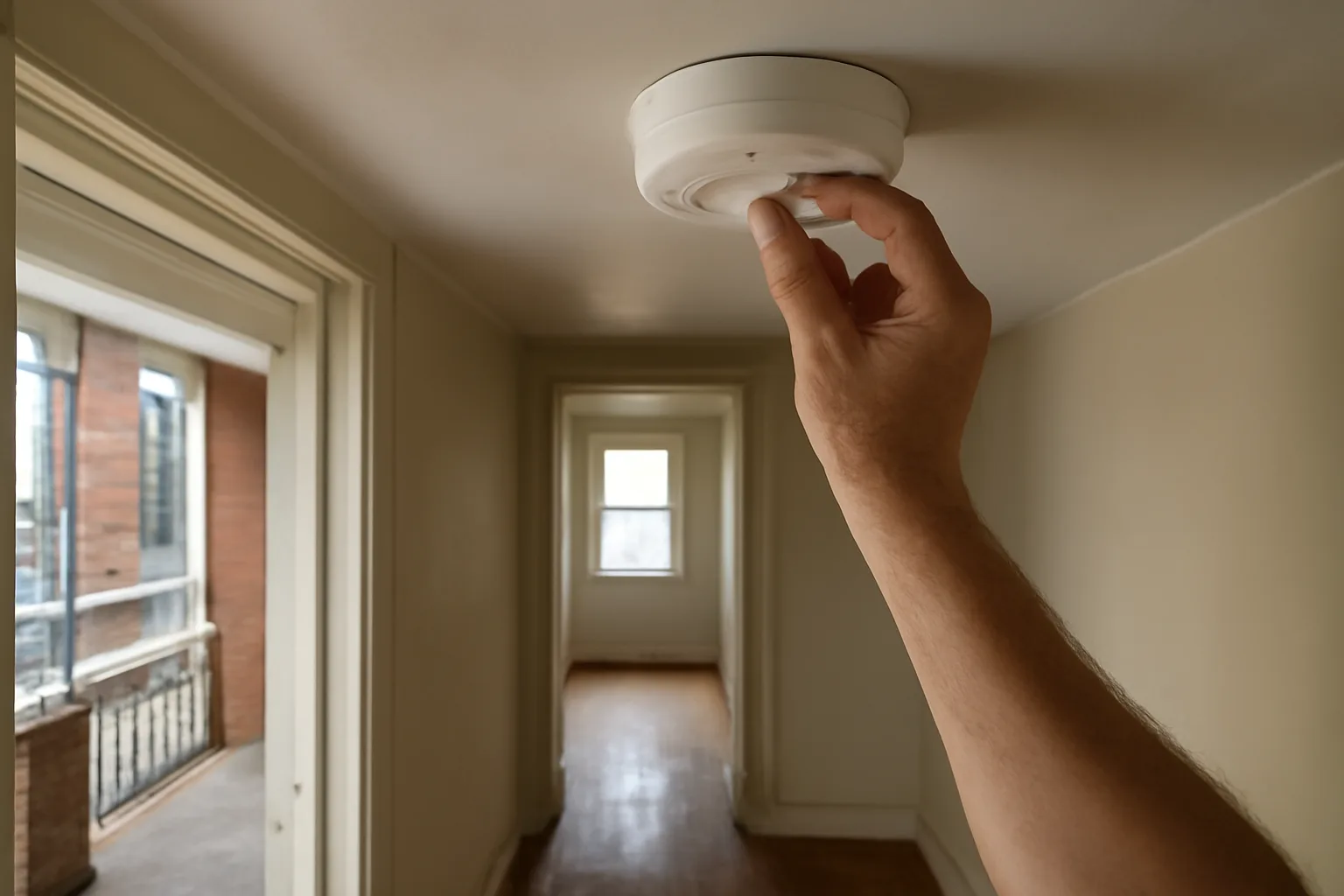
During a Philadelphia rental license inspection, an L&I inspector checks life-safety items: smoke detectors, carbon monoxide detectors where required, egress windows, handrails, electrical hazards, and structural issues like water damage or unsafe flooring. Inspectors are not there to evaluate your decor or personal belongings; the scope is code compliance tied to habitability and safety [1]. A landlord conducting their own walkthrough (separate from a city inspection) can generally look at the condition of appliances, walls, fixtures, and confirm no unauthorized occupants or pets violate the lease, but cannot search personal belongings or use the visit as a pretext for harassment. Reasonable notice and a legitimate purpose (repairs, showing the unit, a scheduled inspection) keep a landlord walkthrough on the right side of the law. Who actually conducts a walkthrough varies by state and program. In California, for example, routine move-in/move-out inspections are typically the landlord's or property manager's responsibility, and the landlord must give the tenant a written itemized statement if any security deposit is withheld after that inspection, under California Civil Code Section 1950.5 [6]. In Philadelphia, city-mandated rental license inspections are conducted by L&I inspectors, not the landlord, and the landlord's own habitability checks are a separate, informal practice.
why do landlords require renters insurance
Landlords require renters insurance mainly to shift liability for a tenant's personal property loss and personal injury claims away from the landlord's own policy. A landlord's property insurance covers the building; it typically doesn't cover a tenant's furniture, electronics, or clothing after a fire, burst pipe, or theft, so requiring renters insurance closes that gap and reduces disputes about who pays for what. It also reduces the landlord's own liability exposure. If a tenant's guest is injured in the unit, the tenant's renters insurance liability coverage (commonly $100,000 or more) can respond first, instead of the claim landing entirely on the landlord's policy. Many Philadelphia leases now require proof of renters insurance as a lease condition, though there's no citywide law mandating it; it's a landlord-imposed lease term, not a Philadelphia Code requirement.
what a landlord cannot do in ohio (and why this matters even if you're in philadelphia)
Ohio landlords, under Ohio Revised Code 5321.04, cannot shut off utilities, change locks, or remove a tenant's belongings to force them out without going through the court eviction process, and cannot retaliate against a tenant for reporting code violations . Self-help eviction (lockouts, utility shutoffs) is illegal in nearly every state, including Pennsylvania, and Philadelphia's own code reinforces this with penalties for landlords who bypass the courts. If you're researching Ohio's rules because you also own property there, or you're comparing state landlord-tenant frameworks, the consistent theme across states is that the eviction process has to run through the courts. No state gives landlords a legal shortcut around that, regardless of how clear the lease violation is.
where to get help if your philadelphia renewal gets stuck
If your renewal is stuck because of an open violation, contact L&I directly to get a written list of exactly what needs to clear and confirm the reinspection process, rather than guessing at what the portal flag means. Violations tied to life-safety issues (electrical, structural, fire safety) usually need a licensed contractor's sign-off or a reinspection before L&I will lift the hold. If the holdup is tax-related, the Department of Revenue handles BIRT and Commercial Activity License issues separately from L&I, so you may need to resolve that account first and then return to the rental license application. Landlords managing several properties sometimes find it worth organizing renewal documents (certificate copies, tax clearance letters, past inspection reports) in one place per property, which is the specific gap our $79 rental license and inspection prep packet is built to fill: a document checklist mapped to what your city actually asks for, so you're not hunting for a 2022 tax letter the week your license expires.
Frequently asked questions
how often do you have to renew a rental license in philadelphia
Philadelphia rental licenses are valid for one year and must be renewed annually through the L&I eCLIPSE portal. There's no multi-year license option; every rental unit's license expires on its own 12-month cycle from the original issuance date, and renewal isn't automatic.
can you renew a philadelphia rental license online
Yes. Philadelphia's rental license renewal is handled through the eCLIPSE online portal at the Department of Licenses & Inspections. You log in, locate the property's license record, submit the renewal application, and pay the fee electronically rather than filing in person.
what is a certificate of rental suitability and does it affect renewal
It's a form Philadelphia landlords must give tenants at lease signing, confirming there are no known L&I violations affecting the unit's habitability, per Philadelphia Code Chapter 9-3902. A missing or expired certificate can hold up your rental license renewal until you provide a current signed copy.
how to become a landlord in philadelphia from scratch
Get a Commercial Activity License from the Department of Revenue, apply for a rental license through L&I's eCLIPSE portal, complete any required inspection, and give tenants a Certificate of Rental Suitability at lease signing. Pre-1978 properties may also need lead-safe certification under the city's Lead Disclosure law.
who is responsible for the walkthrough inspection in california rentals
In California, the landlord or property manager is typically responsible for conducting move-in and move-out walkthrough inspections, and must provide a written itemized statement of any deductions from a security deposit, under California Civil Code Section 1950.5. This differs from Philadelphia, where L&I inspectors, not the landlord, conduct the mandated licensing inspection.
what rights do tenants have without a signed lease
Tenants without a written lease are usually treated as month-to-month, keeping standard protections like habitability, protection from illegal lockouts, and required notice before termination. Pennsylvania enforces oral leases of one year or less, and its Landlord and Tenant Act sets notice minimums (15 or 30 days) regardless of lease format.
how much notice does a landlord have to give before ending a tenancy in pennsylvania
Under 68 P.S. Section 250.501, Pennsylvania requires 15 days notice for leases under one year and 30 days for leases of one year or longer, unless the lease specifies different terms. Philadelphia leases often extend beyond these minimums, so always check the specific lease language too.
why do landlords require renters insurance if they already have property insurance
A landlord's property policy covers the building, not the tenant's belongings or personal liability. Requiring renters insurance shifts responsibility for a tenant's lost property or a guest's injury claim onto the tenant's own policy, which typically includes at least $100,000 in liability coverage.
what can a landlord check during a rental license inspection in philadelphia
L&I inspectors check life-safety items: smoke and carbon monoxide detectors, electrical hazards, egress routes, structural safety, and general code compliance. The inspection is about habitability and safety, not the tenant's belongings or housekeeping, and it's separate from any informal walkthrough a landlord does themselves.
what happens if you operate a rental in philadelphia without a valid license
Operating without a current rental license is a Philadelphia Code violation that can bring fines and can undermine a landlord's ability to pursue eviction in Philadelphia's Landlord-Tenant court, since the missing license is often raised as a tenant defense. Renewing promptly, even late, is better than letting it lapse further.
what can't a landlord do in ohio
Under Ohio Revised Code 5321.04, landlords can't shut off utilities, change locks, or remove belongings to force a tenant out without a court eviction order, and can't retaliate against tenants for reporting code violations. Self-help eviction is illegal there and in nearly every other state, including Pennsylvania.
how long does philadelphia rental license renewal take to process
A clean renewal with no open violations and current tax status typically clears within a few weeks through the eCLIPSE portal, though the city doesn't publish a guaranteed turnaround. Renewals held up by violations or tax issues take longer, sometimes a month or more, so starting 30 to 45 days early is the safer approach.
Sources
- Philadelphia Code Chapter 9-3902, Certificate of Rental Suitability: Landlords must provide tenants a Certificate of Rental Suitability confirming no known habitability-related violations.
- Philadelphia Code Chapter 6-800, Lead Paint Disclosure and Certification: Pre-1978 rental properties in Philadelphia may need lead-safe certification as part of licensing.
- Pennsylvania Statute of Frauds, 33 P.S. Section 1: Pennsylvania generally requires leases longer than three years to be in writing; shorter oral leases are enforceable.
- Pennsylvania Landlord and Tenant Act of 1951, 68 P.S. Section 250.501: Pennsylvania requires 15 days notice for leases under one year and 30 days for leases of one year or more before termination.
- California Civil Code Section 1950.5: California requires landlords to provide an itemized written statement for any security deposit deductions after inspection.
- Ohio Revised Code Section 5321.04: Ohio landlords cannot shut off utilities, change locks, or remove belongings to force a tenant out without court process, and cannot retaliate against tenants.
- City of Philadelphia Department of Licenses and Inspections: Department responsible for issuing and renewing rental licenses in Philadelphia, and where to get help if a renewal is stuck
- Ohio Revised Code: Prohibits landlord retaliation against tenants, relevant to what a landlord cannot do in Ohio
- Ohio Revised Code: Outlines tenant obligations and protections under Ohio landlord-tenant law
- Pennsylvania Code: Pennsylvania regulations governing landlord and tenant relationships, including rights without a written lease