Last updated 2026-07-26
TL;DR
Most states require 24 to 48 hours advance notice before a landlord or inspector can enter a rental unit for a non-emergency inspection. A handful require less (or don't set a statutory number at all), and cities with rental licensing programs often layer their own inspection-scheduling rules on top. Emergencies are the one universal exception: no notice is required if there's an immediate safety threat.
How much notice does a landlord have to give before an inspection?
| California | 24 hours presumed reasonable | Cal. Civil Code 1954 [1] | |
|---|---|---|---|
| Florida | 12 hours for HVAC repair, 24 hours other reasons the tenant knows about in advance | Fla. Stat. 83.53 [2] | |
| Arizona | 2 days (48 hours) | A.R.S. 33-1343 [3] | |
| Texas | No statutory number, "reasonable notice" implied by case law and lease terms | Texas Property Code Ch. 92 [4] | If your city requires a rental license or a scheduled compliance inspection, confirm the exact notice period with your city rental licensing office. City ordinances sometimes specify their own notice window (7 days, 10 days, or a specific date on a mailed notice) for the licensing inspection itself, separate from the state's day-to-day entry notice rule. |
In most states, the answer is 24 hours, though some states say 48 hours and a few don't set a specific number at all. This notice requirement usually comes from state landlord-tenant law governing a landlord's right to enter, not from the city rental inspection ordinance itself. If your city also runs a mandatory rental licensing program, the city's inspection notice (often mailed or emailed with a scheduled date) usually satisfies the state notice requirement too, as long as it goes out far enough ahead of time. California sets the standard at "reasonable notice," and its Civil Code specifies that 24 hours is presumed reasonable for entry to make repairs or show the unit, unless circumstances make that unreasonable [1]. Florida also uses a 24-hour notice standard, per Florida Statutes 83.53 [2]. Some states, like Arizona, use 48 hours under the Arizona Residential Landlord and Tenant Act [3]. A few states don't specify a number of hours in their landlord-tenant statute at all and instead just require "reasonable notice." That ambiguity gets tested in court more than you'd think, so if your state falls into that camp, 48 hours is the safer default. It costs you nothing to give more notice than the law demands, and it heads off disputes. Here's a quick comparison of notice periods landlords commonly rely on: | State | Statutory notice for entry | Source |
Does a landlord ever need to give zero notice?
Yes. Every state that has an entry notice statute carves out an emergency exception. If there's a burst pipe, a gas leak, a fire, or any threat to health and safety, a landlord (or the fire marshal, or a code inspector responding to a complaint) can enter without advance notice. California's statute explicitly allows entry "in case of emergency" with no notice period required [1]. The emergency exception is narrow though. A landlord who just wants to check on the property because a neighbor complained about noise doesn't get to walk in unannounced under the emergency clause. That's a routine inspection, and routine inspections need the standard notice. City code enforcement inspectors triggered by a tenant complaint sometimes have separate authority to enter with less notice, especially if the complaint describes an immediate hazard (no heat in winter, exposed wiring, sewage backup). That authority usually comes from the municipal code, not the state landlord-tenant act, so it varies a lot by city. Confirm with your city rental licensing office how complaint-driven inspections are handled where you own property.
What can a landlord look at during an inspection?
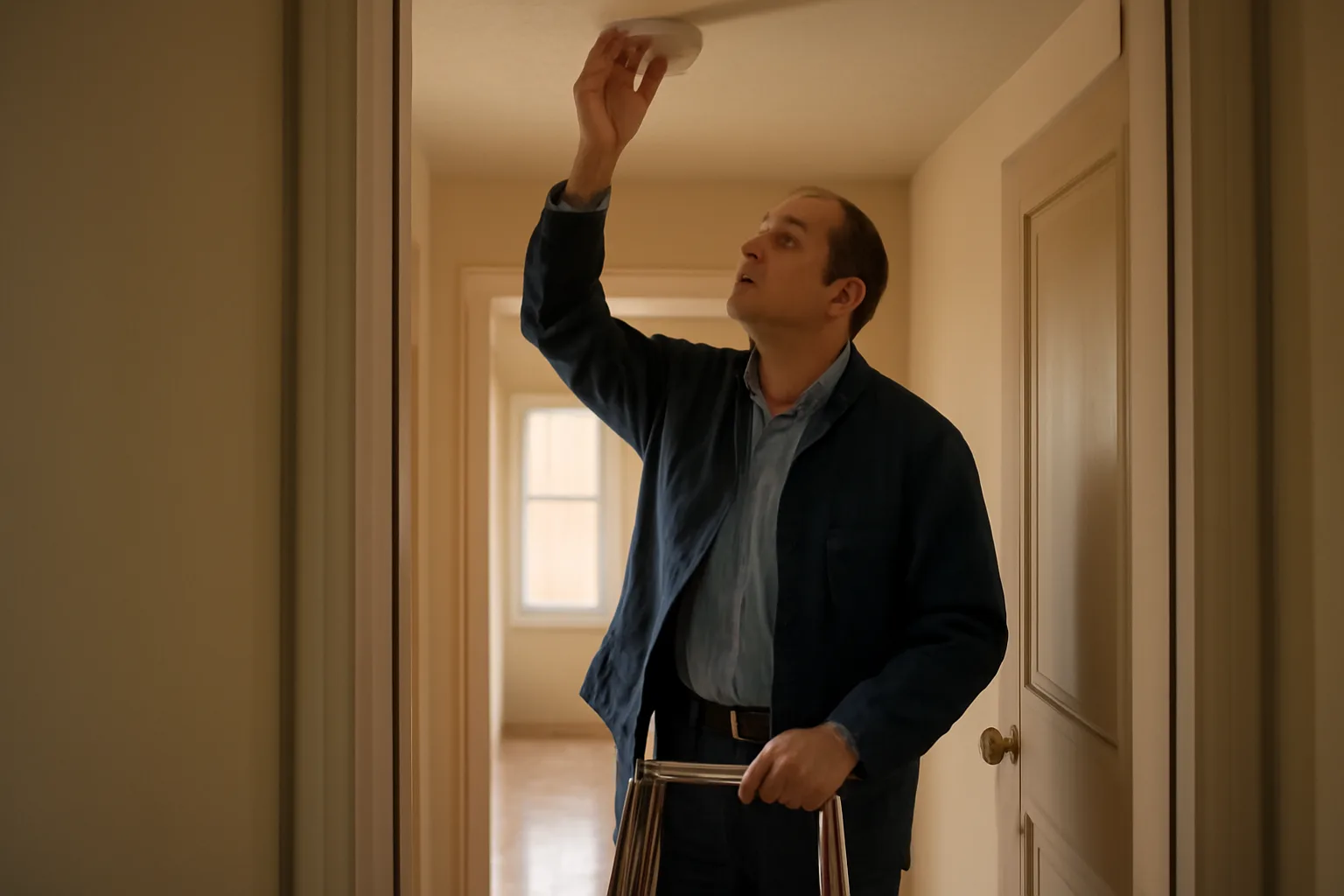
A landlord conducting a routine inspection can generally check smoke detectors and carbon monoxide detectors, look for visible water damage or mold, check that windows and doors lock and open properly, verify no unauthorized occupants or pets are living there in violation of the lease, and confirm the unit is being kept in a condition that doesn't violate the lease or local housing code. What a landlord generally cannot do is rummage through drawers, closets, or personal belongings that aren't relevant to a safety or maintenance concern, show up during hours that aren't reasonable (say, at 11pm), or use the inspection as a pretext to harass a tenant or retaliate against them for a complaint. Several states, including California, explicitly prohibit landlords from abusing the right of access to harass tenants [1]. For city-mandated rental licensing inspections, the inspector's scope is usually narrower and more specific: smoke and CO detector placement and function, egress windows in bedrooms, electrical panel condition, visible plumbing leaks, handrails and guardrails on stairs, and sometimes exterior items like peeling paint or broken exterior stairs. These inspectors are checking against a code checklist, not doing a general walkthrough of your housekeeping standards. If you want to know exactly what your city's inspector checks, ask for the inspection checklist in advance. Most municipal rental licensing programs publish one, and reviewing it before the inspection date is the single best thing you can do to avoid a failed inspection and a re-inspection fee. A well-organized rental packet with your smoke detector maintenance log, prior inspection reports, and proof of any repairs completed since the last cycle makes the inspector's job faster and reduces the odds of nitpicking. That's the whole idea behind our $79 one-time City Rental License & Inspection Prep Packet: it's built around what inspectors actually check, city by city.
Who is responsible for a rental property walk-through inspection in California?
In California, the landlord is generally responsible for conducting move-in and move-out walk-through inspections, and state law gives the tenant specific rights around the move-out version. Under Civil Code 1950.5(f), a landlord must, upon the tenant's request, do an initial inspection before the tenant moves out, give the tenant an itemized list of what needs fixing or cleaning to avoid deductions from the security deposit, and give the tenant a reasonable opportunity to fix those issues before move-out [5]. The move-out initial inspection has to happen no earlier than two weeks before the end of the tenancy, and the landlord must give at least 48 hours advance written notice of the date and time, unless the tenant waives that notice [5]. The tenant can choose to be present or not. Separately, code enforcement or rental licensing inspections in California cities (many California cities, like Los Angeles, Oakland, and Berkeley, run their own rental inspection or registration programs) are handled by that city's housing or building department, not by the landlord. The landlord's job there is just to schedule access and be present or provide access, following whatever notice the city's ordinance requires. Confirm the specific notice period and inspection scope with your city rental licensing office, since California's statewide statute doesn't set a uniform rule for every city's licensing inspection program.
What is landlording, and what is a landlord?
A landlord is the owner (or an owner's authorized agent) who rents real property to a tenant in exchange for payment, usually under a lease or rental agreement. "Landlording" is the informal term for the ongoing work of managing that arrangement: collecting rent, maintaining the property, handling repairs, screening tenants, staying compliant with local housing codes, and managing the relationship day to day. It's not a licensed profession in the way that, say, a real estate agent role is. Anyone who owns rental property and rents it out is functioning as a landlord, whether they own one duplex unit or fifty units across a portfolio. That said, a growing number of cities require landlords to hold a rental license or register their units with the city, which does involve paperwork, fees, and often a periodic inspection. That's the layer this whole site focuses on. Landlording well means more than just cashing rent checks. It means knowing your state's notice requirements for entry, understanding what your local rental inspection ordinance requires, keeping up with lease renewal timing, and responding to maintenance requests fast enough that small problems don't become code violations. Landlords who treat it as a business, with actual recordkeeping and a maintenance calendar, run into far fewer inspection failures and fine notices than landlords who treat it as a side hobby.
How do you become a landlord, and how do you actually be a landlord?
Becoming a landlord starts with buying or already owning residential real estate you intend to rent out, then legally putting it on the market and screening a tenant. There's no license required nationally to become a landlord, but plenty of cities and some states require registration or a rental license before you can legally rent out a unit, and skipping that step is one of the most common (and expensive) mistakes first-time landlords make. The practical steps most new landlords need to cover: - Confirm zoning allows rental use, and check whether your city or county requires a rental license, registration, or business license for the address. This is the step people skip and regret; unpermitted rentals in licensing cities can face fines that run into the thousands.
- Get proper insurance, specifically a landlord (dwelling) policy, not a standard homeowner's policy, since most homeowner policies exclude rented properties.
- Set market rent using comparable listings, and decide on a lease term.
- Screen tenants using a consistent, written process (credit check, income verification, rental history, background check where legal) applied the same way to every applicant, to stay compliant with the Fair Housing Act, which prohibits discrimination based on race, color, national origin, religion, sex, familial status, and disability [6].
- Draft or use a compliant lease matching your state's landlord-tenant law.
- Set up a system for collecting rent, tracking maintenance requests, and documenting the unit's condition at move-in. "Being" a landlord day to day is mostly about responsiveness and documentation. Respond to repair requests inside the timeframe your state's habitability law expects (many states use "reasonable time," which courts have generally read as somewhere between a few days for urgent issues like no heat, and two to three weeks for non-urgent ones). Keep a paper trail of every notice you send, every repair you complete, and every inspection report you receive. That paper trail is exactly what protects you if a tenant disputes a deposit deduction or a city inspector flags a repeat violation.
What rights do tenants have without a lease?
A tenant without a signed lease still has legal rights, usually as a month-to-month tenant under state law, including the right to habitable housing, the right to advance notice before the landlord enters, and the right to a formal notice period before eviction. The absence of a written lease doesn't strip away tenant protections; it just means the tenancy defaults to whatever the state's statute says about tenancies without a fixed term. Most states treat an unwritten, ongoing tenancy (someone paying rent monthly with no lease document) as a month-to-month tenancy at will. That tenant still gets the state's standard entry notice period (the same 24 or 48 hours discussed above), the same habitability protections under the implied warranty of habitability that most states recognize, and a required notice period before the landlord can terminate the tenancy or raise the rent, commonly 30 days, though some states require more for longer tenancies. Rent increases past a certain size sometimes need extra notice too. In California, for example, rent increases greater than 10% require 90 days notice, per Civil Code 827 [7]. What a tenant without a lease does not automatically get is a fixed term. A landlord can generally end a month-to-month tenancy without cause (subject to local just-cause eviction ordinances, which a growing number of cities have adopted) by giving the standard statutory notice. That's the tradeoff of no lease: more flexibility for both sides, less certainty for the tenant.
Why do landlords require renters insurance?
Landlords require renters insurance mainly to cover tenant liability and personal property loss, since a landlord's own insurance policy doesn't cover a tenant's belongings or a tenant's liability if they cause damage or someone gets hurt in their unit. If a tenant's stove fire damages the unit, or a guest slips and sues the tenant, the landlord's dwelling policy generally won't step in for that; renters insurance closes that gap. Requiring it is legal in nearly every state and it's become standard practice, especially for landlords with multiple units where one bad claim can eat a year's cash flow. The average cost of a renters insurance policy nationally runs around $15 to $30 a month depending on coverage limits and location, according to industry rate surveys, so it's a low-cost condition to add to a lease that meaningfully reduces the landlord's own exposure. Beyond liability protection, requiring renters insurance also gives a landlord a cleaner paper trail when something goes wrong. If a fire displaces a tenant, the tenant's own policy (not the landlord's) covers their temporary housing and lost belongings, which keeps the landlord out of a dispute over what the tenant is owed.
What can a landlord not do in Ohio?
In Ohio, a landlord cannot enter a rental unit without reasonable notice except in an emergency, cannot shut off utilities or change locks to force a tenant out (self-help eviction), cannot retaliate against a tenant for reporting a code violation, and cannot discriminate based on any protected class under the Fair Housing Act. Ohio Revised Code 5321.04 lays out the landlord's specific obligations, including keeping the premises in a fit and habitable condition and complying with local building, housing, and health codes [8]. Ohio Revised Code 5321.05 covers tenant obligations, and 5321.04 also requires landlords to give reasonable notice, generally interpreted as 24 hours, before entering, except for emergencies [8]. Ohio law also prohibits a landlord from evicting a tenant, or threatening to, or shutting off utilities, in retaliation for a tenant reporting a housing code violation to the city, joining a tenants' union, or asserting rights under the landlord-tenant statute; this is covered under Ohio's retaliation protections in R.C. 5321.02 [9]. If you're a landlord in an Ohio city with its own rental registration or inspection ordinance (Cincinnati and Cleveland both have programs like this), the city ordinance sits on top of these statewide protections, not instead of them. Confirm the specific inspection notice window and registration deadline with your city rental licensing office.
What happens if a landlord doesn't give proper inspection notice?
If a landlord enters without the legally required notice and it's not an emergency, the tenant generally has grounds to claim the entry was unlawful, which in some states supports a claim for damages, and in extreme or repeated cases can be treated as harassment or an illegal entry under the landlord-tenant statute. Courts and state statutes vary on the exact remedy, but it's rarely nothing. For city rental licensing inspections specifically, failing to give proper notice usually just means the inspection has to be rescheduled, since most municipal ordinances require the city to notify the landlord (who then notifies the tenant, or the city notifies the tenant directly) with enough lead time for the tenant to prepare. If a landlord skips the tenant notice step and an inspector shows up to a surprised, uncooperative tenant, that inspection often gets postponed, and postponements can push a landlord into next year's inspection cycle or trigger a late fee under some ordinances. The safer habit: whatever the state minimum is (24 or 48 hours in most states), give the tenant more notice than that when you can, put it in writing (text or email creates a timestamp), and confirm the appointment 24 hours ahead. It's a five-minute habit that avoids the majority of access disputes landlords run into.
Frequently asked questions
How much notice does a landlord have to give before entering for an inspection?
Most states require 24 to 48 hours notice. California presumes 24 hours is reasonable [1]; Arizona requires 48 hours [3]. A handful of states just say "reasonable notice" without a specific number. If you're unsure of your state's rule, giving 48 hours in writing is a safe default anywhere.
Is there ever an exception to the notice requirement?
Yes, for genuine emergencies like fire, flooding, gas leaks, or other immediate safety threats. Every state entry-notice statute carves this out. Routine inspections, showings, and repairs still need standard advance notice; only true emergencies allow entry with zero notice.
How to become a landlord?
Own or buy rental property, confirm local zoning and rental licensing requirements, get landlord insurance, screen tenants consistently under Fair Housing Act rules, and use a lease compliant with your state's landlord-tenant law. Many cities also require registering the rental or getting a license before you can legally rent it out.
Who is responsible for a rental property walk-through inspection in California?
The landlord conducts move-in and move-out walk-through inspections. California Civil Code 1950.5(f) requires the landlord to offer an initial move-out inspection with at least 48 hours notice, and to give the tenant an itemized repair list before deducting from the deposit [5]. City licensing inspections are handled separately by the local housing department.
What is landlording?
Landlording is the day-to-day work of owning and managing rental property: collecting rent, handling repairs, screening tenants, staying compliant with housing codes, and managing lease terms. It's not a licensed profession itself, though many cities require a rental license or registration to legally operate.
What is a landlord?
A landlord is the owner or authorized agent of real property who rents it to a tenant under a lease or rental agreement in exchange for rent. The landlord holds legal responsibilities under state law, including habitability duties and notice requirements before entering the unit.
What rights do tenants have without a lease?
Tenants without a written lease are generally treated as month-to-month tenants under state law. They still get standard entry notice (usually 24-48 hours), habitability protections, and required notice before termination or a rent increase. What they don't get is a fixed lease term.
How to be a landlord day to day?
Respond to maintenance requests promptly, document every notice and repair, follow your state's entry notice rules, and keep insurance and rental licensing current. Landlords who keep a clear paper trail have far fewer disputes over deposits, repairs, and code violations.
Why do landlords require renters insurance?
Renters insurance covers tenant liability and personal property, which a landlord's own dwelling policy doesn't cover. It costs a tenant roughly $15 to $30 a month and protects the landlord from disputes over tenant losses or injuries in the unit.
What can a landlord look at during an inspection?
A landlord can generally check smoke and CO detectors, look for water damage or mold, test that windows and doors work, and confirm no lease violations like unauthorized occupants. They can't search personal belongings unrelated to safety, or use the inspection to harass a tenant.
What can a landlord not do in Ohio?
Ohio landlords can't enter without reasonable notice except in emergencies, can't shut off utilities or change locks to force a tenant out, and can't retaliate against a tenant for reporting a code violation, under Ohio Revised Code 5321.04 and 5321.02 [8][9].
Does a mailed city inspection notice satisfy the state entry notice law?
Usually yes, as long as it's sent far enough in advance to meet your state's minimum (commonly 24-48 hours) and it reaches the tenant, more than the landlord. Confirm the specific notice format and lead time with your city rental licensing office, since ordinances vary.
Can a tenant refuse entry for a scheduled rental license inspection?
Generally no, if proper notice was given and the inspection is required by the city's rental licensing ordinance; refusal can delay licensing or trigger a separate violation for the landlord. Tenants can request a different time within the notice window in most programs, but can't block a properly noticed inspection outright.
Sources
- California Legislative Information, Civil Code Section 1954: 24 hours notice is presumed reasonable for landlord entry, and emergencies require no notice
- Online Sunshine (Florida Legislature), Florida Statutes Section 83.53: Florida requires 12 hours notice for HVAC repair entry and 24 hours for other reasonable entry
- Arizona State Legislature, ARS 33-1343: Arizona requires at least two days notice before landlord entry
- Texas Statutes, Property Code Chapter 92: Texas landlord-tenant law does not set a specific statutory notice-of-entry number, relying on reasonable notice and lease terms
- California Legislative Information, Civil Code Section 1950.5: California requires at least 48 hours notice for the initial move-out inspection and an itemized repair list
- HUD, Fair Housing Act Overview: The Fair Housing Act prohibits discrimination based on race, color, national origin, religion, sex, familial status, and disability
- California Legislative Information, Civil Code Section 827: California requires 90 days notice for rent increases greater than 10%
- Ohio Legislature, Ohio Revised Code Section 5321.04: Ohio landlords must give reasonable notice before entry except in emergencies and must comply with local housing codes
- Ohio Legislature, Ohio Revised Code Section 5321.02: Ohio prohibits landlords from retaliating against tenants who report code violations or assert their rights