Last updated 2026-07-26
TL;DR
A general apartment inspection checks life-safety items (smoke/CO detectors, exits, electrical, plumbing, pests, structural condition) either for a city rental license or a routine landlord walkthrough. Notice requirements are set by state law, commonly 24 to 48 hours for non-emergency entry. Landlords can inspect for safety and lease compliance but cannot search personal belongings or use inspections to harass a tenant.
What is a general inspection of an apartment?
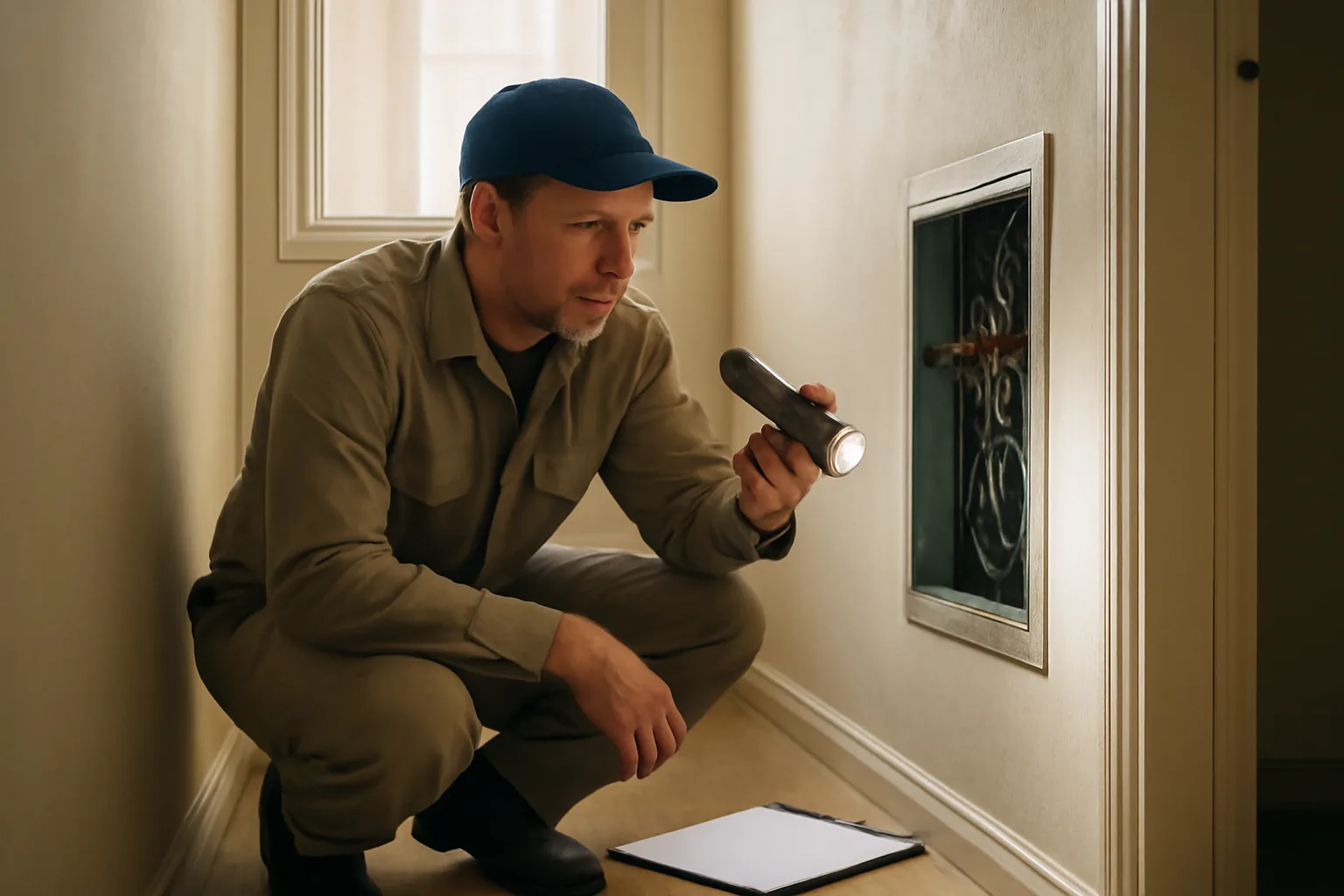
A general inspection is a walkthrough of a rental unit to check its physical condition, usually against a checklist covering safety systems, structural items, and code compliance. Two very different things get called this: a city-mandated inspection tied to a rental license or registration program, and a landlord's own routine walkthrough (move-in, move-out, or periodic check written into the lease). City inspections exist because a growing number of municipalities require rental property to be registered or licensed, and licensing usually comes with a mandatory inspection cycle. Programs vary by city: some inspect every unit before a certificate of occupancy or rental license is issued, others inspect on a rotating cycle (every one, two, or three years), and some only inspect in response to a tenant complaint. There's no federal standard here. You have to confirm with your city rental licensing office what triggers an inspection and how often it repeats. A landlord's own routine inspection is a private matter governed by your lease and state landlord-tenant law, not by the city. It typically checks for lease violations, unreported damage, unauthorized occupants, or maintenance issues before they get expensive. Both kinds of inspections tend to look at the same physical things: smoke and carbon monoxide detectors, egress windows and doors, electrical panels, visible plumbing leaks, water heater venting, handrails and stair conditions, and signs of pests or mold. The city version usually comes with a checklist and a pass/fail result tied to your license status. A private walkthrough is more flexible and doesn't carry a legal penalty by itself, though what you find can matter for a later eviction or repair dispute.
What can a landlord look at during an inspection?
A landlord doing a general inspection can look at anything that relates to the condition of the property and lease compliance: smoke detector function, HVAC filters, visible water damage, unauthorized pets, unreported occupants, and general cleanliness that could cause pest or safety problems. That's the reasonable scope most courts and city codes expect. What a landlord generally should not do is search through drawers, closets, or personal belongings, photograph a tenant's possessions beyond what's needed to document a lease violation, or use the inspection as cover to intimidate a tenant or retaliate for a complaint. Some state statutes spell this out directly. Oregon law, for example, says a landlord's right of access is limited to inspecting the premises, making repairs, or showing the unit, and entry has to happen at reasonable times [1]. City inspectors doing a license inspection typically only check common areas and the areas relevant to code items on their checklist (detectors, exits, electrical panel, water heater, visible structural issues). They're not searching for tenant belongings or personal items either. If a city inspector wants to go beyond the standard scope, that's worth questioning; ask what specific code section authorizes it. A practical rule: if what you're looking at doesn't relate to a code violation, a safety hazard, or a lease term, you probably shouldn't be looking at it, and you definitely shouldn't be touching it.
How much notice does a landlord have to give before an inspection?
Most states require 24 to 48 hours advance notice before a landlord enters an occupied unit for a non-emergency reason like an inspection. The exact number and the acceptable delivery method (written notice, posted notice, verbal, email) vary by state, so check your specific state statute before scheduling anything. California requires 'reasonable notice,' and the law creates a rebuttable presumption that 24 hours is reasonable in most circumstances (California Civil Code Section 1954) [2]. Oregon requires at least 24 hours' notice and specifies that entry must happen at a reasonable time, generally between 8 a.m. and 8 p.m. absent an emergency [1]. Many other states set 24 hours as a baseline, though a few (and many city ordinances layered on top of state law) require 48 hours. Emergencies are the standard exception everywhere: fire, gas leak, burst pipe, or immediate safety threat lets a landlord enter without advance notice. Routine turnover inspections, move-in/move-out condition checks, and city license inspections generally do not qualify as emergencies, so normal notice rules apply. For a city-mandated inspection tied to a rental license, notice is often required both to the landlord (scheduling letter from the city) and then from the landlord to the tenant, since it's still entry into an occupied unit. Don't assume the city's notice to you satisfies your legal notice obligation to your tenant; those are two separate notice requirements and you typically have to handle both.
What rights do tenants have without a lease?
A tenant without a written lease, often called a month-to-month or tenant-at-will, still has the full protection of state landlord-tenant law. No written lease does not mean no rights. The tenant is entitled to a habitable unit, standard notice periods before entry, and standard notice periods before the tenancy can be ended. Without a written lease, the tenancy defaults to whatever the state's statutory rules say for an oral or implied agreement, generally a month-to-month arrangement. Ending it usually requires the same notice period a landlord would give to end any periodic tenancy, commonly 30 days, though some states and cities require 60 or 90 days depending on how long the tenant has lived there or local just-cause eviction rules. Habitability obligations don't go away without a lease either. Landlords still have to maintain working plumbing, heat, electrical systems, and structural safety under the state's implied warranty of habitability, a doctrine most U.S. states now recognize in one form or another. Entry notice rules apply the same way with or without a written lease, since those rules come from the state's landlord-tenant statute, not from the lease document itself. If you're inspecting a unit rented on a handshake or verbal agreement, treat the notice and access rules exactly as if a full lease were signed.
What can't a landlord do in Ohio?
Ohio landlords cannot enter a rental unit without reasonable notice except in an emergency. Ohio Revised Code Section 5321.04 requires landlords to give tenants 'reasonable notice' of intent to enter and to enter only at reasonable times, for purposes like inspection, repairs, or showing the unit [3]. Ohio courts and practice guides generally treat 24 hours as the standard for reasonable notice, though the statute itself doesn't fix an exact hour count. Ohio landlords also cannot shut off utilities, change locks, or remove a tenant's belongings to force them out; that's a self-help eviction and it's illegal under Ohio law. Eviction has to go through the court process (forcible entry and detainer action). Ohio Revised Code Section 5321.02 also bars retaliatory conduct, meaning a landlord cannot raise rent, decrease services, or threaten eviction because a tenant complained to a housing authority or joined a tenant organization [4]. If an inspection request or a sudden lease non-renewal follows shortly after a tenant complaint, that timing pattern is exactly what this statute is built to catch. Ohio landlords also can't ignore their own maintenance duties under ORC 5321.04, which requires keeping the premises in a fit and habitable condition, complying with building and housing codes, and keeping common areas safe. A general inspection that turns up a code violation doesn't excuse a landlord from fixing it just because the tenant hasn't complained yet.
What is landlording, and what is a landlord?
A landlord is the owner (or authorized agent of the owner) of real property who rents that property to another person, the tenant, in exchange for rent. Landlording is the practical work of managing that relationship and that property: collecting rent, maintaining the unit, handling repairs, following notice and entry rules, and staying current with local licensing and inspection requirements. It's a legal role with real obligations attached, more than a source of income. Every state has a landlord-tenant statute defining minimum duties (habitability, security deposit handling, notice periods) and every state's implied warranty of habitability doctrine sets a floor for what condition a rental unit has to be kept in. Landlording also increasingly means dealing with local government directly. A rising number of cities require rental registration or licensing before you can legally rent out a unit at all, and license renewal is often tied to passing a periodic inspection. Skipping this isn't a paperwork technicality; unlicensed rental operation in a licensing city can carry real fines, and in some cities an unlicensed landlord loses the ability to collect rent or evict for nonpayment until the property is licensed. For someone with one or two units, landlording is part-time work that still comes with full legal exposure. That's the gap that catches a lot of first-time landlords: they think of it as a side income stream, and it's actually a regulated activity.
How to become a landlord (and how to be a landlord day to day)
Becoming a landlord starts before you ever find a tenant. You need to confirm the property is legally allowed to be rented (zoning, occupancy limits, any required rental license or registration), get landlord liability insurance in place, and understand your state's security deposit, notice, and habitability rules before you sign a lease. Step one is almost always checking with your city or county about rental licensing. A meaningful share of U.S. cities now require some form of rental registration or license before a unit can legally be rented, and the requirements (fee, inspection, renewal cycle) differ by city, so you'll want to confirm with your city rental licensing office what applies to your address specifically. Step two is screening and paperwork: a written lease, a legal security deposit amount (many states cap it, commonly at one or two months' rent), and a documented move-in condition report with photos, which protects you if there's a dispute at move-out. Day to day, being a landlord means responding to repair requests within your state's required timeframe, giving proper notice before entering, handling rent collection and late fees according to the lease and state law, and keeping records: every notice, every repair, every inspection result. If you're just getting oriented, a general overview of the landlord role and what tenants rights look like in practice is a good starting point before you draft anything. If your city requires an inspection before issuing or renewing a rental license, walk the unit yourself first using the same checklist categories inspectors use: detectors, egress, electrical, plumbing, and structural condition. A $79 packet like our City Rental License & Inspection Prep Packet can help you organize the city-specific paperwork and pre-inspection checklist, but the actual repairs and code compliance are on you regardless of what tool you use.
Who is responsible for a rental property walkthrough inspection in California?
In California, the landlord is responsible for scheduling and conducting move-in and move-out walkthrough inspections, and state law gives tenants a specific right to request an initial move-out inspection before they leave. California Civil Code Section 1950.5 requires that, if requested by the tenant, the landlord perform an initial inspection no earlier than two weeks before the end of the tenancy and give the tenant an itemized statement of deficiencies found, with the chance to fix them before move-out [5]. For code and safety inspections tied to a local rental registration or inspection program, responsibility shifts to the city (or in unincorporated areas, the county), through whatever agency runs the rental inspection program, often a city housing or code enforcement department. Cities like Los Angeles, Oakland, and Berkeley each run their own systematic rental inspection programs (sometimes called SCEP or RRP-type ordinances) with their own inspection cycle and fee schedule; there's no single statewide program, so always confirm with your specific city's rental licensing office for that city's inspection cycle and fee. For the routine walkthrough itself, entry notice still applies. California Civil Code Section 1954 requires reasonable notice, generally treated as 24 hours, before a landlord or their agent enters an occupied unit for inspection purposes [2]. Bottom line for California landlords: you (or your property manager) are on the hook for scheduling the walkthrough and following notice and disclosure rules; the city is on the hook for any separate code inspection tied to a rental license program if your city runs one.
Why do landlords require renters insurance?
Landlords require renters insurance mainly to shift liability and reduce their own financial exposure when something goes wrong inside the unit. A landlord's own property insurance covers the building structure; it typically does not cover a tenant's personal belongings or a tenant's liability if they cause damage (a kitchen fire, an overflowing tub that damages the unit below, a dog bite in a common hallway). Requiring renters insurance, commonly with a modest liability minimum (often in the $100,000 range, though this is a landlord/lease choice, not a statutory number in most states), pushes that risk onto the tenant's policy instead of the landlord's. It also gives the tenant a resource to replace their own belongings after a fire or burst pipe instead of trying to recover money from the landlord. Renters insurance is generally cheap; national average premiums are commonly cited in the range of $15 to $30 a month depending on coverage and location, though rates vary by state and carrier and nobody tracks this centrally the way auto insurance rates are tracked. If you require it, put the requirement and the minimum coverage amount directly in the lease, and ask for a copy of the declarations page annually, more than once at move-in, since policies lapse.
What a rental inspection cannot legally do, no matter the city
No matter which city runs the program, an inspection cannot become a way to search for evidence unrelated to housing code, cannot be used to harass or retaliate against a tenant who filed a complaint, and cannot skip required notice except in a genuine emergency. These limits come from state landlord-tenant statutes (like Ohio Revised Code 5321.04 and California Civil Code 1954) and from constitutional limits on government inspections of private residences. On the government side, a city code inspector generally needs either the tenant's or owner's consent, or an administrative warrant, to enter a unit if consent is refused. This traces back to Camara v. Municipal Court of San Francisco, 387 U.S. 523 (1967), where the U.S. Supreme Court held that routine administrative housing inspections are subject to Fourth Amendment warrant protections when the occupant refuses entry [6]. In practice this rarely turns into an actual courtroom warrant fight for a routine rental license inspection, but it means a tenant (or owner) does have the legal right to say no and force the city to go through a warrant process rather than just walking in. On the landlord side, entry without proper notice, entry for an improper purpose, or repeated unnecessary entries can constitute a violation of the tenant's right to quiet enjoyment and, in some states, may support a claim for damages or be used as evidence of harassment or constructive eviction. If you're unsure whether a specific request from a city inspector or a tenant's pushback is normal, that's a good moment to check your state statute or ask your city's rental licensing office directly rather than guessing.
Frequently asked questions
How to become a landlord for the first time?
Confirm your property can legally be rented (zoning, any required rental license), get landlord insurance, learn your state's deposit and notice rules, and use a written lease with a documented move-in condition report. Check with your city rental licensing office before advertising the unit, since many cities require registration or a license before you can legally collect rent.
Who is responsible for a rental property walkthrough inspection in California?
The landlord schedules and conducts move-in and move-out walkthroughs, and must offer an initial move-out inspection if the tenant requests one, per California Civil Code Section 1950.5. Any separate code or license inspection is run by the city or county rental program, which varies by jurisdiction.
What is landlording?
Landlording is the ongoing work of owning and managing a rental property: collecting rent, handling repairs and habitability duties, following notice and entry laws, and complying with any local rental registration or licensing program. It's a legally regulated activity, more than passive income.
What is a landlord?
A landlord is the owner, or an authorized agent of the owner, of real property that is rented to a tenant in exchange for rent. State landlord-tenant law defines the landlord's minimum duties, including habitability, notice requirements, and deposit handling.
What rights do tenants have without a lease?
A tenant without a written lease still has full protection under state landlord-tenant law, generally as a month-to-month tenant. That includes the right to a habitable unit, standard entry notice, and a standard notice period before the tenancy can be ended, usually 30 days unless local law sets a longer period.
How to be a landlord day to day?
Day to day landlording means responding to repair requests promptly, giving legally required notice before entering, following the lease and state law for rent and late fees, keeping detailed records, and staying current on any rental license renewal or inspection deadlines your city requires.
Why do landlords require renters insurance?
Renters insurance shifts liability for a tenant's belongings and tenant-caused damage or injury away from the landlord's own policy. It's commonly cheap (often cited around $15 to $30 a month) and gives tenants a way to recover losses without suing the landlord.
How much notice does a landlord have to give before entering?
Most states set 24 to 48 hours as reasonable notice for non-emergency entry like an inspection; California treats 24 hours as presumptively reasonable under Civil Code Section 1954, and Oregon requires at least 24 hours under state law. Always check your specific state statute, since the number and delivery method vary.
What can a landlord look at during an inspection?
A landlord can check things tied to safety and lease compliance: smoke/CO detectors, visible leaks, electrical panels, pest signs, unauthorized occupants or pets, and general condition. A landlord should not search personal belongings, drawers, or closets beyond what's needed to document a specific issue.
What a landlord cannot do in Ohio?
Ohio landlords cannot enter without reasonable notice (except emergencies), cannot shut off utilities or change locks to force a tenant out, and cannot retaliate against a tenant for complaints under Ohio Revised Code Sections 5321.02 and 5321.04. Eviction must go through the court process.
Does a city rental inspection replace my own move-in walkthrough?
No. A city rental license inspection checks code compliance for licensing purposes; it doesn't replace your own documented move-in and move-out condition walkthrough, which protects you in deposit and damage disputes with the tenant directly.
What happens if I fail a rental license inspection?
Consequences vary by city: typically you get a written list of violations and a deadline to fix them, then a re-inspection, sometimes with a re-inspection fee. Repeated failures or missed deadlines can lead to fines or, in some cities, denial or revocation of the rental license. Confirm the specific process with your city rental licensing office.
Sources
- Oregon State Legislature, ORS 90.322: Oregon landlord entry notice and reasonable-hours requirements
- California Legislative Information, Civil Code Section 1954: California reasonable notice standard, generally treated as 24 hours, for landlord entry
- Ohio Legislature, Ohio Revised Code Section 5321.04: Ohio landlord duties including reasonable notice before entry and habitability obligations
- Ohio Legislature, Ohio Revised Code Section 5321.02: Ohio's prohibition on landlord retaliation against tenants
- California Legislative Information, Civil Code Section 1950.5: California tenant right to request an initial move-out inspection before end of tenancy
- U.S. Supreme Court, Camara v. Municipal Court of San Francisco, 387 U.S. 523 (1967): Fourth Amendment warrant requirement applies to routine administrative housing inspections when occupant refuses consent