Last updated 2026-07-26
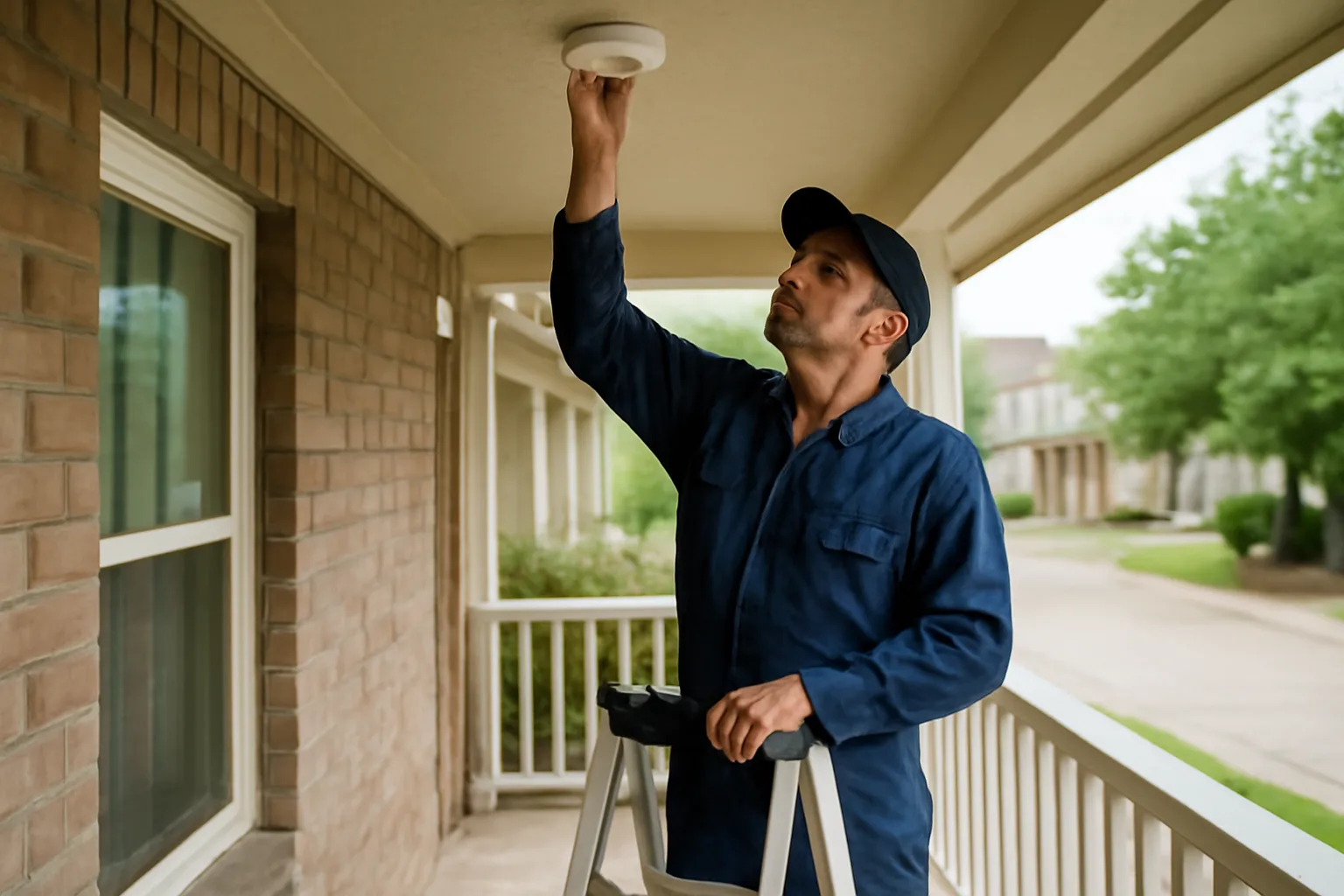
TL;DR
Yes. A restricted, conditional, or provisional rental license usually means your property has open violations but the city still allows you to rent it out while you fix them by a set deadline. Miss that deadline and the license can lapse into a suspension, daily fines, or a rental ban until you pass reinspection.
What does a restricted rental license actually mean?
A restricted (some cities say "conditional" or "provisional") rental license means the city found problems during inspection but decided the violations weren't severe enough to shut the unit down immediately. You get a license, you can legally collect rent, but the city attaches a correction deadline and sometimes a shorter renewal cycle than a clean license would get. This is different from a denied license or a revoked one. Denied means the city won't let you rent at all until you reapply and pass. Revoked means an active license got pulled, usually after a landlord ignored notices. Restricted sits in the middle: you're operating, but you're on a clock. Most cities that run mandatory rental inspection programs build this tier into their code on purpose, because a hard pass/fail system either pushes units off the market overnight (bad for tenants who need somewhere to live) or lets cities look the other way on serious problems (bad for tenants who need somewhere safe). The restricted license is the compromise. Chicago, Minneapolis, and dozens of smaller cities with point-of-sale or periodic rental inspection ordinances use some version of this structure, though the exact name and rules vary by jurisdiction. Always confirm the specific terms with your city rental licensing office, because "restricted" in one city might mean something closer to "probationary" in another.
Can you legally rent out a unit while your license is restricted?
In almost every city with this tier, yes. That's the whole point of the restricted category: it lets you keep collecting rent and keep the tenant housed while you fix what the inspector flagged. What changes is the paperwork trail and the risk if you don't act. A restricted license typically comes with a written notice listing the specific violations (a broken smoke detector, a missing handrail, a plumbing leak, an unpermitted unit). The notice sets a correction deadline, often 30, 60, or 90 days depending on severity, and orders a reinspection date. You keep renting during that window. What you can't do is ignore the notice and assume the restriction quietly goes away. It doesn't. Cities track these on a compliance calendar, and missing the reinspection date is usually what triggers real penalties: escalating fines, a hold on your certificate of occupancy, or in repeat cases a rental license suspension that does stop you from renting or renewing a lease. If you're mid-lease when the restriction hits, you generally don't have to end the tenancy. If you're between tenants or about to sign someone new, some cities require you to disclose the restricted status or even bar new leases until the violations clear, so check your local ordinance before advertising the unit.
What's the difference between restricted, suspended, and revoked?
| Restricted / conditional | Yes, with a deadline | Violations found at inspection, not immediately dangerous | Fix items, pass reinspection by deadline | |
|---|---|---|---|---|
| Suspended | Usually no, or only for existing tenants | Missed a correction deadline, unpaid fines | Pay fines, complete repairs, request reinstatement | |
| Revoked | No | Repeated violations, fraud, or refusal to comply | Full reapplication, sometimes a waiting period | |
| Denied (never issued) | No | Failed initial inspection application | Correct and reapply | The practical lesson: a restricted license is recoverable with basic follow-through. A revoked one usually means starting over. If you get a restricted notice, treat the deadline as real, not aspirational, because the next tier up (suspension) is where the fines and rental bans actually bite. |
These three terms get used loosely by landlords but they mean very different things to a city inspector's office. | Status | Can you rent right now? | Typical trigger | Typical path back to normal |
How to become a landlord in a licensed rental city
Becoming a landlord in a city that requires rental licensing means clearing two separate hurdles: the general legal steps anyone takes to rent out property, and the local registration or licensing process on top of it. The general steps are the same almost everywhere. You need clear title or authority to rent the unit, you typically need to register the business with your state if you're operating as an LLC, and most states require a written or oral lease that meets state landlord-tenant law minimums. Then the local layer kicks in: many cities require you to register the rental with the city (sometimes called a rental registration or business license), pay an annual or biennial fee, and pass an initial inspection before you can legally lease the unit or renew an existing lease. Order of operations matters. Register the property with the city before you advertise it, because some ordinances treat unregistered rentals as a violation from day one, independent of condition. Then schedule the initial inspection; many cities require this before or shortly after the first tenant moves in. Budget for a possible restricted or conditional pass on the first inspection. Older housing stock especially tends to flag one or two items (GFCI outlets, missing handrails, smoke detector placement) that you can usually fix cheaply and pass on reinspection. If you want a structured way to gather what your city's office will ask for before you walk in, a packet built around your specific city's checklist (like the $79 City Rental License & Inspection Prep Packet) can save you a wasted trip, but it's not a substitute for calling your local office to confirm current fees and forms.
What is landlording, and what is a landlord, exactly?
Landlording is the ongoing work of owning and managing rental property: screening tenants, collecting rent, handling maintenance requests, keeping the unit compliant with local code, and managing the lease relationship start to finish. It's a mix of legal compliance, basic property maintenance, and people management, and most of the friction new landlords hit is underestimating the compliance side. A landlord, in the legal sense, is the party who owns or controls a property and leases it to a tenant in exchange for rent. State landlord-tenant statutes define the landlord's obligations pretty specifically. Under most state codes modeled on the Uniform Residential Landlord and Tenant Act, a landlord has to keep the property in a condition that meets basic housing and safety codes, keep common areas reasonably safe, and maintain the electrical, plumbing, heating, and sanitary systems in working order [1]. That statutory duty runs alongside whatever your city's rental licensing program requires. Passing a city rental inspection doesn't automatically mean you're meeting every state maintenance obligation, and vice versa. They're separate legal layers, and violating either one can create liability.
How do you become a landlord, step by step?
If you're starting from zero, the practical sequence looks like this. Confirm zoning allows the rental use you want (single-family rental, duplex, accessory unit). Decide on your ownership structure, personal name or LLC, and understand that either way you're bound by your state's landlord-tenant statute. Get the property up to code, meaning both state habitability minimums and your city's rental housing code if one exists. Then handle the local licensing layer: register with your city's rental licensing or housing department, pay the registration or licensing fee (this varies enormously by city, so confirm the current amount with your city rental licensing office rather than trusting a number you saw online), and schedule your initial inspection. Get a lease that complies with your state's required disclosures. Screen tenants under the Fair Housing Act, which prohibits discrimination based on race, color, national origin, religion, sex, familial status, or disability in any housing-related decision [2]. Collect a security deposit within your state's legal cap and follow your state's deposit-return timeline once a tenant moves out. After move-in, your ongoing landlord duties include responding to repair requests within a reasonable time (many states define "reasonable" in statute, often referencing a range like 14 to 30 days for non-emergency repairs, though this varies by state and by whether the issue is habitability-related), keeping up with your city's periodic reinspection schedule if one applies, and renewing your rental license or registration before it expires. Related reading on tenant protections during this process is at tenants rights and renters rights.
Who is responsible for a rental property walk-through inspection in California?
In California, two different walk-through inspections can apply, and landlords sometimes mix them up. The first is a move-in/move-out condition inspection tied to the security deposit statute. Under California Civil Code Section 1950.5, a landlord must, upon request, do an initial move-out inspection before the tenant vacates, give the tenant an itemized list of deficiencies, and allow the tenant a chance to fix them before move-out to avoid deposit deductions [3]. That inspection is the landlord's responsibility to schedule and conduct, at the tenant's request, and the landlord has to give at least 48 hours written notice of the inspection time (this notice can be waived by the tenant) [3]. The second kind is a municipal rental inspection, which exists only in California cities and counties that run their own rental housing inspection or proactive rental inspection program (Los Angeles's Systematic Code Enforcement Program is one well-known example). Those inspections are conducted by city or county code enforcement staff, not by the landlord, and the landlord is responsible for scheduling access, paying the associated fee, and correcting anything flagged. There's no single statewide California law requiring rental inspections in every city; it depends entirely on whether your specific city or county opted into a program, so confirm with your city rental licensing office whether one applies to your property.
What can a landlord look at during an inspection?
During a routine habitability or code inspection, whether it's a city rental license inspector or a landlord doing a periodic walk-through under a lease clause, the scope is generally limited to visible, accessible conditions related to safety, maintenance, and code compliance. That means things like smoke and carbon monoxide detector function, electrical outlet condition, plumbing leaks, heating system operation, window and door locks, handrail and stair safety, pest evidence, and mold or moisture damage. What an inspector or landlord generally should not do is search through the tenant's personal belongings, closets, drawers, or private storage as part of a maintenance or code inspection. That's outside the scope of what the inspection is legally for, and most state landlord entry statutes limit landlord access to inspecting the premises for habitability and lease compliance, not searching tenant property. If a city inspector is present for a licensing inspection, they're generally there to check the physical condition of the unit and building systems, not to evaluate how the tenant lives. Landlords should also give proper notice before any non-emergency entry, including a maintenance inspection tied to a rental license reinspection. Notice requirements vary by state, commonly ranging from 24 to 48 hours advance written notice for non-emergency entry, though the exact number and format (written vs. verbal, posted vs. mailed) is set by state statute, so check your state's specific landlord-tenant code.
How much notice does a landlord have to give before entering or inspecting?
There's no single national number here; notice periods are set state by state, and they typically fall somewhere between 24 and 48 hours for non-emergency entry, with emergencies (fire, flooding, gas leak) generally allowing immediate entry without advance notice. California, for example, generally requires "reasonable notice," which the state Civil Code presumes to be 24 hours in writing unless circumstances make that impracticable [4]. Other states set a flat 24-hour rule, others use 48 hours, and a few don't specify an exact number in statute at all, just requiring "reasonable" notice, which invites disputes. When the entry is specifically for a city rental license inspection, some municipal ordinances layer on their own notice requirement separate from the state landlord-tenant statute, sometimes requiring the landlord to notify the tenant in writing a set number of days before the scheduled inspection date. If your city's inspection notice requirement is stricter than your state's general entry notice rule, follow the stricter one; it protects you from a tenant complaint and keeps you compliant with both layers of law. Practical rule of thumb: give inspection notice in writing, keep a copy or a text/email timestamp, and don't schedule the inspection for a time you haven't confirmed the tenant received notice about. A missed inspection because of a notice dispute just delays your reinspection deadline further, which is the last thing you want if your license is already in restricted status.
Why do landlords require renters insurance?
Landlords require renters insurance mainly to shift liability and to protect against losses that a landlord's own property insurance policy won't cover. A standard landlord (dwelling) policy covers the building structure and the landlord's own property, but it generally doesn't cover a tenant's personal belongings or the tenant's liability if they cause a fire, water damage, or an injury to a guest. Requiring renters insurance, commonly with liability coverage in the range of $100,000, means if the tenant's negligence causes damage (a grease fire, an overflowing tub, a dog bite to a visitor), the tenant's policy responds first instead of the landlord's insurer having to absorb the loss or the landlord having to sue the tenant directly to recover it. It also protects the tenant: without renters insurance, a tenant who loses everything in a fire has no coverage for their own belongings, since the landlord's policy won't reimburse them. Most states allow landlords to require renters insurance as a lease condition as long as it's disclosed in the lease and applied consistently to all tenants (to avoid fair housing issues). It's not universally mandated by state law, it's a landlord choice written into the lease, so if you require it, spell out the minimum coverage amount and the proof-of-insurance process clearly in your lease terms.
What rights do tenants have without a written lease?
A tenant without a written lease still has real legal rights. In every U.S. state, an oral or implied rental agreement (sometimes called a month-to-month tenancy at will) is generally recognized as valid as long as rent is being paid and accepted, and the tenant is entitled to the same basic habitability protections as a tenant with a written lease. That means the landlord still has to maintain the unit in compliance with state and local housing codes, still has to give proper notice before entering, and still has to follow the state's legal eviction process rather than just changing the locks or removing the tenant's belongings ("self-help eviction" is illegal in every state). What a tenant without a written lease typically doesn't have is a fixed lease term; without a lease specifying otherwise, the tenancy is usually presumed month-to-month, which means either party can generally end it with proper notice, commonly 30 days, though the exact notice period and process is set by state statute. A tenant without a lease also keeps their security deposit protections (if any deposit was collected), their protection from retaliatory or discriminatory eviction under the Fair Housing Act [2], and their right to habitable housing under whatever version of the implied warranty of habitability their state recognizes. For more on tenant-side protections, see tenants rights and tenant rights.
What can't a landlord do in Ohio?
Ohio's landlord-tenant law is codified mainly in Ohio Revised Code Chapter 5321. Under ORC 5321.04, a landlord must comply with building and housing codes, keep common areas safe, maintain plumbing and heating systems, and provide running water and reasonable amounts of hot water [5]. What a landlord cannot do under Ohio law includes several specific prohibitions. Ohio landlords cannot shut off utilities, change the locks, or remove a tenant's belongings to force them out without going through the formal eviction (forcible entry and detainer) process; self-help eviction is not permitted. ORC 5321.15 specifically prohibits a landlord from using "self-help" measures like changing locks or removing doors and windows to force a tenant out [6]. Ohio landlords also cannot retaliate against a tenant for reporting a code violation or joining a tenant organization; ORC 5321.02 protects tenants from retaliatory conduct including rent increases, eviction, or reduced services made in response to a tenant's good-faith complaint [7]. And a landlord cannot enter the unit without reasonable notice except in an emergency; Ohio courts and the statute generally treat 24 hours as reasonable notice for routine, non-emergency entry, though the statute itself says "reasonable notice" rather than a fixed number [5]. Ohio landlords also generally cannot discriminate in leasing decisions on any basis covered by the federal Fair Housing Act [2], and many Ohio cities layer additional rental registration or licensing rules on top of the state code, which is a separate compliance requirement from anything in ORC 5321.
What happens if you ignore a restricted license notice?
Ignoring a restricted or conditional license notice is how landlords end up in real trouble. Cities generally don't escalate straight to revocation; they escalate through a predictable sequence, and skipping the early, cheap step is what turns a fixable problem into an expensive one. The typical escalation path looks like this: restricted license issued with a correction deadline, a missed deadline triggers a formal violation notice and often a daily or per-item fine, continued non-compliance triggers license suspension (which can bar new leases or renewals), and repeated or willful non-compliance can trigger revocation and, in some cities, a period during which you can't reapply. Fine amounts vary hugely by city and by violation type, so don't assume a number, confirm the fine schedule directly with your city rental licensing office. The fix is almost always cheaper than the fine. A missing smoke detector costs maybe $15 to $30 to replace. A missing handrail might run $100 to $300 installed. Compare that to daily accumulating fines that some cities apply for open violations, which can add up to hundreds or thousands of dollars over a few months of inaction. If you're not sure what your city's specific restricted-license correction list requires or what paperwork proves compliance, gathering your city's actual checklist before your reinspection date is the single highest-leverage thing you can do; that's the exact gap the City Rental License & Inspection Prep Packet is built to close for landlords who don't want to guess.
Frequently asked questions
Can you get a rental license with open code violations?
Often yes, through a restricted or conditional license. The city issues the license with a correction deadline instead of denying it outright, letting you rent while you fix flagged items. Serious life-safety violations (no smoke detectors, structural hazards) are more likely to result in denial until fixed. Confirm the specific threshold with your city rental licensing office.
How long does a restricted rental license last?
It varies by city, typically anywhere from 30 to 90 days before reinspection, though some cities set shorter windows for serious items. There's no single national standard; the correction notice itself should state your specific deadline. Missing it usually triggers fines or suspension rather than an automatic extension.
Do I have to tell tenants my rental license is restricted?
Some cities require disclosure to prospective tenants or current tenants when a unit is under a restricted license or open violation notice; others don't require it explicitly. Check your city's rental housing ordinance directly, since disclosure rules are set locally and vary a lot from one jurisdiction to the next.
What's the difference between a restricted license and a failed inspection?
A failed inspection is the event; a restricted license is one possible outcome of it. After a failed inspection, a city can deny the license entirely, issue it restricted with a deadline, or in minor cases issue it clean with a note to fix small items by the next cycle. It depends on violation severity and your city's specific code.
Can a restricted license affect selling my rental property?
Yes, potentially. Some cities require a clean rental license or a point-of-sale inspection before a property transfer closes, and open violations tied to a restricted license can delay that. Ask your city rental licensing office whether outstanding violations need to clear before you can sell.
How to become a landlord if I already own a rental property?
Register the property with your city if a rental registration or licensing program applies, pass any required initial inspection, and get a lease that complies with your state's landlord-tenant statute. You're already the property owner; becoming a compliant landlord is mostly a paperwork and inspection process from there.
What is landlording as a side income?
Landlording as side income means managing a rental property (or a few units) alongside another job, handling tenant screening, rent collection, maintenance, and city compliance yourself rather than hiring a property manager. It's legally identical to full-time landlording; the same state and city rules apply regardless of how much time you put in.
What rights does a tenant have without a lease in an eviction?
A tenant without a written lease still gets full legal eviction protections. The landlord must file through the state's formal eviction process and can't remove the tenant or their belongings without a court order. Notice periods before filing (commonly around 30 days for month-to-month tenancies) are set by state statute and still apply.
Why do some landlords require renters insurance but others don't?
It's a landlord's individual choice written into the lease, not a universal legal requirement in most states. Landlords who've dealt with an uninsured tenant's fire or flood damage claim tend to require it going forward; it shifts liability for tenant-caused damage and injury away from the landlord's own policy.
How much notice for a rental inspection versus routine entry?
Routine entry notice (state law) is usually 24 to 48 hours depending on the state. A city rental license inspection can carry its own separate notice requirement set by local ordinance, sometimes longer. Follow whichever notice period is stricter, and always confirm the current rule with your state statute and your city office.
Can a landlord look inside closets or drawers during an inspection?
Generally no. A habitability or licensing inspection covers visible building systems and safety conditions, not the tenant's personal belongings or private storage. Searching a tenant's closets or drawers is outside the normal scope of a maintenance or code inspection and could raise a tenant privacy or unlawful entry issue.
What can't a landlord do in Ohio regarding eviction?
An Ohio landlord cannot use self-help measures like changing the locks, shutting off utilities, or removing a tenant's belongings to force them out; Ohio Revised Code 5321.15 prohibits this. The landlord must file a formal eviction action in court and get a judgment before removing a tenant.
Sources
- Uniform Law Commission, Uniform Residential Landlord and Tenant Act (as adopted by states): Landlord duty to maintain premises in compliance with housing and safety codes
- U.S. Dept. of Housing and Urban Development, Fair Housing Act overview: Fair Housing Act prohibits discrimination in housing based on race, color, national origin, religion, sex, familial status, disability
- California Civil Code Section 1950.5: California landlord move-out inspection and itemized deficiency list requirement, 48-hour notice
- California Civil Code Section 1954: California presumes 24 hours written notice as reasonable notice for landlord entry
- Ohio Revised Code Section 5321.04: Ohio landlord obligations: comply with codes, maintain common areas, plumbing, heating, water
- Ohio Revised Code Section 5321.15: Ohio prohibits landlord self-help eviction including changing locks or removing doors/windows
- Ohio Revised Code Section 5321.02: Ohio prohibits landlord retaliation against tenants for code complaints or tenant organizing