Last updated 2026-07-26
TL;DR
Becoming a landlord means more than buying a property and finding a tenant. Most cities require a rental license or registration, inspections check for basic safety (smoke detectors, egress, no hazards), and even tenants without a written lease have real legal rights, including notice before entry and before eviction.
how to become a landlord
Becoming a landlord starts before you ever list a unit. You need to check whether your city or county requires a rental license or registration, because a growing number of municipalities do. Cities like Los Angeles, Baltimore, and Minneapolis all run some form of mandatory rental registration or licensing program, and fees, inspection cycles, and penalties vary a lot from one city to the next [1][2]. The basic sequence looks like this: confirm your local licensing requirement, get the property inspection-ready, register or apply for the license, screen and select a tenant under fair housing rules, and put a written lease in place. Skipping the licensing step is the single most common mistake new landlords make, because they assume a rental license is a big-city-only thing. It isn't. Plenty of mid-size cities and even some suburbs require it, often with fines running from $100 to several thousand dollars for operating unlicensed [2]. You also need basic financial and legal groundwork: a business bank account for rent, landlord insurance (different from a standard homeowner's policy), and a lease that matches your state's landlord-tenant statute. If you're self-managing, budget time for maintenance requests and the annual or biennial re-registration paperwork your city may require. For city-specific rules, check with your city rental licensing office directly, since program names, fee schedules, and inspection frequency differ everywhere. A $79 City Rental License & Inspection Prep Packet can help you organize the documents and checklist most cities ask for, but the local office is always the final word on your specific requirements.
what is landlording, exactly
Landlording is the day-to-day work of owning and operating rental property: collecting rent, maintaining the unit, handling repairs, following your state's landlord-tenant law, and managing the relationship with your tenant. It's a mix of light property management and light compliance work, even if you own just one unit. People sometimes think landlording is passive income. It rarely is, especially in the first year. You're the person tenants call at 9 p.m. when the water heater dies, and you're the person responsible for keeping the unit in "habitable" condition under your state's implied warranty of habitability, a legal doctrine most states recognize in some form [3]. Landlording also means keeping records: lease copies, rent receipts, inspection reports, and repair invoices, because if a dispute ever goes to a housing court, paper trail wins arguments.
what is a landlord, legally speaking
A landlord is the person or entity that owns residential property and rents it to a tenant in exchange for money, under a lease or rental agreement. Legally, that relationship creates specific duties on both sides: the landlord must provide a habitable unit and give proper notice before entry or eviction, and the tenant must pay rent and avoid damaging the property. This definition matters because "landlord" isn't just about owning the title. If you manage a property for someone else, or you're renting out a unit you don't legally own (subletting), the legal duties can shift or split. Most state landlord-tenant statutes define "landlord" broadly enough to include property managers acting on an owner's behalf, which means the person doing showings and collecting rent checks can carry legal responsibility even without being on the deed.
who is responsible for a rental property walk-through inspection in california
In California, the landlord is generally responsible for coordinating the move-in and move-out inspection, but the tenant has a legal right to participate. California Civil Code Section 1950.5 requires landlords to give tenants the opportunity for an initial inspection before the tenant moves out, specifically so the tenant can fix any deficiencies before the landlord makes deductions from the security deposit [4]. Under that statute, the landlord must give at least 48 hours' written notice of the proposed inspection date and time, and the tenant can waive that inspection if they choose [4]. After the walk-through, the landlord has to give the tenant an itemized statement of any repairs or cleaning needed to avoid a deposit deduction. This is separate from routine habitability inspections during the tenancy, which typically require 24 hours' notice for landlord entry under California Civil Code Section 1954 [5]. So to be precise: the landlord initiates and manages the move-out walk-through, but California law builds the tenant into the process by right, not as an optional courtesy.
what can a landlord look at during an inspection
| Move-in/move-out walk-through | Landlord, tenant may join | 48 hrs (CA) [4] | Condition, damage, cleanliness | |
|---|---|---|---|---|
| Routine landlord entry | Landlord | 24 hrs typical (CA) [5] | Repairs, habitability | |
| Municipal rental license inspection | City inspector | Varies, often scheduled in advance | Smoke/CO detectors, egress, structural safety, code violations | If you're prepping for a city licensing inspection specifically, that's a narrower and more predictable checklist than a general habitability inspection, which is exactly the gap our $79 prep packet is built to close: a checklist matched to common municipal inspection categories so you're not guessing what the inspector will flag. |
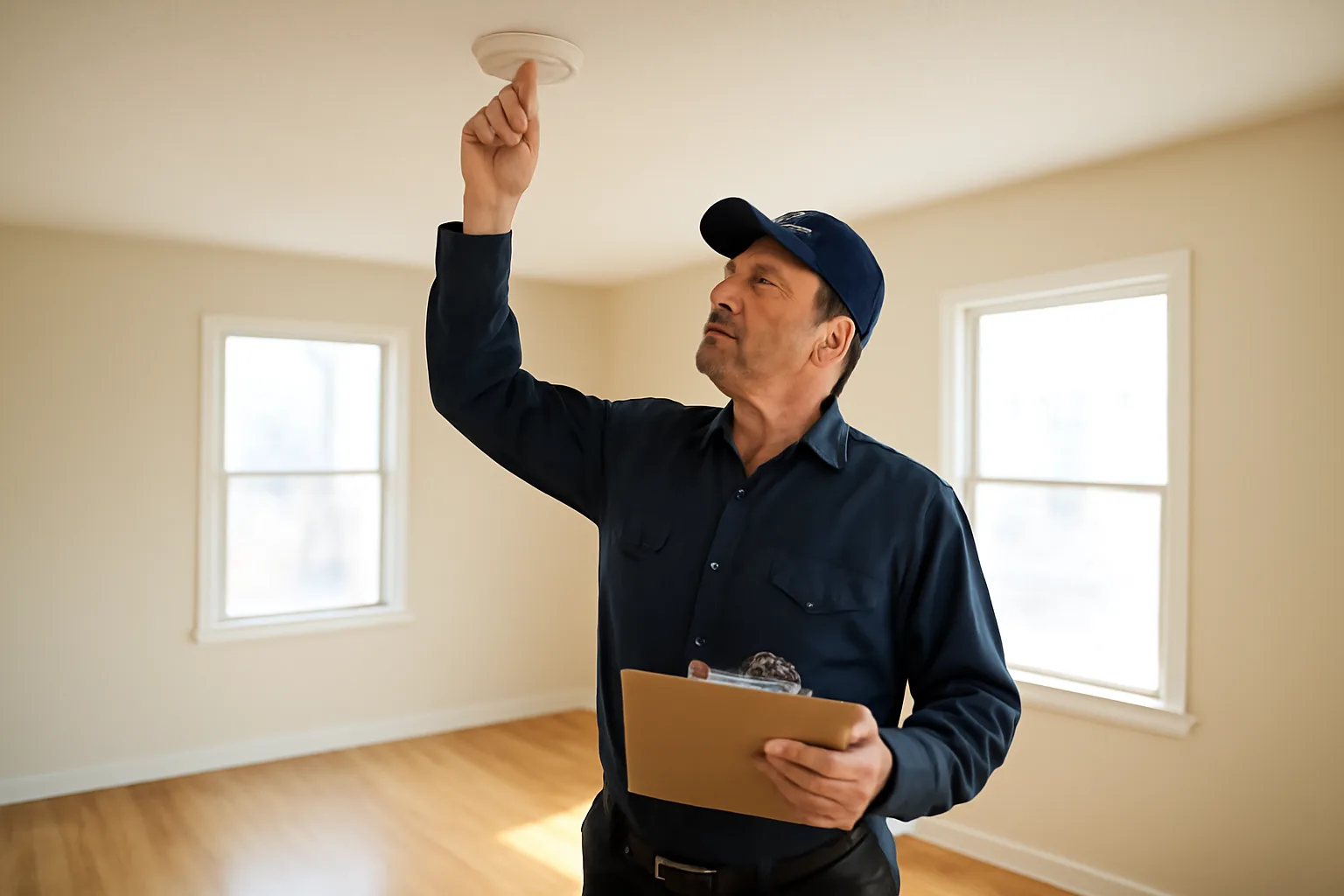
During a routine or move-in/move-out inspection, a landlord can generally check the condition of the unit itself: walls, floors, ceilings, appliances, plumbing fixtures, windows, doors, smoke and carbon monoxide detectors, and evidence of pest issues or unauthorized alterations. Most states limit inspections to a reasonable purpose, like verifying habitability, checking for damage, or doing agreed-upon repairs. What a landlord generally cannot do is search through a tenant's personal belongings, closets, or private storage without cause, and cannot use an inspection as a pretext to harass a tenant or retaliate for a complaint. Many states, including California, require advance written notice (24 hours is common) except in genuine emergencies [5]. City rental licensing inspections are a different animal from a landlord's own walk-through. A municipal inspector checking for rental license compliance is usually looking at life-safety items: working smoke detectors, secondary means of egress, functioning heat, no exposed wiring, no unpermitted units, and sometimes exterior conditions like peeling paint (a lead paint concern in pre-1978 housing) [6]. Some cities also check for carbon monoxide detectors near sleeping areas, since a growing number of state fire codes now require them in rental units. | Inspection type | Who conducts it | Typical notice | What's checked |
how much notice does a landlord have to give before entering a rental
Most states require 24 to 48 hours of advance notice before a landlord enters an occupied rental unit for non-emergency reasons, though the exact number and the accepted method of delivering that notice (written, posted, verbal) varies by state. California requires "reasonable notice," and the law presumes 24 hours is reasonable absent circumstances suggesting otherwise, under Civil Code Section 1954 [5]. Other states set their own numbers. Some require notice only for entry to show the unit to prospective tenants or buyers, or for repairs, while allowing shorter or no notice in a true emergency (fire, flooding, gas leak). No state lets a landlord enter whenever they want for routine, non-urgent purposes; the entry has to relate to a legitimate purpose like repairs, inspection, or showing the property, and it has to happen at reasonable hours. Because this varies by state and sometimes by city ordinance, always check your specific state's landlord-tenant statute rather than assuming the 24-hour rule that's common in California and similar states applies everywhere.
what a landlord cannot do in ohio
Ohio landlord-tenant law, codified in Ohio Revised Code Chapter 5321, restricts a landlord from several things that trip up new landlords. A landlord cannot shut off utilities, change the locks, or remove a tenant's belongings to force them out; that's a "self-help eviction" and it's illegal even if the tenant is behind on rent [7]. Eviction has to go through the court process. Ohio law also requires landlords to maintain the property in a fit and habitable condition, comply with building and housing codes, keep common areas safe, and make repairs. Retaliation against a tenant for reporting a code violation or joining a tenant organization is prohibited under R.C. 5321.02 . A landlord also can't enter without reasonable notice except in an emergency, and Ohio's default standard for that notice is 24 hours under R.C. 5321.04 . Security deposit rules matter here too: Ohio requires landlords to return the deposit, minus any itemized deductions, within 30 days of the tenant moving out, under R.C. 5321.16 . Miss that window without a valid itemized deduction and a court can award the tenant double the amount wrongfully withheld, plus reasonable attorney's fees .
what rights do tenants have without a lease
A tenant without a written lease, sometimes called a tenant-at-will or a month-to-month tenant by default, still has real legal protections in every state. The lack of a signed lease doesn't strip away rights to habitability, to proper notice before eviction, or to protection from illegal lockouts and retaliation. Without a written lease, the tenancy is generally treated as month-to-month, governed by whatever your state's default statute says about that arrangement. That means the landlord typically has to give a set notice period, often 30 days, before ending the tenancy or raising rent, though the exact number varies by state and sometimes by how long the tenant has lived there. A tenant paying rent regularly, even with no paperwork at all, is still a tenant in the eyes of the law, not a trespasser. The landlord still can't change the locks, shut off utilities, or physically remove the tenant without going through the court eviction process, the same self-help eviction ban that applies with a written lease [7]. If you're a landlord operating without written leases (common with informal family arrangements or older tenancies), get one in writing as soon as possible; it protects you as much as the tenant, and many city rental licensing programs actually require a lease copy on file as part of registration.
why do landlords require renters insurance
Landlords require renters insurance mainly to shift liability and property-loss risk away from themselves and their own insurance policy. A standard landlord or homeowner's policy covers the building structure, but it generally does not cover a tenant's personal belongings or a tenant's liability if, say, a guest gets hurt in the unit or the tenant accidentally causes a fire. Renters insurance is typically inexpensive, commonly cited in the $15 to $30 per month range depending on coverage and location, and it protects the tenant's own possessions while also giving the landlord a layer of protection against liability claims that might otherwise land on the landlord's policy or out of the landlord's own pocket. Many landlords now write a renters insurance requirement directly into the lease, and some cities' licensing programs ask landlords to confirm this is addressed in the lease terms, though we're not going to draft that clause for you here since lease language should match your specific state's enforceability rules.
how do rental license fees and inspection cycles typically work
Every city with a mandatory rental licensing program sets its own fee, its own renewal cycle, and its own inspection frequency, so there's no single national number to quote. Some cities charge a flat annual fee per unit, others charge per building with a per-unit add-on, and some scale the fee by number of units or property type. Inspection cycles commonly run annually, every two years, or every three years depending on the city and sometimes depending on whether the property has passed prior inspections cleanly. A property with a history of violations may get inspected more often; a clean record sometimes earns a longer cycle in cities that use a risk-based inspection model. Rather than guess at your city's numbers, confirm the current fee schedule and inspection interval with your city rental licensing office directly, since these figures change with local budget cycles and ordinance updates. If you manage multiple units across different cities, keeping a simple spreadsheet of each city's fee, renewal date, and inspection window saves you from missed deadlines and the late fees that come with them.
what happens if you get a violation notice or miss a deadline
A rental licensing violation notice usually gives you a specific window, often 10 to 30 days depending on the city and violation type, to either fix the issue or request a re-inspection. Ignore it and most cities escalate to daily fines, a formal hearing, or in serious cases a hold on your ability to collect rent or evict a tenant until the license is current. The smart move when a notice arrives is to read the specific code section cited, more than the summary line, and to document the fix with photos and dated receipts before the re-inspection. If the notice cites something ambiguous, call the inspector's office and ask exactly what would satisfy it; guessing wrong wastes another inspection cycle and another set of fees. If you're staring at a violation notice or a licensing deadline right now and you're not sure what documentation your city expects, that's the exact situation our $79 City Rental License & Inspection Prep Packet is built for: a structured checklist to get your paperwork and unit condition ready before the re-inspection, not a guarantee of passing, since every city's inspector has final say.
Frequently asked questions
How to become a landlord if I only own one property?
Even one unit can require a rental license in mandatory-licensing cities. Confirm your city's registration requirement first, get the unit inspection-ready (smoke detectors, egress, no code violations), then screen tenants under fair housing law and use a written lease matched to your state's statute.
Who is responsible for a rental property walk-through inspection in California?
The landlord coordinates the move-out walk-through, but California Civil Code Section 1950.5 gives tenants the right to an initial inspection with at least 48 hours' notice, so they can fix issues before any security deposit deduction happens.
What is landlording?
Landlording is the ongoing work of owning and operating a rental: collecting rent, handling repairs, following your state's landlord-tenant law, keeping the unit habitable, and managing tenant communication. It's active work, not passive income, especially in the first year of owning a rental.
What is a landlord?
A landlord is the person or entity renting residential property to a tenant under a lease, with legal duties to maintain habitability and give proper notice, and legal rights to collect rent and reclaim the property through lawful eviction if needed.
What rights do tenants have without a lease?
Tenants without a written lease are generally treated as month-to-month tenants and keep full legal protections: habitability, notice before eviction (often 30 days), and protection from illegal lockouts or utility shutoffs. Lack of paperwork doesn't remove these rights in any state.
How do I become a landlord step by step?
Check your city's rental licensing requirement, prep the unit for inspection, register or apply for the license, get landlord insurance, screen tenants under fair housing rules, and sign a written lease matching your state's landlord-tenant statute. Then track your renewal date.
Why do landlords require renters insurance?
Renters insurance covers a tenant's belongings and personal liability, which a landlord's own policy typically doesn't cover. It's usually $15 to $30 a month and reduces the landlord's exposure if a tenant causes accidental damage or a guest is injured.
How much notice does a landlord have to give before entering a unit?
Most states require 24 to 48 hours' notice for non-emergency entry. California treats 24 hours as presumptively reasonable under Civil Code Section 1954. Exact rules vary by state, so check your specific statute rather than assuming a national standard.
What can a landlord look at during an inspection?
A landlord can check the unit's condition: appliances, plumbing, smoke and CO detectors, structural issues, and signs of damage or unauthorized changes. Municipal license inspectors focus on life-safety items like egress and detectors. Landlords generally cannot search personal belongings without cause.
What a landlord cannot do in Ohio?
Under Ohio Revised Code Chapter 5321, a landlord cannot shut off utilities, change locks, or remove belongings to force a tenant out (self-help eviction is illegal), cannot retaliate for code complaints, and must return deposits within 30 days or face double damages.
Do all cities require a rental license or registration?
No. Requirements are set city by city or sometimes county by county. Many mid-size and large cities run mandatory programs, but plenty of areas have no registration requirement at all. Always confirm with your specific city's rental licensing or code enforcement office.
What happens if I miss a rental inspection deadline?
Most cities issue a violation notice with a cure period, often 10 to 30 days, before daily fines or a hearing start. Fix the cited issue, document it, and contact the inspector's office to confirm what satisfies the notice before your re-inspection date.
Sources
- Cornell Law School Legal Information Institute, Implied Warranty of Habitability: Most states recognize an implied warranty of habitability for rental housing
- California Civil Code Section 1950.5: California requires landlords to offer an initial move-out inspection with 48 hours' notice before deposit deductions
- California Civil Code Section 1954: California requires reasonable notice, presumed to be 24 hours, before landlord entry
- U.S. EPA, Renovation, Repair and Painting Rule (Lead Paint): Pre-1978 housing is subject to federal lead paint disclosure and work practice rules
- Ohio Revised Code Section 5321.15: Ohio prohibits landlord self-help eviction, including lockouts and utility shutoffs
- Ohio Revised Code Section 5321.02: Ohio law prohibits landlord retaliation against tenants for reporting code violations
- Ohio Revised Code Section 5321.16: Ohio requires security deposit return within 30 days, with double damages for wrongful withholding