Last updated 2026-07-26
TL;DR
No federal law requires landlords to provide a refrigerator. It depends on state and local law. A few states and cities (including some in California and New Jersey) treat a working fridge as part of habitability. Most places leave it to the lease. If a fridge is listed in the lease or ordinance, the landlord must supply and maintain a working one.
are landlords required to provide a fridge?
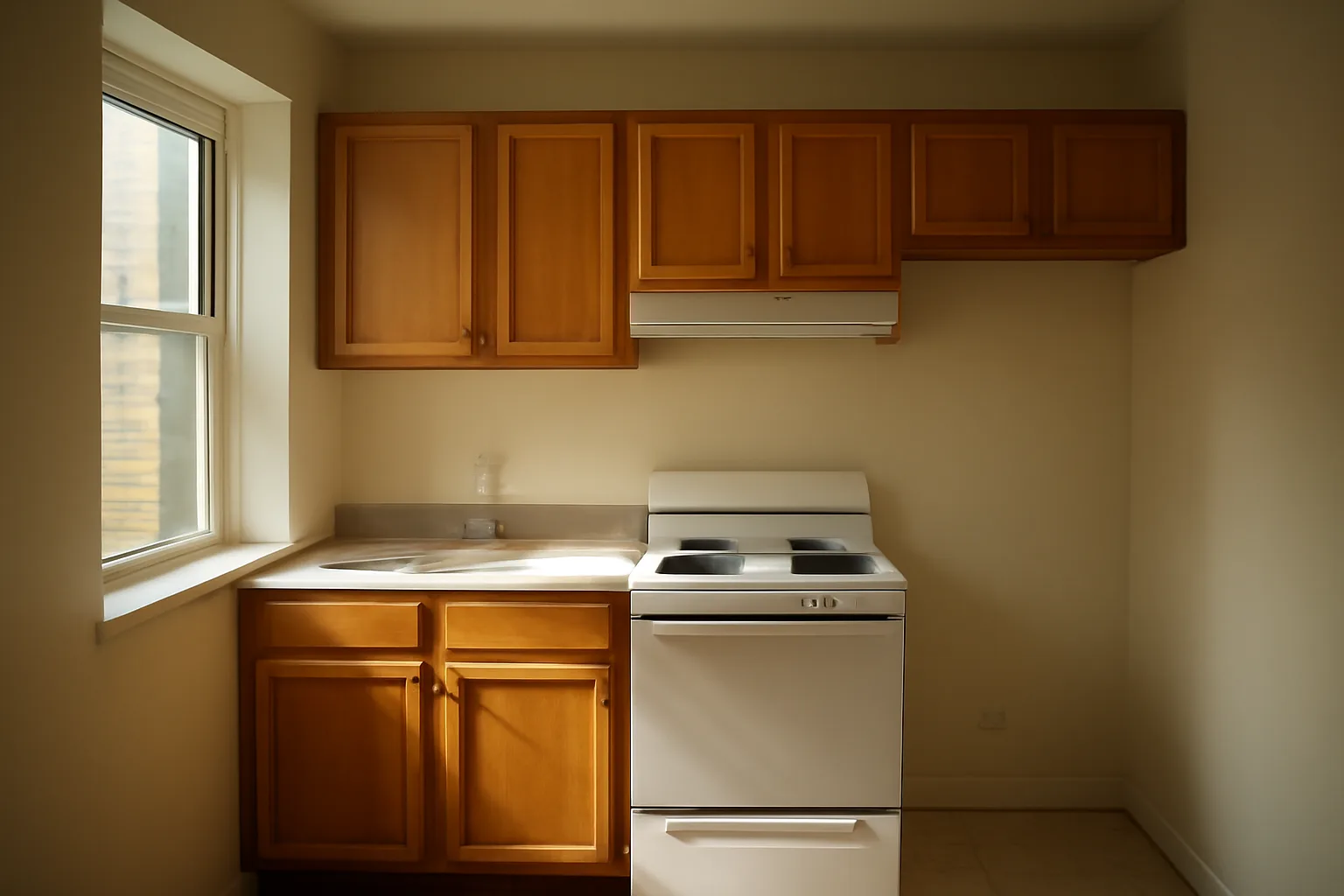
There's no federal law that says a rental unit must come with a refrigerator. The federal baseline for rental housing quality comes from things like HUD's Housing Quality Standards for voucher units, which require a functioning "food storage and preparation" space, but a full-size fridge isn't spelled out as mandatory in most private-market leases [1]. What actually controls the question is state landlord-tenant law, your city's housing code, and your lease. Some states fold appliances into their implied warranty of habitability. Some cities go further and list a refrigerator as a required fixture for any unit rented as a residence. In most of the country, though, a fridge is treated like a microwave or a dishwasher: a nice-to-have, not a legal must-have, unless you promised one in the lease. So the honest answer is: it depends where you own property, and it depends what your lease says. If you supply a fridge and put it in writing, you're on the hook to keep it working. If you don't supply one and don't promise one, most states won't force you to buy one after the fact.
which states or cities actually require a refrigerator in a rental?
This is where it gets specific, and where landlords get tripped up because they assume habitability law is the same everywhere. It isn't. California's Civil Code Section 1941.1 lists the basic habitability requirements for rental units: working plumbing, hot and cold water, heating, electrical wiring, and weatherproofing, but a refrigerator is not on that statutory list [2]. Some California cities layer their own housing codes on top of state law, so a local ordinance can add appliance requirements that state law doesn't. That's a big reason city rules matter as much as state rules. New Jersey is one of the clearer examples of a state that does require it. New Jersey's Hotel and Multiple Dwelling Law regulations (N.J.A.C. 5:10) require that multiple dwellings provide a stove and refrigerator, or hookups for a tenant-supplied stove and refrigerator, as part of the state's maintenance code for multi-unit buildings [3]. That's a real, citable requirement, not a guess. Many other states (Texas, Florida, Illinois, most of the Midwest) don't mention a refrigerator by name in their habitability statutes. Their laws focus on structural safety, working plumbing, heat, and pest control, not specific kitchen appliances. If you're not sure whether your state or city has an appliance rule, check with your state's tenant rights statute and, separately, your city's rental housing code. They aren't always the same document, and city rules can be stricter than state minimums.
if a fridge isn't legally required, why do most landlords provide one anyway?
Practically, almost every landlord supplies a refrigerator because it's what tenants expect and because units without one are much harder to rent. That's a market reality, not a legal one. Once you do supply a fridge, though, the legal picture changes. Most state implied warranty of habitability laws say that once an appliance is provided by the landlord, the landlord has to keep it in working condition for the length of the tenancy. That's the general rule under most state habitability statutes and it's consistent with HUD's guidance that a rental unit's food preparation space has to function properly if it's part of what was provided [1]. If your lease lists "refrigerator" as an included appliance, you've turned a courtesy into an obligation. That's worth remembering before you write your lease. If you don't want to be responsible for appliance repairs, some landlords intentionally leave the fridge out of the lease and let the tenant bring their own. That's legal in most states, as long as your local code doesn't require one.
what happens if a landlord-provided fridge breaks?
If you supplied the refrigerator and it stops working, most states require you to repair or replace it within a reasonable time, the same standard used for other essential systems like heat or plumbing. "Reasonable time" is usually a few days to two weeks depending on the state and whether food spoilage or a habitability complaint is involved. Some cities with rental licensing programs treat a broken major appliance as a code violation if the appliance was included in the unit's certificate of occupancy or rental license inspection. That's part of why rental license inspections matter: an inspector may check that every appliance listed on your registration is present and functioning, more than that the unit has heat and water. If you're prepping for an inspection tied to a rental license renewal, check your city's checklist carefully. Some inspection checklists literally list "refrigerator operable" as a line item if refrigerators are considered standard equipment in that city's code. That's a city-by-city variable, and it's exactly the kind of detail that trips up landlords who assume all housing codes look the same. If you want a structured way to get ahead of an inspection checklist instead of guessing at what your city expects, a packet like our $79 City Rental License & Inspection Prep Packet walks through what documentation and unit conditions cities commonly check before renewing a rental license.
how to become a landlord
Becoming a landlord starts before you buy or convert a property: you need to understand what your city and state require before you ever put a unit on the market. Steps generally include buying or designating a property for rental use, checking local zoning and occupancy rules, registering the rental with your city if required, understanding your state's landlord-tenant statute, and getting landlord liability insurance. Many cities that require a rental license or registration (common across parts of California, Ohio, New Jersey, and dozens of individual cities nationwide) also require a pre-rental inspection before you can legally lease the unit. Skipping that step is one of the most common first-time landlord mistakes, because fines for renting without a required license can run from under $100 to several hundred dollars per violation depending on the city. Before your first tenant moves in, confirm: is a rental license or registration required in your city? What does the pre-rental inspection check? Does your lease need to disclose specific things under state law (lead paint disclosure is federally required for pre-1978 housing under 24 CFR Part 35 and 40 CFR Part 745, for instance) [4]. Getting these basics in order first saves you from retroactive fines and forced re-inspections later.
what is landlording, and what is a landlord?
A landlord is the owner (or an authorized agent of the owner) who rents real property to a tenant in exchange for rent, under a lease or rental agreement. "Landlording" is the day-to-day work of that role: collecting rent, maintaining the property, handling repairs, following notice requirements, and staying compliant with local and state housing law. Landlording isn't just collecting a check. It includes legal obligations most new landlords underestimate: habitability duties (keeping the unit safe and livable), anti-discrimination compliance under the federal Fair Housing Act, security deposit handling rules that vary heavily by state, and, in licensing cities, rental registration renewal and inspection compliance. If you're brand new to the role, it helps to read up on what tenants rights look like in your state before you draft your first lease, because tenant protections shape almost every decision you'll make as a landlord, from notice periods to repair timelines.
who is responsible for a rental property walk-through inspection in california?
In California, the landlord (or their authorized property manager) is responsible for conducting the initial move-in and move-out walk-through inspections, and California law gives tenants a specific right tied to that process. Under California Civil Code Section 1950.5(f), a landlord who intends to withhold any part of a security deposit for repairs must give the tenant the option of an initial inspection before move-out, conducted at least two weeks before the tenancy ends, so the tenant has a chance to fix issues themselves [5]. The landlord must give at least 48 hours' written notice before that initial inspection unless the tenant waives the notice, and the landlord must provide an itemized statement of what needs correcting if problems are found during the walk-through [5]. This process is separate from any city-level rental inspection tied to a rental license, which is usually done by a city housing or code enforcement inspector, not the landlord. So there are two different "inspections" that can apply to the same California rental: the landlord-conducted move-out walkthrough under state deposit law, and a city-conducted rental license inspection under local code. Don't confuse the two when you're planning your compliance calendar.
what can a landlord look at during an inspection?
During a routine or move-out inspection, a landlord can generally look at the physical condition of the unit: walls, floors, fixtures, appliances (if provided), plumbing, electrical outlets, smoke and carbon monoxide detectors, and evidence of damage beyond normal wear and tear. Landlords cannot use an inspection as a pretext to search personal belongings, closets, or drawers beyond what's needed to assess the property's condition. Most states require advance notice before a landlord or their agent enters the unit for a non-emergency inspection, commonly 24 to 48 hours depending on the state, and entry generally has to happen at reasonable times. California's Civil Code Section 1954 sets 24 hours as presumptively reasonable written notice for entry to make repairs or show the unit, with different rules for the pre-move-out inspection noted above [6]. During a city rental-license inspection, the inspector (not the landlord) checks against a code-based checklist: smoke detectors, egress windows, working heat, electrical safety, absence of pest infestation, and any city-specific items like handrail height or window screens. That inspector generally has legal authority to enter with notice, sometimes even without landlord or tenant consent if the city ordinance grants that power, though most cities still require scheduling with the property owner first.
what rights do tenants have without a lease?
Tenants without a written lease still have legal rights. Once a tenant pays rent and occupies a unit with the landlord's knowledge, most states recognize an oral or month-to-month tenancy, and the tenant keeps the same basic protections as a written-lease tenant: the right to a habitable unit, protection from illegal lockouts or utility shutoffs, and required notice before eviction or rent increase. Without a written lease, the terms default to state law rather than a negotiated agreement. That usually means rent is due in the same amount and interval as previously paid, the tenancy is presumed month-to-month, and either party can end it with proper notice, typically 30 days in many states for month-to-month tenancies, though this varies. A landlord still can't evict a tenant without a lease through self-help methods like changing locks or removing belongings. Nearly every state requires formal eviction through court even when there's no written lease, because the tenancy itself, not the paper, is what creates legal rights. If you're a tenant without a lease trying to understand your standing, read up on tenant rights and renters rights in your specific state, since notice periods and habitability rules differ meaningfully state to state.
why do landlords require renters insurance?
Landlords require renters insurance mainly to shift liability and property-loss risk away from themselves. A landlord's own property insurance covers the building structure, not the tenant's personal belongings, and it typically doesn't cover a tenant's liability if the tenant accidentally causes damage (a kitchen fire, a bathtub overflow that damages the unit below). Requiring renters insurance is legal in the vast majority of states as a lease condition, as long as it's applied consistently and isn't used in a discriminatory way. Many landlords require a minimum liability coverage amount, commonly in the $100,000 range, though this is a landlord/lease decision rather than a fixed legal standard, so amounts vary by market. For landlords with 1 to 10 units, renters insurance requirements are often the cheapest risk-reduction tool available, since a single serious water or fire claim can run into tens of thousands of dollars in repair costs that a tenant's own negligence caused. It's a lease clause decision, not a legal mandate in most states, so you'll want to check your state's landlord-tenant statute or a local attorney before adding it, since a few jurisdictions have specific rules about how the requirement has to be disclosed.
how much notice does a landlord have to give?
Notice requirements depend on what the notice is for, and they vary significantly by state. For routine entry to inspect or repair a unit, many states require 24 to 48 hours' advance notice; California sets this at 24 hours under Civil Code Section 1954 [6]. For ending a month-to-month tenancy, many states require 30 days' notice, though some require 60 days if the tenant has lived there a year or more, and a few cities with rent stabilization or just-cause eviction laws require longer notice or a stated legal reason. For rent increases, notice periods often mirror termination notice periods in the same state, commonly 30 to 60 days depending on the size of the increase and the state. Because these numbers change by state and sometimes by city, don't rely on a single national number. Confirm your specific state's notice statute (usually part of that state's landlord-tenant act) before serving any notice, and confirm with your city rental licensing office if your city has additional local notice rules layered on top of state law.
what a landlord cannot do in ohio
Ohio law (Ohio Revised Code Section 5321.04) sets out specific landlord obligations, and violating them is generally what "a landlord cannot do" questions are really asking about. Ohio landlords cannot fail to comply with building, housing, and health codes that materially affect health and safety, cannot fail to make repairs to keep the unit fit and habitable, and cannot fail to maintain common areas in a safe condition [7]. Ohio law also prohibits retaliatory conduct: a landlord cannot terminate a tenancy or refuse to renew a lease in retaliation for a tenant reporting a code violation to a government agency, under Ohio Revised Code Section 5321.02 . Ohio landlords also cannot shut off utilities, change locks, or remove a tenant's belongings to force them out; "self-help" evictions are illegal statewide, and eviction has to go through the municipal or county court process. Ohio doesn't have a statewide rental licensing law, but individual cities (Cleveland and others) run their own rental registration and inspection programs, so "what a landlord cannot do in Ohio" sometimes really means "what does my specific city's rental code prohibit," which is a separate, local question from the state statute.
how to be a landlord without getting fined for something you didn't know about
Most landlord fines in licensing cities come from three things: renting without a required license or registration, missing a scheduled inspection, or failing to fix a violation within the deadline given by the inspector. None of those are about fridges specifically, but they're the practical risks that dwarf appliance questions in day-to-day landlording. The fix is boring but effective: know your city's specific rental license renewal cycle (often annual, but check with your city), know what your inspector's checklist actually covers, and keep basic documentation (proof of smoke detector installation dates, lead paint disclosure forms, past inspection reports) organized before your renewal date comes up, not after you get a notice. That's the exact gap our $79 City Rental License & Inspection Prep Packet is built to close: a structured way to organize the documentation and unit-condition checks that cities commonly require, so you're not scrambling the week before an inspector shows up. It's not a substitute for confirming your specific city's rules, but it gives you a starting checklist instead of a blank page.
Frequently asked questions
Is a landlord legally required to provide a refrigerator?
Usually not under federal law. It depends on your state and city. New Jersey's multiple dwelling regulations (N.J.A.C. 5:10) require a stove and refrigerator or hookups for both in multi-unit buildings [3]. Most states, including California's core habitability statute, don't list a refrigerator as required equipment [2]. Check your lease and your city's rental housing code to be sure.
If my landlord provided a fridge and it breaks, do they have to fix it?
In most states, yes. Once a landlord supplies an appliance, courts and habitability statutes generally treat it as part of the unit's expected condition, meaning the landlord has to repair or replace it within a reasonable time, similar to the standard used for heat or plumbing failures.
How to become a landlord for the first time?
Buy or designate a property for rental use, check local zoning and occupancy rules, register with your city's rental licensing office if required, learn your state's landlord-tenant statute, get landlord liability insurance, and complete any required pre-rental inspection before leasing the unit.
Who is responsible for a rental property walk-through inspection in California?
The landlord or their authorized agent conducts move-in and move-out walk-throughs. California Civil Code Section 1950.5(f) gives tenants the right to an initial inspection at least two weeks before move-out, with 48 hours' written notice, so they can fix issues before the landlord withholds deposit money [5].
What is landlording?
Landlording is the ongoing work of owning and renting real property: collecting rent, maintaining habitability, handling repairs, following notice and entry laws, complying with fair housing law, and, in licensing cities, keeping rental registration and inspections current.
What is a landlord, legally speaking?
A landlord is the property owner, or an authorized agent acting for the owner, who leases real property to a tenant in exchange for rent under a lease or rental agreement, taking on habitability, repair, and notice obligations set by state and local law.
What rights do tenants have without a written lease?
Tenants without a written lease still have a legal tenancy once they pay rent and occupy the unit with the landlord's knowledge. Most states treat this as month-to-month, giving the tenant habitability rights, protection from illegal lockouts, and the right to formal eviction notice and court process.
Why do landlords require renters insurance?
Renters insurance shifts liability and personal-property risk away from the landlord's own policy, which usually covers only the building structure. It's legal to require in most states as a lease condition and is one of the cheapest risk-reduction tools available to small landlords.
How much notice does a landlord have to give before entering a unit?
It varies by state, commonly 24 to 48 hours for non-emergency entry. California requires 24 hours' notice under Civil Code Section 1954 for repairs or showings, with a separate 48-hour rule for the pre-move-out inspection under Section 1950.5(f) [5][6].
What can a landlord look at during an inspection?
A landlord or inspector can look at the unit's general condition: appliances, plumbing, electrical, smoke detectors, walls, floors, and safety features. They generally cannot search personal belongings, drawers, or closets beyond what's needed to check the property's physical condition.
What can a landlord not do in Ohio?
Under Ohio Revised Code Section 5321.04, landlords cannot ignore health and safety code violations, fail to make needed repairs, or neglect common areas. Section 5321.02 bars retaliatory eviction against tenants who report code violations, and self-help evictions (lockouts, utility shutoffs) are illegal statewide [7][8].
Does a rental unit legally need a working stove and refrigerator?
It depends on the state. New Jersey's housing maintenance code requires a stove and refrigerator or connections for tenant-supplied units in multiple dwellings [3]. Many other states don't specify kitchen appliances in their habitability statutes at all, leaving it to local code or the lease.
Can a landlord charge extra for providing a refrigerator?
Generally yes, if it's disclosed in the lease as part of the rent or a separate furnished-appliance fee. There's no federal rule against it. Some cities with rent control ordinances may restrict how appliance fees interact with allowable rent increases, so check local rent control rules if they apply.
Sources
- HUD, Housing Quality Standards (24 CFR 982.401): Federal voucher housing quality standards require functioning food preparation and storage space in a rental unit
- California Legislature, Civil Code Section 1941.1: California's statutory habitability requirements do not list a refrigerator among required conditions
- EPA/HUD, Lead Disclosure Rule, 40 CFR Part 745: Federal law requires lead paint disclosure for pre-1978 rental housing
- California Legislature, Civil Code Section 1950.5: California tenants have the right to a pre-move-out inspection with 48 hours' notice before landlords may withhold deposit funds for repairs
- California Legislature, Civil Code Section 1954: California requires 24 hours' notice before landlord entry for repairs or showings
- Ohio Legislature, Ohio Revised Code Section 5321.04: Ohio landlords must comply with health and safety codes, make repairs, and maintain common areas
- Ohio Legislature, Ohio Revised Code Section 5321.02: Ohio law prohibits retaliatory eviction against tenants who report code violations