Last updated 2026-07-26
TL;DR
"MDE rental registration" isn't a standard national program. It's usually shorthand people use for a state environmental agency requirement (like Maryland Department of the Environment's lead paint registry) or a mistyped search for a city's own rental registration or licensing rule. Check your state environmental agency and your city's rental licensing office separately; they're often different requirements with different fees and deadlines.
What does "MDE rental registration" actually mean?
If you searched this exact phrase, you're probably looking for one of two very different things, and mixing them up can cost you real money. The first possibility: MDE is the acronym for the Maryland Department of the Environment. Maryland requires owners of most pre-1978 rental housing to register that property in the state's Lead Poisoning Prevention Program, commonly called the lead paint registry. This is a state environmental compliance requirement, not a city rental license. It applies statewide to qualifying units regardless of which Maryland city or county the property sits in [1]. The second possibility: you're a landlord in some other city, you got a notice about "rental registration," and autocomplete or a typo turned your city's actual program name into "MDE." This happens constantly. Cities use wildly different names for the same basic idea: rental registration, rental licensing, certificate of occupancy for rentals, residential rental permit. If your notice came from a city government (not a state agency), MDE almost certainly isn't the right acronym, and you need to find your specific city's rental housing office. Either way, the fix is the same first step: read the actual notice or letter you received. It will name the issuing agency. If it says "Department of the Environment" and you own property in Maryland, you're dealing with the lead registry. If it says anything with your city's name in it, you're dealing with local rental licensing, and you should check your city's rental licensing rules directly rather than guessing based on a search term.
Maryland's lead paint rental registration, explained
Maryland law requires registration of rental units built before 1950 (and, with some exceptions, 1950-1978 units) under the state's reduction of lead risk in housing program, administered by the Maryland Department of the Environment [1]. This is separate from any city or county rental license Baltimore, Baltimore County, or other Maryland jurisdictions might also require. Registration must happen before the unit is rented and needs to be renewed. MDE's guidance states that owners must register affected properties and keep that registration current, and failure to register can affect an owner's legal standing to collect rent or evict a tenant, and can expose the owner to liability in a lead poisoning case [1]. That last point matters a lot: Maryland courts have treated a landlord's failure to register as a factor that can strip away certain legal defenses in lead paint litigation. If you own a Maryland rental built before 1978, don't assume your city rental license covers this. It doesn't. MDE registration is its own filing, with its own fee schedule (confirm current fees with the Maryland Department of the Environment), and it exists on top of whatever Baltimore City, Baltimore County, or your specific municipality requires for general rental licensing. Baltimore City, for example, runs its own separate rental license program through its housing department, distinct from the state lead registry [2].
If it's not Maryland: how to find your city's actual rental registration rule
Most U.S. cities that require rental registration or licensing don't use the word MDE anywhere in their program. Common real names include "rental license," "residential rental registration," "certificate of compliance," "business license for rental property," or "housing registration." The naming is genuinely inconsistent city to city, which is exactly why people end up typing weird acronym guesses into search bars. Here's the fastest way to find the right program: search "[your city name] + rental license" or "[your city name] + rental registration" directly on the city's own .gov or .us domain. Look for a department with a name like Housing, Code Enforcement, Building and Safety, or Community Development. That department almost always owns rental licensing, not a state environmental agency. A few things nearly every mandatory rental-licensing city has in common, even though the specifics vary: an annual or biennial renewal, a per-unit or per-building fee, an inspection requirement (interior, exterior, or both), and a fine schedule for operating without a current registration or license. What varies wildly: the fee amount, whether inspections happen every cycle or on a rotating schedule, and whether a single-family rental is treated the same as a multi-unit building. Confirm the specific fee, renewal cycle, and inspection interval with your city's rental licensing office directly, since these change and vary by property type and unit count.
What is landlording, exactly?
Landlording is the ongoing work of owning and managing rental property for tenants who pay rent: finding and screening tenants, signing and enforcing leases, collecting rent, handling repairs, meeting local registration and inspection rules, and dealing with move-outs. It's part business, part maintenance job, part regulatory compliance, whether you own one duplex or ten single-family rentals. A lot of new landlords think of it as passive income. It isn't, not really. Even a well-behaved tenant in a well-maintained unit generates paperwork: lease renewals, rent receipts, security deposit accounting, and in mandatory-registration cities, recurring license renewals and inspection scheduling. Add a difficult tenant, a failed inspection, or an unexpected repair, and the time commitment jumps fast.
What is a landlord?
A landlord is the owner (or an owner's authorized agent) who rents real property to a tenant in exchange for rent, under a lease or rental agreement. The landlord holds title or a controlling interest in the property and takes on the legal duties that come with that: maintaining habitability, following state and local landlord-tenant law, and complying with any local rental registration, licensing, or inspection ordinance that applies to the property. In most states, the landlord-tenant relationship is governed by a state landlord-tenant act plus whatever city-level rental licensing ordinance applies on top of it. Being "the landlord" on paper (say, an LLC) doesn't remove the underlying compliance obligations; it just changes who's named on the registration paperwork and who's liable if something goes wrong.
How to become a landlord
There's no license or exam required to become a landlord in most of the U.S. What you actually need to line up: 1. Property ownership or legal authority to rent it out (deed, or documented authority from the owner if you're managing on their behalf). 2. A lease or rental agreement that complies with your state's landlord-tenant statute. 3. Compliance with any state-level requirements, like Maryland's lead paint registration for pre-1978 units [1], or similar lead-based paint disclosure rules required nationally under federal law for pre-1978 housing [3]. 4. Registration or licensing with your city, if your city requires it. This is the step people miss most often, because it's local and easy to overlook until a notice or a neighbor complaint triggers an inspection. 5. Landlord insurance (a landlord/dwelling policy, different from a standard homeowner's policy) covering the structure and liability. 6. A system for collecting rent, tracking maintenance requests, and documenting move-in/move-out condition. None of this is complicated individually. It adds up fast when you're managing it across multiple units or multiple cities with different rules, which is a big reason landlords use a rental packet builder or checklist to keep city-specific deadlines and documents in one place instead of relying on memory.
Who is responsible for a rental property walk-through inspection in California?
In California, the tenant has a right to request a pre-move-out inspection before returning the security deposit, and the landlord is responsible for conducting it and giving the tenant a chance to fix any deficiencies before the final deposit deduction. California Civil Code Section 1950.5 requires that if the landlord intends to deduct from the security deposit for anything other than unpaid rent, the landlord must give the tenant reasonable notice and an opportunity to be present at an initial inspection conducted no earlier than two weeks before the end of the tenancy, and must provide an itemized statement of deductions [4]. That's the move-out walk-through specifically. Separately, some California cities (Los Angeles, Oakland, and others) have their own rental registration or habitability inspection programs tied to rent control ordinances, and those inspections are typically scheduled and conducted by city housing or code enforcement staff, not left to the landlord's discretion. If you're in one of those jurisdictions, check with your specific city's rent stabilization or housing department, because "who conducts the inspection" changes depending on whether it's a routine compliance inspection versus the move-out walk-through under state law.
How to be a landlord day to day
Being a landlord day to day is mostly about being responsive and organized, not about knowing every statute by heart. The practical routine looks like this: respond to repair requests within a reasonable window (many states set specific timeframes for habitability repairs), keep records of every notice you send and every inspection you complete, renew your rental registration or license before it lapses, and budget for periodic capital repairs so a failed inspection doesn't become an expensive surprise. The landlords who get burned by fines usually aren't bad landlords. They're landlords who lost track of a renewal date, or didn't realize their city added a new inspection requirement after an ordinance update. Cities post notices, but they don't always mail a fresh reminder every single year, and busy landlords managing a handful of units in their spare time can genuinely miss it.
What rights do tenants have without a lease?
A tenant without a written lease, often called a tenant-at-will or month-to-month tenant, still has real legal protections under state law. They generally retain the right to habitable housing, protection from illegal lockout or self-help eviction, the right to proper notice before the tenancy ends, and (in many states) protection against retaliation for reporting code violations. Without a written lease, the terms default to whatever your state's statute says about periodic tenancies, usually treated as month-to-month. The landlord can end the tenancy or change terms (like raising rent) but has to give the statutory notice period, commonly 30 days, though this varies by state and by how long the tenant has lived there. A verbal agreement to pay rent monthly, plus actually paying and accepting rent, is enough to create a legally enforceable tenancy in most states even with nothing in writing. If you're renting month-to-month without paperwork, that's a compliance risk on its own, separate from any rental registration issue; most city licensing programs still expect you to identify a lease term or occupancy status when you register.
Why do landlords require renters insurance?
Landlords require renters insurance mainly to cover the tenant's personal property and personal liability, since the landlord's own property insurance almost never covers a tenant's belongings or a tenant-caused injury to a third party. If a pipe bursts and ruins a tenant's furniture, or a tenant's dog bites a visitor, renters insurance is what pays that claim instead of it becoming a dispute with the landlord or a lawsuit against the landlord's policy. A renters insurance requirement also shifts some liability exposure off the landlord. If a tenant's negligence causes a fire that damages the building, the landlord's insurer may pursue subrogation against the tenant, and a renters policy gives the tenant a way to actually pay that claim instead of it becoming uncollectible debt. It's a cheap requirement to enforce (most renters policies run in the range of a few hundred dollars a year, though pricing depends heavily on location and coverage limits) and it's now standard enough that most tenants don't push back on it.
How much notice does a landlord have to give?
This depends entirely on what kind of notice and which state, so there's no single national answer. A few common categories: - Entry notice: many states require 24 to 48 hours' written notice before a landlord enters an occupied unit for non-emergency reasons like repairs or inspections. California requires "reasonable notice," which state law presumes to be 24 hours in most circumstances, under Civil Code Section 1954 [5].
- Rent increase notice: often 30 days for smaller increases, sometimes 60 or 90 days for larger increases or in rent-controlled jurisdictions.
- Termination of tenancy: commonly 30 days for month-to-month tenancies, though some states require 60 or 90 days depending on how long the tenant has resided there.
- Non-renewal or lease-end notice: varies by state and sometimes by city, especially in jurisdictions with just-cause eviction ordinances. Because these numbers genuinely differ by state and sometimes by city ordinance on top of state law, check your specific state's landlord-tenant statute before sending any notice, and don't assume a rule you read about one state applies where your property sits.
What can a landlord look at during an inspection?
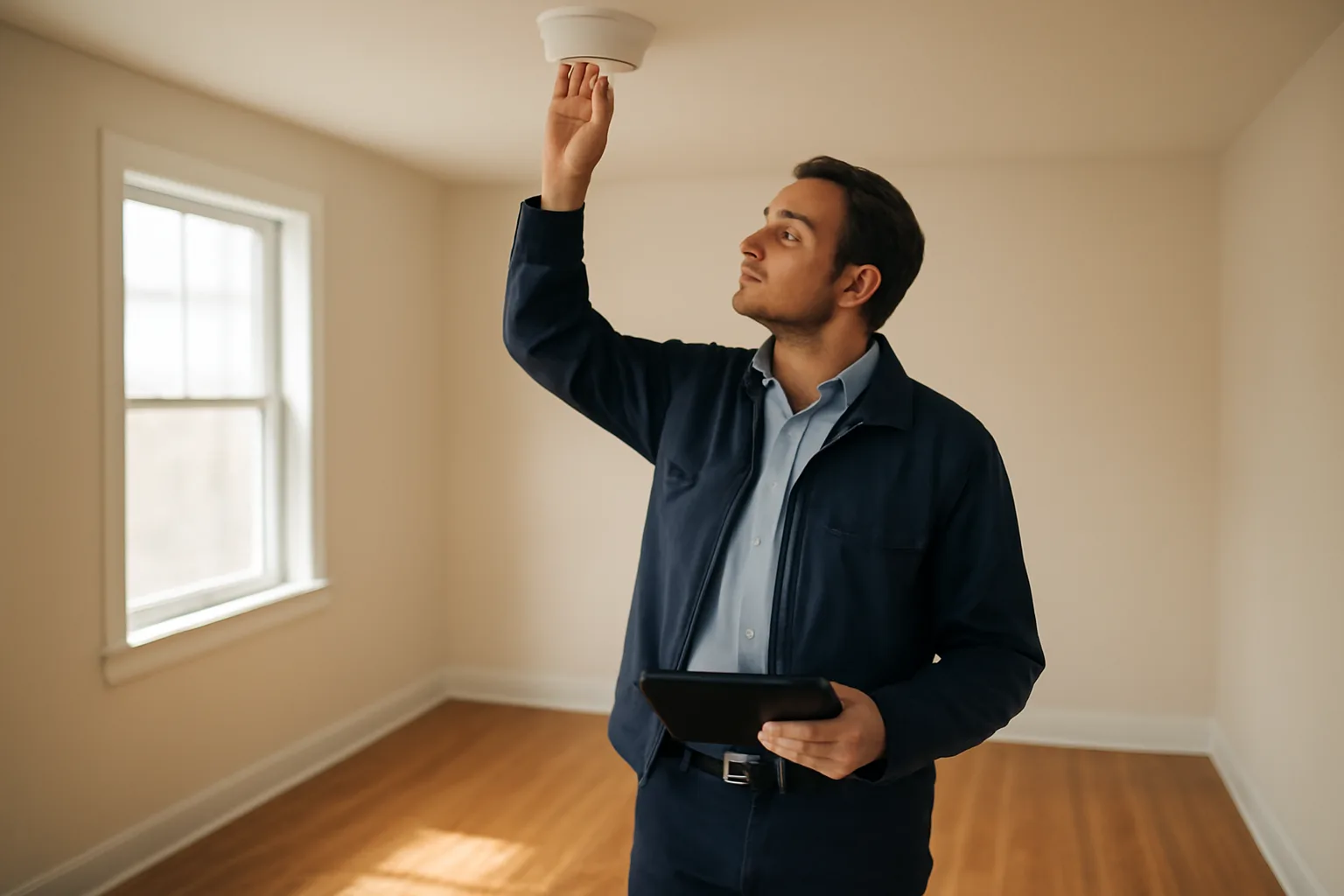
During a routine or move-in/move-out inspection, a landlord can generally document the general condition and cleanliness of the unit: walls, floors, fixtures, appliances, plumbing, electrical, smoke and carbon monoxide detectors, and evidence of damage beyond normal wear and tear. Most states allow the landlord to take photos for documentation purposes tied specifically to lease compliance and habitability. What a landlord generally cannot do: search through a tenant's personal belongings, closets, or containers unrelated to a maintenance or safety issue, or use the inspection as a pretext for something else, like checking on an unauthorized occupant without cause tied to the lease. City-mandated rental licensing inspections are narrower still: code enforcement or housing inspectors typically look only at life-safety and code compliance items (working smoke detectors, functioning heat, no exposed wiring, proper egress from bedrooms, no obvious structural hazards) and generally don't get into cosmetic issues or the tenant's personal property at all. If your inspection is tied to a city rental license renewal rather than your own lease enforcement, ask the inspecting agency directly what's on their checklist before the visit. Most cities publish an inspection checklist or pre-inspection guide, and reading it ahead of time is the single best way to avoid a surprise violation citation.
What a landlord cannot do in Ohio
Ohio landlord-tenant law (Ohio Revised Code Chapter 5321) sets clear limits. A landlord cannot shut off utilities, change the locks, or remove a tenant's belongings to force them out, commonly called "self-help eviction"; the landlord has to go through the formal eviction process in court [6]. A landlord also cannot enter the rental unit without reasonable notice, generally 24 hours, except in a genuine emergency, under Ohio Revised Code 5321.04 [6]. Ohio law also prohibits retaliatory conduct: a landlord cannot terminate a tenancy or refuse to renew primarily because a tenant complained to a government agency about a building, housing, or health code violation, or because the tenant joined a tenant union, under Ohio Revised Code 5321.02 . A landlord in Ohio also has affirmative duties under 5321.04, including keeping the premises in compliance with applicable building and housing codes materially affecting health and safety, and maintaining common areas in a safe condition [6]. Ohio doesn't have a single statewide rental registration or licensing program; some individual Ohio cities (Cleveland and others) run their own local rental registration or point-of-sale inspection ordinances. If you're renting in Ohio, check both the state chapter 5321 obligations and whatever your specific city requires separately, since they're not the same list.
Frequently asked questions
Is MDE rental registration the same in every state?
No. MDE specifically refers to the Maryland Department of the Environment's lead paint registry for pre-1978 rentals, which only applies in Maryland [1]. If you're outside Maryland, there is no "MDE" program; you're likely looking for your own city's rental registration or licensing office instead.
Do I need to register with MDE if I already have a city rental license in Maryland?
Yes, usually. Maryland's lead paint registration through MDE is a separate state requirement from any city or county rental license, such as Baltimore City's rental license program [1][2]. Owning one doesn't exempt you from the other; confirm both requirements with the relevant agency for your specific property.
What happens if I don't register my Maryland rental with MDE?
Failing to register can affect your legal standing to collect rent or pursue eviction, and can remove certain legal defenses if a tenant later files a lead poisoning claim against you, according to MDE guidance on the lead risk reduction program [1]. Register before occupancy, not after a problem arises.
How do I find my city's rental registration requirement if it's not MDE?
Search your city's name plus "rental license" or "rental registration" on the city's own .gov or .us website. Look for a Housing, Code Enforcement, or Building Safety department page; that's almost always the office running the program, with its own fee schedule and inspection rules to confirm directly.
What is landlording?
Landlording is the ongoing management of rental property: screening tenants, handling leases and rent collection, maintaining the property, and complying with local registration, licensing, and inspection rules. It's an active responsibility, not passive income, especially in cities with recurring license renewals and mandatory inspections.
What is a landlord legally responsible for?
A landlord is legally responsible for maintaining habitable housing, following the state's landlord-tenant statute, providing proper notice for entry and rent changes, and complying with any local rental registration, licensing, or inspection ordinance. Specific duties vary by state; check your state's landlord-tenant act and your city's rental housing office.
Who does the walk-through inspection for a California rental?
For move-out, the landlord conducts the pre-move-out inspection, with the tenant given a chance to be present, under California Civil Code Section 1950.5 [4]. For city-run rental inspection programs in places like Los Angeles or Oakland, city code enforcement or housing staff conduct those inspections instead.
What rights does a tenant have without a written lease?
A tenant without a written lease still has habitability rights, protection from illegal lockout, and a right to proper notice before the tenancy ends or terms change, usually treated as a month-to-month tenancy under state law. Verbal agreements plus rent payment create an enforceable tenancy in most states.
Why do most landlords require renters insurance?
Renters insurance covers the tenant's personal belongings and personal liability, neither of which the landlord's own property insurance covers. It also protects the landlord from disputes or subrogation claims if the tenant's negligence causes damage, and it's inexpensive enough that requiring it is standard practice.
How much notice does a landlord have to give before entering a unit?
Many states require 24 to 48 hours' written notice for non-emergency entry. California presumes 24 hours to be reasonable notice under Civil Code Section 1954 [5]. Ohio also requires reasonable notice, generally treated as 24 hours, under Ohio Revised Code 5321.04 [6]. Emergencies don't require advance notice.
What can a landlord check during a routine inspection?
A landlord can generally document general condition, cleanliness, damage beyond normal wear, and functioning safety equipment like smoke detectors. City rental licensing inspections are narrower, usually limited to life-safety and code items. Landlords generally cannot search personal belongings unrelated to maintenance or safety concerns.
What can't a landlord do in Ohio?
Under Ohio Revised Code Chapter 5321, a landlord cannot shut off utilities or change locks to force a tenant out, cannot enter without reasonable notice except in an emergency, and cannot retaliate against a tenant for reporting code violations or joining a tenant union [6][7].
Does every city require rental registration or licensing?
No. Rental registration and licensing requirements are set city by city or sometimes county by county; there's no federal or universal state requirement. Some states like Maryland add a separate statewide lead paint registration for older units on top of whatever local rental licensing exists [1].
Sources
- Maryland Department of the Environment, Lead Poisoning Prevention Program: Maryland requires registration of qualifying pre-1978 rental units and failure to register can affect legal standing and liability defenses
- EPA, Disclosure of Known Lead-Based Paint Hazards Upon Sale or Lease of Residential Property: Federal law requires lead-based paint disclosure for pre-1978 housing nationally
- California Civil Code Section 1950.5: California requires landlords to allow tenants a pre-move-out inspection and itemized deposit deduction statement
- California Civil Code Section 1954: California presumes 24 hours to be reasonable notice for landlord entry
- Ohio Revised Code Section 5321.04: Ohio requires reasonable notice before landlord entry and sets landlord duties for code compliance and safety
- Ohio Revised Code Section 5321.02: Ohio prohibits landlords from retaliating against tenants who report code violations or join a tenant union