Last updated 2026-07-26
TL;DR
Denver requires a residential rental license for almost all rented dwelling units under its 2021 licensing ordinance. Landlords must apply, pass a self-certified or city inspection depending on unit type, and renew periodically. Fines for renting without a license can run into thousands of dollars per violation. Confirm current fees and deadlines with Denver's Excise and Licenses department before you rent anything out.
What is a landlord, exactly, and what does landlording actually mean?
A landlord is the owner of real property (or someone with legal authority to act for the owner) who rents that property to another person, called a tenant, in exchange for money. That's the whole legal core of it. Everything else, the maintenance calls, the lease drafting, the 2 a.m. plumbing emergencies, is just what the job requires day to day. "Landlording" is the informal industry term for the ongoing work of operating rental property: screening tenants, collecting rent, handling repairs, following local and state landlord-tenant law, and keeping the unit legally habitable. It's not a licensed profession in most states the way real estate sales is, but a growing number of cities now require landlords to register or license the rental activity itself, separate from owning the property. Denver is one of those cities. If you own one rental condo and Denver is your first landlord experience, the label "landlord" applies to you the moment you sign a lease and accept rent, even if you never intended to be a full-time property manager. That's the trigger point cities use for licensing requirements too: if you're renting a dwelling unit to someone who isn't an immediate family member, in most cases you need a license.
How do you become a landlord in Denver, step by step?
Becoming a landlord in Denver involves more than buying a property and putting up a listing. Since 2021, the city has required most residential rental property owners to hold a Residential Rental License issued through Denver's Department of Excise and Licenses before advertising or renting a unit. [1] The general steps look like this: 1. Confirm your property type is covered. Denver's ordinance covers most residential rental units, including single-family homes, duplexes, condos, apartments, and accessory dwelling units, with limited exemptions (owner-occupied duplexes where the owner lives in one unit, certain short-term rentals licensed separately, and a few other categories). Confirm your specific situation with Denver's Excise and Licenses office, because exemption language is detailed and has been amended since the original ordinance passed. 2. Get the property ready for an inspection or self-certification. Depending on the property type and when your license cycle falls, you'll either complete a self-certification checklist or schedule a city inspection confirming the unit meets Denver's minimum habitability standards. 3. Apply and pay the fee. Applications go through Denver's online licensing portal. Fees vary by number of units and have changed since the ordinance's 2021 rollout, so confirm the current fee schedule with Denver's licensing office rather than relying on an old number floating around online. 4. Get your license number and post it. Once approved, the license needs to be referenced in your rental listings and lease documentation as required by the ordinance. 5. Renew before it expires and keep records current. Licenses aren't permanent. Missing a renewal deadline is one of the more common (and avoidable) ways landlords end up out of compliance. If you're building your compliance file from scratch, our $79 rental packet builder walks through the document checklist so you're not guessing what the inspector or the licensing reviewer wants to see.
Does Denver require a rental license for every landlord?
Almost, yes. Denver's ordinance, passed by City Council in 2021 and phased in through 2023, requires a residential rental license for the vast majority of rented dwelling units in the city and county of Denver. [1] The city describes the requirement as applying to owners who rent out "a dwelling unit to another person," with specific carve-outs written into the municipal code. The rollout was staged by unit count, larger multifamily buildings had to license first, and smaller landlords, including many single-unit and 2-4 unit owners, came into scope in later phases. If you're a small landlord who has been renting for years without ever hearing about this, you're not alone: a lot of individual owners with one or two units didn't realize the requirement reached them until they got a notice, a complaint follow-up, or a mortgage/insurance question that triggered a compliance check. The practical rule of thumb: if you rent any residential unit in Denver to a non-family-member tenant, assume you need a license unless you've confirmed an exemption in writing with Denver's Excise and Licenses office. Don't rely on a neighbor's or forum post's opinion about what counts as exempt, exemption categories are specific and the city updates guidance periodically.
What can a landlord look at during a rental inspection?
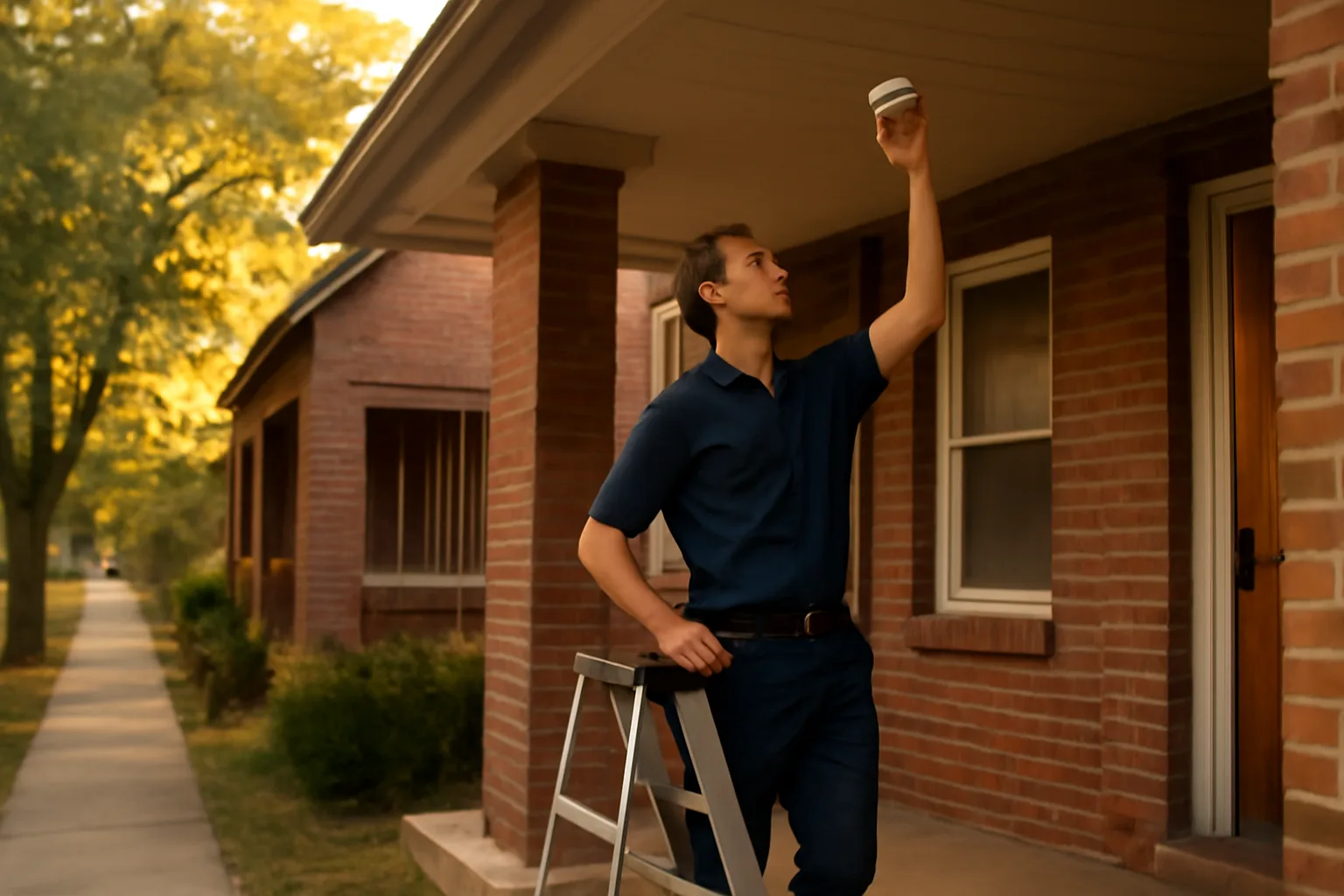
A rental inspection, whether it's a city inspector's visit or a landlord's own self-certification walkthrough, is generally limited to habitability and safety conditions, not a general audit of the tenant's belongings or lifestyle. Inspectors typically check things like: - Working smoke and carbon monoxide detectors
- Functioning heat, electrical, and plumbing systems
- No exposed wiring, no active leaks, no pest infestations
- Secure locks on exterior doors and windows
- Adequate egress from bedrooms (a real, functioning window or door)
- No structural hazards: broken stairs, unsafe railings, deteriorated flooring
- Working smoke alarms and, in many jurisdictions, carbon monoxide detectors near sleeping areas What an inspector or landlord generally should not do during an inspection: search through drawers or personal belongings, take photos of the tenant's possessions unrelated to the condition check, or use the visit as a pretext to look for lease violations unrelated to habitability (like counting how many people appear to be living there, unless that's specifically part of the inspection's purpose and disclosed). Landlords conducting their own inspections (common in states like California, discussed below) need to give proper notice and stick to a reasonable scope. Overreaching on an inspection, going through personal papers, opening closed containers, is a common way landlords end up on the wrong side of a habitability or privacy complaint even when the underlying inspection was legitimate.
Who is responsible for the rental property walkthrough inspection in California?
In California, the landlord (or their designated agent, like a property manager) is responsible for conducting the move-in and move-out walkthrough inspection, not the tenant and not a third party by default. California Civil Code Section 1950.5 requires landlords to offer tenants the opportunity for an initial move-out inspection before the final one, specifically so the tenant can fix any issues that might otherwise cost them part of their security deposit. [2] The statute states landlords must, upon the termination of a tenancy, "notify the tenant in writing of his or her option to request an initial inspection." [2] If the tenant requests it, the landlord must give at least 48 hours' written notice before conducting that initial move-out inspection, then provide an itemized statement of any recommended repairs or cleaning the tenant could do to avoid deductions. This is a California-specific requirement; not every state mandates a pre-move-out inspection offer. Denver landlords and other Colorado landlords don't have an identical statutory requirement, but doing a documented walkthrough at move-in and move-out anyway is one of the cheapest forms of legal protection available to a small landlord, security-deposit disputes are one of the most common tenant complaints nationally, and a dated, photographed checklist resolves most of them before they start.
What rights do tenants have without a written lease?
A tenant without a written lease still has real legal rights. The absence of a signed lease does not mean the tenant has no protections, it usually means the tenancy defaults to a month-to-month arrangement governed by state landlord-tenant statute rather than by whatever terms a written lease would have spelled out. Generally, a tenant without a written lease still has the right to: - Habitable housing meeting basic health and safety code standards
- Proper notice before eviction (the specific notice period is set by state law, not left to landlord discretion)
- Return of their security deposit, if one was paid, within the state's required timeframe and itemized if deductions are taken
- Protection from retaliatory or discriminatory eviction under the Fair Housing Act and applicable state law [3]
- The right to withhold rent or use repair-and-deduct remedies in states that allow it, when the landlord fails to maintain habitability Colorado law, for example, generally treats an oral or undocumented rental agreement as a month-to-month tenancy, and Colorado's Warranty of Habitability statute (C.R.S. § 38-12-503) still applies whether or not there's a written lease. [4] The lack of paperwork protects the landlord far less than a lot of new landlords assume. If anything, no written lease usually means more ambiguity that gets resolved in the tenant's favor in a dispute, because there's no agreed document to point to for terms like pet policy, guest limits, or maintenance responsibilities.
How much notice does a landlord have to give before entering or ending a tenancy?
It depends entirely on what kind of notice you mean, entry notice and termination notice are governed by different rules and different timeframes. For entry to the unit (repairs, inspections, showings), most states require at least 24 hours' advance notice, though the exact number and the acceptable delivery method (written, posted, verbal) vary by state. California requires "reasonable notice," which the statute presumes to be 24 hours in most circumstances. [2] Colorado does not have a single statewide statute dictating a specific entry-notice number of hours for private landlords the way California does; lease terms and reasonableness standards typically govern, so check your lease language and any Denver-specific tenant protection rules. For ending a month-to-month tenancy, notice requirements are set by state statute and commonly range from 21 to 60 days depending on the state and how long the tenant has lived there. Colorado's notice requirements for terminating a tenancy scale with the length of tenancy, longer tenancies generally require longer notice periods under Colorado's statutory framework. [4] Some cities, including Denver, layer additional local tenant-protection notice requirements on top of state law, particularly around no-fault terminations and rent increases, so a Denver landlord needs to check both the state statute and the city's tenant protection ordinance before serving any notice.
Why do landlords require renters insurance?
Landlords require renters insurance mainly to shift liability risk and personal-property risk off the landlord's own policy and onto the tenant's. A landlord's property insurance covers the building itself, not the tenant's belongings, and it often doesn't adequately cover liability arising from the tenant's own actions (a kitchen fire the tenant caused, a dog bite from the tenant's pet, water damage from something the tenant left running). Renters insurance typically costs relatively little, national average estimates commonly cited by insurance industry sources put typical renters insurance premiums in the range of roughly $15 to $30 a month depending on coverage limits and location, though this varies by state and insurer and isn't something we can verify to the dollar as a universal figure. Given how cheap it is relative to the liability it covers, most landlords view requiring it as one of the easiest risk-reduction moves available. Beyond liability, requiring renters insurance also protects the tenant, without it, a tenant who loses everything in a fire or burst pipe has no way to replace their belongings, and "the landlord's insurance will cover it" is one of the most common and costly misconceptions renters have. Landlords can typically require proof of renters insurance as a lease condition in most states, as long as the requirement doesn't run afoul of local rules on lease terms or discriminatory application. If you're drafting this requirement into your rental paperwork, check your state and city's specific rules on what a landlord can and can't mandate as a lease condition before finalizing anything, since local tenant-protection ordinances sometimes limit how insurance requirements can be enforced.
What can't a landlord do in Ohio?
Ohio law spells out specific landlord obligations and prohibitions in Ohio Revised Code Chapter 5321, the Ohio Landlords and Tenants Act. Under that chapter, a landlord in Ohio cannot, among other things: - Shut off a tenant's utilities, change the locks, or remove the tenant's belongings to force them out, this is illegal "self-help" eviction and Ohio law requires landlords to go through the courts (forcible entry and detainer action) to remove a tenant. [5]
- Retaliate against a tenant for exercising a legal right, like reporting a code violation or joining a tenant organization. Ohio Rev. Code § 5321.02 specifically bars a landlord from retaliatory conduct including increasing rent, decreasing services, or bringing eviction proceedings because the tenant complained to a governmental agency about a building, housing, health, or safety code violation. [6]
- Fail to maintain the unit in a habitable condition, Ohio Rev. Code § 5321.04 requires landlords to keep the premises in compliance with applicable housing codes, make repairs to keep the unit fit and habitable, and maintain electrical, plumbing, and heating systems in good working order. [5]
- Enter the unit without reasonable notice, Ohio courts and the statute generally treat 24 hours as reasonable notice for non-emergency entry, though the statute itself uses a "reasonable notice" standard rather than a fixed number in all circumstances. This isn't a full list of Ohio's landlord obligations, and Ohio is just one example of how state landlord-tenant statutes create binding limits on landlord conduct that exist independent of whatever the lease says. Colorado, where Denver sits, has its own version of these protections (the Warranty of Habitability statute and Colorado's eviction procedure requirements), and no lease clause can override them. [4]
What happens if you rent without a license in Denver?
Renting a unit in Denver without the required residential rental license exposes the owner to municipal code enforcement action, which can include fines, and in enforcement cases the city has pursued, orders to stop renting the unit until the license is obtained. Denver's licensing ordinance is enforced through the city's Department of Excise and Licenses, and violations of Denver Municipal Code licensing requirements generally can carry penalties assessed per violation, per day in some enforcement frameworks. [1] Because fine structures and enforcement practices get updated and because Denver has continued refining this ordinance since its original passage, don't rely on a specific dollar figure you saw in a news article from 2021 or 2022. Confirm the current fine schedule and any active grace periods directly with Denver's Excise and Licenses office before assuming you know your exposure. Beyond the direct fine risk, an unlicensed rental can also create problems in other places landlords don't expect: some insurance policies condition coverage on the property being legally rented, and an unlicensed rental agreement has, in some jurisdictions' courts, been used by tenants as a defense against eviction or as grounds for withholding rent. Getting licensed isn't just about avoiding a fine, it's about making sure your lease and your insurance actually hold up if something goes wrong.
How do self-certification and city inspections differ in Denver's program?
Denver's residential rental licensing program uses two general inspection paths depending on the property, self-certification and a formal city inspection, and which one applies to you depends on your unit type and license category as set by Denver's Excise and Licenses department. Self-certification generally means the property owner completes a checklist confirming the unit meets Denver's minimum habitability and safety standards (smoke detectors, working systems, no major code violations) without a city inspector physically visiting first. A formal inspection means a city inspector or approved third-party inspector visits the property and confirms compliance directly. Because Denver has adjusted which categories require which path since the ordinance's 2021 passage and its phase-in through 2023, and because these categories can change again, the only reliable way to know which path applies to your specific unit is to check directly with Denver's Excise and Licenses office or your current application portal instructions rather than assuming last year's category still applies. Either way, the standards being checked are similar: functioning smoke and CO detectors, safe electrical and plumbing systems, no significant structural hazards, and adequate heat. If you're prepping for either path, working through a room-by-room checklist ahead of time (before an inspector or your own self-certification review catches something) saves a lot of stress. That's exactly the kind of prep our $79 City Rental License & Inspection Prep Packet is built around, a structured checklist so you walk in knowing what's likely to get flagged.
What is landlording as a business, and is it worth doing part-time?
"Landlording" as a business generally means treating rental property as an ongoing operation with recurring obligations: rent collection, maintenance response, tenant screening, lease compliance, tax reporting, and, in cities like Denver, license renewal and inspection compliance. It's not a side hustle in the sense of something you can ignore for months at a time. For a landlord with one to ten units, part-time landlording is common and workable, plenty of individual owners run a handful of units alongside a full-time job. The parts that trip people up aren't usually the big obvious tasks (finding tenants, collecting rent), it's the recurring compliance deadlines: license renewals, inspection windows, insurance renewal, and any annual registration a city requires. Missing one of those is rarely dramatic in the moment, and then six months later you get a violation notice you didn't see coming. If you're weighing whether to self-manage or hire a property manager, the honest answer is that it depends on your time, your comfort with tenant-facing conflict, and how many units you have. A single unit is usually manageable solo with good systems. Once you're past four or five units, or you're not local to the property, the math on a property manager's fee (commonly 8-12% of monthly rent in many markets, though this varies widely and isn't something we can verify as a fixed number nationally) starts looking better against the value of your own time.
Frequently asked questions
How do I become a landlord in Denver from scratch?
Buy or already own a residential property, confirm it needs a Denver Residential Rental License (almost all do), complete the self-certification or inspection process required for your unit type, apply and pay the fee through Denver's Excise and Licenses portal, and renew on schedule. Confirm current fees and timelines directly with Denver's licensing office since the program has changed since its 2021 launch. [1]
What is a landlord, legally speaking?
A landlord is the owner of real property, or someone legally authorized to act on the owner's behalf, who rents that property to a tenant in exchange for money under a lease or rental agreement. The term applies regardless of whether the owner manages the property personally or hires a property manager to handle daily operations.
What is landlording?
Landlording is the ongoing work of operating rental property: screening tenants, collecting rent, maintaining habitability, following state and local landlord-tenant law, and in licensing cities like Denver, keeping registration and inspection compliance current. It's an operational term, not a formal legal title, but it captures the day-to-day responsibility that comes with renting property to someone else.
Does Denver require a rental license for a single-family home rental?
Yes, in most cases. Denver's residential rental licensing ordinance covers single-family homes rented to tenants, more than multifamily buildings, unless a specific exemption applies (such as certain owner-occupied situations). Confirm your exemption status directly with Denver's Excise and Licenses office before assuming your single unit is exempt. [1]
What rights does a tenant have without a signed lease in Denver or Colorado?
A tenant without a written lease in Colorado generally has a month-to-month tenancy under state law and still keeps rights to habitable housing under Colorado's Warranty of Habitability statute, proper notice before termination, and return of any security deposit paid, all governed by Colorado statute rather than a written agreement. [4]
How much notice does a landlord need to give before entering a rental unit?
It varies by state; many states treat 24 hours as reasonable notice for non-emergency entry, and some, like California, write that presumption directly into statute. [2] Colorado doesn't set one fixed statewide number for private landlords, so check your lease terms and any Denver-specific tenant protection rules for your situation.
Why do landlords require tenants to carry renters insurance?
Landlords require renters insurance because their own property policy typically doesn't cover a tenant's personal belongings or liability arising from the tenant's actions, like a cooking fire or a pet-related injury. Renters insurance is relatively inexpensive for what it covers, which is why many landlords make it a lease requirement rather than an optional suggestion.
What can a landlord look at during a rental inspection?
A rental inspection generally covers habitability and safety items: smoke and CO detectors, working plumbing and electrical systems, safe egress from bedrooms, no structural hazards, and functioning heat. It should not extend to searching personal belongings or using the visit to investigate unrelated lease issues without proper cause and notice.
Who does the move-in/move-out walkthrough inspection in California?
The landlord or their designated agent conducts the walkthrough inspection in California. State law, California Civil Code § 1950.5, requires landlords to offer tenants an optional pre-move-out inspection with at least 48 hours' notice, so the tenant has a chance to fix issues before the final deposit-deduction inspection happens. [2]
What can't a landlord do in Ohio?
Under Ohio Revised Code Chapter 5321, an Ohio landlord cannot perform a self-help eviction (changing locks, shutting off utilities, removing belongings without a court order), cannot retaliate against a tenant for reporting code violations, and must maintain the unit in compliance with housing codes and keep essential systems in working order. [5]
What happens if I rent a unit in Denver without a license?
You risk municipal code enforcement action, which can include fines and orders to stop renting until you're licensed. Denver enforces this through its Department of Excise and Licenses. Confirm current fine amounts and any grace periods directly with that office, since penalty structures have been updated since the ordinance's original 2021 passage. [1]
Is self-certification or a city inspection required for Denver rental licenses?
It depends on your property type and license category. Denver's program uses both self-certification and formal city or third-party inspections depending on the unit, and the applicable path has changed since the ordinance phased in through 2023. Check with Denver's Excise and Licenses office to confirm which path applies to your unit.
Do I need renters insurance as a Denver landlord, or does my own policy cover tenants?
Your own landlord property insurance typically doesn't cover a tenant's belongings or liability from the tenant's own actions. That's why most landlords require tenants to carry their own renters insurance policy as a lease condition, in addition to (not instead of) the landlord's own property and liability coverage.
Sources
- Denver Municipal Code, Chapter 12, Article XVIII (Residential Rental Licenses): Denver requires a Residential Rental License for most rented dwelling units under its rental licensing ordinance
- California Civil Code Section 1950.5: California landlords must offer tenants an initial move-out inspection with at least 48 hours' written notice before the final deposit inspection
- U.S. Department of Housing and Urban Development, Fair Housing Act overview: Tenants are protected from discriminatory eviction under the federal Fair Housing Act regardless of lease status
- Colorado Revised Statutes Section 38-12-503: Colorado's Warranty of Habitability statute requires landlords to maintain habitable conditions regardless of whether a written lease exists
- Ohio Revised Code Chapter 5321: Ohio law prohibits landlord self-help eviction and retaliation and requires landlords to maintain habitable rental units
- Ohio Revised Code Section 5321.02, Retaliatory conduct by landlord prohibited: Ohio law specifically bars a landlord from retaliatory conduct including increasing rent, decreasing services, or bringing eviction proceedings because a tenant complained to a governmental agency about a code violation