Last updated 2026-07-26
TL;DR
A home rental inspection checklist covers working smoke and CO alarms, safe electrical and plumbing systems, no pest infestation, functioning heat, secure locks, and clear egress. Cities that license rentals inspect against local housing codes, more than this list. Most states require 24 to 48 hours notice before entry, and California requires 'reasonable notice,' presumed to be 24 hours under Civil Code 1954.
What is a home rental inspection checklist and why do you need one
A home rental inspection checklist is a written list of physical conditions and safety items you walk through before, during, or after a tenancy, or before a city inspector shows up. It exists so nobody has to trust memory. You're checking things like whether smoke alarms work, whether the furnace runs, whether outlets are grounded, and whether there's a rodent problem hiding behind the stove. If you're in a city with mandatory rental licensing, this list is doing double duty. It's your own move-in/move-out record, and it's a dry run for whatever the city's housing inspector will look at. Cities that require inspections almost always publish their own checklist or code reference. Chicago's Residential Landlord and Tenant Ordinance and building code inspections, for example, get enforced through the city's Department of Buildings, and violations get cited under specific municipal code sections, not a generic checklist. A generic list gets you 80% of the way there. The other 20% is local: sometimes it's a smoke detector placement rule, sometimes it's a specific window egress size, sometimes it's a water heater temperature-pressure relief valve rule. The honest answer is that no single national checklist covers every city's rental code. What follows is the core of what shows up almost everywhere, plus the categories where you need to check local rules yourself.
What can a landlord look at during an inspection
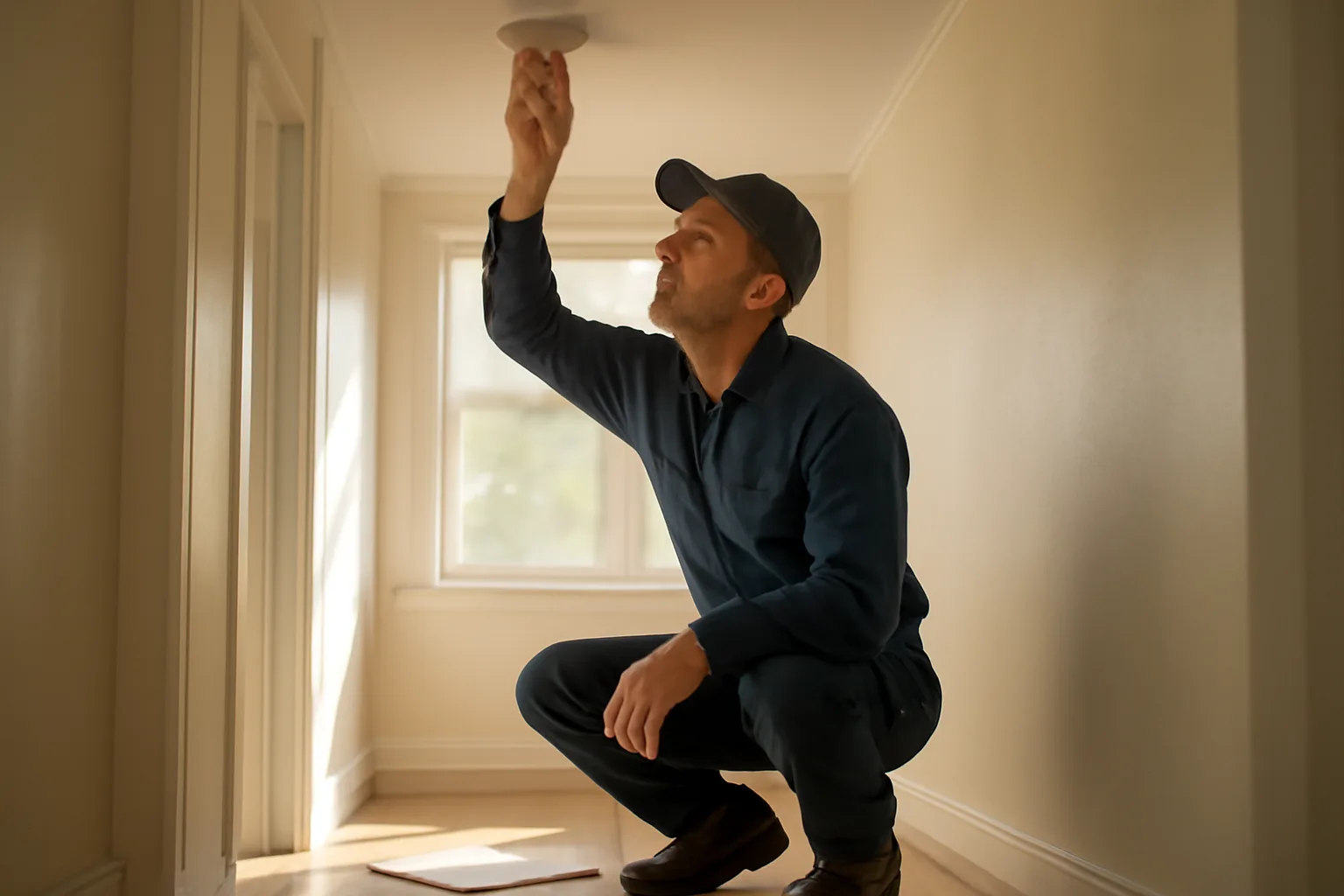
A landlord doing a routine inspection can generally check the physical condition and safety of the unit: smoke and carbon monoxide alarms, plumbing leaks, electrical hazards, HVAC function, window and door locks, signs of pest infestation, mold, and whether the tenant is violating lease terms tied to property condition (unauthorized pets, unauthorized occupants visible in the unit, obvious property damage). This is not a general search of belongings. What a landlord cannot do is use an inspection as a pretext to go through drawers, closets, or personal papers, or to inspect at an unreasonable frequency just to harass a tenant. Several states codify this distinction directly. California Civil Code Section 1954 allows landlord entry for specific purposes, including "to make necessary or agreed repairs," and "to exhibit the dwelling unit to prospective or actual purchasers, mortgagees, tenants, workers, or contractors" [1]. It does not authorize open-ended searches. A city inspector, by contrast, is checking compliance with the local housing or building code: structural safety, fire egress, electrical and plumbing systems meeting code, sanitation, and whatever the local rental licensing ordinance requires (often including things like posted certificate of occupancy, working smoke/CO detectors per local placement rules, and no illegal units). City inspectors typically have authority to inspect common areas and, with notice or tenant consent, individual units. The scope is set by the local housing code, so confirm the actual checklist with your city rental licensing office before assuming a citywide standard applies everywhere the same way.
Who is responsible for a rental property walkthrough inspection in California
In California, the landlord is responsible for arranging both the move-in and move-out walkthrough inspections, but the tenant has a right to participate. California Civil Code Section 1950.5 gives tenants the right to request an initial inspection before move-out, done "no earlier than two weeks before the termination of the tenancy," specifically so the tenant can fix any deficiencies before the landlord makes deductions from the security deposit [2]. The landlord must give the tenant at least 48 hours written notice before that initial move-out inspection, unless the tenant waives the notice. After the inspection, the landlord has to give the tenant an itemized statement of what needs fixing or cleaning to avoid deposit deductions. This is the tenant's chance to do the work themselves and keep the money. A separate, final move-out inspection happens after the tenant is out and keys are returned, and that's when the landlord documents actual condition for the security deposit accounting, which must be sent within 21 calendar days per the same statute. Some cities layer their own rental inspection ordinance on top of this (Los Angeles's Systematic Code Enforcement Program is one example), which is a city safety inspection, separate from the tenancy walkthrough, and usually triggered by the unit being registered in that program rather than by move-in/move-out.
What is landlording and what is a landlord, exactly
A landlord is the owner (or an authorized agent of the owner) who rents real property to another person, the tenant, in exchange for payment, under a lease or rental agreement. Landlording is the ongoing work of managing that relationship and the property: collecting rent, handling repairs, following habitability law, managing turnover, and complying with local licensing and inspection rules. It is not a passive activity, legally speaking. Every state has an implied warranty of habitability that obligates a landlord to keep the unit livable, regardless of what the lease says. This generally covers things like working plumbing, heat, structural safety, and freedom from pest infestation. Landlords who also operate in a city with mandatory rental registration or licensing take on an additional layer: registering the unit, paying a per-unit or per-building fee, and passing a periodic inspection, with the exact fee and inspection interval set locally (a program in one city might run every 2 to 3 years, another might inspect only on complaint or turnover; confirm with your city rental licensing office). Small landlords, the 1 to 10 unit range this article is written for, often underestimate how much of "landlording" is compliance paperwork rather than property management in the popular sense. Registration renewals, inspection scheduling, violation response deadlines, and lease-required disclosures (lead paint for pre-1978 housing under federal law, for instance, per 42 U.S.C. 4852d) all sit on the landlord, not the tenant, no matter how small the operation is.
How to become a landlord: the basic steps
Becoming a landlord legally means more than buying a property and putting up a listing. The realistic sequence looks like this. 1. Confirm the property is legally rentable. Check zoning, HOA restrictions if any, and whether your city requires a rental license or registration before you can lawfully collect rent (many mandatory-licensing cities bar rent collection, or make leases voidable, until the unit is registered). 2. Get the right insurance. A standard homeowner's policy usually excludes rental activity; you need a landlord (dwelling) policy, and most mortgage lenders will flag this at refinance if you don't have it. 3. Understand your state's habitability and security deposit law before you write a lease. Every state differs on deposit caps, return deadlines, and notice periods (see the sections below). 4. Register or license the unit with the city if required. This is the step most first-time landlords miss, and it's the one that generates fines. Rental registration is different from a business license in most cities; you may need both. 5. Screen tenants consistently and lawfully. The Fair Housing Act (42 U.S.C. 3601 et seq.) bars discrimination based on race, color, religion, sex, national origin, familial status, and disability in all rental decisions, including screening criteria [3]. 6. Schedule your first city inspection, if your program requires one before occupancy or on a fixed cycle, and do your own pre-inspection walkthrough against a checklist like the one in this article first. If you're starting in a city with a licensing program, building a City Rental License & Inspection Prep Packet style workflow before your first tenant moves in saves a lot of scrambling later.
How to be a landlord day to day (what actually takes your time)
Once you're set up, being a landlord is mostly maintenance response, rent collection, and compliance deadlines, in that order of frequency. Repairs and habitability issues (a broken water heater, a leak, a pest problem) come up more often than anything else and usually carry the tightest legal response clocks; several states require "reasonable time" repairs on habitability issues, and some define that in days for urgent items like no heat or no water. Rent collection and late fee handling is the second biggest time sink, and it's the area where state law is strictest about what you can and can't do (no self-help eviction, no lockouts, no utility shutoffs in any state, enforced through each state's landlord-tenant statute). The third bucket, and the one that surprises small landlords most, is licensing and inspection administration: annual or biennial registration renewals, responding to violation notices within the window the city gives you (often 10 to 30 days, but this varies by city and by violation class), and keeping your own inspection-readiness checklist current as codes change. If you're managing this alone across even 2 or 3 units, a written recurring calendar (renewal date, inspection cycle, insurance renewal, smoke alarm battery swap) beats trying to remember it.
Why do landlords require renters insurance
Landlords require renters insurance mainly to cover the tenant's personal belongings and personal liability, not the building itself. A landlord's own dwelling policy covers the structure and the landlord's liability as owner; it does not cover a tenant's furniture, electronics, or clothing if there's a fire, burst pipe, or theft, and it typically doesn't cover a tenant's liability if the tenant's guest is injured or the tenant accidentally causes damage. Requiring it shifts that risk off the landlord's policy and off the landlord's pocket. If a tenant's cooking fire damages the unit and the tenant has no insurance, the landlord's claim history and premiums take the hit either way, but a tenant policy with liability coverage can reimburse the landlord for tenant-caused damage beyond normal wear. The Insurance Information Institute notes that renters insurance is generally inexpensive relative to homeowners coverage, which is part of why many landlords make it a lease condition rather than a suggestion [4]. A lease clause requiring renters insurance is enforceable in most states as an ordinary lease term, similar to requiring a security deposit, as long as it doesn't conflict with local rent control or licensing rules. This article isn't drafting that clause for you, but if you require it, get proof of coverage (a certificate naming you as interested party, more than a verbal confirmation) before handing over keys.
How much notice does a landlord have to give before entering or inspecting
Notice requirements vary by state, but 24 hours is the most common baseline for non-emergency entry, including routine inspections. California's Civil Code Section 1954 presumes 24 hours written notice is "reasonable" for entry to make repairs or show the unit, though the statute's actual language is "reasonable notice in writing," with 24 hours as the presumed reasonable period, not an absolute floor or ceiling [1]. Other states set their own numbers: some require 24 hours, some 48 hours for specific purposes like a move-out inspection, and some just say "reasonable notice" without a fixed number, which pushes the practical standard toward whatever your state's courts or common practice treat as reasonable, generally in the 24 to 48 hour range. Emergency entry (fire, flooding, a gas leak) never requires advance notice in any state; every landlord-tenant statute I'm aware of carves out true emergencies. Routine inspections tied to a city licensing program are different again: the city's notice requirement to the landlord or owner is set by the local ordinance, and the landlord's own notice obligation to the tenant for letting the inspector in still follows state law, not the city's inspection schedule. Confirm both: your state's entry-notice statute, and your city rental licensing office's inspection notice practice, since they aren't the same rule.
What rights do tenants have without a lease
A tenant without a written lease still has real legal rights, because most landlord-tenant protections come from state statute, not from the lease document. Without a written lease, the tenancy is usually treated as a month-to-month periodic tenancy (or week-to-week if rent is paid weekly), governed by state law defaults. That means: the tenant still gets the implied warranty of habitability (working plumbing, heat, structural safety). The tenant still gets whatever notice period the state requires before the landlord can end the tenancy or raise rent (commonly 30 days for month-to-month, though some states and cities require more, and rent-controlled cities may require good cause). The tenant is still protected against illegal lockouts and self-help eviction; every state requires landlords to go through formal eviction proceedings in court regardless of lease status. The tenant still has the right to receive their security deposit back per state deposit law, if one was collected. What a tenant without a lease usually loses is certainty on duration and specific negotiated terms (like a fixed rent amount for a set period, or specific maintenance responsibilities), since without a written agreement those defaults come from the state's oral/implied tenancy rules, which vary. If you're renting without a written lease at all, in either direction, that's a rare and risky setup for both sides, since neither party has the evidence a signed lease provides in a dispute.
What a landlord cannot do in Ohio
Ohio's landlord-tenant law is codified in Ohio Revised Code Chapter 5321. Under this chapter, a landlord cannot shut off a tenant's utilities, change the locks, or remove the tenant's belongings to force them out, that's illegal self-help eviction, and Ohio law requires landlords to use the formal eviction process in court (a forcible entry and detainer action) instead [5]. Ohio Revised Code 5321.04 sets out landlord obligations, including keeping the premises in a fit and habitable condition, complying with building and housing codes, and keeping common areas safe [6]. A landlord who fails on these can be sued by the tenant, and under 5321.07, a tenant can, in some circumstances, deposit rent with a court and use it toward repairs if the landlord doesn't fix a material habitability problem after notice. A landlord in Ohio also cannot retaliate against a tenant for reporting code violations or asserting rights under Chapter 5321; Ohio Revised Code 5321.02 specifically prohibits retaliatory conduct like eviction, rent increases, or service reductions in response to a tenant's good-faith complaint. And like every other state, an Ohio landlord cannot discriminate in violation of the federal Fair Housing Act [3] or Ohio's own civil rights statute in tenant selection or treatment.
The room-by-room home rental inspection checklist
| Smoke & CO alarms | Present in every bedroom, hallway outside bedrooms, and each floor level; tested and working; battery or hardwired per local code | |
|---|---|---|
| Electrical | No exposed wiring, GFCI outlets near water sources (kitchen, bath), no overloaded extension cord setups, panel accessible | |
| Plumbing | No active leaks under sinks or at toilet base, water heater has a working temperature-pressure relief valve and discharge pipe, adequate hot water | |
| Heating | Furnace or heat source functions, no visible gas leaks or scorching, thermostat works | |
| Windows & doors | All windows open and lock, at least one egress window per bedroom meeting local size rules, exterior doors have working deadbolts | |
| Pests | No visible rodent droppings, no active infestation, screens intact on operable windows | |
| Structural | No visible foundation cracks affecting stability, stairs and railings secure, ceiling free of active water damage | |
| Common areas (multi-unit) | Lighting functional, exits clear, fire extinguishers present where required | |
| Exterior | Address numbers visible, walkways safe, no trip hazards | This is the floor, not the ceiling. Cities with mandatory licensing layer their own required items on top, sometimes very specific ones (a minimum ceiling height, a specific type of window lock, a required number of parking spaces per unit). Before your city inspection date, pull the actual checklist or code reference from your city rental licensing office and walk the unit against it yourself first. Fixing a loose handrail or a dead smoke alarm before the inspector shows up is a lot cheaper than a violation notice and a reinspection fee. If you manage this across multiple units in different cities, keeping a per-city file of registration dates, inspection cycles, and known code quirks is the difference between a routine renewal and a scramble. That's the specific gap our $79 City Rental License & Inspection Prep Packet is built to close: a one-time reference packet organized by your city's actual requirements, not a generic national list. |
Here's the practical checklist, organized by area. Treat local code as the final word; this is the baseline that shows up in most jurisdictions. | Area | What to check |
Frequently asked questions
What is a home rental inspection checklist used for?
It's a written list you use to check a rental unit's condition and safety systems (smoke alarms, plumbing, electrical, heat, locks, pests) before move-in, at move-out, or ahead of a city licensing inspection. It documents condition, catches problems before they become violations, and gives both landlord and tenant a shared record.
How to become a landlord if I've never rented a property before?
Confirm the property can legally be rented (zoning, HOA, local rental license), get landlord insurance, learn your state's habitability and deposit law, register the unit with the city if required, screen tenants under Fair Housing Act rules, and do a pre-inspection walkthrough before your first tenant moves in.
Who is responsible for a rental property walkthrough inspection in California?
The landlord arranges it, but under California Civil Code Section 1950.5, the tenant can request an initial move-out inspection up to two weeks before the tenancy ends, with 48 hours notice, so they can fix deficiencies before the landlord makes security deposit deductions.
What is landlording?
Landlording is the ongoing work of owning and managing a rental property: collecting rent, handling repairs, following habitability and safety law, managing tenant turnover, and complying with any local rental registration, licensing, or inspection requirements tied to the unit.
What is a landlord?
A landlord is the owner, or an authorized agent of the owner, who rents real property to a tenant under a lease or rental agreement in exchange for payment. The landlord holds legal responsibility for the property's habitability and code compliance.
What rights do tenants have without a lease?
A tenant without a written lease is usually a month-to-month tenant under state default law. They still keep the implied warranty of habitability, standard notice periods before the tenancy ends, protection from illegal lockouts, and the right to their security deposit back under state law.
How to be a landlord without getting overwhelmed by compliance work?
Keep a written calendar for registration renewals, inspection cycles, insurance renewal, and smoke alarm checks. Most landlord time goes to repairs, rent collection, and licensing paperwork, in that order, so a simple recurring schedule prevents missed deadlines and avoidable violations.
Why do landlords require renters insurance?
A landlord's dwelling policy covers the building, not the tenant's belongings or the tenant's personal liability. Requiring renters insurance shifts that risk to the tenant's own policy, which is typically inexpensive, and can reimburse the landlord for tenant-caused damage beyond normal wear.
How much notice does a landlord have to give before an inspection?
Most states use 24 to 48 hours as the standard for non-emergency entry. California presumes 24 hours written notice is reasonable under Civil Code 1954. Check your specific state statute, since some set a different number or just require 'reasonable notice.'
What can a landlord look at during an inspection?
A landlord can check physical condition and safety items tied to the lease and habitability: alarms, plumbing, electrical, HVAC, locks, pest issues, and visible lease violations. A landlord cannot search personal belongings, drawers, or papers, or use inspections as harassment.
What a landlord cannot do in Ohio?
Under Ohio Revised Code Chapter 5321, a landlord cannot shut off utilities, change locks, or remove belongings to force a tenant out (illegal self-help eviction), cannot ignore habitability duties under Section 5321.04, and cannot retaliate against a tenant for reporting code violations under Section 5321.02.
Does every city require a rental inspection before I can lease a unit?
No. Inspection and licensing requirements are set city by city (sometimes county or state level too), and there's no federal rule requiring it. Many cities have no program at all, others require inspection before initial occupancy, and others inspect on a cycle. Confirm with your specific city rental licensing office.
What happens if I fail a city rental inspection?
Typically you get a written violation notice listing the specific code items and a deadline to fix them, often followed by a reinspection, sometimes for a fee. Repeated failures or missed deadlines can lead to fines or, in some cities, loss of the rental license until items are corrected. Exact penalties vary by city ordinance.
Sources
- California Legislative Information, Civil Code Section 1954: California landlord entry purposes and 24-hour presumed reasonable notice
- California Legislative Information, Civil Code Section 1950.5: Tenant's right to request initial move-out inspection and 21-day deposit accounting deadline
- U.S. Department of Justice, Fair Housing Act overview (42 U.S.C. 3601 et seq.): Federal Fair Housing Act protected classes for tenant screening and treatment
- Insurance Information Institute, Renters Insurance: Renters insurance is generally inexpensive and covers tenant belongings and liability separate from landlord policy
- Ohio Laws, Revised Code Chapter 5321 (Landlords and Tenants): Ohio prohibits self-help eviction and requires formal court eviction process
- Ohio Laws, Revised Code Section 5321.04: Ohio landlord obligations to maintain habitable, code-compliant premises
- Ohio Laws, Revised Code Section 5321.02: Ohio prohibition on retaliatory conduct against tenants who report violations
- U.S. EPA, Lead-Based Paint Disclosure Rule (42 U.S.C. 4852d): Federal lead paint disclosure obligation for pre-1978 rental housing