Last updated 2026-07-26
TL;DR
A fire inspection for rental property checks smoke alarms, carbon monoxide detectors, exit paths, extinguishers, and electrical hazards against your local fire code. Most cities require notice (24 to 48 hours is common) before entry, and violations usually give you 10 to 30 days to fix before fines start, often $100 to $500 per item.
What is a fire inspection for rental property?
A fire inspection for rental property is a code compliance check, usually done by a city fire marshal, fire department inspector, or building/rental licensing office, to confirm the unit meets minimum fire and life-safety standards before or during a rental license period. It's not the same as a general habitability inspection, though many cities combine them into one visit. The inspector is checking against your state's adopted fire code, which in most places is some version of the International Fire Code (IFC) or NFPA 1 (Fire Code), sometimes with local amendments. Many states adopt the IFC directly or through reference in state building codes [1]. The specifics (how many smoke alarms, where extinguishers go, how wide a hallway needs to be) come from whichever code your city has adopted, so a checklist that's accurate in Phoenix may miss something required in Chicago. Cities that require rental licensing almost always fold a fire safety check into either the initial licensing inspection or a periodic reinspection cycle (annual, biennial, or on tenant turnover, depending on the ordinance). If you're getting a notice out of nowhere, it's worth checking whether this is a routine cycle inspection or a complaint-triggered one, since the second kind often means a tenant or neighbor called something in.
What can a landlord look at during an inspection?
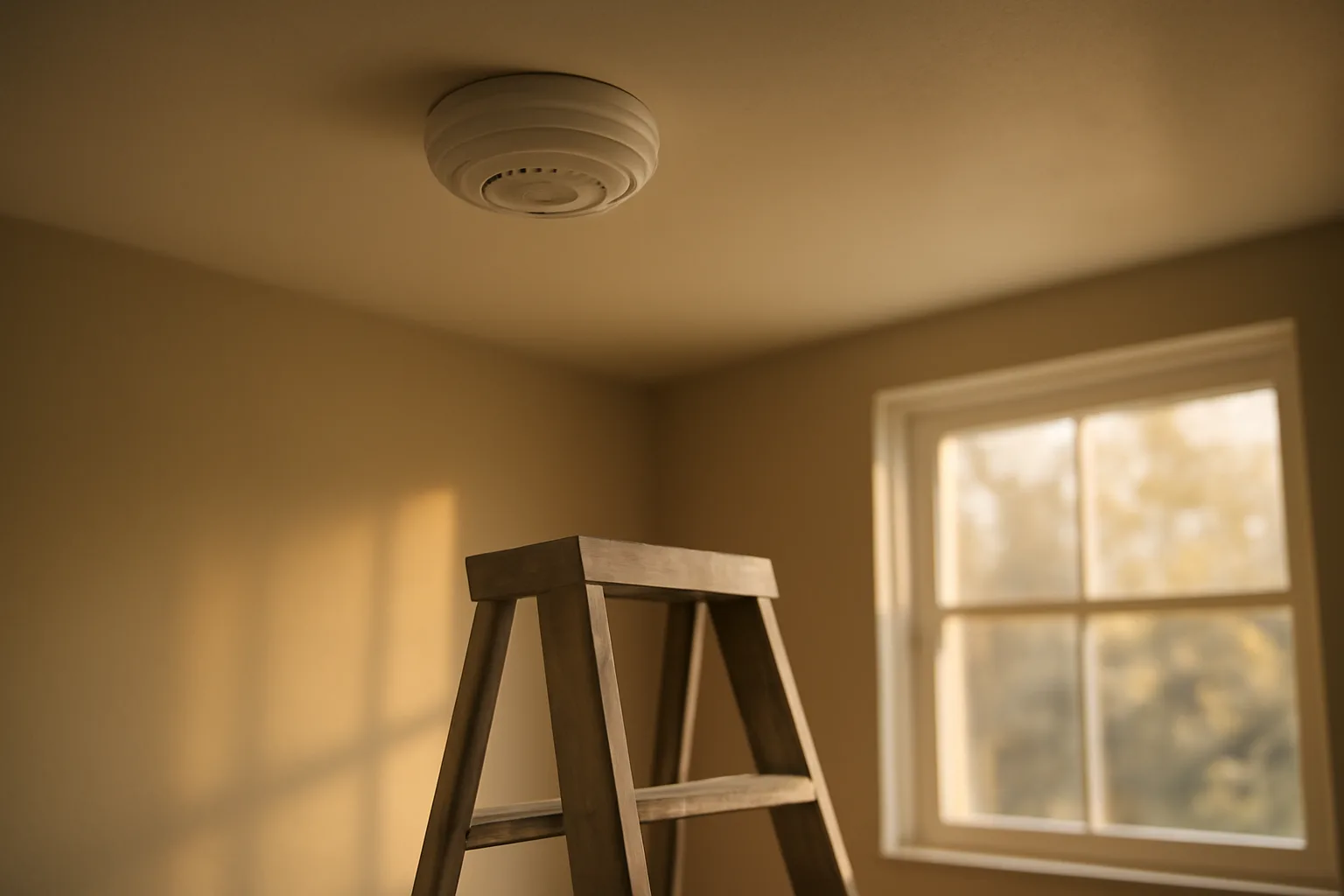
During a rental inspection, an inspector typically checks smoke alarms (working, correctly placed, and often less than 10 years old), carbon monoxide detectors where fuel-burning appliances or attached garages exist, exit paths and doors, fire extinguisher presence and charge, electrical panels and visible wiring, and any obvious fire hazards like blocked exits or overloaded outlets. The U.S. Consumer Product Safety Commission and NFPA both note that smoke alarms should be replaced every 10 years because the sensors degrade over time, and this exact figure shows up in many local fire codes as the maximum allowed age for a hardwired or battery unit [2]. Inspectors will often ask for the manufacture date printed on the back of the alarm, so a working alarm that's 12 years old can still fail. A typical inspector's checklist for a small rental unit includes: - Smoke alarms in every bedroom, outside each sleeping area, and on every level, per NFPA 72 placement rules [3]
- Carbon monoxide alarms near sleeping areas if there's a fuel-burning furnace, water heater, fireplace, or attached garage
- Two ways out of the unit or a compliant means of egress from bedrooms (window wells of a minimum size for basement bedrooms, in many codes)
- Fire extinguishers in common areas of multi-unit buildings, sometimes required per unit in older cities' local amendments
- Clear stairwells, hallways, and exit doors, no storage blocking egress
- Visible electrical issues: exposed wiring, missing panel covers, obvious overloading, extension cords used as permanent wiring
- Address numbers visible from the street for emergency response
- Working locks on doors and windows that still allow quick exit from inside What inspectors generally can't do: search through your tenant's belongings, open closed drawers or containers, or expand the inspection into a full property condition review beyond the stated scope of the visit, unless your local ordinance specifically authorizes broader habitability checks at the same appointment. If you're not sure what's in scope, ask the inspector directly before the walkthrough starts, most will tell you exactly what's on their checklist.
How much notice does a landlord have to give before an inspection?
Most cities and states require 24 to 48 hours of written or verbal notice before a landlord or inspector enters an occupied rental unit for a non-emergency inspection. California's Civil Code sets this baseline for landlord entry generally: notice of "reasonable time," presumed to be 24 hours unless otherwise agreed, and requires the notice to state the date, approximate time, and purpose of entry [4]. Fire and safety inspections tied to a rental licensing program often follow the same notice rule, but the exact number varies. Some cities specify 48 hours in their rental licensing ordinance; others defer to the state's general landlord entry statute. If your city has both a rental license ordinance and a state landlord-tenant law, check which one the fire inspection falls under, sometimes the licensing ordinance has its own notice requirement that's separate from routine maintenance entry. Emergency situations are the exception. If a fire inspector has reason to believe there's an active hazard (a reported gas smell, a fire code complaint with immediate danger), most codes let them seek entry faster, sometimes with a warrant if the tenant or landlord refuses. As a landlord, you generally have to give your tenant the same notice you received, plus enough lead time to actually reach them. Confirm with your city rental licensing office and your state's landlord-tenant statute exactly how much notice your specific inspection type requires. Don't assume 24 hours is universal, some ordinances specify longer windows for licensing reinspections.
What happens if my rental fails a fire inspection?
A failed fire inspection triggers a notice of violation listing each deficiency, a correction deadline (commonly 10 to 30 days depending on severity and your city's ordinance), and a reinspection date. Serious life-safety issues, like a blocked exit or a non-functioning smoke alarm system, sometimes require immediate correction, occasionally within 24 to 72 hours. Here's roughly how the process runs in most licensing cities: 1. Inspector documents each violation with a code section reference. 2. You get a written notice, often mailed or emailed, with the correction deadline. 3. You fix the items and either self-certify (photo documentation) or schedule a reinspection. 4. Inspector confirms compliance, or issues a second notice with fines if items aren't fixed. Fines for uncorrected violations vary widely by city, commonly landing somewhere between $100 and $500 per violation per day for continued non-compliance, though some cities cap total daily fines or escalate them after repeat offenses. Because these numbers change by ordinance and get amended, confirm the actual fine schedule with your city rental licensing office rather than assuming a number from another city applies to you. In the worst case, repeated or unaddressed serious fire code violations can lead to a suspended or revoked rental license, meaning you legally can't rent the unit until you're back in compliance. That's a much bigger financial hit than the fine itself, since you'd lose rent income during the gap.
How do I prepare my rental for a fire inspection?
Start with smoke alarms: confirm every bedroom has one, there's one outside each sleeping area, and one on every level including basements, matching NFPA 72 placement guidance [3]. Test each alarm and replace batteries. Check the manufacture date stamped on the back; if it's over 10 years old, replace the whole unit, more than the battery, per CPSC guidance [2]. Add carbon monoxide alarms near sleeping areas if you have a gas furnace, gas water heater, fireplace, or attached garage. Many states require CO alarms in any rental with a fuel-burning appliance, regardless of local fire code specifics, so check your state statute in addition to the city ordinance. Walk your exits. Make sure every bedroom has a working window that opens fully (egress window rules commonly require a minimum clear opening, often around 5.7 square feet for below-grade bedrooms under the International Residential Code) and that hallways and stairwells are clear of stored items, holiday decorations, or furniture. Check that exterior exit doors open freely and aren't painted shut or blocked by security bars without a quick-release mechanism. Check extinguishers if your city requires them: they need to be charged (gauge in the green), mounted and visible, and inspected within the manufacturer's service window (often annually for a professional tag, though this varies). Look at your electrical panel. Missing knockouts, double-tapped breakers, or a panel that's not labeled are common fail points. If you're not confident reading a panel yourself, a licensed electrician can do a quick pre-inspection walkthrough for a fraction of what a failed license reinspection and reinspection fee will cost you. Finally, make sure your street address number is visible from the road, in contrasting color, and at least the size your local fire code specifies (commonly 4 to 6 inches). It sounds minor, but it's a surprisingly common citation because it affects emergency response time, more than paperwork. If you manage rentals in more than one city, keeping a document packet organized by property (inspection notices, prior violation history, smoke alarm replacement dates) saves you real time when the next notice arrives. That's the specific problem our $79 City Rental License & Inspection Prep Packet is built to solve: a structured way to track what each city requires and what you've already fixed.
What is landlording, and what is a landlord?
A landlord is the owner (or an owner's authorized agent) of real property who rents that property to a tenant in exchange for rent, under a lease or rental agreement. Landlording is the ongoing work of managing that relationship and the property: collecting rent, handling maintenance and repairs, meeting local safety and licensing requirements, communicating with tenants, and following state and local landlord-tenant law. It's part business and part compliance job. You're running a small operation (even if it's a single unit) that has real legal obligations: implied warranty of habitability in most states, fair housing law compliance under the federal Fair Housing Act [5], security deposit handling rules that vary by state, and increasingly, local rental registration or licensing requirements in cities that have adopted them. Many new landlords underestimate the licensing and inspection side specifically. If your city requires rental registration or licensing, you're more than a private property owner anymore for regulatory purposes, you're operating in a category the city actively monitors, which means fire and safety inspections, registration renewals, and fines for missed steps become part of the job, not an occasional annoyance.
How to become a landlord (and how to be a landlord day to day)
Becoming a landlord starts with the property (owning it outright or getting lender approval to rent it out if it's financed), then moves through legal and local compliance steps before you can legally rent it in most licensing cities. A reasonable order of operations: 1. Confirm your mortgage or HOA allows rental use (some loans and HOAs restrict this). 2. Check your city and county for rental registration, licensing, or inspection requirements. This step gets skipped constantly and it's the one that generates fines later. 3. Get landlord liability insurance (a standard homeowners policy usually doesn't cover a rented property; you need a landlord or dwelling policy). 4. Set the property up to pass a fire and safety inspection if one's required before your first tenant moves in. 5. Write a lease that complies with your state's landlord-tenant statute (security deposit limits, required disclosures, notice periods). 6. Screen tenants consistently and legally under the Fair Housing Act, which prohibits discrimination based on race, color, national origin, religion, sex, familial status, and disability [5]. 7. Set up rent collection, a maintenance request process, and a system for tracking inspection and license renewal deadlines. Day to day, being a landlord means responding to maintenance requests promptly (most states hold you to a "reasonable time" standard, sometimes defined more specifically for emergency repairs like no heat or no water), giving proper notice before entry, keeping the property in compliance with local codes, and renewing your rental license or registration on schedule if your city requires one.
Who is responsible for a rental property walk-through inspection in California?
In California, responsibility for rental walk-through inspections splits by type. For a move-out inspection, California Civil Code Section 1950.5 gives tenants the right to request an initial inspection before they move out, conducted jointly with the landlord, so the tenant gets a chance to fix deficiencies before final deposit deductions are made [6]. The landlord is responsible for offering this inspection in writing and then performing it, typically within two weeks of the planned move-out date. For routine safety or maintenance entry, the landlord (or their property manager) is responsible for giving proper notice under California Civil Code Section 1954, generally 24 hours, and then conducting or arranging the inspection [4]. If your city (many California cities including Los Angeles, Oakland, and San Francisco have their own rental registration or inspection ordinances) also requires a fire or habitability inspection tied to licensing, that inspection is usually conducted by a city fire marshal or building inspector, not the landlord personally, though the landlord is responsible for scheduling access and fixing violations. So the short answer: the landlord is responsible for arranging and facilitating the walk-through, whether it's a state-mandated move-out inspection or a city licensing inspection, but the actual inspection itself is sometimes performed by a city official rather than the landlord.
What rights do tenants have without a lease?
Tenants without a written lease still have legal protections in every state; the absence of a signed lease doesn't waive tenant rights, it just usually converts the tenancy into a month-to-month arrangement governed by state statute rather than a specific written contract. Without a written lease, a tenant generally still has the right to: habitable housing (the implied warranty of habitability applies regardless of whether there's a written lease, in most states), proper notice before the landlord can terminate the tenancy or raise rent (commonly 30 days for month-to-month tenancies, sometimes 60 days if the tenant's been there over a year, as under California Civil Code Section 1946.1 [7]), protection from illegal lockouts or utility shutoffs, and protection from housing discrimination under the Fair Housing Act [5]. What a tenant does lose without a written lease is the specific terms they might have otherwise negotiated in writing: a fixed rent amount for a set term, specific maintenance responsibilities, pet policies, or other custom clauses. Verbal agreements are still legally enforceable in many states, but they're much harder to prove in a dispute. If you're dealing with tenants under a verbal or expired lease, check your state's statute on month-to-month tenancies specifically, since notice periods and rent increase rules for that category differ from fixed-term lease rules.
Why do landlords require renters insurance?
Landlords require renters insurance mainly to shift liability and personal property risk away from the landlord's own policy. A landlord's dwelling insurance covers the building itself, not the tenant's belongings, and typically doesn't cover a tenant's liability if the tenant accidentally causes damage (a kitchen fire, an overflowing bathtub that damages the unit below). Renters insurance is comparatively cheap, commonly in the range of $15 to $30 a month depending on coverage and location, according to typical industry rate estimates, though costs vary by state, coverage limits, and provider. Requiring it as a lease condition is legal in most states as long as it's disclosed and applied consistently to all tenants (to avoid fair housing issues). From the landlord's side, renters insurance matters most after a fire, since fire damage claims are exactly the kind of dispute where "whose insurance pays for the tenant's destroyed furniture" comes up. If a fire starts in your rental (whether tenant-caused or not) and the tenant has no renters insurance, they may look to you or your insurer to cover their personal losses, even though your landlord policy was never meant to cover their belongings. Requiring proof of renters insurance at lease signing, and periodically afterward, closes that gap.
What can a landlord not do in Ohio?
Ohio landlords can't shut off utilities, change the locks, or remove a tenant's belongings to force them out, a practice generally referred to as self-help eviction, which is illegal in Ohio and most states. Ohio Revised Code Chapter 5321 governs landlord and tenant obligations statewide, including maintenance duties and entry rules [8]. Under Ohio law, a landlord also can't enter a rental unit without giving reasonable notice, generally interpreted as 24 hours in practice, except in an emergency. Landlords can't retaliate against a tenant for reporting a code violation or exercising a legal right, and can't discriminate based on any protected class under the federal Fair Housing Act [5], which applies in Ohio same as everywhere else. Ohio landlords also can't ignore their duty to maintain the property in a fit and habitable condition; Ohio Revised Code 5321.04 specifically requires landlords to keep the premises in compliance with building, housing, health, and safety codes, and to keep common areas safe and sanitary [8]. If a fire code violation goes unaddressed and creates an unsafe condition, that failure can put the landlord in violation of this statute independent of any city-level fire inspection finding. What Ohio doesn't have, compared to some states, is a single statewide rental licensing or registration requirement; that's handled at the city level. So Cleveland, Columbus, Cincinnati, and other Ohio cities each have their own rental registration and inspection ordinances (or none at all), meaning your specific inspection notice, fee, and fine schedule depends entirely on which Ohio city the property sits in.
How does a rental fire inspection differ from a general property inspection?
A fire inspection focuses narrowly on life-safety systems (smoke alarms, egress, extinguishers, electrical hazards) against your local fire code, while a general property or habitability inspection covers a broader list: plumbing, structural condition, pest issues, and general maintenance, usually against the local housing or building code. Some cities combine both into a single rental licensing inspection visit, which means the same inspector (or a two-person team) checks fire safety items and general condition items at the same time. Others split them: a fire marshal handles the fire code portion on one visit, and a building or housing inspector handles habitability on a separate visit, sometimes on a different renewal cycle. If you got a notice and you're not sure which type of inspection is scheduled, the notice itself should say. If it doesn't, a quick call to your city rental licensing office clears it up fast, and it matters because the prep list is different: fire prep is mostly alarms, exits, and extinguishers; habitability prep covers plumbing leaks, pest evidence, broken windows, and peeling paint (especially in pre-1978 units, where lead paint disclosure rules also apply under federal law).
How often does a rental property need a fire inspection?
Frequency depends entirely on your city's ordinance; there's no single national standard. Common patterns among cities that require licensing include annual inspections, biennial (every two years) inspections, or inspections tied to tenant turnover rather than a fixed calendar. Some smaller cities only inspect on initial licensing and then again only if there's a complaint or a license renewal after several years. Larger cities with dedicated rental inspection programs more commonly run on a fixed annual or biennial cycle regardless of complaints. Because this varies so widely and changes when ordinances get amended, confirm the actual cycle with your city rental licensing office rather than assuming your last city's schedule applies here. If you own rentals in multiple cities, this is one of the most common points of confusion landlords run into, since a rule you learned in one city (say, biennial inspections) doesn't transfer to the next one, which might require annual inspections or none at all outside of complaints.
Frequently asked questions
How much notice does a landlord have to give before a fire inspection?
Most states and cities require 24 to 48 hours of written or verbal notice before entering an occupied rental for a non-emergency inspection, per statutes like California Civil Code Section 1954. Some rental licensing ordinances specify their own notice period separate from the general landlord entry law, so check both your state statute and your city's rental ordinance.
What can a landlord look at during an inspection?
A fire inspector typically checks smoke alarms, carbon monoxide detectors, exit paths, fire extinguishers, and visible electrical hazards. Inspectors generally can't search closed drawers, personal belongings, or containers, and can't expand the visit beyond the stated inspection scope unless the ordinance specifically allows a broader check at the same appointment.
What is landlording?
Landlording is the ongoing work of owning and managing a rental property: collecting rent, handling repairs, following state landlord-tenant law, and meeting local licensing and inspection requirements. It's part business management and part legal compliance, and in cities with rental licensing, the compliance side (registrations, inspections, fines) becomes a regular part of the job.
What is a landlord?
A landlord is the owner or authorized agent of a property who rents it to a tenant under a lease or rental agreement in exchange for rent. Legally, a landlord takes on obligations under state landlord-tenant statutes, including habitability duties, notice requirements, and, in many cities, rental registration or licensing rules.
What rights do tenants have without a lease?
Tenants without a written lease still have habitability rights, protection from illegal lockouts, fair housing protections, and a right to proper notice before termination or rent increases, usually under a month-to-month tenancy governed by state statute. What they lose is the specific written terms a lease would otherwise lock in, like a fixed rent or custom clauses.
Why do landlords require renters insurance?
Landlords require renters insurance because a landlord's own dwelling policy covers the building, not the tenant's belongings or the tenant's liability for accidental damage. Renters insurance, commonly $15 to $30 a month, shifts that risk to the tenant's policy, which matters most after incidents like a kitchen fire or water damage.
What can a landlord not do in Ohio?
Ohio landlords can't perform self-help evictions (shutting off utilities, changing locks, removing belongings), can't enter without reasonable notice except in emergencies, can't retaliate against tenants for reporting code violations, and can't ignore their duty under Ohio Revised Code 5321.04 to maintain the property in compliance with health and safety codes.
Who is responsible for a rental property walk-through inspection in California?
The landlord is responsible for arranging and conducting move-out walk-through inspections under California Civil Code Section 1950.5, and for scheduling access for any city-required fire or safety inspection. The actual fire or licensing inspection itself is often performed by a city fire marshal or building inspector, not the landlord personally.
How do I prepare my rental unit for a fire inspection?
Test and check the age of every smoke alarm (replace if over 10 years old), add carbon monoxide alarms near sleeping areas if you have fuel-burning appliances, clear all exit paths, confirm extinguishers are charged if required, check your electrical panel for missing covers or overloaded circuits, and make sure your street address is visible.
What happens if my rental fails a fire inspection?
You'll get a written notice listing each violation with a correction deadline, commonly 10 to 30 days depending on severity. Fines for uncorrected violations often range from $100 to $500 per item per day of continued non-compliance in many cities, and repeated serious violations can lead to license suspension, though exact numbers vary by ordinance.
How often do rental properties need fire inspections?
There's no national standard; frequency depends entirely on your city's ordinance. Common cycles include annual, biennial (every two years), or inspection tied to tenant turnover rather than a fixed schedule. Confirm the exact cycle with your city rental licensing office since it changes when ordinances get amended.
How to become a landlord?
Confirm your mortgage or HOA allows renting, check your city and county for rental registration or licensing requirements, get landlord liability insurance, prepare the property for any required inspection, write a lease compliant with your state's landlord-tenant statute, and screen tenants consistently under the Fair Housing Act.
Does a rental need a fire extinguisher by law?
It depends on your local fire code; some cities and states require fire extinguishers in common areas of multi-unit buildings or in individual units, others don't specify this for residential rentals at all. Check your state's adopted fire code and your city's rental licensing ordinance, since requirements vary significantly by jurisdiction.
Sources
- International Code Council, International Fire Code adoption overview: Many states adopt the International Fire Code as the basis for fire safety requirements
- U.S. Consumer Product Safety Commission, Smoke Alarms: Smoke alarms should be replaced approximately every 10 years
- NFPA, NFPA 72 National Fire Alarm and Signaling Code: Smoke alarm placement requirements in every bedroom, outside sleeping areas, and on every level
- California Legislative Information, Civil Code Section 1954: California requires reasonable notice, presumed 24 hours, before landlord entry
- U.S. Department of Housing and Urban Development, Fair Housing Act overview: Federal Fair Housing Act prohibits discrimination based on race, color, national origin, religion, sex, familial status, and disability
- California Legislative Information, Civil Code Section 1950.5: California tenants have the right to request a joint pre-move-out inspection
- California Legislative Information, Civil Code Section 1946.1: California requires 30 to 60 days notice to terminate a month-to-month tenancy depending on tenancy length
- Ohio Laws and Rules, Ohio Revised Code Section 5321.04: Ohio landlords must maintain rental premises in compliance with building, housing, health, and safety codes