Last updated 2026-07-26
TL;DR
Stockton runs a citywide Rental Housing Inspection Program under its Municipal Code that requires most residential rental units to register and pass a periodic inspection. Owner-occupied duplexes and some other categories may be exempt. Fees, cycle length, and inspection checklists come from the city's Community Development Department, so confirm current numbers with Stockton's rental program office before your inspection date.
What is the City of Stockton rental inspection program?
Stockton adopted a citywide rental inspection ordinance to deal with substandard housing conditions that code enforcement, acting only on complaints, wasn't catching fast enough. The program requires owners of most residential rental properties to register their units with the city and go through a periodic inspection cycle, rather than waiting for a tenant complaint to trigger a code enforcement visit. This is a real shift from the complaint-driven model most landlords grew up with. Under the old system, if no tenant called in, a slumlord could operate for years without a single inspector setting foot on the property. Proactive rental inspection programs like Stockton's flip that: the city decides when to look, not the tenant. Stockton's ordinance sits in its Municipal Code under the property maintenance and rental housing provisions administered by the city's Community Development Department. The exact chapter number and current program name can shift when the city amends the code, so if you're trying to read the ordinance text yourself, search the City of Stockton Municipal Code index for "rental housing" or "residential rental inspection" rather than relying on an old chapter citation you found elsewhere [1]. If you own even one single-family rental or a duplex in Stockton, assume you're in scope until you've confirmed an exemption with the city. Don't guess based on what a friend's rental in another Central Valley city has to do. Modesto, Sacramento, and Stockton each run their own separate programs with different thresholds and fees.
Which Stockton rental properties are covered by the inspection ordinance?
Most residential rental units in Stockton fall under the program: single-family rentals, duplexes, and multi-unit apartment buildings. The city's rental housing inspection framework is built to reach the full range of rental housing stock, more than large apartment complexes, which is the whole point of a proactive (versus complaint-based) system. Some categories are commonly exempted in cities that run these programs, and Stockton's ordinance likely follows a similar pattern, though you need to verify current exemption language directly with the city rather than assume. Typical exemption categories in comparable California rental inspection ordinances include owner-occupied units where the owner lives in one unit of a duplex, units already inspected under a different program (like Section 8 housing quality standards inspections through the local housing authority), and newly constructed units still under original certificate of occupancy. Because exemption rules vary by city and change over time, the only safe move is to call or check with Stockton's Community Development Department rental program office and get the exemption criteria in writing for your specific property type. Don't rely on secondhand information from a property management forum or a real estate agent who hasn't checked recently. If you manage rentals in more than one California city, this patchwork is genuinely annoying. Related reading on how other cities structure their tenant rights protections during inspections can help you see the pattern across jurisdictions.
How much does a Stockton rental inspection cost?
Stockton charges a registration and/or inspection fee per rental unit, and these fees get adjusted periodically by city council action or administrative fee schedule updates. Because fee schedules change (often annually with cost-of-living adjustments or council votes), don't rely on a number you saw in an old blog post or a neighbor's paperwork from three years ago. The honest answer here is: confirm the current per-unit fee with Stockton's rental housing inspection program office before budgeting. Cities running similar programs elsewhere in California often charge anywhere from roughly $15 to $150 or more per unit annually depending on program design, whether it funds a dedicated inspection staff, and whether the fee is flat or scaled by unit count. Stockton's fee could sit anywhere in or outside that range, so treat any number you find online, including in this article, as a starting point for your own verification call, not a final figure. Beyond the base fee, ask the city about these possible added costs: re-inspection fees if you fail the first inspection, late registration penalties if you missed the initial enrollment deadline, and any administrative citation fees tied to non-compliance. Some cities also charge a separate fee if you request an inspection outside the standard cycle (say, for a certificate needed for refinancing). If you're budgeting for licensing costs across a portfolio, it helps to build a simple one-page checklist per city so you're not scrambling every renewal cycle. That's exactly the kind of prep problem our $79 City Rental License & Inspection Prep Packet is built to solve. It walks you through the documentation and unit-readiness steps landlords in mandatory-licensing cities like Stockton commonly need, so you're not guessing at inspection time.
What does a Stockton rental inspector actually check?
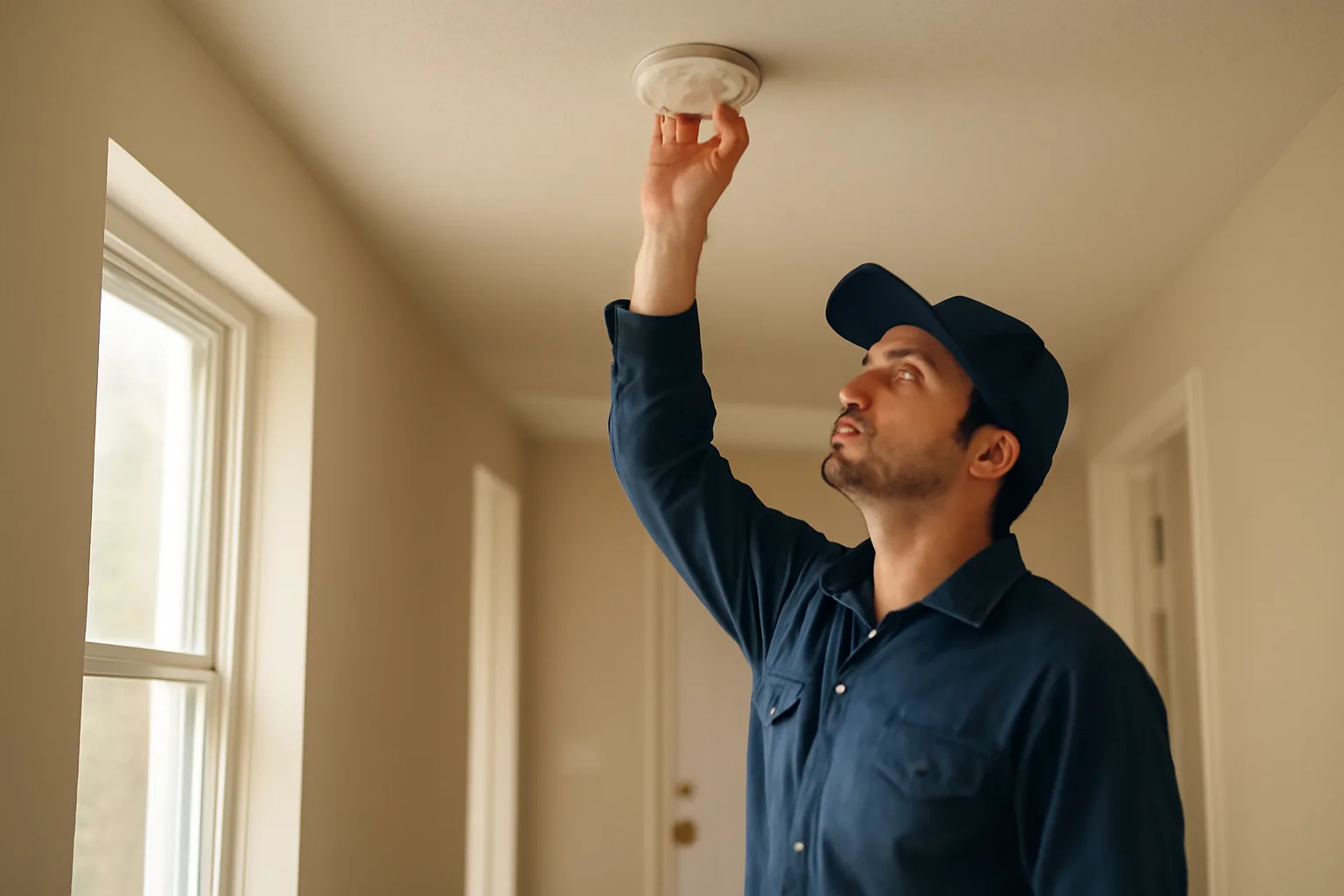
Rental inspectors in programs like Stockton's are generally looking for compliance with local property maintenance codes and basic health and safety standards, not decor or paint color preferences. Expect the inspector to check things like working smoke alarms and carbon monoxide detectors, functioning heating, adequate plumbing with no active leaks, safe electrical wiring and outlets, secure locks on doors and windows, and the general structural condition of the unit (no exposed hazards, no significant mold, no pest infestations visible during the walkthrough). Many rental inspection ordinances are built around adopted versions of the International Property Maintenance Code (IPMC) or a locally modified version of it, which covers things like minimum ceiling heights, required light and ventilation in habitable rooms, and sanitation facilities. California cities frequently layer state building code and health and safety code requirements on top of that baseline. A reasonable prep list before your inspection date: test every smoke detector and CO detector and replace dead batteries, check that every window opens and locks, run every faucet and check under every sink for leaks, confirm the water heater has a proper temperature and pressure relief valve with a discharge pipe, and clear any obvious tripping hazards or accumulated debris from yards and common areas. If you have a tenant currently living in the unit, coordinate the walkthrough date with them well in advance. This is also a good moment to review tenant rights around notice and access, since the inspection process touches directly on how much warning a tenant is owed before someone enters their home.
Who is responsible for the rental property walkthrough inspection in California?
In California, the property owner (or their designated property manager) is legally responsible for arranging and being present for, or ensuring access to, the rental unit walkthrough inspection required by a city's rental housing program. The inspection itself is conducted by a city code enforcement officer or building inspector, not by the tenant and not by a third-party contractor the landlord hires informally. California Civil Code Section 1954 governs a landlord's right to enter a rental unit, and it requires "reasonable notice in writing" (generally interpreted as 24 hours) except in emergencies, and limits entry to specific purposes including to make necessary repairs and to show the unit to prospective buyers or tenants [2]. A city rental inspection generally falls under the landlord's right to enter for repairs, improvements, or to comply with legal obligations, but the notice requirement still applies: the landlord (or the city, depending on local practice) needs to give the tenant proper written notice before the inspection date. The landlord can't just let the inspector in without telling the tenant, and can't force the tenant to be present. What the landlord must do is arrange access, whether that means being there personally to let the inspector in, giving the tenant clear written notice of the date and time so they can choose to be present, or coordinating with a property manager who holds keys. If a tenant refuses access despite proper notice, that becomes a lease compliance issue the landlord may need to address separately, and cities often have their own enforcement mechanism (like issuing a compliance order to the owner regardless of tenant cooperation) since the owner, not the tenant, holds the underlying legal obligation to the city.
How much notice does a landlord have to give before an inspection?
California law requires "reasonable notice," and Civil Code Section 1954 sets that at not less than 24 hours in most circumstances, delivered in writing, unless the tenant agrees to a shorter notice period or there's an emergency [2]. This 24-hour standard applies broadly to landlord entry for repairs, inspections tied to code compliance, and showings, more than city rental inspections specifically. Some cities layer additional notice requirements on top of the state minimum for their rental inspection programs specifically, sometimes requiring 48 hours or more, or specific delivery methods (posted notice plus mailed notice, for example). Stockton's program may or may not add to the state floor, so check with the city's rental inspection office for the exact notice period and delivery method their program requires or recommends. Practical tip: even where 24 hours is the legal floor, giving tenants more lead time (a week or more) tends to go better. Tenants can plan around work schedules, secure pets, and tidy up, which usually makes the actual inspection smoother and faster for everyone including the inspector.
What can a landlord look at during an inspection?
During a lawful entry for inspection purposes, a landlord (or the city inspector accompanying or acting on the landlord's behalf) can look at anything relevant to the condition of the property and its compliance with health, safety, and building codes. That includes checking smoke detectors, plumbing fixtures, electrical panels and outlets, HVAC equipment, window and door locks, and general structural condition of walls, ceilings, and floors. What an inspection is not is a general search of the tenant's belongings. Landlords and inspectors don't get to open drawers, closets full of personal items, or containers unrelated to the property's physical condition. The legal basis for entry (repair, inspection, code compliance) defines the scope of what can reasonably be examined. An inspector checking for a working smoke detector doesn't need to go through a tenant's dresser. California Civil Code 1954 frames permissible entry purposes narrowly: to make necessary or agreed repairs, decorations, alterations, or improvements; to supply necessary or agreed services; to show the unit to prospective buyers, tenants, mortgagees, or contractors; when the tenant has abandoned the unit; and pursuant to court order [2]. A city-mandated rental housing inspection generally fits under the repair/code-compliance purpose, but a landlord using an inspection as a pretext to snoop through personal property, or to intimidate a tenant, is stepping outside what the law allows.
What happens if a Stockton rental unit fails inspection?
When a unit fails, the city typically issues a notice of violation listing the specific code deficiencies found, with a deadline (commonly somewhere between 30 and 90 days depending on severity, though Stockton's specific timelines should be confirmed with the city) to make corrections and request a re-inspection. Serious life-safety hazards, like exposed wiring or non-functioning smoke detectors, are usually flagged for faster correction than cosmetic property maintenance issues. Re-inspection typically carries its own fee, separate from the initial inspection fee, and cities generally have an escalating enforcement path for landlords who don't correct violations: a warning notice, then a formal notice of violation, then administrative citations with monetary fines, and in persistent non-compliance cases, potential referral to the city attorney's office or a public nuisance abatement process. Fine amounts for uncorrected rental housing violations in California cities commonly run from roughly $100 to $1,000 or more per violation per day in repeat or serious cases, though the exact schedule is set locally and you should get Stockton's specific fine schedule from its municipal code or code enforcement division rather than assume a number. The cheapest path through all of this is passing the first time. That means doing your own pre-inspection walkthrough using a checklist built around your city's actual code categories (smoke/CO detectors, plumbing, electrical, structural, pest, sanitation) before the city inspector ever shows up. Landlords managing units across multiple mandatory-inspection cities often find it worth building a standard pre-inspection routine rather than reinventing it every time a new notice arrives.
How do you become a landlord (and what does landlording actually mean)?
Becoming a landlord in California starts with buying or already owning residential property you intend to rent out, then meeting the state and local legal requirements to lease it: habitability standards under California Civil Code Section 1941.1, proper security deposit handling under Civil Code Section 1950.5, and in cities like Stockton, registering the unit under the local rental inspection or licensing ordinance before you sign a lease [3][2]. "Landlording" is the practitioner term for the ongoing work of operating a rental property: screening tenants, drafting and enforcing lease terms, collecting rent, handling maintenance requests, managing move-in and move-out condition documentation, and staying current on the legal obligations tied to owning rental housing. It's part small business operation, part compliance job, and the compliance side has gotten heavier over the last decade as more California cities adopt rental registries, just-cause eviction rules, and rent caps under state law like the Tenant Protection Act (Civil Code Section 1946.2) [4]. A landlord, in plain terms, is the party who owns residential property and leases it to a tenant in exchange for rent, taking on the legal obligations that come with that: maintaining habitability, respecting notice and entry rules, and following state and local eviction procedures. If you're new to this and Stockton is your first rental market, read up on the basics of landlord obligations before your first lease signing, not after your first tenant complaint. One honest piece of advice for first-time landlords: budget more time than you think for compliance paperwork in your first year. Rental registration, inspection scheduling, and lease drafting that meets both state and local rules take real hours, and skipping steps to save time upfront tends to cost more later in fines or re-inspection fees.
What rights do tenants have without a lease?
A tenant without a written lease, sometimes called a month-to-month tenant or tenant-at-will, still has substantial legal protections in California. State law treats an oral or implied rental agreement (where rent is paid and accepted regularly) as creating a periodic tenancy, and that tenant still has the right to a habitable unit, protection from illegal lockouts or utility shutoffs, and specific notice periods before the landlord can terminate the tenancy. Under California Civil Code Section 1946, a landlord generally must give at least 30 days' written notice to terminate a month-to-month tenancy where the tenant has lived in the unit less than one year, and at least 60 days' notice where the tenant has lived there one year or more [5]. This applies whether or not there's a written lease, because the notice requirement attaches to the tenancy type (month-to-month), not to the existence of a signed document. Tenants without a lease also retain habitability rights under Civil Code Section 1941.1, meaning the landlord still must provide effective weatherproofing, working plumbing, safe electrical systems, and adequate heating regardless of whether there's paper documenting the arrangement [3]. And under the statewide Tenant Protection Act, many tenants (not all; there are exemptions for certain owner-occupied duplexes, single-family homes with proper notice, and newer construction) gain just-cause eviction protection after 12 months of occupancy even without a lease [4]. If you're a landlord operating on verbal agreements with no paper trail, that's a real risk for you too, more than a tenant protection gap. Disputes over rent amount, move-in condition, or the terms both sides agreed to get much harder to resolve without documentation. It's worth reviewing renters rights resources so both sides understand what's actually owed.
Why do landlords require renters insurance, and what can't a landlord do?
Landlords commonly require tenants to carry renters insurance because a landlord's own property insurance covers the building structure, not the tenant's personal belongings, and often doesn't cover liability if a tenant's guest is injured inside the unit or if the tenant's negligence (an unattended candle, an overflowing bathtub) damages the unit or a neighboring one. Requiring renters insurance shifts that liability and replacement-cost risk off the landlord's policy and onto a cheap, widely available product, renters insurance commonly runs in the range of $15 to $30 per month depending on coverage and location, though actual rates vary by insurer and market. On what a landlord cannot do: this varies by state, and Ohio's landlord-tenant law (Ohio Revised Code Chapter 5321) sets its own specific limits distinct from California's. Generally, Ohio law prohibits landlords from shutting off utilities to force a tenant out, changing the locks without a court order (self-help eviction), retaliating against a tenant for reporting a code violation or exercising a legal right, and entering the unit without reasonable notice except in an emergency. Ohio Revised Code Section 5321.04 lays out the landlord's specific duties, including maintaining the premises in a fit and habitable condition and keeping common areas safe [6]. If you're operating in Ohio specifically, don't apply California's Civil Code sections to your situation; the notice periods, entry rules, and remedies differ meaningfully between the two states. The common thread across every state's landlord-tenant law, including California's and Ohio's, is that self-help remedies (lockouts, utility shutoffs, seizing tenant property) are illegal regardless of how justified a landlord feels. Eviction has to go through the court process. That's true whether you're dealing with a Stockton rental inspection violation or a tenant dispute in Columbus.
Frequently asked questions
Does Stockton require a rental license or just an inspection?
Stockton's program is built around registration and periodic inspection of rental units rather than a separate annual business license specifically for rentals, though rental property owners may also need a general business license depending on how they structure ownership. Confirm the exact registration and licensing requirements with Stockton's Community Development Department, since program structure can change.
How often does the City of Stockton inspect rental units?
Inspection cycle length (commonly every one to four years in comparable California rental inspection programs) is set by the city's specific ordinance and can vary based on a unit's prior compliance history. Confirm Stockton's current cycle length directly with its rental housing inspection program office, since this detail is exactly the kind of thing that changes with program updates.
Can I refuse a City of Stockton rental inspection?
You can decline access on a specific date, but refusing entirely typically triggers escalating city enforcement, since the ordinance creates a legal obligation for the owner to comply, separate from any individual tenant's cooperation. Persistent refusal can lead to citations, fines, or a warrant obtained by the city to gain lawful entry for inspection purposes.
Who pays the rental inspection fee, the landlord or the tenant?
The property owner is legally responsible for the registration and inspection fee in essentially every California rental inspection program, including Stockton's. Some landlords factor this cost into rent pricing, but the fee obligation and any late-payment or violation penalties attach to the owner, not the tenant.
What is landlording as a term?
Landlording describes the day-to-day work of owning and operating rental property: screening tenants, handling leases and rent collection, maintaining habitability, managing repairs, and staying compliant with state and local landlord-tenant law. It's used both casually and in property management training materials to describe the operational side of being a landlord.
Who is responsible for a rental property walkthrough inspection in California?
The property owner is legally responsible for arranging and providing access for any required walkthrough inspection, whether it's a routine city rental inspection or a move-in/move-out condition walkthrough. The inspection is performed by a city inspector or the landlord/property manager, with proper notice given to the tenant under California Civil Code Section 1954.
How much notice does a landlord have to give before entering a rental unit in California?
California Civil Code Section 1954 requires reasonable notice, generally interpreted as at least 24 hours, delivered in writing, except in emergencies or where the tenant agrees to a shorter timeframe. Some cities' rental inspection programs may require additional notice on top of this state floor, so check local rules.
What can a landlord look at during a rental inspection?
A landlord or city inspector can examine anything related to the unit's physical condition and code compliance: smoke detectors, plumbing, electrical systems, structural elements, and general sanitation. They cannot search personal belongings, open drawers or containers unrelated to property condition, or use the inspection as a pretext to go through a tenant's things.
What can't a landlord do in Ohio?
Under Ohio Revised Code Chapter 5321, landlords cannot shut off utilities or change locks to force a tenant out (illegal self-help eviction), cannot retaliate against tenants for reporting code violations, and cannot enter without reasonable notice except in emergencies. Ohio Revised Code Section 5321.04 also requires landlords to keep the unit in a fit and habitable condition.
What rights does a tenant have with no written lease?
A tenant without a written lease who pays rent regularly is generally treated as a month-to-month tenant under California law, with full habitability rights under Civil Code Section 1941.1 and standard notice protections (30 or 60 days depending on tenancy length) under Civil Code Section 1946 before termination.
Why do landlords require renters insurance?
Renters insurance covers a tenant's personal belongings and personal liability, which the landlord's building insurance policy typically doesn't cover. Requiring it protects both parties: the tenant recovers losses from theft, fire, or water damage, and the landlord has less exposure if a tenant's negligence causes injury or damage that would otherwise fall back on the landlord's own coverage or out of pocket.
What documents should I prepare before a City of Stockton rental inspection?
Useful documents include your current rental registration confirmation, proof of any prior repairs or permits, smoke and CO detector maintenance records, and a copy of your lease showing the unit is currently tenant-occupied or vacant. Bringing organized documentation tends to speed up the inspector's visit and reduces back-and-forth on unrelated questions.
Sources
- City of Stockton Municipal Code, Title 8 (Health and Safety): Stockton's Municipal Code contains the property maintenance and rental housing provisions administered by the city's Community Development Department
- California Legislative Information, Civil Code Section 1954: California landlords must give reasonable notice (generally 24 hours, in writing) before entering a rental unit for repairs, inspections, or showings
- California Legislative Information, Civil Code Section 1941.1: California landlords must maintain rental units in a habitable condition including working plumbing, weatherproofing, and safe electrical systems
- California Legislative Information, Civil Code Section 1946.2: California's Tenant Protection Act provides just-cause eviction protection for many tenants after 12 months of occupancy
- California Legislative Information, Civil Code Section 1946: California landlords must give 30 or 60 days' written notice to terminate a month-to-month tenancy depending on length of occupancy
- Ohio Revised Code Section 5321.04: Ohio landlords must maintain rental premises in a fit and habitable condition and cannot use self-help remedies like utility shutoffs or lockouts