Last updated 2026-07-26
TL;DR
A landlord or their agent can inspect a rental for safety hazards, code compliance, and property condition, but not go through personal belongings. Most states require 24 to 48 hours' written notice except for emergencies. California Civil Code 1954 sets specific entry rules; Ohio and other states have their own limits on what a landlord can and cannot do.
what is landlording, and what does a landlord actually do
Landlording is the day-to-day work of owning and managing a rental property: collecting rent, handling repairs, screening tenants, following local code, and keeping the unit safe and habitable. It's part business, part maintenance job, part legal compliance work. Nobody hands you a manual when you buy your first rental. You learn a lot of it by getting a notice in the mail or a call from a tenant at 11pm about a leaking pipe. A landlord, legally, is the owner (or the owner's authorized agent, like a property manager) who leases real property to a tenant in exchange for rent. That's the whole definition, but the job is bigger than the definition. You're responsible for the physical condition of the property under most state and local housing codes, for handling security deposits according to state rules, and for following fair housing law in how you screen and treat applicants and tenants. The federal Fair Housing Act (42 U.S.C. 3601 et seq.) bars discrimination based on race, color, religion, sex, national origin, familial status, and disability in housing transactions [1]. If you're in a city with mandatory rental registration or licensing (and more cities add these programs every year), landlording also means keeping your license current, passing periodic inspections, and paying registration fees on time. Skip that part and you can end up with fines or an unenforceable lease in some jurisdictions, depending on local law. Check with your city's rental licensing office for your specific program rules, since these vary a lot by municipality.
how to become a landlord: the actual steps
Becoming a landlord takes five practical steps: buy or convert a property to a rental, check local licensing and zoning rules, set up how you'll handle money and legal compliance, screen and select a tenant, and sign a lease. None of these steps are optional if you want to do this without getting burned. Step one is the property itself. Most new landlords start with a single-family home or small multifamily building, often one they used to live in. Before you rent it out, check zoning: some residential zones don't allow rentals, or cap the number of units, or require a certificate of occupancy for a rental use that's different from owner-occupied use. Step two is registration and licensing. A growing number of cities require landlords to register every rental unit, get a rental license, and pass a habitability inspection before renting or renewing. Fees, inspection intervals, and penalties vary city to city, so confirm with your local rental licensing office rather than assuming your neighbor's city rules apply to yours. Step three is money and legal setup: decide whether you'll hold the property in your own name or an LLC, get landlord insurance (different from a standard homeowner's policy), and learn your state's security deposit rules, since most states cap the amount and set a deadline for returning it. Step four is screening. Run credit, background, and eviction history checks, verify income (a common rule of thumb is requiring gross monthly income of about three times the rent, though this isn't a legal requirement, just an industry norm), and apply your criteria consistently to every applicant to avoid fair housing violations. Step five is the lease itself, which should spell out rent amount, due date, deposit terms, maintenance responsibilities, and rules on entry and inspections. Get a local attorney or your state's landlord association to review your lease template before you use it for real; we don't draft lease language here, and a boilerplate lease pulled off the internet often misses state-specific requirements.
what is a landlord, legally speaking
A landlord is the party in a lease or rental agreement who owns the property and grants the tenant the right to occupy it in exchange for rent. That's it at the core. States define it slightly differently in their landlord-tenant statutes, but the basic elements (ownership or control of the property, a rental agreement, and payment of rent) show up everywhere. The landlord's obligations usually include maintaining the property in habitable condition, making necessary repairs within a reasonable time, complying with building and housing codes, and respecting the tenant's right to quiet enjoyment of the unit. Most states also require landlords to disclose certain things upfront, like the presence of lead paint in pre-1978 housing, which is a federal requirement under 42 U.S.C. 4852d and its implementing regulation at 24 CFR Part 35 [2]. A landlord isn't automatically the same as a property manager. Many small landlords (1 to 10 units, which is our core reader here) self-manage, meaning they personally handle repairs, showings, and rent collection. Larger landlords or absentee owners often hire a property management company, but the legal responsibilities of "landlord" still rest with the property owner unless a management agreement or local law shifts specific duties.
who is responsible for a rental property walk-through inspection in california
In California, the landlord (owner or authorized agent) is responsible for conducting move-in and move-out walk-through inspections, but California law only requires the landlord to offer an initial inspection before move-out if the tenant requests one. Under California Civil Code section 1950.5(f), a landlord must, upon a tenant's request made near the end of the tenancy, inspect the unit before the tenant moves out and give an itemized statement of anything that needs fixing to avoid deductions from the deposit [3]. Here's how it actually works: the landlord isn't required to inspect at move-in under state law the way, say, a habitability inspection ordinance might require, but doing a documented move-in walk-through (photos, a signed checklist) protects both sides when it's time to settle the deposit. Move-out inspections are more formally regulated. If the tenant requests the pre-move-out inspection under Civil Code 1950.5(f), the landlord must give at least 48 hours' written notice of the date and time, and the tenant has the right to be present [3]. Both the landlord and tenant share responsibility for documentation, but the landlord holds the legal obligation to itemize any proposed deductions and to conduct the inspection if requested. Many California cities layer additional inspection requirements on top of this if the unit falls under mandatory rental licensing or a rent-control just-cause ordinance, so always check your specific city rules alongside state law.
what can a landlord look at during an inspection
| Smoke/CO detectors | Personal belongings in drawers |
|---|---|
| Plumbing leaks, water damage | Mail, documents, personal papers |
| Electrical outlets, exposed wiring | Locked personal storage (unless safety hazard suspected) |
| Pest evidence | Searching for illegal activity without separate legal cause |
| Egress windows, smoke detector placement | Tenant's medical info, personal effects |
| HVAC function, heat source | Anything unrelated to habitability or lease compliance |
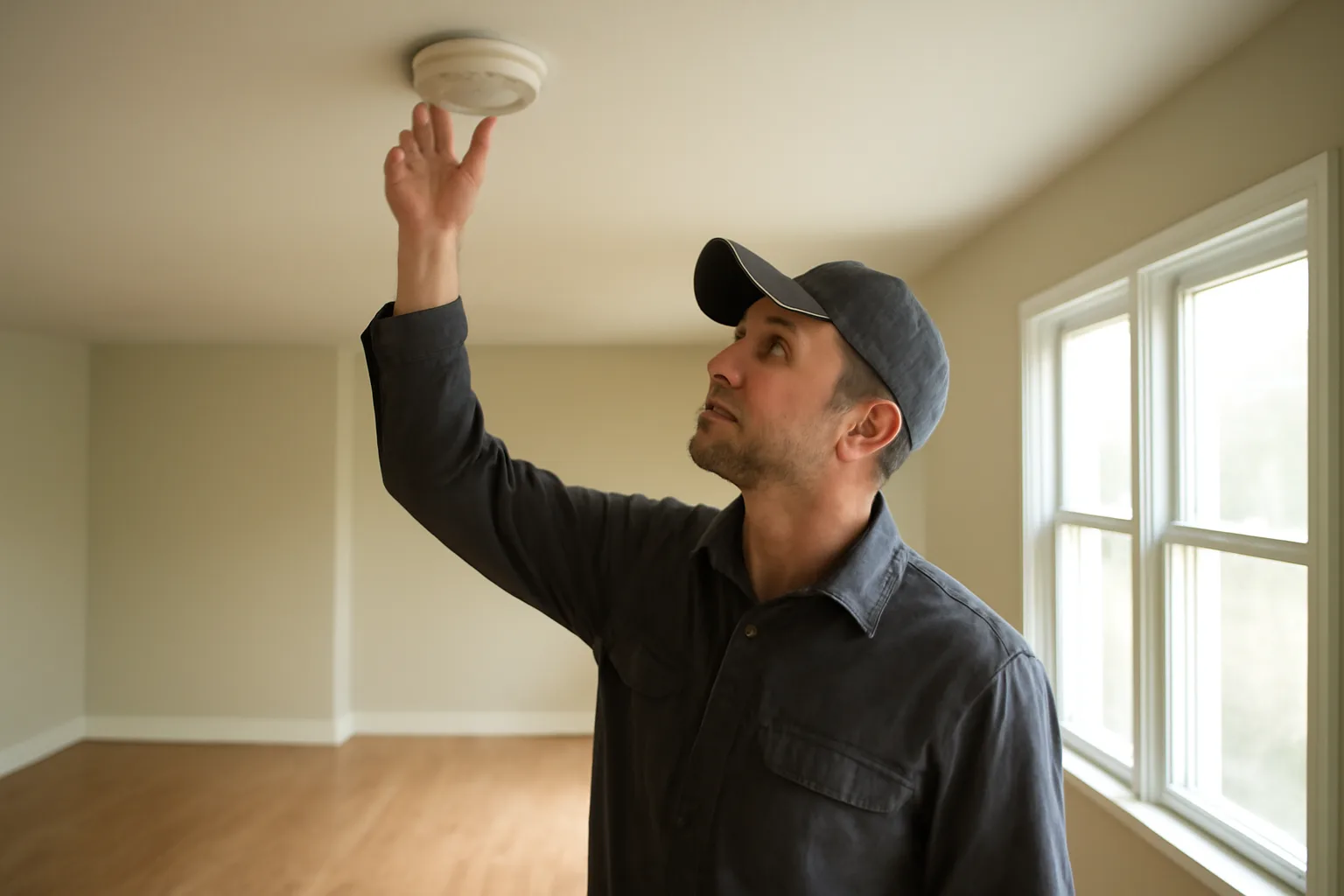
A landlord (or their inspector) can look at general habitability and maintenance items: smoke and carbon monoxide detectors, plumbing and electrical fixtures, signs of pest infestation, mold or water damage, HVAC function, window and door locks, and overall cleanliness that could create a health or safety hazard. The inspection is about the condition of the property, not an audit of the tenant's belongings. What a landlord generally cannot do is open drawers, closets, or containers to search through personal property, read mail or documents, or use the inspection as a pretext to harass a tenant or retaliate for a complaint. Many state statutes specifically limit entry purpose to things like making repairs, showing the unit to prospective tenants or buyers, or verifying compliance with the lease, not general snooping. A typical rental license inspection, the kind mandated by a city rental licensing office, checks a defined list: functioning smoke alarms in every bedroom and hallway (often required under the International Fire Code adopted locally, or a state fire code), egress windows in bedrooms, handrails on stairs with more than a few steps, GFCI outlets near water sources, no visible mold or active leaks, and working heat. Cities publish these checklists, and it's worth pulling your specific city's inspection checklist before your appointment rather than guessing. Here's a general comparison of what shows up on most inspection checklists versus what's off-limits: | Typically checked | Typically off-limits |
how much notice does a landlord have to give before entering or inspecting
Most states require 24 to 48 hours of advance notice before a landlord enters a rental unit for a non-emergency inspection or repair, but the exact number and the acceptable method of notice (written, posted, verbal) varies significantly by state. There's no single federal standard, so you have to check your specific state statute. California requires "reasonable notice," which the statute presumes to be 24 hours in most circumstances, under Civil Code section 1954 [4]. Some cities and states go further: Oregon requires at least 24 hours' written notice under ORS 90.322, and specifies the entry must happen between 8am and 8pm absent emergency or tenant agreement otherwise [5]. Emergencies are the universal exception. If there's a fire, flood, gas leak, or another situation that threatens health, safety, or the property itself, landlords can enter without advance notice in every state we're aware of. Outside of emergencies, entering without proper notice can expose a landlord to a claim for violation of the tenant's right to quiet enjoyment, and in some states, statutory damages. A practical habit: always give notice in writing (text or email works in most states as long as it's documented), state the purpose of entry, and propose a specific date and time window rather than a vague "sometime this week." It's a small habit that avoids a huge fraction of landlord-tenant friction.
what a landlord cannot do in ohio
Ohio law, under Ohio Revised Code Chapter 5321, prohibits a landlord from several specific actions: entering the rental unit without reasonable notice (24 hours is the customary standard used by Ohio courts and most leases, though the statute itself just says "reasonable"), retaliating against a tenant for reporting code violations or exercising legal rights, shutting off utilities to force a tenant out, changing the locks without a court order, or removing a tenant's possessions without going through the formal eviction process [6]. Under ORC 5321.04, Ohio landlords must keep the premises in a fit and habitable condition, comply with building and housing codes materially affecting health and safety, keep common areas safe, and maintain electrical, plumbing, heating, and other systems supplied by the landlord in good working order [6]. A landlord who fails to do this can be sued by the tenant, and the tenant may be entitled to a rent escrow remedy under ORC 5321.07 if the landlord doesn't fix a serious defect after written notice. Ohio also bars landlords from including certain clauses in a lease. Under ORC 5321.13, a lease can't require a tenant to waive their statutory rights, agree to pay the landlord's attorney fees for enforcing the lease (with narrow exceptions), or confess judgment in advance. Self-help eviction, meaning physically locking a tenant out or removing belongings without a court order, is illegal statewide, and a tenant can recover damages if a landlord does this [6].
what rights do tenants have without a lease
A tenant without a written lease still has legal rights. In every state, an oral or implied rental agreement (sometimes called a month-to-month tenancy at will) still triggers the landlord's statutory duties around habitability, notice before entry, and proper eviction procedure. "No lease" doesn't mean "no rights." Without a written lease, the tenancy typically defaults to month-to-month, governed by whatever state statute applies to periodic tenancies. That means the landlord generally must give a set amount of notice (commonly 30 days, though this varies by state and sometimes by how long the tenant has lived there) before ending the tenancy or raising the rent, and must still follow the formal eviction process through court to remove the tenant, even without a signed document. A tenant without a lease is also still protected by fair housing law, still entitled to a habitable unit under state housing codes, and still protected from illegal lockouts or utility shutoffs. What a tenant without a lease may lack is proof of specific terms, like an agreed rent amount or a fixed end date, which can create disputes that a written lease would have prevented. This is exactly why most landlord associations and attorneys recommend never renting without a signed written agreement, even to family.
why do landlords require renters insurance
Landlords require renters insurance mainly to shift liability and personal property risk away from the landlord's own policy. A standard landlord (dwelling) insurance policy covers the building structure and the landlord's liability, but it does not cover a tenant's personal belongings or the tenant's liability for incidents inside the unit, like a guest getting injured or a kitchen fire the tenant caused. Requiring renters insurance (often with a modest liability minimum, commonly $100,000, though this is a landlord's or insurer's choice, not a legal mandate in most states) means that if a tenant's negligence causes damage, the tenant's own policy pays first, rather than the landlord's insurer footing the bill and possibly raising the landlord's premiums or denying the claim outright since it wasn't the landlord's fault. It's legal in most states for a landlord to require renters insurance as a lease condition, as long as the requirement is disclosed and applied consistently to all tenants (to avoid fair housing issues). Some cities with rental licensing programs are starting to reference renters insurance in their model lease guidance, though it's rarely a licensing requirement itself; check your specific city rental licensing office if you're unsure whether local rules touch on this. From a purely practical standpoint, renters insurance is cheap for the tenant (often in the range of $15 to $30 a month, per National Association of Insurance Commissioners data, though your local market may vary) and it closes a real gap in coverage. Most small landlords who've been through a tenant-caused fire or a slip-and-fall lawsuit start requiring it after the fact, not before. Better to require it from the first lease.
how licensing and inspection programs change the landlord's job
If your city has a mandatory rental licensing or registration ordinance, your job as a landlord expands beyond the state-level landlord-tenant basics. You're now dealing with a local government process on top of everything else: an application, a fee, a periodic inspection, and a renewal cycle, all set by your specific municipality rather than by state law. These programs exist because cities found that state landlord-tenant law alone wasn't catching unsafe housing conditions until a tenant complained, which is often too late. A rental licensing ordinance flips that: the city inspects proactively, on a set schedule (commonly every one to three years, though this varies enormously by city) rather than waiting for a complaint. The practical effect for a small landlord with 1 to 10 units is that you now have city deadlines layered on top of lease deadlines. Miss a license renewal and you can face a fine, a hold on renting the unit, or in some cities, an inability to file an eviction until the license is current. This is exactly the kind of admin load that catches new landlords off guard, since it doesn't show up in generic landlord advice and only exists in specific cities. If you've gotten a notice about registration, an inspection deadline, or a violation fine and you're not sure what your city actually requires, our $79 City Rental License & Inspection Prep Packet walks through the common documentation and pre-inspection checklist items landlords need city by city, so you're not starting from a blank page the week before your inspection.
how to prepare for a rental inspection as a small landlord
Preparing for a rental inspection starts weeks before the appointment, not the day before. Pull your city's specific inspection checklist first (most rental licensing offices publish one), then walk the unit yourself using that exact list. Check every smoke detector and carbon monoxide detector for a working battery and a current (not expired) unit; most fire codes require CO detectors near sleeping areas if there's any fuel-burning appliance. Test every GFCI outlet in kitchens, bathrooms, and any outlet within six feet of water. Look for active leaks under sinks and around water heaters, since standing water or visible mold is one of the most common fail points on habitability inspections. Confirm handrails are secure on any stairway with more than a few steps, and that bedroom windows meet egress size requirements if your city's code specifies one (this matters most in basement or converted-attic bedrooms). If you have a tenant in place, give proper notice under your state's entry rules before the city inspector's visit and before your own pre-inspection walk. Document everything with photos and a signed checklist before your official inspection date, since photo documentation is your best defense if a dispute comes up later, whether with the city or with a tenant. A last practical note: budget for the fee itself. Rental license and inspection fees vary widely by city, often somewhere in the range of $25 to $300 per unit depending on the municipality's fee schedule and whether it's a first-time application or a renewal, so confirm the exact number with your city's rental licensing office rather than assuming a flat rate applies everywhere.
Frequently asked questions
How to become a landlord with just one rental property?
Buy or convert a property to a rental, confirm local zoning allows it, register or license the unit if your city requires it, get landlord insurance, learn your state's security deposit and notice rules, screen tenants consistently, and use a written lease. Even a single-unit landlord is subject to the same fair housing and habitability laws as a large operator.
What is landlording, in plain terms?
Landlording is the ongoing work of owning and renting out property: collecting rent, handling repairs, following housing codes, screening tenants, and staying compliant with any local licensing or inspection program. It's a mix of property management, bookkeeping, and legal compliance rolled into one role.
What is a landlord under the law?
A landlord is the owner or authorized agent who leases real property to a tenant in exchange for rent, and who takes on statutory duties like habitability, proper notice before entry, and lawful eviction procedure. State landlord-tenant statutes define the specific obligations, which vary state by state.
Who is responsible for the move-in and move-out inspection in California?
The landlord is responsible for conducting the inspection. California Civil Code 1950.5(f) requires landlords to offer a pre-move-out inspection if the tenant requests one, with at least 48 hours' written notice, and to give an itemized list of needed repairs to avoid deposit deductions.
What can a landlord look at during a rental inspection?
A landlord can check habitability and safety items: smoke and CO detectors, plumbing and electrical systems, signs of pests or mold, HVAC function, and window and door security. A landlord generally cannot search personal belongings, drawers, or private papers unrelated to the property's condition.
What can't a landlord do in Ohio?
Under Ohio Revised Code Chapter 5321, a landlord can't enter without reasonable notice, retaliate against a tenant for reporting code violations, shut off utilities to force someone out, change locks without a court order, or remove belongings without going through formal eviction. Leases also can't waive a tenant's statutory rights.
What rights does a tenant have without a signed lease?
A tenant without a written lease still has full statutory rights under state law, including habitability protections, proper notice before entry, and the requirement that the landlord go through court to evict. The tenancy usually defaults to month-to-month, governed by the state's periodic tenancy rules.
Why do landlords require renters insurance?
Landlords require it because their own dwelling policy doesn't cover a tenant's belongings or the tenant's liability for incidents they cause. Requiring renters insurance shifts that risk to the tenant's own policy, which is typically inexpensive, often in the $15 to $30 a month range.
How much notice does a landlord have to give before entering the unit?
Most states require 24 to 48 hours' notice for non-emergency entry. California presumes 24 hours reasonable under Civil Code 1954; Oregon requires at least 24 hours' written notice under ORS 90.322. Emergencies (fire, flood, gas leak) are an exception in every state.
What happens if a landlord misses a rental license renewal deadline?
Consequences vary by city but commonly include late fees, a hold on renting or advertising the unit, or in some jurisdictions an inability to file an eviction until the license is current. Confirm the specific penalty structure with your city's rental licensing office, since it's not standardized nationally.
Do landlords have to inspect a rental before every new tenant moves in?
State law generally doesn't mandate a move-in inspection, but doing one anyway (with photos and a signed checklist) protects both landlord and tenant when settling the security deposit later. Cities with mandatory rental licensing may separately require a habitability inspection tied to the license, not the tenant turnover.
Can a landlord inspect a rental unit without any notice at all?
Only in a genuine emergency, like fire, flooding, or a gas leak threatening health or safety. For routine inspections or repairs, nearly every state requires advance notice, typically 24 to 48 hours in writing, before the landlord or their agent can enter.
Sources
- U.S. Department of Justice, Fair Housing Act overview: Federal Fair Housing Act bars discrimination in housing based on race, color, religion, sex, national origin, familial status, and disability
- HUD, Lead Disclosure Rule, 24 CFR Part 35: Federal lead paint disclosure requirement for pre-1978 housing
- California Legislative Information, Civil Code Section 1950.5: California landlords must offer a pre-move-out inspection on tenant request with 48 hours' written notice and itemize needed repairs
- California Legislative Information, Civil Code Section 1954: California presumes 24 hours advance notice reasonable before landlord entry
- Oregon State Legislature, ORS 90.322: Oregon requires at least 24 hours' written notice before landlord entry, generally between 8am and 8pm
- Ohio Legislature, Ohio Revised Code Chapter 5321: Ohio landlord obligations and prohibited actions including habitability duty, notice before entry, and ban on self-help eviction