Last updated 2026-07-26
TL;DR
Bellingham requires landlords to register rental units and pass a habitability inspection under Rental Housing Safety Program rules (RMC 6.12). Inspections check smoke and carbon monoxide alarms, egress windows, electrical and heating systems, and general safety. Confirm current fees, cycle length, and deadlines with the City of Bellingham Rental Registration office before your renewal date.
Does Bellingham require rental inspections?
Yes. Bellingham runs a Rental Housing Safety Program under Bellingham Municipal Code Chapter 6.12, which requires owners of residential rental units to register their properties with the city and have them inspected on a recurring cycle [1]. The program grew out of a 2012 city ordinance aimed at making sure rental housing meets basic safety standards, more than at move-in but throughout the life of the tenancy [1]. If you own a rental unit inside city limits, whether it's a single-family house, a duplex, or a room in a larger building, you're almost certainly covered. The ordinance defines "rental housing" broadly and doesn't carve out small landlords the way some cities do. If you own just one rental house you rent to a single tenant, you still need to register and get it inspected on schedule. The practical result: you can't just collect rent and ignore the property. The city wants proof, on a recurring basis, that basic life-safety systems work and the unit isn't falling apart around your tenant. Confirm the current registration fee, inspection cycle length, and renewal deadline with the City of Bellingham Rental Registration office, since these details get updated periodically and this article won't guess at numbers that change. If you're new to owning rental property anywhere, more than Bellingham, it helps to understand the basic mechanics of being a landlord before you get into city-specific rules. Compliance programs like Bellingham's assume you already know the fundamentals; they don't teach you from scratch.
How does Bellingham's Rental Registration and Inspection process work?
| Register | Submit property/owner info, pay fee | Before renting or at renewal | |
|---|---|---|---|
| Schedule inspection | City or approved inspector visits | Weeks after registration | |
| Pass or fail | Inspector documents any violations | Same day as visit | |
| Correction period | Landlord fixes cited issues | Set by city, often 30-60 days | |
| Reinspection | Confirms fixes were made | After correction period | |
| Renewal | Registration and inspection repeat | On city's set cycle | Treat every one of those "typical timing" cells as a placeholder to confirm with your city rental licensing office, because Bellingham's actual windows may differ. |
The process has three basic steps: register the unit, schedule and pass an inspection, and renew on the city's cycle. Bellingham Municipal Code 6.12 sets the legal framework, but the mechanics (forms, fee schedule, inspection scheduling) are handled through the city's Rental Registration Program office [1]. Registration typically means submitting basic property and owner information (address, unit count, owner or property manager contact) and paying a registration fee. After that, the city schedules a habitability inspection, either performed by a city inspector or, in some cases, verified through a qualified third-party inspection option if the city offers one. You'll want to confirm with the Rental Registration office whether self-certification or third-party inspection paths currently exist, since these program details shift over time. Once a unit passes, it enters a renewal cycle, commonly measured in years rather than annually, though the exact interval is something you should confirm directly with the city rather than assume. If a unit fails, you get a correction period to fix the cited items before a reinspection. Here's the timeline pattern most inspection-based rental programs (Bellingham included) tend to follow: | Step | What happens | Typical timing |
What does a Bellingham rental inspector actually check?
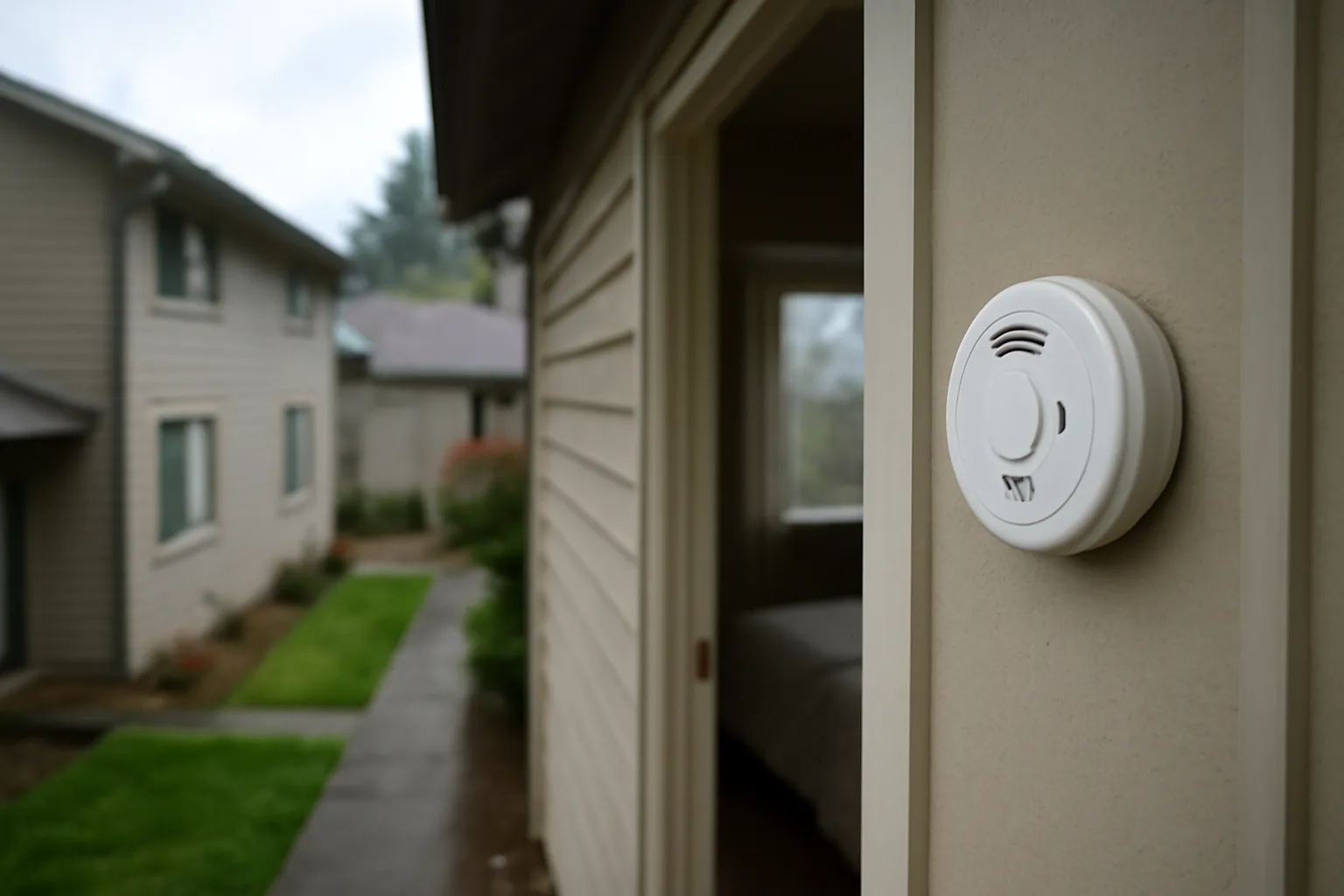
Inspectors are checking for basic habitability and life-safety compliance, not cosmetic perfection. Under Washington's Residential Landlord-Tenant Act, landlords already have a statutory duty to maintain premises fit for human habitation, and city inspection checklists tend to mirror those state standards closely [2]. Expect the inspector to check smoke alarms and carbon monoxide alarms (both required by Washington law in specific locations throughout a rental unit) [3], working locks on exterior doors, functioning heat sources capable of maintaining a reasonable temperature, safe electrical systems with no exposed wiring or overloaded circuits, and structurally sound stairs, railings, and decks. Egress windows in bedrooms (a window large enough and positioned correctly to allow escape or rescue in a fire) get particular attention, since that's a common fail point in older converted basements and attic bedrooms. Inspectors also look at plumbing (no active leaks, functioning hot water), pest and mold issues, and general structural integrity: cracked foundations, rotting window frames, holes in walls. This lines up with what a landlord's inspection walkthrough typically covers nationwide, though the specific checklist items and pass/fail thresholds vary by city ordinance. One thing worth knowing going in: inspectors generally aren't grading paint color or whether the carpet is dated. They're checking whether the systems that keep people safe actually work.
Who is responsible for the rental property walkthrough inspection?
This depends entirely on which state and program you're asking about, and the answer for California is different from Washington. In California, no statewide law mandates a landlord-tenant walkthrough for private rentals generally, but California Civil Code Section 1950.5 does require landlords to offer an initial move-out inspection before returning a security deposit, and the landlord (or their agent) is responsible for conducting that inspection and providing an itemized statement of deductions [4]. In Bellingham and under Washington law more broadly, the responsibility split looks different. The city's inspector (or an approved third-party inspector under the Rental Housing Safety Program) is responsible for the compliance inspection tied to registration [1]. Separately, Washington's Residential Landlord-Tenant Act (RCW 59.18) puts a duty on the landlord to document the unit's condition at move-in, and the landlord is the one legally required to give the tenant a written checklist and a chance to note existing damage before or at move-in [2]. So you've got two different inspections that get confused constantly: the city's compliance inspection (landlord schedules it, city or approved inspector performs it) and the move-in/move-out condition walkthrough (landlord is responsible for conducting and documenting it, tenant participates). Keep them straight in your own recordkeeping, because a passed city inspection doesn't substitute for your move-in documentation, and vice versa.
What can a landlord look at during an inspection?
A landlord (or their inspector) can look at anything relevant to habitability, safety, and lease compliance: working systems, signs of damage, unauthorized occupants, unauthorized pets, and evidence of lease violations like unapproved subletting. What a landlord cannot do is treat an inspection as an excuse to search through personal belongings, closets, drawers, or private areas that have nothing to do with the property's condition. Under RCW 59.18.150, Washington landlords must give at least two days' written notice before entering a rental unit for inspection purposes, except in emergencies, and entry has to happen at reasonable times [5]. The statute specifically limits landlord entry to inspecting the premises, making repairs, and showing the unit to prospective tenants or buyers, not general snooping [5]. During a legitimate inspection, a landlord can reasonably check smoke detector function, look for water damage under sinks, verify HVAC filters are being changed, confirm there's no unauthorized second refrigerator running up utility costs, and note any obvious lease violations visible in common areas of the unit. What crosses the line is opening a tenant's closed dresser drawers, going through their mail, or searching a locked personal safe, none of which relates to property condition or safety. If you're unclear on where tenant privacy rights start and landlord access rights end, this is worth reading alongside general tenant rights guidance, since the entry-notice rules and privacy boundaries are largely governed by state law, not city ordinance.
How much notice does a landlord have to give before entering or inspecting?
In Washington, landlords must give at least two days' notice before entering a rental unit, in writing, stating the date and approximate time of entry, except for emergencies where no notice is required [5]. RCW 59.18.150 states landlords "shall not abuse the right of access or use it to harass the tenant" and must provide entry at reasonable times [5]. This two-day rule applies broadly: to routine inspections, repair visits, and showings to prospective tenants or buyers. It does not apply if there's an emergency (a burst pipe, a gas leak, suspected fire) where the landlord can enter without advance notice to address the immediate danger [5]. Notice requirements vary meaningfully by state. Some states require 24 hours, others 48 hours like Washington, and a few don't specify a number at all and instead use a "reasonable notice" standard that courts interpret case by case. If you own property in multiple states, don't assume Bellingham's Washington-based two-day rule applies elsewhere. Always confirm the specific statute in the state where the unit sits. For city-mandated compliance inspections tied to a rental registration program, the city typically schedules the appointment directly with the landlord, who then has to coordinate access with the tenant under the same state notice rules. The city inspection doesn't override or shorten the statutory notice period; it just adds another reason you need to schedule an entry.
What happens if a rental unit fails inspection or a landlord doesn't register?
Failing an inspection isn't the end of the world; it usually means a correction period and a reinspection, not an immediate fine, as long as you act within the window the city gives you. Not registering at all, or ignoring notices, is where cities start issuing civil penalties, and those can escalate the longer noncompliance continues. Bellingham's ordinance framework, like most Rental Housing Safety Programs around the country, treats unregistered or uninspected rental operation as a code violation subject to civil penalties, with the specific dollar amounts and escalation schedule set by the city and updated periodically [1]. Because these figures change, confirm current penalty amounts directly with the City of Bellingham Rental Registration office rather than relying on any figure quoted secondhand. The pattern across most inspection-based rental cities looks roughly like this: a first violation notice with a correction deadline, a smaller civil penalty if you miss that deadline, and escalating penalties (sometimes per unit, sometimes per day) for continued noncompliance. Some cities also restrict a landlord's ability to legally collect rent or evict for nonpayment while a unit is unregistered, which is a much bigger financial risk than the registration fee itself. The cheapest path is simple: register on time, fix what the inspector flags within the correction window, and don't let renewal deadlines slip. Landlords who get into trouble usually aren't bad actors; they're just disorganized about deadlines across multiple properties or multiple cities.
What is landlording, and what is a landlord, exactly?
A landlord is the owner of real property who rents that property to another party (the tenant) in exchange for regular payment, typically under a written or oral lease agreement. "Landlording" is the informal term for the ongoing work of managing that relationship: collecting rent, maintaining the property, handling repairs, following state and local law, and dealing with tenant turnover. Legally, most states define a landlord through their residential landlord-tenant statutes. Washington's RCW 59.18.030 defines "landlord" as "the owner, lessor, or sublessor of the dwelling unit or the property of which it is a part" and includes anyone entitled to receive rent under a rental agreement [2]. That definition matters because it also captures property managers and agents acting on an owner's behalf, more than the person whose name is on the deed. Practically, landlording means more than just owning the deed. You're responsible for habitability standards, security deposit handling, entry notice rules, fair housing compliance, and (in cities like Bellingham) registration and inspection requirements. It's part real estate, part small business operations, part compliance work. If you're deciding whether to self-manage or hire a property manager, understanding what a landlord is legally responsible for is the first step, because that responsibility doesn't go away just because you hired help; it just gets delegated.
How do you become a landlord, step by step?
Becoming a landlord means acquiring rental property (buying it, inheriting it, or converting a home you already own), then meeting your state and local legal requirements before you can legally rent it out. There's no license required to "become" a landlord in most states the way there is for, say, a real estate agent, but there are steps you can't skip. First, confirm your property is zoned for rental use and check whether your city requires rental registration or licensing before you can legally rent, which Bellingham does under RMC 6.12 [1]. Second, understand your state's landlord-tenant law basics: security deposit limits and handling rules, notice periods for entry, habitability duties, and eviction procedures. Third, get proper landlord insurance (a standard homeowner's policy typically doesn't cover a rented property) and decide whether you'll require tenants to carry renters insurance. Fourth, prepare a compliant lease and a legal screening process (income verification, background check, following fair housing law in how you evaluate applicants). Fifth, if your city requires it, schedule your rental registration and initial inspection before you advertise the unit, since some cities won't let you legally rent until that first inspection is passed. Many first-time landlords underestimate step five specifically. They buy a rental property, find a tenant, and only discover the city registration requirement when a neighbor complains or code enforcement does a sweep. Doing the paperwork before you have a tenant in place is far less stressful than doing it under a compliance deadline with someone already living there. A City Rental License & Inspection Prep Packet can help you get the documentation and pre-inspection checklist organized before that first city visit, for a flat $79 one-time cost, instead of guessing what the inspector wants to see.
Why do landlords require renters insurance?
Landlords require renters insurance mainly to shift liability and personal property risk away from themselves. A landlord's own property insurance covers the building and the landlord's fixtures, but it generally does not cover a tenant's personal belongings (furniture, electronics, clothing) if there's a fire, burst pipe, or theft. Renters insurance also typically includes liability coverage, which protects the tenant (and indirectly the landlord) if the tenant accidentally causes injury to a guest or damage that goes beyond normal wear. There's a practical dispute-reduction angle too. If a pipe bursts and ruins a tenant's belongings, a tenant without renters insurance is more likely to look to the landlord for compensation, sometimes through a claim, sometimes through withheld rent, sometimes through a lawsuit. A tenant with their own policy has an independent path to get made whole, which reduces friction and reduces the landlord's exposure. Most states, Washington included, don't require renters insurance by statute, but landlords are generally allowed to require it as a lease condition, provided the requirement is applied consistently and doesn't run afoul of fair housing law. Requiring it, and verifying proof of an active policy at move-in and renewal, has become standard practice for landlords who've been burned once by an uninsured tenant's claim. If you require renters insurance, put the specific coverage minimums (liability amount, whether it covers the landlord as an "interested party") in writing in the lease itself, more than as a verbal expectation.
What rights do tenants have without a lease, and what can't a landlord do in Ohio?
A tenant without a written lease still has real legal protections; they're just governed by state statute and by whatever oral or implied agreement exists, rather than by specific lease clauses. In most states, a tenant paying rent without a written lease is considered a month-to-month tenant, and the same core protections apply: the right to habitable premises, the right to proper notice before entry, the right to proper notice before eviction, and protection from illegal lockouts or utility shutoffs used to force them out. In Washington, RCW 59.18 applies regardless of whether there's a written lease, since the statute governs the landlord-tenant relationship by default whenever rent is paid for occupancy [2]. A landlord still can't enter without proper notice, still has to maintain habitability, and still has to follow statutory eviction procedures, lease or no lease. In Ohio specifically, landlords are bound by Ohio Revised Code Chapter 5321, the Ohio Landlords and Tenants Act. Under ORC 5321.04, an Ohio landlord cannot enter the unit without giving reasonable notice and without entering at reasonable times, cannot shut off utilities or change locks to force a tenant out (a "self-help" eviction), and cannot retaliate against a tenant for reporting code violations or for exercising other legal rights protected under ORC 5321.02 [6]. Ohio landlords also can't refuse to make repairs that affect habitability once properly notified, since the statute requires landlords to "make all repairs and do whatever is reasonably necessary to put and keep the premises in a fit and habitable condition" [6]. The common thread nationwide: no lease doesn't mean no rights. State landlord-tenant statutes fill the gap by default, and the tenant protections against illegal entry, illegal lockouts, and retaliation generally apply whether or not there's paper backing up the tenancy. For a broader look at what tenants can expect city by city, see tenants rights and renters rights.
Frequently asked questions
Does Bellingham require a rental license or just registration?
Bellingham's program is structured as rental registration paired with a required habitability inspection under Bellingham Municipal Code Chapter 6.12, rather than a separate business license. Confirm current terminology and fee structure with the City of Bellingham Rental Registration office, since program names and requirements get updated periodically [1].
How often do Bellingham rental units need to be reinspected?
Inspection-based rental programs like Bellingham's typically run on a multi-year renewal cycle rather than annual reinspection, but the exact interval is set by city administrative rule and can change. Confirm the current cycle length directly with the Rental Registration office before assuming any specific number of years.
What fails a rental inspection most often?
Common fail points nationwide include missing or non-functioning smoke and carbon monoxide alarms, bedrooms without a proper egress window, exposed or unsafe electrical wiring, non-functioning heat sources, and unsafe stairs or railings. Washington law separately requires smoke and CO alarms in specific locations in every rental unit [3].
How much notice does a landlord have to give before an inspection in Washington state?
Washington landlords must give at least two days' written notice before entering for inspection, repairs, or showings, stating the date and approximate time, under RCW 59.18.150 [5]. No notice is required in a genuine emergency, such as a gas leak or active flooding.
Can a landlord inspect a tenant's closets or drawers during a routine inspection?
No. A landlord's inspection right under RCW 59.18.150 covers examining the premises for condition, safety, and repairs, not searching personal belongings [5]. Going through closed drawers, personal safes, or mail crosses from a legitimate property inspection into an unlawful search of private property.
What can a landlord look at during an inspection?
A landlord can check functioning smoke and CO alarms, signs of water damage or leaks, HVAC condition, electrical safety, unauthorized pets or occupants, and general lease compliance visible in the unit. They cannot use the inspection as cover to search personal belongings unrelated to property condition.
What rights do tenants have without a lease?
A tenant paying rent without a written lease is generally treated as a month-to-month tenant under state law, with the same core protections: habitable premises, proper entry notice, proper eviction notice, and protection from illegal lockouts. These rights come from state landlord-tenant statutes by default, not from the lease document itself.
What can't a landlord do in Ohio?
Under Ohio Revised Code 5321.04, an Ohio landlord cannot enter without reasonable notice, cannot force a tenant out through self-help measures like shutting off utilities or changing locks, and cannot retaliate against a tenant for reporting code violations, per the protections in ORC 5321.02 [6].
Why do landlords require renters insurance?
Landlords require renters insurance mainly because their own property policy doesn't cover a tenant's personal belongings, and renters insurance typically includes liability coverage that protects both parties if a tenant accidentally causes injury or damage. It also reduces disputes after fires, leaks, or theft.
Who is responsible for a rental property walkthrough inspection in California?
California landlords are responsible for offering an initial move-out inspection before returning a security deposit, under Civil Code Section 1950.5, and must provide an itemized statement of any deductions [4]. There's no general statewide mandate for a routine mid-tenancy walkthrough outside that move-out context.
How do I become a landlord for the first time?
Acquire the property, confirm local zoning and any rental registration or licensing requirement (like Bellingham's under RMC 6.12), learn your state's landlord-tenant law basics, get landlord insurance, prepare a compliant lease and screening process, and complete any required inspection before advertising the unit.
What happens if I don't register my Bellingham rental property?
Operating an unregistered rental typically triggers a violation notice and civil penalties under the city's ordinance framework, with amounts and escalation set by the city and updated periodically. Confirm current penalty amounts with the City of Bellingham Rental Registration office rather than relying on outdated figures.
Is a passed city inspection the same as a move-in condition checklist?
No. A city compliance inspection (like Bellingham's Rental Housing Safety Program inspection) checks life-safety and habitability systems for licensing purposes. A move-in condition checklist, required separately under state landlord-tenant law, documents the unit's specific condition for security deposit purposes. Landlords need both, kept as separate records.
Sources
- City of Bellingham Municipal Code, Chapter 6.12 Rental Housing Safety Program: Bellingham requires rental unit registration and periodic inspection under RMC 6.12
- Revised Code of Washington 59.18, Residential Landlord-Tenant Act: Washington landlord-tenant law defines landlord, sets habitability duty, and governs tenancies with or without a written lease
- Revised Code of Washington 59.18.060, landlord duties including smoke/CO alarms: Washington law requires smoke and carbon monoxide alarms in rental units
- California Civil Code Section 1950.5: California landlords must offer an initial move-out inspection and provide itemized deduction statements for security deposits
- Revised Code of Washington 59.18.150, landlord right of entry: Washington landlords must give at least two days notice before entry except in emergencies, and cannot abuse the right of access
- Ohio Revised Code 5321.04, landlord obligations: Ohio landlords must give reasonable notice before entry, cannot use self-help eviction, and must maintain habitable premises