Last updated 2026-07-26
TL;DR
A 6-month rental inspection cycle usually means your unit failed a prior inspection, is on a city's high-violation list, or your municipality's code sets a shorter default interval than the more common 1 to 3 year cycle. Confirm the exact trigger and requirements with your city rental licensing office before the deadline, since re-inspection fees and fines vary widely by jurisdiction.
What does a 6-month rental inspection actually mean?
Most mandatory rental licensing cities inspect on a 1, 2, or 3 year cycle. A 6-month cycle is shorter than normal, and it almost always signals one of three things: your property failed a prior inspection and got a short re-inspection window, your address landed on a city's problem-property or repeat-violation list, or your city's ordinance simply sets 6 months as the standard interval for certain property types (some cities use shorter cycles for buildings with more units, older buildings, or units with prior code complaints). Rockford, Illinois, for example, runs a rental inspection program where noncompliant properties can be moved to more frequent inspection cycles, and cities that use escalating enforcement often shorten the window from annual to semi-annual after a failed inspection or a founded complaint [1]. Chicago's landlord-tenant ordinance doesn't set inspection frequency by statute but leaves enforcement inspections to the Department of Buildings, which can return more often to a property with open violations. The practical takeaway: don't assume 6 months is a universal rule. It's a local enforcement decision layered on top of whatever base cycle your city's ordinance sets. Pull your city's actual rental inspection ordinance or call the licensing office and ask directly why your property is on that schedule. That answer changes what you need to fix and how fast. If you manage property in a hub city with a published rental inspection program, check our city guides for the base cycle length before assuming your notice reflects the citywide default.
Why did my rental property get put on a 6-month inspection cycle?
The most common reason is a failed inspection. Cities that run periodic rental inspection programs typically give landlords a compliance window (often 30 to 90 days) to fix cited violations, then re-inspect. If violations persist or recur, some ordinances authorize the city to shorten the next full inspection cycle as an enforcement tool. The second common reason is a tenant complaint or code enforcement referral. A single substantiated complaint about heat, plumbing, or a smoke detector can trigger an unscheduled inspection outside your normal cycle, and depending on findings, land you on a shorter recurring schedule. Third, some cities classify properties by risk tier. A property with a history of violations, an absentee owner, or a building type associated with higher code enforcement activity can get bucketed into a more frequent inspection tier under local nuisance or problem-property ordinances. Milwaukee's rental registration and inspection rules, for instance, tie inspection frequency partly to compliance history [2]. Whatever the reason, the notice itself should say why. If it doesn't, call the office that issued it. Guessing wastes the compliance window you have.
What can a landlord look at during an inspection?
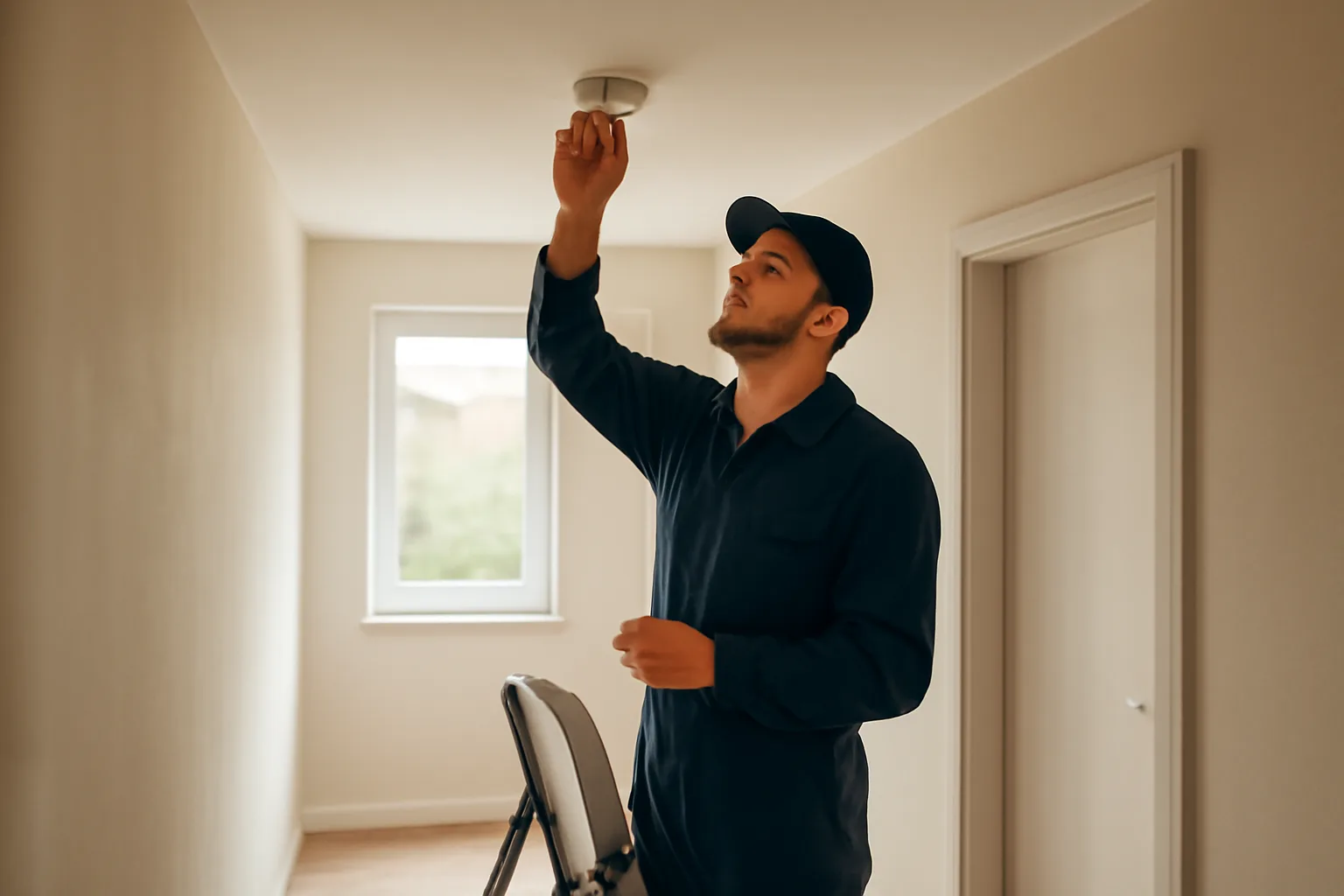
Inspectors typically check life-safety items first: smoke detectors and carbon monoxide detectors (working and properly placed), secondary means of egress (windows that open, fire escapes if applicable), electrical panels and visible wiring, and heating system function. Plumbing gets checked for leaks, water heater temperature-pressure relief valves, and working hot water. Structural items include stair railings, guardrails on decks and balconies above a certain height, and window and door condition. Most city rental inspection checklists also cover: exterior conditions (peeling paint, especially lead paint concerns in pre-1978 housing), pest evidence, working locks on exterior doors, and adequate ventilation in bathrooms and kitchens. HUD's lead-based paint disclosure rule under 24 CFR Part 35 applies specifically to housing built before 1978, and many city inspection programs flag chipping or peeling paint in those units for closer review [3]. What inspectors generally do not do: evaluate cosmetic wear, judge your furniture or decor, or inspect tenant belongings. The inspection is about code compliance and habitability, not aesthetics. A quick pre-inspection self-check the night before: test every smoke and CO detector, run every faucet and flush every toilet, open every window that's supposed to open, check the water heater temperature setting, and walk the exterior looking for anything a code officer would flag on sight (broken steps, missing handrail, overgrown vegetation blocking an exit). Fixing what you can see yourself before the inspector arrives is the single highest-value hour you can spend.
Who is responsible for the rental property walk-through inspection in California?
California doesn't have one statewide rental inspection law. Instead, individual cities and counties run their own rental inspection programs (often called Rental Housing Inspection Programs or Systematic Code Enforcement Programs), and the landlord is generally responsible for scheduling access, paying inspection fees, and remedying cited violations. Los Angeles runs its Systematic Code Enforcement Program (SCEP) under the Los Angeles Housing Department, inspecting most rental units at least once every four years and charging an annual SCEP fee per unit [4]. Separately, California's landlord entry law under Civil Code Section 1954 governs routine walk-throughs unrelated to city inspection programs: a landlord may enter to make repairs, show the unit, or conduct an inspection, generally with 24 hours' written notice, except in emergencies [5]. That's the baseline access rule statewide, but it doesn't create a statewide inspection mandate. It just tells you how much notice you owe your tenant before you or a city inspector comes through the door. So the answer splits into two parts: the landlord is responsible for complying with whatever local rental inspection ordinance applies (if any), and separately, the landlord (or their agent) is responsible for giving proper notice under state law before any entry, inspection-related or not.
How much notice does a landlord have to give before an inspection?
This depends on state law and, for city-mandated rental inspections, on your local ordinance, so the numbers below are examples, not a national rule. California requires 24 hours' written notice for routine entry, including inspections, absent an emergency or the tenant's consent to a shorter window [5]. Many other states use a similar 24-hour or 48-hour standard, but not all: some states don't specify a number of hours by statute and instead require "reasonable notice," which courts have interpreted inconsistently. For city rental inspection programs specifically, the notice period is often set by the ordinance separately from the state's general landlord entry statute, and it applies to the city inspector's visit, more than the landlord's own walk-throughs. Some cities require the inspection notice go out 7 to 30 days in advance so the landlord can schedule tenant access. Because this varies by city and state, confirm both numbers with your city rental licensing office and your state's landlord-tenant statute before scheduling. Giving too little notice can void the inspection appointment or, worse, expose you to a tenant complaint for improper entry.
What rights do tenants have without a lease?
A tenant without a written lease still has legal rights. In most states, an unwritten or expired lease creates a month-to-month tenancy governed by state landlord-tenant law, not a rights vacuum. That tenant still has the right to habitable housing, the right to proper notice before entry, and the right to proper notice before termination (commonly 30 days for month-to-month tenancies, though some states and cities require more). The implied warranty of habitability, which most states recognize either by statute or case law, applies regardless of whether there's a signed lease. That means basic things like working plumbing, heat, and structural safety are owed to the tenant whether or not paperwork exists. Fair housing protections under the federal Fair Housing Act, 42 U.S.C. Section 3601 et seq., also apply regardless of lease status . What a tenant without a lease usually does not have: the specific terms a written lease would have locked in, like a fixed rent amount for a set term or specific pet or subletting terms. Those defaults revert to state law and, absent state law specifics, to whatever was verbally agreed and can be proven. If you're unsure what a no-lease tenancy means for a specific city's rental licensing requirement (some cities require a lease or rental agreement on file as part of registration), check your city's ordinance directly. Registration requirements don't disappear just because there's no lease.
What can a landlord not do in Ohio?
Ohio's Landlord-Tenant Act, Ohio Revised Code Chapter 5321, sets specific limits. A landlord cannot enter the rental unit without reasonable notice and without a legitimate purpose (inspection, repair, showing the unit, or in an emergency); Ohio courts and the statute treat this as a tenant right under ORC 5321.04(A)(8), which requires the landlord to give reasonable notice and enter only at reasonable times . A landlord in Ohio also cannot shut off utilities, change the locks, or remove a tenant's belongings to force them out, a practice generally called self-help eviction, which is illegal under Ohio law; eviction must go through the municipal or county court process. A landlord cannot retaliate against a tenant for making a legitimate habitability complaint to a code enforcement agency, filing a health or safety complaint, or joining a tenant organization; ORC 5321.02 specifically prohibits retaliatory conduct including eviction, rent increases, or service reductions taken because a tenant exercised a legal right . A landlord also cannot ignore the duties set out in ORC 5321.04, which requires keeping the premises in a fit and habitable condition, complying with building and housing codes materially affecting health and safety, and keeping common areas safe and clean. These are Ohio-specific rules. If you operate in another state, look up that state's landlord-tenant statute chapter directly rather than assuming Ohio's limits apply.
How do I become a landlord, and what does landlording actually mean?
Landlording means owning residential (or commercial) property and renting it to tenants in exchange for rent, while taking on the legal duties that come with that, maintaining habitability, respecting tenant privacy and notice rights, handling security deposits per state law, and complying with local licensing or registration requirements. A landlord is simply the legal term for the person or entity that owns and rents out the property; some states and cities use the word "lessor" in statute instead. Becoming a landlord in practice involves a few concrete steps: buying or converting a property into a rental, checking whether your city or county requires a rental license, registration, or business license before you can legally rent (many cities do, and operating without one can trigger fines), setting up a compliant lease that follows your state's landlord-tenant law, screening tenants in a way that follows the Fair Housing Act, and understanding your state's security deposit rules (amount limits, where it must be held, how fast it must be returned after move-out). Most first-time landlords underestimate two things: how much local rental registration and inspection paperwork exists in mandatory-licensing cities, and how often that paperwork has actual deadlines with real fines attached. If your city requires a rental license, confirm the specific application, fee, and inspection requirements with your city rental licensing office; those details differ block to block sometimes, let alone city to city. For a broader look at tenant-facing rights that shape what you owe as a landlord day to day, our tenant rights and renters rights guides cover the tenant side of the same relationship.
Why do landlords require renters insurance?
Renters insurance covers the tenant's personal belongings and liability, not the building itself (that's the landlord's property insurance). Landlords require it, where state law allows, mainly to shift liability risk: if a tenant causes a fire, a burst pipe, or another incident, renters insurance can cover the tenant's own losses and reduce the odds the tenant tries to hold the landlord's insurance (or the landlord directly) responsible for their damaged belongings. It also reduces the landlord's exposure in slip-and-fall or guest-injury situations inside the unit, since a tenant's renters insurance liability coverage (typically starting around $100,000) can be the first line of defense before a claim reaches the landlord's policy. Most renters insurance policies cost relatively little, commonly cited in the $15 to $30 per month range depending on coverage and location, though actual pricing varies by insurer, state, and coverage amount, so treat that as a rough market range rather than a guaranteed quote. Requiring renters insurance as a lease condition is legal in most states, but a few jurisdictions restrict how landlords can enforce it or what happens if a tenant lets a policy lapse, so check your state's landlord-tenant statute before making it a strict lease term with penalties attached.
How do 6-month, annual, and multi-year rental inspection cycles compare?
| Inspection cycle | Typical trigger | What it usually means for the landlord | |
|---|---|---|---|
| 6 months | Failed prior inspection, repeat violations, problem-property designation | Shorter compliance window, higher urgency, possible added fees | |
| Annual | Standard cycle in many mandatory-licensing cities | Routine renewal inspection tied to license renewal | |
| Every 2 years | Common in mid-size cities with rental registration programs | Lower frequency if property stays compliant | |
| Every 3 to 4 years | Larger systematic programs (e.g., Los Angeles SCEP cycles most units every 4 years) [4] | Lowest routine burden, but complaint-driven inspections can still happen anytime | The pattern across cities: base cycles run anywhere from annual to every four years depending on the program, and a 6-month cycle is nearly always an exception applied to a specific property, not the citywide default. If your notice says 6 months and your city's public ordinance describes a longer standard cycle, that's your signal something specific triggered the shorter window, and it's worth asking the inspector's office exactly what. |
What should I do before a 6-month re-inspection?
Start with the violation notice from the last inspection, not a general cleanup. Cities that shorten the inspection cycle almost always do it because of specific cited violations, so your first move is confirming every item on that list got fixed and, where required, documented (receipts, photos, contractor invoices). Second, call the licensing or code enforcement office before the inspection date, not after. Ask directly: is this re-inspection limited to the previously cited violations, or is it a full inspection covering everything? That answer determines how much prep time you actually need. Third, handle tenant notice properly. Even on an accelerated schedule, you (or the city) still owe the tenant proper notice under your state's landlord-tenant statute and, if applicable, your city's ordinance. Don't skip that step just because the timeline feels rushed. Fourth, budget for the possibility of a re-inspection fee. Many cities charge a fee for a follow-up or failed-inspection re-visit, separate from the original inspection fee, and that number varies widely by city, so confirm the actual amount with your city rental licensing office rather than guessing. This is exactly the kind of compressed-timeline situation where having your documentation organized in advance saves real money. If you're assembling a first-time (or repeat) rental license application and inspection prep packet, our $79 one-time City Rental License & Inspection Prep Packet is built to help you get the paperwork and pre-inspection checklist organized before the clock runs out, but the checklist steps above work whether or not you use it.
What happens if I miss a rental inspection deadline?
Consequences vary by city, but common outcomes include a missed-inspection fee, a notice of violation, suspension or denial of your rental license renewal, and in repeat cases, referral to municipal court. Some cities also post unresolved violations publicly or tie them to code enforcement liens if left unaddressed long enough. If you know you'll miss a scheduled inspection, the better move is almost always to call the licensing office before the deadline, not after. Many offices will reschedule for a documented conflict (tenant unavailability, contractor delay) without penalty, but a no-show with no communication is treated very differently. If a fine has already been issued, ask specifically whether it's appealable and what the appeal window is; some cities give 10 to 30 days to contest a citation before it becomes final, though the exact window is set by local ordinance and varies. Confirm your city's specific deadline and appeal process with the rental licensing office directly, since guessing wrong here can cost you the appeal entirely.
Frequently asked questions
What triggers a 6-month rental inspection cycle instead of annual?
Usually a failed prior inspection, unresolved code violations, a founded tenant complaint, or classification as a repeat problem property under a city's rental inspection ordinance. It's rarely a citywide default; most mandatory-licensing cities use annual, 2-year, or multi-year base cycles, and shorten to 6 months as an enforcement response for a specific property.
How to become a landlord for the first time?
Buy or convert a property, confirm whether your city requires a rental license or registration before renting, set up a lease that follows your state's landlord-tenant statute, screen tenants under Fair Housing Act rules, and learn your state's security deposit and entry-notice laws. Then register with your city's rental licensing office if one exists.
Who is responsible for the rental property walk-through inspection in California?
The landlord is responsible for complying with whatever local rental inspection program applies, since California has no single statewide rental inspection law. Separately, under California Civil Code Section 1954, the landlord must give tenants 24 hours' written notice before entering for repairs, showings, or inspections, absent an emergency.
What is landlording, in plain terms?
Landlording means owning residential or commercial property and renting it out while handling the legal duties that come with it: maintaining habitability, respecting tenant privacy and notice rights, following security deposit rules, and complying with any local rental licensing or registration requirements your city has.
What is a landlord, legally speaking?
A landlord is the person or entity that owns rental property and leases it to a tenant in exchange for rent, taking on the legal obligations set by state landlord-tenant law and any applicable local ordinance. Some statutes use the term "lessor" instead of landlord.
What rights do tenants have without a lease?
A tenant without a written lease typically has a month-to-month tenancy under state law, with rights to habitable housing, proper notice before entry, and proper notice before termination (commonly 30 days). The implied warranty of habitability and federal Fair Housing Act protections apply regardless of whether a lease exists.
Why do landlords require renters insurance?
Renters insurance covers the tenant's belongings and personal liability, which reduces the odds a tenant's loss or an injury claim lands on the landlord's own policy. It's legal to require in most states, though a few jurisdictions limit how strictly landlords can enforce it.
How much notice does a landlord have to give before entering or inspecting?
It depends on the state and, for city rental inspections, the local ordinance. California requires 24 hours' written notice for routine entry under Civil Code Section 1954. Other states vary, some using 24 or 48 hours, others using a general "reasonable notice" standard without a specific number.
What can a landlord look at during an inspection?
Inspectors typically check smoke and CO detectors, egress windows, electrical panels, heating and plumbing function, water heater safety valves, stair railings, and exterior condition. They generally don't evaluate decor or tenant belongings; the focus is code compliance and habitability, not appearance.
What can a landlord not do in Ohio?
Under Ohio Revised Code Chapter 5321, a landlord cannot enter without reasonable notice, cannot shut off utilities or change locks to force a tenant out (self-help eviction is illegal), and cannot retaliate against a tenant for filing a legitimate habitability or code complaint under ORC 5321.02.
Can a city inspect my rental property without notice?
Generally no, except in a genuine emergency. Most city rental inspection ordinances and state landlord-tenant statutes require advance written notice, though the required lead time (commonly 24 hours to several days, sometimes longer for scheduled city inspections) varies, so confirm the specific number with your city rental licensing office.
Do I have to pay a fee every time my rental fails inspection?
Many cities charge a separate re-inspection or failed-inspection fee on top of the original inspection fee, but the amount and whether it applies varies significantly by city. Confirm the exact fee schedule with your city's rental licensing office before assuming a specific dollar amount.
Sources
- City of Chicago, Department of Buildings: Chicago's Department of Buildings handles enforcement inspections separate from the city's landlord-tenant ordinance
- California Civil Code Section 1954: California landlords must give 24 hours' written notice before entering a rental unit for inspections or repairs, absent an emergency
- Fair Housing Act, 42 U.S.C. Section 3601 et seq.: Federal fair housing protections apply to tenants regardless of whether a written lease exists
- Ohio Revised Code Section 5321.04: Ohio landlords must give reasonable notice and enter at reasonable times, and must keep the premises fit and habitable
- Ohio Revised Code Section 5321.02: Ohio law prohibits landlord retaliation against tenants who file legitimate habitability or code complaints