Last updated 2026-07-25
TL;DR
A landlord move-in checklist covers the walkthrough inspection, signed condition report, keys, utility transfer, and any city-required rental license or inspection paperwork. Do it before the tenant's first night, photograph everything, and give the tenant a copy. Most disputes over security deposits trace back to a missing or vague move-in record.
What should be on a landlord move-in checklist?
| Condition report | Room-by-room notes on walls, floors, fixtures, appliances | Landlord and tenant | |
|---|---|---|---|
| Photo/video log | Timestamped images of every room, closets, exterior | Landlord (share copy with tenant) | |
| Key and access log | Number of keys, fobs, garage remotes issued | Both | |
| Utility handoff | Confirmation tenant has set up accounts in their name | Landlord notes only | |
| Insurance proof | Copy of renters insurance policy or waiver form | Tenant provides | |
| Lease and disclosures | Signed lease, lead paint disclosure if pre-1978, any local addenda | Both | If your city requires a rental registration or license, that paperwork trail matters even more, because inspectors sometimes ask to see your tenant files during a compliance check. |
A move-in checklist is a room-by-room record of your rental's condition on the day a tenant takes possession, plus the paperwork that goes with it. At minimum it should cover: a signed condition report noting existing damage or wear in every room, date-stamped photos or video of each room and major fixture, a copy of the signed lease, proof the tenant received any required disclosures, keys and access devices handed over, utility account status, and confirmation of renters insurance if you require it. The reason this matters isn't paperwork for its own sake. When a tenant moves out and you want to withhold part of the security deposit for damage, most states require you to show what the unit looked like before they moved in. Without a signed baseline, you're arguing your word against theirs, and in a lot of small claims courts, the landlord loses that argument by default because the burden of proof sits with whoever is withholding money. Here's a simple structure that works for a 1-10 unit portfolio: | Step | What it covers | Who signs |
How do you become a landlord and what do you need before the first tenant moves in?
Becoming a landlord legally starts before you ever hand over keys. You need to confirm your property is allowed to be a rental under local zoning, register or license the unit if your city requires it, get the property inspection-ready, and have a lease that matches your state's landlord-tenant law. Many cities with a mandatory rental registry require you to register or license the unit before you can legally rent it out, sometimes with a fee and a scheduled inspection. Confirm the exact fee, deadline, and office name with your city rental licensing office, since these vary enormously and change often. Some cities charge under $100 per unit annually; others charge several hundred dollars and require reinspection every one to three years. Beyond the city-level paperwork, becoming a landlord means understanding four things cold: your state's security deposit limits and return deadlines, the notice periods for entry and lease termination, habitability standards (working heat, plumbing, smoke detectors), and anti-discrimination law under the federal Fair Housing Act, which bars discrimination based on race, color, national origin, religion, sex, familial status, and disability [1]. If you're brand new to this, read up on landlord basics before you sign your first lease, and if your city is one of the many that requires licensing, our $79 one-time City Rental License & Inspection Prep Packet at /rental-packet-builder walks through the document checklist most inspectors ask for.
What is landlording and what is a landlord, exactly?
A landlord is the owner (or their authorized agent) who leases real property to a tenant in exchange for rent. Landlording is the ongoing work of managing that relationship: collecting rent, maintaining habitability, handling repairs, following notice and entry rules, and staying compliant with local licensing or registration law. Legally, most state landlord-tenant statutes define a landlord as anyone who owns or has authority over rental premises. In California, for example, Civil Code defines the landlord's habitability duties directly, including that a rental unit must have effective waterproofing, working plumbing, hot and cold running water, heating facilities, and electrical wiring in good working order [2]. Practically, landlording is a small business, even if you only own one duplex. You're the person responsible when the furnace dies at 11pm, when the city inspector flags a missing smoke detector, and when a tenant asks whether their security deposit interest is owed under your state's law. Some states, like New York, require landlords in certain buildings to pay interest on deposits held for one year or more [3]. None of that is optional just because you only have one or two units.
Who is responsible for the rental property walk-through inspection in California?
In California, the landlord is responsible for offering an initial inspection before move-out and for conducting the move-in condition documentation, but the tenant has the right to be present for both. California Civil Code Section 1950.5 gives tenants the right to request an initial inspection of the unit before they vacate, so the landlord can identify repairs the tenant could make to avoid deposit deductions [4]. At move-in, California law doesn't mandate a specific inspection form, but the same statute governs how landlords must handle security deposits at move-out, including itemized deductions and a 21-day deadline to return the balance after the tenant leaves [4]. Because the burden of proof for damage claims sits with the landlord, doing your own thorough move-in walkthrough, with the tenant present and signing off, is the practical way to protect yourself later. Some California cities layer their own rental inspection or registration programs on top of state law (for example, cities with proactive rental inspection ordinances tied to habitability enforcement). If you own in one of these cities, confirm the specific walkthrough and reinspection cycle with your city rental licensing office, since program names and fee schedules differ by city and change over time.
How do you actually run the move-in walkthrough (step by step)?
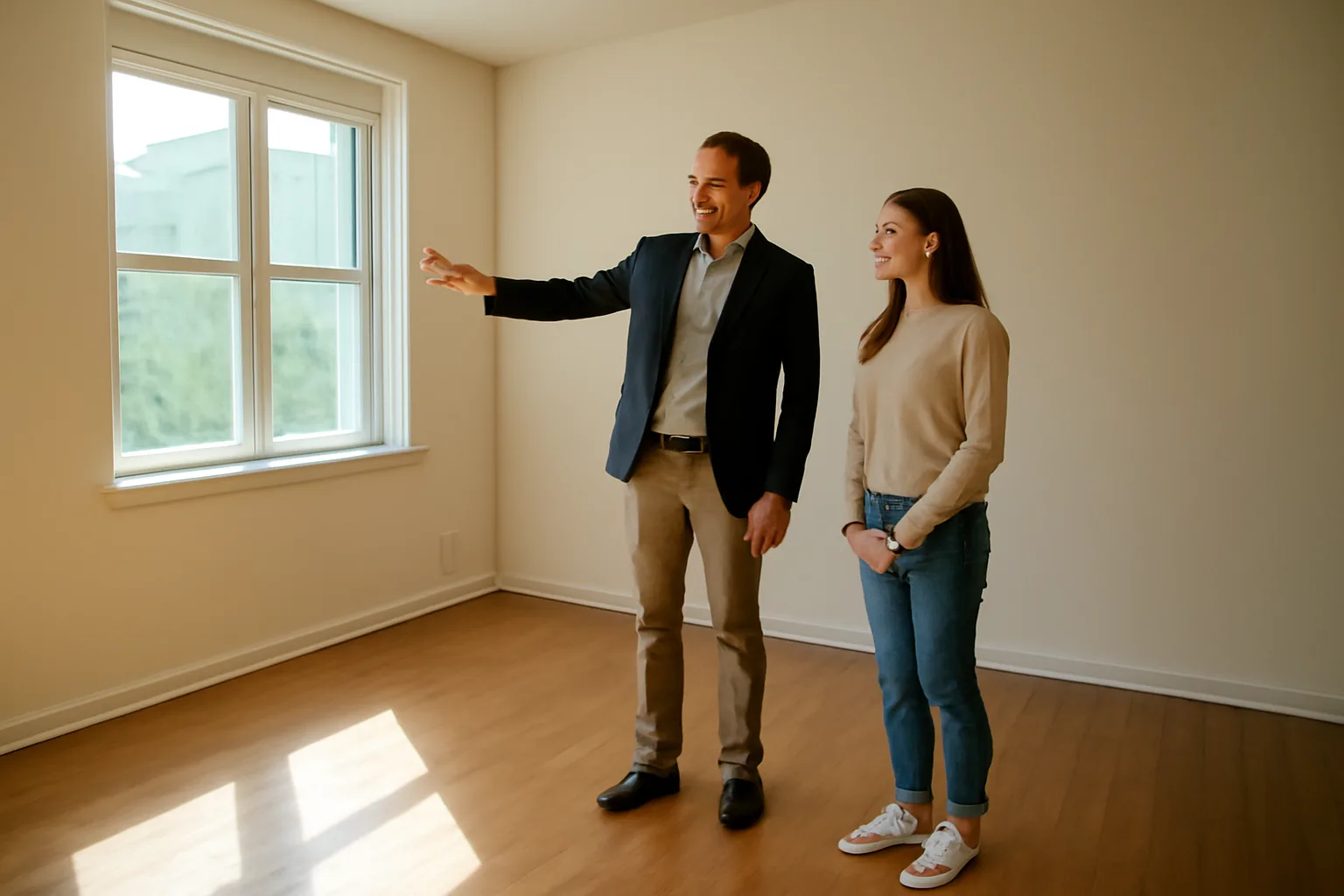
Schedule the walkthrough for the same day the tenant gets keys, or right before, with both of you present. Walk every room in the same order every time so you don't skip anything: entry, living room, each bedroom, each bathroom, kitchen, closets, then exterior areas like the yard, garage, or shared hallway if applicable. In each room, check and note: wall and ceiling condition (marks, holes, paint condition), flooring condition, window and screen function, door and lock function, outlet and switch function, and any existing appliance. Test every smoke detector and carbon monoxide detector in front of the tenant and log the test date. This isn't just good practice; a growing number of state and local laws specifically require working smoke alarms at the start of every tenancy, and CO detector mandates have expanded rapidly since 2010 [5]. Take photos or short video clips of every space, including close-ups of any existing damage, and timestamp them (most phone cameras do this automatically in the metadata). Give the tenant a copy of the signed report and photos within a few days, either on paper or by email. Keep your own copy for the length of the tenancy plus at least one year past move-out, since that's roughly the window most states allow for deposit disputes to surface.
What can a landlord look at during an inspection?
During a habitability or move-in inspection, a landlord can look at anything related to the physical condition and safety of the unit: walls, floors, ceilings, plumbing fixtures, electrical outlets, heating and cooling systems, smoke and CO detectors, windows, doors, locks, and appliances that come with the unit. A landlord can also note general cleanliness and any obvious code violations like exposed wiring or missing handrails. What a landlord generally cannot do is search through a tenant's personal belongings, closets already filled with the tenant's property (once they've moved in), or use an inspection as cover to harass or intimidate. Inspections during an active tenancy are also bound by notice requirements; you can't just show up and start opening drawers. City rental inspectors, as opposed to the landlord's own inspection, typically focus on a checklist tied to local housing code: smoke and CO detector placement, egress window function in bedrooms, handrail and stair safety, visible mold or water damage, pest evidence, and sometimes exterior items like peeling exterior paint or broken steps. If your city runs a mandatory rental inspection program, ask the city rental licensing office for their actual inspection checklist in advance. Most cities publish one, and reading it before the inspector arrives is the cheapest thing you can do to avoid a failed inspection and reinspection fee.
How much notice does a landlord have to give before entering or ending a tenancy?
Notice requirements split into two very different categories: notice to enter the unit during a tenancy, and notice to end a tenancy. Both vary by state, and neither is one-size-fits-all. For entry, many states require 24 to 48 hours' written or verbal notice for non-emergency entry (repairs, inspections, showings). California requires "reasonable notice," and the same Civil Code 1954 presumes 24 hours is reasonable unless circumstances suggest otherwise [6]. Emergencies (fire, flooding, a burst pipe) are the standard exception that lets a landlord enter without advance notice in basically every state. For ending a tenancy, notice periods depend on lease type and reason. A month-to-month tenancy typically requires 30 days' written notice to terminate without cause in most states, though some require 60 or even 90 days depending on how long the tenant has lived there or local rent control rules. A fixed-term lease generally just runs to its end date without notice being required to "end" it, though many states still require notice of non-renewal. Because these periods differ so much by state and sometimes by city, don't rely on a general number, check your specific state statute or your city's tenant protection ordinance before sending any termination notice.
What rights do tenants have without a signed lease?
A tenant without a signed lease still has real legal rights; the absence of paper doesn't remove protections. If a tenant has moved in and is paying rent, most states treat this as a month-to-month tenancy at will, governed by the same landlord-tenant statutes that apply to written leases. Without a written lease, a tenant is still entitled to a habitable unit, protection from illegal lockouts or self-help eviction, proper notice before the landlord can terminate the tenancy, and the same anti-discrimination protections under the Fair Housing Act [1]. What a verbal or implied tenancy usually loses is clarity on specific terms: rent amount, due date, and rules about pets, guests, or subletting can all become he-said-she-said disputes without something in writing. The practical fix, if you're renting without a lease right now, is simple: get something in writing immediately, even a short month-to-month agreement, and back-date it to reflect the actual start of tenancy if both parties agree it's accurate. Going forward, no landlord managing 1-10 units should ever hand over keys without a signed lease. It's the single easiest way to prevent disputes, and it costs nothing but time.
Why do landlords require renters insurance?
Landlords require renters insurance mainly to shift liability risk off their own policy and to make sure a tenant's personal property loss (fire, theft, water damage) doesn't turn into a demand for the landlord to cover it. A landlord's own insurance covers the building structure, not the tenant's furniture, electronics, or clothing. Renters insurance also typically includes liability coverage, so if a tenant's dog bites a visitor or a tenant accidentally starts a kitchen fire that damages a neighboring unit, the tenant's policy (not the landlord's) is the first line of financial responsibility. According to the Insurance Information Institute, the average cost of a renters insurance policy is relatively low nationally, though your state's average may differ, and even a basic policy typically includes at least some liability coverage alongside personal property protection [7]. Requiring it is legal in most states as a lease condition, as long as it's applied consistently to all tenants and doesn't function as a way to discriminate. If you require it, put the requirement in the lease itself, collect proof of the policy at move-in (an insurance declarations page naming your property as an interested party or additional insured is standard), and re-verify at each renewal, since some tenants let policies lapse.
What can't a landlord do in Ohio?
Ohio landlord-tenant law, found in Ohio Revised Code Chapter 5321, prohibits several specific actions. A landlord in Ohio cannot shut off utilities, change the locks, or remove a tenant's belongings to force them out, commonly called "self-help eviction." Ohio Revised Code Section 5321.15 states a landlord "shall not cause, directly or indirectly, the interruption or termination of any utility service" or seize a tenant's possessions to enforce eviction [8]; instead, the landlord must go through the formal eviction process in court. Ohio landlords also cannot retaliate against a tenant for exercising a legal right, like reporting a housing code violation or joining a tenant union; Ohio Revised Code Section 5321.02 specifically bars retaliatory conduct such as raising rent or threatening eviction in response [9]. A landlord in Ohio also can't ignore the habitability duties laid out in Section 5321.04, which requires landlords to keep the premises fit and habitable, comply with building and housing codes, and keep common areas safe [10]. Ohio also caps how much notice a landlord owes before ending certain tenancies and restricts what a landlord can withhold from a security deposit without an itemized, written list of deductions given to the tenant within 30 days of move-out under Section 5321.16 . If you own rental property in Ohio, read that statute directly before you draft any move-out deduction letter; the 30-day itemization requirement is strict and courts have penalized landlords who miss it.
How do you document the unit before day one so you're covered later?
Documentation before day one means three layers: the signed condition report, dated photos/video, and a paper trail proving the tenant received it. Skipping any one of these weakens your position if a deposit dispute ends up in small claims court. Start the photo and video walkthrough before you even list the unit for rent, if possible, so you have a clean "vacant and ready" baseline separate from the tenant-specific move-in report. Then do the signed walkthrough with the tenant present on move-in day. Store both sets somewhere durable: cloud photo storage with the address in the file name, plus a printed copy in a physical tenant file works fine for a small landlord. If your city requires a rental license or registration, keep a copy of that certificate, the inspection report, and any correction notices in the same file. Inspectors sometimes ask new applicants to show proof of past compliance, especially if you're renewing after an ownership change. Building this file once, well, saves you from scrambling every time a city renewal or new tenant move-in comes around, and it's exactly the kind of document set our $79 City Rental License & Inspection Prep Packet at /rental-packet-builder is built to help you organize before an inspector shows up.
How is a move-in checklist different from a city rental inspection?
A move-in checklist is your own private condition record with a tenant; a city rental inspection is a government-mandated check against local housing code, usually tied to your ability to legally rent the unit at all. They serve different purposes and often have different timelines. Your move-in checklist happens on your schedule, whenever a new tenant takes possession, and its main legal purpose is protecting you (and the tenant) in a future deposit dispute. A city rental inspection happens on the city's schedule, sometimes annually, sometimes every two or three years, and its purpose is code compliance: smoke detectors, egress, structural safety, sometimes lead paint or pest issues depending on the jurisdiction. Many cities require you to have a valid rental license or registration before you can legally have a tenant move in at all, which means the inspection can come before the move-in checklist chronologically. Confirm your city's specific sequence and any reinspection interval with your city rental licensing office, since penalties for renting without a valid license can include daily fines in some jurisdictions and can occasionally affect your ability to collect rent through the courts until you're compliant.
Frequently asked questions
How to become a landlord for the first time?
Confirm zoning allows rental use, register or license the unit if your city requires it, get a compliant lease for your state, inspect the unit for habitability issues (heat, plumbing, smoke detectors), and screen tenants consistently under Fair Housing law. Budget time for a city inspection if your municipality runs a rental licensing program.
Who is responsible for the rental property walk-through inspection in California?
The landlord is responsible for offering the move-out inspection and documenting move-in condition, but the tenant has a legal right to be present for the pre-move-out inspection under California Civil Code Section 1950.5. Doing a signed, photographed walkthrough at move-in protects the landlord if a deposit dispute later reaches small claims court.
What is landlording?
Landlording is the ongoing work of owning and managing rental property: collecting rent, maintaining habitability, handling repairs, following notice and entry laws, and complying with any local rental registration or licensing requirement. It applies the same to a single-unit owner as it does to a large management company.
What is a landlord, legally speaking?
A landlord is the owner or authorized agent who leases real property to a tenant for rent. State landlord-tenant statutes assign specific duties to landlords, including habitability, proper notice before entry, and security deposit handling rules that vary significantly by state.
What rights do tenants have without a signed lease?
A tenant paying rent without a written lease is usually treated as a month-to-month tenant under state law, with the same rights to habitability, proper eviction notice, and Fair Housing protection as a tenant with a lease. What's missing is clarity on specific terms like rent amount or pet rules, which is why putting something in writing immediately is smart.
How to be a landlord day to day?
Day to day, a landlord collects rent, responds to maintenance requests promptly, keeps the unit compliant with local housing code, documents everything (repairs, notices, inspections), and stays current on state and city law changes. Treat it as a small business, not a passive investment, even with just one or two units.
Why do landlords require renters insurance?
Landlords require renters insurance to cover the tenant's personal property and add a layer of liability protection, since a landlord's own policy typically only covers the building structure, not tenant belongings or tenant-caused liability incidents. It shifts risk to the tenant's policy instead of the landlord's.
How much notice does a landlord have to give before entry?
Most states require 24 to 48 hours' notice for non-emergency entry; California presumes 24 hours is reasonable under Civil Code Section 1954. Emergencies like fire or flooding are the standard exception allowing entry without advance notice.
How much notice does a landlord have to give to end a month-to-month tenancy?
Most states require at least 30 days' written notice to end a month-to-month tenancy without cause, though some states or cities require 60 or 90 days depending on tenancy length or local rent control rules. Always confirm your specific state statute before sending a termination notice.
What can a landlord look at during an inspection?
A landlord can inspect the physical condition of the unit: walls, plumbing, electrical, heating, smoke and CO detectors, windows, doors, and any included appliances. A landlord generally cannot search personal belongings or use an inspection as pretext for harassment, and entry still requires proper notice.
What can a landlord not do in Ohio?
Ohio landlords cannot shut off utilities, change locks, or remove belongings to force a tenant out under Ohio Revised Code Section 5321.15, cannot retaliate against tenants for exercising legal rights under Section 5321.02, and must follow strict security deposit itemization rules under Section 5321.16.
Do I need a move-in checklist if my state doesn't require one?
Yes. Even where state law doesn't mandate a written move-in condition report, having one is the main evidence you'll use to justify any security deposit deduction later. Most deposit disputes in small claims court come down to whether the landlord can show pre-existing versus new damage.
How long should I keep move-in inspection records?
Keep move-in photos, the signed condition report, and the lease for the full length of the tenancy plus at least one year after move-out. Some states allow longer windows for deposit disputes to be filed, so check your state's statute of limitations for contract claims if you want an exact number.
Sources
- HUD, Fair Housing Act overview: Federal Fair Housing Act protected classes
- California Civil Code Section 1941.1: California habitability requirements: waterproofing, plumbing, heating, electrical
- New York General Obligations Law Section 7-103: New York security deposit interest requirement for certain buildings
- California Civil Code Section 1950.5: Tenant right to request pre-move-out inspection; 21-day deposit return deadline
- CDC, Carbon Monoxide Poisoning Prevention: Expansion of carbon monoxide detector requirements and safety guidance
- California Civil Code Section 1954: 24 hours presumed reasonable notice for landlord entry in California
- Ohio Revised Code Section 5321.15: Ohio bars self-help eviction, utility shutoff, and lockouts by landlords
- Ohio Revised Code Section 5321.02: Ohio bars landlord retaliation against tenants exercising legal rights
- Ohio Revised Code Section 5321.04: Ohio landlord habitability duties, code compliance, common area safety
- Ohio Revised Code Section 5321.16: Ohio 30-day itemized security deposit deduction requirement