Last updated 2026-07-26
TL;DR
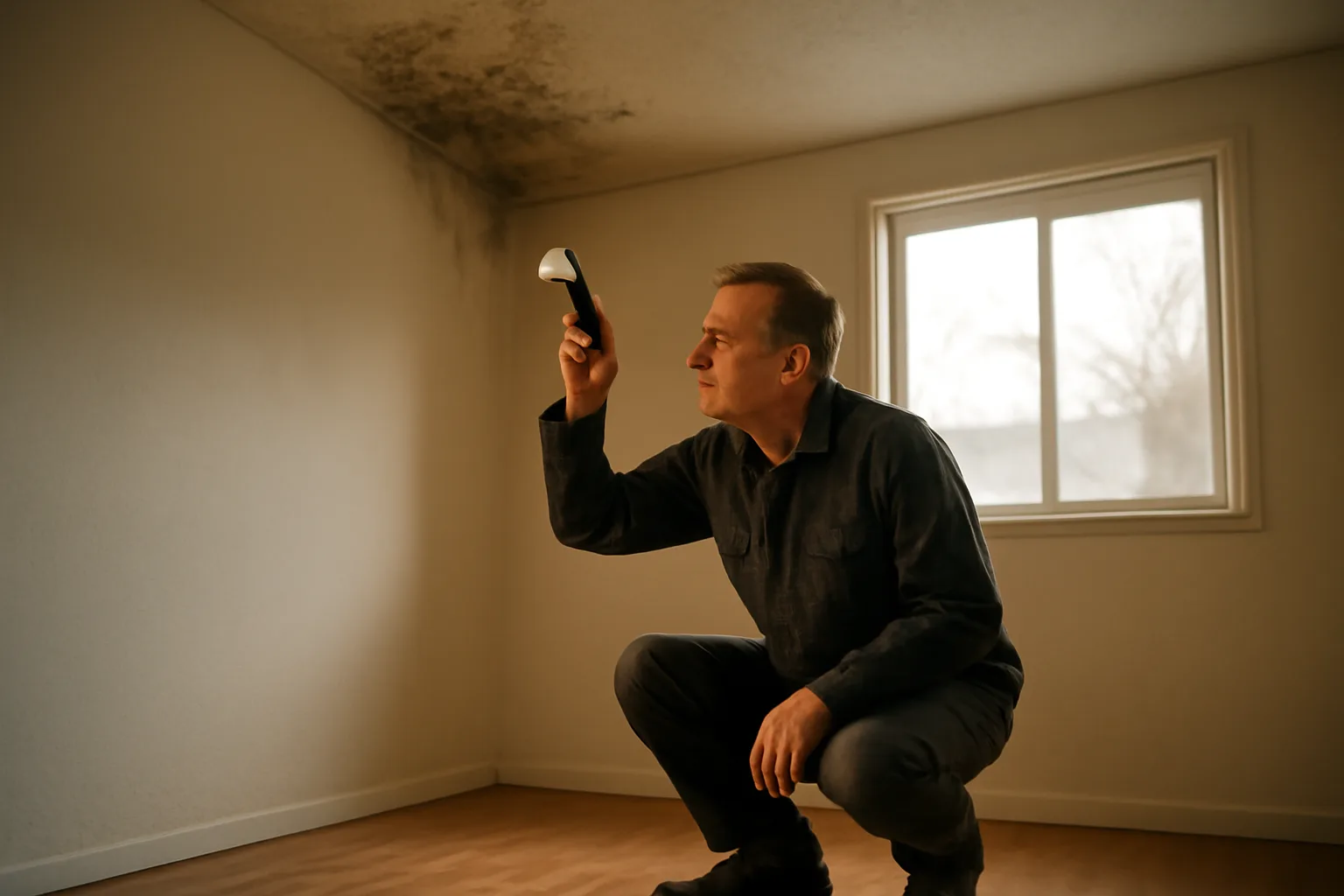
There's no federal mold statute. Whether you must remove mold usually comes down to your state's implied warranty of habitability and your local housing code. If mold makes a unit unsafe or unlivable, most states require landlords to fix the underlying moisture problem and remediate. Ignoring a tenant's written mold complaint is the fastest way to end up with a code violation or a habitability lawsuit.
Are landlords legally required to remove mold?
There's no single federal law that says "landlords must remove mold." The Environmental Protection Agency has never set an exposure limit for mold in indoor air, and it says so directly: EPA's mold guidance states there are "no EPA or other federal government standards for airborne mold contaminants" [1]. That surprises a lot of landlords who assume OSHA or the EPA has a hard number somewhere. They don't. What you actually answer to is state and local law. Most states impose an implied warranty of habitability on residential leases, meaning the unit has to be fit to live in whether or not the lease says so. If mold growth is bad enough to make the unit unsafe, unsanitary, or structurally compromised, that same body of law usually obligates you to fix it. California's health and safety code, for example, treats visible mold as a substandard building condition once it's tied to moisture intrusion the landlord controls [2]. So the honest answer is: it depends on your state's habitability statute and your city's housing code, not on a federal rule. A little mold on a bathroom windowsill from condensation is different, legally and practically, from black mold spreading through drywall after a slow roof leak. The second one is very likely to trigger a repair obligation. The first one might just need better ventilation and a tenant who wipes down the sill. If your city has a mandatory rental license or inspection program, mold conditions tied to moisture or plumbing failures are a common citation item during inspections. Check your city's rental housing code before you assume a small mold patch is a non-issue.
What is the landlord's legal duty when tenants report mold?
Once you get a written mold complaint, your clock starts. Most habitability laws require landlords to address a reported defect within a "reasonable time," and a handful of states put a number on it. California, for instance, generally requires landlords to make repairs affecting habitability within 30 days of notice for non-urgent issues, though anything posing an immediate health hazard should be addressed much faster [2]. The practical sequence looks like this: inspect promptly, identify the moisture source (leak, poor ventilation, grading problem, condensation), fix that source, then remediate the visible mold. Painting over mold or spraying bleach on it without fixing the water problem is not a fix. It's a temporary cosmetic patch that mold will beat within weeks. Document everything. Photograph the area before and after, keep the invoice from whoever does the remediation, and keep a copy of the tenant's original complaint with the date. If this ever turns into a habitability dispute or a code enforcement case, that paper trail is what protects you. Some cities require landlords to use licensed mold remediation contractors above a certain square footage of contamination. New York City, for example, requires mold remediation by a licensed contractor for jobs over 10 square feet under its local law on mold assessment and remediation [3]. Confirm with your city's building or health department whether a licensing threshold like that applies to you.
What can a landlord look at during an inspection?
During a routine or complaint-driven inspection, a landlord (or a city inspector, if it's a licensing inspection) can generally check smoke and CO detectors, plumbing fixtures for leaks, electrical outlets and panels, HVAC function, window and door seals, signs of pest activity, and visible mold or water staining. Habitability inspections are about safety and basic function, not about a tenant's housekeeping or decor. What a landlord typically cannot do is search closets, drawers, or personal belongings, show up without proper notice, or use an inspection as cover to snoop through a tenant's things. The inspection is limited to the condition of the unit itself: walls, ceilings, fixtures, appliances that came with the unit, and structural elements. For mold specifically, an inspector is looking at moisture sources first. Is there an active leak? Is the bathroom fan vented to the outside or just into the attic? Is there condensation pooling on single-pane windows in winter? The visible mold is a symptom. A good inspection traces it back to the cause, because remediating mold without fixing ventilation or a leak just means round two in six months. If you're prepping for a mandatory city rental inspection, walk your own unit first using the same list. Catching a slow toilet leak or a disconnected bath fan duct before the city does saves you a violation notice and a re-inspection fee.
Who is responsible for the rental property walk-through inspection in California?
In California, the landlord is generally responsible for scheduling and conducting the pre-move-out walk-through inspection when the tenant requests one. Under California Civil Code Section 1950.5, a tenant has the right to request an initial inspection before move-out, and the landlord must give at least 48 hours' written notice of the date and time if the tenant doesn't waive that notice [4]. The landlord's job is to inspect for damage beyond normal wear and tear, give the tenant an itemized list of what needs fixing before the final move-out, and let the tenant address those items if they choose. This is separate from a city's mandatory rental licensing inspection, which is conducted by a city inspector, not the landlord, and looks at code compliance rather than security deposit deductions. Don't conflate the two. A move-out walk-through under Civil Code 1950.5 is about deposit disputes. A city rental inspection tied to a rental license is about whether the unit meets the local housing code, and mold, pest infestations, and moisture damage show up in both contexts but get handled under different rules.
What is landlording and what does a landlord actually do?
Landlording is the ongoing work of owning and operating rental property: collecting rent, maintaining the unit, handling repairs, screening tenants, managing lease renewals, and staying compliant with local housing codes. A landlord is the legal owner (or their authorized agent) who leases residential or commercial property to a tenant in exchange for rent. Most small landlords underestimate how much of the job is compliance paperwork rather than fixing faucets. If your city requires a rental license, a certificate of occupancy for rentals, or periodic inspections, that's now part of landlording whether you budgeted time for it or not. Miss a renewal deadline and you're often looking at a late fee or, in some cities, a stop on new tenancies until you're compliant. Landlord landlords covers the day-to-day obligations most first-time owners don't see coming. Mold response fits squarely into landlording's maintenance side. It's not glamorous, but a landlord who responds to a mold complaint within days instead of weeks avoids almost all the legal exposure that mold cases create.
How do you become a landlord, and what should you know before you start?
Becoming a landlord starts before you buy: check your city's rental registration and licensing requirements first, because some cities cap the number of unlicensed rentals or require a pre-rental inspection before you can legally lease the unit at all. After acquiring the property, the usual steps are registering the rental with your city or county (if required), getting a rental license or permit, passing an initial inspection if one is mandated, screening tenants under fair housing law, and drafting a lease that matches your state's landlord-tenant statute. Fair housing compliance isn't optional. The federal Fair Housing Act, enforced by HUD, prohibits discrimination based on race, color, national origin, religion, sex, familial status, and disability in the rental of housing [5]. That applies from your very first ad. A lot of new landlords skip the licensing step because they don't realize their city requires it, then get hit with a notice of violation after a tenant complaint or a routine sweep. If you're in a city with mandatory rental licensing, treat that registration as step one, not an afterthought. Landlord walks through the baseline responsibilities that come with the title.
What rights do tenants have without a lease?
A tenant without a written lease, sometimes called a tenant-at-will or month-to-month tenant, still has legal rights. Most states extend the same implied warranty of habitability to tenants without a written lease as to those with one, and eviction still has to follow the state's statutory notice process rather than an immediate lockout. Without a written lease, the tenancy generally defaults to month-to-month under state law, and either party can end it with proper notice (commonly 30 days, though this varies by state and by how long the tenant has lived there). The tenant still has the right to a habitable unit, protection from illegal lockouts or utility shutoffs, and, in most states, the right to a security deposit return under the same rules that would apply with a lease. Mold complaints work the same way regardless of lease status. A verbal or no-lease arrangement doesn't reduce your habitability duty. If anything, without a written lease spelling out maintenance responsibilities, courts tend to fall back hard on the state's default habitability standard, which usually favors the tenant on health and safety issues like mold. Tenant rights and tenants rights both go deeper on state-by-state variation.
Why do landlords require renters insurance?
Landlords require renters insurance mainly to shift liability for the tenant's personal property and for injuries or damage the tenant causes, away from the landlord's own policy. A standard landlord (dwelling) policy covers the building and the landlord's liability as owner; it typically doesn't cover a tenant's furniture, electronics, or clothing if there's a fire, burst pipe, or theft. Requiring renters insurance also reduces disputes after a mold or water-damage event. If a slow leak damages a tenant's belongings, a renters insurance policy (average cost around $15 to $30 a month nationally, though this varies a lot by state and coverage level) means the tenant has a path to reimbursement that doesn't run through the landlord's pocket or a small claims filing. Some states and cities allow landlords to require renters insurance as a lease condition, and a few large jurisdictions have looked at making it close to mandatory in certain subsidized or licensed housing contexts. Check your state's landlord-tenant statute and your local rental ordinance before adding a renters insurance requirement, since a few states limit what a landlord can mandate as a lease condition.
How much notice does a landlord have to give before entering or inspecting?
Most states require landlords to give at least 24 hours' written or verbal notice before entering a unit for a non-emergency reason, including a routine inspection, though the exact number and required format vary by state. California requires "reasonable notice," which state law presumes to be 24 hours in most circumstances, delivered in writing [6]. Some states, like Florida, generally treat 12 hours as reasonable notice for the purpose of entry [7]. Emergencies are the exception everywhere. If there's an active fire, flooding, gas leak, or another hazard, a landlord can enter without advance notice. City rental inspections tied to licensing usually follow separate notice rules set by the local housing code, and those can differ from the state's general entry-notice statute. Some cities require 48 hours' written notice for a scheduled licensing inspection, others allow shorter windows for re-inspections after a violation. Always check both your state's entry statute and your specific city's inspection ordinance, since the stricter one controls in practice.
What can a landlord not do in Ohio?
Ohio landlords are bound by Ohio Revised Code Chapter 5321, the state's Landlords and Tenants Act. Under this law, a landlord cannot shut off utilities, change the locks, or remove a tenant's belongings to force them out. Ohio law explicitly prohibits this kind of "self-help" eviction; a landlord has to go through the court eviction process, not lock a tenant out directly [8]. Ohio landlords also cannot retaliate against a tenant for reporting a code violation, requesting repairs, or joining a tenant organization. ORC 5321.02 protects tenants from retaliatory eviction or rent increases tied to a good-faith complaint [9]. On maintenance, ORC 5321.04 requires landlords to keep the premises in a fit and habitable condition, comply with local building and health codes, and keep common areas safe [10]. That statute is the backbone of a mold complaint in Ohio: if mold is tied to a moisture problem the landlord controls, ORC 5321.04's habitability language is what a tenant's attorney or a housing court would point to.
How does mold responsibility interact with rental licensing and inspection programs?
In cities with mandatory rental licensing, mold isn't just a landlord-tenant civil matter, it's a code enforcement matter too. Inspectors doing a licensing walk-through are trained to look for water staining, active leaks, and visible mold growth because these are common triggers for a "unfit for habitation" or "substandard structure" citation under the local housing code. A violation notice for mold or moisture damage in a licensed rental usually gives you a set correction window, commonly somewhere between 10 and 30 days depending on severity and your city's ordinance, before a re-inspection or fine kicks in. Confirm the exact window and fine schedule with your city rental licensing office, since these numbers are set locally and change. This is where prep work pays for itself. Landlords who walk their own units against a checklist before a scheduled inspection catch slow leaks, disconnected exhaust fans, and early-stage mold before an inspector does. That's the entire idea behind our $79 one-time City Rental License & Inspection Prep Packet: a structured way to check your unit against common city inspection line items, including moisture and mold triggers, before you're standing in front of an inspector with a clipboard and a violation pad. If you manage units in more than one city, keep a simple log per property: last roof inspection date, last bath fan check, any tenant-reported leak and when it was fixed. That log is worth more than any single repair when a code enforcement officer asks how you handle moisture issues across your portfolio.
What should a landlord do right now if a tenant reports mold?
Inspect within a few days, not weeks. Identify the moisture source before you touch the visible mold, since painting or bleaching without fixing the leak or ventilation problem just delays the regrowth. If the area is under 10 square feet (a rough threshold used in several city and state mold guidance documents, including NYC's local law [3]), a landlord can often clean it with standard methods and proper protective equipment. Larger areas typically call for a licensed remediation contractor. Put your response in writing to the tenant: what you found, what you're fixing, and a target date. This protects you if the dispute escalates and shows good faith if a city inspector or a court ever asks what you did after the complaint. Finally, check whether your city's rental housing code has its own mold or moisture-related citation category. Some do, some fold mold into general "unsafe or unsanitary condition" language. Either way, a fast, documented response is the single biggest factor in whether a mold complaint stays a maintenance ticket or turns into a fine, a lawsuit, or a licensing violation.
Frequently asked questions
Are landlords required to remove mold by federal law?
No. There's no federal mold removal statute, and EPA has stated there are no federal standards for airborne mold levels [1]. Your obligation comes from state habitability law and your city's housing code, not from a federal rule. If mold makes a unit unsafe, most states still require the landlord to fix it under general habitability statutes.
How to become a landlord if I've never rented out a property before?
Check your city's rental registration and licensing rules first, then register the property, get any required permit or license, pass an initial inspection if your city mandates one, screen tenants under fair housing law, and use a lease that matches your state's landlord-tenant statute. Skipping the licensing step is the most common first-timer mistake.
Who is responsible for the rental property walk-through inspection in California?
The landlord is responsible for scheduling and conducting the pre-move-out walk-through when the tenant requests one, with at least 48 hours' written notice under California Civil Code Section 1950.5 [4]. This is separate from a city's mandatory rental licensing inspection, which a city inspector conducts.
What is landlording?
Landlording is the ongoing work of owning and operating a rental: collecting rent, handling maintenance and repairs, screening tenants, and staying compliant with local housing and licensing codes. It's the day-to-day job behind owning rental property, more than the initial purchase or lease signing.
What is a landlord, legally speaking?
A landlord is the property owner, or an authorized agent acting for the owner, who leases residential or commercial space to a tenant in exchange for rent. Landlords carry legal duties under state law, most commonly habitability, proper notice before entry, and non-retaliation, regardless of what the lease says.
What rights do tenants have without a lease?
A tenant without a written lease still keeps the implied warranty of habitability under most state laws, protection from illegal lockouts, and the right to proper eviction notice rather than a forced exit. The tenancy usually defaults to month-to-month, and mold or habitability complaints are handled the same as with a written lease.
How to be a landlord who stays compliant with mold and habitability rules?
Respond to written maintenance and mold complaints within days, fix the underlying moisture source before cosmetic cleanup, document everything with photos and dates, and check your state's habitability statute plus your city's housing code for specific timelines. Consistent, documented follow-through is what keeps a complaint from becoming a violation or lawsuit.
Why do landlords require renters insurance?
Renters insurance shifts liability for the tenant's personal property and for damage or injuries the tenant causes away from the landlord's own policy. It also gives tenants a claims path after events like a leak or fire instead of a dispute with the landlord over reimbursement.
How much notice does a landlord have to give before entering a unit?
Most states require at least 24 hours' notice for non-emergency entry, though the exact rule varies. California presumes 24 hours' written notice is reasonable [6], while some states set a shorter window like 12 hours [7]. Emergencies, like an active leak or gas smell, allow entry without advance notice.
What can a landlord look at during an inspection?
Landlords and inspectors can check smoke and CO detectors, plumbing, electrical systems, HVAC, windows and doors, pest activity, and visible mold or water damage. They generally cannot search closets, drawers, or personal belongings; inspections are limited to the condition of the unit and its fixtures.
What can a landlord not do in Ohio?
Under Ohio Revised Code Chapter 5321, a landlord cannot shut off utilities, change locks, or remove belongings to force a tenant out; that's illegal self-help eviction [8]. Landlords also cannot retaliate against a tenant for reporting a code violation or requesting repairs, under ORC 5321.02 [9].
Does a landlord have to remove mold caused by the tenant?
It depends on the cause. If a tenant's own behavior, like not running an exhaust fan or blocking vents, caused the moisture problem, some states and leases shift repair costs to the tenant. But if the mold ties back to a structural or plumbing issue the landlord controls, habitability law generally still puts the fix on the landlord.
How big does mold have to be before a licensed contractor is required?
Thresholds vary by city and state. New York City's mold law generally requires a licensed contractor for remediation jobs over 10 square feet [3]. Many other jurisdictions don't set a specific square footage at all. Confirm with your city's building or health department before doing large-scale removal yourself.
Sources
- EPA, A Brief Guide to Mold, Moisture, and Your Home: There are no federal government standards for airborne mold contaminants
- California Civil Code Section 1941.1 / Health and Safety Code Section 17920.3: Visible mold tied to moisture intrusion is treated as a substandard building condition in California
- NYC Local Law 61 of 2018 (Mold Assessment and Remediation): NYC requires licensed remediation for mold jobs over roughly 10 square feet
- California Civil Code Section 1950.5: Landlord must give at least 48 hours written notice for a pre-move-out inspection in California
- HUD, Fair Housing Act overview: Federal Fair Housing Act prohibits discrimination based on race, color, national origin, religion, sex, familial status, and disability
- California Civil Code Section 1954: California presumes 24 hours written notice is reasonable for landlord entry
- Florida Statutes Section 83.53: Florida generally treats 12 hours notice as reasonable for landlord entry
- Ohio Revised Code Section 5321.03: Ohio prohibits landlords from using self-help methods like lockouts or utility shutoffs to remove tenants
- Ohio Revised Code Section 5321.02: Ohio law protects tenants from retaliatory eviction or rent increases after a good-faith complaint
- Ohio Revised Code Section 5321.04: Ohio landlords must keep rental premises in a fit and habitable condition and comply with local housing codes