Last updated 2026-07-26
TL;DR
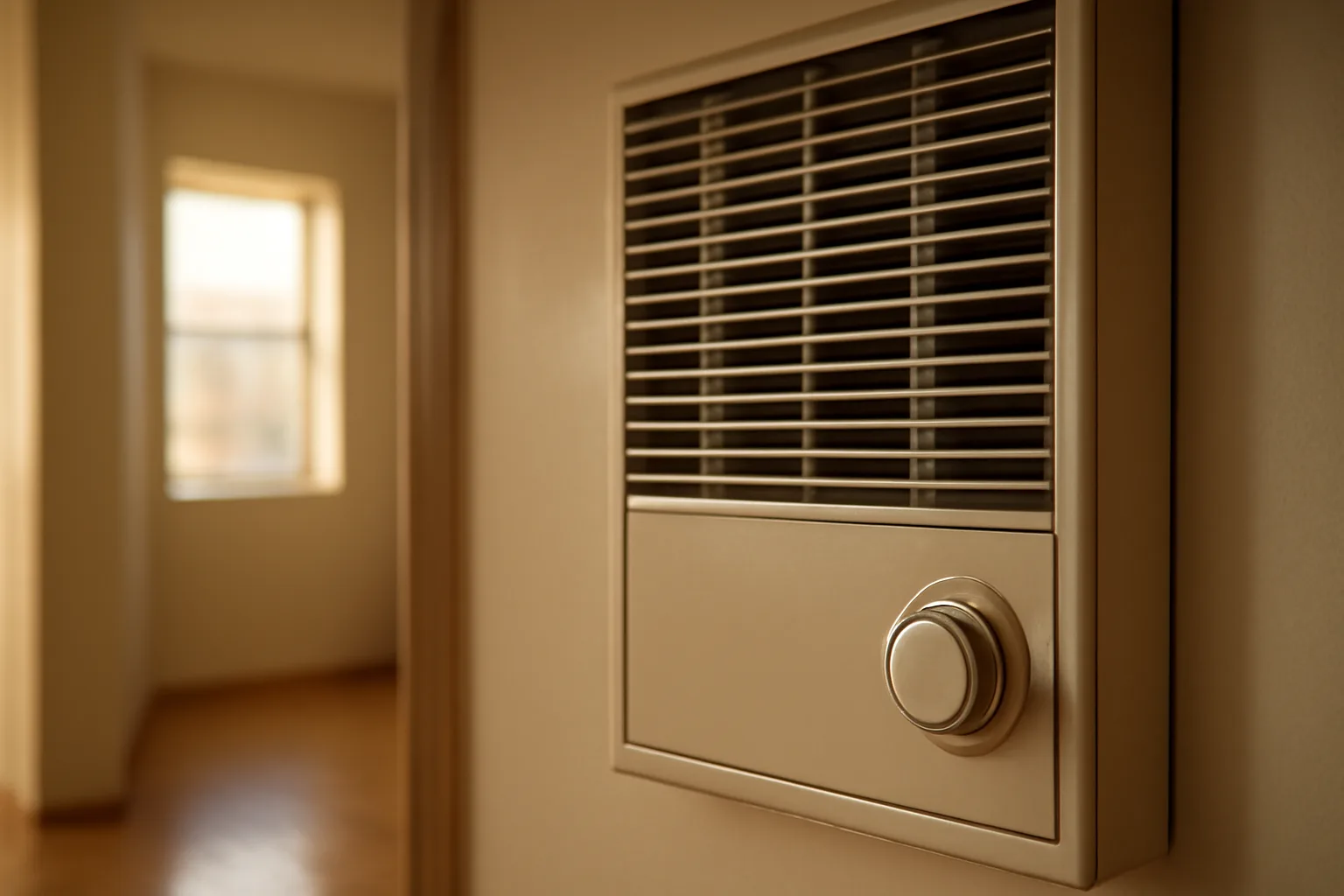
Yes. California Civil Code Section 1941.1 makes working heating facilities a basic habitability requirement in every rental unit. There's no statewide minimum temperature number, but the heater must be in good working order and capable of safely heating the unit. Cities like Los Angeles and San Francisco add their own local rules on top.
are landlords required to provide heat in california
Yes. Under California Civil Code Section 1941.1, a rental unit is only considered "tenantable" if it has "heating facilities that conformed with applicable law at the time of installation, maintained in good working order." [1] That statute is part of California's implied warranty of habitability, which every residential lease carries whether it's written down or not. This isn't a courtesy. It's baked into state law as one of the specific conditions that makes a unit legally livable. If the furnace, wall heater, or other permanent heat source doesn't work, the landlord is out of compliance the moment a tenant reports it, more than when it gets cold outside. California doesn't set a statewide minimum indoor temperature the way some cities do (New York City, for example, requires 68°F during the day in cold months under its own code). California's approach is functional: you need a heater that works and that was legal when installed. Some cities layer stricter numeric standards on top through local housing codes, so always confirm with your city rental licensing office or local building department before assuming state law is the whole picture.
what heating requirements does california law actually set
California Health and Safety Code Section 17920.3 defines substandard housing conditions, and it specifically lists inadequate heating as one of them when heating facilities don't conform to code or aren't maintained in good working order. [2] Combined with Civil Code 1941.1, this gives code enforcement and courts a clear hook: no working heat means the unit can be classified as substandard. There's no California statute that says "must maintain 68 degrees" or similar. That surprises a lot of landlords who assume there's a hard number somewhere. There isn't, at the state level. What exists instead is a working-order standard: the heating system has to function, has to be safe, and has to have been legal when it went in. Portable space heaters generally don't satisfy this requirement as the sole heat source. Courts and code inspectors look for a permanent heating installation, gas wall furnace, central forced air, electric baseboard, that kind of thing, not a tenant relying on a plug-in heater from Target because the building's furnace has been broken since October. Some California cities do set numeric standards through local ordinances or adopt heating provisions from the Uniform Housing Code. If you own in a city with mandatory rental registration or licensing, that city's building or housing code is usually where a specific temperature threshold would show up, not state law.
what happens if a landlord doesn't fix a broken heater
Tenants have real remedies here, and they escalate fast if a landlord sits on a heat complaint. California Civil Code Section 1942 allows a tenant to repair a habitability defect (like broken heat) and deduct the cost from rent, or to vacate the unit entirely, if the landlord doesn't act within a reasonable time after notice. [3] The statute caps repair-and-deduct at once every 12 months and limits the deduction to no more than one month's rent, though local rules and case law nuances can affect this. Code enforcement is the other track. Most California cities have a building or housing department that responds to substandard-housing complaints, and a broken heater is one of the more common calls they get every winter. An inspector can issue a notice of violation, and if the landlord doesn't comply, that can turn into a formal notice, fines, or in serious cases a rent-withholding order tied to the unit's condition. Tenants can also raise habitability as a legal defense in an unlawful detainer (eviction) action. If a landlord is trying to evict for nonpayment and the tenant can show the unit lacked functioning heat, that can significantly complicate the case. Courts take Civil Code 1941.1 seriously because it's one of the enumerated conditions, not a vague standard. If you're a landlord getting a heat complaint, the smart move is to treat it like an emergency repair, not a maintenance ticket. Same-day or next-day response protects you legally and keeps a $200 furnace repair from turning into a habitability lawsuit or a withheld month of rent.
how much notice does a landlord have to give before entering to fix heat
California Civil Code Section 1954 requires landlords to give tenants "reasonable notice," which the statute defines as 24 hours in writing for most non-emergency entries, including routine repairs. [4] Notice should state the date, approximate time, and purpose of entry, and entry has to happen during normal business hours unless the tenant agrees otherwise. Heat repair complicates this in one direction: if the lack of heat qualifies as an emergency (say, it's 35 degrees outside and there's no heat source at all), Section 1954 allows landlords to enter without the standard notice period when there's a genuine emergency threatening the property or a tenant's safety. A cold snap with a totally dead furnace can reasonably qualify. A furnace running at 60% efficiency during a mild week probably doesn't. In practice, most landlords still try to give some notice, even short notice, because "I let myself in because I decided it was an emergency" is a much weaker position if the tenant disputes it later. Documenting the complaint, the outdoor temperature, and the urgency in writing (text or email) before entering protects you if anything gets questioned.
what can a landlord look at during an inspection
During a habitability or rental-licensing inspection, a landlord or code inspector can generally check the working condition of heating, plumbing, electrical systems, smoke and carbon monoxide alarms, structural integrity (walls, ceilings, floors), weatherproofing, and sanitation facilities. These map directly to the conditions listed in Civil Code Section 1941.1: effective waterproofing, functioning plumbing, hot and cold running water, functioning heat, functioning electrical systems, clean and sanitary common areas, adequate trash receptacles, and floors/stairways/railings in good repair. [1] What a landlord generally cannot do during a routine inspection is go through personal belongings, closets, drawers, or areas that don't relate to the inspection's purpose. Inspections have to stay tied to the stated reason for entry and the notice given under Civil Code 1954. If a landlord shows up to check the furnace and starts opening dresser drawers, that's outside the scope of a habitability check and can expose the landlord to a claim for invasion of privacy or unlawful entry. For cities with mandatory rental inspection programs (common in many California municipalities with proactive rental inspection ordinances), the inspection scope is usually defined by that city's checklist, and it typically mirrors the state habitability list: heat, plumbing, electrical, smoke/CO alarms, exits, and general safety hazards. If you're prepping for one of these city inspections, our City Rental License & Inspection Prep Packet walks through the common checklist items city inspectors look for, so you're not guessing what they'll flag.
who is responsible for a rental property walk-through inspection in california
The landlord (or their designated property manager) is responsible for arranging and conducting move-in and move-out walk-through inspections, and for any city-mandated habitability inspections tied to a rental license or registration program. California Civil Code Section 1950.5(f) specifically gives tenants the right to request an initial move-out inspection before the final one, so they get a chance to fix any deductible issues before the landlord assesses damage against the security deposit. [5] At move-in, there's no single statute forcing a joint walk-through the way some states require, but it's standard, smart practice: document the unit's condition with photos and a signed checklist before the tenant moves belongings in. This protects both sides if there's a security deposit dispute later, since Civil Code 1950.5 requires an itemized statement of deductions within 21 days of move-out. For city-level rental inspection programs, the city's building or housing department (not the landlord) actually performs the compliance inspection, usually on a cycle tied to license renewal, a rental registration date, or a tenant complaint. The landlord's job is to schedule access, be present or have a representative present, and fix any violations by the deadline given. Confirm with your city rental licensing office for the specific inspection cadence and who inspects, since this varies a lot between, say, a small city with complaint-based inspections and a larger one with proactive citywide inspection cycles.
what is landlording, and what is a landlord
A landlord is a person or entity that owns residential or commercial property and rents it to a tenant in exchange for periodic payment, typically under a lease or rental agreement. "Landlording" is the informal industry term for the ongoing work of managing that relationship: collecting rent, handling repairs, responding to habitability issues like heat and plumbing, managing turnover, and staying compliant with state and local law. It's a real job, even for someone with one unit. The legal obligations don't scale down just because you only rent out a duplex instead of a 200-unit building. A landlord with a single rental in a city with mandatory registration still has to register, may still face inspection, and is still on the hook under Civil Code 1941.1 for heat, plumbing, and electrical. Most people who end up landlording didn't set out to build a property management career. They inherited a house, kept a starter home as a rental after moving, or bought a duplex to house-hack. The legal framework doesn't care how you got there.
how to become a landlord in california
Becoming a landlord in California generally involves acquiring the property, confirming any local business license or rental registration requirements, understanding state habitability law, screening tenants lawfully, and setting up a compliant lease. There's no statewide "landlord license" required just to rent out a house, but many California cities require rental property registration, a business license, or in some cases proactive rental inspection before you can legally lease a unit. Here's a rough sequence: 1. Confirm zoning allows residential rental use for the property. 2. Check whether your city requires a rental license, registration, or business tax certificate (this varies enormously; Los Angeles, San Francisco, Oakland, and many smaller cities all have their own systems). 3. Understand state habitability law under Civil Code Section 1941.1, since this sets your baseline maintenance obligations regardless of city rules. 4. Screen tenants under the Fair Housing Act and California's Fair Employment and Housing Act, which prohibit discrimination based on protected classes. 5. Draft or use a compliant written lease (not legally required for month-to-month, but strongly recommended). 6. Collect a security deposit within legal limits (California caps deposits at one month's rent for unfurnished units and two months' for furnished, as of the 2024 change under AB 12, with limited exceptions). [6] 7. Set up habitability maintenance systems (heat, plumbing, electrical, pest control) before the first tenant moves in. Skipping step 2 is the most common mistake first-time landlords make. A lot of California cities have rental registration or licensing requirements that carry real fines for noncompliance, and those requirements often aren't obvious until a tenant complaint or a city mailing shows up.
how to be a landlord without getting sued over habitability
The single biggest risk reduction move is responding fast to habitability complaints, especially heat, water leaks, mold, and pest issues, since these are the conditions most tied to legal claims under Civil Code 1941.1. Treat any heat outage report as same-day or next-day, not "I'll get to it this week." Second, document everything. Keep dated records of repair requests, your response time, and the work performed. If a tenant later claims the unit was uninhabitable for weeks, a paper trail showing you responded within 24 to 48 hours is your best defense. Third, understand that habitability obligations exist independent of what your lease says. A lease clause saying "tenant is responsible for all heating repairs" doesn't override Civil Code 1941.1's implied warranty of habitability; California courts have consistently held that landlords can't waive away these baseline habitability duties through lease language. [1] Fourth, budget for it. A dead furnace in December isn't optional maintenance you can defer to spring. If you're managing on tight margins, keep an emergency repair fund specifically for heat, water, and electrical, since these are the three systems most likely to trigger a habitability claim if they fail.
why do landlords require renters insurance
Landlords require renters insurance mainly to shift liability for a tenant's personal property loss and personal liability claims away from the landlord's own policy. If a pipe bursts and ruins a tenant's furniture, or a guest gets hurt in the tenant's unit, renters insurance (not the landlord's dwelling policy) is designed to cover that. A landlord's own property insurance typically covers the building structure and the landlord's own losses. It generally does not cover a tenant's belongings or a tenant's liability if their negligence causes damage or injury. Requiring renters insurance (commonly $100,000 to $300,000 in liability coverage, though this varies by lease and landlord) closes that gap. California law doesn't mandate renters insurance statewide; it's a landlord's lease choice, and it's enforceable as a lease condition as long as it's applied consistently and doesn't function as a pretext for discrimination. Many landlords also like it because a tenant with renters insurance is less likely to come after the landlord's policy (and premiums) for a loss that wasn't the landlord's fault.
what rights do tenants have without a lease
A tenant without a written lease, meaning a month-to-month or oral tenancy, still has the full protection of California's habitability laws, security deposit rules, and notice requirements. The absence of a written lease doesn't strip away statutory tenant rights; it just means the tenancy defaults to month-to-month terms under California law. Without a written lease, a tenant still gets: the implied warranty of habitability under Civil Code 1941.1 (working heat, plumbing, electrical, weatherproofing), the right to 24 hours' written notice before non-emergency entry under Civil Code 1954, security deposit protections under Civil Code 1950.5, and protection from retaliatory eviction under Civil Code Section 1942.5 if they've exercised a legal right like reporting a habitability violation. [7] Notice to end a month-to-month tenancy without a lease generally follows California Civil Code Section 1946: 30 days' notice if the tenant has lived there under a year, 60 days if a year or more, given by either party (with some California cities imposing stricter just-cause eviction rules on top, under the statewide Tenant Protection Act, Civil Code 1946.2). [8] So "no lease" doesn't mean "no rights." It just means the tenancy terms default to statutory month-to-month rules instead of whatever specific terms a written lease would have spelled out.
how much notice does a landlord have to give tenants generally
| Non-emergency entry (repairs, inspection) | 24 hours, in writing | Civil Code 1954 |
|---|---|---|
| End month-to-month tenancy, under 1 year | 30 days | Civil Code 1946 |
| End month-to-month tenancy, 1+ years | 60 days | Civil Code 1946 |
| Rent increase, 10% or less | 30 days | Civil Code 827 |
| Rent increase, more than 10% | 90 days | Civil Code 827 |
For entry into the unit, California landlords must give at least 24 hours' written notice for routine matters like repairs, inspections, or showing the unit, per Civil Code Section 1954. [4] For ending a month-to-month tenancy, it's 30 days if the tenancy is under one year, 60 days if a year or longer, under Civil Code Section 1946. [8] Rent increases have their own notice rules: California Civil Code Section 827 generally requires 30 days' written notice for rent increases of 10% or less within a 12-month period, and 90 days' notice for increases greater than 10%. [9] Note that many units are also subject to the statewide Tenant Protection Act's rent cap (Civil Code 1946.2), which limits annual increases to 5% plus local CPI, up to a max of 10%, for covered units. Emergency entry (fire, flood, or a genuine safety emergency like a burst pipe or, arguably, total heat failure in freezing conditions) doesn't require the standard 24-hour notice, but landlords should still document why the entry qualified as an emergency. | Notice type | Required notice | Statute |
what can a landlord not do (and does ohio law differ from california)
California landlords cannot shut off utilities, change locks, or remove a tenant's belongings to force them out; this is illegal "self-help eviction" and is addressed under California Civil Code Section 789.3, which bars landlords from willfully interrupting utility service to force a tenant to vacate. [10] They also cannot retaliate against a tenant for reporting a habitability violation (Civil Code 1942.5), cannot discriminate based on protected classes under the Fair Employment and Housing Act, and cannot enter without proper notice except in genuine emergencies. Ohio operates under a different statute entirely. Ohio Revised Code Section 5321.04 lays out landlord obligations there, including keeping premises in a fit and habitable condition, maintaining electrical, plumbing, and heating systems in good working order, and complying with local housing codes. [11] Ohio Revised Code Section 5321.15 similarly bars Ohio landlords from self-help eviction, meaning no lockouts, no utility shutoffs, and no seizing tenant property to force a move-out without going through court. [12] The practical difference for landlords operating in both states: California leans harder on the implied warranty of habitability as case law plus statute (Civil Code 1941.1), while Ohio codifies landlord duties directly in its landlord-tenant chapter (ORC 5321). The bottom-line prohibitions (no illegal lockouts, no utility shutoffs, no retaliation) land in roughly the same place, but the specific statute numbers and some procedural details differ, so don't assume a California compliance checklist transfers directly to an Ohio property or vice versa.
how a $79 prep packet fits into all this
None of this replaces knowing your specific city's rental registration or licensing rules, since those vary block by block in California. What a prep packet can do is give you a structured checklist before an inspection or a license renewal deadline, so you're not scrambling to remember whether your heater, smoke alarms, and water heater strapping all meet the state habitability baseline under Civil Code 1941.1. Our $79 City Rental License & Inspection Prep Packet is built around the common items that show up across California's mandatory rental-licensing cities: working heat, plumbing, electrical, smoke and CO alarm placement, and general safety items. It's a one-time cost designed to save you a failed-inspection re-visit fee or a violation notice, not a subscription. If you own 1 to 10 units and you just got an ordinance notice or an inspection date, it's built for exactly that moment.
Frequently asked questions
Is there a minimum temperature landlords must maintain in California?
No statewide minimum temperature number exists in California law. Civil Code Section 1941.1 instead requires "heating facilities... maintained in good working order," a functional standard rather than a specific degree threshold. Some cities may set stricter local numeric standards, so confirm with your city's building or housing department.
Can a California tenant withhold rent if the heat is broken?
Yes, under specific conditions. Civil Code Section 1942 allows repair-and-deduct (capped at one month's rent, usable once per 12 months) or vacating the unit if the landlord fails to fix a habitability defect like broken heat within a reasonable time after proper notice. Tenants should document the complaint and give the landlord a real chance to respond first.
How to become a landlord in California?
Acquire the property, confirm zoning and any local rental registration or licensing requirement, understand habitability obligations under Civil Code 1941.1, screen tenants under fair housing law, and set up a compliant lease and security deposit process. Many California cities also require a rental license or registration before you can legally lease a unit.
Who is responsible for a rental property walk-through inspection in California?
The landlord arranges move-in and move-out walk-throughs, and tenants can request an initial pre-move-out inspection under Civil Code 1950.5(f). For city-mandated rental licensing inspections, the city's building or housing department performs the actual inspection, while the landlord is responsible for scheduling access and fixing violations.
What is landlording?
Landlording is the day-to-day work of owning and managing a rental property: collecting rent, handling maintenance and habitability issues like heat and plumbing, managing tenant turnover, and staying compliant with state and local landlord-tenant law. It applies whether you have one unit or fifty.
What rights do tenants have without a lease in California?
Tenants without a written lease still get full habitability protection under Civil Code 1941.1, entry notice rights under Civil Code 1954, security deposit protections under Civil Code 1950.5, and protection from retaliatory eviction under Civil Code 1942.5. No written lease just means the tenancy defaults to month-to-month terms.
Why do landlords require renters insurance?
Renters insurance shifts liability for a tenant's personal property loss and personal injury claims away from the landlord's own policy, since a landlord's dwelling insurance typically doesn't cover a tenant's belongings or the tenant's own negligence-related liability.
How much notice does a landlord have to give before entering a unit in California?
24 hours' written notice for routine entry like repairs or inspections, under Civil Code Section 1954. Emergency situations, like a burst pipe or total heat failure in freezing weather, can allow entry without the standard notice period, though documenting the emergency is smart practice.
What can a landlord look at during a habitability inspection?
Heating, plumbing, electrical systems, smoke and carbon monoxide alarms, structural condition, weatherproofing, and sanitation, mirroring the specific list in Civil Code 1941.1. Inspections generally shouldn't extend to personal belongings, drawers, or closets unrelated to the stated purpose of the visit.
What can a landlord not do in Ohio?
Ohio landlords cannot use self-help eviction (lockouts, utility shutoffs, or removing tenant belongings) under Ohio Revised Code 5321.15, and must keep premises fit and habitable, including working heating, plumbing, and electrical systems, under ORC 5321.04. These parallel California's habitability and anti-retaliation rules but come from a different statute chapter.
Does a broken furnace count as an emergency repair in California?
In cold weather, yes, generally. A total loss of heat during freezing temperatures is widely treated as an emergency habitability issue, allowing faster landlord entry without standard 24-hour notice under Civil Code 1954, and requiring urgent repair to avoid a habitability claim under Civil Code 1941.1.
Can a landlord require a tenant to use portable space heaters instead of fixing a furnace?
No, not as a long-term substitute. California's habitability standard expects a functioning permanent heating installation. Portable heaters as the sole ongoing heat source generally don't satisfy Civil Code 1941.1 and can leave a landlord exposed to a habitability complaint or code violation.
What is a landlord legally required to fix in California?
Civil Code 1941.1 lists the core items: functioning heat, plumbing with hot and cold running water, electrical systems, weatherproofing, clean common areas, adequate trash receptacles, and floors, stairs, and railings in good repair. These form the minimum habitability baseline for every rental unit.
Sources
- California Legislature, Civil Code Section 1941.1: heating facilities maintained in good working order are a required habitability condition
- California Legislature, Health and Safety Code Section 17920.3: inadequate or non-working heating facilities can make a unit substandard
- California Legislature, Civil Code Section 1942: tenant repair-and-deduct and vacate rights for uncorrected habitability defects
- California Legislature, Civil Code Section 1954: 24-hour written notice requirement for landlord entry, with emergency exception
- California Legislature, Civil Code Section 1950.5: tenant right to initial move-out inspection and 21-day itemized deduction statement
- California Legislature, AB 12 (2023-2024), Civil Code Section 1950.5 amendment: security deposit cap changes limiting deposits to one month's rent for most landlords
- California Legislature, Civil Code Section 1942.5: protection from retaliatory eviction after a tenant reports a habitability violation
- California Legislature, Civil Code Section 1946: 30-day and 60-day notice requirements to end a month-to-month tenancy
- California Legislature, Civil Code Section 827: 30-day and 90-day notice requirements for rent increases based on percentage size
- California Legislature, Civil Code Section 789.3: prohibition on landlords willfully interrupting utility service to force a tenant out
- Ohio Legislature, Ohio Revised Code Section 5321.04: Ohio landlord obligations to maintain heating, plumbing, and electrical systems
- Ohio Legislature, Ohio Revised Code Section 5321.15: Ohio prohibition on self-help eviction including lockouts and utility shutoffs