Last updated 2026-07-25
TL;DR
Videoscopes and 3D measurement tools let inspectors and landlords document plumbing, wall cavities, and unit conditions without demolition. A handful of cities accept photo/video documentation as part of rental inspection compliance, but most still require an in-person inspector visit. Renting the equipment for a one-time unit walkthrough typically runs $50 to $300 a day depending on the tool.
What is a videoscope and why would a landlord need one for a rental inspection?
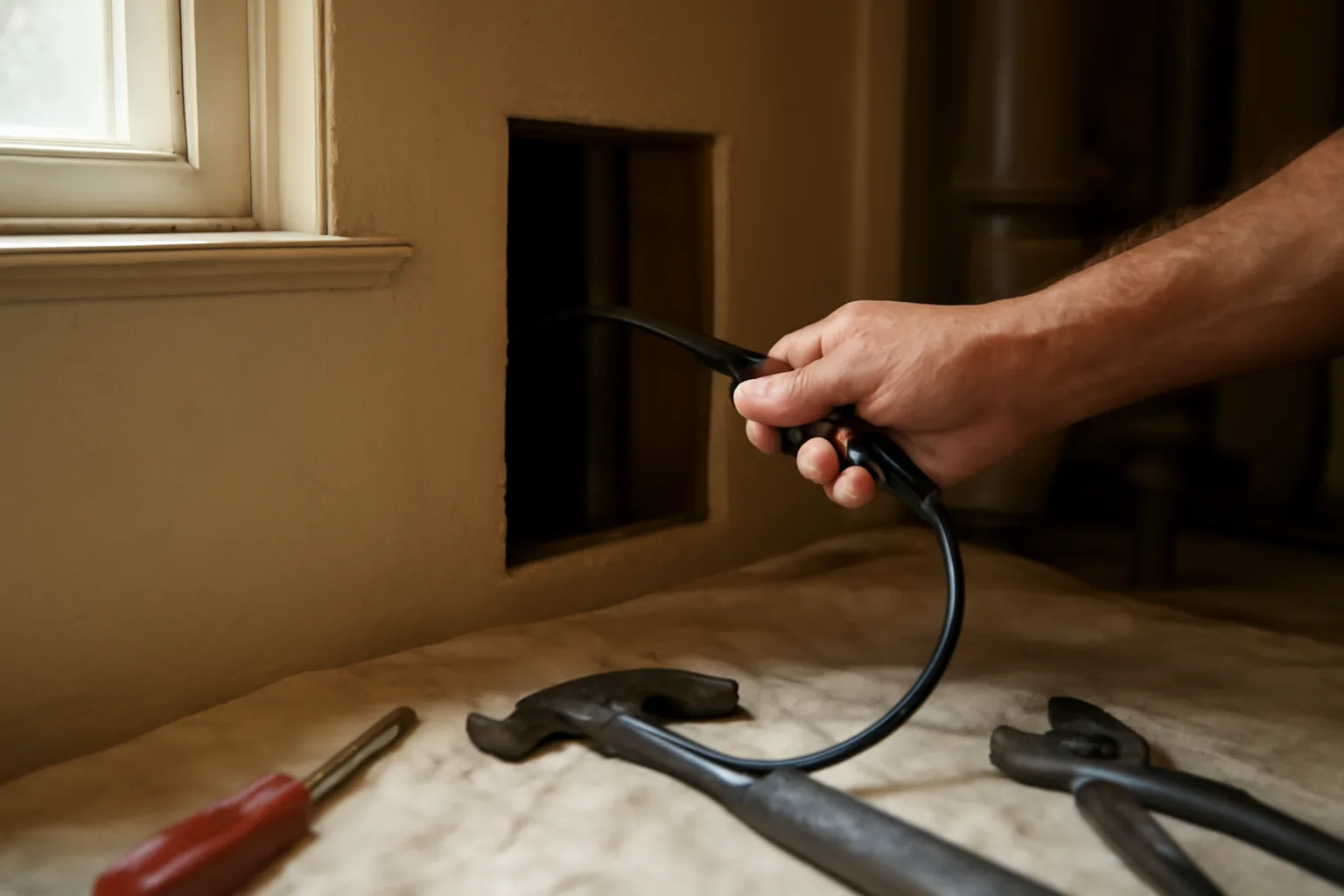
A videoscope (also called a borescope or inspection camera) is a flexible or rigid camera on a cable that you feed into a small opening, a wall gap, a drain pipe, an attic hatch, a crawlspace vent, to see what's inside without cutting anything open. Plumbers and home inspectors have used them for decades. Landlords use them for the same reason: to check a pipe run for corrosion, look inside a wall cavity for mold or rodent damage, or verify insulation depth in an attic before a rental inspector shows up and flags something you didn't know was there. Most consumer and prosumer videoscopes cost between $30 and $400 to buy outright (a basic USB borescope on the low end, a dual-camera plumbing inspection scope with a monitor on the high end). If you only need one for a single pre-inspection walkthrough, renting from a tool rental counter or home improvement store is usually cheaper than buying, often $40 to $150 per day depending on the model and whether it includes a recording monitor. 3D measurement tools are a separate category. These are laser scanners or photogrammetry-based devices (think a handheld LIDAR scanner or a 360-degree camera rig) that build a dimensional model of a room or unit. Some property managers use them to document unit condition at move-in and move-out, since a 3D scan timestamps exactly what the space looked like on a given date, which can matter if a security deposit dispute ends up in small claims court. This is a documentation tool, not a substitute for the actual rental license inspection your city requires.
Do any cities accept videoscope or 3D scan documentation for rental license inspections?
Some do, in a narrow way. A few municipal inspection programs allow a licensed contractor's video documentation (for example, a sewer lateral scope video) to satisfy a specific line item, most commonly for sewer lateral compliance programs that require proof the lateral pipe from the house to the main is intact and not leaking. This is common in cities that run separate sewer lateral inspection ordinances tied to property transfer or rental licensing, and it's usually the plumber's video, not a video you shoot yourself with a rented borescope. General unit condition inspections (checking smoke detectors, egress windows, electrical panels, water heater strapping) still require a human inspector, in nearly every mandatory rental licensing city we're aware of. Video and photo evidence can support a landlord's pre-inspection prep, showing you fixed a violation before the reinspection date, but it does not replace the inspector's visit itself. Because every city's rental inspection ordinance is different, confirm with your city rental licensing office whether photo or video documentation is accepted for any part of your specific inspection, and get it in writing (an email from the inspection office counts) before you rely on it.
How to become a landlord: what actually has to happen first
Becoming a landlord isn't just buying a property and putting up a listing. At minimum you need: legal ownership or authority to lease the unit, compliance with your state's landlord-tenant law (security deposit limits, notice requirements, habitability standards), and in mandatory-licensing cities, a rental registration or license before you can legally rent the unit out. The order matters. Many cities require the rental license or registration to be filed before or within a short window after you start renting (commonly 15 to 30 days, though this varies widely by city, so confirm the exact deadline with your city rental licensing office). Skipping this step is one of the most common ways new landlords get hit with a fine notice in year one. Practical steps, roughly in order: 1) confirm zoning allows the rental use you intend (single-family, duplex, multifamily rules differ), 2) get landlord liability insurance and understand your state's security deposit and disclosure rules, 3) register or license the unit with your city if required, 4) schedule the initial inspection if your city mandates one before occupancy, 5) screen tenants under fair housing law, and 6) sign a lease compliant with your state's required disclosures. If you want a structured way to track city-specific paperwork and inspection prep across a portfolio, RentalPermitPath's $79 City Rental License & Inspection Prep Packet is built for exactly that gap between "I want to rent this out" and "I have a valid license and passed my inspection."
What is landlording, and what is a landlord, in plain terms?
Landlording is the ongoing work of managing a rental property: collecting rent, maintaining the unit, handling repair requests, complying with local and state law, and managing the tenant relationship. It is a business function, more than a title on a lease. A landlord, in the legal sense, is the party that owns or holds a leasehold interest in real property and grants another party (the tenant) the right to occupy it in exchange for rent, under a lease or rental agreement. State landlord-tenant statutes define specific duties: for instance, California's Civil Code requires landlords to maintain rental units in a condition "fit for the occupation of human beings" and to repair conditions that render the unit unfit, per Civil Code Section 1941.1, which lists specific habitability requirements including working plumbing, heating, and weatherproofing [1]. Being a landlord in a rental-licensing city adds a second layer: you're more than responsible to your tenant, you're responsible to the municipality. That means keeping your rental registration current, paying license renewal fees on schedule, and passing periodic inspections tied to your license, on top of everything state law requires.
Who is responsible for the rental property walk-through inspection in California?
In California, the landlord is generally responsible for arranging and allowing the move-in and move-out inspection process, but the process itself is a shared right. California Civil Code Section 1950.5 gives tenants the right to request an initial inspection before move-out, specifically so they have a chance to fix any deficiencies themselves before the landlord makes deductions from the security deposit [2]. Under that statute, the landlord must, upon the tenant's request, conduct the initial move-out inspection no earlier than two weeks before the tenancy ends, give the tenant a reasonable opportunity to be present, and then provide an itemized statement of deficiencies found. The tenant has the right to remedy those items before the final move-out to avoid deposit deductions. This is separate from a city's rental licensing inspection. A licensing inspection is done by a municipal inspector checking code compliance (smoke detectors, egress, electrical, structural items) tied to your rental license or registration. The move-in/move-out walkthrough under Civil Code 1950.5 is a landlord-tenant process about the security deposit, done between the landlord (or their agent) and the tenant, with no city inspector involved unless the specific city requires one as part of licensing.
What can a landlord look at during an inspection?
During a routine or licensing-related inspection, a landlord (or the assigned inspector) can generally examine: smoke and carbon monoxide detector presence and function, egress windows and doors, electrical panel condition and outlet safety (GFCI in wet areas), plumbing fixtures and water heater strapping/venting, HVAC function, structural issues like water damage or pest evidence, and general sanitation and maintenance conditions. What a landlord generally cannot do, even during a legitimate inspection, is search through a tenant's personal belongings, closets, or private storage beyond what's needed to assess the condition of the unit itself. Most state laws also require advance notice before entry for inspection purposes, more than for licensing inspections but for any non-emergency entry. A videoscope or 3D scan doesn't change what you're legally allowed to look at, it just changes how you document what you're already permitted to see. Using a borescope to peek behind a wall you're not otherwise authorized to open into, or scanning a tenant's private space beyond the stated inspection purpose, would raise the same legal issues as any other overreach during entry.
How much notice does a landlord have to give before entering or inspecting a rental unit?
Notice requirements vary by state, and this is one of the most misunderstood areas in landlord-tenant law. California requires "reasonable notice," which the statute defines as 24 hours in writing being presumed reasonable, under Civil Code Section 1954 [3]. Other states set different defaults: many require 24 to 48 hours notice for non-emergency entry, though a growing number of states now spell out an exact hour count in statute rather than leaving it to "reasonable." Emergency entry (fire, flooding, gas leak) generally does not require advance notice under any state's law, because the emergency exception exists precisely to allow immediate access when delay would cause harm. City rental licensing inspections often run on their own notice schedule, separate from your state's entry notice law. Some cities require the inspection appointment be scheduled with the tenant directly by the inspection office, others route it through the landlord. Confirm with your city rental licensing office exactly how inspection notice is handled in your city, since the mechanism (city-scheduled versus landlord-scheduled) changes who is responsible for getting the tenant's cooperation.
Why do landlords require renters insurance?
Landlords require renters insurance mainly to shift liability risk away from their own policy. A landlord's property insurance covers the building and the landlord's own liability, it generally does not cover a tenant's personal belongings or a tenant's liability if they cause damage or an injury inside the unit. Renters insurance (typically an HO-4 policy) covers the tenant's personal property and gives the tenant their own liability coverage, which reduces the odds that a dispute over water damage, a kitchen fire, or a dog bite lands entirely on the landlord's policy. Costs for renters insurance are low relative to the protection it offers. National average premiums for renters insurance run roughly $15 to $30 a month depending on coverage limits and location, according to insurance industry rate surveys, though landlords should not require a specific carrier, only proof of coverage meeting a minimum liability threshold. Many states explicitly permit landlords to require renters insurance as a lease condition, as long as the requirement is disclosed and applied consistently to all tenants (to avoid fair housing issues). This isn't something covered by rental licensing ordinances directly, it's a lease term decision, but it's one of the most common risk-management moves landlords make alongside getting licensed and inspection-ready.
What rights do tenants have without a lease?
A tenant without a written lease still has rights. If rent is being paid and accepted on a regular schedule (weekly, monthly), most states treat this as a month-to-month or period tenancy governed by the same state landlord-tenant statutes that apply to written leases, just without the specific terms a written lease would otherwise spell out. That means a tenant without a lease generally still has the right to habitability (the unit has to meet basic health and safety standards), the right to advance notice before entry, the right to advance notice before termination of the tenancy (commonly 30 days for month-to-month, though this varies by state and by how long the tenant has lived there), and protection against retaliatory or discriminatory eviction under state law and the federal Fair Housing Act, 42 U.S.C. Section 3601 et seq [4]. What a tenant without a lease does not have is the specific negotiated terms a written lease would lock in, like a fixed rent amount for a set term, specific pet policies, or specific maintenance responsibilities beyond the state-mandated minimums. Oral or implied tenancies default to whatever your state's statute says, which is often less favorable to both parties than a clear written agreement would be. If you're managing a no-lease situation, it's worth reading up on general tenant rights and tenants rights basics before you assume either side is unprotected.
What can a landlord not do in Ohio?
Ohio landlord-tenant law is codified primarily in Ohio Revised Code Chapter 5321. Under this chapter, a landlord cannot enter the rental unit without giving the tenant reasonable notice and entering at a reasonable time, except in an emergency, per Ohio Revised Code Section 5321.04, which lists specific landlord obligations including maintaining the unit in a fit and habitable condition and complying with building, housing, and health codes [5]. A landlord in Ohio also cannot retaliate against a tenant for exercising a legal right, such as reporting a code violation to a local inspection agency or joining a tenants' union, under Ohio Revised Code Section 5321.02, which specifically prohibits retaliatory conduct including raising rent, decreasing services, or threatening eviction because the tenant complained to a government agency [6]. Ohio law also restricts a landlord's ability to shut off utilities, change locks, or remove a tenant's belongings without going through the formal eviction process in court, sometimes called "self-help eviction," which is illegal in Ohio as in most states. If you're in a city within Ohio that runs its own rental registration or inspection program on top of state law, like several municipalities do, those city rules add obligations on top of Chapter 5321, they don't replace it.
Videoscope and 3D scan rental costs: what to actually expect to pay
| Basic USB/wifi borescope camera | $20-$50 | $30-$100 | |
|---|---|---|---|
| Plumbing/drain inspection camera with monitor | $75-$150 | $200-$600 | |
| Handheld 3D room scanner (LIDAR-based) | $100-$300 | $500-$2,500 | |
| Professional sewer lateral scope (contractor-operated) | Usually quoted as a service call, $150-$400 total | N/A (contractor-owned) | For most 1-10 unit landlords, renting a basic borescope for a day to check one suspicious pipe joint or wall cavity before an inspection is a reasonable, low-cost move. Buying a $2,000 3D scanner to document a duplex is almost never worth it unless you're managing enough units, or enough deposit disputes, that the documentation value pays for itself. A 360-degree camera on a $150 tripod and a phone app will get you 90% of the practical benefit for move-in/move-out condition documentation. |
If you're considering renting equipment for a one-time pre-inspection check, here's a realistic cost range based on typical tool rental and equipment retail pricing (confirm current rates with your local rental counter or hardware retailer, since pricing varies by region and by whether a deposit is required): | Tool type | Typical daily rental cost | Typical purchase cost |
How to be a landlord who stays out of inspection trouble
Passing a rental inspection isn't about having fancy equipment, it's about fixing the boring stuff before the inspector shows up. Working smoke and CO detectors in every required location, GFCI outlets in bathrooms and kitchens, no exposed wiring, water heaters properly strapped and vented, egress windows that actually open, and no active water damage or pest evidence. These are the items that show up on the overwhelming majority of rental inspection violation notices across cities that publish their common-violation data. A videoscope helps you find hidden problems (a slow pipe leak inside a wall, rodent damage in an attic) before they become inspection failures or tenant complaints. A 3D scan or thorough photo documentation at move-in protects you in a deposit dispute. Neither one replaces the actual walk-through work of checking your unit against your city's published inspection checklist before the inspector's appointment. This is the exact gap RentalPermitPath's $79 City Rental License & Inspection Prep Packet is built to close, a structured pre-inspection checklist and documentation tracker so you're not guessing what the inspector will flag. It's not a substitute for legal advice and it doesn't guarantee you'll pass, no product honestly can, city inspectors have discretion and every jurisdiction's checklist differs slightly.
Frequently asked questions
How to become a landlord if I've never rented out property before?
Confirm zoning allows rental use, get landlord liability insurance, learn your state's security deposit and habitability rules, register or license the unit with your city if required, and screen tenants under fair housing law before signing a lease. Order matters: many cities require licensing before or shortly after you start renting, so check your city rental licensing office's deadline first.
Who is responsible for the rental property walk-through inspection in California?
The landlord is responsible for conducting the move-out inspection if the tenant requests it, under California Civil Code Section 1950.5, which requires the inspection happen no earlier than two weeks before move-out and gives the tenant a chance to fix deficiencies first. This is separate from a city's licensing inspection, which is done by a municipal inspector.
What is landlording exactly?
Landlording is the ongoing management work of owning rental property: collecting rent, maintaining the unit, handling repairs, complying with state landlord-tenant law, and in licensing cities, keeping your registration current and passing periodic inspections. It's an operational role, more than a legal title.
What is a landlord under the law?
A landlord is the party who owns or holds a leasehold interest in real property and grants another party the right to occupy it for rent, under a lease or rental agreement. State statutes, like California Civil Code Section 1941.1, define specific duties landlords owe tenants, including habitability.
What rights do tenants have without a lease?
A tenant paying rent regularly without a written lease is generally treated as a month-to-month tenant under state law, with rights to habitability, advance entry notice, and advance termination notice (commonly around 30 days, but confirm your state's specific rule). They lack the specific negotiated terms a written lease would otherwise lock in.
How to be a landlord without breaking city rental rules?
Track your city's registration or license renewal deadline, keep required safety equipment (smoke/CO detectors, GFCI outlets) current, respond to inspection notices promptly, and give tenants proper advance notice before any entry. Most violation notices come from missed renewal deadlines or basic safety items, not complicated legal issues.
Why do landlords require renters insurance?
Landlords require renters insurance because their own property policy doesn't cover a tenant's belongings or a tenant's personal liability. Renters insurance, typically $15-$30 a month, shifts that risk to the tenant's own policy and reduces disputes over damage or injury inside the unit.
How much notice does a landlord have to give before entry?
It depends on the state. California presumes 24 hours written notice is reasonable under Civil Code Section 1954. Many other states use a similar 24-48 hour standard, though exact rules vary, so check your specific state's landlord-tenant statute. Emergencies don't require advance notice anywhere.
What can a landlord look at during an inspection?
A landlord or inspector can check smoke/CO detectors, egress windows, electrical panels and outlets, plumbing and water heater strapping, HVAC, and signs of water damage or pests. They generally cannot search a tenant's personal belongings or private storage beyond what's needed to assess the unit's condition.
What can a landlord not do in Ohio?
Under Ohio Revised Code Chapter 5321, a landlord cannot enter without reasonable notice except in an emergency, cannot retaliate against a tenant for reporting code violations, and cannot use self-help eviction (shutting off utilities, changing locks, removing belongings) without going through the court eviction process.
Can a videoscope or 3D scan replace my city's rental inspection?
No, in nearly all mandatory rental licensing cities a human inspector still has to physically inspect the unit. Some cities accept a contractor's video documentation for narrow items like sewer lateral compliance, but general safety and condition inspections require an in-person visit. Confirm with your city rental licensing office.
How much does it cost to rent a videoscope for a rental inspection prep?
Basic borescope cameras rent for roughly $20-$50 a day, plumbing inspection cameras with monitors run $75-$150 a day, and handheld 3D room scanners run $100-$300 a day. Buying outright costs more upfront but pays off if you're managing several units and doing this regularly.
Do I need a 3D scan for security deposit documentation?
Not usually. A phone-based 360-degree photo walkthrough at move-in and move-out covers most landlords' documentation needs for deposit disputes. A dedicated 3D scanner only makes financial sense if you manage enough units, or face enough disputes, that the added detail justifies the $500-$2,500 purchase cost.
Sources
- California Legislative Information, Civil Code Section 1941.1: California landlords must maintain rental units fit for human occupation, including working plumbing, heating, and weatherproofing
- California Legislative Information, Civil Code Section 1950.5: Tenants can request an initial move-out inspection no earlier than two weeks before tenancy ends, with a chance to remedy deficiencies before deposit deductions
- California Legislative Information, Civil Code Section 1954: 24 hours written notice is presumed reasonable for landlord entry in California
- U.S. Department of Justice, Fair Housing Act overview (42 U.S.C. 3601 et seq.): Federal Fair Housing Act protections apply to tenants regardless of whether they have a written lease
- Ohio Laws, Ohio Revised Code Section 5321.04: Ohio landlords must give reasonable notice before entry except in emergencies, and must maintain units in compliance with housing codes
- Ohio Laws, Ohio Revised Code Section 5321.02: Ohio law prohibits landlord retaliation against tenants who report code violations or exercise legal rights