Last updated 2026-07-26
TL;DR
No, most landlords aren't required to pre-install grab bars. Federal fair housing law (FHA) requires landlords to permit disabled tenants to install grab bars at their own expense, and to make reasonable accommodations on request. Some newer multifamily buildings, senior housing, and a handful of local codes have separate installation mandates. Check your city's building and rental licensing code before assuming either way.
do landlords have to install grab bars in every unit?
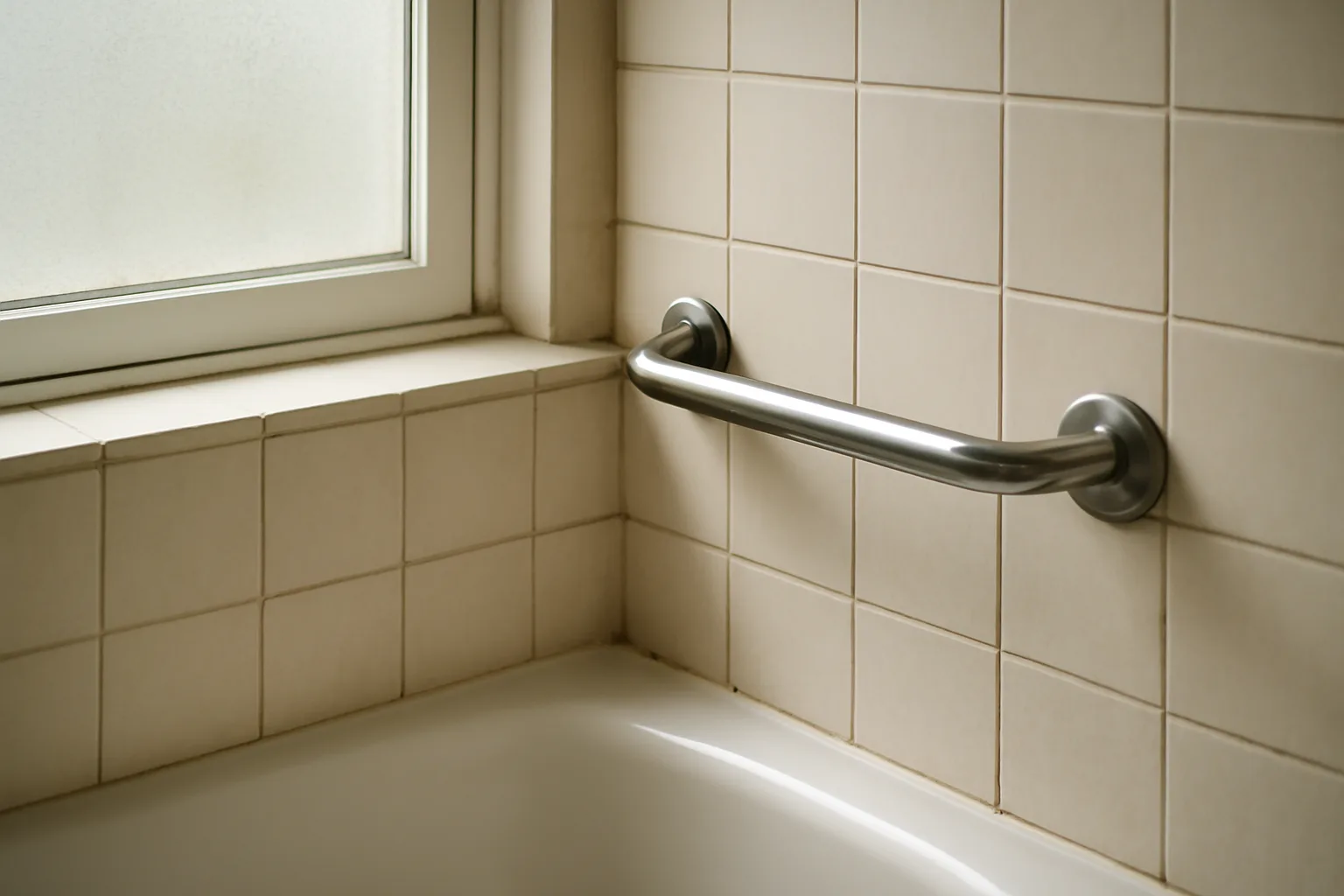
No. There's no nationwide law that requires a landlord to install grab bars in a standard apartment or rental house before a tenant asks. The rule most landlords actually run into is different: under the federal Fair Housing Act, landlords cannot refuse to let a tenant with a disability install grab bars at the tenant's own expense, and in many cases have to make "reasonable accommodations" in policies to allow it [1]. The distinction matters. "You must let this happen" is not the same as "you must pay for this and do it yourself." HUD's own guidance says a housing provider must allow a tenant to make reasonable modifications to a unit at the tenant's expense when needed because of a disability, and in some cases (project-based Section 8 and other federally subsidized housing covered by Section 504) the landlord actually has to pay for and install the modification [2]. So the honest answer is: it depends on what kind of housing you run. Private market-rate rental with no federal subsidy? You generally don't have to install grab bars unprompted, but you can't block a tenant from installing them. Federally assisted housing? The math changes, and you may be on the hook for the cost under Section 504 of the Rehabilitation Act [3].
what federal law actually says about grab bars and disability accommodations
Two federal laws come up constantly in this conversation, and landlords mix them up all the time. The Fair Housing Act (42 U.S.C. § 3604(f)(3)(A)) makes it unlawful to refuse "to permit, at the expense of the handicapped person, reasonable modifications of existing premises" when the modifications may be necessary to give a disabled person full use of the dwelling [1]. Grab bars in a bathroom are the textbook example HUD uses. The landlord can require the work be done to a reasonable standard and, in some cases, can require the tenant put money in an escrow account to restore the unit at move-out, but the landlord cannot say no outright. Section 504 of the Rehabilitation Act of 1973 is stricter and only applies to housing that receives federal financial assistance, like public housing authorities or Section 8 project-based buildings. Under Section 504, the housing provider generally has to pay for and make the reasonable accommodation itself, more than permit it [2][3]. If you own a HUD-assisted property, confirm with your local housing authority or HUD field office what your specific installation obligations are, because they go beyond what a purely private landlord owes. The Americans with Disabilities Act (ADA) mostly covers public accommodations and common areas in larger residential developments (leasing offices, pools, parking), not the inside of individual dwelling units, so it rarely forces grab bar installation in a private rental unit itself [4].
what building codes say about grab bars (new construction vs. existing rentals)
New construction is a different story than an existing rental you're renovating or relicensing. The Fair Housing Act's design and construction requirements apply to multifamily buildings with four or more units built for first occupancy after March 13, 1991. Those buildings must have reinforced walls in bathrooms so grab bars can be installed later, even if they aren't installed at move-in [5]. That's a "reinforcement," not an install-now mandate, and it trips up a lot of small landlords who buy a post-1991 fourplex without knowing the bathroom walls are supposed to have blocking behind the drywall. Some states and cities layer on stricter accessibility rules for a subset of units, usually a percentage of units in new buildings above a certain size, or specifically in senior or subsidized housing developments. These vary a lot by jurisdiction and change over time, so if you're building or substantially renovating, confirm with your city's building department which accessible-unit percentage and grab bar reinforcement rules apply locally rather than assuming a national number. For a single-family rental house or a small 2-4 unit building that predates 1991, none of the FHA design-and-construction rules apply. Your obligation there is almost always the "must permit reasonable modification" duty, not an install-it-yourself duty.
when does a landlord have to pay for grab bar installation?
Three situations shift the cost onto the landlord, and they're worth knowing cold because they come up in real disputes. First, federally subsidized housing under Section 504 (public housing, some project-based Section 8) generally requires the landlord to pay for and perform reasonable accommodations, grab bars included, when a tenant with a documented disability needs them [2][3]. Second, some state or local landlord-tenant statutes go further than federal law for certain housing types, particularly licensed senior housing or assisted living-adjacent rentals. These are jurisdiction-specific; there's no single national rule, so check your state's fair housing agency or your city's rental licensing office before telling a tenant no. Third, if your lease or a settlement agreement already commits you to paying (some landlords do this to avoid a fair housing complaint or because a local ordinance nudges them that way), you're bound by that agreement regardless of the baseline federal floor. Outside those three situations, the standard rule for private market-rate housing is that the tenant pays for the modification, does it to a reasonable professional standard, and you as landlord can require it be reversed at move-out if it would interfere with the next tenant's use, though you usually cannot require the tenant to restore cosmetic changes that don't harm usability [1].
can a landlord refuse a tenant's request for grab bars?
No, not if the request is a reasonable modification tied to a disability. HUD's Joint Statement on Reasonable Accommodations and Reasonable Modifications makes clear that a housing provider cannot refuse a reasonable modification request unless it would impose an undue financial and administrative burden or fundamentally alter the nature of the provider's operations, a very high bar that grab bar installation almost never clears [6]. What you can do is ask reasonable questions if the disability or the need isn't obvious, require the work meet a reasonable construction standard (a licensed contractor rather than a tenant with a power drill and no stud finder), and, in some cases, require a restoration escrow for modifications that would need to be reversed for the next tenant. You cannot require the tenant prove there's no other solution, and you cannot charge an extra security deposit specifically because of a disability-related modification request beyond what state law already allows for deposits generally. If you deny a legitimate request outright, you're exposed to a fair housing complaint through HUD or your state fair housing agency, and those complaints can result in damages, civil penalties, and attorney's fees under the Fair Housing Act [1]. This is one of the few compliance areas where "I didn't know" doesn't help much once a complaint is filed.
what can a landlord look at during an inspection?
During a routine or move-in/move-out inspection, a landlord can generally look at anything relevant to habitability, safety, and lease compliance: smoke and CO detector function, plumbing leaks, electrical hazards, pest evidence, mold, HVAC condition, and whether the unit matches what was originally leased. Most state landlord-tenant statutes require advance notice before entry, commonly 24 to 48 hours for non-emergency inspections, though the exact number varies by state (California requires "reasonable notice," generally presumed to be 24 hours, under Civil Code § 1954) [7]. Who actually conducts the walk-through depends on the jurisdiction and the type of inspection. For a routine landlord-initiated inspection in California, the landlord or their agent does the walk-through and must give that reasonable notice under Civil Code § 1954 [7]. For a rental licensing inspection required by a city ordinance, it's usually a code enforcement or building department inspector, not the landlord, who conducts the actual walk-through, and the landlord is responsible for scheduling access and fixing anything cited. A landlord generally cannot use an inspection as a pretext to harass a tenant or search for reasons unrelated to habitability (going through drawers, photographing personal belongings not related to damage, etc.). Some cities cap how often routine inspections can happen absent a complaint. If your city requires periodic rental inspections as part of a licensing program, the scope of what the inspector checks is usually spelled out in the municipal code, covering things like working smoke detectors, secure locks, safe electrical panels, adequate egress, and no illegal occupancy, not general housekeeping.
why do landlords require renters insurance?
Landlords require renters insurance mainly to shift liability and property-damage risk away from themselves and their own insurance policy. A landlord's own policy typically covers the building structure, not a tenant's personal belongings, and it often doesn't fully cover damage a tenant's negligence causes to other units (a bathtub overflow that floods the unit below, for example). Renters insurance usually includes liability coverage, commonly in the $100,000 to $300,000 range depending on the policy, which protects the landlord if a tenant's negligence causes a fire, water damage, or an injury that leads to a lawsuit naming both the tenant and the landlord [8]. It also covers the tenant's own belongings, which reduces the odds a tenant tries to hold the landlord responsible for losing furniture or electronics in a covered event. Many states allow landlords to require renters insurance as a lease condition, and some cities require landlords to at least offer or track proof of coverage as part of the rental license file. There's no federal law mandating it, but it's become close to standard practice in professionally managed rentals, and a lot of landlords treat proof of an active policy as a renewal condition.
what a landlord cannot do in ohio
Ohio's Landlord-Tenant Act (Ohio Revised Code Chapter 5321) lays out specific things a landlord cannot do. A landlord cannot shut off utilities, change locks, or remove a tenant's belongings to force them out without going through the formal eviction process in court, commonly called "self-help eviction," and Ohio law treats this as prohibited . A landlord also cannot retaliate against a tenant for exercising a legal right, such as reporting a code violation, joining a tenant union, or complaining to a health department, under R.C. § 5321.02 . Ohio landlords also can't enter a unit without reasonable notice except in a genuine emergency; R.C. § 5321.04 requires landlords to give reasonable notice, generally 24 hours, before entering for repairs or inspection . A landlord can't fail to maintain the unit in a fit and habitable condition either, since R.C. § 5321.04 also imposes duties to keep the premises in compliance with health and safety codes, make repairs, and keep common areas safe. None of this is Ohio-specific to grab bars; Ohio doesn't have a standalone statute forcing landlords to pre-install grab bars in ordinary rentals. The obligations that do exist come from the federal Fair Housing Act's reasonable modification rule described above, layered on top of Ohio's general habitability and anti-retaliation protections.
what rights do tenants have without a lease?
A tenant without a signed written lease still has real legal protections; a written lease isn't what creates tenancy rights, occupancy and rent payment do. In most states, a tenant paying rent regularly without a written lease is a month-to-month tenant, and the landlord still has to follow the state's standard notice-to-terminate rules (commonly 30 days, sometimes tied to how often rent is paid) before ending the tenancy . Without a written lease, tenants still keep their state's implied warranty of habitability rights, meaning the unit has to be fit to live in regardless of what's on paper. They still have Fair Housing Act protections against discrimination, they still have protection against illegal lockouts and utility shutoffs in states that ban self-help eviction, and they still generally have a right to reasonable notice before the landlord enters. What a verbal or undocumented tenancy usually lacks is clarity: rent amount, due date, deposit terms, and who's responsible for what repair can all become he-said-she-said disputes. That's exactly why most landlord associations and legal aid groups push written leases even for month-to-month arrangements, not because the law requires one to create tenant rights, but because it prevents disputes about what those rights actually cover.
who is responsible for rental property walk-through inspections in california?
In California, the landlord or their designated agent is responsible for conducting a routine walk-through inspection, and California Civil Code § 1954 requires the landlord to give the tenant reasonable notice, presumed to be 24 hours unless circumstances suggest otherwise, before entering for a non-emergency purpose like an inspection [7]. Landlords can enter without notice only for genuine emergencies. Many California landlords also do a specific pre-move-out inspection: Civil Code § 1950.5(f) gives the tenant the right to request an initial inspection before move-out, so they can fix any issues before the landlord assesses deductions from the security deposit, and the landlord (or their agent) conducts that walk-through too, providing the tenant an itemized statement of needed repairs afterward . Separately, if the rental is in a city with a mandatory rental inspection or licensing program (several California cities have these, including proactive rental inspection ordinances in cities like Los Angeles under the Systematic Code Enforcement Program), a city code enforcement inspector, not the landlord, conducts that inspection, checking for habitability and code violations rather than tenant damage. Confirm with your city's rental housing or code enforcement office which program applies and who actually shows up at the door.
what is a landlord, and what is landlording?
A landlord is the owner (or an owner's authorized agent) who leases real property, a house, apartment, room, or other dwelling unit, to a tenant in exchange for rent. "Landlording" is the informal, widely used term for the day-to-day work of running that arrangement: screening tenants, drafting or signing leases, collecting rent, handling maintenance requests, managing move-ins and move-outs, and staying compliant with local, state, and federal landlord-tenant law. Landlording covers more than paperwork. It includes budgeting for repairs and vacancy, understanding your state's habitability and eviction procedures, keeping up with fair housing obligations like the grab bar and modification rules above, and, in a growing number of cities, registering or licensing your rental unit and passing periodic inspections. The mechanics differ a lot by whether you self-manage a duplex or hire a property manager for a ten-unit portfolio, but the underlying legal responsibilities (habitability, non-discrimination, proper notice, security deposit handling) apply either way.
how to become a landlord (and how to be a landlord day to day)
Becoming a landlord starts with acquiring rental property, then meeting whatever legal requirements your state and city attach to renting it out. At minimum, that usually means: confirming the property meets local building and housing code, checking whether your city requires a rental license or registration (a growing number do, especially in cities with proactive inspection programs), getting appropriate landlord insurance, and understanding your state's specific landlord-tenant statute for notice periods, security deposit limits, and habitability duties. Day-to-day, being a landlord means screening applicants consistently and legally (fair housing law bars discrimination based on race, color, national origin, religion, sex, familial status, and disability under the Fair Housing Act [1], and many states and cities add categories like source of income or sexual orientation), using a clear written lease, handling maintenance requests promptly enough to satisfy your state's habitability standard, giving proper notice before entry, and following your jurisdiction's exact eviction procedure if a tenant breaches the lease, since skipping steps (like changing locks without a court order) can expose you to real liability, as it does under Ohio's anti-self-help rules described above . A lot of new landlords underestimate the compliance side specifically: rental registration deadlines, inspection scheduling, and violation notices from a city rental licensing office are easy to miss if you're used to owning your own home and never dealing with a municipal program. If your city has a licensing or inspection requirement, getting organized before the notice arrives, not after, saves real money and stress. That's the whole reason a rental packet builder exists as a $79 one-time prep packet: it walks you through what a typical city rental inspection checks (smoke detectors, egress, electrical, plumbing, pest issues) so you're not guessing what the inspector will flag.
how much notice does a landlord have to give before entering?
There's no single national notice period; it's set state by state, and most states land somewhere between 24 and 48 hours for non-emergency entry. California presumes 24 hours is reasonable under Civil Code § 1954 [7]. Ohio requires "reasonable notice," which courts and practice generally treat as 24 hours, under R.C. § 5321.04 . Many other states use similar 24-to-48-hour standards, though a few states don't set a specific statutory number and instead rely on a "reasonable notice" standard courts interpret case by case. Emergencies are the universal exception: a burst pipe, a gas leak, a fire, anything threatening health, safety, or serious property damage lets a landlord enter without advance notice in essentially every state. Outside emergencies, entering without proper notice, or using a pretextual reason to enter repeatedly, can expose a landlord to a claim for violation of the tenant's right to quiet enjoyment, and in some states it's an independent statutory violation with its own penalty. If you're running a rental licensing inspection through the city rather than a landlord-initiated walk-through, notice requirements often come from the municipal ordinance itself rather than the general landlord-tenant statute, and cities frequently require more advance notice, sometimes a written notice mailed weeks ahead, for the initial licensing inspection. Confirm with your city's rental licensing office what its specific notice window is before you schedule that first inspection.
Frequently asked questions
Are landlords legally required to install grab bars before a tenant moves in?
No. In ordinary private rentals, there's no federal or general state law requiring grab bars be pre-installed. The Fair Housing Act instead requires landlords to permit a tenant with a disability to install grab bars at their own expense, and in federally subsidized housing under Section 504, the landlord may have to install and pay for them on request [1][2].
Who pays for grab bar installation, the landlord or the tenant?
In private market-rate housing, the tenant typically pays for the modification themselves, and the landlord's job is to permit it. In federally assisted housing under Section 504, the landlord generally has to pay for and install the accommodation. Check any state or local rule that may shift this, since it varies [2][3].
Can a landlord say no to a tenant who wants grab bars installed?
Not if it's a reasonable modification tied to a disability. HUD's Joint Statement on Reasonable Accommodations and Modifications says a provider can only refuse if the request causes an undue financial and administrative burden or fundamentally alters operations, a bar grab bars almost never meet [6].
Does the Fair Housing Act require grab bars in new apartment buildings?
It requires reinforced bathroom walls (so grab bars can be added later) in multifamily buildings with four or more units built for first occupancy after March 13, 1991, not necessarily grab bars installed at move-in [5]. That reinforcement requirement trips up a lot of buyers of post-1991 small multifamily buildings.
Do senior housing communities have different grab bar rules?
Often yes, though the specifics depend on the state, the funding source, and whether it's licensed as assisted living or a straight rental. Federally subsidized senior housing under Section 504 usually carries stronger install-and-pay obligations for the provider than ordinary market-rate senior apartments [2][3].
How to become a landlord?
Buy or already own rental property, then confirm your city and state's requirements: building code compliance, any rental registration or license, proper insurance, and your state's landlord-tenant statute for notice, deposits, and habitability. Many cities also require passing an inspection before issuing or renewing a rental license.
Who is responsible for a rental property walk-through inspection in California?
The landlord or their agent conducts routine and move-out walk-throughs, giving the tenant reasonable notice (presumed 24 hours) under Civil Code § 1954 [7]. If the property is in a city with a mandatory rental inspection program, a city code enforcement inspector conducts that separate inspection instead.
What is landlording?
Landlording is the everyday work of owning and operating a rental: screening tenants, leasing, collecting rent, handling repairs, managing move-ins and move-outs, and staying compliant with local, state, and federal landlord-tenant law, including habitability and fair housing obligations.
What rights do tenants have without a signed lease?
A tenant paying rent regularly without a written lease is usually a month-to-month tenant with the same core rights: habitability, protection from illegal lockouts, fair housing protections, and the state's standard notice period before termination. A written lease isn't what creates these rights; occupancy and rent payment do [12].
Why do landlords require renters insurance?
Mostly to shift liability and belongings-loss risk off the landlord's own policy. Renters insurance usually includes liability coverage (often $100,000 to $300,000) that protects the landlord if the tenant's negligence causes damage or injury, and it covers the tenant's own belongings [8].
What can a landlord look at during an inspection?
Habitability and safety items: smoke and CO detectors, plumbing, electrical, HVAC, pest evidence, mold, and whether the unit matches the lease. In city licensing inspections, a code inspector checks egress, locks, and code compliance rather than general tidiness.
What can a landlord not do in Ohio?
Under Ohio Revised Code Chapter 5321, a landlord can't shut off utilities or change locks to force a tenant out (self-help eviction), can't retaliate against a tenant for exercising legal rights (R.C. 5321.02), and can't enter without reasonable notice except in emergencies (R.C. 5321.04) [9][10][11].
How much notice does a landlord have to give before entering a unit?
It varies by state, but 24 to 48 hours is typical for non-emergency entry. California presumes 24 hours reasonable under Civil Code 1954; Ohio requires 'reasonable notice,' generally treated as 24 hours, under R.C. 5321.04. Emergencies allow entry without advance notice everywhere [7][11].
Sources
- U.S. Code, Fair Housing Act reasonable modification provision: Landlords must permit reasonable modifications, like grab bars, at the tenant's expense when needed due to a disability.
- California Civil Code Section 1954: California landlords must give reasonable notice, presumed 24 hours, before entering a unit for inspection.
- III (Insurance Information Institute), Renters Insurance overview: Renters insurance typically includes liability coverage that protects both tenant and landlord, plus coverage for the tenant's personal belongings.
- Ohio Revised Code Section 5321.15: Ohio law prohibits landlords from using self-help measures like utility shutoff or lockouts instead of formal eviction.
- Ohio Revised Code Section 5321.02: Ohio law prohibits landlord retaliation against tenants who exercise legal rights such as reporting code violations.
- Ohio Revised Code Section 5321.04: Ohio landlords must give reasonable notice before entering a unit and must maintain the premises in a fit and habitable condition.
- HUD, Tenant Rights, Laws and Protections state resource page: Tenants without a written lease generally retain month-to-month status and core statutory protections tied to rent payment and occupancy.
- California Civil Code Section 1950.5: California tenants can request an initial pre-move-out inspection before the landlord assesses security deposit deductions.