Last updated 2026-07-26
TL;DR
Getting a landlord license usually means registering your rental with the city, paying a fee (often $20 to $500+ per unit), passing a habitability inspection, and renewing on a schedule your city sets (often annually or every 2-3 years). Requirements vary by city; there's no national license. Check with your local rental licensing or code enforcement office before you advertise a vacancy.
How do I become a landlord and get a rental license?
There's no federal or state landlord license in the U.S. What most people mean by "landlord license" is a city or county rental registration, license, or certificate of occupancy program, and only some cities require one at all. If your city has one, you generally can't legally rent out a unit until you're registered, whether the tenant is a stranger or your cousin. The basic path looks like this almost everywhere: find your city's rental housing or code enforcement office, fill out a registration or license application (property address, owner name and mailing address, unit count, sometimes a local contact or property manager if you live out of state), pay a fee, and schedule or wait for an inspection. Some cities issue the license before inspection with a compliance deadline; others withhold it until you pass. Becoming a landlord in the practical sense also means separating your personal habits from your business ones early. That includes opening a separate bank account for rent and deposits, understanding your state's security deposit and notice laws, and lining up how you'll screen tenants, collect rent, and handle repair requests. None of that is optional busywork. Cities that require rental licenses often use the same database to track code complaints back to an owner, so skipping registration doesn't just risk a fine, it makes you harder to reach when something breaks. If you own in a city with mandatory licensing, start by searching "[your city] rental registration" or calling your city clerk's office. Cities like Los Angeles, Minneapolis, and Rochester, NY all require some form of rental registration or licensing before you can legally lease a unit [1][2][3].
What is landlording, and what does a landlord actually do?
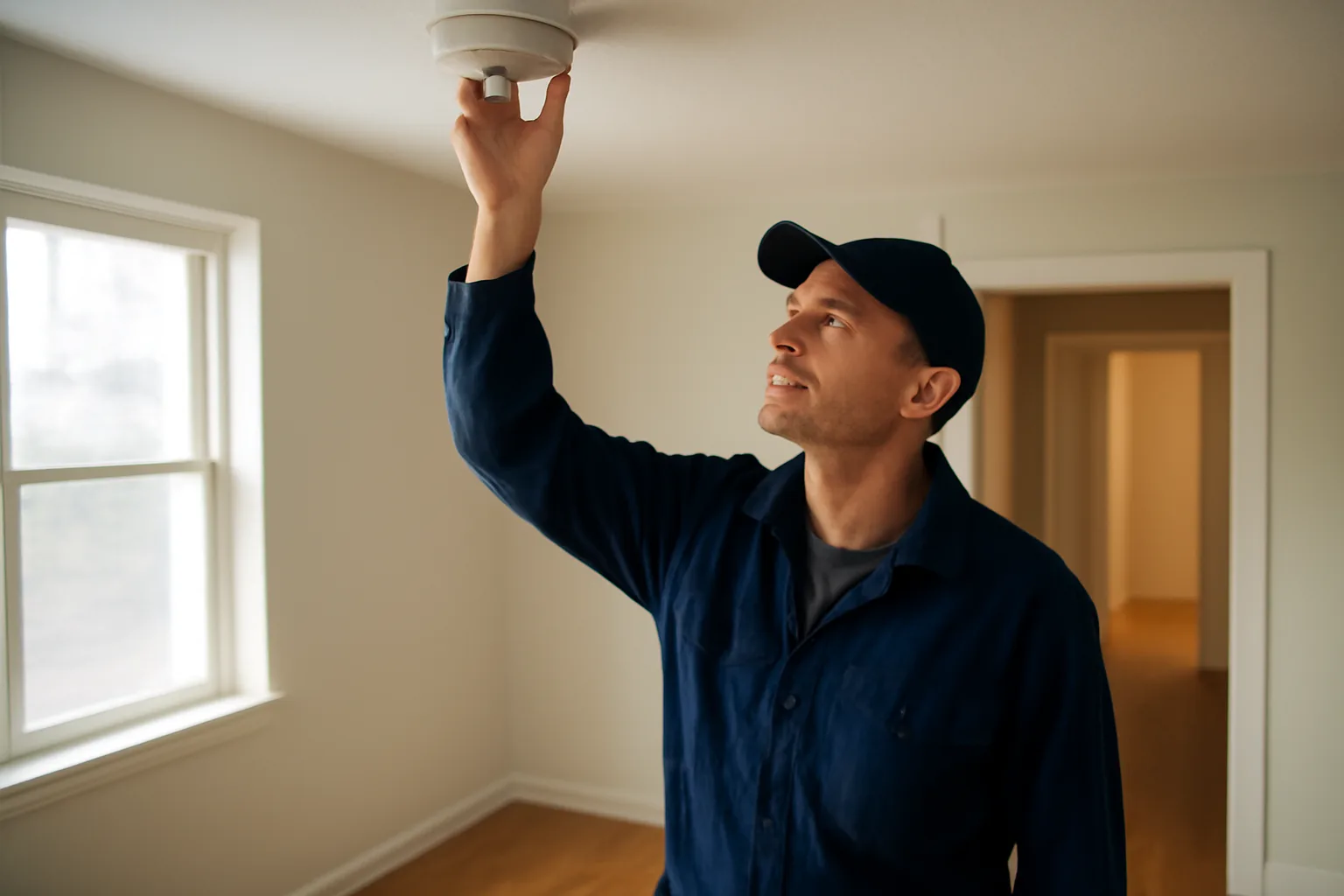
Landlording is the ongoing work of owning and operating rental property: setting rent, screening and selecting tenants, signing leases, collecting rent, maintaining the unit, handling repairs, and following your state and city's landlord-tenant laws. It's a business function, more than a title on a lease. A landlord, legally, is the party who owns (or has the right to lease) real property and grants a tenant the right to occupy it in exchange for rent. That definition matters because it's the landlord, not a property manager or a relative living in the unit, who's on the hook for licensing, habitability, and code compliance in almost every city ordinance. If you hire a property manager, the license usually still has to be in the owner's name, though some cities let a managing agent hold it with the owner listed as responsible party. Day to day, landlording means responding to maintenance requests within whatever timeframe your state's implied warranty of habitability requires, keeping the property in compliance with local housing codes (working smoke detectors, functioning heat, no pest infestations), and keeping records: leases, inspection reports, repair invoices, and rent ledgers. Cities that run inspection-based licensing programs will ask to see some of this paperwork during a walkthrough.
Who is responsible for a rental property walk-through inspection in California?
In California, the landlord (property owner) is responsible for making the unit available for inspection and for fixing violations found, but who actually performs the inspection depends on the program. There's no single statewide rental inspection law; it's handled city by city, and only some California cities run one. Cities like Los Angeles run a Systematic Code Enforcement Program (SCEP) inspection, conducted by the city's Housing Department, and the owner pays an annual SCEP fee per unit that funds it [1]. Oakland, Sacramento, and several other California cities have their own rental inspection or proactive rental inspection programs run through code enforcement or housing departments, with the same basic split: the city schedules and performs the inspection, the owner is legally required to grant access and correct violations, and the tenant has the right to be present but isn't required to arrange anything. Separately, under California Civil Code 1954, a landlord must give at least 24 hours' written notice before entering a unit for a routine inspection, repair, or to show the property, except in emergencies [4]. That notice rule applies whether the inspection is a city-mandated compliance check or your own routine walkthrough. If you own in California, don't assume your city has no inspection program just because you haven't heard from anyone. Confirm with your city's housing or code enforcement office directly, since programs get added or expanded fairly often.
What rights do tenants have without a lease?
Tenants without a written lease, month-to-month or otherwise, still have full legal tenancy rights under state law. No paper lease doesn't mean no rights; it usually just means the tenancy defaults to month-to-month terms under your state's landlord-tenant statute. At minimum, a tenant without a written lease is still entitled to habitable housing (working plumbing, heat, structural safety), protection from illegal lockouts and utility shutoffs, proper notice before eviction, and return of any security deposit under your state's timeline and deduction rules. Most states require written notice of 30 days to terminate a month-to-month tenancy, though some require more depending on how long the tenant has lived there, and a handful of cities require "just cause" for termination even on a verbal or informal lease. What a verbal or no-lease arrangement does change is proof. Without a written lease, terms like rent amount, due date, and who's responsible for utilities can come down to a swearing match or whatever payment history and texts exist. That's a real risk for landlords too, more than tenants. If you're renting informally, get something in writing, even a one-page agreement, because a rental license application in most cities will ask whether the unit is leased and to whom, and code enforcement doesn't care whether the lease was verbal when they're assessing occupancy.
Why do landlords require renters insurance?
Landlords require renters insurance mainly to shift liability for the tenant's personal belongings and personal liability claims (like a guest getting injured, or a tenant's dog biting someone) off the landlord's own policy. A landlord's property insurance covers the building; it typically doesn't cover a tenant's furniture, electronics, or clothes, and it doesn't cover a lawsuit stemming from something the tenant did. Requiring renters insurance is legal in every state (it's not a protected class issue), and many landlords write it into the lease as a condition of tenancy, often with a minimum liability coverage amount like $100,000. It's genuinely cheap for the tenant, too: the average cost of a renters insurance policy in the U.S. runs somewhere around $148 to $174 a year according to industry rate surveys, though these aren't government figures and vary a lot by state and coverage level. From a landlord's side, requiring it reduces your exposure if a kitchen fire starts from the tenant's negligence, or if a tenant's water leak damages a neighbor's unit. It doesn't replace your own landlord policy, and it's worth confirming your lease's renters insurance clause complies with your state's rules (a few states and cities restrict how landlords can enforce or verify it).
How much notice does a landlord have to give before entering or ending a tenancy?
| Entry for inspection/repair | 24 hours | California Civil Code 1954 sets 24 hours as presumptively reasonable [4] |
|---|---|---|
| End month-to-month tenancy | 30 days | Some states/cities require 60-90 days for longer tenancies |
| Rent increase | 30 days | Often 60+ days if increase exceeds a certain percentage, depending on local rent control rules |
| Eviction for nonpayment | 3-14 days | Varies widely by state; check your state's statute before filing |
How much notice a landlord has to give depends on what kind of notice it is: entry for repairs, ending a month-to-month tenancy, or a rent increase, and the required timeframe varies by state. For entry, California requires "reasonable notice," which the statute defines as 24 hours in most circumstances, delivered in writing [4]. Other states set similar standards; some don't specify a number of hours at all and just require "reasonable" notice, which creates real ambiguity if it's ever disputed. Always check your specific state's civil code or landlord-tenant statute rather than assuming 24 hours is universal. For ending a month-to-month tenancy, most states require at least 30 days' written notice from either party, though some jurisdictions bump that to 60 or 90 days if the tenant has lived there past a certain length of time (California requires 60 days' notice if the tenant has occupied the unit for a year or more) [4]. For rent increases, notice periods often mirror termination notice; again, 30 days is common but not universal, and rent-controlled or just-cause cities often layer on extra requirements. Here's a rough comparison of common notice types, though you should verify against your own state and city since local ordinances can extend these minimums: | Notice type | Common minimum | Notes |
What can a landlord look at during a rental inspection?
During a rental inspection, whether it's a city compliance inspection or your own routine walkthrough, a landlord (or city inspector) can generally look at anything related to habitability and code compliance: smoke and carbon monoxide detectors, electrical outlets and panels, plumbing fixtures for leaks, heating and ventilation systems, structural issues like cracked foundations or damaged flooring, window and door locks, and pest or mold evidence. What an inspector typically cannot do is search through personal belongings, closets, or drawers as part of a habitability check, since that's outside the scope of what the inspection is for and would raise real privacy and Fourth Amendment concerns if it's a government inspector. A landlord's own routine inspection is similarly limited by the entry notice statute; you're there to check the condition of the property, not to go through the tenant's things. City-run rental licensing inspections usually follow a standard checklist tied to the local housing code: functioning smoke detectors on every level (and sometimes in every bedroom), a functioning heat source capable of a minimum temperature (commonly 68 degrees Fahrenheit in many cold-climate cities during winter months), no exposed wiring, secure handrails on stairs, and no active leaks or standing water. Some cities also check for proper egress (a legal second exit from bedrooms) and adequate ceiling height for basement units used as bedrooms. If you're prepping for a first-time city inspection, walk the unit yourself first with the same checklist the city uses; most rental licensing offices publish theirs. Fixing the obvious stuff (dead smoke detector batteries, a loose handrail, a running toilet) before the inspector arrives is the single highest-value hour you can spend. This is exactly the kind of prep the $79 City Rental License & Inspection Prep Packet is built around: a checklist tailored to common city inspection standards so you're not guessing what the inspector will flag.
What can't a landlord do in Ohio?
In Ohio, landlords can't shut off utilities, change the locks, or remove a tenant's belongings to force them out, a practice generally called self-help eviction, and it's illegal under Ohio Revised Code 5321.15 [5]. A landlord who wants a tenant out has to go through the court eviction process (forcible entry and detainer), not lock the tenant out or cut the power. Ohio law (ORC 5321.04) also requires landlords to keep the premises in a fit and habitable condition, comply with building and housing codes materially affecting health and safety, keep common areas safe, and maintain plumbing, electrical, heating, and appliances supplied by the landlord [6]. A landlord who fails to do this can be sued for damages, and in some cases the tenant can deposit rent with the court (rent escrow) instead of paying the landlord directly until repairs are made, under ORC 5321.07 . Ohio landlords also can't retaliate against a tenant for complaining to a code enforcement agency or joining a tenant organization; ORC 5321.02 prohibits retaliatory conduct like raising rent, decreasing services, or threatening eviction specifically because the tenant exercised a legal right . And a landlord can't enter without reasonable notice: Ohio courts have generally treated 24 hours as reasonable under ORC 5321.04, similar to California's rule, though the statute itself doesn't specify an exact hour count the way California's does. If you own rental property in Ohio and are looking into city-specific licensing (Cleveland, Cincinnati, Columbus, and several other Ohio cities run their own rental registration or inspection programs on top of state landlord-tenant law), confirm current fees and inspection cycles with your city's building or health department, since these are set locally and change.
What does a typical city rental license application require?
Most city rental license or registration applications ask for the same core information: owner name and mailing address (a P.O. box usually isn't accepted alone), property address and unit count, a local agent or contact if the owner lives outside the city or state, proof of ownership, and payment of the license or registration fee. Fees vary enormously by city and are usually per-unit or per-building. Los Angeles charges an annual per-unit SCEP fee that owners can pass through partially to tenants under specific rules [1]. Rochester, NY requires a Certificate of Occupancy and rental registration with its own fee schedule set by the city [3]. Minneapolis requires rental license registration with fees that scale by number of units and license category [2]. None of these numbers are consistent enough to quote as a national average, so treat any fee figure you see online (including here) as a starting point to confirm, not a final number. Most cities also require a passed inspection before the license is issued or renewed, on a cycle that runs anywhere from annual to every three years depending on the property's compliance history (some cities extend the inspection interval for owners with a clean record). A few cities also require landlord training or a code-of-conduct acknowledgment as part of licensing, particularly in cities running crime-free or nuisance-property programs. Because requirements differ this much city to city, the most efficient first move if you've gotten an ordinance notice or renewal reminder is to call your city's rental licensing or code enforcement office directly and ask for the current application packet, fee schedule, and inspection checklist in writing.
What happens if I don't get a rental license or ignore an inspection notice?
Ignoring a rental licensing requirement or an inspection notice typically leads to escalating fines, and in some cities, an inability to legally collect rent or evict a tenant until you come into compliance. Cities enforce these programs because unregistered rentals are harder to track for code violations, not because they want registration fees for their own sake, though the fees do fund the inspection programs. Common consequences include a notice of violation with a compliance deadline, then a civil penalty (often ranging from roughly $50 to several hundred dollars per violation per day in cities with aggressive code enforcement, though this varies enormously and you should check your specific city's fine schedule), and in more serious or repeated cases, a court referral. Some cities also bar an unlicensed landlord from filing an eviction case in local court until the rental is properly licensed, which is a serious problem if you already have a nonpaying tenant. If you got a notice, don't ignore it hoping it resolves itself. Call the office listed on the notice, ask what specifically triggered it (a complaint, a routine sweep, a change in ownership records), and ask for the actual deadline and fee schedule in writing rather than relying on a phone call summary. Cities update these programs often enough that a neighbor's outdated info or a five-year-old blog post isn't reliable.
How do I renew a rental license, and does it expire?
Yes, rental licenses in cities that require them almost always expire and need renewal, typically annually or every two to three years, and renewal usually requires a new fee payment and either a fresh inspection or an inspection waiver based on your compliance history. The renewal process is generally lighter than the initial application: you're confirming the property information is still accurate (same owner, same unit count, updated contact info if you've moved or hired a new manager), paying the renewal fee, and scheduling the next inspection cycle if your city requires one. Some cities send an automatic renewal notice by mail 60 to 90 days before expiration; others don't, and it's the owner's responsibility to track the deadline, which is a common way landlords accidentally lapse into an unlicensed status. If you've sold the property, transferred it to an LLC, or changed property managers, most cities require you to update or re-file the license rather than assuming it transfers automatically. A license tied to the previous owner's name generally doesn't carry over to a new owner at closing; check with your city's rental licensing office about what paperwork the new owner needs to file, often within a set window after the sale closes.
Where do I go from here if I just got a licensing notice or fine?
If you got a notice, the fastest path to resolving it is: read the notice fully for the specific code section cited and the compliance deadline, call the office listed (not a generic city switchboard) and ask what triggered it, request the current fee schedule and inspection checklist in writing, and start fixing anything obviously wrong (smoke detectors, handrails, leaks) before your inspection date rather than after. Don't guess at what the inspector wants to see. Cities publish checklists for a reason, and walking through your unit with that list in hand, room by room, before the official inspection catches most of what would otherwise turn into a violation and a re-inspection fee. If you own in multiple cities or you're picking up a new rental property in a city you haven't dealt with before, the requirements really do differ enough (fee amounts, inspection cycles, what counts as a habitability violation) that assuming your last city's rules apply here is a common and costly mistake. That's the specific gap the $79 City Rental License & Inspection Prep Packet is meant to close: a one-time packet that walks you through what a typical city licensing application and inspection actually check for, so you're not starting from a blank page after getting a notice in the mail. It's not a substitute for calling your city's rental licensing office directly, since only they can tell you your exact fee and deadline, but it saves the hours of figuring out what questions to even ask. For broader tenant-facing rules that intersect with your licensing obligations, like what happens at move-in and move-out, see tenants rights and tenant rights. If you're new to the landlord side entirely, landlord and landlord landlords cover the basics of the role beyond just licensing.
Frequently asked questions
How do I become a landlord for the first time?
Buy or convert a property, confirm whether your city requires rental registration or licensing, get proper landlord insurance (different from a homeowner's policy), learn your state's security deposit and notice laws, and set up separate business banking before you list the unit. If your city has mandatory licensing, register and pass inspection before you sign a lease.
What is landlording?
Landlording is the day-to-day business of owning and operating rental property: setting rent, screening tenants, maintaining the unit, handling repairs, following state and local landlord-tenant law, and keeping records like leases and inspection reports. It's ongoing work, not a one-time transaction.
What is a landlord, legally?
A landlord is the owner (or authorized lessor) of real property who grants a tenant the right to occupy it in exchange for rent, usually under a lease. Legally, the landlord holds responsibility for licensing, habitability, and code compliance, even if a property manager handles day-to-day operations.
Who is responsible for a rental walk-through inspection in California?
The property owner is responsible for allowing access and fixing violations, but the actual inspection is conducted by whichever city agency runs the local program (for example, LA's Housing Department under SCEP). There's no statewide inspection mandate; check whether your specific California city runs one.
What rights do tenants have without a written lease?
Tenants without a written lease still have full rights under state landlord-tenant law, including habitable housing, protection from illegal lockouts, required notice before eviction, and deposit return rules. The tenancy typically defaults to month-to-month, and most states still require 30 days' notice to end it.
Why do landlords require renters insurance?
It shifts liability for the tenant's belongings and personal liability incidents (like a guest injury) off the landlord's own policy, since standard landlord insurance doesn't cover tenant possessions. It's legal to require in every state and typically costs the tenant well under $200 a year for a basic policy.
How much notice does a landlord have to give before entering the unit?
Most states require some form of advance written notice, commonly 24 hours, though the exact standard varies. California's Civil Code 1954 specifies 24 hours as presumptively reasonable notice for entry to make repairs or inspect. Check your specific state's statute since not all states set an exact hour count.
What can a landlord look at during a rental inspection?
Inspectors and landlords can check habitability items like smoke detectors, electrical and plumbing systems, heating, structural safety, and pest or mold issues. They generally can't search personal belongings, closets, or drawers, since that's outside the scope of a habitability or code inspection.
What can't a landlord do in Ohio?
Ohio landlords can't shut off utilities, change locks, or remove belongings to force a tenant out (illegal self-help eviction under ORC 5321.15), and they can't retaliate against tenants for code complaints under ORC 5321.02. They also must keep units habitable and code-compliant under ORC 5321.04.
How much does a rental license cost?
Costs vary enormously by city, often anywhere from about $20 to $500 or more per unit annually, depending on the program's scope and whether it includes mandatory inspections. There's no standard fee; confirm the current amount with your specific city's rental licensing office.
Does a rental license expire?
Yes. Most cities set renewal cycles of one to three years, requiring a new fee and often a fresh inspection or waiver based on compliance history. Missing a renewal deadline can put you back into unlicensed status, which carries its own fines in most licensing cities.
What happens if I rent out a unit without a required license?
You risk escalating fines (often starting in the range of tens to hundreds of dollars per violation, varying by city), and in many cities you can't legally file an eviction case until the property is properly licensed. Some cities also require back-payment of unpaid registration fees once discovered.
Sources
- City of Rochester, NY, Municipal Code Chapter 90, Certificate of Occupancy and Rental Registration: Rochester, NY requires rental registration and a certificate of occupancy for rental properties
- California Civil Code Section 1954: California requires at least 24 hours' written notice before landlord entry for inspection or repairs, and California's notice requirements for ending tenancies of one year or more
- Ohio Revised Code Section 5321.15: Ohio prohibits landlords from using self-help eviction methods like utility shutoffs, lockouts, or removing tenant belongings
- Ohio Revised Code Section 5321.04: Ohio law requires landlords to maintain premises in a fit and habitable condition and comply with applicable housing codes
- Ohio Revised Code Section 5321.07: Ohio tenants may deposit rent with the court (rent escrow) instead of paying the landlord when repairs are not made
- Ohio Revised Code Section 5321.02: Ohio law prohibits landlords from retaliating against tenants who exercise legal rights such as filing a code complaint