Last updated 2026-07-26
TL;DR
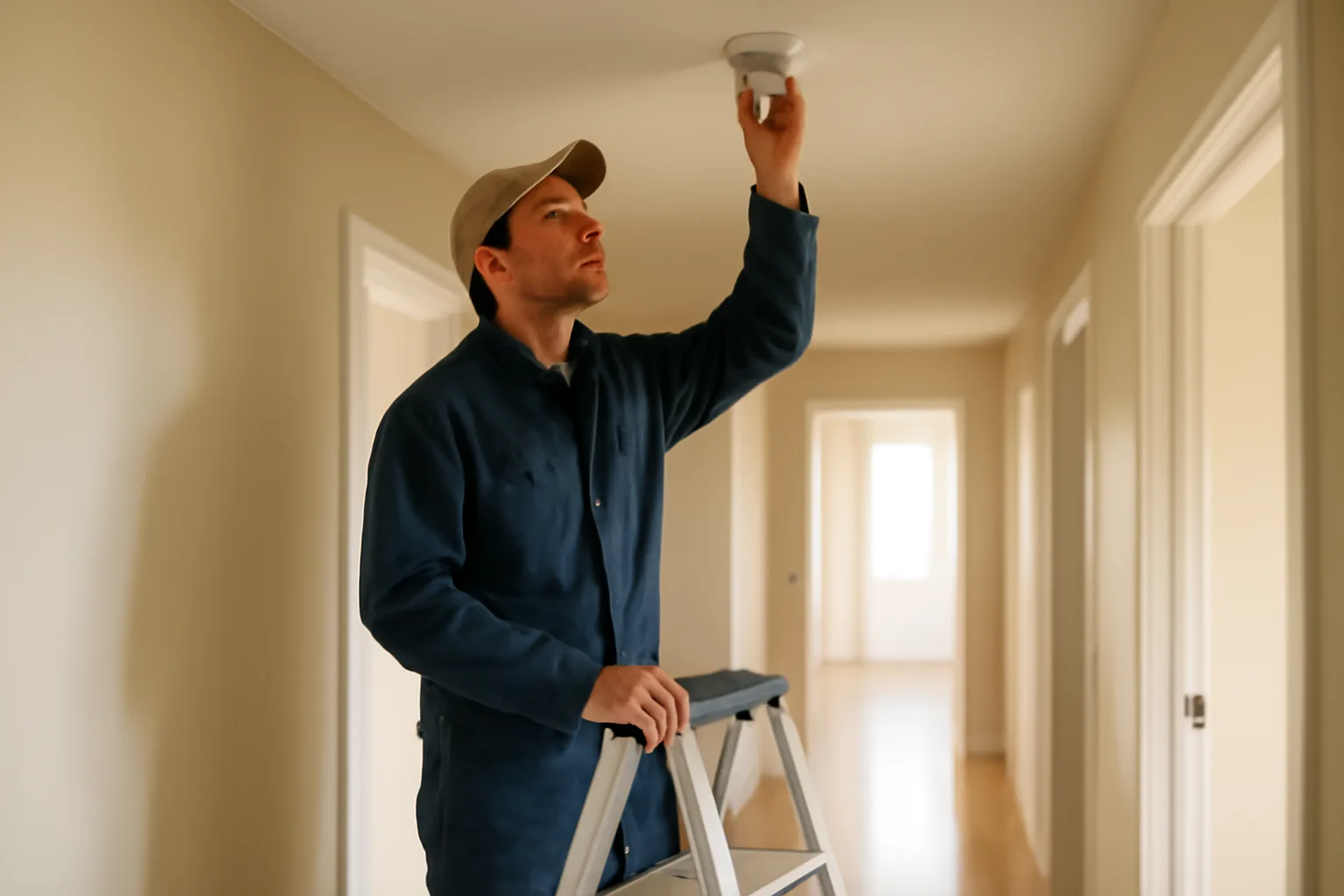
There's no single national limit on how many times a landlord can inspect a rental. What's regulated is notice: most states require 24 to 48 hours advance written notice for non-emergency entry, and entry must be at a reasonable time for a legitimate reason (repairs, safety checks, showing the unit). Cities with rental licensing often add a mandatory annual or biennial inspection on top of routine landlord visits.
how often can a landlord inspect a rental property
There's no federal law capping the number of times a landlord can inspect a rental unit, and most states don't set a hard number either. What state law almost always regulates is notice, not frequency. California, for example, requires "reasonable notice," which the Civil Code defines as 24 hours in most cases, given in writing [1]. Landlords who give proper notice for a legitimate purpose (repairs, showing the unit to prospective tenants or buyers, checking on safety issues) can generally enter as often as those legitimate purposes come up. That said, courts and tenant advocates draw a line at harassment. If a landlord is showing up weekly with no real reason, that can cross into violating the tenant's right to quiet enjoyment of the property, a concept baked into landlord-tenant law in most states even where it isn't spelled out as a specific inspection limit. Cities with mandatory rental licensing add a separate layer on top of this. A city inspector doing a licensing or code compliance check typically comes once a year or once every renewal cycle (commonly 1 to 3 years depending on the city), and that's a different event from the landlord's own maintenance visits. If you got a notice from your city about a scheduled inspection, confirm the frequency and scope with your city rental licensing office, since these cycles vary a lot by jurisdiction and this is exactly where a lot of landlords get caught off guard on their first renewal.
how much notice does a landlord have to give before entering
| California | 24 hours (presumed reasonable) | Civil Code 1954 [1] | |
|---|---|---|---|
| Florida | At least 12 hours for repairs | Fla. Stat. 83.53 [2] | |
| Ohio | Reasonable notice, presumed 24 hours | Ohio Rev. Code 5321.04 [3] | If your lease has its own notice clause, check whether it's longer or shorter than your state's default. State law usually sets a floor tenants can't waive below, but plenty of leases build in more notice than required. |
Most states that regulate entry require 24 to 48 hours written notice before a landlord or their agent enters an occupied rental unit for a non-emergency reason. California sets this at 24 hours as the presumed reasonable notice, delivered personally, left with someone at the residence, or posted and mailed [1]. Florida's landlord-tenant statute requires the landlord to give the tenant "at least 12 hours' notice" for entry to make repairs, phrased in the statute as reasonable notice with 12 hours presumed reasonable [2]. Other states run longer. Some jurisdictions specify 48 hours as the floor. The variation is real, so treat any specific number as something to verify against your own state's residential landlord-tenant act rather than assuming California's rule applies everywhere. Notice requirements generally don't apply in a true emergency, like a burst pipe, a fire, or a gas leak, where the landlord can enter without advance warning to prevent damage or protect safety. They also often don't apply if the tenant has already agreed to a specific entry time, or in some states, if the unit appears abandoned. Here's a rough comparison of how a few commonly-cited state approaches differ. Always check the current statute for your state before relying on a number. | State | Notice for routine entry | Statute |
what can a landlord look at during an inspection
A landlord doing a routine inspection can generally look at anything related to the condition and safety of the property: smoke detectors and carbon monoxide alarms, plumbing under sinks, signs of pest activity, HVAC filters, window and door locks, visible mold, and whether the unit matches what's on the lease (unauthorized pets, unauthorized occupants, obvious lease violations). The purpose has to be legitimate. Most state statutes tie the right to enter to specific reasons: making repairs, showing the unit, verifying the tenant is complying with the lease, or responding to an emergency. What a landlord generally can't do is go through drawers, closets, or personal belongings that have nothing to do with the inspection's stated purpose. They can look at a leaking ceiling. They don't get to read someone's mail sitting on the counter. This distinction rarely shows up as a bright-line rule in statute text, but it follows from the same reasonable-purpose standard that governs the entry itself. For a city rental license inspection, the scope is usually narrower and more mechanical: smoke and CO detector presence, egress windows in bedrooms, electrical panel condition, water heater venting, exterior stairs and railings, and other items tied to the local housing code. These inspectors are checking code compliance, not tenant behavior, and they typically won't comment on clutter or cleanliness unless it creates a code violation (blocked exits, pest harborage).
who is responsible for rental property walk-through inspection in california
In California, the landlord is responsible for scheduling and conducting move-in and move-out walk-through inspections, and state law gives the tenant specific rights around the move-out version. Under California Civil Code 1950.5, if the landlord intends to withhold any part of the security deposit, the tenant has the right to request an initial inspection before move-out, done at least two weeks before the tenancy ends, so the tenant gets a chance to fix issues before final deductions are made [1]. The landlord has to notify the tenant of this right and, if the tenant requests it, schedule the inspection and give at least 48 hours written notice of the date and time (or the tenant can waive notice) [1]. After the walk-through, the landlord gives the tenant an itemized statement of anything that still needs fixing or cleaning, so the tenant has a shot at avoiding those deductions from the security deposit. For routine inspections during the tenancy (not the move-out process), the same 24-hour reasonable notice rule under Civil Code 1954 applies, and the landlord (or a property manager acting for them) is the one who has to give that notice and show up during normal business hours for a legitimate purpose [1]. Local rent control ordinances in cities like Los Angeles, San Francisco, and Oakland can layer on additional notice or documentation requirements, so if the property is in one of those cities, confirm with your city rental licensing office whether local rules go beyond the state minimum.
what a landlord cannot do in ohio
Ohio's landlord-tenant law, chapter 5321 of the Ohio Revised Code, sets clear limits on what a landlord can and can't do. On entry specifically, Ohio Rev. Code 5321.04 requires the landlord to give reasonable notice, with 24 hours presumed reasonable, and to enter only at reasonable times [3]. A landlord who repeatedly enters without notice, or who uses entry as a way to harass a tenant, is acting outside what the statute allows. Ohio law also prohibits retaliatory conduct. Under Ohio Rev. Code 5321.02, a landlord can't retaliate against a tenant for exercising a legal right, like complaining to a health or safety agency about a code violation, by raising rent, decreasing services, or threatening eviction [4]. A landlord also can't shut off utilities, change the locks, or remove the tenant's belongings to force them out, self-help eviction methods that are illegal in Ohio and in most states; eviction has to go through the court process. On the maintenance side, Ohio Rev. Code 5321.04 also requires landlords to keep the property in a fit and habitable condition, comply with building and housing codes materially affecting health and safety, and keep common areas safe [3]. A landlord who ignores serious repair requests, especially ones tied to a code violation, is exposing themselves to a tenant's legal remedies under that same chapter, which can include rent escrow through the local municipal or county court.
what rights do tenants have without a lease
A tenant without a written lease, often called a tenant at will or a month-to-month tenant by default, still has the same core legal protections as someone with a signed lease. State landlord-tenant law applies regardless of whether there's paper, so the tenant still has a right to habitable housing, protection from illegal lockouts and retaliatory eviction, and the same entry notice requirements covered above. What's usually different without a lease is the notice needed to end the tenancy. Many states require the landlord to give a written notice period, commonly 30 days, before ending a month-to-month tenancy without a written lease, though some states use shorter or longer periods and some cities with just-cause eviction laws require a specific legal reason regardless of notice given. Rent amount, due date, and any rules about pets or guests default to whatever's been the actual practice between landlord and tenant, or to local custom, absent written terms. A verbal agreement can still be treated as a legally binding lease in many states, so a tenant paying rent and being accepted by the landlord has real rights even with nothing in writing. If a dispute happens, the lack of a written lease usually makes it harder to prove specific terms (was the rent really $1,200, was there really a no-pets rule), which is exactly why most landlords put agreements in writing even for a friend or family member renting a room.
why do landlords require renters insurance
Landlords require renters insurance mainly to shift liability, not because the landlord's own property insurance covers a tenant's belongings. A standard landlord policy insures the building itself, not the tenant's furniture, electronics, or clothing, so if a fire or water damage event destroys a tenant's possessions, the landlord's policy generally won't pay for them. Renters insurance also usually includes liability coverage, which matters if the tenant accidentally causes damage (a kitchen fire, an overflowing tub that damages the unit below) or if a guest gets injured in the unit and sues. Without that coverage, the landlord's own liability policy might end up as the only source of recovery, and the landlord's insurer may come after the landlord directly depending on the circumstances. Requiring renters insurance as a lease condition is legal in most states as long as it's disclosed in the lease and applied consistently to all tenants. It typically costs relatively little (national averages commonly cited in the range of $15 to $30 a month, though this varies a lot by coverage amount, location, and insurer), so it's a common and low-friction requirement compared to things like larger security deposits.
what is landlording, and what is a landlord
A landlord is a person or entity that owns residential or commercial property and rents it to someone else (the tenant) in exchange for regular payment, usually under a lease or rental agreement. "Landlording" is the informal term for the ongoing work of managing that relationship: collecting rent, handling repairs, screening new tenants, keeping the property compliant with local codes, and dealing with move-ins, move-outs, and everything in between. Landlording isn't just collecting a check. It includes legal obligations that vary by state and city: habitability standards, notice requirements for entry and lease termination, security deposit handling rules (many states cap deposits and set deadlines, often 14 to 30 days, for returning them after move-out), and in a growing number of cities, mandatory rental registration or licensing tied to periodic inspections. The day-to-day version of landlording looks less like passive income and more like running a small, ongoing service business: responding to maintenance calls, tracking lease renewal dates, keeping receipts for repairs, and staying current on the specific rules for each city or state where you own property. Landlords with units in more than one city often find that the biggest time cost isn't tenants at all, it's keeping track of which municipality requires what paperwork and when.
how to become a landlord, and how to be a landlord
Becoming a landlord starts before you own any rental property: it means understanding what you're taking on legally and financially, then structuring the purchase and the lease correctly from day one. The practical steps most new landlords go through are roughly the same regardless of state: 1. Buy or convert a property intended for rental use, and check local zoning to confirm rentals are allowed at that address. 2. Check whether your city requires rental registration or a rental license before you can legally lease the unit. A growing number of cities require this, and operating without it can mean fines or an inability to collect rent through the courts if you ever need to evict. 3. Get landlord-specific insurance (a standard homeowner's policy usually doesn't cover a rented unit properly). 4. Screen tenants consistently and legally, following Fair Housing Act rules that prohibit discrimination based on race, color, national origin, religion, sex, familial status, or disability [5]. 5. Use a written lease that covers rent, deposit terms, entry notice, maintenance responsibilities, and lease length. 6. Learn your state's landlord-tenant statute, at least the sections on entry notice, habitability, and security deposits, since these are the areas that generate the most disputes and the most fines. Being a landlord day-to-day is mostly about consistency: responding to maintenance requests promptly (many states tie a tenant's legal remedies to how long a landlord takes to fix a habitability issue after written notice), documenting everything in writing, and treating every tenant under the same written standard so you're not exposed to a discrimination claim. If your city requires a rental license, confirm with your city rental licensing office on renewal timing well before the deadline. Missing a renewal is one of the more common ways landlords end up with a fine notice out of nowhere. For landlords managing the licensing and inspection side specifically, a lot of the stress comes from not knowing what the inspector will actually check or when the paperwork is due. RentalPermitPath's $79 City Rental License & Inspection Prep Packet walks through the common inspection checklist items and renewal timeline questions city by city, which is useful mainly for landlords getting their first ordinance notice and not sure where to start.
what happens if a landlord skips notice or inspects too often
If a landlord enters without giving the notice required by state law, that's generally treated as a violation of the tenant's right to quiet enjoyment, and in some states it's spelled out as a specific statutory violation the tenant can sue over. California's Civil Code 1954 doesn't list a specific dollar penalty for a single violation, but repeated unauthorized entry can support a harassment or breach of quiet enjoyment claim, and some cities with tenant protection ordinances (San Francisco is a notable example) treat repeated improper entry as a form of tenant harassment subject to city-level penalties. There's no bright-line "you can only inspect X times a year" rule in most state statutes, so the more common issue isn't frequency in the abstract. It's frequency without notice or without a legitimate purpose. A landlord who enters weekly with 24 hours notice each time and a genuine reason (an ongoing repair, for instance) is on much firmer ground than one who enters twice a year without any notice at all. Tenants who feel a landlord is overusing entry rights typically start by putting a written objection on record, then can escalate to a complaint with a local housing authority or small claims court if the pattern continues. Most disputes never get that far. They resolve once the landlord realizes the notice requirement is a hard line, not a suggestion.
Frequently asked questions
How often can a landlord legally inspect a rental unit?
Most states don't cap the number of inspections. What they regulate is notice (commonly 24 to 48 hours) and purpose (repairs, showing the unit, safety checks). A landlord giving proper notice for a legitimate reason can generally inspect as often as those reasons come up, though excessive entry without cause can be treated as harassment.
How much notice does a landlord have to give before entering?
Most states require 24 to 48 hours written notice for non-emergency entry. California presumes 24 hours reasonable under Civil Code 1954 [1]. Florida requires at least 12 hours for repair-related entry under Fla. Stat. 83.53 [2]. Check your specific state statute, since the number varies.
Who is responsible for the rental walk-through inspection in California?
The landlord schedules and conducts it. Under Civil Code 1950.5, tenants can request a pre-move-out inspection at least two weeks before the tenancy ends, and the landlord must give 48 hours notice of that inspection unless the tenant waives it [1].
What can a landlord look at during an inspection?
Anything tied to the property's condition and lease compliance: smoke detectors, plumbing, HVAC, signs of pest activity, unauthorized occupants or pets. Landlords generally can't search personal belongings, drawers, or closets unrelated to the stated purpose of the visit.
What a landlord cannot do in Ohio?
Under Ohio Rev. Code 5321.04, a landlord can't enter without reasonable notice (24 hours presumed reasonable) or at unreasonable times [3]. Under 5321.02, a landlord can't retaliate against a tenant for reporting code violations, and self-help evictions like lockouts or utility shutoffs are illegal [4].
What rights do tenants have without a lease?
Tenants without a written lease still get the core protections of state landlord-tenant law: habitability, entry notice, and protection from illegal lockouts or retaliatory eviction. What usually changes is notice needed to end the tenancy, often 30 days for a month-to-month arrangement with no written lease.
Why do landlords require renters insurance?
Mainly to cover liability the landlord's own policy doesn't. A landlord's insurance covers the building, not the tenant's belongings, and renters insurance usually includes liability coverage for accidental damage or guest injuries, protecting both tenant and landlord.
What is landlording?
Landlording is the ongoing work of owning and managing a rental property: collecting rent, handling repairs, screening tenants, and staying compliant with local codes and, increasingly, city rental licensing and inspection requirements.
What is a landlord?
A landlord is the owner of a property who rents it to a tenant under a lease or rental agreement in exchange for regular payment, taking on legal responsibilities for habitability, notice, and fair treatment under state and federal law.
How do you become a landlord?
Buy or convert a rental property, confirm local zoning allows it, check whether your city requires rental registration or licensing, get landlord insurance, screen tenants under Fair Housing Act rules [5], and use a written lease covering rent, deposit, and entry notice terms.
Can a landlord inspect without notice in an emergency?
Yes. Nearly every state's notice requirement has an emergency exception, covering things like fire, flooding, gas leaks, or other situations threatening health, safety, or the property itself. Outside a true emergency, standard notice rules apply.
Does a city rental license inspection replace the landlord's own inspections?
No. A city licensing inspection checks code compliance (smoke detectors, egress, electrical) usually once per renewal cycle. A landlord's own routine inspections for maintenance or lease compliance are separate and follow state entry-notice law, not the city's inspection schedule.
Sources
- California Legislative Information, Civil Code Section 1954: California requires 24 hours reasonable notice for landlord entry
- Florida Senate, Statute 83.53: Florida requires at least 12 hours notice for landlord entry to make repairs
- Ohio Legislature, Revised Code 5321.04: Ohio requires reasonable notice, presumed 24 hours, and reasonable times for landlord entry, plus habitability duties
- Ohio Legislature, Revised Code 5321.02: Ohio prohibits landlord retaliation against tenants for exercising legal rights
- HUD, Fair Housing Act overview: Federal Fair Housing Act prohibits discrimination in housing based on race, color, national origin, religion, sex, familial status, and disability
- California Legislative Information, Civil Code Section 1950.5: California sets pre-move-out inspection rights and security deposit itemization rules under Civil Code 1950.5