Last updated 2026-07-26
TL;DR
Rental cars don't carry city rental-licensing stickers; that's a vehicle DMV question. But rental property itself often does need registration in cities with mandatory rental licensing programs. This guide covers what landlords actually need to register, what inspectors can check, tenant rights without a lease, and notice requirements by state.
what does 'rental registration' actually mean for landlords
If you searched this phrase while trying to sort out property paperwork, the confusion is understandable. Vehicle registration stickers (the tags on a license plate showing DMV renewal) are a completely different system from rental property registration, which is what cities use to track landlords who rent out housing units. Rental property registration is a local requirement, not a state DMV function. Cities like Los Angeles, Minneapolis, and Baltimore require landlords to register every rental unit with the city, pay a fee, and often pass a habitability inspection before renting it out legally [1] [2]. There's no physical sticker involved. Instead, you get a certificate, a license number, or a registration confirmation letter you're supposed to keep on file and sometimes post in the building. If you own a rental car business (a genuine commercial fleet), yes, those vehicles carry standard state DMV registration tags like any other car. That's unrelated to housing law and not something this site covers. What we cover is the landlord side: knowing whether your city requires you to register, license, or inspect a rental unit before you can legally collect rent on it. Check your specific city's requirement before assuming you're covered or exempt. A single-family home you rent out in one city might need zero paperwork, while an identical house two towns over needs an annual inspection and a $150 license fee. Requirements vary that much block to block.
how do you become a landlord in the first place
Becoming a landlord legally means more than buying a property and finding a tenant. Most jurisdictions require you to register the rental with the city or county, follow state landlord-tenant law for leases and deposits, and comply with habitability codes before you can rent legally. The basic steps look like this: buy or convert a property into a rental, check whether your city has mandatory rental licensing (many do, and fines for skipping it run from $100 to over $1,000 depending on the city, per various municipal codes), get a certificate of occupancy if required, screen tenants under fair housing law, and sign a written lease that matches your state's requirements for security deposits, disclosures, and notice periods. HUD's fair housing rules apply nationwide the moment you start advertising or screening tenants, regardless of city size. The Fair Housing Act bars discrimination based on race, color, national origin, religion, sex, familial status, or disability in any housing transaction [2]. That applies whether you own one duplex or fifty units. A lot of new landlords skip the local licensing step because they don't know it exists until a neighbor complains or a code inspector knocks. Don't be that landlord. Call your city's housing or code enforcement department before you list the unit, not after.
what is landlording, exactly
Landlording is the ongoing work of managing rental property: collecting rent, maintaining the unit, handling repairs, screening and communicating with tenants, and staying compliant with local and state law. It's a mix of property management and legal compliance, and it doesn't stop once you've signed a lease. The day-to-day version looks less glamorous than the word suggests. It's answering a maintenance text at 9pm, scheduling a plumber, tracking which unit needs its annual inspection, and making sure you've sent the right notice before you enter someone's home. Landlording also means keeping records: lease copies, inspection reports, repair receipts, and rent payment history. If a dispute ever goes to a housing court or a city hearing, that paper trail is what protects you. Some landlords hire a property manager to handle this work for a fee, usually 8% to 12% of monthly rent according to typical industry ranges cited by state extension programs [3]. Others self-manage one or two units and treat it as a part-time job. Either way, the legal responsibilities don't change: you're on the hook for habitability, fair housing compliance, and following your state's rules on deposits and notice, whether you do the work yourself or pay someone else to do it.
what is a landlord, legally speaking
A landlord is the owner (or authorized agent of the owner) of a residential property who rents that property to a tenant in exchange for rent, under a lease or rental agreement. Most state landlord-tenant statutes define the term this way, sometimes calling the role a 'lessor' in formal statute language. The legal definition matters because it triggers a set of duties. Once you're a landlord under your state's code, you generally owe the tenant a habitable unit (working plumbing, heat, and structural safety), proper notice before entry, and a lawful process for eviction if things go wrong. You can't skip these by calling yourself something else, like a 'host' or 'property manager,' if you're the one collecting rent and controlling the lease. Being a landlord also means being the party a city rental-registration ordinance is aimed at. If your city requires 'owners of rental property' to register, that's you, even if a management company handles daily operations. Registration duty typically follows ownership, not who answers the phone.
who is responsible for the rental walk-through inspection in california
In California, the landlord is responsible for offering and conducting the pre-move-out walk-through inspection, but the tenant has to be given the choice to participate. California Civil Code Section 1950.5 requires landlords to notify the tenant, in writing, of their right to an initial inspection before move-out if the landlord intends to withhold any part of the security deposit for repairs or cleaning [4]. The landlord must give the tenant reasonable written notice of the date and time, and the tenant can choose to be present or waive that right. If deficiencies are found during the walk-through, the landlord has to give the tenant an itemized statement of what needs fixing and a chance to fix it themselves before move-out, per the same statute [4]. This is distinct from routine rental licensing inspections some California cities run separately, like Los Angeles's Systematic Code Enforcement Program (SCEP), which sends city inspectors to check habitability on a cycle, not tied to a tenant's move-out [5]. Those are city government inspections. The move-out walk-through is a landlord-tenant matter under state civil code, and the landlord initiates it, not the city. If you're managing a rental in a city with mandatory registration, you may be dealing with two separate inspection tracks at once: the state-required move-out walk-through and a city-required licensing inspection. Keep them straight, they have different notice rules and different consequences.
what rights do tenants have without a written lease
Tenants without a written lease still have real rights. Most states treat an unwritten rental arrangement as a month-to-month tenancy, and the tenant keeps the same habitability protections, the same right to proper eviction notice, and the same security deposit protections as someone with a signed lease. A verbal agreement to pay rent in exchange for occupying a unit creates a tenancy under most state landlord-tenant codes, even with nothing on paper. The terms default to state law: rent due monthly, notice periods set by statute (commonly 30 days for month-to-month tenancies), and the landlord still owes an implied warranty of habitability in states that recognize one. What a tenant loses without a lease is specificity. There's no written record of what was agreed on pets, parking, or who pays for what repairs, which makes disputes harder to resolve. But the absence of a lease doesn't erase legal tenant protections. A landlord can't just change locks or shut off utilities to force someone out because there's no paper lease; that's illegal self-help eviction in nearly every state, and it can expose the landlord to statutory damages. If you're renting without a written lease right now (on either side), get one in writing as soon as possible. It protects both parties and it's the single easiest way to avoid a dispute that turns into a court case.
how do you actually be a good landlord day to day
Being a competent landlord comes down to four habits: respond to maintenance requests fast, follow your state's notice rules before entering a unit, keep records of everything, and treat tenant screening consistently to avoid fair housing complaints. Response time matters more than most landlords think. Slow repairs on things like heat or water are the single most common trigger for tenants withholding rent or filing a habitability complaint with a city code office. Most states don't set an exact repair deadline in statute, but 'reasonable time' standards in case law and municipal codes tend to mean days, not weeks, for anything affecting health or safety. Notice before entry is a separate legal requirement, covered in the next section. Get it wrong and you risk a harassment or illegal-entry claim even if your intentions were fine. Recordkeeping sounds boring until you're in a dispute. Every inspection report, repair invoice, notice you sent, and payment record should be saved, ideally for as long as your state's statute of limitations on lease disputes (often 3 to 6 years depending on the state and claim type). If your city requires rental licensing, this same file becomes your evidence that you're compliant if a code inspector or tenant ever challenges you. If you're just starting out managing licensed rentals, a lot of first-time landlords use a rental license and inspection prep packet to organize registration paperwork, inspection prep checklists, and required notices in one place instead of hunting through a city website mid-deadline.
why do landlords require renters insurance
Landlords require renters insurance mainly to protect themselves from liability and to make sure the tenant's own belongings and injury claims aren't the landlord's financial problem. A landlord's property insurance covers the building structure, not a tenant's furniture, electronics, or personal injury inside the unit. Without renters insurance, if a tenant's apartment floods, or a guest gets hurt inside the unit, the tenant (and sometimes the landlord) can be on the hook for costs that a cheap renters policy would have covered. Renters insurance in the U.S. commonly costs between $15 and $30 a month according to industry rate surveys, which is why many landlords make it a lease requirement rather than an optional nicety. Requiring renters insurance also gives landlords a layer of protection against liability lawsuits. Many policies include personal liability coverage, so if the tenant accidentally causes damage (a kitchen fire, a bathtub overflow into the unit below), their policy, not the landlord's, may pay the claim first. States don't generally require landlords to mandate renters insurance; it's a lease clause landlords add voluntarily. If you require it, make sure your lease says so clearly and that you verify coverage at move-in and renewal, because an unenforced requirement is worthless.
how much notice does a landlord have to give before entering or ending a tenancy
| Entry for repairs/inspection | 24 to 48 hours | Cal. Civ. Code 1954 [6] | |
|---|---|---|---|
| End month-to-month tenancy | 30 days (varies by tenancy length) | NY Real Prop. Law 226-c [7] | |
| Rent increase notice | 30 to 90 days depending on state/increase size | confirm with your state statute | |
| Emergency entry | No advance notice required | most state landlord-tenant codes | Emergency situations (fire, burst pipe, gas leak) are the one exception where no advance notice is required in nearly every state's code. Everything else needs written notice, and the safest move is to always put it in writing even when your state allows verbal notice, because a paper trail beats a memory in a dispute. |
Notice requirements split into two very different categories: notice to enter the unit, and notice to end a tenancy. Both vary by state, and getting them confused is a common landlord mistake. For entry notice, most states require 24 to 48 hours advance notice for non-emergency entry (repairs, inspections, showings). California requires 'reasonable notice,' which state law presumes to be 24 hours, per California Civil Code Section 1954 [6]. Other states set their own numbers in statute; always check your specific state code rather than assuming California's rule applies everywhere. For ending a month-to-month tenancy, most states require 30 days' written notice from either party, though some states allow shorter or require longer depending on how long the tenant has lived there. New York, for example, scales notice by tenancy length: 30 days for tenants under one year, 60 days for one to two years, and 90 days for tenants over two years, under New York Real Property Law Section 226-c [7]. | Notice type | Typical range | Example source |
what can a landlord look at during a rental inspection
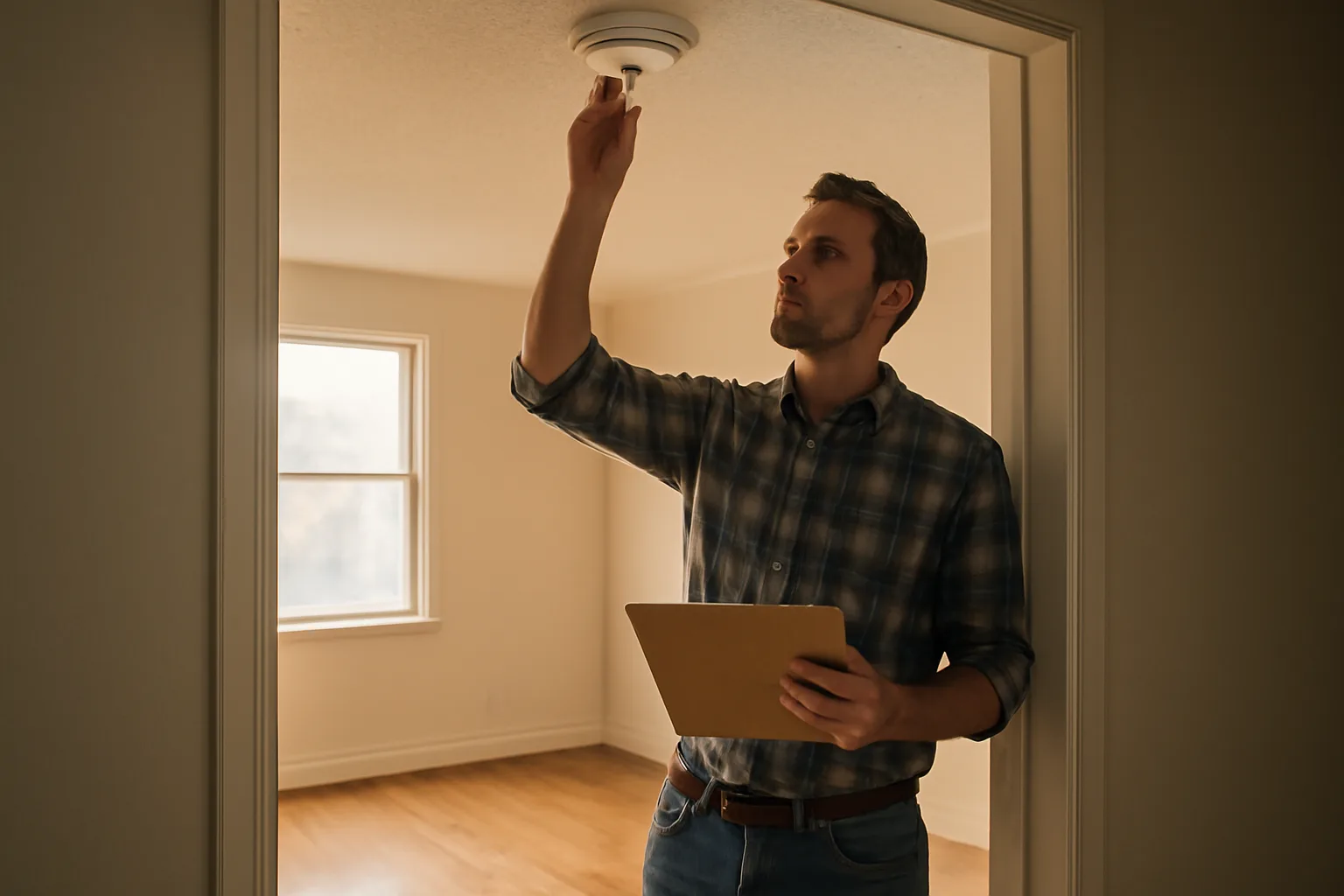
During a routine or licensing rental inspection, a landlord (or city inspector) can generally check habitability items: working smoke detectors, functioning heat and plumbing, structural safety, electrical hazards, pest issues, and code compliance items like egress windows and handrails. Inspectors are not there to look through personal belongings or search for unrelated violations like clutter or decor choices. Common items covered in a habitability or rental-licensing inspection include: - Smoke and carbon monoxide detectors (working, correctly placed)
- Heating system function and safety
- Plumbing (leaks, water heater condition, working fixtures)
- Electrical safety (exposed wiring, overloaded outlets)
- Structural issues (stairs, railings, foundation cracks)
- Window and door locks, egress windows in bedrooms
- Pest or mold evidence
- Exterior items: roof condition, gutters, walkways Cities with mandatory rental inspection programs, like Minneapolis's rental licensing program, publish specific checklists inspectors use, and landlords can usually request the checklist in advance to self-correct issues before the official visit [2]. That's the smart move: walk your own unit with the city's checklist a week before the scheduled inspection, and fix anything you can. Inspectors generally cannot search unrelated to habitability, meaning going through drawers, personal papers, or areas unrelated to code compliance is outside scope. If a landlord's own move-out walk-through in a state like California turns up damage beyond normal wear and tear, that's a separate deposit-deduction issue governed by Civil Code 1950.5, not a code violation [4].
what a landlord cannot do in ohio
In Ohio, landlords cannot shut off utilities, change the locks, or remove a tenant's belongings to force them out, and they cannot retaliate against a tenant for reporting code violations or exercising legal rights. These are called self-help eviction and retaliation protections, and Ohio law bars both. Ohio Revised Code Section 5321.02 specifically prohibits landlord retaliation against a tenant who has complained to a government agency about a building or health code violation, or who has joined a tenant organization, within a defined lookback period . Ohio Revised Code Section 5321.15 separately bars landlords from using self-help remedies (lockouts, utility shutoffs, or seizing tenant property) to force an eviction; the only lawful path to remove a tenant is through the court eviction process . Ohio landlords also can't skip the required security deposit handling rules. Under Ohio Revised Code Section 5321.16, a landlord must return the deposit (or an itemized list of deductions) within 30 days of the tenant vacating, and if the landlord wrongfully withholds it, the tenant can recover damages plus attorney's fees . Ohio doesn't have a statewide mandatory rental licensing law the way some cities do, but individual Ohio cities, like Cleveland and Cincinnati, run their own local rental registration or inspection ordinances, so a landlord operating in Ohio still needs to check city-level rules on top of state tenant-protection statutes.
how does city rental registration differ from a state law requirement
State landlord-tenant law sets the baseline rules everywhere in that state (notice periods, deposit handling, habitability standards). City rental registration or licensing sits on top of that as a local add-on, and it only applies if your specific city has passed an ordinance requiring it. This is the part that trips up landlords who move from one city to another, or who own rentals in more than one town. Owning a rental in a state with no statewide licensing law doesn't mean you're in the clear; the city might still require registration, a fee, and a periodic inspection under its own municipal code. Los Angeles's rental registration requirements exist under the city's Rent Stabilization Ordinance framework, separate from California's statewide tenant-protection statutes [1]. The honest answer for any specific address is: confirm with your city rental licensing office. Fees, inspection cycles, and renewal timelines change often enough that a general guide (including this one) can't safely give you an exact dollar figure or deadline for your city. Call the housing, code enforcement, or business licensing department and ask directly, or check the city's published fee schedule. If you're trying to get organized before an inspection deadline or after receiving a violation notice, a rental license and inspection prep packet built for this exact situation can save a weekend of hunting through a city website, for a flat $79 one-time cost. It's a reference document, not a guarantee of passing inspection, since outcomes always depend on your specific unit and your city's inspector.
Frequently asked questions
Do rental cars have registration stickers like regular cars?
Yes, rental cars carry the same state DMV registration tags as any other vehicle, since rental companies register their fleet with the state like any owner would. This is unrelated to city rental property licensing for landlords, which uses certificates or license numbers instead of a physical sticker.
How do I become a landlord for the first time?
Buy or convert a property, check if your city requires rental registration or licensing, get any required certificate of occupancy, follow Fair Housing Act rules when advertising and screening tenants, and sign a lease that matches your state's deposit and notice requirements. Call your city's housing department before listing the unit, not after.
Who is responsible for the walk-through inspection in California?
The landlord is responsible for offering the pre-move-out walk-through and giving written notice of the date, under California Civil Code Section 1950.5. The tenant chooses whether to attend or waive it. This is separate from any city rental-licensing inspection program.
What is landlording?
Landlording is the ongoing work of owning and managing rental property: collecting rent, handling maintenance, screening tenants, staying compliant with state landlord-tenant law, and keeping records. It's the day-to-day operational side of being a landlord, whether you self-manage or hire a property manager.
What legally counts as a landlord?
A landlord is the property owner or their authorized agent who rents residential property to a tenant under a lease or rental agreement, per most state landlord-tenant statutes. Registration and licensing duties under city ordinances generally attach to the owner, regardless of who manages daily operations.
What rights does a tenant have without a signed lease?
A tenant without a written lease still has month-to-month tenancy rights under state law, including habitability protections, standard eviction notice periods, and security deposit rules. A landlord cannot use illegal self-help methods like lockouts just because there's no written lease.
Why do landlords require renters insurance?
Landlords require renters insurance because their own property policy doesn't cover a tenant's belongings or personal liability inside the unit. Renters insurance typically costs $15 to $30 a month and shifts liability for tenant-caused damage or injury away from the landlord's policy.
How much notice does a landlord have to give before entering a rental unit?
Most states require 24 to 48 hours notice for non-emergency entry. California presumes 24 hours is reasonable under Civil Code Section 1954. Emergencies like fire or a burst pipe don't require advance notice in almost any state.
What can a landlord check during a rental inspection?
Inspectors can check habitability and safety items: smoke detectors, heating, plumbing, electrical safety, structural issues, and pest or mold problems. They generally cannot search personal belongings or areas unrelated to code compliance and habitability.
What can't a landlord do in Ohio?
Ohio landlords cannot use self-help evictions like lockouts or utility shutoffs (Ohio Revised Code 5321.15), cannot retaliate against tenants who report code violations (ORC 5321.02), and must return security deposits or an itemized deduction list within 30 days (ORC 5321.16).
Does every city require rental property registration?
No. Rental registration and licensing requirements are set city by city, not by federal or, usually, state law. Some states have no statewide requirement at all, but individual cities within them, like Cleveland or Cincinnati in Ohio, may still run their own local registration ordinance.
How much does rental property registration usually cost?
Fees vary widely by city, commonly ranging from under $50 to a few hundred dollars per unit per year based on published city fee schedules. There's no single national number, so confirm the exact fee with your specific city's rental licensing office.
Can a landlord require both renters insurance and a security deposit?
Yes. Renters insurance and a security deposit cover different things: the deposit covers damage beyond normal wear when the tenant moves out, while renters insurance covers the tenant's belongings and liability during the tenancy. Most states allow landlords to require both.
What happens if a landlord skips required city rental registration?
Consequences vary by city but commonly include fines, an inability to legally collect rent or evict a tenant for nonpayment until the unit is registered, and in some cities, a hold on the property until back fees are paid. Check your specific city code for the exact penalty structure.
Sources
- U.S. Department of Housing and Urban Development, Fair Housing Act overview: The Fair Housing Act bars discrimination based on race, color, national origin, religion, sex, familial status, or disability in housing transactions
- Cal. Civ. Code Section 1950.5: California requires landlords to notify tenants in writing of the right to an initial pre-move-out inspection before withholding deposit for repairs
- Cal. Civ. Code Section 1954: California law presumes 24 hours advance notice is reasonable for landlord entry into a rental unit
- New York Real Property Law Section 226-c: New York requires 30, 60, or 90 days notice to end certain tenancies depending on how long the tenant has occupied the unit
- Ohio Revised Code Section 5321.02: Ohio law prohibits landlord retaliation against tenants who report code violations or join tenant organizations
- Ohio Revised Code Section 5321.15: Ohio law bars landlords from self-help evictions like lockouts or utility shutoffs
- Ohio Revised Code Section 5321.16: Ohio landlords must return security deposits or an itemized deduction statement within 30 days of the tenant vacating