Last updated 2026-07-26
TL;DR
In most of the U.S., you don't need a professional license to become a landlord, though a growing number of cities require a rental license, registration, or inspection before you can legally lease a unit. Landlording means owning property, screening tenants, collecting rent, and following state and local law. Skip the local paperwork and you risk fines, not jail time, but the fines add up fast.
Do you need a license to become a landlord?
No state requires a general "landlord license" the way it requires a driver's license or a contractor's license. Anyone who owns real property can rent it out. What trips people up is city-level rental licensing, which is a completely different animal. Hundreds of municipalities across the U.S. require landlords to register or license every rental unit before it can legally be occupied by a tenant. Chicago requires registration through its Residential Landlord and Tenant Ordinance framework [1]. Los Angeles requires registration under its Rent Stabilization Ordinance for covered units, and separately, many California cities run their own rental inspection programs [2]. These are local rules, not state licensing exams, and they vary wildly from one city hall to the next. So the honest answer is: check with your specific city or county. If you own property in an area with no rental registration ordinance, you can start renting the day you close on the property (assuming your lease and habitability standards are in order). If you're in a city with a program, you may need to register before you advertise the unit, sometimes even before you sign a lease. Confirm with your city rental licensing office before you list anything.
What is landlording?
Landlording is the day-to-day work of owning and managing rental property so tenants can legally and safely live in it. It's more than collecting a check. It covers finding and screening tenants, drafting and enforcing a lease, keeping the unit habitable, handling repairs, managing security deposits, and following the state and local laws that govern all of that. The word gets used two ways. Some people use "landlording" to mean the whole business, from buying the property to evicting a nonpaying tenant if it comes to that. Others use it more narrowly, just the operational side: rent collection, maintenance requests, lease renewals. Either way, it's a legal relationship, not a hobby. Most states define the landlord-tenant relationship through a version of the Uniform Residential Landlord and Tenant Act or their own state code, which spells out obligations on both sides [3]. If you're renting out one room in your basement or a single-family house you inherited, you're still a landlord under the law, even if it doesn't feel like a business. The habitability rules, notice requirements, and deposit rules apply to you the same as they apply to someone who owns 200 units.
What is a landlord, legally speaking?
A landlord is the person or entity that owns rental property and grants a tenant the right to occupy it in exchange for rent, under a lease or rental agreement. That's the core of it in every state. Legally, the landlord role comes with specific duties: keeping the property fit for habitation, making requested repairs within a reasonable time, providing required disclosures (lead paint for pre-1978 housing under federal law, for instance [4]), and following state rules on deposits, entry notice, and eviction procedure. The landlord also has rights: the right to collect rent, to enforce lease terms, and to reclaim the property through legal eviction if a tenant breaks the lease. One wrinkle worth knowing: in a lot of cities, the person who owns the deed and the person legally responsible for the rental license aren't always the same on paper if you use a property manager. Some cities require the property manager or a designated local agent to be listed on the registration, in addition to the owner. Don't assume hiring a manager takes you off the hook for city compliance. Check your specific ordinance.
How to become a landlord: the actual steps
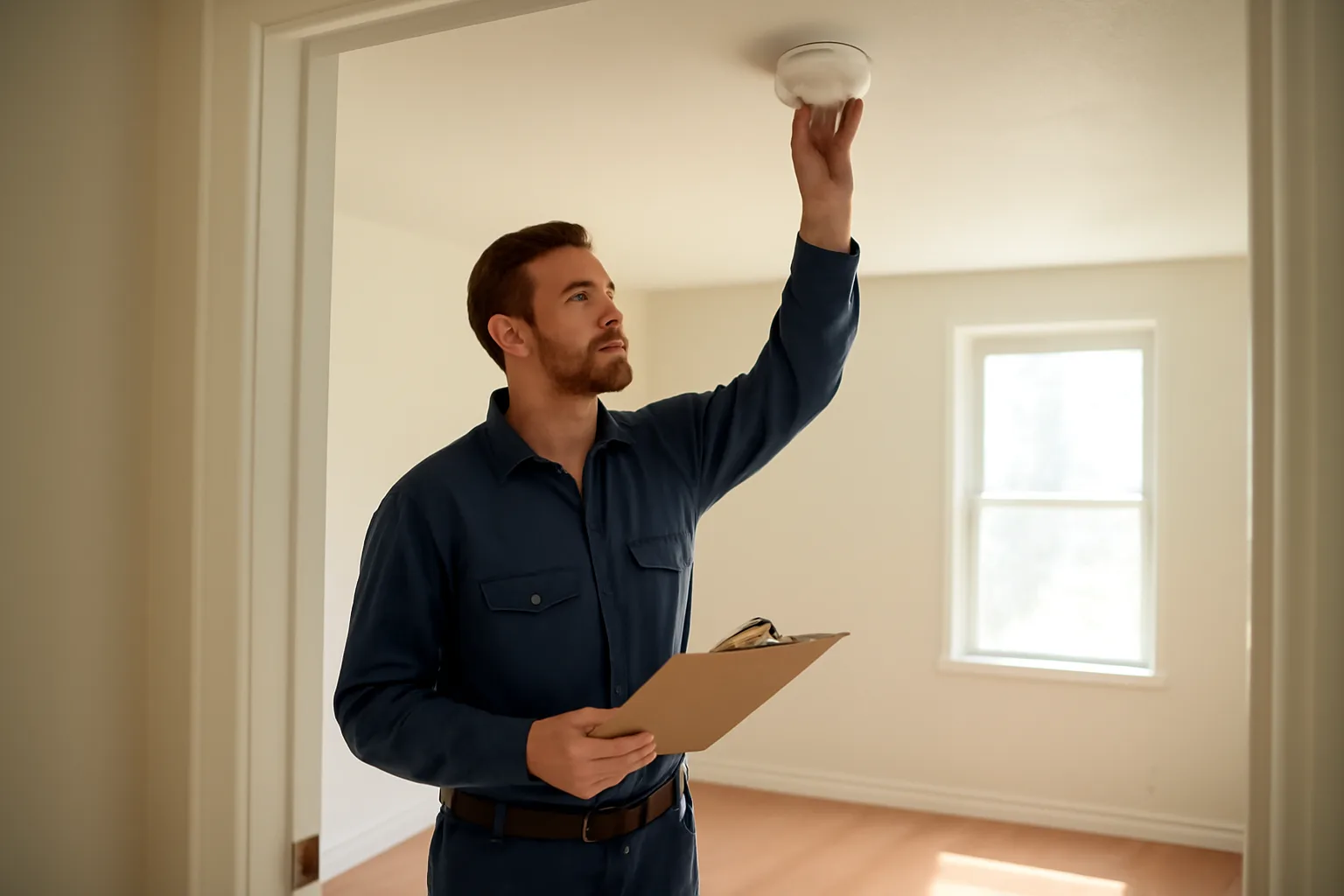
Becoming a landlord is mostly a paperwork and compliance process, not a licensing exam. Here's the realistic order of operations most first-time landlords follow. 1. Confirm you can legally rent the property. Check zoning (some residential zones restrict rentals or short-term rentals), HOA rules if applicable, and mortgage terms (some owner-occupied loans restrict renting out the whole property). 2. Check if your city requires rental registration or licensing. This is the step people skip and regret. A lot of cities, including large ones like Chicago and many mid-size cities in California, Michigan, Ohio, and the Northeast, require you to register the unit, pay a fee, and sometimes pass an inspection before you can legally rent it. Confirm with your city rental licensing office; fees typically run somewhere in the range of $50 to a few hundred dollars per unit depending on the city, though you should verify the exact number locally since it changes and varies by unit count. 3. Get the unit inspection-ready if your city requires one. Working smoke detectors and carbon monoxide detectors, no exposed wiring, functioning heat, no active leaks, safe egress from bedrooms. These are the items that fail inspections most often. 4. Get landlord insurance (more than homeowners insurance) and decide your renters insurance policy for tenants. 5. Screen tenants consistently, using the same criteria for every applicant, and follow federal Fair Housing Act rules on national origin, race, religion, sex, familial status, disability, and color [5]. 6. Sign a written lease. Even in states that allow oral leases for month-to-month tenancies, get it in writing. 7. Collect the security deposit within your state's legal cap and follow the rules on how it's held (some states require a separate account and written notice of where it's held). If your city requires licensing or inspection paperwork, having the checklist and forms organized ahead of time saves real hours. That's the whole idea behind our $79 City Rental License & Inspection Prep Packet: a one-time packet that helps you track your city's requirements, common inspection items, and renewal timing instead of hunting through a city website at 11pm before your inspection date.
Who is responsible for the rental property walk-through inspection in California?
In California, the landlord is responsible for scheduling and coordinating the move-in and move-out walk-through inspections, but state law gives the tenant the right to be present and gives them advance notice. Under California Civil Code Section 1950.5, if a landlord intends to deduct from a tenant's security deposit for damages beyond normal wear and tear, the tenant is entitled to an initial inspection before move-out, if requested, and the landlord must give at least 48 hours' written notice of the date and time [6]. The landlord (or their agent) does the actual walk-through and prepares an itemized statement of proposed repairs or deductions. The tenant then gets the chance to fix issues themselves before move-out to avoid the deduction. Separately, if you're in a California city with its own rental inspection program (Los Angeles' Systematic Code Enforcement Program is a well-known example, covering units built before a certain date under its rent stabilization rules), a city inspector, not the landlord, conducts that inspection, and the landlord is responsible for scheduling access and fixing anything cited [2]. These are two different inspections with two different purposes: one is about security deposit deductions, the other is about code compliance. Don't confuse them when you're prepping.
What rights do tenants have without a lease?
A tenant without a written lease still has legal rights. Occupying a unit and paying rent, even with a handshake deal, creates a landlord-tenant relationship under state law, usually treated as a month-to-month tenancy. Tenants without a written lease generally still get: the right to habitable housing (working plumbing, heat, safe structure), protection from illegal lockouts or "self-help" eviction (a landlord can't just change the locks or shut off utilities to force someone out), the right to proper notice before the tenancy ends (usually 30 days for month-to-month in most states, though some require more), and the right to the return of their security deposit under the same rules as a written lease. What they typically don't have without something in writing: agreed-upon terms about pets, subletting, rent increases, or who pays for what utilities. Verbal agreements are legal in most states for month-to-month tenancies, but they're a nightmare to prove in court. If you're a landlord operating without leases right now, that's the first thing to fix, not because it's illegal, but because it leaves you with zero paper trail if a dispute goes to small claims court.
How to be a landlord without making costly mistakes
Most new landlord mistakes fall into a short list: skipping the local licensing requirement, mishandling the security deposit, entering the unit without proper notice, and screening tenants inconsistently in a way that creates Fair Housing exposure. On licensing specifically: cities that require rental registration often send violation notices with real teeth. Fines for renting an unregistered unit can run from a modest per-day penalty to citations in the hundreds of dollars per unit, and some cities won't let you file an eviction case in local court if the unit wasn't properly registered at the time. That last part catches a lot of landlords off guard when they need to remove a nonpaying tenant and discover the courthouse won't hear the case. On deposits: most states cap the deposit amount (often 1 to 2 months' rent, though this varies significantly by state) and require it back within a set window after move-out, commonly 14 to 30 days, along with an itemized list of deductions if any are taken. Miss the deadline in a state with a penalty provision and some jurisdictions let the tenant sue for double or triple the withheld amount. On entry notice: most states require some form of advance notice before a landlord enters an occupied unit for a non-emergency reason. The exact windows differ by state, so this is one to check locally rather than assume. Being a decent landlord day to day mostly comes down to responding to repair requests promptly, documenting everything in writing (texts count, but written records with dates are better), and treating your lease as the actual rulebook rather than winging it.
Why do landlords require renters insurance?
Landlords require renters insurance mainly to shift liability and property-damage risk away from themselves and onto the tenant's own policy. A landlord's insurance covers the building; it generally does not cover a tenant's personal belongings or a tenant's liability if they, say, leave a stove on and cause a fire. Renters insurance typically covers the tenant's personal property, liability if the tenant is at fault for damage or injury (a guest slipping and suing, a kitchen fire the tenant caused), and additional living expenses if the unit becomes temporarily uninhabitable. Requiring it is legal in most states and is increasingly common as a standard lease clause. Some cities and states, including a growing number tied to specific housing programs, allow landlords to require it as a lease condition. For a landlord, requiring renters insurance reduces the odds you get pulled into a lawsuit over a tenant's stolen laptop or a guest's injury, and it reduces the odds a tenant has zero ability to cover damage they caused beyond normal wear and tear. It typically costs a tenant somewhere in the range of $15 to $30 a month depending on coverage and location, which is cheap enough that most tenants don't push back hard on the requirement.
How much notice does a landlord have to give?
The notice a landlord has to give depends on what the notice is for, and it differs by state, so there's no single national number. Broadly, there are three separate notice questions landlords deal with. Entry notice: for non-emergency entry into an occupied unit (repairs, showings, inspections), most states require some advance written notice, commonly in the range of 24 to 48 hours, though the exact figure and what counts as sufficient notice varies by state statute. Check your state's landlord-tenant code directly rather than assuming a number. Ending a month-to-month tenancy: most states require 30 days' written notice from the landlord to end a month-to-month tenancy with no lease violation, though some states or cities require 60 or even 90 days for longer-term tenants, and some rent-controlled cities restrict no-cause termination almost entirely. Rent increases: for month-to-month tenants, many states require the same notice period as ending the tenancy, often 30 days, before a rent increase takes effect, with longer notice sometimes required for larger increases. Because these numbers vary by state and sometimes by city on top of that, the safest move is to look up your specific state's landlord-tenant statute (usually titled something like "Landlord and Tenant Act" in your state code) before you send any notice, rather than relying on a number you saw online for a different state.
What can a landlord look at during an inspection?
During a routine or move-out inspection, a landlord can generally look at the physical condition of the unit and anything covered under the lease's maintenance and damage terms. That means checking walls, floors, appliances, plumbing fixtures, smoke and carbon monoxide detectors, windows, doors, and any landlord-owned furnishings for damage beyond normal wear and tear. What a landlord is inspecting for typically falls into a few buckets: safety issues (exposed wiring, gas smell, broken locks), maintenance items the landlord is responsible for fixing, and damage the tenant may be responsible for at move-out (holes in walls, burns in carpet, broken fixtures). A landlord generally cannot search through a tenant's personal belongings, closets, or private papers during a maintenance or code inspection; the inspection is about the property's condition, not the tenant's possessions. For city-mandated rental inspections (as opposed to a landlord's own walk-through), the inspector is usually checking a specific code checklist: smoke detector placement and function, egress windows in bedrooms, water heater safety (temperature and pressure relief valve), electrical panel condition, and structural issues like railings and stair conditions. These inspections are about code compliance, not tenant behavior, and the tenant isn't the one who gets cited if something fails.
What a landlord cannot do in Ohio
Ohio's landlord-tenant law is built around Ohio Revised Code Chapter 5321, and it spells out specific things a landlord cannot do. A landlord in Ohio cannot shut off a tenant's utilities, change the locks, or remove a tenant's belongings to force them out without going through the formal eviction process in court . This is often called the ban on "self-help eviction," and Ohio courts take it seriously; a landlord who does this can be sued by the tenant for actual damages. Ohio law also prohibits a landlord from retaliating against a tenant for exercising a legal right, like reporting a code violation to the city or joining a tenant organization, under R.C. 5321.02 . Retaliation is generally defined as raising rent, decreasing services, or threatening eviction within a certain period after the tenant's protected action, and the burden can shift to the landlord to show a non-retaliatory reason for the action. A landlord in Ohio also cannot enter a tenant's unit without reasonable notice except in genuine emergencies, cannot discriminate based on the federally protected classes under the Fair Housing Act, and cannot keep a security deposit without providing an itemized list of deductions within 30 days of the tenancy ending under R.C. 5321.16, if the total deductions exceed $50 or one month's rent, whichever is greater . If a landlord in Ohio wrongfully withholds a deposit, the tenant can recover the amount wrongfully withheld plus reasonable attorney fees.
What are your rights as a tenant, and how does that shape landlord obligations?
Tenant rights and landlord obligations are two sides of the same coin, and understanding the tenant side helps landlords stay compliant instead of finding out the hard way through a complaint or lawsuit. Every state guarantees tenants some version of the implied warranty of habitability, meaning the unit has to be fit to live in: working heat, plumbing, no serious pest infestations, structurally sound. Tenants generally have the right to quiet enjoyment of the unit, meaning the landlord can't show up unannounced or harass them into leaving. They have the right to a habitable unit regardless of what the lease says (a lease clause waiving habitability is generally unenforceable). They have the right to their deposit back, minus legitimate deductions, within their state's required timeframe. And under the federal Fair Housing Act, they have the right to be free from discrimination based on race, color, national origin, religion, sex, familial status, or disability in any part of the rental process, from the listing to the lease terms [5]. If you want the deeper breakdown of tenant-side protections by state, our related coverage on tenants rights and renters rights walks through the state-by-state variation in more detail than fits here.
Where rental licensing fits into all of this
Everything above (leases, deposits, notice, inspections) is state law. Rental licensing is a separate, local layer that sits on top of it, and it's the one landlords most often overlook until a violation notice shows up in the mail. A city rental license or registration is usually a prerequisite to legally operate, not a suggestion. Cities use it to track which properties are rentals, collect a fee that funds code enforcement, and in many cases, require a periodic inspection tied to the registration or renewal. Miss the registration deadline and you can face daily fines, a hold on your ability to file eviction, or both, depending on the city's ordinance. Because every city writes its own rules (different fees, different inspection cycles, different renewal windows, different penalty structures), there's no single national answer to "what do I need to file." That's really the whole reason city-specific prep matters: a landlord in a city requiring annual inspection and renewal needs a completely different checklist than one in a city with no program at all. If you've just gotten a notice from your city and you're not sure what applies to your specific unit, our $79 City Rental License & Inspection Prep Packet is built to organize exactly that, city requirements, inspection checklist, and renewal timing, in one place instead of six browser tabs.
Frequently asked questions
Do you need a special license to become a landlord?
No state requires a professional landlord license like a driver's license. But many cities require you to register or license each rental unit before renting it out, and some require a passed inspection first. Check with your specific city or county rental licensing office before you list a unit.
What is landlording, exactly?
Landlording is the ongoing work of owning and operating rental property: finding tenants, signing leases, collecting rent, handling repairs, managing deposits, and following state and local landlord-tenant law. It applies whether you own one rental house or a large portfolio.
Who does the walk-through inspection in California, the landlord or the tenant?
The landlord schedules and conducts the walk-through, but California Civil Code Section 1950.5 gives tenants the right to an initial move-out inspection with at least 48 hours' written notice, so they can fix issues themselves before deposit deductions are calculated.
What rights does a tenant have if there's no written lease?
A tenant without a written lease still has a legal tenancy, usually month-to-month. They keep the right to habitable housing, protection from illegal lockouts, proper notice before the tenancy ends, and return of their deposit under state law, even without paper.
Why do landlords require renters insurance?
Because a landlord's own insurance covers the building, not the tenant's belongings or the tenant's liability for accidents they cause. Requiring renters insurance, usually $15 to $30 a month, shifts that risk to the tenant's policy instead of the landlord's.
How much notice does a landlord have to give before entering the unit?
This depends on the state; there's no single national number. Many states require somewhere around 24 to 48 hours' written notice for non-emergency entry, but you need to check your specific state's landlord-tenant statute since the requirement and exceptions vary.
What can a landlord actually look at during an inspection?
A landlord can inspect the physical condition of the unit: walls, appliances, plumbing, smoke detectors, and anything the lease covers for damage or maintenance. They generally cannot search personal belongings or private papers; the inspection is about the property, not the tenant's possessions.
What can't a landlord do in Ohio?
Under Ohio Revised Code Chapter 5321, a landlord can't shut off utilities, change locks, or remove a tenant's belongings without a court eviction order. They also can't retaliate against a tenant for reporting code violations, and can't withhold a deposit without an itemized list within 30 days.
Does every city require a rental license?
No. Rental licensing and inspection requirements are set city by city, sometimes county by county. Many smaller towns and rural areas have no program at all, while cities like Chicago and many California and Ohio municipalities require registration, fees, and sometimes inspections.
What happens if I skip my city's rental licensing requirement?
Consequences vary by city but often include fines (sometimes daily), back-fees when you're caught, and in some cities, being blocked from filing an eviction case in local court until the unit is properly registered. Confirm your specific city's penalty structure with its rental licensing office.
How is landlording different from just owning a rental house?
Owning the property is passive; landlording is active. It includes screening tenants, maintaining habitability, handling deposits and notices correctly, and complying with any local licensing or inspection rules, on top of simply holding title to the real estate.
Can a landlord require renters insurance as a lease condition?
Yes, in most states, requiring renters insurance as a written lease condition is legal. It's become increasingly standard practice, and it reduces a landlord's exposure to tenant liability claims and personal property disputes after a fire, theft, or water damage event.
Sources
- Uniform Law Commission, Uniform Residential Landlord and Tenant Act: Many states base landlord-tenant obligations on a version of the Uniform Residential Landlord and Tenant Act
- U.S. EPA, Lead-Based Paint Disclosure Rule: Federal law requires disclosure of known lead-based paint hazards in housing built before 1978
- U.S. Department of Housing and Urban Development, Fair Housing Act overview: Federal Fair Housing Act prohibits discrimination based on race, color, national origin, religion, sex, familial status, and disability
- California Legislative Information, Civil Code Section 1950.5: California requires 48 hours' written notice for the initial move-out inspection and governs security deposit itemization
- Ohio Legislature, Ohio Revised Code Chapter 5321: Ohio law bans self-help eviction and landlord retaliation against tenants exercising legal rights
- Ohio Legislature, Ohio Revised Code Section 5321.16: Ohio requires itemized deposit deduction statements within 30 days when deductions exceed $50 or one month's rent