Last updated 2026-07-25
TL;DR
The "state of Florida car rental portal" refers to the Florida Highway Safety and Motor Vehicles (FLHSMV) surety bond and licensing system for vehicle rental companies, not residential rental property. Landlords searching this term usually need their city's rental registration or Certificate of Use portal instead, which is run locally, not by the state of Florida.
What is the "state of Florida car rental portal" actually for?
The Florida car rental portal belongs to the Florida Department of Highway Safety and Motor Vehicles (FLHSMV). It handles licensing, surety bonds, and compliance filings for companies that rent out motor vehicles, think Hertz, Enterprise, or a local used-car lot that also rents cars by the day or week. It has nothing to do with renting out houses, apartments, condos, or duplexes to tenants. [1] If you landed here searching "Florida car rental portal" while trying to figure out landlord licensing, you're not alone. The phrase is genuinely ambiguous, and Florida doesn't help by having two totally separate regulatory worlds both use the word "rental." One is vehicles. The other is real property. Florida the state does not run a rental property license portal at all. Residential rental licensing in Florida happens at the city or county level, not through FLHSMV or any other state agency. [2] So before you spend another twenty minutes hunting for a state portal that doesn't exist for your rental house, it's worth resetting the search. You need your city's building or code compliance department, not the DMV-adjacent vehicle rental system. Florida does have statewide rules for short-term vacation rentals through the Department of Business and Professional Regulation (DBPR), which licenses "transient public lodging establishments" under Florida Statutes Chapter 509. That's a real state-level system, but it applies to properties rented for periods of less than 30 days or one calendar month, not standard month-to-month or annual leases. [3]
Why does Florida license car rentals but not residential rentals at the state level?
Florida requires car rental companies to post a surety bond and register because vehicles cross county lines constantly and involve insurance, liability, and consumer protection issues that make sense to regulate statewide. Rental cars also touch tourism heavily, and Florida's tourism economy is enormous, over 140 million visitors in 2023 according to VISIT FLORIDA data, so the state has an interest in keeping that industry standardized. [1] Residential rental housing works differently. Florida's landlord-tenant law is governed by Florida Statutes Chapter 83, Part II, which sets baseline rules for security deposits, notice periods, and eviction procedure statewide. [4] But actual licensing, registration, and inspection of individual rental units is left to municipalities and counties. That's why you'll find a Rental Certificate of Use requirement in Fort Lauderdale, a Landlord Permit program in Orlando's code enforcement rules, or annual inspection requirements in some Miami-Dade cities, but no single Florida state portal covering all of it. This local-control approach is common nationally, not unique to Florida. Cities like Los Angeles, Baltimore, and Minneapolis all run their own rental registration systems independent of state government. If you own property in more than one Florida city, expect to deal with more than one portal, more than one fee schedule, and more than one inspection cycle. There's no shortcut around that.
How to become a landlord in Florida (the real steps)
Becoming a landlord in Florida involves fewer state hoops than people expect, but more local ones than people expect. Here's the realistic sequence. First, confirm your city or county requires rental registration or licensing at all. Not every Florida municipality does. Search "[your city] rental registration" or call your city's code enforcement or building department directly. If you're unsure who handles it, city hall's general line can route you. Second, if your unit is inside a city with a program, you'll typically need to register the property, sometimes with the owner's name, mailing address, and a local contact if you don't live nearby. Some cities also require a local property manager or agent if the owner lives out of state or out of the country. Third, expect a fee. Ranges vary hugely by city, confirm with your city rental licensing office for the actual current number, since these change year to year and even a $20 difference matters when you're budgeting for ten units. Fourth, many cities schedule an initial inspection before issuing the certificate, checking things like smoke detectors, egress windows, electrical panels, and pest evidence. Some cities also require re-inspection every one to three years. Fifth, get your lease and insurance in order. Florida doesn't require landlords to use a specific lease form, but your lease should track Chapter 83 requirements around security deposits (Fla. Stat. § 83.49) and notice periods. [4] Sixth, if you're renting the property short-term (under 30 days), you may also need a DBPR vacation rental license separate from any city long-term rental registration. [3]
What is landlording, exactly?
Landlording is the ongoing work of owning and managing rental property, more than the act of signing a lease. It covers everything from collecting rent and handling maintenance requests to keeping up with local licensing renewals, security deposit accounting, and tenant communication. People sometimes think landlording ends once the lease is signed. It doesn't. The bulk of the work is what happens during the tenancy: responding to a broken water heater at 9pm, tracking when the smoke detector batteries were last checked, documenting move-in condition so a security deposit dispute doesn't turn into small claims court. Florida Statute 83.49 gives tenants specific rights around deposit return timelines (15 days if no claim is made, 30 days if a claim is made with proper notice), and landlords who mishandle this timeline can lose the right to keep any of the deposit. [4] Good landlording also means staying current on your local licensing obligations. A lot of landlords get their rental registered once and then forget it needs annual renewal, then get hit with a violation notice two years later. That renewal reminder is honestly one of the most common ways landlords end up owing late fees they didn't need to owe.
What is a landlord, legally speaking?
A landlord is the person or entity that owns rental property and grants a tenant the right to occupy it in exchange for rent, under Florida law specifically defined in Florida Statutes § 83.43 as "the owner or lessor of a dwelling unit." [4] That includes individual owners, LLCs, property management companies acting as agents, and even a family member renting out a spare unit. The legal definition matters because it determines who's responsible for what. Florida Statute § 83.51 lays out landlord maintenance obligations: compliance with building, housing, and health codes, keeping common areas clean, maintaining plumbing, and keeping roofs, windows, and screens in reasonable repair. [4] If you're an LLC owner, the entity is the landlord on paper, but as the person managing the property day to day, you're the one actually fulfilling those duties. One wrinkle worth knowing: some Florida cities' rental licensing ordinances define "landlord" or "owner" more broadly than the state statute does, sometimes including anyone with a controlling interest in the property or anyone managing it under a power of attorney. Read your specific city's ordinance definition section, don't assume it matches Chapter 83 word for word.
What rights do tenants have without a lease in Florida?
Tenants without a written lease in Florida still have real legal protections under Chapter 83, they're just classified differently. A tenant paying rent without a written agreement is generally considered a tenant at will, and Florida Statute § 83.57 sets the required notice periods for ending that kind of tenancy. [4] As of a 2023 amendment to Florida law, the required notice to terminate a tenancy without a specific term is: at least 7 days if rent is paid weekly, at least 15 days if paid monthly, at least 30 days if paid quarterly, and at least 60 days if paid annually. [4] This changed from the older 15-day monthly standard, so if you're working off an outdated guide, double check you're citing current law. Tenants without a lease also keep the same habitability rights as tenants with one, meaning the landlord still must maintain the unit per § 83.51, still can't shut off utilities to force someone out, and still must follow Florida's formal eviction process through the courts rather than a lockout or self-help eviction. Self-help eviction is illegal in Florida regardless of whether there's a written lease. [4] A no-lease tenant is not the same as a squatter or trespasser. If someone is paying rent, even informally, and the owner has accepted it, courts generally treat that as a landlord-tenant relationship covered by Chapter 83, not a trespass situation.
How to be a landlord day to day (practical operations)
Being a landlord in practice comes down to five recurring jobs: collecting rent, handling repairs, managing turnover, staying on top of local compliance, and keeping records that would hold up if a dispute ever went to court. Rent collection sounds simple until someone pays a few days late every month and you have no consistent policy on late fees. Florida allows landlords to charge late fees if the lease specifies the amount and terms, but there's no statewide cap, so this needs to be spelled out clearly in your lease rather than handled informally. Repairs and maintenance are where most landlord-tenant friction actually happens. Under § 83.51, if a landlord fails to maintain the unit and the problem affects habitability, the tenant can, after giving written notice, potentially withhold rent or terminate the lease depending on the situation. [4] Responding quickly to legitimate maintenance requests isn't just good practice, it protects you from that escalation path. Turnover between tenants is a good moment to check your local licensing status. If your city requires re-inspection between tenants or annually, don't wait for a notice in the mail. Building that check into your turnover checklist saves you from surprise violation fines later, which is exactly the kind of gap a rental packet builder is built to close, since it walks through what a city inspector typically checks before they show up. Record keeping matters more than most new landlords expect. Keep move-in condition photos, security deposit receipts, and copies of any notices you send. Florida's deposit statute requires landlords to notify tenants in writing within 30 days of receiving a deposit, stating where it's held (§ 83.49), and failing to do this correctly can cost you the right to withhold any of it later. [4]
Why do landlords require renters insurance?
Landlords require renters insurance mainly to shift liability for the tenant's personal belongings and personal liability claims off the landlord's own policy. A landlord's insurance covers the building structure, not the tenant's furniture, electronics, or clothes, and it typically doesn't cover a tenant's personal liability if a guest gets hurt inside the unit. There's no Florida statute mandating tenants carry renters insurance, this is a lease-level requirement landlords choose to add, not a legal obligation on tenants statewide. Landlords add it because a fire, water damage event, or theft that destroys a tenant's belongings can turn into a demand that the landlord cover the loss, even though the landlord's dwelling policy was never meant to include tenant property. Renters insurance also typically includes liability coverage, often $100,000 or more depending on the policy, which protects both the tenant and, indirectly, the landlord if a guest is injured in the unit and considers suing. Many landlords require proof of an active policy at lease signing and again at renewal, since policies lapse more often than people expect.
How much notice does a landlord have to give in Florida?
| Entry for repairs/inspection | 12 hours (reasonable notice) | § 83.53 |
|---|---|---|
| End month-to-month tenancy | 15 days | § 83.57 |
| End week-to-week tenancy | 7 days | § 83.57 |
| End year-to-year tenancy | 60 days | § 83.57 |
| Nonpayment of rent (before eviction filing) | 3 business days | § 83.56 |
The notice a Florida landlord must give depends entirely on what the notice is for, entry, non-renewal, or eviction, and the rules differ for each. For entering the unit for repairs or inspection, Florida Statute § 83.53 requires landlords to give "reasonable notice," which the statute itself defines as at least 12 hours before entry in most circumstances, and entry must happen between 7:30am and 8:00pm unless the tenant consents otherwise. [4] Emergency situations don't require advance notice. For ending a tenancy at will (no fixed lease term), notice requirements are 7 days for week-to-week, 15 days for month-to-month, 30 days for quarter-to-quarter, and 60 days for year-to-year tenancies, per the current version of § 83.57. [4] For eviction based on nonpayment of rent, Florida Statute § 83.56 requires a 3-business-day notice (excluding weekends and legal holidays) before filing for eviction, giving the tenant that window to pay or vacate. [4] For lease violations other than nonpayment, the notice period is generally 7 days, and the tenant may have a chance to cure the violation depending on what it is. | Notice type | Required period | Florida Statute |
What can a landlord look at during an inspection?
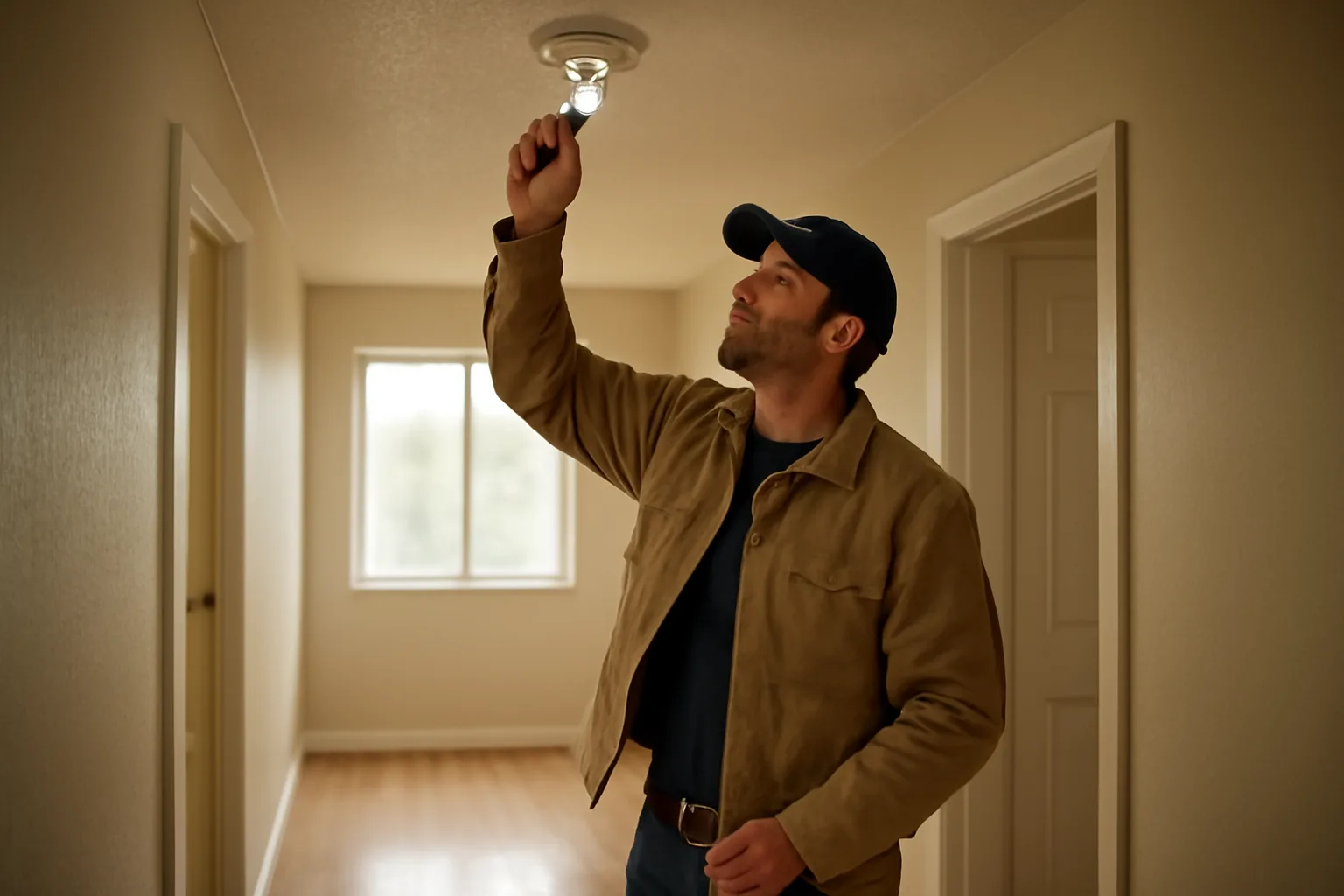
During a lawful inspection, a landlord can generally check the physical condition of the unit: smoke detectors, plumbing, electrical fixtures, HVAC function, signs of pest activity, structural issues, and general habitability items tied to local housing code. What a landlord cannot do is treat an inspection as a pretext to search personal belongings, go through closets or drawers unrelated to the stated purpose, or show up without the notice their state or city requires. City-run rental license inspections work differently from a landlord's own routine inspection. When a city inspector checks a unit for a rental certificate or license renewal, they're typically looking at things tied directly to code: working smoke and carbon monoxide detectors, secure handrails, functioning egress windows in bedrooms, absence of exposed wiring, proper water heater venting, and pest or mold evidence. Some cities also check for unpermitted room additions or illegal unit conversions, since these show up often in rental inspections and can hold up a certificate until corrected. As the landlord, you're generally allowed to be present for a city inspection, and it's smart to be. Cities in mandatory licensing programs, and California specifically has a state law addressing walkthrough procedures, generally require inspectors to give advance notice, and the landlord or landlord's representative typically arranges access with the tenant ahead of time rather than the inspector contacting the tenant directly. [5]
Who is responsible for a rental property walkthrough inspection in California?
In California, the landlord is responsible for arranging and typically must be present or represented at a rental property walkthrough inspection, whether that's a routine landlord inspection or a city-mandated rental housing inspection program. California Civil Code § 1950.5(f) specifically requires landlords to offer tenants an initial move-out inspection opportunity before the final deposit deduction walkthrough, giving the tenant the right to be present. [6] For city rental inspection programs, like those run in Los Angeles under the Systematic Code Enforcement Program (SCEP) or similar programs in Oakland and Berkeley, the property owner or their designated agent is the party responsible for scheduling the inspection with the city and ensuring access to the unit, not the tenant. The landlord typically must coordinate directly with the tenant to arrange a time, since the tenant has a right to reasonable notice before anyone enters under Civil Code § 1954, which generally requires at least 24 hours' written notice. [7] This is a different system entirely from Florida's, where there's no statewide rental inspection program at all and everything runs through individual city ordinances. If you own property in both states, don't assume Florida's rules transfer over, or vice versa.
What a landlord cannot do in Ohio
Ohio landlords cannot shut off utilities, change locks, or remove a tenant's belongings to force them out, this kind of self-help eviction is illegal under Ohio law, and landlords must go through the formal eviction process in court instead. Ohio Revised Code § 5321.15 specifically prohibits landlords from using self-help remedies like utility shutoff or lockouts to recover possession of a rental unit. [8] Ohio landlords also cannot enter a rental unit without reasonable notice except in genuine emergencies. Ohio Revised Code § 5321.04 requires landlords to give at least 24 hours' notice before entering for non-emergency purposes like inspections or repairs, and entry must happen at a reasonable time. [9] Ohio landlords cannot retaliate against a tenant for exercising legal rights, such as reporting a code violation or joining a tenant organization, under Ohio Revised Code § 5321.02. Retaliatory actions covered under this statute include raising rent, decreasing services, or attempting eviction specifically because a tenant complained. Finally, Ohio landlords cannot keep a security deposit without an itemized, written explanation if they intend to withhold any portion of it, and must return the deposit or the balance within 30 days of the tenant vacating, per Ohio Revised Code § 5321.16. Failing to comply can expose the landlord to damages of double the amount wrongfully withheld, plus reasonable attorney fees, under that same statute.
Where landlords actually go wrong searching for a Florida rental portal
The most common mistake is assuming Florida runs a centralized rental registration system the way some states run centralized business license portals. It doesn't. Florida has Sunbiz for business entity filings, DBPR for licensed professions and short-term/vacation rentals, and FLHSMV for vehicles, but nothing that touches ordinary residential long-term rental licensing statewide. [1] [3] The second most common mistake is confusing county property tax portals (like a county property appraiser's website) with rental licensing systems. Checking your property tax status is useful, but it tells you nothing about whether your city requires a rental certificate or inspection. The third mistake, and probably the costliest one, is assuming that because Florida doesn't regulate this at the state level, no one does. Cities absolutely fine landlords for operating without a required rental certificate, sometimes hundreds of dollars per violation, and some escalate daily until corrected. If you're not sure whether your specific Florida city requires registration, that one phone call to your local code enforcement office is worth more than another hour of Googling state portals that don't apply to you. If you're trying to get organized before a first inspection or license application in a city that does require it, working from a packet built around what inspectors actually check (smoke detectors, egress, electrical, pest evidence, permit history) beats trying to reconstruct the requirements from scratch every renewal cycle.
Frequently asked questions
Does Florida have a state rental license portal for landlords?
No. Florida doesn't run a statewide residential rental licensing portal. Rental registration, licensing, and inspection requirements are set city by city or county by county. The only true state-level rental licensing system in Florida is DBPR's vacation rental license for stays under 30 days, and FLHSMV's separate system for car rental companies, neither of which applies to standard month-to-month or annual residential leases.
What is the Florida car rental portal people find when searching for landlord licensing?
It's FLHSMV's surety bond and licensing system for companies renting motor vehicles, unrelated to housing. Searchers land here because of overlapping terminology ("rental" applies to both cars and apartments in Florida law). If you're licensing a residential rental unit, skip this portal entirely and search your city's building or code enforcement department instead.
How to become a landlord in Florida step by step?
Check if your city requires rental registration, register the property if so, pay the applicable fee (confirm current amount with your city), pass any required inspection, and set up a lease compliant with Florida Statutes Chapter 83. There's no state licensing exam or credential required to become a residential landlord in Florida, unlike some professions regulated by DBPR.
What is landlording?
Landlording is the ongoing management of a rental property: collecting rent, handling repairs, maintaining habitability, tracking security deposits, and keeping up with local licensing renewals. It's distinct from simply owning rental real estate, since landlording refers specifically to the active operational work involved once a tenant occupies the unit.
What is a landlord under Florida law?
Florida Statute § 83.43 defines a landlord as "the owner or lessor of a dwelling unit." This includes individual owners, LLCs, and property managers acting as an owner's agent. The definition determines who holds maintenance obligations under § 83.51 and deposit handling duties under § 83.49.
What rights do tenants have without a lease in Florida?
Tenants without a written lease are generally tenants at will under Florida Statute § 83.57 and get the same habitability protections as leased tenants under § 83.51. Termination requires written notice: 7 days for weekly tenants, 15 days for monthly, 30 for quarterly, and 60 for yearly. Self-help eviction remains illegal regardless of lease status.
Why do landlords require renters insurance?
Landlords require it to shift responsibility for a tenant's personal belongings and personal liability off the landlord's own dwelling policy, which typically doesn't cover tenant property or guest injury liability. It's a lease requirement landlords add voluntarily; Florida doesn't legally mandate tenants carry renters insurance statewide.
How much notice does a landlord have to give before entering in Florida?
Florida Statute § 83.53 requires "reasonable notice," defined as at least 12 hours before entry, and entry must generally occur between 7:30am and 8:00pm unless the tenant agrees otherwise. Emergencies don't require advance notice at all.
What can a landlord look at during a rental inspection?
A landlord or city inspector can check items tied to habitability and code compliance: smoke and carbon monoxide detectors, plumbing, electrical systems, egress windows, pest evidence, and structural condition. Inspections shouldn't extend into searching personal belongings or areas unrelated to the stated purpose of the visit.
Who is responsible for a rental walkthrough inspection in California?
The landlord is responsible for arranging the inspection and ensuring proper notice, generally at least 24 hours under California Civil Code § 1954. For move-out deposit inspections, Civil Code § 1950.5(f) requires the landlord to offer the tenant an initial walkthrough opportunity before final deductions are made.
What can't a landlord do in Ohio?
Ohio landlords cannot use self-help eviction tactics like shutting off utilities or changing locks (ORC § 5321.15), cannot enter without at least 24 hours' notice except in emergencies (ORC § 5321.04), cannot retaliate against tenants for exercising legal rights (ORC § 5321.02), and cannot withhold a security deposit without an itemized written explanation (ORC § 5321.16).
Do I need a Florida vacation rental license if I rent my property long-term?
No. DBPR's vacation rental licensing under Florida Statutes Chapter 509 applies to stays of less than 30 days or one calendar month. Standard month-to-month or annual leases fall under Chapter 83 landlord-tenant law instead and are typically subject only to your city's rental registration rules, if it has any.
What happens if I skip my city's rental registration in Florida?
Consequences vary by city, but many code enforcement departments issue violation notices with fines, sometimes escalating daily until the property is registered and, if required, inspected. Confirm your specific city's fee and penalty structure with its rental licensing or code enforcement office, since amounts differ significantly between municipalities.
Sources
- Florida Statutes Chapter 83, Part II, Florida Legislature: Florida's residential landlord-tenant law is set at the state level via Chapter 83, but licensing/registration itself is left to local governments
- Florida Statutes Chapter 509, Florida Legislature: DBPR licenses transient public lodging establishments (rentals under 30 days) under Chapter 509, separate from long-term residential leasing
- VISIT FLORIDA, 2023 Tourism Estimates: Florida hosted over 140 million visitors in 2023
- California Civil Code § 1950.5(f), California Legislative Information: California law requires landlords to offer tenants an initial move-out inspection before final security deposit deductions
- California Civil Code § 1954, California Legislative Information: California requires at least 24 hours' written notice before landlord entry in most non-emergency circumstances
- Ohio Revised Code § 5321.15, Ohio Legislative Service Commission: Ohio law prohibits landlords from using self-help remedies like utility shutoff or lockouts to remove a tenant
- Ohio Revised Code § 5321.04, Ohio Legislative Service Commission: Ohio landlords must give at least 24 hours' notice before entering a rental unit for non-emergency purposes
- Ohio Revised Code § 5321.02, Ohio Legislative Service Commission: Ohio law prohibits landlord retaliation against tenants for exercising legal rights such as reporting code violations
- Ohio Revised Code § 5321.16, Ohio Legislative Service Commission: Ohio landlords must return security deposits or an itemized statement within 30 days, or face double damages for wrongful withholding