Last updated 2026-07-25
TL;DR
A rental inspection template is a checklist landlords use to document a unit's condition before move-in, at move-out, and for city compliance inspections. Good ones cover every room, note working smoke detectors and no active leaks, and include photo fields. Notice requirements for entry vary by state, often 24 to 48 hours, so build that into your process before you show up with a clipboard.
What should a rental inspection template actually include?
A rental inspection template needs three things to be useful: a room-by-room checklist, a condition rating scale, and space for photos and dates. Skip any of those and you end up with a document that looks thorough but doesn't hold up if a tenant disputes a deduction or a city inspector flags something you missed. At minimum, cover these areas: entry doors and locks, every window and screen, smoke and carbon monoxide detectors, HVAC vents and filters, plumbing fixtures (check under sinks for leaks, more than whether the faucet runs), electrical outlets and switch plates, flooring condition room by room, walls and ceilings for water stains or cracks, and exterior items like gutters, steps, and railings if you're responsible for them. For city licensing inspections specifically, the checklist usually needs to match what your local housing code actually requires, more than general good practice. Many municipal rental inspection programs publish their own checklist as part of the ordinance. Minneapolis, for example, publishes a rental license inspection checklist covering minimum maintenance code items like functioning smoke alarms, secure handrails, and no peeling paint in pre-1978 buildings [1]. If your city has one, start there and add your own move-in/move-out fields on top, rather than building from scratch. A simple rating scale works better than long written descriptions for every item. Use something like: Good, Fair, Needs Repair, N/A. Then reserve the notes field for anything rated Fair or worse. This keeps the document fast to fill out on a real walkthrough, which matters because nobody fills out a 40-field form carefully when they're standing in someone's kitchen with the tenant waiting. If you manage units in a city with mandatory licensing, our $79 City Rental License & Inspection Prep Packet builds a checklist matched to your specific city's inspection requirements instead of a generic template, which saves the guesswork of figuring out which local code sections actually apply to your unit.
What can a landlord look at during an inspection?
A landlord can generally inspect anything related to the condition of the property and compliance with the lease: appliances, plumbing, electrical fixtures, smoke detectors, signs of damage, and unauthorized occupants or pets. What a landlord cannot do is treat an inspection as a general search, going through personal belongings, drawers, or closets beyond what's needed to check the unit's condition. The legal basis for entry itself, not what you look at once inside, is usually the more contested issue. Most states require the inspection to be for a legitimate purpose (repairs, showing the unit, verifying lease compliance) and require advance notice except in emergencies. California's Civil Code Section 1954 lists the specific reasons a landlord may enter: to make necessary or agreed repairs, to show the property to prospective buyers or tenants, in case of emergency, when the tenant has abandoned the property, or when a court order permits it, and generally requires 'reasonable notice in writing,' which the statute presumes is 24 hours absent contrary evidence [2]. During the inspection itself, take photos of anything you note as damaged, and time-stamp them if your phone doesn't do it automatically. If you find something unrelated to condition, like signs someone unauthorized is living there, note it factually ("observed second bed and men's clothing in second bedroom") rather than making assumptions in your written notes. That factual record matters if it becomes a lease violation issue later. Don't open personal mail, don't go through drawers, and don't inspect a locked private room without a specific reason tied to the lease or code compliance. Tenants have a reasonable expectation that inspections stay focused on the property, not a review of their possessions.
Who is responsible for a rental property walkthrough inspection in California?
In California, the landlord is generally responsible for conducting the move-in and move-out walkthrough inspections, though the initial move-out inspection is optional and tenant-requested. California Civil Code Section 1950.5 requires that if a landlord intends to deduct from a security deposit, the tenant has the right to request an initial inspection before move-out, giving the tenant a chance to fix issues themselves and avoid deductions [3]. The statute is specific: the landlord must give the tenant at least 48 hours' written notice of the initial inspection date and time unless the tenant waives that notice, and the landlord must provide an itemized statement of proposed repairs or cleaning after that initial walkthrough, giving the tenant the opportunity to remedy the issues before the final move-out [3]. This two-step process, initial inspection then final inspection, is fairly unique to California; most states only require a post-move-out itemized deduction list. For units in cities with mandatory rental licensing on top of the state landlord-tenant law, like a periodic housing inspection required by a local rental registration ordinance, responsibility shifts partly to the city inspector, but the landlord is still the one who has to prepare the unit, be present or arrange access, and correct any violations found. Confirm with your city rental licensing office which inspections are city-mandated versus which are your own move-in/move-out documentation, since they serve different purposes and have different notice rules.
How much notice does a landlord have to give before entering?
Notice requirements vary by state, but 24 hours is the most common minimum, with some states allowing less and a few requiring more. There's no single national rule, so check your specific state's landlord-tenant statute rather than assuming a number. California presumes 24 hours' written notice is reasonable for routine entry under Civil Code Section 1954, though the statute technically says "reasonable notice" and 24 hours is the rebuttable presumption, not an absolute floor [2]. Texas has no statutory notice requirement for landlord entry at all, which surprises a lot of people moving from a state with clearer rules, so lease language becomes the only real guardrail there. Florida requires landlords to give reasonable notice, and Florida Statutes Section 83.53 specifies at least 12 hours' notice for the purpose of showing a dwelling unit and generally bars entry except at reasonable times [4]. Emergencies are the universal exception. If there's a fire, a burst pipe actively flooding the unit, a gas leak, or another situation threatening health or safety, landlords in essentially every state can enter without advance notice. Document the emergency and what you did immediately afterward, both for your own records and in case the tenant disputes that it qualified as an emergency. A city-mandated rental inspection is a different animal from a routine landlord entry. Many municipal ordinances require the landlord to give the tenant notice of the inspection date, but the tenant generally cannot refuse to let a city inspector conduct a legally authorized inspection, and refusal can itself become a code violation or delay the license renewal. Read your specific ordinance notice language rather than assuming your state's general landlord-tenant notice rule automatically applies to a city compliance inspection; they're often governed by separate code sections.
What is landlording, and what does the job actually involve day to day?
Landlording is the ongoing work of owning and managing rental property: screening tenants, collecting rent, handling maintenance requests, keeping the unit compliant with local codes, and managing the lease relationship from move-in through move-out. It's part business and part customer service, and the compliance side (inspections, licenses, registrations) is the part most new landlords underestimate. Day to day, landlording means responding to a leaking faucet within a reasonable time, budgeting for periodic repairs like water heaters and HVAC systems that fail on their own schedule, keeping a paper trail of every notice and repair request, and staying current on whatever your city or state requires for habitability. HUD's landlord resources note that habitability standards generally require the property to have working plumbing, heat, electricity, and be free of serious safety hazards, which lines up with most state implied warranty of habitability statutes [5]. The part that trips up first-time landlords most is the administrative side: rental registration deadlines, license renewal dates, and inspection scheduling. Missing a renewal deadline in a city with mandatory licensing can mean fines that stack up fast, sometimes hundreds of dollars per violation depending on the city's fee schedule, so it pays to build a calendar reminder system from day one rather than reacting to notices as they arrive.
What is a landlord, legally speaking?
A landlord is the person or entity that owns real property and rents it to another party (the tenant) in exchange for payment, under a lease or rental agreement that creates specific legal rights and obligations on both sides. That definition sounds simple, but the legal obligations attached to it, habitability duties, security deposit handling rules, notice requirements, anti-discrimination compliance under the Fair Housing Act, are where the real complexity lives. Under the federal Fair Housing Act, a landlord cannot discriminate based on race, color, national origin, religion, sex, familial status, or disability in any aspect of renting, including who they show units to, what terms they offer, or how they enforce rules [6]. Most states and many cities add protected classes on top of the federal list, like source of income (Section 8 vouchers) or sexual orientation, so a landlord operating in one city can have more restrictions than the federal floor requires. A landlord who owns even a single rental unit is a landlord in the full legal sense, subject to the same core state landlord-tenant statutes as someone who owns hundreds of units, though many mandatory rental licensing ordinances specifically target small landlords (1 to 10 units) with a separate registration and inspection track, since larger buildings sometimes fall under commercial or multifamily code instead.
How to become a landlord: the practical steps
Becoming a landlord means acquiring rental property (or converting your existing home into a rental), then handling the legal and financial steps before you can legally rent it out: entity setup, insurance, local registration, screening, and a compliant lease. Here's the realistic order most people go through. 1. Decide on ownership structure. Many landlords hold property personally at first, then move to an LLC as they add units, mainly for liability separation. Talk to a real estate attorney or CPA about what fits your situation; this isn't something a template can decide for you. 2. Get landlord insurance, more than a homeowner's policy. A standard homeowner's policy typically excludes rental activity, so you need a dwelling fire policy or landlord policy that covers the property as a rental. 3. Check your city's rental registration or licensing requirement. This is the step people skip and regret. Many cities require landlords to register the unit, pay an annual or biennial fee, and pass a habitability inspection before renting legally. Confirm with your city rental licensing office whether your address falls under a mandatory program; ordinances vary block by block in some cities depending on zoning and building age. 4. Set your rent and screening criteria in writing, applied consistently to every applicant, to stay on the right side of fair housing law. 5. Use a written lease that matches your state's required disclosures (lead paint disclosure for pre-1978 housing is a federal requirement under 42 U.S.C. Section 4852d, for example) [7]. 6. Do a documented move-in walkthrough with your rental inspection template, get the tenant to sign off on the condition report, and keep a copy for both of you. If you're just starting out, read up on tenant rights and renters rights before you draft anything, so your process doesn't accidentally violate a right the tenant has from day one, lease or no lease.
What rights do tenants have without a lease?
Tenants without a written lease, sometimes called tenants-at-will or month-to-month tenants by operation of law, still have real legal protections. In nearly every state, the absence of a written lease does not mean the absence of tenant rights; it usually just means the tenancy defaults to month-to-month terms under state law, with rights to habitability, proper notice before termination, and protection from illegal lockouts still fully in force. An oral or implied lease is still a lease in the eyes of most state landlord-tenant law. HUD's overview of tenant rights notes that regardless of lease form, tenants generally retain the right to a habitable home, the right to notice before eviction, and protection from retaliation for exercising legal rights like reporting code violations [5]. A landlord cannot simply change the locks or remove a tenant's belongings without going through the formal eviction process required by state law, lease or no lease; that's true almost everywhere in the U.S. Notice periods for ending a no-lease, month-to-month tenancy vary by state, commonly 30 days, though some states require more depending on how long the tenant has lived there. If you're renting without a written lease right now, get one in place going forward; verbal agreements create real ambiguity about rent amount, due dates, and what happens at renewal, and that ambiguity tends to hurt landlords in disputes since there's no document to point to. For tenants specifically researching this because they just moved in without paperwork, read tenants rights and tenant and tenant disputes for more on what protections apply regardless of lease status.
Why do landlords require renters insurance?
Landlords require renters insurance mainly to shift liability for a tenant's personal property loss and personal injury claims away from the landlord's own policy. A landlord's property insurance covers the building itself, not the tenant's furniture, electronics, or clothing, and it generally doesn't cover a tenant's liability if they cause a fire or a guest gets injured in the unit. Renters insurance policies typically include personal property coverage and liability coverage, often in the range of $100,000 to $300,000 in liability limits depending on the policy, at a fairly low average premium; the Insurance Information Institute has reported average annual renters insurance premiums in the range of roughly $170 to $200 per year nationally in recent years, though this varies by state and coverage amount [8]. Requiring it as a lease condition is legal in most states, as long as it's applied consistently and disclosed in the lease. Beyond the insurance itself, requiring renters insurance also reduces the odds that a tenant sues the landlord directly after a loss that wasn't the landlord's fault, like the tenant's own space heater causing damage. It's a genuinely cheap risk transfer tool for a landlord, and most tenants don't push back hard on a $12 to $20 monthly cost once it's explained as protecting their own belongings too, more than the landlord's interest.
What can't a landlord do in Ohio?
In Ohio, landlords cannot shut off utilities, change locks, or remove a tenant's belongings to force them out, even if rent is unpaid; that's illegal self-help eviction, and Ohio law requires going through the court eviction process instead. Ohio Revised Code Section 5321.02 also specifically prohibits landlords from retaliating against a tenant who complains to a government agency about a building, housing, health, or safety code violation, by raising rent, decreasing services, or threatening eviction because of that complaint [9]. Ohio landlords also cannot enter a tenant's unit without reasonable notice except in an emergency; Ohio Revised Code Section 5321.04 requires the landlord to give reasonable notice of intent to enter and to enter only at reasonable times, generally interpreted in practice (though not fixed by an exact number of hours in the statute itself) as 24 hours where custom and lease terms don't specify otherwise [10]. Ohio landlords are also barred from discriminating based on the federal Fair Housing Act protected classes, and Ohio adds its own state-level protections through the Ohio Civil Rights Commission covering similar ground at the state level [6]. And under Ohio Revised Code Section 5321.15, a landlord cannot seize a tenant's personal property to satisfy a rent debt, another common illegal self-help tactic that shows up in Ohio landlord complaints . If you're a landlord in Ohio dealing with a habitability dispute or a tenant withholding rent over a repair issue, read the escrow and repair remedy provisions in Ohio Revised Code Chapter 5321 carefully before taking any action; Ohio has a specific statutory process tenants can use, and skipping past it in either direction (landlord or tenant) tends to backfire in court.
How to run the actual walkthrough: a step-by-step process
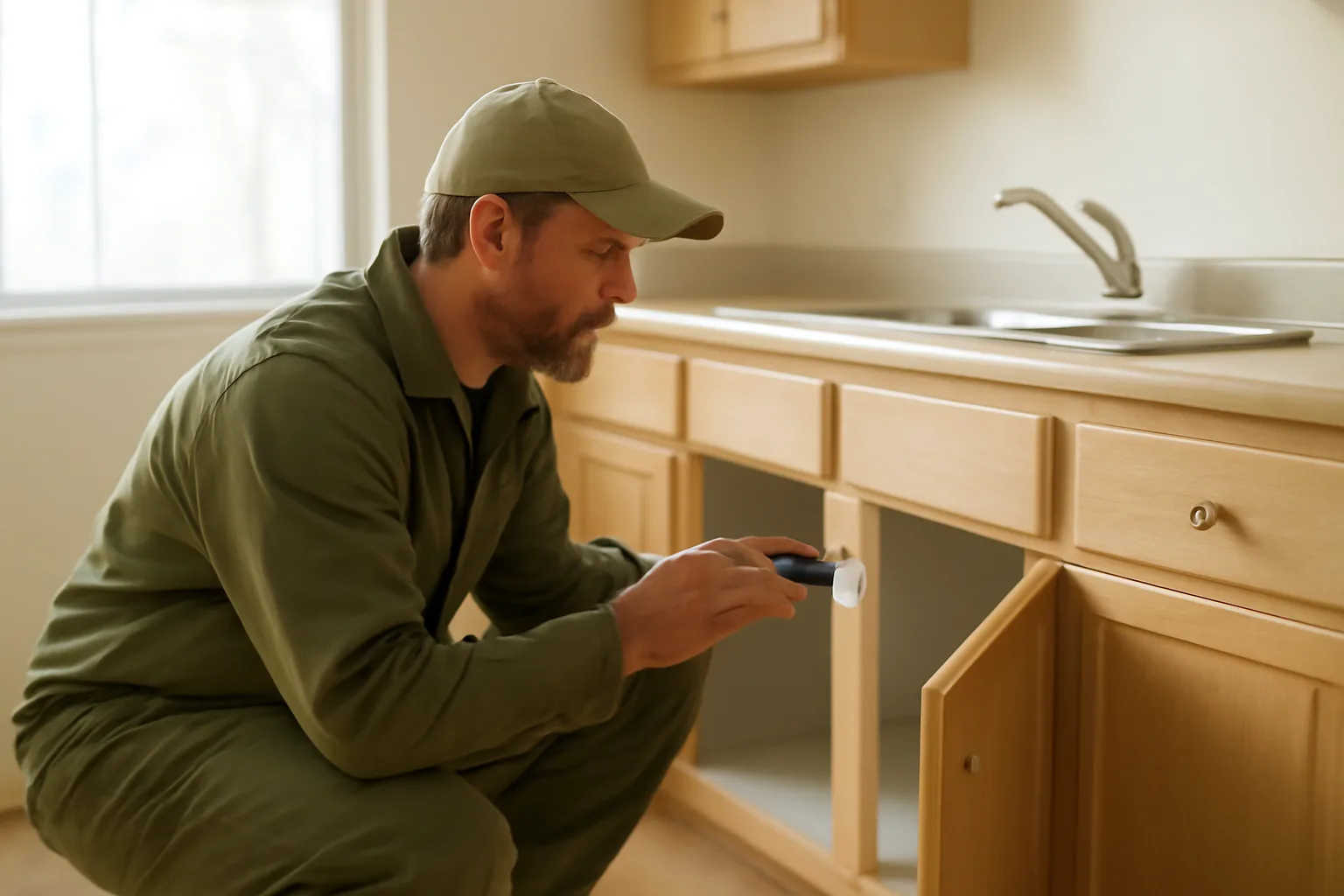
Run every rental inspection, whether it's your own move-in check or a city compliance visit, the same repeatable way: schedule with proper notice, walk the same route every time, photograph everything you note, and get signatures where possible. 1. Schedule and send written notice matching your state's minimum, in writing, even if a text or email is all your state technically requires. A paper trail protects you if there's ever a dispute about whether notice was given. 2. Walk the same route every time: exterior first, then entry, then room by room in a fixed order (kitchen, living areas, each bedroom, each bathroom, then utility spaces). Consistency here means you don't skip a room because the tenant was chatting with you in the kitchen for ten minutes. 3. Test every smoke detector and CO detector by pressing the button, more than eyeballing it. This is the single most commonly cited item in fire code and rental housing inspections nationally, and it takes ten seconds per unit. 4. Photograph anything below "Good" condition, with a date stamp. Photograph even things that look fine in units where you've had prior disputes; it costs nothing and protects you later. 5. Note anything structural or safety-related for immediate follow-up (active leaks, exposed wiring, broken locks) separately from cosmetic notes, so repairs get prioritized correctly. 6. Get the tenant's signature on the move-in/move-out condition report if they're present. If it's a city inspection, get the inspector's report number or case ID and keep it with your renewal file. For landlords managing several units across different cities, keeping the paperwork organized by city and renewal date matters more than most people expect; a missed local deadline is usually an administrative failure, not a maintenance one. Our $79 City Rental License & Inspection Prep Packet is built around that exact problem: matching your checklist and renewal calendar to what your specific city actually requires, instead of managing it from memory or a stack of old notices.
Frequently asked questions
Is a rental inspection template legally required?
No template is required by law itself, but many cities with mandatory rental licensing require landlords to pass a habitability inspection using the city's own checklist. Your own move-in/move-out template isn't legally mandatory in most states, but it becomes your best evidence in any security deposit or condition dispute, so skipping it is a real risk even where it's optional.
How often does a rental unit need to be inspected?
It depends entirely on your city's ordinance if one exists; some require annual inspections, others every two or three years, and some only inspect on complaint or at tenant turnover. Confirm with your city rental licensing office for your specific renewal cycle, since there's no single national standard and cycles vary widely even within the same state.
Can a tenant refuse a landlord's inspection?
A tenant can generally refuse an unreasonable or improperly noticed entry, but cannot indefinitely refuse a properly noticed inspection tied to a legitimate purpose like repairs or a city-mandated compliance check. Refusing a legally authorized city inspection can itself delay license renewal or become a separate violation, so it's worth resolving scheduling conflicts rather than a flat refusal.
What's the difference between a move-in inspection and a city rental inspection?
A move-in inspection is your own documentation of the unit's condition when a tenant takes possession, mainly for security deposit purposes. A city rental inspection is a code compliance check tied to your rental license or registration, done by a municipal inspector, checking things like smoke detectors, egress windows, and structural safety against the local housing code.
Do landlords have to give tenants a copy of the inspection report?
In many states, yes, especially for California's post-move-out itemized statement requirement under Civil Code Section 1950.5. For city compliance inspections, practice varies; some cities send the report to the landlord only, others copy the tenant. Confirm with your city rental licensing office what their specific notification practice is.
What happens if a rental unit fails inspection?
Most cities give the landlord a corrective period, often 30 to 60 days depending on the ordinance and violation severity, to fix the cited issues and request a re-inspection. Repeated failures or unaddressed violations can lead to fines, a suspended or revoked rental license, or in serious safety cases, an order barring occupancy until repairs are made.
Can a landlord charge a fee for a failed inspection?
Some cities charge a re-inspection fee if the first inspection fails and a follow-up visit is needed, separate from the landlord's own repair costs. This fee amount varies by city and is set by local ordinance, so confirm with your city rental licensing office for the exact amount rather than assuming a standard number.
How do I know if my city requires rental licensing at all?
Search your city name plus "rental registration" or "rental license" on the city's official government website, or call the housing or code enforcement department directly. Many mandatory programs are citywide, but some apply only to certain zoning districts, building ages, or unit counts, so a phone call is more reliable than assuming based on a neighbor's experience.
What is landlording as a term, and where did it come from?
Landlording is simply the informal noun form of the work landlords do: managing tenants, maintenance, rent collection, and legal compliance for rental property. It's used casually in real estate and property management circles rather than being a formal legal term, similar to how "parenting" describes the work rather than a legal status.
What can't a landlord ask during a background check or inspection?
During tenant screening, landlords cannot ask about or use protected characteristics under the Fair Housing Act (race, religion, national origin, sex, familial status, disability) as screening criteria. During an inspection, a landlord cannot search through personal belongings unrelated to the property's condition or use the visit to investigate anything outside lease compliance and habitability.
Do I need a lawyer to create a rental inspection template?
Not for the checklist itself; that's a documentation tool, not a legal document. But if you're drafting lease language about inspection rights, notice periods, or renters insurance requirements, it's worth having a local attorney review it once, since state landlord-tenant law varies enough that a generic template can miss a state-specific requirement.
What's the fastest way to prepare for a city rental inspection?
Walk the unit yourself first using your city's published checklist if one exists, fix anything obvious (dead smoke detector batteries, missing outlet covers, loose railings), and photograph the corrected items before the official visit. Most failed inspections come down to a handful of recurring, cheap-to-fix issues rather than major structural problems.
Sources
- California Civil Code Section 1954: California landlord entry reasons and 24-hour notice presumption
- California Civil Code Section 1950.5: California initial move-out inspection right and 48-hour notice requirement
- Florida Statutes Section 83.53: Florida requires reasonable notice, at least 12 hours, for landlord entry to show a unit
- HUD, Tenant Rights overview: Habitability standards and tenant rights regardless of lease form
- HUD, Fair Housing Act protections: Federal Fair Housing Act protected classes landlords cannot discriminate against
- 42 U.S.C. Section 4852d, Lead Disclosure Requirements: Federal lead paint disclosure requirement for pre-1978 housing
- Insurance Information Institute, Facts + Statistics: Homeowners and renters insurance: Average annual renters insurance premium range nationally
- Ohio Revised Code Section 5321.02: Ohio prohibits landlord retaliation against tenants who report code violations
- Ohio Revised Code Section 5321.04: Ohio landlord obligations including reasonable notice before entry
- Ohio Revised Code Section 5321.15: Ohio prohibits landlords from seizing tenant property to satisfy rent debt