Last updated 2026-07-25
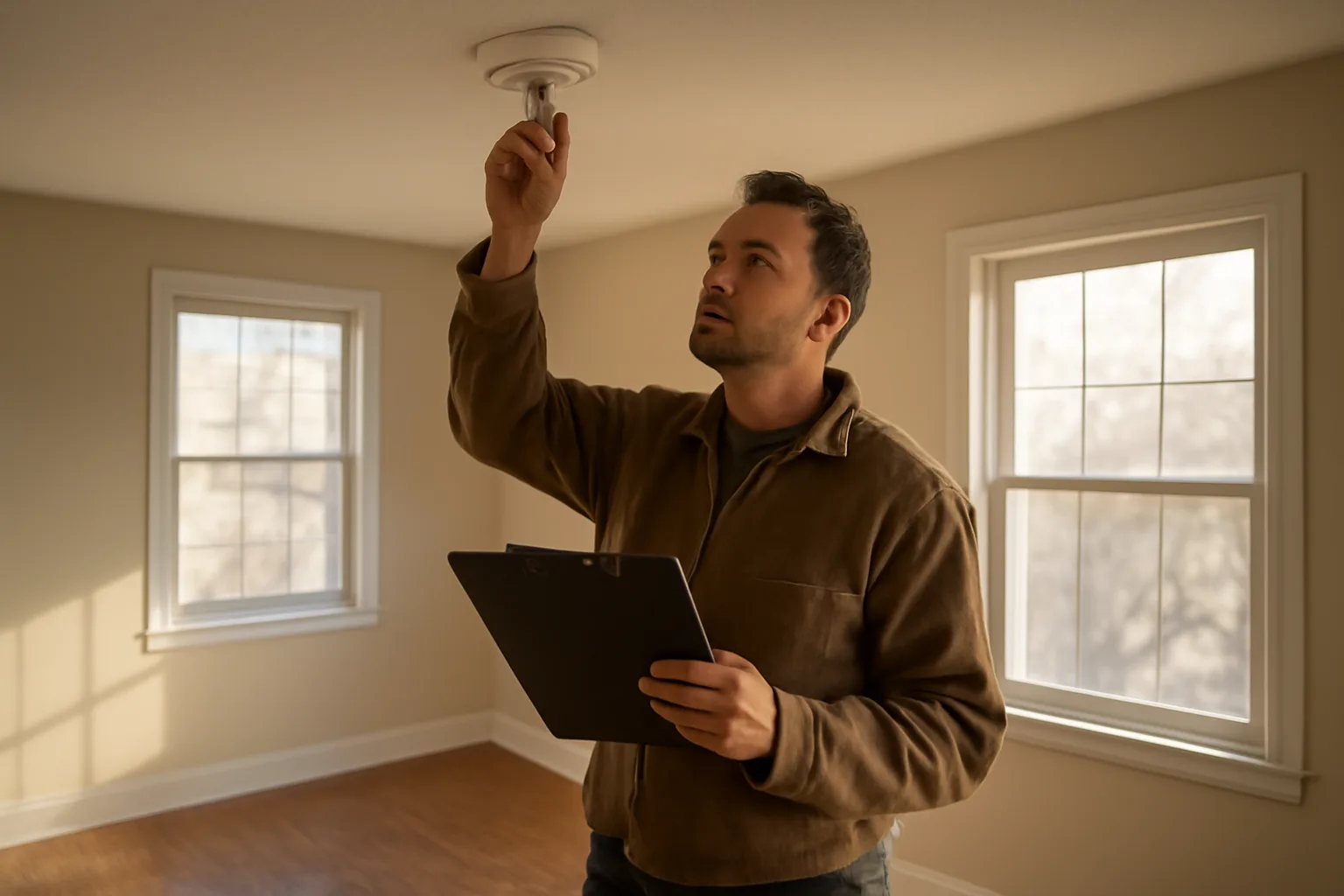
TL;DR
Becoming a landlord means more than buying property and finding a tenant. You'll typically need to register or license the unit with your city, follow state notice rules before entering or ending a tenancy, and understand what rights tenants keep even without a written lease. Requirements vary a lot by state and city, so confirm specifics with your local rental licensing office.
how to become a landlord
Becoming a landlord starts with the property, but the paperwork is what trips people up. You need a legal right to rent the unit (ownership, or an LLC that owns it), a habitable space that meets your state's building and housing codes, and in a growing number of cities, a rental license or registration before you can legally collect rent. The basic sequence looks like this: buy or convert the property, confirm it's zoned for rental use, check whether your city or county requires a rental license or registration (many do, especially in cities with proactive rental inspection programs), get any required inspection scheduled, set up a lease that matches your state's landlord-tenant statute, screen tenants under fair housing law, and collect a security deposit within your state's legal limits. Most states don't require a special "landlord license" to rent out property you own. What they do require is compliance with implied warranty of habitability standards, which most states have adopted either by statute or court decision. HUD's fair housing guidance also applies the moment you advertise a unit, regardless of whether your city requires a rental license [1]. If you're renting your first unit, budget time for the local side of this before you list anything. A surprising number of first-time landlords get a notice of violation for operating without a rental license months after they already have a tenant in place, because they didn't know their city required one. Checking with your city's rental licensing or code enforcement office before you sign a lease saves that headache. For a structured way to track city-specific requirements, see landlord basics for a broader breakdown of what varies by jurisdiction.
what is landlording, exactly
Landlording is the ongoing work of owning and operating a rental property: finding and screening tenants, maintaining the unit, collecting rent, handling repairs, and staying compliant with local codes. It's a mix of property management and legal compliance, and it doesn't stop once a lease is signed. The term gets used loosely, but in practical terms landlording covers four buckets of recurring work. First, tenant relations: showings, applications, lease renewals, and communication about repairs. Second, maintenance: routine upkeep plus emergency repairs, which most states require landlords to handle within a "reasonable time" under implied warranty of habitability rules. Third, compliance: rental licensing renewals, inspection scheduling, and staying current on any local ordinance changes. Fourth, the financial side: rent collection, security deposit accounting, and tax reporting on rental income. Small landlords with 1 to 10 units often underestimate the compliance bucket specifically because it's invisible until a notice arrives. A single-family rental in a city with a mandatory rental registration program still has to be renewed, usually annually, even if nothing about the tenancy has changed. Missing that renewal is one of the most common ways small landlords end up with a fine they didn't see coming.
what is a landlord under the law
Legally, a landlord is the person or entity that owns residential property and rents it to a tenant in exchange for payment, typically under a lease or rental agreement. The landlord holds the legal title (or a leasehold interest they're subletting under, in some cases) and takes on statutory duties, most importantly the duty to keep the unit habitable. State landlord-tenant statutes define these obligations directly. California's Civil Code, for example, lists specific habitability requirements landlords must meet, including effective waterproofing, working plumbing, heating, and electrical systems, and adequate trash receptacles [2]. Ohio's landlord-tenant law, at Ohio Revised Code 5321.04, similarly requires landlords to keep the premises in a fit and habitable condition and to comply with building and housing codes [3]. Being a landlord also means you're bound by fair housing law the moment you list a rental. The federal Fair Housing Act prohibits discrimination based on race, color, national origin, religion, sex, familial status, and disability in the rental, sale, or financing of housing [1]. Many states and cities add protected categories on top of that, like source of income or sexual orientation, so it's worth checking your state's fair housing agency page in addition to the federal rule.
how to be a landlord day to day
Day to day, being a landlord means responding to maintenance requests promptly, giving proper notice before entering the unit, keeping the rental license or registration current, and documenting everything. The documentation part matters more than new landlords expect: move-in condition photos, repair request logs, and notice records are what protect you if a dispute ends up in small claims court or before a housing board. A few habits separate landlords who avoid trouble from ones who don't. Keep a written log of every maintenance request and when it was resolved. Renew your rental license or registration on your city's schedule, not your own memory (calendar reminders 60 days out are cheap insurance). Send notices in writing, even when a phone call would work, because verbal notice is hard to prove later. And read your city's most recent rental housing ordinance amendments once a year, because cities update inspection cycles and fee schedules more often than landlords check. If you're managing more than one unit or more than one city, the compliance load multiplies fast, since each city sets its own registration fee, inspection cycle, and renewal deadline. That's the exact gap our $79 one-time City Rental License & Inspection Prep Packet is built for: it walks you through what a typical city rental licensing office asks for, so you're not guessing at inspection prep the night before a scheduled walkthrough. Check /rental-packet-builder for details, and confirm your specific city's fee and deadline directly with its rental licensing office, since those numbers change and vary by jurisdiction.
who is responsible for the rental property walk-through inspection in california
In California, the landlord is generally responsible for scheduling and initiating the pre-move-out walk-through inspection, and the tenant has the right to be present. California Civil Code Section 1950.5(f) gives tenants the right to request an initial inspection before the final move-out inspection, specifically so they can fix any deficiencies before losing part of their security deposit [2]. Here's how it actually works: the landlord must notify the tenant of their right to request this initial inspection, and if the tenant requests it, the landlord has to give at least 48 hours' written notice before the inspection date, unless the tenant waives that notice [2]. After the initial walk-through, the landlord provides an itemized list of deficiencies. The tenant then gets a chance to fix those issues before move-out. The final inspection at move-out is separate, and that's when the landlord assesses actual damage against the security deposit. This is specific to California; most states don't have an equivalent statutory pre-move-out walk-through right built into their civil code. If you're a landlord operating in California, Civil Code 1950.5 is the section to read in full, since it also governs security deposit itemization deadlines (21 calendar days after the tenant moves out) [2].
what can a landlord look at during an inspection
During a routine or move-in/move-out inspection, a landlord can typically look at anything related to the physical condition of the unit and its systems: walls, floors, ceilings, plumbing, electrical fixtures, HVAC, appliances that came with the unit, windows, doors, and smoke/carbon monoxide detectors. What a landlord generally cannot do is search through a tenant's personal belongings, closets, or private papers as part of that inspection. City rental licensing inspections (as opposed to a landlord's own routine check) are usually narrower and code-focused. A city inspector checking for rental license compliance is typically looking for things like working smoke detectors, functioning heat, no exposed wiring, secure handrails, no rodent or pest infestation, and compliance with occupancy limits. These inspections are about code compliance, not tenant housekeeping. Ohio Revised Code 5321.04 lays out the landlord's habitability duties that inspections are meant to verify: keeping all common areas safe and sanitary, maintaining electrical, plumbing, and HVAC systems in good working order, and keeping the premises fit and habitable [3]. If an inspection reveals a violation of one of these duties, the fix is generally the landlord's financial responsibility, not the tenant's.
what a landlord cannot do in ohio
Under Ohio law, a landlord cannot shut off utilities, change the locks, or remove a tenant's belongings to force them out; this is commonly called "self-help eviction" and it's illegal in Ohio as in most states. A landlord must go through the formal eviction process in court (a forcible entry and detainer action) even if the tenant is behind on rent or has stopped paying entirely. Ohio Revised Code Chapter 5321 also restricts several other landlord actions. A landlord cannot retaliate against a tenant for exercising a legal right, like reporting a code violation or joining a tenant union; ORC 5321.02 specifically prohibits retaliatory conduct including rent increases, service reductions, or eviction filed in retaliation [4]. A landlord also cannot enter a tenant's unit without proper notice except in a genuine emergency; ORC 5321.04 requires landlords to give reasonable notice, generally interpreted as 24 hours, before entering for non-emergency purposes [3]. Ohio landlords also can't ignore their own maintenance duties and then charge the tenant for the resulting damage, and they can't withhold a security deposit without an itemized, written explanation when required by ORC 5321.16 [5]. If you're operating in Ohio specifically, both ORC 5321.02 and 5321.04 are worth reading directly rather than relying on a secondhand summary, since the statute language controls in a dispute.
what rights do tenants have without a lease
A tenant without a written lease still has real legal rights. In every state, an oral or implied rental agreement creates a tenancy, usually a month-to-month tenancy, and the tenant keeps the right to habitable premises, protection from illegal lockouts, and proper notice before the tenancy ends. Without a written lease, the relationship typically defaults to a periodic tenancy under state law, most often month-to-month if rent is paid monthly. That means the landlord generally has to give the statutory notice period (commonly 30 days, though this varies by state and by how long the tenant has lived there) before ending the tenancy or raising rent significantly. A tenant without a lease still cannot be evicted without proper legal process; "no lease" does not mean "no rights." The implied warranty of habitability applies regardless of whether there's a written lease, because it's built into state statute or case law, not into the lease document itself. So a tenant paying rent verbally, month to month, still has the right to working heat, plumbing, and structural safety under the same standards as a tenant with a signed 12-month lease. For a broader look at how these rights play out state by state, see tenant rights and tenants rights.
how much notice does a landlord have to give
Notice requirements depend on what the notice is for and which state you're in, and there's no single national number. For entering a unit for non-emergency repairs or inspection, many states require 24 to 48 hours' advance notice; California requires "reasonable notice," which the Civil Code presumes to be 24 hours for most purposes [2]. For ending a month-to-month tenancy, the most common state default is 30 days' written notice, though some states require more for longer tenancies. California, for instance, requires 60 days' notice to terminate a tenancy where the tenant has lived in the unit for a year or more, and 30 days if under a year, per Civil Code Section 1946.1 [6]. For rent increases, notice requirements often track termination notice rules, so a 30-day or 60-day threshold depending on the size of the increase and length of tenancy is common in states like California. Every state sets its own rule here, and some cities layer additional notice requirements on top of the state minimum (common in cities with rent stabilization ordinances). The one universal piece of advice: put every notice in writing, date it, and keep a copy, even in states where verbal notice is technically allowed.
why do landlords require renters insurance
Landlords require renters insurance mainly to shift liability risk off their own property insurance and to make sure tenants have a way to cover their own belongings and any damage they cause. A landlord's own property insurance typically doesn't cover a tenant's personal possessions and often has gaps around tenant-caused liability, like a kitchen fire or a bathtub overflow that damages the unit below. Renters insurance policies commonly include personal liability coverage, often in the $100,000 to $300,000 range depending on the policy, which protects the landlord indirectly: if a tenant's negligence causes a fire or a flood that damages the building, the tenant's liability coverage can pay for the landlord's losses instead of the landlord's own policy absorbing the claim (and the resulting premium increase). Many landlords require proof of renters insurance as a lease condition specifically for this reason, not because state law requires it (most states don't mandate renters insurance by statute; it's a landlord-imposed lease term). There's a real cost argument here too. The average renters insurance policy costs somewhere around $15 to $30 a month nationally, according to industry rate surveys, though the exact number moves with location and coverage level. That's a small ask relative to the liability exposure a landlord avoids by requiring it. If your lease requires renters insurance, keep a copy of the certificate on file and set a renewal reminder, since policies lapse and tenants don't always remember to renew.
how rental licensing and inspection requirements fit into all of this
Rental licensing sits on top of everything above, as a separate city-level or county-level compliance layer. Where your state's landlord-tenant statute governs your relationship with the tenant, your city's rental licensing ordinance governs your relationship with the local government, and the two systems don't always line up neatly. A city with mandatory rental licensing typically requires you to register the property (sometimes annually, sometimes on a multi-year cycle), pay a registration or license fee, and pass a periodic inspection covering things like smoke detectors, egress windows, electrical panels, and pest control. Miss the registration deadline and many cities issue a fine or an operating-without-a-license citation, sometimes before you even know the deadline passed, because renewal notices can go to an old mailing address or get buried in email. Because these programs vary city to city, and because fee amounts and inspection cycles change over time, the right move is always to confirm current requirements directly with your city's rental licensing or code enforcement office rather than relying on a number you saw somewhere online, including this article. If you want a structured starting point for gathering what a typical inspection covers before your city's inspector shows up, our $79 City Rental License & Inspection Prep Packet at /rental-packet-builder walks through the common categories cities check. It's not a substitute for your city's actual checklist, but it's a solid way to get organized before you call your local office to confirm specifics.
Frequently asked questions
How to become a landlord with just one rental unit?
You need legal ownership or authority to rent the unit, a lease that follows your state's landlord-tenant law, tenant screening that complies with fair housing law, and (in many cities) a rental license or registration filed before you rent. Check with your city's rental licensing office before signing a lease, since requirements and fees vary widely by city.
Who is responsible for the rental property walk-through inspection in California?
The landlord is responsible for offering and scheduling the initial walk-through inspection under California Civil Code 1950.5(f), and must give the tenant at least 48 hours' written notice if the tenant requests it. This inspection happens before the final move-out inspection, giving tenants a chance to fix deficiencies first.
What is landlording?
Landlording is the ongoing work of operating a rental property: tenant relations, maintenance, rent collection, and regulatory compliance like rental licensing and inspections. It's not a one-time setup; it's recurring work that continues for as long as you own the rental.
What is a landlord, legally speaking?
A landlord is the property owner (or authorized leaseholder) who rents residential space to a tenant under a lease or rental agreement, taking on statutory duties like maintaining habitability and following fair housing law under the federal Fair Housing Act.
What rights do tenants have without a lease?
A tenant without a written lease still has a legal tenancy, usually month-to-month, and keeps rights to habitable housing, proper notice before eviction or rent increases, and protection from illegal lockouts. Verbal or implied agreements are still legally binding rental agreements in every state.
How to be a landlord without getting a violation notice?
Renew your rental license or registration on schedule, respond to maintenance requests within a reasonable time, give proper written notice before entering units, and check your city's rental housing ordinance annually for updates. Most violations come from missed renewal deadlines, not major code failures.
Why do landlords require renters insurance?
Landlords require renters insurance to cover tenant liability, like fire or water damage caused by the tenant, and to protect tenant belongings, which a landlord's own property policy doesn't cover. It shifts risk away from the landlord's insurance and reduces disputes over damage costs.
How much notice does a landlord have to give before entering a unit?
Most states require 24 to 48 hours' advance notice for non-emergency entry; California presumes 24 hours is reasonable under its Civil Code. Emergency situations, like a burst pipe, typically don't require advance notice at all.
What can a landlord look at during an inspection?
A landlord can inspect the physical condition of the unit: plumbing, electrical, HVAC, smoke detectors, appliances, and structural elements. A landlord generally cannot search personal belongings, private papers, or areas unrelated to the unit's condition and code compliance.
What a landlord cannot do in Ohio?
An Ohio landlord cannot shut off utilities or change locks to force a tenant out, cannot enter without proper notice except in an emergency, and cannot retaliate against a tenant for reporting code violations, under Ohio Revised Code 5321.02 and 5321.04.
How much notice does a landlord have to give to raise rent?
This depends entirely on your state and sometimes your city. Many states tie rent increase notice to the same period required for ending a month-to-month tenancy, often 30 to 60 days; some cities with rent stabilization ordinances add extra requirements on top.
Do all cities require a rental license or registration?
No. Rental licensing and registration requirements exist in a growing but still limited number of cities, mostly larger ones with proactive housing code enforcement programs. Confirm with your specific city's rental licensing or code enforcement office whether a license or registration applies to your property.
Sources
- HUD, Fair Housing Act overview: Federal Fair Housing Act prohibits discrimination in rental housing based on race, color, national origin, religion, sex, familial status, and disability
- California Civil Code Section 1950.5: Tenant right to request initial move-out inspection with 48 hours' written notice, and security deposit itemization rules
- Ohio Revised Code 5321.04: Ohio landlord duties to maintain habitability, common areas, and provide reasonable notice before entry
- Ohio Revised Code 5321.02: Ohio law prohibits landlord retaliation against tenants for exercising legal rights
- California Civil Code Section 1946.1: California notice periods (30 or 60 days) required to terminate a month-to-month residential tenancy
- Ohio Revised Code 5321.16: Ohio landlord requirement to provide an itemized, written explanation before withholding a tenant's security deposit