Last updated 2026-07-25
TL;DR
Becoming a landlord means more than buying a property and finding a tenant. You'll likely need to register with your city, pass a rental inspection, follow state notice rules (often 24-48 hours for entry), and understand tenant rights even without a written lease. Requirements vary heavily by city and state, so always confirm specifics locally.
How do you actually become a landlord?
Becoming a landlord starts with the property, but the legal part is where most new landlords get tripped up. You need to buy or already own a rental unit, decide how you'll manage it (yourself or through a property management company), and then figure out what your city and state require before you can legally rent it out. Most people skip straight to "find a tenant" and miss the compliance layer entirely. That's a mistake. A growing number of cities require a rental license or registration before you can lease a unit at all. Some require a pre-rental inspection. Landlords who skip this step can face fines that run from a few hundred dollars to over a thousand per violation, depending on the city. The practical steps look like this: confirm whether your city has a rental registration or licensing program (check with your city rental licensing office), get the property inspected if required, screen tenants under fair housing law, draft a lease that matches your state's landlord-tenant statute, and set up a system for handling maintenance requests and rent collection. The U.S. Census Bureau's Rental Housing Finance Survey found that individual investors, not corporations, own the majority of rental properties nationally, particularly in the 1-4 unit range [1]. That means most landlords are exactly the person reading this: someone with one to ten units, learning the rules as they go, not a large management firm with a compliance department. If you're renting out your first unit, budget time for paperwork before you budget for furniture or paint. Cities move slower than tenants want to wait, and a registration application that takes "two to three weeks" on paper can take six if you submit it with missing documents.
What is landlording, exactly?
Landlording is the ongoing work of owning and operating rental property: setting rent, screening and selecting tenants, maintaining the unit, collecting rent, handling repairs, and following the legal notice and eviction procedures in your state when something goes wrong. It's a mix of light business operations and legal compliance, more than owning a house someone else lives in. A landlord's day-to-day responsibilities generally break into four buckets: legal compliance (leases, notices, fair housing law), habitability (repairs, safety, working systems), financial management (rent collection, security deposits, taxes), and communication (responding to tenants, documenting everything). The habitability piece is where courts and inspectors focus the most. Nearly every state has an implied warranty of habitability, meaning a rental unit has to meet basic health and safety standards regardless of what the lease says. California's version is codified at Civil Code Section 1941, which requires landlords to keep premises in a condition "fit for the occupation of human beings" [2]. Landlording also means keeping records. If a tenant disputes a repair timeline, a rent increase, or a deposit deduction, the landlord who wrote things down and kept receipts wins that argument far more often than the one relying on memory.
What is a landlord, legally speaking?
A landlord is the party who owns or controls a rental property and leases it to a tenant in exchange for rent, taking on legal obligations to maintain the property and respect the tenant's rights under state and local law. The legal definition matters because it triggers specific duties: habitability, notice requirements, deposit handling, and non-discrimination rules under the Fair Housing Act [3]. A landlord isn't automatically the person whose name is on the deed. If you hire a property management company, you're still the landlord in most legal contexts (the "owner" or "lessor"), while the manager acts as your agent. That distinction matters for liability: many state and local ordinances hold the property owner ultimately responsible for code violations even if a manager was supposed to handle them. Being a landlord also means you're bound by the Fair Housing Act, which prohibits discrimination based on race, color, national origin, religion, sex, familial status, and disability in the sale or rental of housing [3]. Cities and states frequently add protected classes on top of the federal list (source of income, sexual orientation, immigration status), so check your local fair housing ordinance too.
How do you become a landlord step by step?
Here's a realistic sequence, not the marketing-brochure version: 1. Confirm zoning allows rental use for your property type (single-family, duplex, ADU rules differ by city). 2. Check whether your city requires rental registration or a rental license before you can lease the unit. Confirm with your city rental licensing office, since fees and deadlines vary block by block in some metro areas. 3. Schedule any required pre-rental or periodic inspection. 4. Get landlord insurance (different from a standard homeowner's policy) and consider requiring renters insurance from tenants. 5. Set rent based on comparable units and any local rent control limits. 6. Screen tenants consistently, using the same criteria for every applicant, to stay compliant with the Fair Housing Act [3]. 7. Sign a written lease that matches your state's landlord-tenant statute on notice periods, deposit limits, and disclosures. 8. Set up rent collection and a maintenance request system. 9. Keep a file for every unit: inspection reports, repair receipts, notices sent, and lease copies. Step 2 is the one new landlords underestimate most. A city rental license or registration is a separate legal requirement from your state landlord-tenant law and from your mortgage or HOA rules. Miss it, and you can be fined even if your tenant relationship is fine on paper. If you want a structured way to organize the registration and inspection paperwork before your city's deadline, the $79 City Rental License & Inspection Prep Packet walks through the documents most cities ask for.
Who is responsible for a rental property walk-through inspection in California?
In California, the landlord is responsible for arranging and conducting a required move-in and move-out walk-through inspection when a tenant requests one, under California Civil Code Section 1950.5(f) [4]. The law gives tenants the right to request an initial inspection before move-out specifically to identify repairs that could reduce deductions from the security deposit. The statute states that upon request, the landlord shall "give the tenant an opportunity to remedy identified deficiencies... prior to the termination of the tenancy" and must give at least 48 hours' written notice of the date and time of the initial inspection unless the tenant waives that notice [4]. After the inspection, the landlord provides an itemized statement of anything the tenant could fix to avoid a deduction. This is separate from any city-level rental inspection program (like a proactive rental housing inspection ordinance some California cities run) and separate from a health or code inspection triggered by a complaint. Local rules vary widely: some California cities (Los Angeles, Oakland, Berkeley among them) run their own rental registry and inspection programs on top of the state deposit-return statute, so confirm with your city rental licensing office which inspection applies to your property. Bottom line: for the move-out walk-through specifically, it's the landlord's job to schedule it, give proper notice, and document the results in writing.
What rights do tenants have without a lease?
Tenants without a written lease still have legal rights, because an oral or month-to-month tenancy is still a legal tenancy under state law. They're entitled to habitability protections, protection from illegal lockouts and utility shutoffs, and proper written notice before the landlord can end the tenancy or raise rent. A "tenancy at will" or month-to-month arrangement (common when there's no signed lease, or when a lease expires and the tenant stays with the landlord's knowledge) converts to a periodic tenancy under most state laws. The tenant still owes rent, and the landlord still owes habitability and the same notice-based process to end it. What a landlord generally cannot do to a tenant without a lease, in most states: change the locks without notice, shut off utilities to force them out, enter without proper notice, or evict without going through the court process. Self-help eviction (changing locks, removing belongings, shutting off power) is illegal in virtually every U.S. state regardless of whether there's a written lease. Without a lease, the tenant's rights default to whatever your state's landlord-tenant statute says for periodic tenancies. That typically includes the same notice-to-quit period as a written month-to-month lease would require, which is often 30 days but varies by state and by how long the tenant has lived there.
How much notice does a landlord have to give?
| Entry for repairs/inspection | 24-48 hours | State statute varies | |
|---|---|---|---|
| End month-to-month tenancy | 30-60 days | Varies by tenancy length and state | |
| Rent increase notice | 30-90 days | Varies by increase size and state | |
| Nonpayment of rent | 3-14 days | Varies significantly by state | Don't guess on this one. Serving the wrong notice period is one of the most common reasons an eviction case gets thrown out or delayed in court. |
Notice periods depend entirely on the reason for entry or termination, and they vary by state, sometimes significantly. There's no single national number, but here's the general pattern landlords run into most often. For routine entry to inspect, repair, or show the unit, many states require 24 hours' advance notice, though some (like California, under Civil Code Section 1954) specify "reasonable notice," which the statute presumes to be 24 hours in normal circumstances [5]. Some states use 48 hours as their standard instead, so this is a genuine confirm-locally item. For ending a month-to-month tenancy, 30 days' notice is the most common default across states, though tenancies over a year in some jurisdictions require 60 days. For raising rent on a month-to-month tenant, many states require the same notice period as ending the tenancy, often 30 days, sometimes 60 or 90 days for larger increases. For nonpayment of rent, states typically require a shorter notice, often 3 to 14 days, before a landlord can file for eviction, and this is one of the most state-specific numbers in landlord-tenant law. | Notice type | Common range | Confirm because |
What can a landlord look at during an inspection?
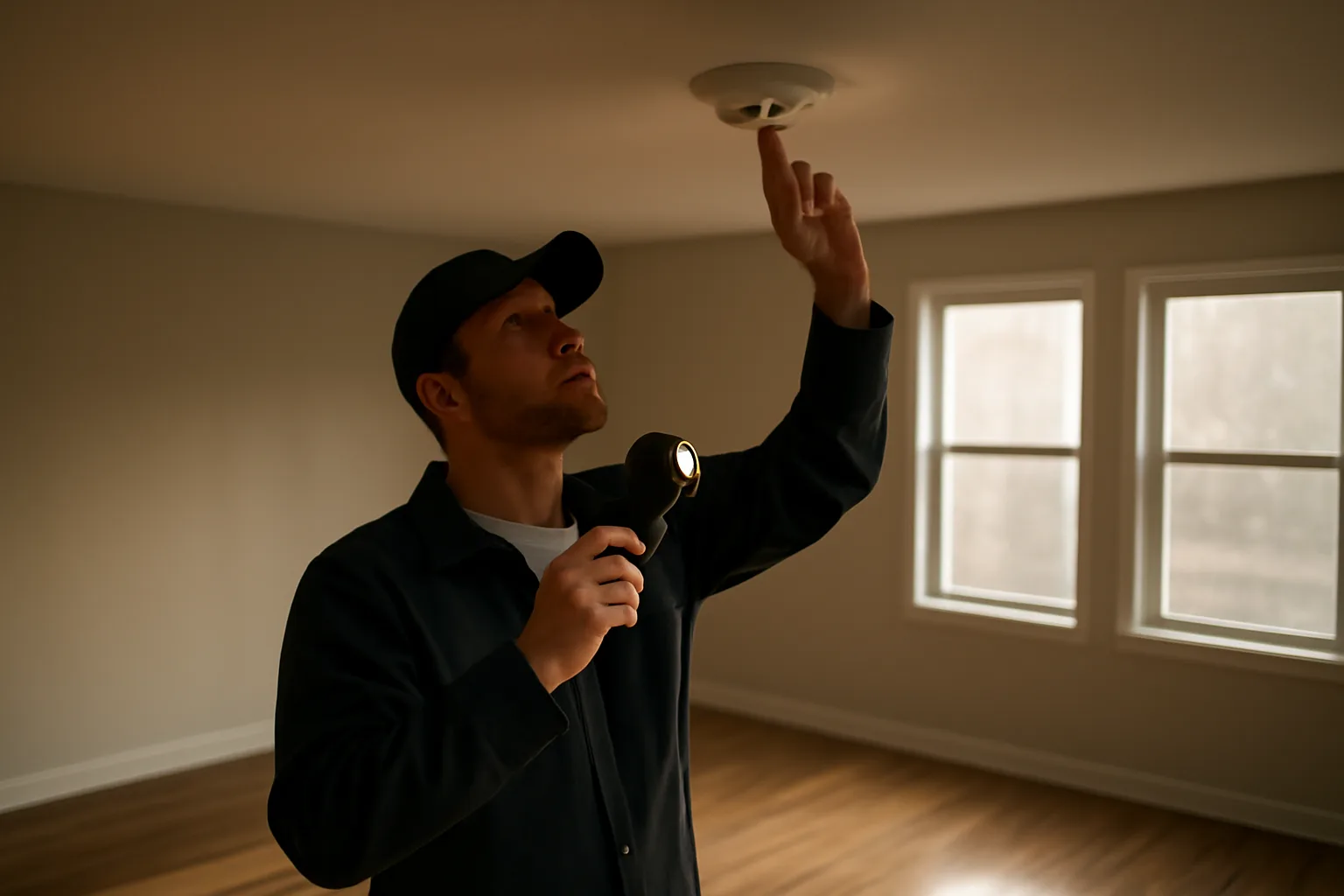
During a lawful inspection, a landlord (or their inspector) can generally check the condition of the unit: smoke and carbon monoxide detectors, plumbing, electrical systems, HVAC, structural safety, pest issues, and general habitability items like working locks and windows. What they cannot do is search through personal belongings, closets, or drawers under the guise of a maintenance inspection, and they can't use the inspection as a pretext to harass or surveil the tenant.
Why do landlords require renters insurance?
Landlords require renters insurance mainly to shift liability and financial risk away from themselves. A landlord's own insurance policy covers the building and the landlord's property, not the tenant's belongings and not the tenant's personal liability if they cause a fire, flood, or injury inside the unit. Without renters insurance, if a tenant's negligence causes damage (an overflowing tub, an unattended stove fire), the landlord's insurer may pay for the structural repair but then subrogate, meaning the insurance company sues the tenant to recover costs. A tenant with no insurance and no assets is a dead end for that recovery, which sometimes leaves the landlord's premium rates affected anyway. Requiring renters insurance also protects the landlord from liability claims for injuries that technically happened inside the tenant's unit but get blamed on the building. A typical renters insurance policy runs somewhere in the range of $15 to $30 a month depending on coverage amount and location, according to insurance industry data commonly cited by state insurance departments, though landlords should point tenants to check quotes directly since rates vary by state and carrier. Many landlords write a renters insurance requirement directly into the lease, sometimes even requiring the landlord be listed as an "interested party" on the policy so they get notified if it lapses. This isn't required by law in most places, but it's one of the cheapest risk-reduction moves a small landlord can make.
What can't a landlord do in Ohio?
Under Ohio law, a landlord cannot shut off a tenant's utilities, change the locks, or remove a tenant's belongings to force them out, even if rent is unpaid. This is illegal self-help eviction, and Ohio Revised Code Section 5321.15 specifically prohibits a landlord from taking possession of a tenant's property or excluding them from the unit except through proper legal process [6]. Ohio landlords also cannot retaliate against a tenant for exercising a legal right, like reporting a code violation or joining a tenant organization. Ohio Revised Code Section 5321.02 protects tenants from retaliatory conduct, including rent increases or lease termination brought about because the tenant complained to a government agency about a habitability issue [7]. Ohio landlords are also bound by the state's implied warranty of habitability under Ohio Revised Code Section 5321.04, which requires landlords to keep the premises in a fit and habitable condition, comply with building and housing codes, and keep common areas safe [8]. A landlord who ignores repair requests and lets conditions deteriorate can face a rent escrow action, where the tenant deposits rent with the court instead of paying the landlord directly until repairs happen. The common thread across Ohio and most states: landlords lose in court almost every time they try to skip the legal process, no matter how justified they feel in the moment. Evictions go through the courts, not through locksmiths.
How does city rental licensing fit into all of this?
City rental licensing sits on top of your state's landlord-tenant law and adds a local layer: registration, fees, and sometimes a mandatory inspection before you're allowed to rent at all. Cities with mandatory rental licensing use it to track rental properties, collect fees that fund code enforcement, and catch habitability problems before a tenant has to fight for repairs. Requirements differ enormously by city. Some only require online registration and a small annual fee. Others require a licensed inspector to walk every unit before a certificate of occupancy or rental license is issued, and they re-inspect on a cycle (every one, two, or three years is common). Fines for operating without a required rental license or missing an inspection deadline can range from a warning notice up to several hundred dollars per violation, and in some cities each day of non-compliance is a separate violation. Because these programs vary so much (and change: cities update fee schedules and inspection cycles fairly often), always confirm the current fee, deadline, and required documents with your city rental licensing office directly rather than relying on secondhand information, including this article's general description. If you're trying to get organized before an inspection or registration deadline, our $79 City Rental License & Inspection Prep Packet is built around this exact gap: it's a document checklist and prep guide for the paperwork most cities ask for, not a substitute for your city's actual requirements. Check it out at /rental-packet-builder.
What should a new landlord do first?
Start with the legal layer before the leasing layer: confirm zoning and rental registration requirements, get any required inspection scheduled, and get a lease template that matches your state's statute. Only after that should you focus on marketing the unit and screening tenants. A reasonable first-90-days checklist for someone with one to three units: - Week 1-2: Check zoning and confirm with your city rental licensing office whether registration or a license is required.
- Week 2-4: Schedule any required inspection; fix obvious safety issues (smoke detectors, handrails, working locks) before the inspector arrives.
- Week 3-5: Get landlord insurance quotes; decide on a renters insurance requirement for tenants.
- Week 4-6: Build or buy a lease template matching your state's notice, deposit, and disclosure rules.
- Week 5-8: Screen tenants using consistent, written criteria to stay compliant with the Fair Housing Act [3].
- Ongoing: Keep a file per unit with every notice, inspection report, and repair receipt. The landlords who get into trouble aren't usually the ones who did something malicious. They're the ones who skipped step one and found out about a rental licensing requirement only after a neighbor complaint or a routine code sweep turned into a fine. For related reading on tenant protections you'll need to understand before you draft anything, see tenants rights and tenant rights.
Frequently asked questions
How to become a landlord if I only own one rental unit?
The process is the same regardless of unit count: confirm zoning allows rental use, check if your city requires rental registration or licensing, get any required inspection done, follow your state's lease and notice rules, and screen tenants consistently. Owning a single unit doesn't exempt you from city rental licensing or state landlord-tenant law in most places.
Who is responsible for a rental property walk-through inspection in California?
The landlord is responsible for scheduling and conducting the move-out walk-through inspection when a tenant requests one, under California Civil Code Section 1950.5(f), including giving at least 48 hours' written notice of the inspection date and time unless the tenant waives it.
What is landlording?
Landlording is the ongoing job of owning and running rental property: setting rent, screening tenants, maintaining habitability, collecting rent, and following your state's legal notice and eviction procedures. It's part business operations, part legal compliance, and it doesn't stop once a tenant signs the lease.
What is a landlord?
A landlord is the person or entity that owns or controls rental property and leases it to a tenant for rent, taking on legal duties around habitability, notice, deposits, and fair housing compliance under laws like the federal Fair Housing Act.
What rights do tenants have without a lease?
Tenants without a written lease still have full legal rights under a periodic or month-to-month tenancy: habitability protections, protection from illegal lockouts or utility shutoffs, and the right to proper written notice before the landlord ends the tenancy or raises rent, per state landlord-tenant law.
How do I become a landlord step by step?
Confirm zoning and rental registration requirements, schedule any required inspection, get landlord insurance, set rent based on comparables, screen tenants consistently under fair housing law, sign a lease matching your state's statute, and set up rent collection and maintenance systems before your first tenant moves in.
Why do landlords require renters insurance?
Landlords require renters insurance because their own policy doesn't cover a tenant's belongings or personal liability for damage the tenant causes. Renters insurance shifts that financial risk to the tenant's insurer instead of the landlord's, and it typically costs the tenant $15 to $30 a month.
How much notice does a landlord have to give before entering?
Most states require 24 to 48 hours' advance notice before a landlord enters for routine repairs or inspection, though the exact number and what counts as an emergency exception varies by state statute, so confirm your specific state's requirement before entering.
What can a landlord look at during an inspection?
A landlord can check the general condition of the unit: smoke detectors, plumbing, electrical, HVAC, structural safety, and pest issues. They cannot search personal belongings, drawers, or closets under the guise of a maintenance inspection, and inspections can't be used to harass a tenant.
What can a landlord not do in Ohio?
An Ohio landlord cannot shut off utilities, change locks, or remove a tenant's belongings to force them out, even for unpaid rent (Ohio Revised Code 5321.15). Ohio also bars retaliation against tenants who report code violations, under Ohio Revised Code 5321.02.
Does every city require a rental license or registration?
No. Rental licensing and registration requirements are set city by city, not universally. Many cities have no program at all, while others require registration, a fee, and a mandatory inspection before you can legally rent a unit. Always confirm with your specific city rental licensing office.
What happens if I rent out a unit without a required city license?
Penalties vary by city but commonly include fines, and in some cities each day of operating without a required license counts as a separate violation. Some cities also bar landlords from collecting rent or filing an eviction until the property is properly registered or licensed, so confirm your city's specific penalty structure.
Sources
- U.S. Census Bureau, Rental Housing Finance Survey: Individual investors, not corporations, own the majority of U.S. rental properties, particularly smaller unit counts
- California Legislative Information, Civil Code Section 1941: California's implied warranty of habitability requires premises fit for human occupation
- U.S. Department of Housing and Urban Development, Fair Housing Act overview: Federal Fair Housing Act protected classes in rental housing
- California Legislative Information, Civil Code Section 1950.5: California landlord duty to conduct initial move-out inspection with 48 hours notice
- California Legislative Information, Civil Code Section 1954: California landlord entry notice requirement, presumed reasonable at 24 hours
- Ohio Laws, Ohio Revised Code Section 5321.15: Ohio prohibits landlord self-help eviction, lockouts, and utility shutoffs
- Ohio Laws, Ohio Revised Code Section 5321.02: Ohio prohibits landlord retaliation against tenants who exercise legal rights
- Ohio Laws, Ohio Revised Code Section 5321.04: Ohio landlord obligations under the implied warranty of habitability