Last updated 2026-07-26
TL;DR
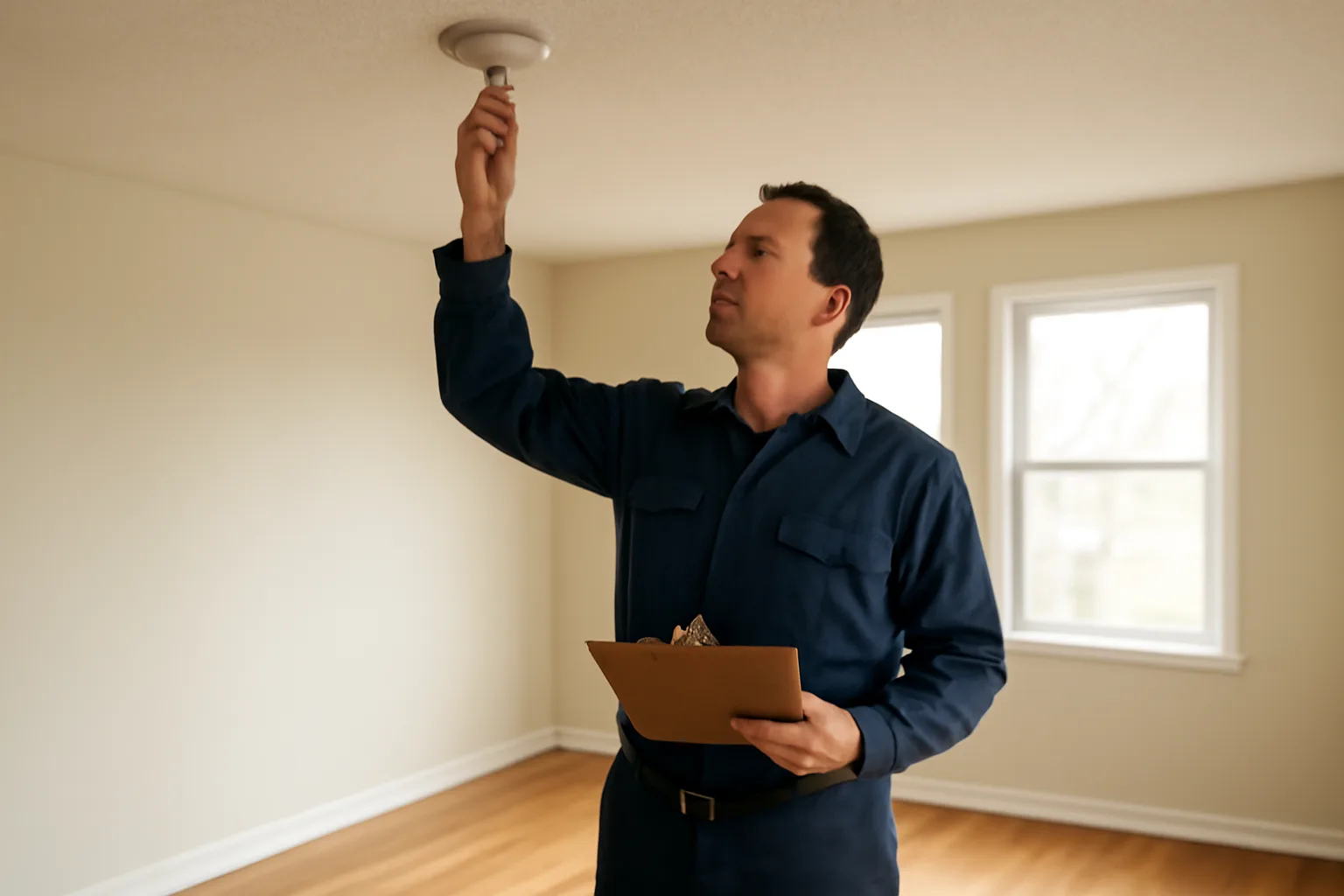
Landlording means renting out property you own and handling everything that comes with it: screening tenants, collecting rent, maintaining the unit, and complying with local licensing and inspection rules. Most states require 24-48 hours notice before entry, and inspectors can generally check smoke detectors, plumbing, electrical, and structural safety items, not personal belongings.
what is landlording, exactly?
Landlording is the day-to-day work of owning and renting out residential property. It's more than collecting a check. It covers finding tenants, screening them, writing (or using) a lease, keeping the unit safe and habitable, handling repairs, dealing with late rent, and, in a lot of cities now, complying with a rental registration or licensing ordinance. The term gets used loosely. Some people mean it as a verb ("I've been landlording for six years") and some as a description of the whole job. Either way, the core legal relationship is the same: you own real property, someone else pays you to live in it, and both of you have rights and duties under your state's landlord-tenant law. Every state has a version of this law, often modeled loosely on the Uniform Residential Landlord and Tenant Act, though no state has adopted it word for word [1]. If you're new to this, the biggest surprise for most first-time landlords isn't the tenants. It's the paperwork. A growing number of cities require you to register your rental, get inspected, and renew a license, on top of whatever your state requires. That's the layer this site focuses on, and it's worth understanding before you sign your first lease.
what is a landlord, legally speaking?
A landlord is the owner (or the owner's authorized agent) who leases residential property to a tenant in exchange for rent. That's the legal definition in basically every state statute, though the exact wording varies. For example, under Ohio's landlord-tenant law, a "landlord" is defined as "the owner, lessor, or sublessor of residential premises, the agent of the owner, lessor, or sublessor, or any person authorized by the owner, lessor, or sublessor to manage the premises or to receive rent from a tenant" [2]. That definition matters because it means property managers, LLCs, and even a family member collecting rent on your behalf can all be "the landlord" for legal purposes. If you own the property but your brother-in-law manages it and pockets the rent, he may be the one legally on the hook for landlord duties in that state, depending on how the arrangement is set up. Being a landlord also means you're the one named on rental licenses and registration paperwork in cities that require them. If you're not sure whether your city has that requirement, check with your city's rental licensing or code enforcement office directly, because the rules and fees are set locally and change often.
how to become a landlord
There's no license required to become a landlord in most of the country, but there is a checklist worth following before you hand over keys. 1. Buy or already own residential property you can legally rent. Check your mortgage terms (some owner-occupant loans restrict renting out the property) and any HOA rules. 2. Check state and local landlord-tenant law. Every state sets baseline rules on security deposits, notice periods, habitability, and eviction procedure. Your city may add its own rental registration, licensing, or inspection requirement on top of that. 3. Register or license the rental if your city requires it. Many cities (not all) require landlords to register a rental address, pay an annual or biennial fee, and pass a habitability inspection before renting it out. Fees and rules are set locally, so confirm with your city rental licensing office rather than assuming a nearby city's rules apply to you. 4. Get landlord-specific insurance (a standard homeowners policy usually excludes rental use). 5. Set up a legal, compliant lease and a tenant screening process that follows the Fair Housing Act, which bars discrimination based on race, color, national origin, religion, sex, familial status, or disability [3]. 6. Build a system for collecting rent, tracking maintenance requests, and documenting everything in writing. A lot of new landlords skip step 3 because they don't know their city has a licensing requirement until a neighbor complains or a notice shows up in the mail. That's usually how people end up on this site.
how to be a good landlord day to day
Being a landlord long-term is less about the paperwork at move-in and more about the habits you build afterward. The landlords who avoid fines, lawsuits, and bad reviews tend to do a few things consistently. They respond to repair requests fast, usually within 24 to 48 hours for anything safety-related (no heat, no water, electrical issues). Most state habitability laws require prompt repair of conditions that make a unit unsafe or unlivable, and slow response is one of the most common triggers for a tenant to withhold rent or file a complaint with code enforcement. They document everything. Move-in and move-out inspections with photos, written notice for entry, written records of repair requests and responses. This isn't paranoia, it's what protects you if a dispute ends up in small claims court or in front of a city inspector. They keep up with local ordinance changes. Rental licensing programs get updated: fees change, inspection cycles change, new safety requirements (like carbon monoxide detectors) get added. A landlord who set up a lease five years ago and hasn't checked since is the one who gets hit with a surprise fine.
who is responsible for a rental property walk-through inspection in california?
In California, the landlord is responsible for offering and conducting a pre-move-out inspection if the tenant wants one, and for the standard move-in/move-out condition documentation tied to the security deposit. Under California Civil Code Section 1950.5, when a tenancy is ending, the landlord must notify the tenant in writing of the right to request an initial inspection before move-out, conducted "no earlier than two weeks before the expiration or termination of the tenancy" [4]. If the tenant requests it, the landlord (or the landlord's agent) has to do the walk-through and give the tenant an itemized list of deficiencies, with a chance to fix them before the final move-out. Separately, cities within California that run their own rental inspection or registration programs (several California cities have proactive rental inspection ordinances) put the compliance burden on the landlord, not the tenant, to schedule and pass the inspection. The landlord is the one who gets cited if the property fails or the registration lapses. So to be direct: for security-deposit-related walk-throughs, California law puts the responsibility on the landlord to offer the inspection [4]. For city-level rental inspection programs, the landlord is again the responsible party, though the specific inspection schedule, fee, and office depend on the city, so confirm those details with your city's rental licensing office.
what can a landlord look at during an inspection?
| Smoke and CO detectors | Present, working, correctly placed per local fire code | |
|---|---|---|
| Electrical | Exposed wiring, overloaded outlets, panel condition | |
| Plumbing | Leaks, water heater condition, functioning fixtures | |
| Structural | Stairs, railings, windows, doors that lock, roof/ceiling condition | |
| Pest and mold | Signs of infestation or moisture damage | |
| Egress | Working windows/exits in bedrooms for fire escape | |
| Exterior | Peeling lead paint (especially pre-1978 housing), trip hazards, exterior stairs | A city rental inspector generally cannot go through drawers, closets, or personal items. They're checking the condition of the structure and systems, not the tenant's housekeeping, unless clutter creates an actual safety hazard (blocked exits, for instance). For a landlord's own routine inspection, the same limits basically apply as a matter of practice and, in some states, by statute: you're there to check the condition of your property, and most state laws require you to give notice before entering for a non-emergency inspection (see the notice section below). Poking through personal items isn't part of a legitimate habitability check and can expose you to a privacy or harassment claim. |
During a routine or license-renewal inspection, whether it's your own periodic walk-through or a city code inspector, the focus is on safety and habitability conditions, not the tenant's belongings or lifestyle. Typical items covered: | Category | What's checked |
how much notice does a landlord have to give before entering?
Most states require 24 hours of advance notice for a landlord to enter for a non-emergency reason like a routine inspection, repair, or showing. Some states specify 48 hours. Exact rules vary quite a bit, and a few states don't set a specific number of hours in statute at all, just a requirement of "reasonable notice." For example, California requires "reasonable notice in writing," and the law creates a presumption that 24 hours is reasonable notice in the absence of evidence to the contrary, under Civil Code Section 1954 [5]. Florida's landlord-tenant statute requires the landlord to give the tenant at least 12 hours notice before entering to make repairs, under Florida Statutes Section 83.53 [6]. No notice is generally required in a true emergency, like a fire, gas leak, or burst pipe, where waiting to notify the tenant would risk safety or property damage. Outside of emergencies, entering without proper notice, even for a legitimate purpose like an inspection, can be treated as an unlawful entry and, in some states, as harassment if it happens repeatedly. If your city requires periodic rental inspections, that inspection still typically has to follow your state's tenant-notice rules on top of whatever scheduling the city itself requires. Check both: your state's landlord-tenant statute and your city's inspection notice procedure, since they don't always match.
what a landlord cannot do in ohio
Ohio's Landlord Tenant Act, in Ohio Revised Code Chapter 5321, lays out specific things a landlord cannot do. A landlord cannot enter the rental unit without reasonable notice and outside of reasonable times, except in an emergency; Ohio law generally treats 24 hours as reasonable notice for non-emergency entry, and entry is limited to reasonable times of day [7]. A landlord in Ohio also cannot retaliate against a tenant for exercising a legal right, such as complaining to a housing authority or joining a tenants' union. Ohio Revised Code Section 5321.02 specifically prohibits a landlord from raising rent, decreasing services, or bringing an eviction action in retaliation for a tenant's good-faith complaint about a building, health, or safety code violation [8]. Ohio landlords also cannot shut off utilities, change the locks, or remove a tenant's belongings to force them out, a practice generally referred to as a "self-help eviction." Ohio requires landlords to go through the court eviction process (forcible entry and detainer action) rather than taking matters into their own hands. Finally, Ohio landlords cannot ignore their own maintenance obligations under Ohio Revised Code Section 5321.04, which requires landlords to keep the premises in a fit and habitable condition, comply with building and housing codes materially affecting health and safety, and keep common areas safe and clean [7].
what rights do tenants have without a lease?
A tenant without a written lease still has real legal rights. If a tenant has been living in a unit and paying rent, most states treat that as a month-to-month tenancy at will, governed by the same state landlord-tenant statute that would apply if there were a written lease. That means a tenant without a lease is still entitled to a habitable unit, protection from illegal lockouts and retaliatory action, proper notice before entry, and, in most states, a written notice period before the landlord can terminate the tenancy or raise the rent. The notice period for ending a month-to-month tenancy without a lease is typically the same as the rent payment period, commonly 30 days, though this varies by state and sometimes by how long the tenant has lived there. A tenant without a lease does not have to accept whatever terms the landlord suddenly decides to impose. If a landlord wants to change the terms of an oral, month-to-month tenancy, most states require advance written notice of the change, and the tenant generally has the choice to accept the new term or move out. This is one of the areas where landlords get themselves into trouble: assuming that "no lease" means "no rules." It doesn't. State landlord-tenant law fills the gap [1].
why do landlords require renters insurance?
Landlords require renters insurance mainly to shift liability and property-damage risk off themselves and onto the tenant's own policy. A standard landlord (dwelling) insurance policy covers the building itself, but it typically does not cover a tenant's personal belongings or the tenant's liability if, say, their cooking causes a kitchen fire or a guest gets hurt in the unit. Requiring renters insurance, usually with a modest liability minimum like $100,000 and sometimes naming the landlord as an "interested party" on the policy, gives the landlord a paper trail and a funding source if something goes wrong. If a tenant's negligence causes damage, the tenant's renters insurance liability coverage can pay for it instead of the landlord's own claim (and instead of the landlord eating the cost directly). It also protects the tenant, which is part of the pitch when explaining the requirement. Renters insurance typically covers a tenant's own belongings against fire, theft, and water damage, something the landlord's policy never covers. Many landlords now build a renters insurance requirement directly into the lease, though the specific insurance minimums and enforcement mechanism are a lease-drafting question, not something this article can template out for you.
how rental licensing and inspection ordinances layer on top of state law
Everything above is baseline state landlord-tenant law, which applies everywhere in that state. What trips up a lot of small landlords is the second layer: city-level rental registration, licensing, and inspection ordinances, which exist in hundreds of cities across the country and are not uniform at all. Some cities require simple registration (you tell the city you're renting out a unit and pay a small annual fee). Others require a full rental license with a scheduled habitability inspection every one to three years, and some only trigger an inspection on tenant complaint or ownership change. Fees typically range from under $50 to a few hundred dollars per unit per cycle, but this varies enormously by city and changes often, so don't rely on a number you saw for a different city. Always confirm current fees and inspection cycles with your own city's rental licensing office. If you got a notice, an inspection deadline, or a violation letter and you're not sure what's actually required of you before the next inspection, this is exactly the gap a packet like the $79 City Rental License & Inspection Prep Packet is built to close: a structured way to walk through what your city's inspection typically checks and get your paperwork and unit ready before the inspector shows up, so you're not guessing at what "habitable" means in your jurisdiction. Beyond the fee itself, missing a licensing deadline or failing an inspection can trigger real consequences: late fees, a hold on collecting rent (some cities legally bar an unlicensed landlord from enforcing a lease or filing eviction until the license is current), or a re-inspection fee. None of that is worth risking over a form you forgot to file.
what to do if you just got an inspection notice or violation letter
First, read the notice carefully for the actual deadline and the specific code sections cited, more than the headline fine amount. Cities often list the statute or municipal code section the violation falls under, and that citation tells you exactly what needs to be fixed. Second, call the office listed on the notice (usually your city's code enforcement or rental licensing division) and ask two things: what's the cure period, and is a re-inspection fee waived if you fix it by the deadline. Many cities give landlords 10 to 30 days to correct a violation before a fine actually gets imposed, but that window is set locally and isn't guaranteed. Third, walk the property yourself against a habitability checklist before the inspector's return visit: working smoke and CO detectors, no active leaks, secure railings, functioning locks, and clear egress. If you're managing a first rental or you've been out of compliance for a while, this is the moment to also confirm your license or registration itself is current, more than the physical condition of the unit, since inspection failures and lapsed licenses often get flagged together. If you want a starting structure for organizing all of this instead of reconstructing it from a notice letter and a phone call, that's what the City Rental License & Inspection Prep Packet is for: a one-time $79 tool to help you get organized before your inspection date instead of after a fine shows up.
Frequently asked questions
How to become a landlord with no experience?
Start by learning your state's landlord-tenant law and checking whether your city requires rental registration or licensing. Get proper landlord insurance, set up a compliant lease, and screen tenants under Fair Housing Act rules. Many first-timers underestimate the local licensing step; check with your city's rental licensing office before you advertise the unit, not after.
What is landlording in simple terms?
Landlording is renting out property you own and handling the responsibilities that come with it: finding and screening tenants, maintaining the unit, collecting rent, following state landlord-tenant law, and complying with any local rental licensing or inspection requirements your city has in place.
What is a landlord?
A landlord is the property owner, or an authorized agent of the owner, who rents residential property to a tenant for payment. Ohio law, for example, defines a landlord as the owner or the owner's authorized agent who manages the premises or collects rent (Ohio Rev. Code 5321.01) [2].
Who is responsible for a rental property walk-through inspection in California?
The landlord is responsible for offering a pre-move-out inspection under California Civil Code 1950.5 and for scheduling/passing any city-level rental inspection program. The tenant can request the walk-through but doesn't have to arrange it; that duty sits with the landlord or their agent.
What rights do tenants have without a lease?
A tenant without a written lease who pays rent regularly is generally a month-to-month tenant under state law, with the same habitability, notice, and anti-retaliation protections as a leased tenant. Landlords still owe proper written notice before ending the tenancy, raising rent, or entering the unit.
Why do landlords require renters insurance?
Renters insurance shifts liability for tenant negligence (like an accidental fire) and covers the tenant's own belongings, which a landlord's dwelling policy never covers. Requiring it protects the landlord from certain liability claims and protects the tenant's property, which is why many leases now make it mandatory.
How much notice does a landlord have to give before entering?
Most states require 24 hours notice for non-emergency entry; some set 48 hours, and a few just require 'reasonable notice.' California presumes 24 hours is reasonable under Civil Code 1954 [5]. Florida requires at least 12 hours before entering to make repairs, under Florida Statutes 83.53 [6]. Emergencies don't require advance notice.
What can a landlord look at during an inspection?
Inspectors and landlords doing a habitability check can look at smoke/CO detectors, plumbing, electrical systems, structural safety (railings, stairs, windows), pest or mold signs, and safe exits. They generally cannot search personal belongings, drawers, or closets unless clutter itself creates a safety hazard.
What a landlord cannot do in Ohio?
Ohio landlords cannot enter without reasonable notice, retaliate against a tenant for a code complaint (Ohio Rev. Code 5321.02) [8], shut off utilities or change locks to force a tenant out, or ignore their duty to keep the unit habitable under Ohio Rev. Code 5321.04 [9]. Ohio requires a court eviction process, not self-help.
Do all cities require a rental license or inspection?
No. Rental licensing and inspection requirements are set city by city (sometimes county by county), not nationwide. Some cities have no program at all, others require registration only, and others run scheduled habitability inspections every one to three years. Always confirm with your specific city's rental licensing or code enforcement office.
What happens if I miss my city's rental inspection deadline?
Consequences vary by city but commonly include late fees, a re-inspection charge, or a hold on your ability to legally collect rent or file an eviction until the license or inspection is current. Some cities escalate to daily fines for continued noncompliance. Confirm the specific penalty schedule with your city's rental licensing office.
Can a landlord charge a fee for a rental license and pass it to the tenant?
This depends on state and local law and on your lease terms; some jurisdictions restrict passing licensing fees directly to tenants, others don't address it at all. This is a lease-drafting and local-law question specific to your city, so confirm with local counsel or your city's rental office rather than assuming.
Is a verbal agreement to rent a property legally binding?
Generally yes. An oral rental agreement is typically enforceable and creates a month-to-month tenancy under state law once rent is paid and accepted, though it's harder to prove terms in a dispute. Most attorneys and housing agencies recommend a written lease specifically to avoid this ambiguity.
Sources
- Uniform Law Commission, Uniform Residential Landlord and Tenant Act: Many state landlord-tenant statutes are loosely modeled on a uniform act framework
- Ohio Revised Code Section 5321.01: Ohio's statutory definition of 'landlord' includes the owner, lessor, or an authorized agent managing the premises or collecting rent
- U.S. Department of Housing and Urban Development, Fair Housing Act: The Fair Housing Act bars housing discrimination based on race, color, national origin, religion, sex, familial status, or disability
- California Civil Code Section 1950.5: California landlords must offer tenants a pre-move-out inspection conducted no earlier than two weeks before tenancy ends
- California Civil Code Section 1954: California law presumes 24 hours written notice is reasonable notice before landlord entry
- Florida Statutes Section 83.53: Florida requires landlords to give at least 12 hours notice before entering to make repairs
- Ohio Revised Code Section 5321.04: Ohio law sets landlord obligations including reasonable notice and reasonable times for entry
- Ohio Revised Code Section 5321.02: Ohio law prohibits landlord retaliation against tenants for good-faith code violation complaints