Last updated 2026-07-25
TL;DR
Maryland law requires owners of rental units built before 1978 to register with the Maryland Department of the Environment and get a lead risk reduction inspection certificate, renewed every 2 years. Fees, inspector lists, and enforcement vary by county, but the state mandate applies statewide under the Reduction of Lead Risk in Housing Act (Md. Code, Environment §6-801 et seq.).
Does Maryland require lead paint inspections for rental property?
Yes. If your rental unit was built before 1978, Maryland's Reduction of Lead Risk in Housing Act applies to you, full stop. The law covers "affected property," defined as pre-1978 residential rental housing, with narrow exceptions for units that have a lead-free certification [1]. The requirement isn't optional and it isn't tied to whether a tenant complains or a child tests positive for lead. It's a registration and inspection duty that attaches the moment you rent out a pre-1978 unit in Maryland, whether that's a single rowhouse in Baltimore or a duplex in Hagerstown. The Maryland Department of the Environment (MDE) runs the statewide program. Owners register affected properties with MDE, pay a registration fee, and get risk reduction inspections done on a recurring schedule. Counties and Baltimore City can layer on their own rental licensing rules on top of this, which is why two landlords with similar houses ten miles apart sometimes describe totally different paperwork experiences.
Which rental properties in Maryland need a lead inspection?
The trigger is the construction date, not the neighborhood or the rent level. Maryland's law defines affected property generally as residential rental property built before 1950, and then expanded coverage to units built between 1950 and 1978 under a separate registration and full-risk-reduction track added in later amendments [1][2]. In practice, most working landlords just remember the line: built before 1978, assume it's covered until you prove otherwise with a lead-free certificate. A "lead-free" certificate, issued after specific testing and abatement work by a certified risk assessor, can exempt a unit from ongoing requirements. Very few older Maryland rentals actually have this, because getting one usually means gutting and replacing lead-painted surfaces, more than painting over them. Single-family homes, condos, rowhouses, and multi-unit buildings are all covered if they're rented out and built in the qualifying window. Owner-occupied homes where no other unit is rented aren't affected property under the statute [1]. If you inherited an old rental or bought one without checking the paint history, don't assume the previous owner's inspection status carries over cleanly. Confirm registration status directly with MDE before you sign a new lease.
How do I register a rental property with Maryland's lead program?
You register directly with the Maryland Department of the Environment, not with your county or city. MDE maintains an online rental registration system where owners list each affected unit, pay the registration fee, and get a registration number tied to that property [3]. Registration is an annual requirement and it's separate from the inspection itself. You can be registered and still be out of compliance if you haven't had the risk reduction inspection done or if your inspection certificate has expired. Most landlords do this online through MDE's lead registration portal rather than by mail. Have your deed info, unit count, and construction year ready before you start, because the system asks for all of it up front. Confirm the current registration fee with MDE directly, since it has changed over the years and is set in regulation, not statute.
What does a Maryland lead risk reduction inspection actually check?
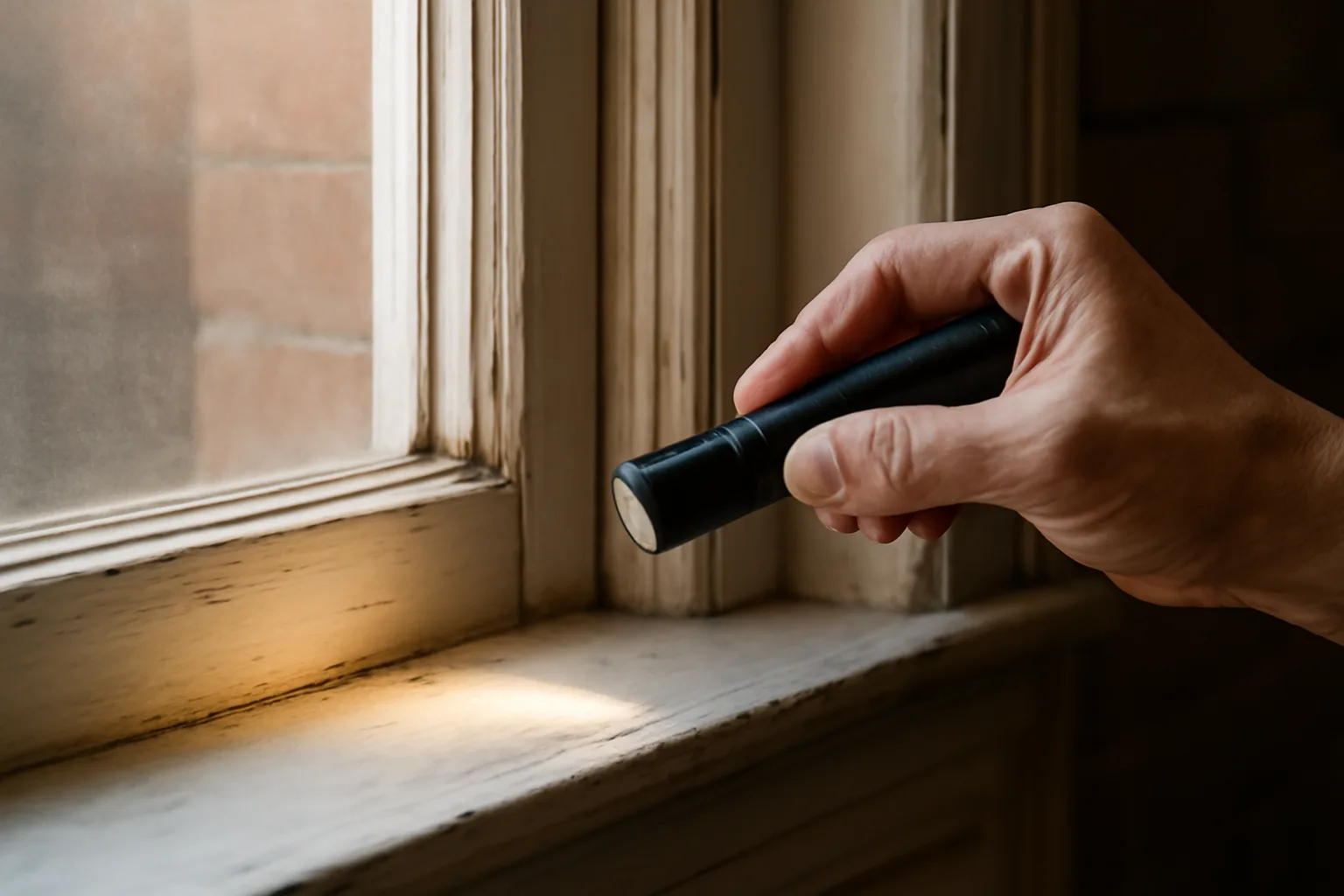
A lead risk reduction treatment inspection looks for deteriorated paint, chewable surfaces, friction and impact surfaces (like window sashes and door frames), and dust lead hazards, more than visible peeling paint on a wall. The goal under Maryland's standard is "reduction of risk," not full abatement, meaning intact painted surfaces generally don't need to be stripped, but deteriorated or accessible lead paint does need treatment [4]. A certified risk reduction inspector, someone accredited under Maryland's lead poisoning prevention program, does the actual site visit. They check windows, doors, stairs, porches, and any surface a small child could chew or that generates friction dust. They also do a visual assessment for paint condition throughout the unit, inside and out. After treatment work (if needed) is done, the inspector issues a lead risk reduction certificate. That certificate is what you file with MDE and what typically satisfies local rental licensing offices asking for lead compliance proof. Certificates are valid for two years, after which you need a new inspection to keep renting the unit [4]. Miss the renewal window and you're technically out of compliance even if nothing physically changed in the unit.
How much does a Maryland lead inspection cost?
Expect to pay a licensed risk reduction inspector directly for the site visit and report, plus MDE's registration fee separately. Private inspection costs vary by inspector, unit size, and whether treatment work is needed on top of the visual inspection, and MDE doesn't publish a fixed statewide price because inspectors are private businesses, not state employees [3][4]. Budget for the inspection itself, any required treatment (window glazing, paint stabilization, dust cleanup), and the state registration fee as three separate line items. If your unit fails on deteriorated paint or dust wipe results, the re-inspection after treatment adds another cost on top of the first visit. County rental licensing fees are separate again. Some counties fold lead compliance proof into their rental license application; others just ask you to attach your MDE certificate number. Confirm current inspection pricing with a Maryland-accredited risk assessor and confirm your county's rental license fee with your city rental licensing office, since neither number is set by the state lead statute itself.
What happens if I skip the lead inspection or let it lapse?
MDE can pursue civil penalties against owners of affected property who don't register or don't maintain a current risk reduction certificate. The statute gives MDE enforcement authority including penalties per violation [1]. Beyond state penalties, a lapsed or missing lead certificate can also sink your local rental license renewal. Many Maryland counties and Baltimore City ask for proof of current lead compliance as part of the rental license application, so an expired certificate can stall your license, more than trigger a separate lead fine. There's also a tenant-facing risk that's easy to underweight: if a child in your unit is later found to have an elevated blood lead level and you never registered or inspected the property, Maryland law removes certain liability protections that compliant landlords otherwise have [1]. That's a much bigger financial exposure than any registration fee. If you've got a pre-1978 unit that's been rented for years without ever being registered, don't wait for a notice. Get it registered and inspected now, because the gap itself is the violation, independent of whether anything bad has happened yet.
How often do I need to renew the lead certificate?
Every two years, for as long as the unit is rented. Maryland's risk reduction certificates are not one-and-done; the standard cycle is a full risk reduction inspection and treatment as needed, then recertification every two years [4]. Some owners get caught by this because the first inspection happens at move-in or lease-up and then gets forgotten. Set a calendar reminder for 60 to 90 days before your certificate's expiration date so you have time to schedule an inspector, do any needed touch-up work, and file the renewed certificate with MDE before the old one lapses. If you own multiple pre-1978 units, track expiration dates individually per unit, not per building. A triplex with three separate units may have three separate certificates on three different renewal clocks depending on when each was last inspected.
What can a landlord look at during a lead or general rental inspection?
For the lead-specific inspection, the risk assessor is limited to paint condition, dust, and lead hazard surfaces, not your tenant's belongings or general housekeeping. For a routine rental unit walkthrough (the kind many cities require for licensing, separate from lead compliance), landlords generally can check habitability items: smoke and carbon monoxide detectors, working plumbing and electrical, structural safety, pest evidence, and compliance with local occupancy limits. A landlord doing a periodic maintenance or move-out inspection can look at the condition of walls, floors, appliances, fixtures, and any damage beyond normal wear and tear. What a landlord generally cannot do, in Maryland or most states, is search personal belongings, closets, or storage in ways unrelated to the stated inspection purpose, or use the inspection as a pretext to harass a tenant or retaliate for a complaint. Ohio's Landlord Tenant Act, for comparison, spells out similar limits: landlords there cannot enter without reasonable notice (Ohio gives a 24-hour standard in the statute) except in emergencies, and cannot use entry rights to harass tenants [5]. Maryland doesn't have one single statewide entry-notice statute the way some states do, so specific notice requirements often come down to your lease terms and local rules. If you're unsure what's allowed for entry timing in your county, confirm with your local landlord-tenant office rather than assuming a rule from another state applies.
How much notice does a landlord have to give before entering?
This depends heavily on your state and, for lead inspections specifically, often on your lease language too. Maryland does not have one blanket statewide statute mandating a specific number of hours' notice for all landlord entries the way some states do; instead, notice requirements frequently come from local jurisdiction rules or from the lease itself. For comparison, Ohio's landlord-tenant statute (Ohio Rev. Code §5321.04) requires landlords to give "reasonable notice," which the statute defines as at least 24 hours in most circumstances, before entering a unit for non-emergency purposes [5]. Many other states use a 24 to 48 hour standard as a practical norm even where not strictly codified. For a scheduled lead risk reduction inspection in Maryland, the inspector or property manager should coordinate a specific appointment window with the tenant well ahead of time, both because it's good practice and because barging in unannounced invites a fair housing or harassment complaint regardless of what the lead statute itself requires. If your lease doesn't specify a notice period, write one in going forward, and check your county's landlord-tenant rules for any local minimum.
Who is responsible for the rental walkthrough inspection?
In most states, including for California's periodic and move-out inspections, the responsibility sits with the landlord or their designated property manager to schedule, conduct, and document the walkthrough, while the tenant has a right to be present and to reasonable notice beforehand. California's Civil Code, for example, gives tenants the right to request an initial move-out inspection before the final one, specifically so they get a chance to fix issues before being charged for them [6]. For Maryland's lead risk reduction inspections specifically, the landlord (as the registered owner of the affected property) is responsible for hiring a Maryland-accredited risk assessor and for making sure the unit is accessible for the inspection. The tenant isn't required to arrange or pay for it. If a tenant refuses reasonable access for a legally required inspection, that can become a lease violation issue, but the landlord still carries the underlying legal duty to get the inspection done and filed.
What is landlording, and what does the job actually involve?
Landlording is the ongoing work of owning and managing rental property: screening tenants, collecting rent, handling repairs, staying current on local licensing and inspection requirements, and managing the legal relationship defined by your lease and state landlord-tenant law. It's part small business, part compliance job, part maintenance coordination. A landlord, legally, is the party who owns (or controls, in the case of a master lessee subletting) residential property and rents it to a tenant in exchange for payment. That relationship creates duties on both sides: the landlord generally owes habitability, safety, and (in states like Maryland) lead compliance; the tenant owes rent and reasonable care of the property. If you're asking how to become a landlord, the practical path in a licensing city usually runs: buy or already own residential property, check whether your city or county requires rental registration or licensing before you can legally rent it out (confirm with your city rental licensing office), get any required inspections done (lead, general safety, or both depending on your jurisdiction), then screen and lease to a tenant under a written agreement. Skipping the licensing step is one of the most common first-time landlord mistakes, because fines for renting unlicensed units show up months or years later, often stacked, once a city catches up on enforcement.
What rights do tenants have if there's no written lease?
A tenant without a written lease still has legal protections; the absence of a signed lease doesn't put them outside the law. In most states, an oral or implied rental agreement (someone paying rent and being let in monthly, for example) creates a month-to-month tenancy under state landlord-tenant law, with the same basic protections against illegal eviction, habitability failures, and improper entry that written-lease tenants get. Maryland's landlord-tenant statutes and most states' equivalents still require proper notice before eviction, even without a written lease, and still hold the landlord to implied warranty of habitability standards. What a no-lease tenant typically lacks is the specificity a written lease provides: exact notice periods for entry, specific rules on guests or subletting, exact rent due dates, and clearly defined maintenance responsibilities. Both landlord and tenant are generally better off with something in writing, even a short one-page agreement, precisely because oral terms are hard to prove later if there's a dispute.
Why do landlords require renters insurance?
Landlords require renters insurance mainly to cover tenant liability and personal property risk that the landlord's own property insurance doesn't cover. A landlord's policy typically covers the building and the landlord's own liability; it does not cover a tenant's furniture, electronics, or clothing if there's a fire, burst pipe, or theft, and it often doesn't cover a tenant's liability if their negligence causes damage to a neighboring unit. Requiring renters insurance, often in the $10 to $20 a month range depending on coverage and location, shifts that risk off the landlord and off their own insurer's claims history. It also gives the landlord a funding source if a tenant's actions (a kitchen fire, an overflowing tub) damage the unit beyond the security deposit's coverage. Whether a landlord can legally require it as a lease condition varies somewhat by state, but it's a common and generally enforceable lease term across most of the country.
Where does lead inspection fit with your local rental license?
Maryland's lead risk reduction program is a state-level requirement layered underneath whatever your county or city rental licensing office asks for separately. Getting your MDE lead registration and risk reduction certificate current is often a prerequisite line item on a Baltimore City or county rental license application, not a substitute for it. If you're pulling together everything a rental license application typically wants (lead certificate, smoke detector affidavit, proof of ownership, inspection scheduling, fee payment) at the same time, it helps to have a single checklist rather than chasing each document separately as a city clerk asks for it. That's the specific gap our $79 City Rental License & Inspection Prep Packet is built to close: a structured walkthrough of what most licensing cities ask for, organized so you're not guessing what to bring to your county lead compliance office versus your city licensing counter. For the lead piece specifically, always confirm current registration fees, inspector accreditation lists, and renewal timing directly with the Maryland Department of the Environment, since regulatory fee amounts change and this article isn't a substitute for checking MDE's current program pages before you file.
Frequently asked questions
How to become a landlord in a city that requires rental licensing?
Buy or own residential property, check with your city or county rental licensing office about registration and inspection requirements before renting it out, complete any mandated inspections (lead paint compliance in Maryland, general safety elsewhere), then screen tenants and sign a written lease. Skipping the licensing step is the most common costly mistake for first-time landlords, since back fines often stack up before a city catches unlicensed rentals.
Who is responsible for the rental property walkthrough inspection in California?
The landlord or property manager is responsible for scheduling and conducting the walkthrough, but California Civil Code gives tenants the right to request an initial pre-move-out inspection so they can fix issues before final deductions are made [8]. The landlord still owns the legal duty to document unit condition properly, notice or no notice from the tenant.
What is landlording?
Landlording is the ongoing work of owning and managing rental property, including tenant screening, rent collection, repairs, and staying compliant with local licensing, registration, and inspection rules. It's a mix of small business operations and legal compliance, more than collecting a check every month.
What is a landlord, legally?
A landlord is the person or entity that owns or legally controls residential property and rents it to a tenant under a lease or rental agreement in exchange for payment. That status creates specific legal duties, like habitability and, in states such as Maryland, lead paint compliance for pre-1978 units.
What rights do tenants have without a signed lease?
Tenants without a written lease still get basic legal protections under state landlord-tenant law, typically as a month-to-month tenancy created by paying rent and being let in. They're still entitled to proper eviction notice and habitable conditions; what they usually lack is the specificity a written lease provides on entry notice, guest rules, and maintenance duties.
How to be a landlord without getting hit by fines?
Register your rental with your city or county before leasing it out, keep any required lead or safety inspection certificates current, renew on schedule (Maryland's lead certificates expire every 2 years), and respond to any violation notice immediately rather than ignoring it. Most landlord fines come from missed deadlines, not from actual unsafe conditions.
Why do landlords require renters insurance?
Landlords require it to cover tenant liability and personal property risk that the landlord's own building insurance doesn't include, shifting the cost of tenant-caused damage or injury claims off the landlord. It typically runs $10 to $20 a month for tenants and is a standard, generally enforceable lease condition in most states.
How much notice does a landlord have to give before entering a rental unit?
It varies by state; Ohio's statute (Ohio Rev. Code §5321.04) sets a reasonable notice standard generally interpreted as 24 hours for non-emergency entry [7]. Maryland doesn't have one blanket statewide statute on this, so check your lease and your county's landlord-tenant rules for the specific notice period that applies to you.
What can a landlord look at during a rental inspection?
A landlord can generally check habitability and safety items: smoke and CO detectors, plumbing, electrical, structural condition, pest issues, and property damage. For Maryland's lead risk reduction inspection specifically, the inspector is limited to paint condition, dust, and lead hazard surfaces, not general tenant belongings.
What can a landlord not do in Ohio during an inspection or entry?
Under Ohio Rev. Code §5321.04, a landlord cannot enter without giving reasonable notice (generally 24 hours) except in a genuine emergency, and cannot use entry as a means to harass a tenant [7]. Ohio law also restricts landlords from entering at unreasonable times even with notice given.
Does every Maryland rental need a lead inspection, or only older buildings?
Only buildings that count as affected property under Maryland's law, which generally means residential rental units built before 1978, unless the unit has a lead-free certificate on file [1]. Newer construction rentals aren't subject to this specific requirement, though they may still face separate local licensing inspections.
How long is a Maryland lead risk reduction certificate valid?
Two years. Maryland's risk reduction standard requires recertification on that cycle for as long as the unit remains a rental, meaning owners need a new inspection and certificate roughly every 24 months, more than a one-time compliance step [4].
What happens if I never registered my old Maryland rental for lead compliance?
You're currently out of compliance and exposed to civil penalties from the Maryland Department of the Environment, plus you likely can't get or renew a local rental license until it's fixed. Register and schedule an inspection now rather than waiting for a notice, since the compliance gap itself is the violation.
Sources
- Maryland General Assembly, Environment Article §6-801 et seq. (Reduction of Lead Risk in Housing Act): Definition of affected property, registration requirement, and liability provisions for lead risk in Maryland rental housing
- Maryland General Assembly, Environment Article §6-811 (Registration of affected property): Registration requirement and expanded coverage provisions for rental housing built before 1978
- Code of Maryland Regulations (COMAR) 26.16.01.03, Registration of Affected Property: Regulatory basis for the online registration system and annual registration requirement for affected rental properties
- Code of Maryland Regulations (COMAR) 26.16.01.04, Risk Reduction Standard for Rental Property: Definition and scope of the lead risk reduction inspection standard, and 2-year certificate renewal cycle
- Maryland General Assembly, Environment Article §6-815 (Full risk reduction requirements): Statutory basis for recurring risk reduction inspection and certification requirements
- Maryland General Assembly, Environment Article §6-836 (Penalties): MDE civil penalty authority against non-compliant rental property owners
- Ohio Revised Code §5321.04, Landlord Obligations: Ohio's reasonable notice standard (generally 24 hours) and restrictions on landlord entry and harassment
- California Civil Code §1950.5: Tenant right to request an initial move-out inspection before final security deposit deductions in California