Last updated 2026-07-25
TL;DR
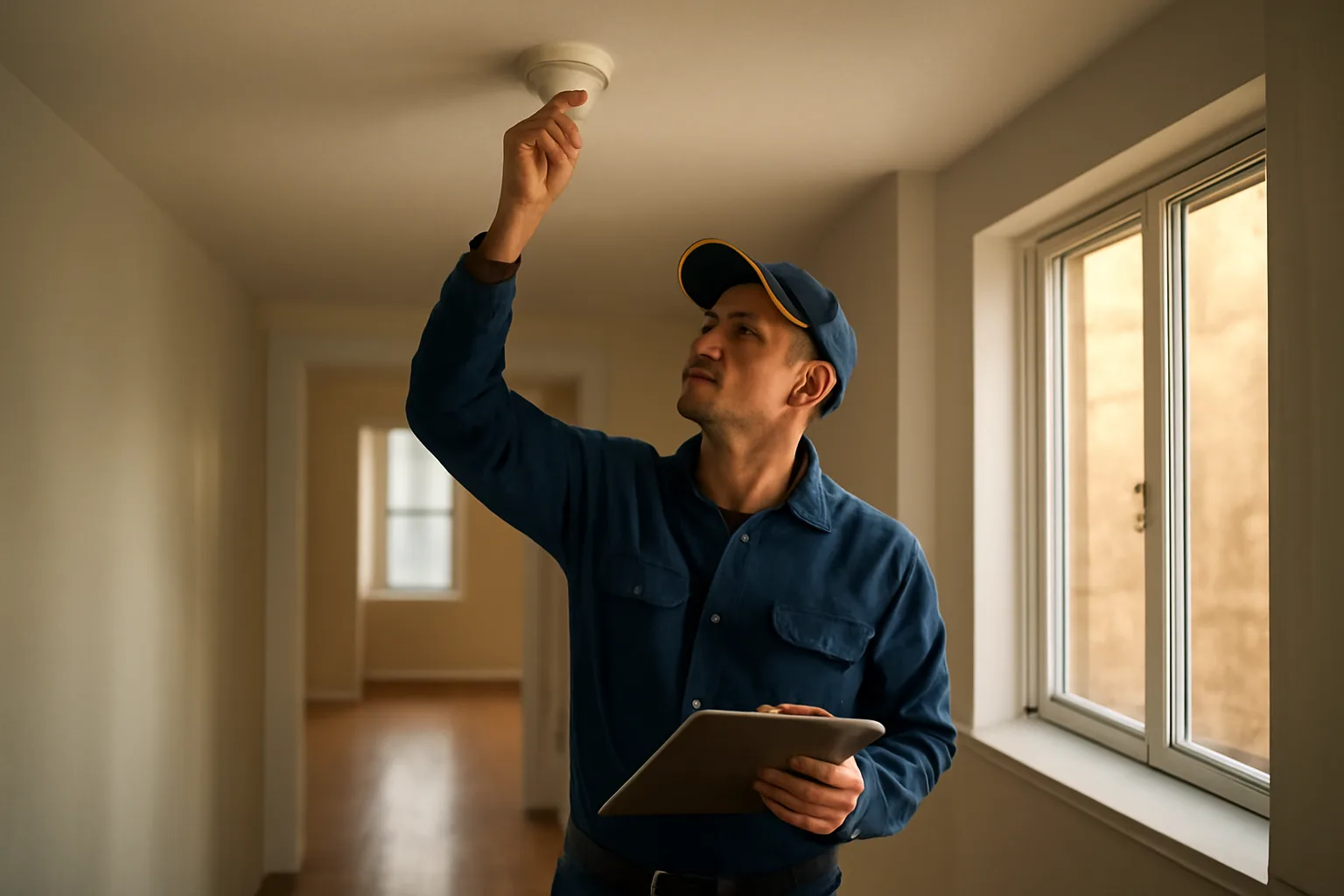
A landlord walkthrough checklist should cover safety systems, appliances, structural condition, and documented photos at move-in, move-out, and periodic visits. Most states require 24 to 48 hours advance written notice for non-emergency entry, and landlords can inspect condition and safety items but can't search personal belongings or use inspections to harass tenants.
What should a landlord walkthrough checklist actually cover?
| Move-in | Baseline condition, safety devices, existing damage | Day tenant takes possession | |
|---|---|---|---|
| Routine/periodic | Maintenance issues, lease compliance, safety device testing | Every 6-12 months, varies by lease and local law | |
| Move-out | Damage vs. normal wear, deposit deductions | Day tenant vacates or shortly after | |
| City-mandated rental inspection | Code compliance (varies by jurisdiction) | Set by local rental licensing office, often every 1-3 years | If your city requires a rental license or registration, your walkthrough checklist should also mirror whatever inspection checklist the local housing authority uses, since that's the one that actually determines whether you keep your license. Confirm the exact criteria with your city rental licensing office before the inspector shows up, because checklists vary widely between cities. |
A solid walkthrough checklist has four zones: safety systems, structural condition, appliances and fixtures, and documentation. Skip any one of these and you're exposed either to a bad tenant relationship or a losing case in small claims court over a security deposit dispute. Safety systems come first because they're the items most likely to get you fined or sued. That means smoke alarms on every level and inside or near each bedroom, carbon monoxide detectors near sleeping areas (required in many states when there's a fuel-burning appliance or attached garage), fire extinguishers where required, working locks on all exterior doors, and window locks or safety guards if the unit is above the ground floor. Many state fire codes and municipal housing codes specify placement and testing intervals for smoke alarms, so check your local rental housing code rather than assume a national standard applies everywhere. Structural and general condition items include walls, ceilings, and floors for water stains, cracks, or soft spots; windows and doors for proper operation and weatherproofing; and any visible pest activity. Appliances and fixtures means testing every faucet, toilet, stove burner, oven, dishwasher, and HVAC system, more than glancing at them. Documentation means photos and a signed checklist, dated, with both parties' signatures where possible. Here's a comparison of what belongs in each type of walkthrough: | Walkthrough type | Primary focus | Typical timing |
How to become a landlord (and what you need before your first walkthrough)
Becoming a landlord legally means more than buying a property and finding a tenant. In most mandatory-licensing cities, you need a rental registration or rental license before you can legally lease the unit, and that usually requires passing an initial inspection. The basic sequence looks like this: confirm the property is zoned for rental use, register the property or apply for a rental license with your city (fees and requirements vary widely; some cities charge a flat annual fee, others charge per unit), get any required inspections scheduled and passed, obtain landlord liability insurance, and set up a compliant lease and security deposit process under your state's landlord-tenant statute. Many states also require landlords to disclose specific things before a tenant moves in. Federal law under 42 U.S.C. § 4852d requires landlords of pre-1978 housing to disclose known lead-based paint hazards and provide an EPA-approved pamphlet before a lease is signed [1]. Skipping this isn't a paperwork technicality; HUD and EPA can and do pursue civil penalties for non-disclosure. Once you're registered and insured, the walkthrough habit starts on day one, with the move-in inspection. That first checklist is your legal baseline for every future deposit dispute, so don't rush it.
What is landlording and what does a landlord actually do?
Landlording is the ongoing work of owning and managing rental property: screening tenants, maintaining the unit, collecting rent, handling repairs, staying compliant with local codes, and managing the legal relationship defined by a lease. It's part maintenance job, part bookkeeping, part conflict management. A landlord, legally, is the person or entity that owns real property and leases it to a tenant in exchange for rent, taking on obligations defined by state landlord-tenant law, most of which derive from the implied warranty of habitability recognized in nearly every state. That warranty generally requires the landlord to keep the unit safe, weatherproof, and functioning (working plumbing, heat, electricity), regardless of what the lease says. Day to day, landlording with 1 to 10 units means you're doing the work a property management company would otherwise do: showing units, running background and credit checks, drafting or reviewing leases, collecting rent, coordinating repairs, and yes, doing walkthroughs. Landlords who skip regular inspections tend to find out about problems (a slow leak, an unauthorized pet, hoarding) only when they've become expensive.
Who is responsible for a rental property walkthrough inspection in California?
In California, the landlord is responsible for scheduling and conducting move-in and move-out inspections, and state law gives tenants specific rights around that process. Under California Civil Code § 1950.5(f), a tenant has the right to request an initial move-out inspection before the actual move-out date, so the landlord can identify repairable issues and give the tenant a chance to fix them before final deductions are calculated [2]. The landlord must give at least 48 hours written notice before that initial inspection, and must provide the tenant an itemized statement of proposed repairs or deductions following it. If the landlord fails to do the initial inspection when the tenant requested one, courts have found this weakens the landlord's position when the tenant disputes deposit deductions later. For city-mandated rental inspections tied to a business license or rental registration (many California cities, including Los Angeles under its Systematic Code Enforcement Program, run this kind of proactive inspection), the responsibility to schedule and pass the inspection sits with the property owner, though the city's code enforcement division actually performs it [3]. If your unit is in a city with a Rental Housing Inspection Program, check with that city's housing department directly, since deadlines and fee schedules differ block by block in some cases.
How much notice does a landlord have to give before entering?
Most states require landlords to give tenants at least 24 to 48 hours of written notice before entering for a non-emergency reason like an inspection or repair, though the exact number and what counts as reasonable notice vary by state statute. California requires "reasonable notice," which state law presumes to mean 24 hours unless circumstances show otherwise, under Civil Code § 1954 [4]. Many other states set a flat number in statute: for example, several require 24 hours, others require 48. A handful of states, including some with no explicit statutory notice period, default to a "reasonable notice" standard that courts interpret case by case. Because the number differs by state and sometimes by city ordinance layered on top of state law, don't rely on a single national rule. Pull your specific state's landlord-tenant statute (usually titled something like the Residential Landlord and Tenant Act) and check for an entry notice section before you schedule any non-emergency walkthrough. Emergencies, like a suspected gas leak or fire, are the standard exception allowing entry without advance notice in essentially every state.
What can a landlord look at during an inspection?
During a routine or move-out inspection, a landlord can look at anything related to the physical condition of the unit and lease compliance: walls, floors, ceilings, plumbing, electrical fixtures, appliances, HVAC systems, smoke and CO detectors, windows and doors, and signs of unauthorized occupants, pets, or property damage. What a landlord generally cannot do is search through the tenant's personal belongings, closets, drawers, or storage boxes unless there's a specific safety concern (like a reported gas smell) that justifies it. The inspection is about the condition of the landlord's property, not an audit of the tenant's possessions. A reasonable walkthrough checklist for a routine inspection includes: smoke and CO alarm function tests, HVAC filter check, faucet and toilet function, visible pest signs, window and door seals, water heater condition, visible mold or moisture, and confirmation the unit matches lease terms (number of occupants, no unauthorized pets if the lease prohibits them). Anything beyond that, like photographing personal items or opening closed containers, risks a privacy claim and does nothing useful for your file. If you manage in a city that runs its own rental inspection program tied to licensing, the inspector's checklist is usually narrower and code-focused: egress windows, handrails, smoke detector placement, electrical panel labeling, and similar life-safety items rather than cosmetic condition. Getting a copy of that exact checklist ahead of time from your city rental licensing office saves you from failing over something you didn't know they'd check.
What rights do tenants have without a lease?
A tenant without a written lease, sometimes called a tenant-at-will or month-to-month tenant by operation of law, still has nearly all the same protections as a tenant with a signed lease. State landlord-tenant statutes attach automatically once someone is paying rent and occupying a unit with the landlord's consent, lease or no lease. That means the tenant still has the right to habitable housing under the implied warranty of habitability, the right to advance notice before entry (same rules discussed above), the right to a formal eviction process rather than a lockout or utility shutoff, and the right to their security deposit back under the same timelines and itemization rules as any other tenant. What differs without a written lease is mostly the notice period for ending the tenancy. Without a lease specifying a term, the arrangement is typically treated as month-to-month, and either party generally must give 30 days notice to end it (some states allow shorter or require longer depending on how long the tenancy has run). If you're a landlord operating without written leases, that's a real risk area, since verbal terms are nearly impossible to enforce in a dispute. A cheap fix here is worth more than most people think.
Why do landlords require renters insurance?
Landlords require renters insurance mainly to shift liability and property-damage risk off the landlord's own policy. A landlord's insurance covers the building; it typically doesn't cover a tenant's personal belongings or liability if the tenant's negligence (an unattended stove, an overflowing tub) causes damage. Requiring proof of renters insurance, often with a minimum liability limit like $100,000, means that if the tenant causes a fire or water damage, their policy is the first line of coverage rather than the landlord's. It also protects the tenant, since without it, a tenant who loses everything in a fire has no way to replace belongings and no legal claim against the landlord unless the landlord was clearly negligent. There's no federal law requiring renters insurance, but landlords can lawfully require it as a lease condition in the large majority of states, and many property managers report it becoming close to standard practice over the past decade. If you're going to require it, put the requirement and the minimum coverage amount clearly in the lease and verify a current policy at move-in and renewal, more than at signing.
What a landlord cannot do in Ohio
Ohio law places specific limits on landlord conduct under the Ohio Landlords and Tenants Act, Ohio Revised Code Chapter 5321. A landlord cannot enter the rental unit without giving reasonable notice, generally interpreted as 24 hours, except in an emergency, and cannot use entry as a pretext for harassment [5]. Under ORC 5321.15, a landlord cannot use "self-help" eviction methods: no changing the locks, shutting off utilities, or removing the tenant's belongings to force them out, even if the tenant is behind on rent [6]. Only a court-ordered eviction (forcible entry and detainer action) can lawfully remove a tenant. Ohio landlords also cannot retaliate against a tenant for exercising a legal right, such as reporting a code violation to the city or joining a tenant union; ORC 5321.02 specifically prohibits retaliatory conduct like raising rent, decreasing services, or threatening eviction within a defined period after the tenant's protected action . And under ORC 5321.04, a landlord cannot ignore the duty to keep the unit in a fit and habitable condition, comply with applicable building and housing codes, and maintain common areas in a safe condition. If you're a landlord in Ohio building a walkthrough process, tie your inspection notice and entry procedures directly to Chapter 5321 rather than general assumptions, since Ohio's statute is specific about both the notice standard and the prohibited retaliatory actions.
What belongs on a move-in walkthrough checklist?
A move-in checklist should document the exact condition of every room, fixture, and appliance before the tenant takes possession, ideally with the tenant present so both parties sign off on the same observations. Room by room, check and note: wall and ceiling condition (stains, holes, paint condition), floor condition (scratches, stains, loose tile or carpet damage), window and screen condition and operation, door alignment and lock function, light fixture and outlet function, and any existing damage no matter how minor. In the kitchen, test every burner, the oven, the dishwasher if included, and check under the sink for leaks. In bathrooms, run the water at full pressure, flush toilets, and check the caulking around tubs and showers for mold. Safety items get their own line: test every smoke alarm and CO detector, note the date of the last battery change if visible, and confirm fire extinguisher presence and charge date if the unit has one. Take timestamped photos of every room, focusing on both problem areas and generally clean baseline shots, since photos are your best evidence in a future deposit dispute. Have the tenant sign and date the completed checklist, and give them a copy. If a tenant disputes a deposit deduction later, the signed move-in checklist compared against the move-out checklist is usually what a small claims judge asks for first.
What belongs on a move-out walkthrough checklist?
A move-out checklist mirrors the move-in checklist item for item, because the entire point is comparison. You're looking for damage beyond normal wear and tear, which is the legal standard nearly every state uses to determine what can lawfully be deducted from a security deposit. Normal wear and tear generally includes minor scuffs, small nail holes, faded paint, and worn carpet from ordinary foot traffic. Damage beyond that includes large stains, holes in walls, broken fixtures, burns, and pet damage not disclosed or authorized. The distinction matters because most state deposit statutes only allow deductions for damage beyond normal wear, not for the natural aging of paint or carpet. Walk the same rooms in the same order as the move-in checklist, testing the same fixtures and appliances, and photograph everything again. Compare directly against your move-in photos and note discrepancies line by line. Give the tenant an itemized list of any proposed deductions within your state's required timeframe, which is commonly 14 to 30 days depending on the state, and return the remaining deposit with that statement. If your city runs a mandatory rental inspection program, keep in mind the move-out walkthrough is a separate process from the city's licensing inspection; passing your own move-out check doesn't substitute for a required city inspection before re-renting the unit. If you want a structured, city-specific checklist built around your local licensing requirements rather than a generic template, the $79 City Rental License & Inspection Prep Packet walks through exactly what your city's inspector is likely to check before you schedule the visit.
How often should routine inspections happen?
Most landlords who do routine, non-move related inspections schedule them every 6 to 12 months, separate from move-in, move-out, and any city-mandated licensing inspections. There's no universal legal requirement for how often a landlord must inspect; the interval is a management choice, constrained by state entry-notice rules. More frequent than every 6 months starts to feel intrusive to most tenants and can strain the relationship without much added benefit, unless there's a specific reason (a reported leak, HVAC issue, or lease violation concern). Less than once a year and you risk missing slow-developing problems like a small leak that becomes a mold issue, or a lease violation like an unauthorized subletter that's been going on for months. Whatever interval you pick, put it in the lease so the tenant isn't caught off guard, and always follow your state's notice requirement for each visit regardless of how routine it feels to you. A predictable schedule (say, every spring and fall) also tends to reduce tenant anxiety about surprise visits, since they know roughly when to expect you.
How to be a landlord day to day (staying organized between inspections)
Being a landlord day to day mostly comes down to three habits: responding to maintenance requests quickly, keeping a paper trail on everything, and staying ahead of your city's licensing and inspection calendar rather than reacting to a notice. Respond to repair requests within a few days at most; many states set specific timelines for how fast a landlord must address a habitability issue once notified (commonly a matter of days for serious issues like no heat or no water), and slow response is one of the most common triggers for tenants withholding rent or filing a code complaint. Keep every communication in writing, even if it started as a phone call, by following up with a text or email summary. And build a simple calendar for lease renewals, insurance renewal, and any recurring rental license renewal deadline your city sets, because missing a renewal window is one of the most common (and most avoidable) ways landlords rack up fines. For the smaller landlord managing 1 to 10 units without a property manager, a simple spreadsheet or basic property management app tracking rent dates, maintenance history, and inspection dates for every unit does most of the heavy lifting. It's not glamorous work, but it's the difference between a smooth renewal season and a scramble.
Frequently asked questions
How to become a landlord if I've never rented out property before?
Confirm your property is zoned for rental use, register with your city's rental licensing office if required, get any mandated inspection scheduled and passed, secure landlord liability insurance, and set up a lease compliant with your state's landlord-tenant statute. First-time landlords should also budget for lead paint disclosure requirements if the home was built before 1978, per 42 U.S.C. § 4852d.
Who is responsible for a rental property walkthrough inspection in California?
The landlord is responsible for conducting move-in and move-out inspections and must give at least 48 hours written notice for the tenant-requested initial move-out inspection under California Civil Code § 1950.5(f). For city-mandated rental inspection programs, the property owner is responsible for scheduling, while city code enforcement performs the actual inspection.
What is landlording?
Landlording is the ongoing work of owning and managing a rental property, including tenant screening, rent collection, maintenance, repairs, code compliance, and managing the lease relationship. It covers everything from the initial move-in walkthrough through eventual turnover, and includes both hands-on maintenance work and administrative record-keeping.
What is a landlord?
A landlord is the person or entity that owns real property and leases it to a tenant for rent, taking on legal obligations under state landlord-tenant law, most notably the implied warranty of habitability that requires keeping the unit safe and functional regardless of specific lease terms.
What rights do tenants have without a lease?
A tenant without a written lease still has nearly all standard protections: habitable housing, advance notice before entry, formal eviction procedures instead of lockouts, and standard security deposit return rules. The main practical difference is the tenancy is usually treated as month-to-month, requiring around 30 days notice from either party to end it.
Why do landlords require renters insurance?
Landlords require renters insurance to shift liability for tenant-caused damage and personal property loss away from the landlord's own policy. A landlord's building insurance doesn't cover a tenant's belongings or most tenant-caused liability, so requiring a policy (often with a $100,000 minimum liability limit) protects both parties.
How much notice does a landlord have to give before entering the unit?
Most states require 24 to 48 hours written notice for non-emergency entry. California presumes 24 hours is reasonable under Civil Code § 1954. The exact number varies by state statute, so check your specific state's landlord-tenant act rather than assume a single national standard applies.
What can a landlord look at during an inspection?
A landlord can inspect the physical condition of the unit: smoke and CO alarms, plumbing, electrical, HVAC, appliances, windows, doors, and signs of unauthorized occupants or pets. A landlord generally cannot search personal belongings, closets, or containers without a specific safety justification.
What a landlord cannot do in Ohio?
Under Ohio Revised Code Chapter 5321, a landlord cannot enter without reasonable notice (generally 24 hours) except in an emergency, cannot use self-help eviction methods like changing locks or shutting off utilities (ORC 5321.15), and cannot retaliate against a tenant for exercising a legal right (ORC 5321.02).
Can a landlord do a walkthrough without the tenant present?
Legally, in most states, yes, as long as proper notice was given and the entry is for a lawful purpose like inspection or repair. Many landlords still prefer scheduling the tenant's presence for move-in and move-out inspections specifically, since a shared signed checklist carries more weight in a deposit dispute.
What's the difference between a routine inspection and a city rental license inspection?
A routine inspection is a landlord's own periodic check of condition and lease compliance, done on whatever schedule the landlord sets. A city rental license inspection is a code-compliance check required by the local rental licensing office, usually tied to a registration or license renewal, with its own checklist and deadlines set by that city.
Can a landlord charge for a routine walkthrough?
Generally no. Routine inspections are considered part of normal property management and aren't billable to the tenant unless the lease specifically states otherwise and state law allows it. City-mandated rental inspection fees are typically billed to the landlord as part of the licensing process, not passed directly to the tenant as a separate inspection charge.
What happens if a landlord skips required smoke detector checks during a walkthrough?
Skipping smoke detector checks can create liability exposure if a fire occurs and the alarm didn't function, and it can also cause a failed rental license inspection if the city checks alarm placement and function directly. Most state and local fire codes specify smoke alarm requirements landlords must maintain regardless of tenant complaints.
Sources
- EPA/HUD, Lead-Based Paint Disclosure Rule: Federal law requires disclosure of known lead-based paint hazards in pre-1978 housing before a lease is signed
- California Legislative Information, Civil Code § 1950.5: California tenants can request an initial move-out inspection with 48 hours written notice before final deposit deductions
- California Legislative Information, Civil Code § 1954: California law presumes 24 hours is reasonable notice before landlord entry absent other circumstances
- Ohio Revised Code § 5321.04: Ohio landlords must maintain habitable premises and give reasonable notice before entry except in emergencies
- Ohio Revised Code § 5321.15: Ohio law prohibits landlords from using self-help eviction methods like lockouts or utility shutoffs
- Ohio Revised Code § 5321.02: Ohio law prohibits landlord retaliation against tenants for exercising legal rights