Last updated 2026-07-23
TL;DR
A housing inspection checks whether a rental unit meets safety and habitability standards under a city's rental licensing code, HUD rules, or state law. Inspectors typically look at smoke detectors, egress windows, wiring, plumbing, and structural hazards, not your tenant's belongings. Notice periods, fees, and re-inspection deadlines vary a lot by city, so confirm the specifics with your local rental licensing office before your scheduled visit.
What is a housing inspection?
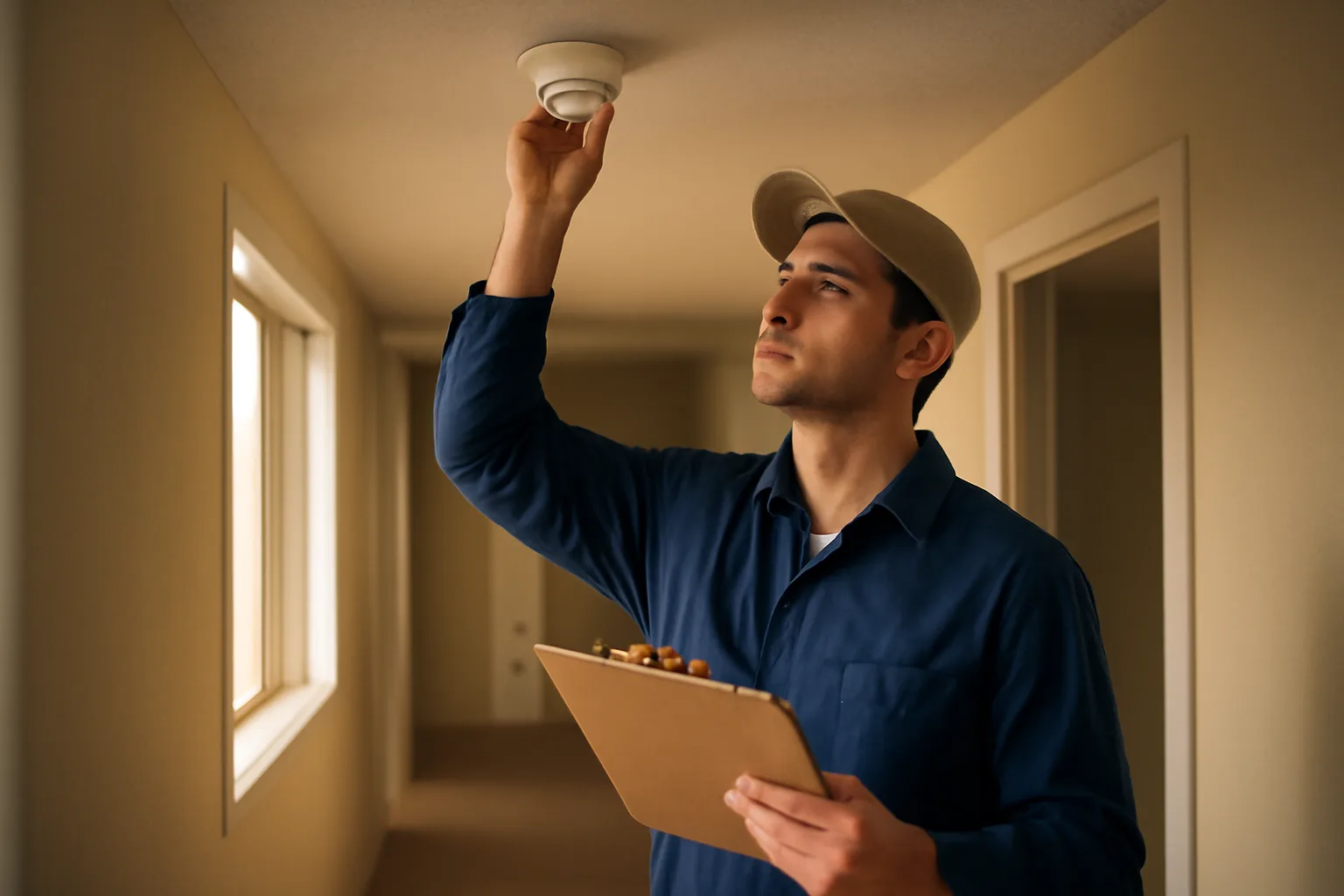
A housing inspection is a formal check of a rental unit against a housing or building code, done to confirm the place is safe to live in. It's not the same thing as a landlord's own move-in walkthrough. A licensing inspection is done by a city code officer, a housing authority inspector, or (for HUD-assisted units) a federal inspector, and it usually happens before a rental license is issued, at renewal, or in response to a tenant complaint. The specific items on the checklist depend on who's inspecting. Cities that require rental licensing set their own minimum housing codes, often built on top of the state building code, and inspection frequency ranges from every time a unit turns over to once every few years. HUD-assisted units under NSPIRE (the physical condition standard that replaced the older Housing Quality Standards) are inspected at least once every 24 months. Because every city writes its own ordinance, don't assume your neighbor's schedule applies to you. Some cities inspect every unit annually, some only inspect on complaint or turnover, and some exempt owner-occupied duplexes. Confirm the actual cycle and fee with your city rental licensing office before you plan around it.
What is a landlord, and what does "landlording" actually mean?
A landlord is a person or entity that owns residential property and rents it to someone else in exchange for payment. Legally, you become a landlord the moment you accept rent from an occupant, whether or not you signed a lease. State landlord-tenant statutes, like Ohio Revised Code Chapter 5321 or California's Civil Code sections on tenancies, use this functional definition rather than requiring a formal title. "Landlording" is the day-to-day work of running that arrangement: collecting rent, keeping the unit habitable, handling repair requests, screening applicants without violating fair housing law, and following whatever registration or licensing rules your city has on the books. It's part legal compliance, part maintenance, and part bookkeeping. Landlords who treat it like a side hobby tend to be the ones who get caught flat-footed by an inspection notice or a fine. If you're new to this, it helps to read a plain-language explainer on landlord responsibilities before you sign your first lease. The rules differ enough state to state that general internet advice only gets you partway there.
How do you become a landlord?
There's no single license that makes you a landlord nationally. It's a mix of local registration, insurance, tax reporting, and legal knowledge, and the order matters. First, check your city's zoning and rental registration rules before you list a unit. Many cities that require rental licensing won't let you legally collect rent until the property is registered, and some charge back-fees or fines for renting unregistered. Second, get a landlord (dwelling fire) insurance policy, not a standard homeowner's policy, since most homeowner policies exclude rented units. Third, learn your state's landlord-tenant law on security deposits, entry notice, and habitability duties before you write a lease. Fourth, screen every applicant the same way, since the Fair Housing Act bars decisions based on race, color, national origin, religion, sex, familial status, or disability [1]. Fifth, understand that rental income and expenses generally get reported on Schedule E of your federal tax return, per IRS guidance on rental activities [2]. If your city requires a license or inspection before you can rent, get that paperwork moving early. Renewal packets and inspection prep checklists (we build a $79 one-time version at /rental-packet-builder) can save you from scrambling the week before your first city visit, but no packet replaces actually reading your city's ordinance.
What can a landlord look at during a rental inspection?
During a code or licensing inspection, the inspector (city or HUD, not usually the landlord personally) checks life-safety systems and physical condition, not your tenant's belongings. Under the federal Housing Quality Standards framework that many local codes echo, inspectors look at things like working smoke and carbon monoxide detectors, secure and operable windows and doors, electrical outlets and panels free of hazards, functioning plumbing and a working water heater, adequate heat, and structural soundness, plus evidence of pests or lead paint hazards in pre-1978 units [3]. A city inspector generally doesn't open drawers, closets, or cabinets unless there's a specific safety reason, like checking under a sink for an active leak or verifying a working fire extinguisher location. This is different from a landlord's own move-in or move-out walkthrough, which documents the unit's cosmetic condition (paint, flooring, appliances) for security deposit purposes rather than code compliance. If your tenant is home during a scheduled licensing inspection, they don't have to let the inspector poke through personal items, and a reasonable inspector won't try. Confirm with your city rental licensing office exactly what's on their checklist; some add local items like working window screens, handrails on stairs, or GFCI outlets in kitchens and bathrooms that go beyond the federal baseline.
Who is responsible for a rental property walk-through inspection in California?
In California, the landlord (or the landlord's agent) is legally responsible for offering the tenant an initial move-out inspection before the tenancy ends. Under California Civil Code §1950.5(f), the landlord must "notify the tenant in writing of his or her option to request an initial inspection of the premises" and of the right to be present. If the tenant asks for it, that inspection has to happen no earlier than two weeks before the tenancy actually ends, and the landlord has to give the tenant an itemized list of anything that needs fixing to avoid a deposit deduction. For move-in condition, no California statute forces a joint walkthrough, but the state's own tenant guidance recommends both parties document the unit's condition in writing at move-in to head off deposit disputes later. That's just good practice, not a legal mandate, in most states. For a city-run safety or licensing inspection (separate from the move-out process above), the city's own inspector conducts the visit, but the landlord is the one responsible for scheduling access and making sure the unit is ready. Tenants can't be forced to be present for a licensing inspection unless local rules say otherwise, so coordinate the timing with them directly.
How much notice does a landlord have to give before an inspection?
It depends on the state and on which kind of inspection you mean. For routine entry to inspect or make repairs, California law says the landlord must give written notice, and "twenty-four hours shall be presumed to be reasonable notice" absent evidence otherwise, under Civil Code §1954 [4]. Ohio's statute doesn't spell out an exact number of hours; it just requires landlords to give "reasonable notice" and enter at reasonable times, per Ohio Revised Code §5321.04, though many Ohio leases adopt 24 hours as a practical default. City rental licensing inspections often come with their own notice rules set by ordinance, sometimes a mailed appointment window, sometimes 24 to 48 hours' notice, sometimes more for annual program inspections. There's no federal standard number that applies everywhere, so confirm the exact notice period with your city rental licensing office rather than assuming California's or Ohio's rule applies where you operate. Emergencies are the one universal exception. Burst pipes, gas leaks, fire, and similar hazards let a landlord enter without advance notice in essentially every state's framework.
What rights do tenants have without a lease?
Plenty. A tenant paying rent month-to-month with no written lease still has the full protection of state landlord-tenant law. That includes the right to a habitable unit (heat, water, working locks, no serious code violations), protection from illegal lockouts or utility shutoffs, the same entry-notice rules that apply to leased tenants, and protection from retaliation if they report a code violation or request a repair. What changes without a lease is mostly the termination process. Month-to-month tenancies typically require 30 days' written notice to end, though California requires 60 days once a tenant has lived in the unit a year or more. Ohio's landlord-tenant statute, Chapter 5321, applies the same way whether or not there's a signed lease. A verbal or implied agreement to pay rent still creates a legal tenancy. Landlords sometimes assume no lease means no rules; that's backwards. It usually just means the state's default rules fill in every gap a written lease would otherwise cover, and those defaults still protect the tenant.
Why do landlords require renters insurance?
Landlords require renters insurance mostly to move risk off their own policy. A landlord's dwelling insurance covers the building itself, but it generally doesn't cover a tenant's personal belongings or the tenant's liability if their negligence causes damage, like a stovetop fire or an overflowing bathtub that soaks the unit below. Without a renters policy, a tenant who causes that kind of damage has no coverage of their own, which often means the landlord's insurer pays the claim and then the landlord's premiums go up, or the landlord eats the cost directly. National survey data collected by the Insurance Information Institute has repeatedly found that a large share of renters carry no insurance at all unless it's required, which is a big part of why more leases now make it a mandatory condition of tenancy. Requiring proof of a policy (often naming the landlord as an "interested party" on the certificate) is legal in most states as a standard lease term. It's not a housing inspection requirement by itself, but some cities' rental licensing addenda do reference insurance, so check your local ordinance if you're unsure whether it's mandatory or just smart practice where you operate.
What can't a landlord do in Ohio?
Ohio's landlord-tenant law, Chapter 5321 of the Ohio Revised Code, spells out several things a landlord is barred from doing, no matter what the lease says. A landlord can't use self-help eviction, meaning changing the locks, removing a tenant's belongings, or shutting off utilities to force someone out, without going through the formal eviction process under Ohio law. A landlord can't retaliate against a tenant for complaining to a code enforcement agency, joining a tenant union, or asserting a legal right, under the retaliation protections in §5321.02. A landlord can't enter the unit without giving reasonable notice and entering at a reasonable time, except in an emergency, under §5321.04. And like every landlord nationwide, an Ohio landlord can't refuse to rent, set different terms, or evict someone based on race, color, national origin, religion, sex, familial status, or disability, protections spelled out in the federal Fair Housing Act [1]. The Ohio Attorney General publishes a plain-language landlord-tenant guide that walks through these rules and the eviction process step by step, which is worth reading before you act on any dispute.
What happens if a rental property fails its licensing inspection?
Failing doesn't usually mean the sky falls, but ignoring it does. Most cities issue a written notice listing every item that failed, from a missing smoke detector to a cracked outlet cover to a window that won't lock. You then get a re-inspection deadline, which some cities set around 30 days and others set shorter or longer, so this is genuinely a confirm-with-your-city-rental-licensing-office number, not a fixed national rule. Common failure items tend to be cheap fixes: dead smoke or CO detector batteries, missing GFCI outlets in kitchens and bathrooms, peeling paint in pre-1978 units, torn window screens, or a handrail that's come loose. Structural or major system failures (roofing, foundation, sewer line) are rarer but obviously cost more and take longer to resolve. If you don't fix the items and pass re-inspection by the deadline, cities generally escalate to fines, license suspension, or in serious cases a formal order that the unit isn't fit for occupancy. Some cities also charge a separate re-inspection fee if you miss the first deadline, so it's cheaper in every sense to fix things the first time around.
How do you prepare for a city rental inspection?
Walk the unit yourself a week or two ahead, using the same categories inspectors use: working smoke and carbon monoxide detectors in every required location, GFCI outlets in kitchens and bathrooms, windows that open and lock, screens intact, no active leaks under sinks, water heater venting properly, heat source functioning, and clear paths to every exit. Test everything you can test rather than assuming it's fine because it worked last year. Keep documentation. A folder with your last inspection report, any permits for work you've done, and receipts for repairs makes the actual visit shorter and gives you something to point to if an inspector questions a fix you already made. This is exactly the kind of paperwork our $79 one-time City Rental License & Inspection Prep Packet at /rental-packet-builder is built to organize, though it's a prep tool, not a guarantee you'll pass; the inspector's judgment on the day still governs the outcome. If you manage more than one unit, build a repeatable pre-inspection checklist rather than starting from scratch each cycle. It's the single biggest time-saver landlords report once they've been through two or three licensing cycles.
Frequently asked questions
How to become a landlord?
Becoming a landlord means checking your city's zoning and rental registration rules, getting a landlord insurance policy, learning your state's landlord-tenant law on deposits and notice, screening tenants under the Fair Housing Act, and reporting rental income on Schedule E of your federal return per IRS guidance. There's no single national license; it's a combination of local registration and legal compliance.
Who is responsible for a rental property walk-through inspection in California?
The landlord (or the landlord's agent) is responsible for offering the tenant an initial move-out inspection under California Civil Code §1950.5(f). The tenant has the right to be present, and the landlord must give written notice of the option and, if requested, an itemized list of needed repairs before the deposit is finalized.
What is landlording?
Landlording is the practical, ongoing work of operating a rental: collecting rent, maintaining a habitable unit, handling repairs, screening tenants fairly, following state landlord-tenant law, and complying with any city registration or licensing requirements. It's a legal and business role, more than a title that comes with owning property.
What is a landlord?
A landlord is a person or entity that owns residential property and rents it to someone else for payment. Under most state statutes, you're legally treated as a landlord as soon as you accept rent from an occupant, whether or not you have a signed lease in place.
What rights do tenants have without a lease?
Tenants without a written lease still get the full protection of state landlord-tenant law, including habitability, entry-notice rules, and protection from retaliation or illegal lockout. What usually differs is the termination process; month-to-month tenancies typically need 30 days' notice to end, sometimes 60 days depending on the state and how long the tenant has lived there.
How to be a landlord?
Being a landlord day to day means responding to repair requests promptly, keeping the unit up to code, giving proper notice before entry, following your state's security deposit rules, and staying current on any city rental licensing or inspection requirements. Treat it as a small business with legal compliance obligations, not a passive income stream.
Why do landlords require renters insurance?
Landlords require renters insurance because a landlord's own dwelling policy usually doesn't cover a tenant's belongings or the tenant's liability for damage they cause, like a kitchen fire or overflow. Requiring a renters policy shifts that risk off the landlord's insurance and reduces disputes over who pays for what after an incident.
How much notice does a landlord have to give before entering or inspecting a unit?
It varies by state. California presumes 24 hours' written notice is reasonable under Civil Code §1954. Ohio requires 'reasonable notice' without naming an exact hour count in the statute, though 24 hours is a common lease default. City licensing inspections set their own notice rules by ordinance, so confirm the number with your local rental licensing office.
What can a landlord look at during an inspection?
A code or licensing inspector generally checks life-safety and physical condition items: smoke and carbon monoxide detectors, electrical and plumbing systems, egress windows and doors, heating, structural condition, and pest or lead paint hazards. Inspectors typically don't go through a tenant's personal belongings unless there's a specific safety reason, like an active leak under a sink.
What can't a landlord do in Ohio?
Under Ohio Revised Code Chapter 5321, a landlord can't use self-help eviction (changing locks, removing belongings, cutting utilities) without a court order, can't retaliate against a tenant for reporting code violations, can't enter without reasonable notice except in an emergency, and can't discriminate based on protected classes under the federal Fair Housing Act.
How often are rental units inspected under a city licensing program?
It ranges widely. Some cities inspect every licensed unit on a set annual or multi-year cycle, others inspect only on tenant complaint or unit turnover. HUD-assisted units under the NSPIRE standard are inspected at least once every 24 months. There's no single national frequency, so confirm your city's specific cycle with its rental licensing office.
Can a tenant refuse a scheduled rental inspection?
Generally no, if the landlord or city has given proper legal notice and the inspection is for a legitimate purpose like code compliance. Tenants can, however, ask to reschedule for a reasonable alternate time, and they don't have to allow inspectors to search personal belongings that aren't relevant to the safety items being checked.
Is renters insurance legally required by law?
In most states, renters insurance isn't required by state law, but a landlord can make it a required condition of the lease as long as that requirement is disclosed and applied consistently. Some city rental licensing programs reference insurance in their addenda, so it's worth confirming with your city rental licensing office if you're unsure.
What happens if my rental unit fails a city housing inspection?
You'll typically get a written list of violations and a deadline to fix them, often around 30 days but varying by city. Fix the items and pass re-inspection to keep or receive your license. Missing the deadline commonly leads to fines, a re-inspection fee, or license suspension, so confirm your city's exact timeline and penalties in advance.
Sources
- Ohio Laws, Ohio Revised Code §5321.04: Ohio landlords must give reasonable notice and enter only at reasonable times, with an emergency exception
- Ohio Laws, Ohio Revised Code §5321.15: Ohio bars landlords from self-help eviction methods like lockouts or utility shutoffs
- Ohio Laws, Ohio Revised Code §5321.02: Ohio law protects tenants from landlord retaliation for asserting legal rights
- IRS, Tax Topic 414: Rental Income and Expenses: Rental income and expenses are generally reported on Schedule E of the federal tax return
- California Legislative Information: California landlords must give reasonable notice, typically 24 hours, before entering a rental unit for inspection
- Ohio Revised Code: Ohio tenant obligations, including maintaining the unit, which relate to what landlords can inspect for
- Ohio Revised Code: Ohio law on landlord retaliation, relevant to what a landlord cannot do in Ohio
- California Legislative Information: California security deposit law relevant to move-in/move-out walk-through inspections
- Consumer Financial Protection Bureau: Explanation of what renters insurance covers and why landlords may require it